

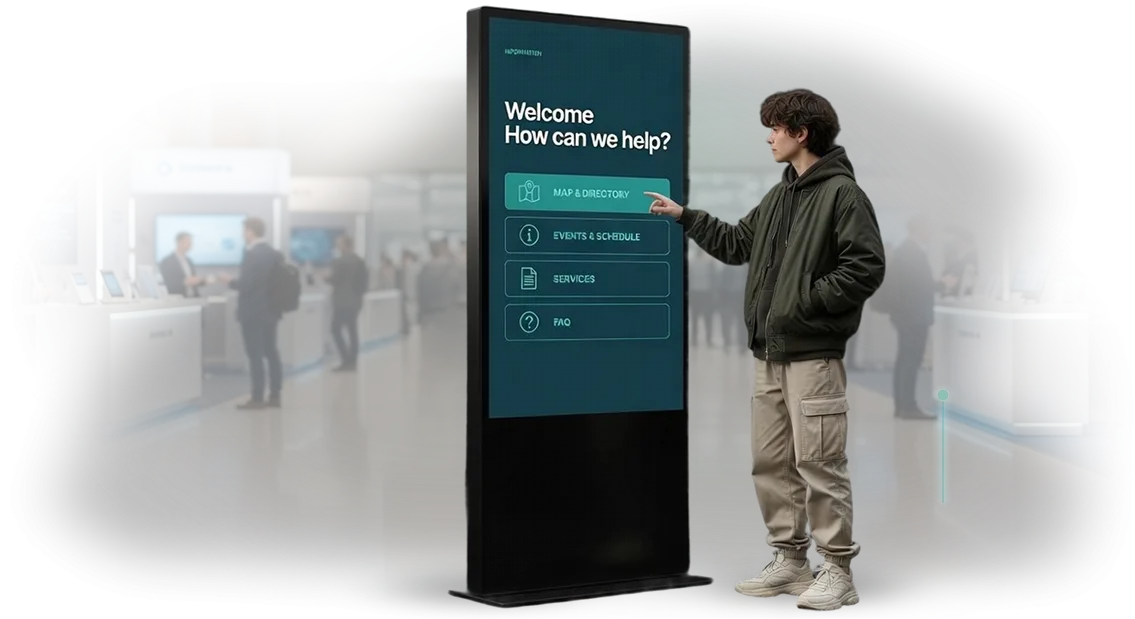
תורים בקופת החולים: למה הגיע הזמן להטמיע תור אלקטרוני
בכל יום מגיעים עשרות ומאות מבקרים לקופת החולים: כדי לסדר תשלום, לקבל ייעוץ, להגיש בקשה. בשעות השיא נוצרים תורים חיים מחוץ למשרדים, ואנשים מאבדים בין 40 דקות למספר שעות.
עבור אדם מבוגר, זה לא רק זמן אבוד — זה עייפות, לחץ והחמרה של מצבים כרוניים. ובכל זאת, הפגישה עצמה לרוב אורכת רק 10–15 דקות: רוב הזמן של המבקר מושקע בהמתנה, לא בשיחה עם מומחה.
עבור הקופה עצמה, העומס הכאוטי גם יוצר בעיות. העובדים נאלצים להיות מוסחים בניהול התור, לענות על אותן שאלות ולעבוד תחת מתח מוגבר. זה מוריד את מהירות השירות ומגביר טעויות ותלונות.
לעתים קרובות נוצרים קונפליקטים בין מבקרים שלא מצליחים להבין מי הגיע לתור לפני מי. כתוצאה מכך, גם מדדי הביצועים של הקופה וגם המוניטין שלה נפגעים, ומופיעות ביקורות שליליות ברשתות החברתיות.
תור אלקטרוני משנה את התמונה הזו לחלוטין. המבקר לוקח כרטיס, יושב באזור המתנה נוח, ובזמן שנקבע הולך למומחה הנכון.
המערכת עצמה מחלקת את העומס, מתחשבת בקטגוריות עדיפות ומפנה אנשים לחלונות פנויים. המבקרים מפסיקים להצטופף ליד הדלתות — האולם נעשה רגוע, והעובדים מתמקדים בתפקידיהם הישירים.
זמן ההמתנה מצטמצם פי כמה, השירות מהיר יותר, והאזרחים נשארים עם תחושה שהזמן שלהם מכובד.
התור האלקטרוני מעוצב כך שאנשים בכל גיל יכולים להתמודד איתו: כפתורים גדולים על המסך, הודעות ברורות כמו "המספר שלך, חלון 3," כרטיסים נוחים עם מספרים בהירים.
במידת הצורך, מומחים עוזרים למבקר לעשות את הצעד הראשון — זה מהיר ולא יוצר מחסום. זה חשוב במיוחד עבור אנשים מבוגרים: המערכת לא דורשת ידע מיוחד ופשוט הופכת את התהליך לשקוף וצפוי.
הטמעת תור אלקטרוני היא לא רק התקנת עמדת כרטוס. זה בניית תהליך ברור וצפוי שחוסך זמן לשני הצדדים והופך את השירות לנוח.
עבור קופת החולים, אוטומציה הופכת לצעד לעבר סטנדרט מודרני של עבודה עם מבקרים, שבו כיבוד הזמן שלהם הוא העיקרון המרכזי. אלה שכבר עברו למערכת כזו מדווחים על הפחתת עומס על הצוות ועלייה בשביעות רצון האזרחים. תור אלקטרוני הוא השקעה שמשתלמת באמון ובסדר בכל סניף.
מה אוטומציה של תזמון ותורים תיתן למוסד שלך
קופת החולים היא מוסד שבו קשה לחזות את זרם המבקרים. בשעות השיא, התור יכול להימתח לעשרות אנשים, והעובדים נאלצים להיות מוסחים על ידי עניינים ארגוניים במקום לעבוד עם מסמכים.
אוטומציה של תזמון ותורים פותרת את הבעיה הזו מהשורש: המבקר מפסיק לחכות בחוסר ודאות, והצוות מפסיק לעבוד בלחץ מתמיד.
מה בדיוק משתנה? אדם מזמין זמן נוח מראש דרך עמדת מידע או מקבל מספר תור אלקטרוני עם הגעתו. המערכת עצמה מחלקת את העומס, אומרת לך לאיזה חלון לגשת ומראה את זמן ההמתנה האמיתי.
כתוצאה מכך, צמצום התורים הופך למדיד: הזמן הממוצע שהייה במוסד יורד פי כמה, והעובדים מצליחים לשרת יותר מבקרים בלי לאבד איכות.
עבור הנהלת המוסד, האוטומציה מספקת אפקט חשוב נוסף — מעקב מדויק אחר מבקרים. המערכת מתעדת כל ביקור, משך הפגישה ועומסי שיא.
בהתבסס על נתונים אלה, קל להתאים לוחות זמנים, להקצות מחדש צוות ולהתכונן מראש לזרם של פונים. במקום ניחושים, אתה מקבל אנליטיקה ברורה שעליה מבוססות החלטות ניהוליות.
אבל היתרון המרכזי הוא שביעות רצון הלקוחות. המבקרים מעריכים ודאות: הם יודעים מתי יקבלו אותם ורואים שהתור מתקדם בצורה הוגנת. זה מפחית את מספר מצבי הקונפליקט, מגביר את האמון במוסד ומשפיע לטובה על המוניטין שלו.
עבור קופת החולים, שבה אנשים מגיעים לשירותים בעלי חשיבות חברתית, נוחות ההמתנה משפיעה ישירות על הרושם הכללי מעבודת הסוכנות.
אנחנו מיישמים מערכות תור אלקטרוני ותזמון פגישות עבור מוסדות ממשלתיים כבר למעלה מ-10 שנים. הפתרונות שלנו מבוססים על ציוד מקצועי ותוכנה מלוטשת, כך שאתה מקבל פעולה יציבה ללא תקלות או השבתות.
אוטומציה של תזמון היא לא רק התקנת מסוף — זה צעד לעבר שירות מודרני ממוקד לקוח שחוסך זמן לאנשים ומשאבים לארגון שלך.
פורמטים של עמדות מידע למשימות שונות
מבקרים בסניפי קופת החולים מגיעים עם משימות שונות: חלקם צריכים תור אלקטרוני, חלקם צריכים אישור, וחלקם רוצים לבדוק את לוח הזמנים. עמדת מידע אוניברסלית רק לעתים רחוקות מכסה את כל התרחישים, ולכן הפורמט נבחר בהתאם לזרם של סניף מסוים. המטרה היא לחסל תורים, להפחית עומס על הצוות ולהפוך ביקורים לצפויים.
אנחנו מתכננים עמדות לשלוש משימות אופייניות: תור אלקטרוני, תזמון פגישות ומסוף מידע.
כל אפשרות משמשת בנפרד או בשילוב, אבל הלקוח תמיד מקבל תוצאה מדידה — פחות זמן שהוקדש לשירות, זרם מבקרים שקוף ואווירה רגועה באולם.
| פורמט | למי | מה זה נותן ללקוח |
|---|---|---|
| תור אלקטרוני | סניפים עם זרם מבקרים גדול | מארגן אנשים לפי זמן, מסיר צפיפות מחוץ למשרדים, מפחית מתח |
| תזמון פגישות | מבקרים שרוצים לתכנן את הביקור שלהם | מחלק את העומס בין המומחים, מפחית המתנה, מגביר צפיות |
| מסוף מידע | מבקרים שצריכים מידע בלי שיחה | משחרר צוות, הופך מידע עזר לזמין בכל עת |
אפילו מסוף תורים קטן יש לו אפקט ניכר: המבקרים רואים את המספר שלהם ואת זמן ההמתנה, והעובדים מפסיקים להיות מוסחים על ידי "כמה עוד?".
בבחירת פורמט, אנחנו מסתכלים על גודל הזרם, מספר החלונות והבקשות האופייניות של המבקרים כדי שתקבל תוכנית עובדת, לא מסך עם "עמדה".
איך עובדת הטמעת מערכת תור אלקטרוני
כל הטמעה של מערכת תור אלקטרוני היא לא רק התקנת ציוד אלא פרויקט עם שלבים ברורים ואחריות.
אנחנו מבנים את העבודה כך שתמיד תדע מה קורה עם העמדה שלך: מהתדרוך הראשון ועד לרגע שבו המבקרים הראשונים מקבלים כרטיסים.
להלן הנתיב האופייני שפרויקט עובר. לוחות הזמנים והרכב השלבים מותאמים למשימות של סניף מסוים, אבל ההיגיון תמיד שקוף ומוסכם איתך.
-
תדרוך וניתוח משימות. אנחנו מקשיבים לדרישות שלך: מספר חלונות, זרם מבקרים, אזורי שירות, תוכניות תזמון. אנחנו בוחנים את המתחם ואת התהליכים הקיימים כדי להציע פתרון, לא תבנית.
-
תכנון והצעה. אנחנו מתעדים את תוכנית זרם המבקרים, מספר נקודות הוצאת הכרטיסים וההיגיון לקטגוריות עדיפות של אזרחים. אנחנו מתאמים את הערכת העלות ואת לוחות הזמנים — אתה מקבל הבנה ברורה של התקציב והתוצאה לפני תחילת העבודה.
-
אישור עיצוב והיגיון. אנחנו מגדירים את המראה של העמדה והממשק, והכי חשוב, את תרחיש ההפעלה: קריאה לחלון, תזמון פגישה עם מומחה, טיפול במצבי חירום. אנחנו מסכימים על טקסטים ורמזים כך שאנשים בכל גיל יוכלו להשתמש בהם בקלות.
-
פיתוח והגדרה. אנחנו מגדירים את תוכנת השרת ואת מערכת ניהול התורים. אנחנו משלבים את העמדה עם מסד הנתונים של הפגישות שלך, מגדירים עדיפויות ודוחות עבור המנהל. אתה מקבל כלי מותאם לנוהלי העבודה הספציפיים של המוסד שלך.
-
התקנה והפעלה. אנחנו מתקינים את הציוד, מחברים אותו לרשת ובודקים תקשורת עם חלונות ומסכים. אנחנו מריצים בדיקות בתנאים קרובים לאמיתיים.
-
הכשרת צוות. אנחנו מראים למנהלים ולצוות איך לנהל את התור, להפנות זרם ולעבוד עם דוחות. ההכשרה לוקחת זמן מינימלי — הניהול אינטואיטיבי.
-
השקה ותמיכה. אנחנו מפעילים את העמדה ונשארים בקשר. אנחנו מספקים תמיכה טכנית, מנטרים יציבות ומתאימים את היגיון ההפעלה במידת הצורך.
גישה זו מסירה סיכונים והפתעות. אתה יודע כל שלב מראש, שולט בלוחות הזמנים ומקבל מערכת עובדת שמקלה על הצוות ומאיצה את שירות המבקרים.
מה כלול בחבילת התוכנה
בהזמנת עמדה לקופת החולים, אתה מקבל לא תוכנה נפרדת אלא פתרון סוהר מוכן לעבודה. ערכת המסירה שקופה וידועה מראש: רישיונות, הגדרה, אינטגרציה, הכשרה, תיעוד וערבות תמיכה.
- רישיון תוכנה. זכות שימוש תמידית בכל העמדות שנרכשו. הוא מונפק למוסד שלך, כך שאינך צריך להבין בנבכי הרישוי — הכל כבר נעשה.
- הגדרת עמדה. מומחים יחברו ויגדירו את מסך המגע, הדפסת הכרטיסים, קורא הדרכונים ומודולים אחרים עבור תרחישי שירות המבקרים שלך.
- אינטגרציה עם מסדי נתונים ומערכות. אנו נגדיר חילופי נתונים בהתאם לתקנות המוסד כך שהתור האלקטרוני ותזמון הפגישות יעבדו תמיד עם מידע עדכני. עבור הסניף, זה אומר פחות טעויות ותורים קצרים יותר.
- הכשרת צוות. אנו נספק הוראות ברורות ונערוך הכשרה קצרה למשתמשים מרכזיים. העובדים שלך יוכלו לשנות לוחות זמנים, לפתוח ולסגור חלונות ולצפות בסטטיסטיקה בעצמם — בלי לפנות למפתחים.
- תיעוד טכני. סט מסמכים מלא: תיאורים של כל התרחישים, כללי ניהול ונהלים למצבי חירום. זה מפשט קליטת עובדים חדשים ותפעול שוטף.
- אחריות ותמיכה. תקופת האחריות כוללת עדכונים וייעוצים. הארכת תמיכה היא אופציונלית, בתנאים ברורים, ללא תשלומים נסתרים.
כך, המסירה מכסה את כל השלבים — מהתקנה ועד הכשרת צוות. אתה משלם פעם אחת עבור חבילה ברורה, לא עבור "קוד גולמי" שיצטרך עיבוד.
זה מאפשר לך להשיק את העמדות במהירות ולהתמקד במשימה המרכזית — שירות נוח למבקרי קופת החולים.
מקרה בוחן: איך קופת חולים הפחיתה את זמן ההמתנה פי 3
סניף קופת החולים קיבל עד 200 מבקרים ביום, עם עומס שיא בשעות הבוקר. אנשים התחילו לעמוד בתור מוקדם בבוקר, ובצהריים ההמתנה הגיעה ל-40 דקות — זה יצר מתח באולם ותלונות על השירות.
התקנו עמדות אינטראקטיביות עם תור אלקטרוני כדי להעביר את תזמון הפגישות וקריאת המבקרים למצב אוטומטי.
מספרים לפני ואחרי
תוך שבועיים מפעילות, זמן ההמתנה הממוצע ירד מ-40 ל-13 דקות. תור של 80 אנשים, שבעבר נמתח לאורך כל המסדרון, מתפנה עכשיו תוך 30 דקות.
העובדים הפסיקו להיות מוסחים על ידי הזמנת פגישות ידנית ומשרתים בשלווה מבקרים בקריאה — התפוקה של החלון עלתה בשליש.
חשוב לציין, האפקט נשמר בשעות השיא. לפני כן, לא ניתן היה לקבל יותר מ-10 אנשים בשעה הראשונה של העבודה; עכשיו זה 25, כי העמדה עצמה מחלקת את הזרם.
המבקרים רואים את המספר שלהם על המסך ולא מצטופפים ליד הדלת, כך שמצבי קונפליקט כמעט נעלמו.
מה הלקוח אומר
מנהל הסניף מאשר את התוצאה: "בעבר, מבקרים התחילו את היום שלהם בלחץ והוציאו את זה על הצוות. עכשיו אדם נכנס, לוקח כרטיס, ממתין בשלווה לקריאה — ואנחנו מצליחים לשרת את כולם לפני הצהריים. זה שינה את האווירה גם באולם וגם בצוות."
לאחר שלושה חודשי פעילות, הלקוח הזמין ציוד נוסף לסניף שני וביקש להוסיף אפשרות להזמנת פגישות מקוונת.
חשוב לנו שהלקוח לא עוצר בתוצאה חד-פעמית — המערכת מתקנה בקלות לסניפים אחרים ולשירותים סטנדרטיים, כך שחיסכון הזמן גדל עם מספר העמדות.
איך לבחור את פורמט העמדה הנכון למשימה שלך?
בחירת פורמט העמדה תלויה באיזו בעיה אתה רוצה לפתור קודם. אם הכאב המרכזי שלך הוא תורים חיים ארוכים וכאוס באולם, אתה צריך עמדת תור אלקטרוני.
היא מנפיקה כרטיסים, ממיינת מבקרים לפי כיוון שירות ומחלקת את העומס באופן שווה בין העובדים — אנשים מפסיקים להצטופף ליד החלונות, ואתה מקבל זרם מבקרים צפוי לאורך היום.
כשהמשימה המרכזית היא להפחית את מספר הביקורים ולקצר את זמן הפגישה, בחר עמדת הזמנת פגישות.
המבקר בוחר תאריך ושעה נוחים, מקבל כרטיס עם תזכורת, והצוות רואה את תוכנית העבודה מראש ולא מבזבז זמן על "חלונות ריקים." פורמט זה יעיל במיוחד אם אנשים מגיעים בתיאום ואתה רוצה לנהל את עומס העבודה של המומחים.
אם מבקרים מבקשים לרוב אישורים, הצהרות או מידע עדכני, עמדת "אינפומט" עם הדפסת מסמכים וצפייה במידע עזר מתאימה.
היא מטפלת בבקשות סטנדרטיות ללא מפעיל: אדם מקבל את המסמך הדרוש תוך כמה דקות, בעוד הצוות מטפל רק בבעיות מורכבות הדורשות שיחה אישית.
לעתים קרובות הפתרון האופטימלי הוא שילוב של שני פורמטים בעמדה אחת: תור אלקטרוני לשירותים בנפח גבוה והזמנה מראש למי שרוצה לתכנן את הביקור שלו. הניסיון שלנו מראה שרוב סניפי קופת החולים בוחרים בתרחיש היברידי.
הוא מספק אפקט מקסימלי — התורים מתקצרים, המבקרים מרוצים והצוות עובד ללא עומס יתר.
כדי להימנע מטעויות, התחל עם ביקורת פשוטה: אילו שירותים מבוקשים ביותר, כמה זמן אורכת פגישה אופיינית ומתי מתרחשות שעות השיא.
אנחנו עוזרים לך לבחור פורמט לזרם המבקרים שלך וכבר בשלב התדרוך מראים איך העמדה תשפיע על פעילות הסניף — ממהירות השירות ועד נוחות הצוות.
שאלות נפוצות על עמדות ותורים אלקטרוניים
כשמדובר בהטמעת עמדות בסניפי קופת החולים, למנהלים נוטות להיות אותן שאלות. עד כמה הציוד אמין? האם קשה לשלב עם מערכת התזמון הקיימת? איך מגנים על נתונים אישיים? האם הצוות יצטרך הכשרה ארוכה? בואו נתייחס לחששות המרכזיים — נענה בקצרה ולעניין.
עד כמה העמדה אמינה תחת עומס יומי?
העמדה פועלת כרגיל מהיום הראשון, ללא תקלות גם תחת זרם מבקרים גדול. אנו משתמשים בציוד מקצועי מוכח ומספקים ניטור מצב מערכת: אם מתרחשת תקלה פוטנציאלית, אתה מקבל הודעה ויכול להחזיר את המכשיר לפעולה במהירות.
איך עובדת האינטגרציה עם מערכת התור האלקטרוני והתזמון?
אנחנו מחברים את העמדה למערכת הקיימת שלך במקום להחליף אותה. דרך העמדה, המבקר בוחר את השירות הנדרש, מקבל כרטיס ונכנס לאותו תור כמו בהזמנה בחלון או במסוף. האינטגרציה מתרחשת בלי לעצור את עבודת הסניף, בדרך כלל בשעות שאינן עבודה.
איך מובטחת אבטחת הנתונים האישיים?
נתוני המבקרים מועברים בערוץ מאובטח, והגישה מוגבלת ומופרדת. הפיתוח מתחשב בדרישות עיבוד הנתונים האישיים — אתה מקבל פתרון שלא יוצר סיכונים לארגון שלך.
האם קשה לצוות ולמבקרים להבין את העמדה?
הממשק ברור אפילו למי שמשתמש במסך מגע בפעם הראשונה: כפתורים גדולים, רמזים ושלבים פשוטים. הכשרת הצוות אורכת לא יותר משעתיים, והמבקרים צריכים רק דקה או שתיים. במידת הצורך, אנו תומכים בהשקה ונשארים בקשר לאחר ההטמעה.
אם עדיין יש לך שאלה, שאל אותנו. במהלך ייעוץ, נסקור את המקרה שלך, נראה איך העמדה תשתלב בתהליכי הסניף ונענה על כל הפרטים הטכניים.הזמן פיתוח תוכנה לעמדה שלך
מבקרי קופת החולים מתמודדים עם תורים ושאלות חוזרות. העובדים מבזבזים זמן על הסברים במקום לבצע את המשימות שלהם.
תוכנה לעמדת מידע פותרת את הבעיה הזו: מבקרים מזמינים פגישות, מקבלים כרטיסים ורואים את מצב התור בעצמם — בלי לחץ מיותר.
הזמן פיתוח תוכנה לעמדת מידע בסניף שלך — וקבל תמיכה מלאה. נתחיל בייעוץ, נכין הערכת עלות לתרחיש שלך ונראה הדגמה לפני ההשקה. אתה לא צריך להבין בטכנולוגיה: אנחנו מטפלים בהטמעה ובהגדרה.
מה אתה מקבל לאחר ההזמנה:
- ייעוץ מומחה: נסקור את תרחיש העמדה ואת זרם המבקרים שלך.
- עלות ולוחות זמנים מחושבים לאחר ביקורת למשימה שלך — תוכנית שקופה ללא עבודה נסתרת.
- הדגמת תרחיש על מסך לפני ההשקה: תראה איך מבקרים מזמינים ומקבלים כרטיס תור אלקטרוני.
- התאמה לשירותי הסניף שלך: תזמון פגישות, הוצאת כרטיסים ורמזים למבקרים.
- הגדרה על העמדה שלך או עזרה בבחירת עמדת מידע מתאימה.
- הכשרת צוות ותמיכה טכנית לאחר ההשקה כדי להבטיח שהעמדה פועלת ביציבות.
זה חוסך זמן לצוות ויוצר נוחות למבקרים. השאר בקשה לייעוץ — נגיב, נחשב עלות ונראה הדגמה. התחל בשיחה קצרה, ואנחנו נטפל בכל הפיתוח משם.