

האם מרפאת שיניים מאבדת מטופלים בגלל תורים בדלפק הקבלה?
בשעות העומס של הבוקר, 10–15 אנשים מתאספים ליד דלפק הקבלה של מרפאת השיניים. חלקם הגיעו לבדיקה שגרתית, חלקם סובלים מכאב חריף ומוכנים לשלם עבור תור כבר עכשיו.
בזמן שהמנהלת עונה לשיחות טלפון ומחפשת משבצת פנויה אצל רופא, המטופלים ממתינים. אחד מכל חמישה בסופו של דבר עוזב למרפאה שכנה — כזו שבה אין המתנה.
איבוד מטופל בגלל תור הוא לא רק קבלה אבודה עבור התור של היום. זה אובדן נאמנות: אדם שפעם הלך משם, סביר שלא יחזור או יביא את משפחתו. הבעיה נפתרת לא על ידי הוספת צוות, אלא על ידי אוטומציה של הזמנת תורים.
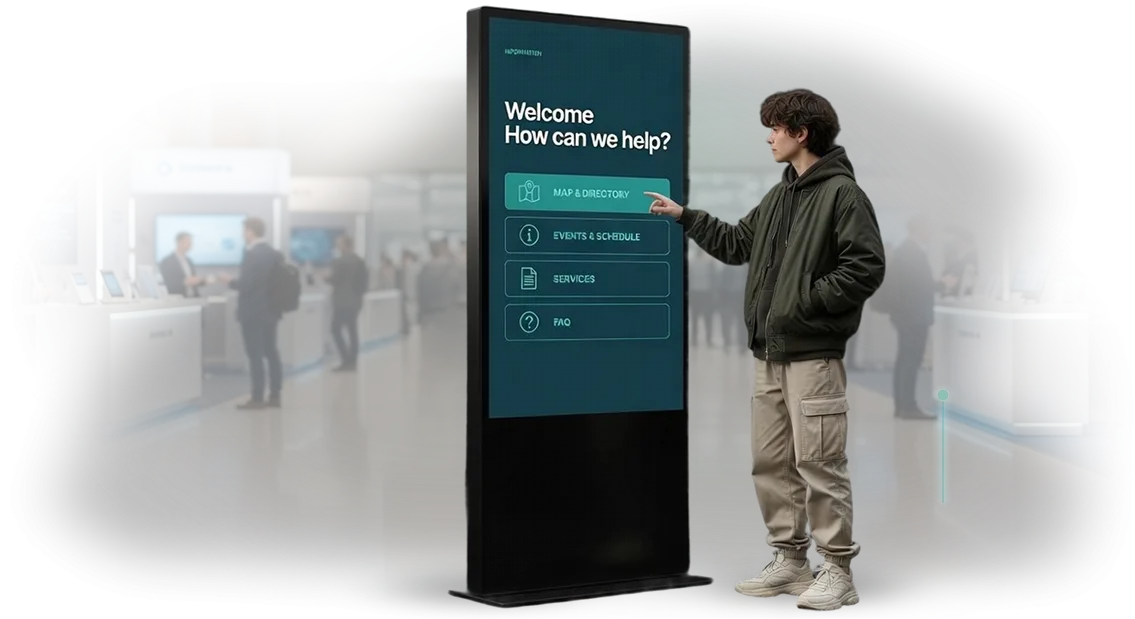
קיוסק שירות עצמי בלובי לוקח על עצמו את השגרה: המטופלים בוחרים רופא בעצמם, רואים משבצות פנויות ומאשרים ביקור בכמה נגיעות במסך — ללא עזרת המנהלת.
לאוטומציה של התורים יש אפקט כפול. המתח בדלפק נעלם — אנשים מפסיקים להידחק, והאווירה נעשית רגועה יותר. המנהלת מתפנה לאינטראקציה אישית: קבלת פנים למטופלים, מענה על שאלות והצעת שירותים נוספים. זה מעלה את החשבון הממוצע ומחזק את הרושם הכללי של המרפאה.
אנחנו מבצעים אוטומציה של תזמון תורים במוסדות רפואיים כבר יותר מ-10 שנים ויודעים איך מרפאת שיניים עובדת מבפנים.
הקיוסקים שלנו כבר פועלים בעשרות מרפאות: הם אמינים, מובנים למטופלים בכל גיל, וקלים לשילוב במערכת התורים הקיימת. נספר לכם איך זה ייראה בלובי שלכם — במהלך ייעוץ.
מה מערכת תורים אלקטרונית והזמנת תורים מספקת: מהירות, נוחות, סדר
מהירות וסדר בכל רגע
מטופלי שיניים לא אוהבים לשבת בתור — במיוחד כשמישהו עם כאב חריף נמצא בקרבת מקום.
תור אלקטרוני מסיר את הכאוס: מטופל רואה כמה זמן נותר עד לתור ויכול להמתין ברוגע באזור נוח או לגשת לחדר הטיפול המתאים בלי להידחק ליד הדלפק.
זמן ההמתנה הממוצע יורד מיד — ב-20–30%, פשוט כי תורים לא הולכים לאיבוד ומומחים לא יושבים בטלים. עבור המרפאה, זה אומר פחות מטופלים לא מרוצים ויותר יכולת לראות את כל מי שרוצה תור בשעה נוחה.
המנהלת מטפלת באנשים, לא בניירת
דלפק קבלה במרפאת שיניים מתמודד עם עשרות שיחות, שינויים בלוח הזמנים, חיפוש רשומות מטופלים ומענה על אותן שאלות שוב ושוב.
אוטומציה של הקבלה לוקחת על עצמה את השגרה: מטופלים בוחרים את הזמן שלהם בעצמם, מקבלים תזכורות ומשנים את מועד הביקור דרך הקיוסק או הסמארטפון כשצריך.
המנהלת זוכה לשעות של תקשורת אישית — קבלת פנים למטופלים, עזרה במסמכים ובחירת אפשרות תור נוחה. הצוות מתעייף פחות, תחלופת העובדים יורדת, והמרפאה פועלת בצורה חלקה יותר גם בשעות השיא.
הזמנה בשירות עצמי — רמת שירות חדשה
כשמטופלים יכולים להזמין תור אצל הרופא המתאים בעצמם, הם מרגישים שליטה על הזמן שלהם.
קיוסק בלובי עובד ללא הפסקות ואינו תלוי בכמה המנהלת עסוקה — הוא נוח גם למטופלים שנכנסים ללא תור וגם לאלה שלא אוהבים לבצע שיחות טלפון.
עבור המרפאה, זה אומר גם נתונים מדויקים: אפשר לראות אילו מומחים מבוקשים, מתי מוזמנים הכי הרבה תורים ואילו שירותים נבחרים בתדירות הגבוהה ביותר.
בהתבסס על נתונים אלה, אפשר להתאים את לוחות הזמנים בגמישות ולהגדיל את ההכנסות ללא השקעה שיווקית נוספת.
תדמית מודרנית למרפאה
מרפאת שיניים עם תור אלקטרוני והזמנה בשירות עצמי נתפסת כטכנולוגית ודואגת למטופלים — זה חשוב במיוחד לקהל צעיר שרגיל לפתור עניינים בכמה הקשות.
קיוסק בכניסה קובע את הטון מיד: המרפאה מתעדכנת עם הזמן ומכבדת את זמנם של הלקוחות.
זה גם יתרון תחרותי באזור: בזמן שמרפאות אחרות גורמות למטופלים להמתין ורושמות תורים "במחברת", המרפאה שלכם עובדת במדויק ובצורה צפויה.
מטופלים חוזרים מעצמם וממליצים על המרפאה לחברים — המודעות גדלה ללא עלויות שיווק נוספות.
פורמטי יישום למרפאת שיניים
מרפאת שיניים פועלת בקצב של זרימת מטופלים קבועה: חלק מגיעים בתיאום מראש, חלק עם כאב חריף, חלק עם שאלות למנהלת. קיוסק אינטראקטיבי מקל על העומס ומאיץ את השירות.
אנו מציעים מספר פורמטי יישום — מטרמינל קומפקטי ליד הדלפק ועד מערכת מלאה לניהול זרימת מטופלים.
אפשרויות יישום
| פורמט | למי זה מיועד | מה זה נותן ללקוח |
|---|---|---|
| קיוסק הזמנת תורים בסיסי | מרפאה קטנה או סניף עם רופא אחד או שניים | מטופלים בוחרים שעה בעצמם ומזמינים תוך 2–3 דקות; המנהלת לא מוסחת על ידי שגרה |
| קיוסק תור אלקטרוני | מרפאה עם זרימת מטופלים גבוהה ותור חי | סדר תורים שקוף, פחות כאוס באזור ההמתנה, זמני המתנה קצרים יותר |
| אינטגרציה מקיפה | רשת מרפאות או מרפאה עם לוח זמנים צפוף | הזמנות שנעשות בקיוסק נכנסות ישירות ללוח הזמנים המשותף; כפילויות בהזמנות מתבטלות |
| קיוסק מידע עם ניווט | מרכז רפואי גדול עם מספר קומות | מטופלים מוצאים בקלות את החדר הנכון ולומדים על שירותים; עומס העבודה על הצוות מופחת |
כל פורמט ניתן להרחבה: אפשר להתחיל עם קיוסק בסיסי ומאוחר יותר להוסיף תור אלקטרוני, אינטגרציה עם מערכת החשבונאות או מודול משוב. הקיוסק יכול לעבוד גם יחד עם הזמנה מקוונת באתר — המטופלים מקבלים שירות אחיד לא משנה מאיפה הם מזמינים.
איך הפרויקט מתנהל: מהגדרת המשימה ועד ההשקה
פיתוח קיוסק למרפאת שיניים הוא לא "קופסה שחורה". מבננו את התהליך כך שתבינו מה קורה בכל שלב ומתי יופיע התוצאה. פרויקט בדרך כלל אורך 3–4 שבועות, אבל אנו קובעים את לוח הזמנים המדויק בחוזה לאחר הבריף.
- בריף והתעמקות במשימה. אתם מספרים לנו איך ההזמנה עובדת היום, אילו תרחישים הם הנפוצים ביותר ומה לא נוח למנהלות ולמטופלים. אנו שואלים שאלות הבהרה ומתעדים את הדרישות — זה הבסיס לכל הפרויקט.
- ניתוח והצעת פתרון. אנו לומדים את זרימות המבקרים, מספר חלונות הרישום ושעות הפעילות של המרפאה. אנו מציעים מבנה תפריט והיגיון מסכים — מובנים אפילו למבקרים בפעם הראשונה.
- אב טיפוס ממשק. אנו מראים איך כל מסך ייראה: בחירת שירות, רופא, תאריך ושעה. אנו מסכמים על צבעים, גופנים וטקסטים כך שהקיוסק ייראה כחלק מהמרפאה ולא יעורר שאלות בקרב המטופלים.
- פיתוח והתקנה. אנו בונים את המערכת: הזמנת תורים, תור אלקטרוני, הדפסת כרטיסים, התראות. אנו מחברים אותה לתוכנת ההזמנות שלכם או יוצרים פאנל מנהלים נפרד לניהול לוח הזמנים.
- בדיקה על תרחישים אמיתיים. אנו בודקים איך הקיוסק מתנהג בעומס שיא, שגיאות קלט ותקלות חיבור. אתם מקבלים פרוטוקול בדיקה — בלי הפתעות ביום ההשקה.
- השקה והדרכת צוות. אנו מתקינים את הקיוסק, מגדירים אותו לחלל שלכם ומכשירים את המנהלות: איך לפקח על התור, לשנות לוחות זמנים ולטפל במצבים חריגים. לאחר ההשקה, אנו תומכים ומשפרים את המערכת לפי בקשותיכם.
מה כלול במסירה: ערכה מלאה להפעלת הקיוסק
המרפאה מקבלת פתרון סוהר — בלי צורך לחפש קבלנים מרובים ולהרכיב את המערכת חלק אחר חלק. כל מה שצריך לקיוסק עם תור אלקטרוני והזמנת תורים כבר כלול במסירה ומותאם לתהליכים שלכם.
- תוכנה מותאמת למרפאה שלכם — תור אלקטרוני, הזמנה מקוונת, מערכת קריאה למטופלים וניהול לוח זמנים של רופאים. היא רצה על ציוד מקצועי, כך שהמערכת נשארת יציבה גם בשעות השיא.
- אב טיפוס ממשק בסגנון הארגוני שלכם — עיצוב מסך הקיוסק, מסך פתיחה, ערכת צבעים ולוגו. מטופלים רואים מיד שהמערכת היא חלק מהמרפאה שלכם, לא תוכנה של צד שלישי.
- מערכת מסמכים מלאה — הוראות להפעלה יומית, הגדרת לוח זמנים, החלפת חומרים מתכלים ופעולות מנהלה סטנדרטיות. הצוות יוכל להבין דברים בלי לפנות למפתחים.
- הדרכה לצוות שלכם — מפגש מעשי למנהלות ולצוות הקבלה: איך לקבל הזמנות דרך הקיוסק, לעבוד עם התור ולהגיב למצבים חריגים. ההדרכה מתקיימת על הציוד שלכם ובקצב שלכם.
- תמיכה טכנית בשעות פעילות המרפאה — המומחים שלנו זמינים לעזור בהגדרות, שאלות צוות או תקלות. זמן התגובה הממוצע מצוין בחוזה, כך שאתם יודעים למה לצפות.
- אחריות על תוכנה וציוד — במקרה של בעיות, אנו משחזרים את פעולת הקיוסק בזמן קצר ומחליפים רכיבים במידת הצורך. דלפק הקבלה שלכם לא בטל, ומטופלים ממשיכים להזמין ללא תורים.
- עדכונים ושיפורים — התאמת המערכת לשינויים בפעילות המרפאה: שירותים חדשים, שינויי לוח זמנים, תרחישי הזמנה נוספים. המערכת מתפתחת יחד עם העסק שלכם.
התמיכה לא מסתיימת בהשקה: אנו נשארים איתכם לאורך כל תקופת ההפעלה. זה אומר שהקיוסק לא הופך ל"קופסה שננטשה" — הוא רץ, מתעדכן ומביא ערך כל יום.
מקרה אמיתי: איך הפיתוח שלנו האיץ את שירות המטופלים
במרכז שיניים אחד עם זרימה של עד 200 מטופלים ביום, ההזמנה והרישום ארכו 5–7 דקות לאדם. בשעות השיא נבנה תור ליד דלפק המנהלת, ומטופלים התחילו את היום שלהם במתח.
הצענו התקנת קיוסק אינטראקטיבי: מטופלים בוחרים שירות בעצמם, מזמינים רופא ומקבלים כרטיס תור אלקטרוני — ללא מעורבות המנהלת.
מרפאת השיניים הייתה אתר היישום הראשון. שבועיים לאחר ההשקה, מדדנו את המדדים והשווינו אותם לנתונים מלפני ההתחלה.
זמן ההמתנה הממוצע בתור ירד מ-12 דקות ל-3 דקות — מטופלים הפסיקו להידחק ליד הדלפק והגיעו לכיסא הטיפול מהר יותר.
חלק ההזמנות שבוצעו דרך הקיוסק גדל ל-64% מכלל הזרימה, בעוד המנהלות יכלו להקדיש יותר זמן לעניינים הדורשים קשר אישי.
מה זה אומר עבור המרפאה
מהירות השירות משפיעה ישירות על שביעות רצון המטופלים ושימורם. אם אדם מגיע בזמן ובלי לחץ, סביר יותר שיחזור וימליץ על המרפאה לחברים.
היישום השתלם לא רק בזמן אלא גם במוניטין: הזמנות חוזרות דרך הקיוסק החלו להגיע בתדירות כפולה מאשר בחודש הראשון.
במשך שעתיים של עומס שיא, הקיוסק טיפל בעד 30 הזמנות בשירות עצמי — כלומר 30 מטופלים שלא עמדו בתור ליד דלפק המנהלת.
למה הלקוח נשאר איתנו
בתוך שלושה חודשים, המרפאה הזמינה קיוסקים דומים לשני סניפים נוספים. עבורנו, זה המדד העיקרי — הזמנה חוזרת להרחבה, לא עסקה חד פעמית.
אנו ממשיכים לתמוך במערכת: מעדכנים תרחישי הזמנה, מוסיפים שירותים חדשים ומבטיחים שהממשק יישאר ברור למטופלים בכל גיל.
איך לבחור את הפורמט הנכון?
בחירת הפורמט תלויה לא במספר הפונקציות על המסך, אלא בגודל המרפאה ובעומס על הקבלה.
מרפאת שיניים קטנה עם מנהלת אחת צריכה רק קיוסק מידע אחד עם תור אלקטרוני והזמנה מובנים — הוא מקל על הדלפק בשעות השיא, מסיר את הצפיפות בקבלה ומאיץ את טיפול במטופלים.
רשתות מרפאות ומרפאות שיניים עם מספר סניפים צריכות לראות את התמונה הכוללת: איך זרימת המטופלים מתחלקת, איפה נוצרים תורים בתדירות הגבוהה ביותר ואילו שירותים יש להם ביקוש גבוה.
עבורם, פורמט עם בחירה מרכזית של פתרון נוח יותר: קיוסקים בכל לובי מסונכרנים זה עם זה, והמנהלת מקבלת מידע מאוחד על פני כל הארגון ללא איסוף ידני של דוחות.
בחירת הפתרון תמיד מתחילה בניתוח המצב הנוכחי שלכם. אנו בודקים כמה אנשים מגיעים ללא תור, כמה זמן הם ממתינים ומי רושם מטופלים ואיך.
בהתבסס על זה, אנו מציעים אחד מהתרחישים הסטנדרטיים או מרכיבים אפשרות משולבת — מה שחשוב הוא שהמערכת משתלבת ביום העבודה של הרופאים ולא מאלצת שינוי בתהליכים מוכרים.
ייעוץ הוא לא הצגה של מוצר מוכן, אלא סקירה מעשית של הבקשה שלכם. תוך 30–40 דקות, אנו דנים במספר עמדות העבודה, עומסי השיא ופורמטי האינטראקציה עם המטופלים, כך שאתם יוצאים עם הבנה ברורה איזו אפשרות מתאימה לכם ולמה.
לאחר מכן, אנו מכינים הערכת עלות ולוח זמנים למשימה הספציפית, לא "טמפרטורה ממוצעת בבית החולים".
שאלות נפוצות על פיתוח והפעלת קיוסק
יישום קיוסק במרפאת שיניים בדרך כלל מסתכם לא בטכנולוגיה, אלא בשאלות כמו "איך זה יעבוד עבורנו?" אספנו את הספקות הנפוצים ביותר של מנהלי מרפאות ועונים ישירות — בלי ז'רגון מורכב, רק מה שחשוב לכם ולמטופלים שלכם.
אנו עובדים עם מוסדות רפואיים כבר שנים, אז אנחנו יודעים: עדיף לפתור כל שאלה לפני ההתחלה. להלן התשובות למה שנשאל לרוב לפני ההשקה.
מה קורה אם הקיוסק מתקלקל או החשמל נופל?
אנו מספקים אחריות על הציוד והתחזוקה שלו. אם משהו קורה — הבקשה מטופלת בתוך יום עבודה אחד, מומחה בודק את המערכת מרחוק או מחליף את המכשיר במהירות.
הקיוסק מתוכנן לפעולה מסביב לשעון, והגנה מובנית מפני הפסקות חשמל שומרת על הנתונים.
גם במהלך הפסקת חשמל, דלפק הקבלה ממשיך לעבוד כרגיל — פשוט משתמשים ביומן נייר, וכשהקיוסק חוזר לאינטרנט, כל המידע מסונכרן.
האם מטופלים מבוגרים יוכלו להשתמש בקיוסק?
הממשק מעוצב עם כפתורים גדולים, תוויות ברורות והנחיות קוליות — זה נבדק במרפאות עם חלק גדול של מטופלים מבוגרים.
המסך רגיש ומגיב אפילו למגע קל, ומנהלות יכולות לעזור במידת הצורך: הן רק צריכות להראות פעם אחת איך ההזמנה עובדת. עבור מטופלים קבועים, יש אפשרות לשמור את הכרטיס שלהם כך שהזמנה חוזרת לוקחת רק כמה הקשות.
האם קשה להכשיר צוות לעבודה עם הקיוסק?
ההדרכה אורכת לא יותר משעה: מנהלות ואחיות לומדות את התרחישים הבסיסיים — הזמנה, צפייה בלוחות זמנים, הדפסת כרטיסים. אנו מספקים מדריך קצר ונשארים זמינים בכל עת.
בדרך כלל, הצוות הופך למשתמשים בטוחים עד היום השני, ורוב הפעולות מבוצעות על ידי מטופלים באופן עצמאי, מה שמקל על עומס דלפק הקבלה.
איך הקיוסק משתלב עם מערכת ההזמנות הנוכחית של המרפאה?
הקיוסק מתחבר למערכת החשבונאות שלכם או עובד כפתרון עצמאי עם לוח זמנים משלו. אנו מבררים מראש איך ההזמנה מאורגנת במרפאה ומגדירים סנכרון: נתונים על תורים, רופאים ושעות לא משוכפלים ידנית.
במידת הצורך, אנו יכולים להוסיף הדפסת כרטיסים, תזכורות SMS או תור אלקטרוני. מטופלים מקבלים מידע עדכני, והמנהלת תמיד יש לה תצוגה אחידה של הזמינות.
האם אפשר לשנות את המידע על המסך בלי מפתחים?
כן. אתם מעדכנים חדשות מרפאה, שעות פתיחה, רשימות שירותים ומחירים בעצמכם דרך פאנל ניהול פשוט. אין צורך במתכנת — השינויים מופיעים בקיוסק מיד או בזמן מתוכנן.
אנו רק מגדירים גישה ומוודאים שהכל רץ ביציבות, בזמן שאתם מנהלים תוכן בקלות כמו עריכת מסמך.
השאירו בקשה לקבלת הערכת פרויקט
כבר בשיחה הראשונה אתם מקבלים לא רק מילים — אלא הערכה שאפשר לסמוך עליה בתכנון התקציב ולוח הזמנים.
אנו שואלים את השאלות הנכונות: כמה זרימות מטופלים עוברות במרפאה, אילו תהליכים צריך להאיץ ואיפה זמן הולך לאיבוד על הזמנה והמתנה.
ענו על כמה שאלות הבהרה — ונשלח לכם הערכה לפרויקט שלכם בתוך יום עבודה אחד. זה שלב ראשון: תקבלו נתונים קונקרטיים והמלצות גם אם תחליטו לא להמשיך בשיתוף הפעולה.
לאחר הבקשה שלכם, תקבלו:
- הערכת עלות לפיתוח קיוסק אינטראקטיבי למרפאת השיניים שלכם, תוך התחשבות במספר נקודות ההזמנה והאינטגרציות
- ייעוץ בבחירת תרחיש ההפעלה: הזמנה בשירות עצמי, תור אלקטרוני, מילוי מוקדם של שאלוני מטופלים
- תוכנית יישום ראשונית עם שלבים ולוח זמנים להשקה
- המלצות תוכן: אילו שירותים ורופאים צריכים להיות בקטלוג כך שהזמנות בקיוסק יניבו תועלת מרבית
- הצעה מסחרית ברורה — בלי פרטים טכניים, רק היקף העבודה והתוצאה
- מנהל ייעודי שילווה את הפרויקט מהבריף ועד ההשקה ויענה על שאלות
השאירו בקשה — ועד מחר תדעו בדיוק איך הקיוסק ישתלב בתהליכי המרפאה שלכם ומתי הוא יתחיל לחסוך זמן למנהלות.
הטופס למטה לוקח פחות מדקה, וההערכה תעזור לכם לקבל החלטה בלי חיפזון או סיכון מיותר.