

מדוע מרפאה וטרינרית מאבדת לקוחות בגלל תורים
תורים במרפאה וטרינרית הם לא רק דקות משעממות בהמתנה בלובי. הם מטופלים אבודים: בעל מגיע חרד עם חיית מחמד חולה, ובמקום עזרה, הוא מקבל שעת המתנה במסדרון צפוף. ברגעים כאלה, אנשים מחליטים לעולם לא לחזור.
זה בולט במיוחד כשמתחרים קרובים מציעים תזמון נוח. בעלי חיות מחמד משווים מרפאות לפי קריטריון פשוט — כמה מהר חיית המחמד שלהם תיבדק והאם הם יצטרכו לשבת בתור.
רק חוויה אחת של המתנה של שעה וחצי עם חתול בכלוב מספיקה כדי שלקוח יעזוב לנצח — וייקח איתו את הביקורות השליליות שלו.
הבעיה מחמירה כשקביעת תור הופכת לסיוט: אין קווי טלפון פנויים, הפקידות מוצפות, ובשעות השיא דלפק הקבלה נראה כמו תחנת רכבת. אנשים רוצים להגיע בשעה מסוימת, לא "מתי שיסתדר."
אנחנו פותרים את הבעיה הזו כבר למעלה מעשר שנים: אנחנו מתכננים את מערכת התורים האלקטרונית וקביעת התורים כך שזרימת המטופלים מתחלקת באופן שווה וההמתנה מצטמצמת ל-10-15 דקות. בעל חיית המחמד מקבל ביקור צפוי; המרפאה מקבלת יותר מטופלים ופחות ביטולים.
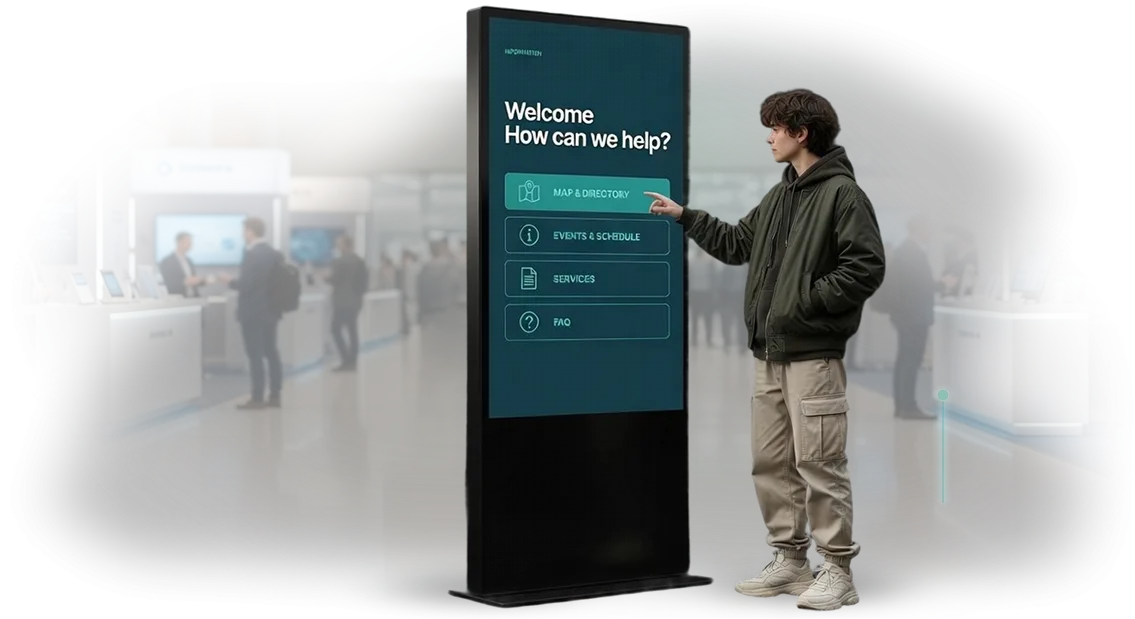
מה קיוסק אינטראקטיבי נותן למרפאה וטרינרית
מהירות שירות ללא פגיעה באיכות
אף אחד לא אוהב לשבת בתור עם חיית מחמד חרדה. הקיוסק האינטראקטיבי לוקח על עצמו את שגרת הרישום: הבעלים מצ'ק-אין בכמה נגיעות, והפקידות רואה מיד מי הגיע ולאיזה מומחה הם צריכים. אתם מפחיתים את העומס על דלפק הקבלה — הצוות מתמקד באינטראקציה אישית במקום בניירת.
התחלה מהירה של הביקור משפיעה ישירות על הרושם של הלקוח. כשהביקור מתחיל בלי מהומה והמתנה, הבעלים חוזר אליכם שוב ונותן לכם אמון בבריאות חיית המחמד שלו.
שירותים נוספים שהלקוח שוכח מהם
בזמן שהבעלים ממתין לתור, הקיוסק מזכיר לו על חיסונים, טיפול בטפילים, טיפוח או טיפול שיניים. זו לא פרסומת תוקפנית — זה אכפתיות: בעלים רבים פשוט לא יודעים אילו פרוצדורות זמינות במרפאה. כתוצאה מכך, החשבון הממוצע עולה וחיית המחמד מקבלת טיפול מקיף יותר.
הוספת שירות נוסף לוקחת כמה שניות — הלקוח מוסיף אותו לביקור בעצמו, בלי המבוכה של דיון במחיר עם הפקידות. עבור המרפאה, זה גידול בהכנסות ללא מאמץ נוסף של הצוות.
נוחות ללקוחות — נאמנות בפועל
הקיוסק עובד ללא הפסקות או ימי חופש: אפילו בשעות השיא כשעשרה אנשים מגיעים למרפאה בבת אחת, כולם יכולים לקבוע תור לרופא המתאים.
ביקורים חוזרים הופכים לקלים יותר: פרטי חיית המחמד וההיסטוריה כבר נמצאים במערכת — הבעלים רק מאשר את ההזמנה.
ככל שיש פחות חסמים בין הבעלים לעזרה לחיית המחמד שלו, כך האמון גבוה יותר. אנשים מעריכים כשמרפאה מכבדת את הזמן שלהם — והם חוזרים, וממליצים עליכם לחברים עם חיות מחמד.
עבודה לצוות — שקט בתוך המרפאה
הפקידות מפסיקות להיות חוצץ בין בעלים מותשים לרופאים עסוקים. התורים מתמוססים מעצמם, ולצוות יש זמן לטפל במטופלים ולענות על שאלות מורכבות. הקיוסק לא מחליף מעורבות אנושית — הוא משחרר אותה לרגעים שבאמת חשובים.
פורמטים של קיוסק אינטראקטיבי לצרכים שלכם
מבקרים במרפאה וטרינרית מגיעים עם צרכים שונים: חלקם צריכים מידע, חלקם קבעו תור, וחלקם רוצים לראות רופא במהירות בלי לחכות.
קיוסק אוניברסלי אחד ממעט לכסות את כל התרחישים — לכן אנחנו מציעים מספר פורמטים שניתן לשלב בהתאם לזרימת המבקרים ולמתווה המרפאה.
להלן האפשרויות העיקריות שאנחנו מספקים במפתח מלא. בחרו פורמט או שילוב, ואנחנו נתאים את הממשק, העיצוב והלוגיקה למרפאה שלכם.
| פורמט | למי זה מיועד | מה זה נותן למרפאה |
|---|---|---|
| טרמינל מידע | מבקרים בפעם הראשונה שצריכים ללמוד על שירותים, מחירים ורופאים | מפחית את העומס על הפקידות: שאלות בסיסיות נפתרות ללא מעורבות הצוות |
| עמדת הזמנות | לקוחות שרוצים לבחור זמן נוח ולהזמין את חיית המחמד שלהם | הזמנה אוטומטית, הזנת נתונים ללא שגיאות, ללא תורים בדלפק הקבלה |
| קיוסק הזמנה עצמית | מבקרים ללא תור מוקדם, שמגיעים ישר מהרחוב | מאיץ את הרישום, מקצר את זמן ההמתנה, מגדיל את התפוקה |
| טרמינל תורים אלקטרוני | רופאים עסוקים בתורים והמטופלים שלהם | תורים שקופים, בקרת זמני תורים, פחות עימותים בזמן ההמתנה |
זו לא רק "חומרה": כל פורמט הוא מערכת שלמה שמשתלבת בתהליכים שלכם. נייעץ לכם איזו אפשרות אופטימלית לשטח ולזרימה שלכם, ונעצב ממשק מובן אפילו למשתמשי קיוסק בפעם הראשונה.
תארו את הצרכים שלכם — נציע את התרחיש הטוב ביותר ונראה כיצד הקיוסק ישתלב במרפאה שלכם.
איך אנחנו מיישמים את הפרויקט: שלבי העבודה
עבור מרפאה וטרינרית, פיתוח קיוסק הוא לא רק התקנת ציוד — זה גם תהליך ברור שבו אפשר לראות מה קורה בכל שלב.
אנחנו הופכים את זה לשקוף: מהבריף ועד ההשקה והתמיכה, אתם מקבלים תוצאות קונקרטיות, לוחות זמנים ואדם אחראי על כל שלב.
- בריף וניתוח משימות. אנחנו מפרקים את אופן העבודה הנוכחי של התורים: איך מתבצעת קביעת התורים, איפה נוצרים תורים, אילו שירותים מוזמנים הכי הרבה. אנחנו קובעים אילו תרחישים הקיוסק צריך לכסות — הזמנה עצמית, תור אלקטרוני, תזכורות, או את כולם יחד.
- אב טיפוס ואישור עיצוב. אנחנו יוצרים הדמיה של המסך העתידי: אילו כפתורים, רמזים ושלבים המבקר יראה. אתם עורכים שינויים בשלב הזה — זה מהיר ולא דורש החלפה של תוכנה מוגמרת.
- תוכנית פיתוח ולוח זמנים. אנחנו קובעים תוכנית לוח שנה עם נקודות ביקורת. אתם יודעים מראש מתי יתחילו הבדיקות ומתי הקיוסק יעלה לאוויר. לוח הזמנים לא משתנה ללא אישורכם.
- פיתוח והתאמה. אנחנו בונים את הממשק, מחברים את מסד הנתונים של הלקוחות וחיות המחמד, מגדירים את התור האלקטרוני, ההתראות וייצוא הנתונים לפקידות. הכל עובד לפי התרחישים שאושרו בבריף.
- בדיקות בתנאים אמיתיים. אנחנו בודקים את המערכת במצבים כמעט חיים: כמה מבקרים בבת אחת, שירותים שונים, תקלות רשת אפשריות. אנחנו מבטלים בעיות לפני שהקיוסק פוגש את האורחים הראשונים שלו.
- השקת הקיוסק במרפאה. אנחנו מתקינים את הציוד, מגדירים אותו ללוח הזמנים של המרפאה ומכשירים את הצוות. אתם מריצים את היום הראשון עם המערכת החדשה, ואנחנו נשארים בקשר.
- תמיכה ופיתוח. לאחר ההשקה, אנחנו ממשיכים לתמוך בפרויקט: מעדכנים תרחישים, מוסיפים שירותים חדשים ופותרים בעיות במהירות. הקיוסק פועל ביציבות בזמן שאתם מתמקדים במשימות שלכם — טיפול במטופלים וצמיחת המרפאה.
מה כלול במסירת הקיוסק האינטראקטיבי
אתם מקבלים עמדת הזמנות מוכנה, לא ערכת חלקים להרכבה עצמית. אנחנו מטפלים בכל השרשרת: מערכת המשלוח ועד הכשרת הצוות. בסופו של דבר, אתם משלמים פעם אחת ומקבלים כלי עבודה שמפחית את העומס על דלפק הקבלה ומשפר את חוויית הלקוח.
-
ערכת ציוד. קיוסק עם מסך מגע, מארז מוגן, תצוגה ידידותית למשתמש ומדפסת כרטיסים מובנית. הציוד מתאים ללובי בכל רמת תנועה ופועל ללא תקלות גם בשימוש רציף.
-
תוכנת תור אלקטרוני וקביעת תורים. המערכת מוגדרת לשירותים שלכם: רשימת רופאים, לוח זמנים וסוגי תורים.
המבקרים בוחרים את השירות הרלוונטי בעצמם, מקבלים כרטיס והולכים לאזור ההמתנה — הפקידות לא צריכה לטפל בכל הגעה.
-
התקנה והגדרה. אנחנו מספקים את הקיוסק, ממקמים אותו במקום נוח בלובי ומחברים אותו לרשת ולמערכת הפנימית שלכם. אנחנו מוודאים את פעולת התור, הדפסת הכרטיסים והסנכרון עם לוח הזמנים. אתם מקבלים קיוסק מוכן לחלוטין לפעולה.
-
הכשרת צוות. אנחנו מעבירים הדרכה קצרה לפקידות: איך לעזור למבקרים, איך לנהל את התור ומה לעשות במצבים חריגים. ההדרכה אורכת לא יותר משעה, ואחריה הצוות שלכם עובד עם המערכת בביטחון.
-
אחריות ותמיכה. הציוד והתוכנה מכוסים באחריות. במשך כל התקופה, אנחנו נשארים בקשר: אנחנו מעדכנים את התוכנה, מספקים ייעוץ ומבצעים ביקורי שטח אם משהו משתבש. לא תצטרכו לחפש קבלנים חיצוניים.
-
תיעוד וגישה. אנחנו מספקים הוראות ברורות לצוות וגישה ללוח בקרה אישי שבו תוכלו לראות סטטיסטיקות ביקורים ועומס רופאים. הנתונים האלה עוזרים לכם לקבל החלטות: מי צריך יותר שעות תורים ואיפה אפשר לקצר את התור.
אין פרטים נסתרים או חיובים נוספים עבור "כיוונון עדין." כל מה שרשום למעלה כלול במחיר, ולוחות הזמנים של היישום קבועים בחוזה. בסופו של דבר, אתם מקבלים לא רק חומרה אלא מערכת שחוסכת זמן לצוות והופכת את המרפאה למודרנית יותר.
מקרה בוחן אמיתי: הפחתת זמן ההמתנה
יישמנו קיוסק במרפאה הווטרינרית "הרופא הטוב". התור הידני היה מתוח עד הקצה באותה תקופה: בעלים עם חיות מחמד חיכו במסדרון, הפקידות הוסחו על ידי קביעת תורים ולא עמדו בקצב השיחות.
העומס בשיא נפל בשעות הבוקר והערב — בדיוק כשהנאמנות של לקוחות קבועים נשחקה.
המשימה הייתה פשוטה: להסיר את הכאוס ולתת לאנשים מערכת ברורה ושקופה. הקיוסק לקח על עצמו את התור האלקטרוני וקביעת התורים העצמית. הבעלים בוחרים שירות — מחיסון ועד ניתוח — בוחרים זמן נוח ומקבלים כרטיס.
לאחר היישום, זמן ההמתנה הממוצע ירד מ-35 ל-12 דקות, והעומס בבוקר בלובי נעלם לחלוטין.
מספרים לפני ואחרי
לאחר חודש של פעילות, מדדנו את התוצאות: הפקידות בילו 40% פחות זמן בקביעת תורים, וחלקם של תורי הקיוסק הגיע ל-70% מכלל ההזמנות. בעלים שנהגו לעזוב בגלל המתנות ארוכות מזמינים שוב — חלקם של הביקורים החוזרים גדל ברבע. הקיוסק החזיר את ההשקעה תוך קצת יותר משלושה חודשים.
המלצה מהמרפאה
"הבוקר נהג להתחיל עם תור בדלפק וחיות מחמד חרדות," אומרת מנהלת המרפאה. "עכשיו המבקרים מתכננים את הביקור בעצמם, והפקידות מתמקדות במה שבאמת חשוב. אנשים ניכרת רגועים יותר, וזה משפיע על המוניטין של המרפאה."
המקרה הזה מראה מה הכי חשוב: נגיעה אחת במסך יכולה להקל על כל המרפאה. אנחנו עדיין תומכים בפרויקט — אנחנו עוקבים אחר העומס, מעדכנים את לוח הזמנים ומייעצים כיצד לשפר את התפעול.
הלקוח לא קיבל רק מכשיר; הוא קיבל מערכת ניהול תורים שמספקת ערך בכל יום.
איך לבחור את פורמט הקיוסק הנכון?
בחירת פורמט קיוסק לא מתחילה במראה — היא מתחילה בבעיה שהוא פותר בזרימת העבודה של המרפאה שלכם. אם הכאב העיקרי הוא התור בדלפק הקבלה והפקידות מוסחות כל הזמן על ידי קביעת תורים, אתם צריכים טרמינל הזמנה עצמית מלא.
אם לקוחות מגיעים יותר עם תורים מוקדמים והקיוסק נחוץ רק כדי לאשר ביקור או להנפיק כרטיס, פתרון קומפקטי צמוד קיר מספיק.
חשוב גם להעריך את החלל הפיזי: באזור המתנה קטן, קיוסק רצפתי מגושם יגרום אי נוחות, בעוד מודול טאבלט מתאים יותר ליד שולחן הפקידות.
הגורם המכריע הוא תרחיש השימוש — כמה צעדים הלקוח צריך לבצע כדי להזמין או לקבל כרטיס, ומי יעזור לו אם הוא נתקע. אנחנו מתאימים את הפורמט למתווה ולזרימת המבקרים האופיינית שלכם כך שהקיוסק לא יושב בטל ולא מפריע.
דרישות אישיות הן לא רק לגבי עיצוב המארז — הן גם לגבי הלוגיקה התפעולית. לדוגמה, מרפאה וטרינרית צריכה שהקיוסק יציע הזמנה עם מומחה ספציפי, יציג הוראות הכנה לפני ביקור או יזכיר על חיסון חוזר.
כל זה משפיע על הממשק ובהתאם על עלות הפיתוח. חשוב להגדיר מראש את רשימת הפונקציות שהלקוחות שלכם באמת צריכים — כך לא תשלמו יותר מדי על תכונות מיותרות.
אנחנו תמיד מתחילים בניתוח חינמי של המצב שלכם ומציעים את האפשרות הטובה ביותר מבחינת יחס מחיר-ערך. פורמט שנבחר היטב משתלם דרך הקלה בעומס הצוות, קיצור זמני המתנה ונאמנות גדולה יותר של המבקרים.
תתקשרו אלינו — נעזור לכם לבחור קיוסק שפותר בדיוק את הבעיה שלכם ונכין הערכת עלות לפני תחילת העבודה.
שאלות נפוצות על פיתוח קיוסק
לקוחות ממרפאות וטרינריות שואלים לרוב על אמינות הקיוסק, האחריות ועד כמה קשה לשלב את הקיוסק בזרימת העבודה הנוכחית של דלפק הקבלה. ריכזנו תשובות לחששות המרכזיים כדי שתדעו עם מה אתם מתמודדים לפני שהפרויקט מתחיל.
איזו אחריות אתם מספקים על הקיוסק והתוכנה שלו?
אנחנו מספקים אחריות על הציוד והתוכנה של לפחות 12 חודשים. במהלך התקופה, אנחנו מתקנים תקלות, מעדכנים הגדרות ומייעצים לפקידות ללא עלות. אם הקיוסק נכשל באשמתנו, אנחנו מתקנים או מחליפים אותו ללא עלות נוספת.
מה קורה אם הקיוסק מתקלקל באמצע יום העבודה?
אם מתרחשת תקלה, צוות המרפאה פונה לתמיכה ואנחנו מבצעים אבחון מרחוק. רוב הבעיות נפתרות מרחוק תוך כמה שעות.
אם נדרש ביקור שטח של מהנדס, אנחנו מסכימים על זמן נוח ומספקים מסלול הזמנה חלופי כדי שהתור לא ייעצר.
האם קשה להגדיר את התוכנה לתהליכים הספציפיים של מרפאה?
ההגדרה היא חלק מהפרויקט. אנחנו לומדים איך קביעת התורים, ההזמנות והתור האלקטרוני שלכם מאורגנים ומתאימים את הלוגיקה של הקיוסק לתהליכים האלה.
הפקידות מקבלות לוח בקרה אינטואיטיבי: הן יכולות לשנות לוחות זמנים של רופאים, רשימת שירותים וזמני תורים בעצמן, בלי לערב מתכנתים.
עד כמה מאובטח אחסון הנתונים של בעלים וחיות מחמד?
כל הנתונים מאוחסנים בסביבה המוגנת של המרפאה. הגישה מבוססת תפקידים: הפקידות רואות רק מה שהן צריכות לקביעת תורים, ומשתמשי הקיוסק לא יכולים לראות נתונים של אחרים.
המידע מועבר בין הקיוסק לשרת דרך חיבור מאובטח — זה מונע יירוט במהלך השידור.
האם אנחנו צריכים לקנות ציוד נוסף ולטפל בהתקנה בעצמנו?
לא — הקיוסק מסופק מוכן לשימוש. אנחנו מביאים את המכשיר, מחברים אותו למערכת שלכם, מגדירים את התרחישים ומכשירים את הצוות. כל מה שאתם צריכים לעשות זה לחבר את הקיוסק לחשמל ולהתחיל להשתמש בו — אין צורך ברכישת ציוד נוסף.
גישה זו מסירה את הסיכון המרכזי: הקיוסק לא הופך ל"קופסה שחורה" שאף אחד לא יודע איך לטפל בה. אתם מקבלים כלי עבודה עם תמיכה ברורה וחוקים ברורים בכל שלב — מההשקה ועד לפעילות היומיומית במרפאה.הזמינו קיוסק אינטראקטיבי למרפאה שלכם
תורים במרפאה וטרינרית משמעם מטופלים אבודים ועצבים מרוטים לבעלי חיות מחמד. בזמן שחלקם ממתינים בדלפק, אחרים עוזבים למתחרים שלכם. כל שעת המתנה היא סיכון לאובדן לקוח.
קיוסק אינטראקטיבי פותר את הבעיה הזו: התור האלקטרוני, קביעת התורים העצמית ותזכורות הביקור פועלים ללא מעורבות הפקידות. אתם רק צריכים לעשות צעד אחד — להזמין פתרון מוכן למרפאה שלכם.
אנחנו מטפלים בכל התהליך: אנחנו מנתחים את זרימת המבקרים, בוחרים את החומרה והתוכנה, מתקינים את הציוד ומכשירים את הצוות. אתם מקבלים קיוסק שמתאים לפנים, לא דורש תחזוקה ועובד מהיום הראשון.
כשאתם מזמינים, אתם מקבלים:
- תורים קצרים יותר ופקידות משוחררות — הן מתמקדות במטופלים, לא בניירת.
- הזמנה אלקטרונית וניהול תורים: בעלים מזמינים בעצמם, וביקורים חוזרים הופכים להרגל טבעי.
- תזכורות תורים — פחות אי-הגעה, לוחות זמנים יציבים לרופאים והכנסות צפויות.
- הגדרה גמישה לשירותים וסניפים — מקיוסק יחיד ועד לרשת שלמה של מרפאות.
- חישוב עלות שקוף וייעוץ לפני תחילת העבודה — אין תנאים נסתרים או תוספות בלתי צפויות.
- תמיכה ועדכונים לאחר ההשקה — אתם מנהלים את המרפאה, אנחנו שומרים על יציבות.
השאירו בקשה לייעוץ — נחזור אליכם תוך יום, נבהיר את הצרכים שלכם ונכין הערכת עלות למרפאה שלכם. הזמינו קיוסק והפכו את ההמתנה לחוויה נוחה למטופלים ולרווח לעסק שלכם.