

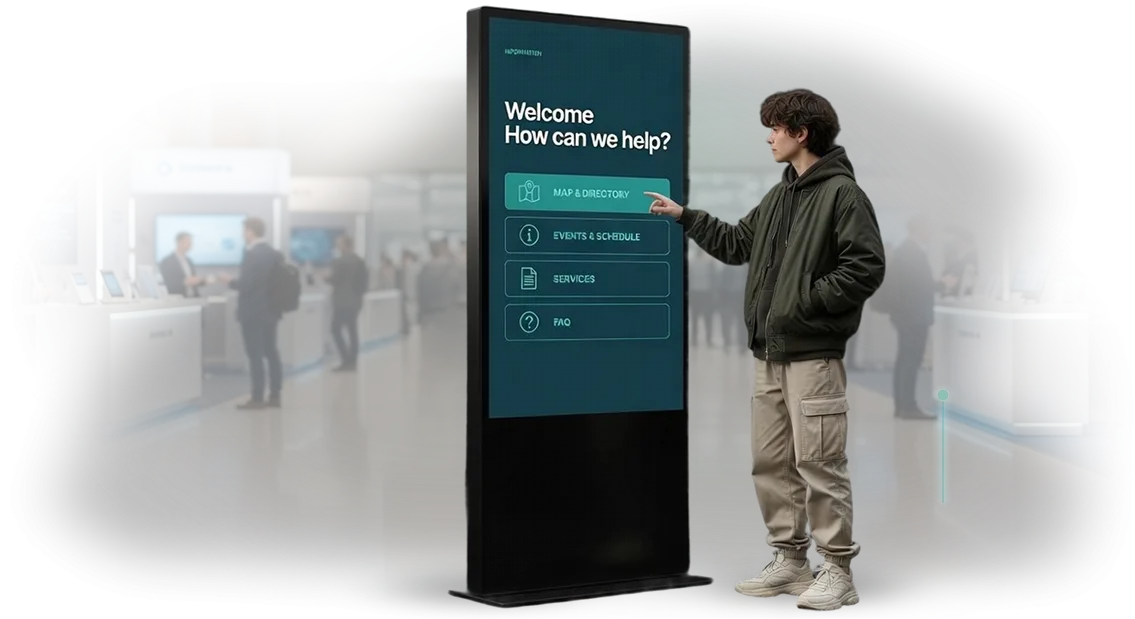
שולחן אינטראקטיבי למוזיאון: איך לשמור על מעורבות המבקרים?
מבקרים רבים עוברים בין אולמות התצוגה תוך 15-20 דקות, עוצרים ליד המוצגים הבולטים ביותר וחולפים על פני כל השאר. במהלך זמן זה, המוזיאון לא מצליח להעביר את הרעיון המרכזי של התערוכה, והאורח עוזב ללא רגשות או רצון לחזור.
שולחן אינטראקטיבי למוזיאון פותר בעיה זו: הוא הופך צפייה פסיבית בארונות תצוגה לחקר פעיל שמחזיק תשומת לב למשך 5-10 דקות במסך אחד.
בעוד מבוגרים וילדים לומדים מוצגים באמצעות מגע, הם לא רק מסתכלים — הם מתקשרים: מתקרבים לפרטים, דפדפו בהפניות היסטוריות, מרכיבים פאזלים ועונים על שאלות. פורמט זה הוא מה שאנשים זוכרים הכי טוב.
למידה דרך אינטראקטיביות עובדת בסדר גודל יעיל יותר מאשר טקסט פשוט ליד מוצג: האורח שולט בתרחיש בעצמו, ולכן הוא מתעמק יותר ונשאר באולם זמן רב יותר.
ככל שאדם מבלה יותר זמן בתערוכה, כך הרושם שלו מהמוזיאון חזק יותר והרצון שלו להמליץ עליו לאחרים גדל. תערוכות אינטראקטיביות גם עוזרות לפזר מחדש את זרמי המבקרים: חלק מהאורחים הולכים לארונות תצוגה מוכרים, אחרים לאזורים אינטראקטיביים. כתוצאה מכך, האולמות מתמלאים באופן שווה, ותורים כבר לא יוצרים צוואר בקבוק ליד המוצג הפופולרי ביותר.
כדי לקנות שולחן אינטראקטיבי שבאמת ישרת את מטרות המוזיאון, חשוב לעצב את התרחיש והתוכן סביב האוסף הספציפי.
אנחנו מפתחים פתרונות כאלה במפתח פתוח — תוך התחשבות בנושא התערוכה, במאפייני החלל ובגיל הקהל. האורחים מקבלים חוויה בלתי נשכחת, והמוזיאון רואה גידול בביקורים חוזרים ובביקורות חיוביות.
מה משתנה במוזיאון לאחר התקנת פתרונות אינטראקטיביים
לאחר התקנת שולחן אינטראקטיבי, המוזיאון משתנה מול העיניים: המבקרים מפסיקים למהר על פני מוצגים ומתחילים לתקשר עם התערוכה.
מופיע עניין חי שארונות תצוגה רגילים לא יכולים לספק — אורחים שואלים שאלות, דנים במה שראו, ומתעכבים באולמות זמן רב יותר. הזמן הזה שבילוי ליד מוצג הוא שמעצב את עומק הרושם ואת הרצון לחזור.
טכנולוגיה אינטראקטיבית במוזיאון הופכת צפייה פסיבית לחקר פעיל. שולחן מגע אינטואיטיבי גם למבוגרים וגם לילדים: כל אחד בוחר את התרחיש שלו — צפייה בסרטון, בחינת פרט, הרכבת פאזל או מסע וירטואלי.
ככל שאורח מבלה יותר זמן בתערוכה, כך גדל הסיכוי שיבקר בבית הקפה או בחנות המתנות — זה הכנסה נוספת ללא עלויות שיווק.
גידול במספר המבקרים מגיע גם מביקורים חוזרים. קל להעשיר שולחן אינטראקטיבי בתוכן חדש: רעננו אתגרי משחק וחידונים — ואורחים ירצו לחזור כדי לראות מה השתנה.
אנשים מצלמים את המסכים ומשתפים את התמונות ברשתות החברתיות, מה שיוצר פרסום חינמי ומחזק את הכרת המותג של המוזיאון.
עבור הצוות, אינטראקטיביות מפשטת את העבודה היומיומית: מדריכים מבלים פחות זמן בחזרה על היסודות, ומנהלים יכולים לעדכן חומרים על המסך בעצמם ללא הדפסה מחדש של תוויות.
חלל מודרני מושך קבוצות בית ספר ומשפחות, והתוצאה היא גידול בנוכחות ובנאמנות שניתן למדוד במספרים כבר בחודשים הראשונים.
פורמטים של פתרונות אינטראקטיביים לתערוכות
תערוכות מחזיקות תשומת לב בדרכים שונות: באולם אחד, עומק ההתעמקות חשוב; באחר, מעורבות משפחתית; בשלישי, מחזה רחב היקף.
פורמט שולחן אינטראקטיבי אחד לא יכסה את כל המשימות, ולכן אנחנו מתאימים פתרון לאולם הספציפי — הפריסה שלו, זרימת המבקרים ומשמעות התערוכה. אנו משתמשים בכלים מוכחים ובציוד מקצועי כך שהתוצאה פועלת באופן אמין במצב מוזיאוני.
פורמטים עיקריים
| פורמט | למי זה מיועד | מה זה נותן ללקוח |
|---|---|---|
| שולחן מגע שולחני | אולמות אינטימיים, תערוכות אישיות, עבודה עם פרטים | מאפשר "לפרוש" נרטיב מורכב לשכבות, מחזיק תשומת לב של מבקר אחד או שניים, נותן תחושת גילוי עצמאי |
| אינטראקטיב רצפתי | אזורי ילדים, לובי, מסלולים משפחתיים | מאחד קבוצה סביב פעילות משותפת, מוסיף משחק ותנועה, מגדיל את זמן השהייה וביקורים חוזרים |
| שולחן הקרנה למוזיאון | מפות גדולות, פנורמות היסטוריות, שחזורים | מציג תהליכים בתנועה, מאחד מבקרים, והופך נושא רחב היקף לוויזואלי ללא מודל פיזי |
בחירת הפורמט תלויה בתקציב, בשטח הרצפה ובהתנהגות הקהל.
לדוגמה, שולחן מגע שולחני מתאים לחקר מעמיק של אוספים, אינטראקטיב רצפתי עובד לבידור ורגשות נינוחים, ושולחן הקרנה למוזיאון זוהר באולמות חשוכים עם נרטיבים גדולים.
אנחנו עוזרים לקבוע את הפורמט האופטימלי בשלב הבריף, ובמידת הצורך, משלבים פורמטים בתערוכה אחת. המטרה היא לא רק להתקין טכנולוגיה אלא לתת למבקרים סיבה להישאר ולחזור.
איך הפרויקט מתפתח: מהבריף ועד ההשקה
פרויקט ליצירת שולחן אינטראקטיבי למוזיאון אינו קניית גאדג'ט מוכן אלא תהליך מובנה שבו המוזיאון תמיד מעודכן.
השלמנו עשרות יישומים כאלה וארזנו את שלבי הפיתוח למסגרת שקופה: אתה מקבל תוכנית ברורה, לוחות זמנים קבועים ותמיכה בכל שלב — מאישור הפרויקט ועד השקת התערוכה.
- בריף והתעמקות במטרות התערוכה — אנו דנים באיזה סיפור השולחן צריך לספר ובאילו מוצגים וחומרים להשתמש. אנו מתוודעים למאפייני החלל ולפרופיל הקהל שלך.
- קונספט ואב-טיפוס מסך — אנו מראים את המבנה של הממשק העתידי: כיצד מבקר יתקשר עם חיישן המגע ואילו תרחישים מתוכננים. אנו מיישרים את ההיגיון לפני תחילת הפיתוח.
- אב-טיפוס עיצוב ודוגמאות מסך — אנו יוצרים סגנון ויזואלי למותג המוזיאון שלך ומאשרים את המראה והניווט. אנו משלבים תיקונים לפני כתיבת שורת הקוד הראשונה.
- פיתוח והרכבת שולחן — אנו מתכנתים תרחישים אינטראקטיביים ומייצרים את המעטפת. במקביל, אנו מכינים את הציוד להתקנה באתר שלך.
- התקנה והגדרה באתר — אנו מתקינים את השולחן, מכיילים את חיישן המגע לתנאי תאורה אמיתיים, ומתחברים לתשתית המוזיאון שלך. אנו מוודאים שכל התרחישים עובדים.
- השקת ניסיון והכשרת צוות — יחד עם הצוות שלך, אנו עוברים על תרחישים ומוסרים מדריך הוראות ומדריך עזר מהיר לשאלות נפוצות של מבקרים.
- תמיכה ואבולוציה — אנו נשארים בקשר לאחר ההשקה: מתאימים תוכן, מוסיפים חומרים חדשים ומעדכנים תרחישים ככל שהמוזיאון גדל.
התוצאה — אתה מקבל לא רק שולחן אלא אלמנט עובד של התערוכה שמשתלב בחיי המוזיאון במסגרת הזמן המוסכמת.
הפריסה של השולחן האינטראקטיבי מתרחשת ללא לחץ עבור הצוות שלך, וניתן להראות את התוצאה למבקרים כבר ביום הראשון לאחר ההשקה.
מה כלול בחבילת המסירה
כשאתה מזמין שולחן אינטראקטיבי למוזיאון, חשוב להבין: אתה מקבל לא רק ציוד אלא פתרון שלם במפתח פתוח. הצוות שלנו מטפל בהכל — מפיתוח תוכן ועד התקנה והכשרת צוות המוזיאון. חבילת המסירה הסטנדרטית כוללת:
- שולחן אינטראקטיבי עם זכוכית מגן — מסך מקצועי המיועד למגע מתמיד ולפעולה לאורך כל היום ללא התחממות יתר או תקלות.
- תוכנת מגע — הממשק מתאים לתערוכה שלך: העלה בקלות חומרים חדשים, עדכן מידע וסקור סטטיסטיקות מגע.
- תוכן מקורי: מודלים תלת-ממדיים של מוצגים, אנימציות, סיורי וידאו והפניות טקסט — פותח סביב נושא המוזיאון שלך כך שאורחים יתעכבו ליד השולחן ויחזרו אליו שוב.
- התקנה והגדרה באתר — המהנדסים שלנו מספקים את השולחן, מתקינים אותו באולם, מחברים אותו ובודקים את כל תרחישי ההפעלה לפני פתיחת הדלתות למבקרים.
- הכשרת צוות המוזיאון — מפגש מעשי קצר למנהלים ומלווים: כיצד להפעיל את השולחן, להפעיל מחדש את האפליקציה, להחליף תוכן ולטפל בשאלות נפוצות של אורחים.
- אחריות על ציוד ותמיכת שירות — אם משהו נשבר, אנו מתקנים או מחליפים רכיבים במהירות, ומספקים סיוע טלפוני ומרוחק בכל שעות פעילות המוזיאון.
- חומרים מתודולוגיים — הוראות ברורות, הנחיות לטיפול במסך ורשימת בדיקה יומית להפעלה כך שהצוות ירגיש בטוח מהיום הראשון.
לפיכך, חבילת המסירה מכסה הכל: ציוד, תוכן, הכשרה ואחריות. כל מה שנותר לך הוא לקבל את השולחן המוגמר ולראות מבקרים מתקשרים עם התערוכה.
מקרה בוחן: איך טכנולוגיה אינטראקטיבית הגבירה עניין בתערוכה
מבקרי מוזיאון ממהרים לעתים קרובות על פני ארונות תצוגה תוך חצי שעה — התערוכה לא מקבלת הזדמנות לספר את הסיפור שלה. זה בדיוק האתגר שמוזיאון עירוני הביא אלינו: אורחים הסתכלו על הדוכנים אך איבדו עניין במהירות, והתערוכה לא נתנה סיבה לחזור.
הצענו לפתור את הבעיה עם שולחן אינטראקטיבי שיארוג מוצגים מפוזרים לנרטיב חי.
סיפור הפרויקט
עבור מוזיאון "ההיסטוריה של העיר", פיתחנו תוכנית אינטראקטיבית המשולבת בשולחן עץ במרכז האולם.
במקום תוויות פשוטות, אורחים יכלו לחקור מפות בעצמם, להתקרב לפריטי בית ולהשוות תצלומי ארכיון עם נופי רחוב עכשוויים.
התוכן הותאם לאוסף המוזיאון תוך שלושה שבועות — המומחים שלנו כבר סיפקו פרויקטים דומים וידעו כיצד להפוך את הממשק לברור גם לילדים וגם לדורות מבוגרים.
תוצאות היישום
- זמן השהייה הממוצע באולם גדל מ-20 ל-45 דקות.
- הכיסוי של התערוכה המרכזית גדל: 70% מהאורחים שניגשו לשולחן עצרו ליד ארונות התצוגה לפחות 10 דקות.
- חלקם של ביקורים חוזרים בחודש הראשון גדל ברבע — מבקרים הביאו חברים ובני משפחה.
- תרחישי שולחן נבחרים שימשו בסיורי ילדים, מה שהעלה את העניין של בתי הספר במוזיאון.
בסופו של דבר, המוזיאון קיבל לא רק גאדג'ט אלא אלמנט תערוכה מרכזי שסביבו נבנים סיורים. גידול בנוכחות ובזמן השהייה הפך לתוצאות מדידות כבר בשלב הפיילוט.
הפרויקט ממשיך להתפתח: אנו מעדכנים תוכן לתערוכות זמניות ועוזרים למוזיאון לשמר עניין בקרב הקהל הקבוע שלו.
איך לבחור את הפורמט האינטראקטיבי הנכון?
לפני שאתה מחפש לקנות שולחן אינטראקטיבי למוזיאון, החלט על השאלה המרכזית: מה המבקר צריך לעשות — לבחון חפץ, להשוות תקופות, לעשות חידון או פשוט לקבל רושם? זה קובע לא רק את הפורמט אלא גם את תרחיש האינטראקציה. טכנולוגיה היא רק כלי שצריך לשרת את התערוכה שלך, לא להיפך.
הערך את החלל ואת זרמי המבקרים. אם האולם הוא מעבר עם תנועה כבדה, מסכים אנכיים או הקרנות רצפתיות הנראות מרחוק מתאימים יותר.
לאולמות קטנים יותר שבהם מבקרים עוצרים וחוקרים את הנושא בקבוצה, שולחן אופקי הוא אופטימלי: הוא מאסיף 3-5 אנשים סביבו, מאפשר להם לגעת במוצגים דיגיטליים בו זמנית, ולא יוצר תורים.
הקריטריון הבא הוא מורכבות התוכן ותדירות העדכון. קל להתאים שולחן לתערוכה חדשה: שכבות, מפות וחפצים משתנים ללא עיבוד מחדש של החומרה.
אם הסיפור סטטי ומתוכנן סביב תרחיש יחיד, קיוסק פשוט וזול יותר עשוי להספיק.
לבסוף, שקול עומס ואורך חיים. שעות פעילות מוזיאון משמעותן אלפי מגעים ביום, ולכן המשטח חייב להיות עמיד בפני שחיקה והמערכת מוגנת מפני תקלות.
אנחנו בוחרים את הפורמט למטרות שלך, לחלל ולתקציב, ואז מתכננים אותו לפעול במשך שנים ללא פיקוח מתמיד של מהנדס.
ספר לנו איזו משימה הפתרון האינטראקטיבי צריך להשיג — ואנחנו נציע אפשרות שמתאימה לתערוכה ונותנת למבקרים חוויה בלתי נשכחת.
התנגדויות: מה אם הציוד יתקלקל?
לרוב, לקוחות תוהים: מה יקרה בעוד שנה? הציוד יתקלקל, התוכן יתיישן, ואין זמן לתחזוקה. זה חשש הוגן: קיוסק לא צריך להפוך לכאב ראש עבור המוזיאון. לכן אנחנו בונים את התהליך כך שתוכל לשכוח מהטכנולוגיה ולהתמקד במבקרים.
אנחנו מספקים אחריות על השולחן האינטראקטיבי ולוקחים על עצמנו תיקון של הציוד האינטראקטיבי, תחזוקה ועדכוני תוכן. אתה לא צריך לחפש קבלנים או לדאוג מי יתקן. שותף אחראי אחד — הצוות שלנו — מטפל במשימות אלה.
בואו נתייחס לשלוש התנגדויות טיפוסיות.
מה אם הציוד האינטראקטיבי יתקלקל?
האספקה מכוסה באחריות, ולאחר פקיעתה, הסכם שירות לשולחן האינטראקטיבי נכנס לתוקף. אנו בונים אבחון ותיקון של ציוד אינטראקטיבי עם החלפת רכיבים מראש. ביקור מהנדס אורך בדרך כלל 1-2 ימים, ובעיות רבות אנו פותרים מרחוק.
האם התוכן יתיישן במהירות?
עדכוני תוכן הם חלק משירות התמיכה. אתה שולח חומרים חדשים, ואנחנו מעדכנים טקסטים, תמונות, סרטונים והיגיון תרחישים. אם יש צורך בתכונה חדשה, אנו מפתחים אותה כחלק מהמנוי.
אין זמן לטפל בקיוסק?
אנחנו לוקחים על עצמנו תמיכה טכנית: ניטור, תחזוקה מונעת, עדכונים. אתה מקבל איש קשר יחיד לכל השאלות ודוח ברור על ביצועי הציוד.
גישה זו הופכת את הרכישה לצפויה: אתה משלם עבור תוצאות, לא עבור "חומרה שיושבת בפינה". צור קשר כדי לדון בתנאי אחריות ותחזוקה עבור המוזיאון שלך.הזמן פיתוח במפתח פתוח של פתרון אינטראקטיבי
אנחנו מתחילים פיתוח עם בריף קצר: אתה מתאר את המשימה, הקהל וההעדפות. כבר למחרת, אנו שולחים הצעת מחיר עם מחיר קבוע, הצעה ארכיטקטונית ותשובות לשאלותיך — זה ללא התחייבות.
יישמנו גישה זו עבור "מוזיאון ההיסטוריה של העיר", שבו השולחן האינטראקטיבי הפך למוצג המרכזי של האולם.
איך התהליך עובד
- בריף והתעמקות במשימה — אנו מבהירים מטרות, קהל ותרחישי שימוש.
- קונספט ואב-טיפוס — אנו מראים את המראה, מבנה התפריט וההיגיון האינטראקטיבי.
- אישור והערכת עלות — אנו נועלים את העלות, היקף העבודה ולוחות הזמנים בחוזה.
- פיתוח ממשק ותוכן — אנו יוצרים את העיצוב והתוכן ומתאימים אותו לאוסף שלך.
- התקנה והגדרה — אנו מספקים, מתקינים ומוודאים את כל התרחישים.
- הכשרת צוות והשקה — אנו מראים כיצד להפעיל את המערכת ועוזרים עם המבקרים הראשונים.
- תמיכה ותחזוקה שוטפת — אנו נשארים בקשר לאחר המסירה.
מה אתה מקבל בהצעת המחיר
- עלות מדויקת ולוחות זמנים ללא עמלות נסתרות.
- אב-טיפוס עיצוב ואב-טיפוס לפני תחילת הפיתוח.
- פתרון אינטראקטיבי שקל לעדכן בבית.
- אחריות על ציוד ותוכנה.
- הכשרת צוות והוראות ברוסית.
- אפשרות לשילוב עם מערכת הכרטוס והחשבונאות.
השאר בקשה — תוך יום תקבל הצעת מחיר, הצעה מסחרית ותשובות לכל שאלותיך. פיתוח במפתח פתוח מוריד ממך את כל הדאגות: אתה פשוט משתף את הרעיון, ואנחנו מספקים פתרון אינטראקטיבי עובד.