

מבקרים חולפים על פני — איך לשמור על העניין שלהם בתערוכה מוזיאלית
מבקרים חולפים על פני ויטרינות בלי אפילו לעצור כדי להביט. זמן ממוצע ליד מוצג — פחות משלושים שניות, ואחרי סיור נשארים רק כמה עובדות מעורפלות בזיכרון.
כל יום, תערוכה מוזיאלית מפסידה את ההזדמנות לעורר רגש פשוט כי האורחים לא יודעים למה כדאי להם לעצור. זו לא בעיה של קהל בררן, אלא של מעורבות חלשה.
הסיבה נעוצה באופן שבו המידע מוצג. ויטרינות סטטיות, שלטים וטקסטים מונוטוניים נתפסים כרקע מוכר — המוח מעביר אוטומטית את תשומת הלב למשהו חי יותר.
אפילו מדריך קולי טוב לא עוזר: אדם הולך לאורך המסלול, מקשיב לקול מכני, ולא יוצר אינטראקציה עם המוצג. כתוצאה מכך, התערוכה נצפית, אבל לא חווים אותה.
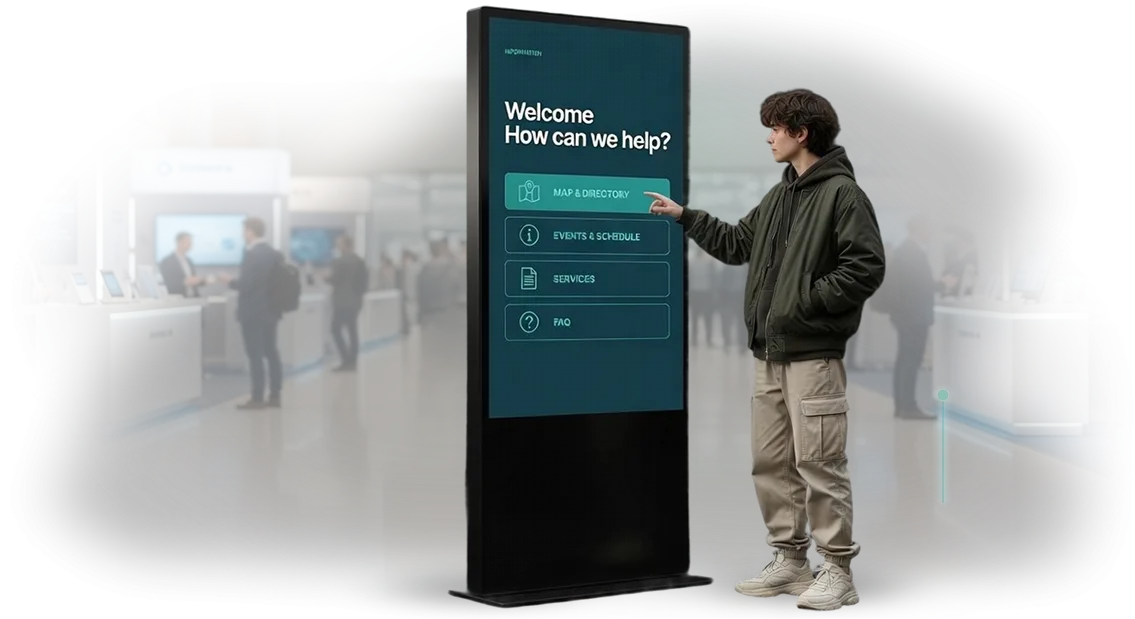
הפתרון הוא להעביר את המבקרים מתפקיד של צופה לתפקיד של משתתף. עמדת מידע אינטראקטיבית למוזיאון מאפשרת למבקרים לבחור את הנרטיב שלהם, לבחון פרטי מוצגים בתצוגה מוגדלת, להשוות תקופות, או לעבור מיני-משימה.
כשאדם לא רק מסתכל אלא פועל, המעורבות גדלה באופן טבעי: הזמן ליד המוצג גדל, הסיפורים נזכרים, והאורחים מרגישים רצון לשתף את ההתרשמות שלהם עם אחרים.
בצוות שלנו אנחנו מעצבים פתרונות אינטראקטיביים למטרות הספציפיות של תערוכה ועוזרים למוזיאונים לזכות בחזרה בתשומת לב המבקרים. אנחנו מפתחים את התסריט, הממשק והעיצוב החזותי כך שהטכנולוגיה לא מתחרה במוצגים אלא משפרת אותם. זה הופך תערוכה מוזיאלית למרחב שאנשים לא רוצים לעזוב.
מה עמדת מידע אינטראקטיבית נותנת למוזיאון ולאורחיו
עמדת מידע אינטראקטיבית הופכת סיור תערוכה רגיל לדיאלוג חי ומעוררת עניין אמיתי במבקרים.
אורח מפסיק להיות צופה והופך למשתתף: בוחר מה ללמוד יותר לעומק, צופה במוצגים מזוויות בלתי צפויות, ומפעיל סרטונים והפניות היסטוריות.
פורמט זה מערב הרבה יותר חזק מאשר ויטרינה סטטית עם שלט, ומחזיק את תשומת הלב פי כמה וכמה יותר זמן.
כשאנשים מבלים יותר זמן ליד מוצג, הם נכנסים לעומק הנושא וזוכרים טוב יותר את מה שראו. זה מגדיל את ערך הכרטיס ויוצר רושם שהמוזיאון מתקדם עם הזמן.
תסריטים מעוצבים היטב מנחים את המסלול, עוזרים לחשוף פרטים נסתרים, ומעודדים מבקרים לחזור כדי לחקור את כל התערוכה.
ביקורים חוזרים הם יתרון בולט נוסף. אורח שמגלה תכונות אינטראקטיביות מספר על כך לחברים, חוזר עם משפחה או עמיתים, ועוקב אחר חומרים חדשים. המוזיאון מקבל גידול טבעי בכמות המבקרים ללא השקעה נוספת בפרסום.
לבסוף, המוזיאון מקבל אנליטיקת תערוכה ברורה. מומחים יכולים לראות אילו נושאים מבוקשים ביותר, היכן אורחים מתעכבים יותר, ואילו חלקים נעלמים מעין.
נתונים אלה עוזרים לרענן את התערוכה, לתכנן סיורים, ולהפוך פרויקטים עתידיים למעניינים עוד יותר — בהתבסס על עובדות ולא על ניחושים.
פורמטים של עמדות מידע אינטראקטיביות למטרות תערוכה מוזיאלית
בחירת פורמט עמדת מידע היא בחירת תסריט אינטראקציה עם המוצגים. חלק מהמטרות נפתרות על ידי פאנל קומפקטי ליד ויטרינה, אחרות על ידי עמדה בגובה מלא במרכז האולם.
כדי לעזור לכם להתאים במהירות פורמטים למטרות התערוכה שלכם, ריכזנו אותם בטבלה אחת.
| פורמט | לאילו מטרות | מה הוא נותן למבקרים | מה הוא נותן למוזיאון |
|---|---|---|---|
| עמדת מגע נייחת | לימוד מעמיק של מוצג או נושא אחד | חומרים מפורטים, תמונות, סרטונים, היסטוריית המוצג | משחרר מדריכים, תומך בצפייה עצמאית |
| עמדת רצפה | אזור דגש שמושך תשומת לב באולם | אינטראקציה דמוית משחק, מודלים תלת-ממדיים, הזדמנות "לגעת" במוצג | מגדיל את זמן השהייה, יוצר הזדמנויות צילום וחשיפה ברשתות חברתיות |
| פאנל אינטראקטיבי | מידע מהיר, ניווט, חומרים נוספים | גישה מיידית למידע ללא תורים | משחרר את דלפק המידע, עוזר למבקרים להתמצא |
בבחירת פורמט, התבססו על תסריטי התנהגות מבקרים. אם המטרה היא להחזיק תשומת לב על מוצג יחיד — עמדה נייחת מתאימה; אם המטרה היא לערב את האולם ולאסוף אנשים סביב אירוע — עמדת רצפה; אם יש צורך בעזרה מהירה — פאנל אינטראקטיבי.
אנחנו נעזור לכם לבחור פורמט לתערוכה שלכם, לעצב את הממשק ולהכין תוכן — מהקונספט ועד ההשקה.
איך מתנהל פרויקט: מהמשימה ועד השקת עמדת המידע
התחלנו בשאלה פשוטה: מה התערוכה אמורה לספר, ואיך הכי נוח למבקרים לקבל את הידע הזה? התשובה הופכת לתוכנית ברורה שבה אתם שולטים בכל שלב — מהפגישה הראשונה ועד הפעלת העמדה באולם.
שלבי פיתוח עמדת המידע
-
בריף וראיון עם הצוות שלכם. אנחנו מבהירים את מטרות התערוכה, פרופיל המבקרים וציפיות האינטראקציה. תוצר — מסמך קצר עם מטרות וקריטריוני הצלחה.
-
תסריט ואב-טיפוס. אנחנו מציעים מבנה מסכים, לוגיקת ניווט וטקסטים ידידותיים למבקר. אתם רואים איך אורח יעבור ממגע למידע הנדרש ותוכלו לערוך שינויים לפני תחילת הפיתוח.
-
קונספט עיצובי. אנחנו מגדירים את הסגנון החזותי לתערוכה — מגופנים ועד אנימציות. חשוב שהעמדה לא תרגיש זרה במרחב המוזיאלי.
-
פיתוח והרכבת תוכן. אנחנו בונים את התוכנית האינטראקטיבית, משלבים את תיאורי המוצגים שלכם, תמונות וסרטונים. בשלב זה, אתם מקבלים גרסאות ביניים לבדיקה.
-
בדיקות בשטח. אנחנו בודקים איך העמדה מתנהגת באולם האמיתי: תאורה, רעש, גובה מבקרים. אנחנו מבטלים כל מה שמונע השקה מהירה.
-
השקת עמדת המידע האינטראקטיבית. אנחנו מתקינים ציוד, מגדירים את התוכנית ומבצעים הדרכה למלווים ולצוות הטכני.
-
תמיכה לאחר ההשקה. אנחנו נשארים בקשר, מעדכנים תוכן ומנטרים יציבות. אם התערוכה משתנה, אתם יודעים למי לפנות.
לוחות הזמנים לייצור עמדת מידע תלויים בנפח התוכן ובאישורים: תסריט פשוט של מסך אחד אורך כשלושה שבועות, סיפור מולטימדיה מלא — עד חודשיים. בכל שלב, אתם מקבלים תאריכים מדויקים ומבינים מה קורה.
מה כלול במסירת עמדת מידע אינטראקטיבית
מסירת עמדת מידע אינטראקטיבית לתערוכה מוזיאלית כוללת כל מה שדרוש להשקה ולפעולה יציבה — מתוכן מוכן ועד הדרכת צוות ותמיכה טכנית.
- תוכן אינטראקטיבי ומודלים תלת-ממדיים — אנחנו מפתחים סצנות חזותיות של מוצגים, אזורי מציאות רבודה ותסריטי ניווט המותאמים לנושא המוזיאון. אורחים מקבלים חוויה עשירה, ואוצרים לא צריכים לחשוב על הצד הטכני.
- ממשק משתמש ועיצוב — פריסות מסך, תפריטים ורמזים המיועדים לקהל המוזיאון: כפתורים גדולים, בקרות פשוטות, תמיכה רב-לשונית. מבקר בכל גיל מתחיל במהירות ליצור אינטראקציה ללא הוראות.
- הגדרת ציוד והתקנה — אנחנו בוחרים מארז ומסך מתאימים, מתקינים את העמדה בתערוכה, ומבצעים כיול ובדיקות סופיות של כל התסריטים בשטח. אתם מקבלים מכשיר פעיל לחלוטין.
- הדרכת צוות המוזיאון — אנחנו מבצעים הדרכה למנהלים ולמלווים: איך להפעיל את העמדה, לעדכן מידע ולפתור שאלות נפוצות של מבקרים. לאחר ההדרכה, הצוות עובד עם הציוד בביטחון.
- תמיכה טכנית לאחר ההשקה — אנחנו מגדירים ניטור מרחוק של מצב המערכת, מעדכנים את התוכנה באופן שוטף, ובמידת הצורך שולחים מומחה לשטח. העמדה נשארת פעילה, ואתם לא מבזבזים זמן בחיפוש קבלן.
- תיעוד ונהלים — אנחנו מספקים הוראות הפעלה ברורות, פרטי קשר לשירות התמיכה ורשימות בדיקה לבדיקות יומיות. כל מה שדרוש לפעולה רציפה נמצא בהישג יד.
- סטטיסטיקות ואינטגרציות (אופציונלי) — אנחנו מוסיפים מונה מגע, איסוף נתונים אנונימי על תחומי עניין של מבקרים, ויכולת אינטגרציה עם מערכת כרטוס או מערכת ניהול תערוכה. זה עוזר לנתח התנהגות מבקרים ולשפר את התערוכה.
אנחנו קובעים את היקף המסירה בחוזה, כך שאתם יודעים את התוצאה ואת לוח הזמנים מראש. כל מה שנשאר הוא לבחור את האפשרויות הדרושות לכם — המוזיאון מקבל עוזר דיגיטלי שעובד ללא תקלות מהיום הראשון.
מקרה בוחן: איך עמדת תלת-ממד החייתה אולם היסטוריה
אולם היסטוריה נשאר זמן רב נקודת מעבר: מבקרים התעכבו ליד ויטרינות כמה דקות והמשיכו הלאה. מוצגים עמדו מאחורי זכוכית, וסיפורים חיים — מאחורי שלטים. האולם היה זקוק לעמדה שתהפוך תערוכה סטטית למרחב שבו אנשים רוצים לשהות.
למוזיאון חיי העיר יצרנו אפליקציית תלת-ממד ב-Unity: אורחים "פותחים" ויטרינות, בוחנים חפצים מזוויות שונות, ומאזינים לסיפורים על כל תקופה.
במקום סיפור חוזר — התעמקות: אפשר להביט פנימה לתוך ארון עתיק, "להרים" כלי שולחן, ולראות איך חיי היומיום השתנו. הבקרות אינטואיטיביות אפילו למי שניגש לעמדה בפעם הראשונה.
תוצאה מדידה
המדד המרכזי — זמן ליד המוצג: משתיים עד שמונה דקות, פי ארבעה יותר מגע חי עם ההיסטוריה. גם ביקורים חוזרים גדלו: אורחים חוזרים כדי לסיים לצפות בסיפור ש"מתעורר לחיים" בתלת-ממד.
עבור המוזיאון, מקרה בוחן זה של עמדת מידע אינטראקטיבית הפך לדרך לבלוט ולמשוך קהל צעיר יותר: יש כל הזמן תור ליד העמדה, והאולם כבר אינו מרחב מעבר.
למה הלקוח נשאר איתנו
לאחר ההשקה, המוזיאון הזמין שני תסריטים נוספים לאולמות אחרים. פרויקט חוזר — לא בשביל "תמונה יפה," אלא כי תלת-ממד למוזיאונים פתר את המשימה: להחזיק תשומת לב, להעביר רגש, ולהפוך את התערוכה לנוחה.
איך לבחור פורמט עמדת מידע למשימה ספציפית?
בחירת עמדת מידע אינטראקטיבית מתחילה לא במפרט טכני, אלא בשאלה: מה בדיוק מבקר אמור לעשות באולם שלכם?
עמדה אחת רק צריכה להציג במהירות מידע ומסלול; אחרת צריכה להחזיק אורח ליד מוצג לחמש דקות ולאפשר לו "לסובב" מודל תלת-ממדי. הפורמט צריך להתאים לתסריט ההתנהגות של האדם, לא להיפך.
יש שלוש סיטואציות טיפוסיות. אם המטרה היא לענות במהירות על שאלות מבקרים ולנהל את זרימת התנועה — פאנל מגע אנכי מתאים: הוא תופס מעט מקום והוא אינטואיטיבי.
אם אורחים צריכים ללמוד מפה בהרחבה, להשוות חפצים או לעבוד בקבוצות — שולחן מגע אופקי: כמה אנשים יכולים לעמוד סביבו, וזה משנה את אווירת האולם.
וכשהתערוכה זקוקה למרכז רגשי שהמבקרים יזכרו — מסך גדול עם סצנת תלת-ממד שבה מבקרים נעים בתוך שחזור של בניין או אירוע היסטורי.
אנחנו עוזרים ללקוחות לנווט בין הפורמטים הללו במהלך ייעוץ עמדת מידע. אנחנו מסתכלים על תוכנית הרצפה, מדמיינים איך זרימת המבקרים נעה, איזה תוכן כבר קיים, ומה חסר לחוויה מלאה.
המהנדסים שלנו מתכננים את התסריט כך שהעמדה תהפוך לחלק טבעי מהתערוכה ולא ל"קופסה עם כפתורים בולטים." אנחנו עובדים על מנוע Unity המקצועי, כך שאנחנו יכולים לספק פאנל אנכי, שולחן מגע או התקנה מותאמת אישית — איכות הממשק וההיענות יהיו גבוהים באותה מידה.
הכלל העיקרי לבחירת פורמט: טכנולוגיה היא משנית, תסריט הוא עיקרי. אם עוד לא החלטתם איזו עמדה אתם צריכים — זה בסדר.
התקשרו אלינו, ספרו לנו על האולם שלכם ועל המשימה שלכם: יחד נבין איזה פורמט מספק ערך מקסימלי ומצדיק את ההשקעה. בחצי שעה של שיחה, תקבלו אפשרויות קונקרטיות ותדעו מאיפה להתחיל.
התייחסות לספקות נפוצים לפני ביצוע הזמנה
לפני הזמנת עמדת מידע אינטראקטיבית, הספקות הנפוצים ביותר נוגעים ל: מה אם הטכנולוגיה תיכשל? באיזו תדירות יהיה צורך לעדכן מידע? האם העמדה תקלקל את מראה התערוכה? אנחנו עונים על השאלות שמעסיקות את הלקוחות שלנו.
עד כמה אמינה האחריות על העמדה?
האחריות מכסה ציוד והתקנה. אם מתרחשת תקלה במהלך תקופת האחריות, אנחנו מתקנים או מחליפים חלקים ללא עלות. אתם לא צריכים לחפש קבלן אחר.
באיזו מהירות מתקנים עמדה אם היא מתקלקלת?
רוב התקלות מתוקנות תוך כמה שעות. אנחנו מבצעים אבחון מרחוק ומגיעים לשטח במידת הצורך. במקרים קיצוניים, תיקון אורך לא יותר מיומיים.
איך מעדכנים תוכן?
שינויי תוכן מתבצעים ללא צורך במפתח. אנחנו מגדירים פאנל ניהול פשוט — הצוות שלכם מחליף טקסטים, תמונות וסרטונים בעצמם. אנחנו גם עוזרים עם תוכן.
האם העמדה תתאים לעיצוב הפנים?
העמדה מפותחת עבור החלל שלכם: אנחנו בוחרים מארז, צבע וחומרים התואמים לסגנון המוזיאון. אנחנו מתחשבים בתאורה, בשקעי חשמל ובמסלולי מבקרים — העמדה הופכת לחלק אורגני מהתערוכה.
האם תספיקו לתאריך היעד?
אנחנו מסכימים על לוח זמנים לפני ההתחלה ועוקבים אחר השלבים. בזכות תהליך יעיל, אנחנו רק לעתים רחוקות מפספסים מועדים — אתם יכולים לתכנן את הפתיחה בביטחון.
בקשו פיתוח עמדת מידע למוזיאון שלכם
קשה להחזיק את המבקרים של היום עם שלט סטטי — הם רוצים להשתתף. עמדת מידע אינטראקטיבית הופכת מוצג למרכז משיכה: היא מערבת, מלמדת ומעוררת רגשות שאורחים משתפים לאחר ביקורם. אם אתם רוצים להחיות את התערוכה שלכם — עכשיו הזמן להזמין עמדה למוזיאון שלכם.
אנחנו יוצרים עמדות תלת-ממד לחללים מוזיאליים ומנהלים פרויקטים במפתח מלא. לאחר פנייתכם, תקבלו הצעה אישית המותאמת למטרותיכם. הנה מה שנעשה מיד לאחר שתפנו אלינו:
- נחזור אליכם תוך יום עסקים אחד ונבהיר את מטרות התערוכה שלכם.
- נציע פורמט עמדה ותסריט אינטראקטיבי לקהל שלכם.
- נציג דוגמאות של עמדות תלת-ממד למוזיאונים.
- נכין הצעה אישית: שלבים, לוח זמנים, היקף עבודה.
- נקצה מנהל פרויקט — הוא יישאר בקשר עד ההשקה.
- נייעץ כיצד העמדה תשתלב בתערוכה הקיימת שלכם.
הצעה אישית אינה הערכת מחיר סטנדרטית אלא קונספט פתרון: איך מבקרים ייצרו אינטראקציה עם העמדה, מה יחזיק את תשומת לבם, וכמה זמן ייקח היישום. אתם רואים את התוכנית מראש ומבינים את התוצאה — בלי הפתעות בדרך.
השאירו פנייה — ונחזור אליכם עם פרטים בקרוב. תוכלו להעריך כיצד פיתוח עמדת תלת-ממד ישפיע על הרושם של המוזיאון שלכם ולהחליט בלי לחץ.