

הכשרת מפעילים: מדוע שיטות ישנות מאבדות מיעילותן?
שיטות הכשרה ישנות למפעילים — הרצאות, הוראות נייר, סימולטורים מזדמנים — נכשלות יותר ויותר בעמידה בצרכים העסקיים. עובדים חדשים זקוקים לשבועות כדי להגיע לקצב העבודה הנדרש, ועובדים מנוסים מאבדים את כישוריהם ללא תרגול קבוע.
בינתיים, טעויות של מפעילים עולות ביוקר: החמצת מועדים, לקוחות לא מרוצים ועומס נוסף על הצוות.
הבעיה המרכזית היא מעורבות נמוכה. קריאה פסיבית של חומר לא בונה את הכישורים הדרושים, והמוטיבציה של הצוות יורדת כשההכשרה נתפסת כפורמליות. כתוצאה מכך, החברה משקיעה זמן ותקציב אך לא מקבלת רמת מוכנות צפויה.
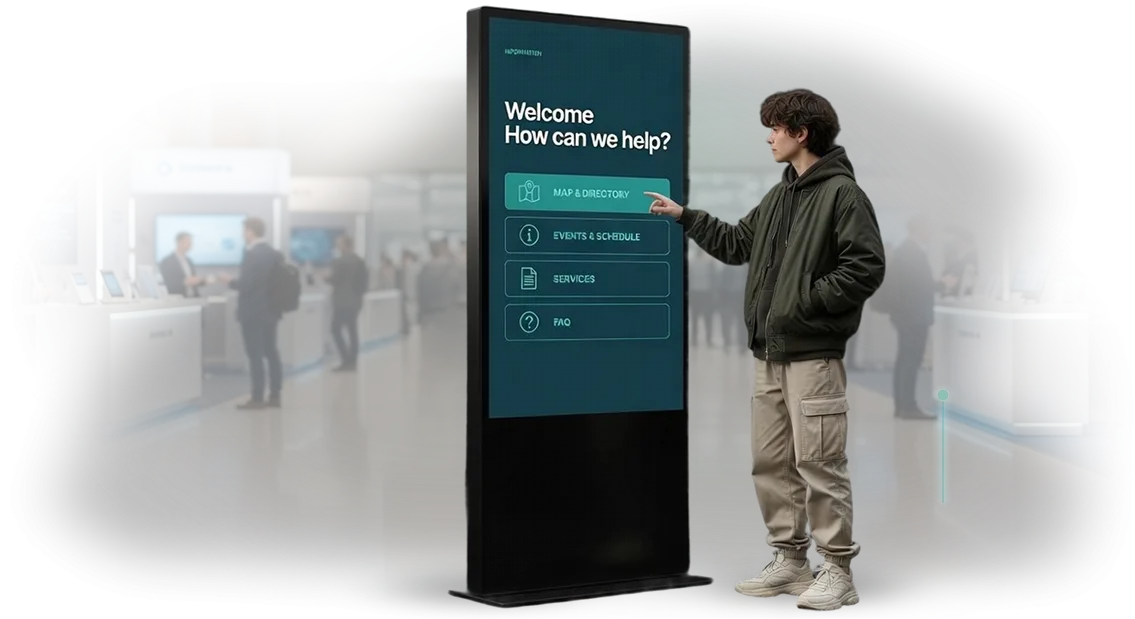
קיוסק אינטראקטיבי הופך את הגישה: העובד לומד תוך כדי עשייה, על סימולציה של התהליך האמיתי, ומקבל משוב מיידי. אתגרי ההכשרה מוסרים באמצעות תרחישים חזותיים וחזרה בקצב נוח — ללא לחץ או חשש מטעויות.
הצוות שולט בסטנדרטים מהר יותר, ואתם יכולים למדוד את ההתקדמות של כל אדם ולהבין מי מוכן לעבודה.
אלה בדיוק סוגי הפתרונות שאנו מתכננים ומיישמים. הקיוסק פועל על ממשק שהעובד מבין, אינו דורש נוכחות קבועה של חונך ומשתלב בקלות בתהליך ההכשרה הקיים. אתם מקבלים כלי שמקצר את זמן הקליטה ומשפר את איכות עבודת המפעילים.
5 יתרונות של קיוסק אינטראקטיבי לעסק שלכם
כשצריך להכשיר מפעילים במהירות ולוודא את מוכנותם לעבודה, תדריכים סטנדרטיים ומבחני נייר לוקחים הרבה זמן ואינם מראים את התמונה האמיתית.
קיוסק אינטראקטיבי הופך את ההכשרה לתרחיש חזותי שבו העובד רואה מיד את תוצאת פעולותיו ויכול לתקן טעות ללא השלכות על העסק.
קליטה מהירה של עובדים
עובד חדש עובר את התרחיש בקצב נוח — אין צורך לחכות להתקבצות קבוצה או לזמינות של חונך. מה שנמשך בעבר מספר ימים נמשך כעת כמה מפגשים, והעובד נכנס לקצב עבודה מהר יותר.
למידה חזותית במקום תיאוריה
במקום הוראות מופשטות — מצב ריאלי על המסך המשקף את משימות העבודה. המפעיל רואה את ההשלכות של פעולותיו מיד, לא שבוע לאחר מכן. פורמט זה מגביר את המעורבות ומסייע לשמר את האלגוריתם לאורך זמן.
מעקב אחר תוצאות
המנהל מקבל תמונה אובייקטיבית עבור כל עובד: מי השלים את התרחיש, היכן אירעו טעויות ואילו כישורים דורשים שיפור.
אין ניחושים ואין הסתמכות על הערכה סובייקטיבית — המערכת עצמה מציגה את רמת המוכנות, וניתן להשתמש בתוצאות לצורך הסמכה.
חיסכון בזמן ובעלויות
הקיוסק מדריך את העובד באופן עצמאי בשלבי הכשרה חוזרים, משחרר חונכים ומפחית את עלויות ארגון תהליך ההכשרה. במקום למשוך מומחים מנוסים מהעבודה — קיוסק אחד שפועל בכל עת, ללא ימי חופש.
מוטיבציה ומעורבות
למידה דרך תוצאות שומרת על תשומת לב טוב יותר מאשר מצגת או הרצאה סטנדרטית. עובדים עוברים את התרחיש בעניין אמיתי ולא רק "מסמנים וי", כך שאיכות ההכשרה משתפרת והתחלופה בתקופת הניסיון יורדת.
בסופו של דבר, העסק מקבל תוצאה צפויה: קליטה מהירה, הערכת כישורים אובייקטיבית וחיסכון במשאבים. קיוסק אינטראקטיבי מחזיר את השקעתו על ידי קיצור זמן ההכשרה והפחתת טעויות מפעילים — משקיעים פעם אחת ונהנים עם כל עובד חדש.
פורמטים של קיוסק אינטראקטיבי להכשרת מפעילים
הכשרת מפעילים על ציוד אמיתי היא יקרה ומסוכנת: טעות של עובד חדש יכולה לעצור את הייצור או לגרום לנזק.
קיוסק אינטראקטיבי פותר בעיה זו: העובד לומד לעבוד עם ציוד בסביבה בטוחה, ואתם מקבלים תוצאה צפויה ללא הוצאות על חומרים מתכלים או השבתת ציוד.
הפורמטים שונים לפי מטרות ההכשרה.
קיוסק מסך מגע מתאים להדרכה המונית ולבדיקת ידע, מודלים תלת-ממדיים — ללימוד מבנה הציוד, סימולטור וירטואלי — לתרגול פעולות, ותרחישי "למידה דרך עשייה" — לקבלת החלטות במצבי חירום. הטבלה שלהלן מראה כיצד לבחור לפי המשימה שלכם.
כיצד פורמט פותר משימות הכשרה
| פורמט | למי הוא מיועד | מה הוא נותן ללקוח |
|---|---|---|
| קיוסק מסך מגע | עובדים חדשים, כוח עבודה המוני | היכרות מהירה עם תקנות, בדיקת ידע, סטנדרט הכשרה אחיד |
| מודלים תלת-ממדיים של ציוד | מפעילים, צוות תחזוקה | לימוד חזותי של רכיבים ומנגנונים ללא פירוק יחידה אמיתית |
| סימולטור וירטואלי | מפעילים של מתקנים מורכבים | תרגול בטוח של פעולות שליטה ותגובה למצבי חירום — לטעויות אין השלכות |
| למידה דרך עשייה | צוות קו, משמרות | למידה דרך תרגול, תרגול רצפים תפעוליים ומהירות תגובה |
אנו מפתחים קיוסקים כאלה על תוכנה מקצועית — זה מבטיח פעולה יציבה ועדכוני תוכן קלים. נייעץ לכם איזה פורמט או שילוב של פורמטים יכסה בדיוק את צורכי ההכשרה שלכם.
כיצד אנו יוצרים קיוסק אינטראקטיבי: שלבי העבודה
בנינו את העבודה שלנו כך שתמיד תדעו באיזה שלב נמצא הפרויקט ומה תקבלו כתוצאה. להלן נתיב טיפוסי מהבריף ועד לתמיכה. אתם משתתפים בנקודות החלטה מרכזיות, ואנו מטפלים בכל העבודה הטכנית.
-
בריף והבנת המשימה. אנו שואלים שאלות: מי ישתמש בקיוסק, אילו תרחישים צריך לתרגל, מה המטרה — הכשרת עובדים חדשים, הגברת מהירות תגובה או הכנה למצבי חירום. הפלט הוא סיכום קצר הלוכד את המשימות והציפיות.
-
תכנון וחישוב לוחות זמנים. אנו מציעים תוכנית שלב אחר שלב עם תאריכים והיקף עבודה. אתם מקבלים הערכת עלות שקופה המפולחת לפי שלבים ומבינים מתי יהיה מוכן האב-טיפוס, מתי תהיה מוכנה גרסת הבדיקה ומתי יהיה השיגור.
-
עיצוב ואישור אב-טיפוס. אנו יוצרים אב-טיפוס של המסכים והתרחיש: כיצד המבקר מתקשר עם הקיוסק, אילו פעולות מוצעות. אתם רואים את האב-טיפוס לפני תחילת הפיתוח ומבצעים עריכות — זה מבטל איטרציות מיותרות בשלבים מאוחרים יותר.
-
פיתוח תוכן אינטראקטיבי. אנו בונים את היישום על פלטפורמה מקצועית, מחברים את הלוגיקה ובודקים את התרחישים. אתם מקבלים גרסה עובדת שניתן להריץ על ציוד בדיקה כדי להעריך את התנהגות הקיוסק בתנאים אמיתיים.
-
שיגור והתקנה באתר. אנו מתקינים את הפתרון המוגמר על הקיוסק שלכם, מוודאים חיבור עם ציוד היקפי (מסך מגע, כפתורים וכו') ומגדירים אותו לפורמטים ולרזולוציה. לאחר הדגמה קצרה, אתם מקבלים מוצר פעיל במלואו.
-
תמיכה והתפתחות. אנו נשארים בקשר: מעדכנים תוכן, משכללים תרחישים, מסייעים בתקלות. אתם מקבלים קיוסק שעובד באופן אמין — לא רק משהו ש"הוגדר ונשכח".
מה כלול במסירה ובשיגור של קיוסק אינטראקטיבי
אתם מקבלים לא רק תוכנה, אלא כלי עבודה להכשרת מפעילים. חבילת המסירה כוללת את כל הדרוש לשיגור ולפעולה יומיומית: מתוכנה ועד להכשרת צוות ותמיכה טכנית.
- תוכנה — יישום תלת-ממדי אינטראקטיבי לקיוסק, מותקן ומוגדר למשימות שלכם. הוא פועל ביציבות על חומרה מקצועית ואינו דורש מהעובדים ידע טכני מיוחד.
- תוכן הכשרה — תרחישי הדרכה ומשימות מבחן שפותחו לפי סטנדרטי החברה שלכם. במידת הצורך, ניתן להוסיף תרגילים חדשים לתוכן ללא עצירת הקיוסק.
- אינטגרציות — חיבור למערכות חשבונאיות או למסד נתונים כך שתוצאות המפעילים נשמרות ונגישות למנהל לצורך ניטור התקדמות.
- הוראות ותיעוד — מדריכים ברורים לשיגור ותפעול הקיוסק עבור הצוות, וכן חומרי הדרכה למפעילים.
- הכשרת צוות — אנו עוזרים לצוות שלכם ללמוד את המערכת: עורכים הדגמה, סוקרים תרחישים טיפוסיים ועונים על שאלות המומחים שלכם.
- תמיכה טכנית — אנו מספקים תמיכה לאחר השיגור: פותרים תקלות במהירות, מעדכנים תוכנה ותוכן ומנטרים יציבות תפעולית.
כל זה הוא חבילה אחת שנבדקה ומוכנה לשימוש. כל שנותר לכם הוא להפעיל את הקיוסק ולהתחיל בהכשרה — אנו מטפלים בצד הטכני.
מקרה בוחן: כיצד קיוסק אינטראקטיבי האיץ את הכשרת המפעילים
כשחברת הייצור "טכנו-פרום" נתקלה במחסור במפעילים מוסמכים, התברר שפורמט ההכשרה הישן לא עמד בקצב ההזמנות הגדל.
בכל משמרת היה צריך לעצור את הקו כדי שעובדים חדשים יתרגלו על ציוד אמיתי, וחונכים בילו זמן בחזרה על אותן הוראות.
בנינו קיוסק אינטראקטיבי עם סימולטור תלת-ממדי המשחזר במדויק את הפעולות הטכנולוגיות. המתאמן בוחר תרחיש — מהגדרה בסיסית ועד מצבי חירום — ומשכלל את כישוריו ללא סיכון לייצור.
הסימולטור מתעד כל פעולה ומציג טעויות מיד, כך שעד שהעובד מאושר לעבודה על הקו האמיתי, יש לו כבר זיכרון שרירי מוצק.
מה הראו התוצאות
- זמן הכשרת מפעיל חדש קוצר מ-14 ימים ל-8 ימים.
- מספר הטעויות בחודש הראשון לעבודה עצמאית ירד ב-60%.
- במשך שישה חודשים הוכשרו 120 מפעילים, כולל הסבה של עובדים קיימים.
- השבתת ציוד לצורכי הכשרה בוטלה — חיסכון של כ-30 שעות עבודה בחודש.
המנהל הטכני של הלקוח סיכם: "הקיוסק פתר את הבעיה המרכזית שלנו — הפסקנו להיות תלויים במי יבצע את ההכשרה ומתי.
אנשים מגיעים כבר מוכשרים, והתחלופה ירדה." לאחר השלב הראשון, החברה הזמינה סימולטור שני לסדנה סמוכה.
עבורנו, זה מאשר: קיוסק שנבנה כראוי להכשרת מפעילים הוא כלי שמשפיע ישירות על הפרודוקטיביות. הלקוח מקבל תוצאות מדידות כבר בחודשים הראשונים, לא רק "עמדה מעניינת". אנו מוכנים לספק את אותו אפקט במתקן הייצור שלכם.
שאלות נפוצות וחששות לפני הזמנת קיוסק
אנו מבינים שעולות שאלות מעשיות לפני הזמנת קיוסק: עד כמה הפתרון אמין, מתי הוא יהיה מוכן, כמה הוא עולה והאם הוא ישתלב בתהליכים הקיימים. ריכזנו תשובות למה שמדאיג לקוחות ביותר לפני תחילת הפרויקט. אם לא מצאתם את השאלה שלכם כאן — פשוט כתבו לנו, ונשוחח על כך אישית.
אילו אחריות אתם מספקים על הקיוסק?
האחריות מכסה הן את החומרה והן את התוכנה. במהלך תקופת האחריות, אנו מתקנים תקלות ללא תשלום, מעדכנים את הממשק ומתאימים אותו למשימות משתנות.
לאחר תקופה זו, אנו ממשיכים לתמוך במערכת במסגרת הסכם נפרד — כך שהקיוסק שלכם לא יישאר לבד עם בעיות.
כמה זמן אורך הפיתוח?
לוחות הזמנים תלויים במורכבות הסצנות התלת-ממדיות ובמערך התכונות. קיוסק הכשרה סטנדרטי לוקח לנו 4–6 שבועות; פרויקטים גדולים יותר נמשכים מספר חודשים.
אבל אתם תמיד מקבלים תוכנית עם שלבים ותאריכים מראש, כך שתוכלו לתכנן רכישת ציוד, הכשרת צוות ושיגור.
כמה עולה פרויקט כזה?
המחיר נקבע לפי היקף התוכן, מספר תרחישי ההכשרה והצורך באינטגרציה עם המערכות הפנימיות שלכם.
העלות המדויקת מחושבת לאחר בדיקה ואישור המפרט הטכני — היא מקובעת בחוזה, ללא תשלומים נסתרים או "תוספות בדרך". במידת הצורך, נוכל לבחור אפשרות שתתאים לתקציב שלכם עם הרחבת פונקציונליות בשלבים.
האם הקיוסק יעבוד עם המערכות שלנו?
כן. אנו משתמשים בפרוטוקולים פתוחים להחלפת נתונים ומוכנים לשלב את הקיוסק עם מערכת ה-CRM שלכם, מערכת מעקב ההכשרה או מאגר הידע.
בשלב הבריף, אנו לומדים את התשתית שלכם ומציעים פתרון שלא ידרוש החלפת כלים קיימים — הכל עובד יחד.
מה לגבי תמיכה לאחר השיגור?
אנו לא נעלמים לאחר מסירת הפרויקט. אנו מספקים תמיכה טכנית: ניטור ביצועים, תחזוקת ציוד ועדכוני תוכנה לדרישות חדשות.
העובדים מקבלים הוראות והכשרה קצרה כדי שיוכלו להפעיל את הקיוסק ולפתור בעיות בסיסיות ללא פנייה למפתחים. ובמצבים דחופים — קו תקשורת ייעודי עם מהנדס.
מוכנים לדון במשימה שלכם? קבלו הערכת פרויקט
קיוסק אינטראקטיבי להכשרת מפעילים הוא כלי שמאיץ את הלמידה ומפחית את הסיכון לטעויות על ציוד אמיתי.
אבל כדי שהסימולטור באמת יספק ערך, חשוב להגדיר את המשימה נכון מההתחלה: איזה כישור אנו מתרגלים, באיזה קצב לומד הצוות וכיצד לשלב את הקיוסק בתהליכים הנוכחיים. זה בדיוק מה שאנו מציעים לדון בו בייעוץ.
התקשרו אלינו או השאירו פנייה — ספרו לנו כיצד פועלת ההכשרה כיום ומה הייתם רוצים לשפר. נלמד את התרחיש שלכם, נציע פורמטים מתאימים ונכין הערכת פרויקט: עלות, לוחות זמנים והיקף עבודה. ללא התחייבות מצדכם — ההחלטה היא שלכם.
מה תקבלו מהשיחה הראשונה:
- ייעוץ מומחה לבניית סימולטורים אינטראקטיביים למפעילים, עם מומחה שמבין את ההתמחות שלכם.
- ניתוח המשימה ותרחיש ההכשרה שלכם — מה אנו מאמנים, אילו טעויות אנו מבטלים וכיצד אנו מעריכים את התוצאה.
- המלצות על פורמט הקיוסק: סימולציה תלת-ממדית של מקום עבודה אמיתי, הוראות שלב אחר שלב או מצב בדיקת כישורים.
- הערכת עלות ולוחות זמנים המפולחים לפי שלבים — אתם רואים את כל הדרך ויכולים לתכנן את התקציב מראש.
- אפשרויות אינטגרציה עם חומרי ההכשרה והתקנות הפנימיות שלכם ללא עיבוד מחדש של תוכניות קיימות.
השאירו פנייה או כתבו לנו בהודעה — נשיב תוך יום עסקים. נדון במשימה, נענה על שאלות ונכין הערכה שתוכלו להשתמש בה לתכנון השיגור.
השיחה הראשונה תימשך לא יותר מ-20 דקות, ולאחריה תקבלו תוכנית ברורה והצעת מחיר ללא הפתעות.
כיצד לבחור פורמט קיוסק אינטראקטיבי למשימה שלכם?
כדי לבחור פורמט קיוסק, ענו תחילה על שלוש שאלות: מה המפעיל צריך ללמוד, כמה אנשים יוכשרו ואיזה תקציב אנו מתכננים. התשובות יקבעו את עיצוב מארז הקיוסק, התרחיש ומספר נקודות הפריסה.
אם המטרה היא לתרגל פעולות על ציוד אמיתי לפני היציאה לקו, יש צורך בקיוסק נייח עם סימולטור תלת-ממדי המשחזר את לוח הבקרה.
המפעיל מתרגל לפריסת הכפתורים, לומד להגיב למצבי חירום ומקבל הערכה מיד לאחר המפגש.
אם המשימה היא להציג תקנות ולבדוק ידע בהוראות, מסך מגע קומפקטי עם מבחנים וסרטונים מספיק — הוא מיושם מהר יותר ותופס פחות מקום.
הקהל גם משפיע על הבחירה. להכשרה שוטפת של קבוצות גדולות, נוח להציב כמה קיוסקים באזור מעבר — מפעילים יכולים להתאמן בזמן נוח ללא הפרעה למשמרת. לצוותים קטנים, מתאים מארז נייד שניתן להעביר בין סדנאות או אתרים.
התקציב לא חייב להיות גדול. אנו מתכננים את הפתרון כך שתוכלו להתחיל עם תרחיש מרכזי אחד ואז להוסיף מודולים ללא החלפת ציוד.
פורמט שנבחר היטב מחזיר את השקעתו על ידי קיצור זמן הקליטה והפחתת טעויות: המפעיל מגיע לקו עם כישורים מתורגלים במקום ללמוד על מכונות יקרות.
אנו עוזרים לכם להחליט על הפורמט לפני תחילת הפיתוח: אנו מנתחים משימות הכשרה, מחשבים עומס ובוחרים מארז ותרחיש שיתאימו לתקציב שלכם.
כתוצאה מכך, אתם מקבלים קיוסק שבאמת מאמן מפעילים ומספק ערך — לא רק משהו שמקשט את הלובי.