

קיוסקים של ChromeOS: איך לצמצם תורים ולא לאבד לקוחות
מבקרים שונאים לחכות. אחרי כמה דקות של המתנה, אנשים מתחילים להתעצבן, ואחרי עשר דקות הם מוכנים לעזוב בלי לבצע רכישה או להשתמש בשירות.
באזור מידע, לובי או מחלקת שירות לקוחות, תור ארוך משמעותו לא רק תסכול אלא גם הפסדים ישירים: לקוח עוזב למתחרה, דוחה החלטה או משאיר ביקורת שלילית. העסק משלם פעמיים — על העסקה שאבדה ועל המוניטין שנפגע.
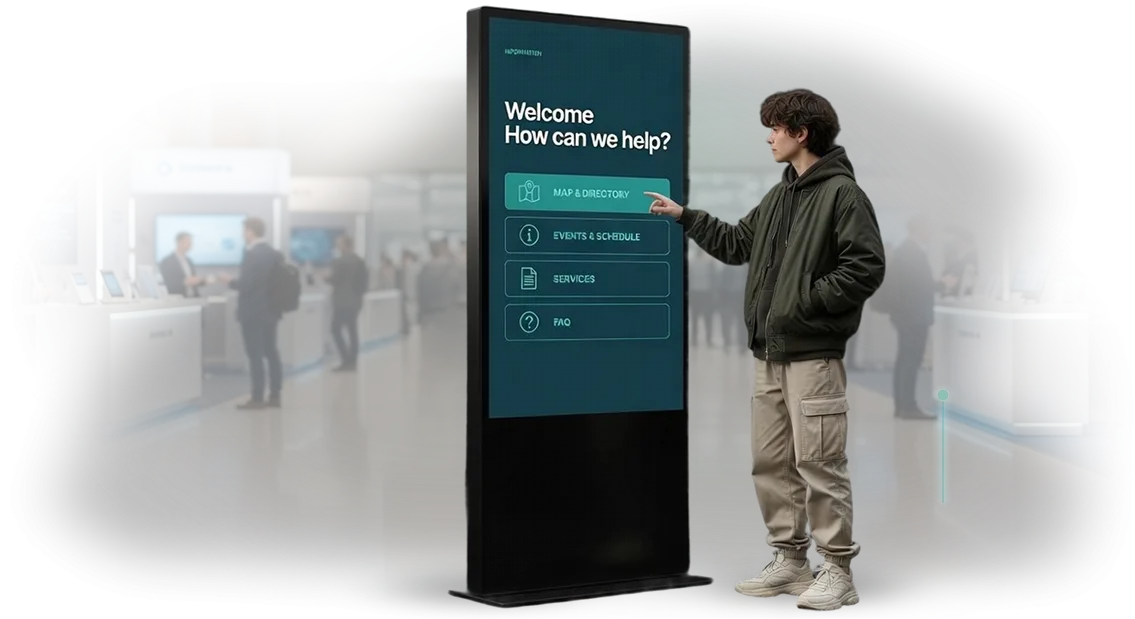
קיוסק מידע מבוסס ChromeOS עוזר לפתור את הבעיה. עמדת מידע עם מסך מגע מחליפה חלק מעבודת הפקיד: מבקרים מוצאים בעצמם את המחלקה הנכונה, בודקים זמני המתנה, מגישים בקשות או מקבלים תשובות לשאלות נפוצות. הצוות ששוחרר מטפל בבקשות מורכבות יותר, והתור עצמו מתקדם מהר יותר וללא מתח.
למה דווקא ChromeOS? קיוסקים אלה קלים יותר לפריסה ולתחזוקה: המערכת פועלת ביציבות, נטענת במהירות ואינה דורשת התערבות מתמדת של מהנדס. כל העמדות מנוהלות מרחוק: אפשר לעדכן תפריט, לוח זמנים או תרחיש הפעלה ללא ביקור באתר. כלומר, העסק מקבל כלי אמין שאינו מסיט משאבים מפעילות הליבה.
אנחנו מספקים תרחיש זה במפתח פתוח: אנו מתכננים ומיישמים קיוסקים לצרכים של עסק ספציפי — החל מניווט בקניון ועד קבלת לקוחות במרכזי שירות. אנו מגדירים את הממשק כך שיהיה קל לשימוש גם לאורח מבוגר וגם לנער. הלקוח רואה את העיקר: תורים קצרים יותר ולקוחות שנשארים איתו.
מה מקבלים מקיוסק אינטראקטיבי לעסק
מבקרים לא אוהבים לחכות, ועובדים מבזבזים עד 30% מזמן העבודה על שאלות חוזרות. קיוסק אינטראקטיבי לוקח על עצמו את השגרה הזו: לקוחות מוצאים מידע בעצמם, מזמינים שירות או מקבלים סיוע תוך דקות ספורות בלי להסיח את דעת הצוות.
עבור העסק, זהו חיסכון מדיד — אותם עובדים מספיקים יותר, והתור מתקדם מהר יותר.
בואו נפרק בדיוק מה הלקוח מקבל. מהירות השירות. הקיוסק מטפל בבקשה טיפוסית תוך 30–60 שניות, בעוד שעובד אנושי משקיע לפחות 2–3 דקות בשיחה. עם תנועה של 100 מבקרים ביום, זה חוסך כמה שעות של זמן צוות נקי בכל יום.
הפחתת עומס על הצוות. אוטומציה של שאלות טיפוסיות משחררת 20–30% מזמן העובדים. הם מפסיקים לענות על אותן בקשות ומתמקדים במשימות הדורשות נוכחות חיה — ייעוץ, מכירות, טיפול במצבים חריגים.
יציבות תפעולית. אנו בונים קיוסקים על ChromeOS, מערכת שאינה קופאת ואינה דורשת ניטור מתמיד. המכשיר מתעדכן אוטומטית ומאתחל לאחר תקלות, כך שאין צורך לפקח ידנית על כל עמדה.
| תרחיש | איך הקיוסק עוזר | מה העסק מקבל |
|---|---|---|
| דלפק מידע בלובי | מספק הנחיות, מפות, עונה על שאלות נפוצות | הצוות מטפל בבקשות מורכבות, מבקרים לא מחכים |
| בית קפה או חנות | מקבל הזמנות, מעבד תשלומים, מזכיר על בונוסים | מהירות שירות גבוהה יותר וסל ממוצע גדול יותר |
| תערוכה או כנס | עוזר בניווט, בלוח זמנים וברישום | אורחים מוצאים את מה שהם צריכים מהר יותר, פחות פניות למארגנים |
אמון בטכנולוגיה הוא תוצאה צפויה. הקיוסק עובד בשעות השיא בדיוק כמו בשעות רגילות; הוא לא "קופא" ולא תקול. הלקוח מקבל דוחות שקופים על תכונות פופולריות ויכול לשפר את התרחיש ללא מעורבות מפתחים.
פורמטים של קיוסק אינטראקטיבי למשימות שונות
פורמטי הקיוסק נבדלים לא בגודל המסך אלא במקרה השימוש. הלובי צריך אפשרות אחת, הרחוב צריך אחרת, ותערוכה צריכה שלישית. בחירה בפורמט הלא נכון מובילה לכך שההתקנה תיאבק אבק בזמן שמשתמשים חולפים על פניה.
כדאי לבחור את סוג הקיוסק לפי החלל הפיזי והתנהגות המבקרים. דגמים עומדים וצמודי קיר מכסים משימות נייחות, בעוד מבנים ניידים מיועדים לאירועים עם קהל גדול. להלן טבלת השוואה שתעזור לכם להחליט.
| פורמט | למי | מה זה נותן ללקוח |
|---|---|---|
| קיוסק עומד | קניונים, שדות תעופה, לובי של מרכזים עסקיים | נקודת ניווט והזמנה יציבה, ללא צורך בצוות, עובד בזרימה |
| קיוסק צמוד קיר | מסדרונות צרים, אזורי מעליות, קומות מסחר קטנות | חוסך מקום, נראה במסלול התנועה, גישה מהירה למידע |
| קיוסק לאירועים | תערוכות, כנסים, פסטיבלים, מרכזי עיתונות | ניידות, התקנה ופירוק קלים, עניין גבוה של מבקרים, איסוף פרטי קשר |
הטבלה מראה את הנקודה המרכזית: האפשרות צמודת הקיר יעילה במקום מוגבל, העומדת במקום שבו נדרשת נקודת מוקד בולטת ועומס גבוה, והניידת במקום שבו אירוע נמשך כמה ימים ודורש פריסה מהירה. בכל המקרים, המשתמש מקבל ממשק מגע ברור ללא תורים או הוראות נייר.
אם אינכם בטוחים איזה פורמט מתאים, התחילו בפרויקט פיילוט. אנו עוזרים לכם לבחור מבנה ללובי או לאירוע, והמסוף יפעל על פלטפורמת ChromeOS המוכחת — זה מבטיח יציבות ועדכונים פשוטים.
איך הפרויקט מתנהל: מבריף ועד השקת קיוסק
שלבי העבודה
אנו עובדים מרחוק, אבל זה לא אומר שאתם מאבדים שליטה. הפרויקט מחולק לשלבים ברורים — בכל שלב אתם רואים את התוצאה ומקבלים החלטות. אין "קופסה שחורה": נקודות מפתח מיושרות באמצעות פגישות קצרות וממשק אינטואיטיבי.
- בריף קיוסק. אנו מתעדים היכן ימוקם המסוף, מי המשתמשים שלכם ואילו משימות הוא יפתור. אתם מקבלים הערכת עלות ולוח זמנים — המספרים לא זזים באמצע הפרויקט.
- תוכנית ואישור פרויקט. אנו מכינים את מבנה המסך, תרחישי האינטראקציה והקונספט החזותי. אתם מאשרים את התוכנית — אנו עוברים ליישום.
- עיצוב ואב-טיפוס. אנו מראים לכם איך הקיוסק ייראה ויפעל לפני שלב התכנות. שינויים בשלב זה הם זולים, כך שתוכלו להשפיע בנוחות על המוצר הסופי.
- יישום ובדיקות. אנו בונים את הממשק, מגדירים את הלוגיקה ומחברים את השירותים הנדרשים. אנו בודקים תרחישי משתמש אמיתיים: נגיעות, אתחולים, הפסקות רשת. אתם מקבלים קישור לגרסת בדיקה.
- השקת קיוסק. אנו מתקינים את היישום על המסוף, מפעילים הפעלה אוטומטית, הגנה מפני סגירה מקרית ועדכוני תוכן מרחוק. אנו מוסרים אותו עם הוראות לצוות שלכם.
- תמיכה ופיתוח. אנו מנטרים את הפעולה, מעדכנים תוכן, מוסיפים מסכים ותכונות. אם העסק משתנה, הקיוסק משתנה איתכם.
רצף זה חוסך זמן ותקציב: אתם לא משלמים על עבודה חוזרת, ואנחנו לא מנחשים מה אתם צריכים. כל שלב מסתיים בתוצאה ברורה שתוכלו לאמת ולאשר. כך מתנהלים כל הפרויקטים המוצלחים — מהבריף הראשון ועד קיוסק שעובד באופן אמין.
מה כלול במסירת קיוסק אינטראקטיבי
כשאתם מזמינים קיוסק אינטראקטיבי, חשוב להבין שאתם מקבלים לא רק מכשיר אלא פתרון מוכן שמתחיל לעבוד מיד. אנו מטפלים בכל השלבים — מיצירת היישום ועד התקנה ותמיכה שוטפת. חבילת המסירה המלאה כוללת את המרכיבים הבאים:
- יישום קיוסק — מותאם למשימות שלכם, עם ניווט ברור ותגובה מהירה על המסך. הלקוח לא הולך לאיבוד בתפריט אלא מוצא מיד את המידע הדרוש.
- עיצוב ממשק — אבות-טיפוס למסך בסגנון התאגידי, המגבירים את הכרת המותג והופכים את המסוף לחלק טבעי מהחלל.
- הגדרת חומרה — התקנה וכיול של המסוף מבוסס ChromeOS, הגדרת הפעלה אוטומטית ומצב מוגן. הקיוסק נדלק מעצמו ופועל ללא התערבות צוות.
- התקנה וחיבור — במידת הצורך, ביקור מהנדס למיקום הקיוסק במקום הנכון, תוך התחשבות בשקעי חשמל, תאורה ותנועת רגלים.
- הוראות לעובדים — תזכירים קצרים: איך להדליק, לאתחל, להחליף חומרים מתכלים או לתקן במהירות תקלה קלה.
- תמיכה באחריות — מענה מהיר לפניות, ניהול מרחוק וגיבוי הגדרות. אם קורה משהו, אנו פותרים את הבעיה ללא השבתה ממושכת.
כתוצאה מכך, אתם מקבלים נקודת אינטראקציה עם לקוחות שאינה דורשת ניטור מתמיד: המסוף נדלק מעצמו, פועל ביציבות לאורך כל היום ואינו מסיח את דעת העובדים מהמשימות העיקריות שלהם. זהו פתרון שמחזיר את ההשקעה על ידי הפחתת עומס העבודה של הצוות והגברת שביעות רצון המבקרים.
מקרה בוחן: איך קיוסק ChromeOS הכפיל את מהירות השירות
ברשת בתי קפה עם תנועה גבוהה, מבקרים חיכו 5–7 דקות להזמנותיהם בשעות השיא. התורים גדלו, אורחים עזבו בלי לחכות — וכל עזיבה משמעותה הכנסה שאבדה.
התקנו שני קיוסקים אינטראקטיביים מבוססי ChromeOS במקום קופות רגילות כדי להקל על הצוות ולהאיץ את קבלת ההזמנות.
תוך שבועיים, זמן השירות הממוצע נחתך בחצי — מ-4.5 ל-2 דקות. התורים כמעט נעלמו, והאורחים היו מוכנים יותר להשתמש בקיוסק: כ-60% מההזמנות עברו דרכו תוך חודש.
זה לא רק חסך זמן למבקרים אלא גם אפשר לבריסטות להתמקד בהכנת משקאות במקום בקבלת תשלומים.
ההשפעה הכספית הייתה גם היא מורגשת: ההמרה ממבקר לקונה עלתה ב-15% כי אורחים הפסיקו לעזוב בגלל המתנה ארוכה. משוב ממנהל הרשת: "פחדנו שהקיוסקים ידחקו לקוחות קבועים, אבל קרה ההפך.
האורחים התרגלו אליהם תוך כמה ימים, ושחררנו צוות. אנחנו כבר מתכננים להתקין את אותם מסופים בשאר הסניפים."
הרשת משתמשת בקיוסקים כבר יותר משנה — במהלך תקופה זו ביצענו עדכון ממשק אחד והרחבנו את התפריט במערכת פעמיים. לא היו תקלות או פניות תמיכה חוזרות. עבורנו, זה המדד הטוב ביותר לכך שהפתרון עובד.
שאלות נפוצות על קיוסקים ועל העבודה איתנו
רוב הלקוחות שלנו מגיעים עם אותה דאגה: "האם הקיוסק יתמודד עם המשימה שלנו, האם הוא יאכזב אותנו ברגע הקריטי ביותר?" לכן, לפני ההשקה, אנו עוברים על כל פרט — מהתאימות לתשתית שלכם ועד לאופן שבו המכשיר מתנהג במצב חירום.
להלן תשובות לשאלות הנפוצות ביותר. אם השאלה שלכם לא כאן, פשוט כתבו לנו: נמצא פתרון למשימה שלכם ונראה לכם איך זה יעבוד.
כמה זמן אורך פיתוח קיוסק?
פרויקט סטנדרטי אורך 2 עד 4 שבועות. אם אתם צריכים לוגיקה לא סטנדרטית או אינטגרציה עם מאגר הלקוחות שלכם, לוח הזמנים עשוי להתארך, אבל אנחנו תמיד קובעים אותו בחוזה לפני תחילת העבודה. אתם יודעים את תאריך ההשקה מראש ויכולים לתכנן את האירוע או רכישת הציוד ללא הפתעות.
מה לגבי האחריות אם הקיוסק מתקלקל?
אנו נותנים אחריות על התוכנה שפותחה ועל פעולתה עם החומרה. אם משהו משתבש, אנו לוקחים את המשימה לעבודה מרחוק או, במידת הצורך, מבקרים באתר.
הקיוסק פועל על מערכת ההפעלה היציבה ChromeOS, שלעתים רחוקות נכשלת ואינה דורשת תחזוקה שוטפת.
האם אפשר להתאים את הקיוסק למשימות הלא סטנדרטיות שלי?
כן, זהו המומחיות המרכזית שלנו. הקיוסק הוא לא רק "לוח עם כפתורים." אנו מתאימים אותו לתרחיש שלכם: רישום אורחים, סקרים, הנפקת אישורי כניסה, ויטרינת מבצעים, הזמנת שירותים. אתם מתארים את המשימה — אנו מציעים פתרון ומראים איך הוא יעבוד בחלל שלכם.
אנחנו לא מוכרים "מסך בקופסה" — אנחנו יוצרים כלי שפותר את הבעיה העסקית שלכם. אם עדיין יש לכם ספקות, השאירו בקשה: נשלח דוגמאות של פרויקטים דומים ונחשב לוחות זמנים למצב שלכם.מה אם אתם צריכים קיוסק לא סטנדרטי?
קיוסק סטנדרטי הוא נקודת התחלה, לא מסגרת. אם המשימה שלכם לא מתאימה לפתרונות טיפוסיים — צורה לא סטנדרטית, אתר התקנה ספציפי, תרחיש אינטראקציה מיוחד או אינטגרציה עם מערכות פנימיות — זו לא בעיה אלא משימה מוכרת עבורנו.
אנו מתאימים את הפתרון למשימה ולחלל הפיזי שלכם. זה חל על המבנה, הממשק והלוגיקה של הפעולה: הקיוסק יכול להיות משולב בעמדה, לעבוד על מסך לא סטנדרטי, לשרת מבקרים לפי תרחיש אישי או ליצור אינטראקציה עם ה-CRM שלכם.
הבסיס נשאר אמין — אנו עובדים על ChromeOS, המספק יציבות וקלות ניהול, אבל אנו מתאימים את המראה והפונקציונליות אליכם, לא להיפך.
לדוגמה, אנו יכולים לשנות את רצף השלבים, להוסיף סריקה יוצאת דופן, להתאים את העיצוב לסגנון התאגידי שלכם או להגדיר תרחיש לקהל ספציפי.
כל זה נעשה בשלב העיצוב ואינו דורש ידע טכני מכם — אנו מטפלים בפרטים ומציעים פתרון נוח למבקרים שלכם.
בסופו של דבר, אתם מקבלים לא "קיוסק בכללי" אלא כלי שפותר את הבעיה העסקית שלכם: הוא משרת לקוחות מהר יותר, אוסף את הנתונים הדרושים לכם או מגביר את הכרת המותג. דרישות לא סטנדרטיות הן פשוט סיבה עבורנו למצוא פתרון טוב יותר.
קחו את הצעד הראשון: השיקו את הקיוסק שלכם עכשיו
אתם כבר יודעים שקיוסק אינטראקטיבי יפתור את הבעיה — אתם רק צריכים לקחת את הצעד הראשון. הכנו מסלול ברור: מבקשה ועד מסוף עובד אתם עוברים איתנו, ובכל שלב אתם מקבלים תוצאה קונקרטית. אין אי-ודאות — רק לוחות זמנים, פתרונות ברורים ותמיכה.
שליחת בקשה לקיוסק אורכת כמה דקות. במהלך יום העבודה, אתם מקבלים חישוב עלות קיוסק ותוכנית השקה: אילו משימות אנו פותרים, אילו פורמטים אנו משתמשים ומה נדרש מכם. לאחר מכן הכל מתנהל לפי לוח זמנים שקוף.
- אתם משאירים בקשה לקיוסק — אנו חוזרים אליכם תוך שעה בשעות העבודה.
- אנו מבהירים את המשימות: היכן ימוקם המסוף, מי המשתמשים, אילו תרחישים חשובים.
- אנו מכינים הערכת עלות לקיוסק על בסיס חומרה, עיצוב והשקה.
- אנו מסכמים על אב-הטיפוס והפונקציונליות — אתם רואים איך המסך ייראה.
- אנו מפתחים את היישום, בודקים אותו על מכשיר אמיתי ועוזרים בהתקנה.
- אנו מאמנים את הצוות שלכם ומוסרים הוראות — אתם מנהלים את הקיוסק במלואו.
- לאחר ההשקה, אנו נשארים בקשר: עדכונים, תמיכה טכנית, שיפורים.
בסופו של דבר, אתם מקבלים לא רק מסוף אלא כלי שמספק ערך מהיום הראשון. השאירו בקשה — וכבר היום יהיה ברור מתי ואיך הקיוסק יעלה לאוויר.
אתם יכולים להזמין קיוסק כבר עכשיו: מלאו את הטופס בעמוד, ונחזור אליכם עם תוכנית השקה.