

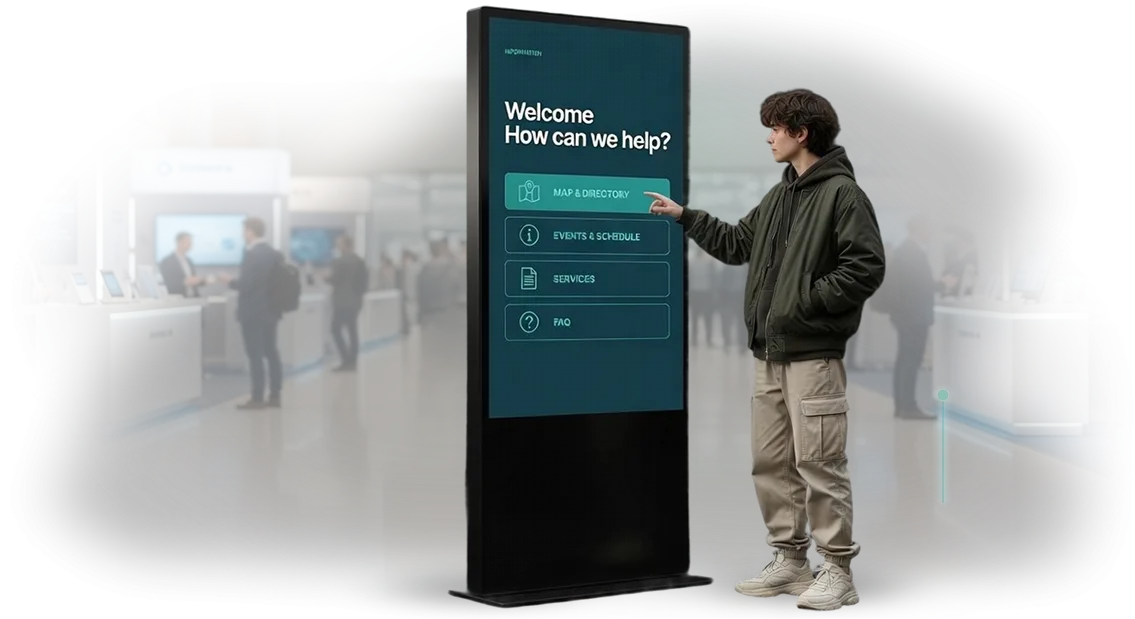
קיוסקים קופאים ומאבדים לקוחות? Windows IoT Core פותר את זה
קיוסק קפוא — והלקוח עוזב. לעיתים קרובות, מבקר לא יחזור אם מסוף לא מגיב במשך יותר מדקה. עבור העסק, זה אומר אובדן הכנסות ופגיעה במוניטין שמתפשטת ברשתות החברתיות מהר יותר ממה שאפשר לתקן את התקלה.
זה כואב במיוחד כשקיוסק נכשל בשעות העומס: התור גדל, וכך גם התסכול של הלקוחות.
הבעיה אינה החומרה עצמה — אלא שמערכות רגילות אינן מיועדות לפעילות רציפה מסביב לשעון במצב מסוף. עדכוני רקע, זיכרון שעולה על גדותיו, אתחולים אקראיים — ופתאום יש תור של לקוחות לא מרוצים בקופה.
הצוות שלך מוסח מאתחול הקיוסק במקום לעזור ללקוחות, וכל תקלה פוגעת במוניטין שלכם.
Windows IoT Core פותר את זה. זוהי גרסה מיוחדת של מערכת ההפעלה המיועדת למסופים אינטראקטיביים: היא פועלת ביציבות, אינה דורשת תחזוקה מתמדת, ואינה קופאת ברגע הקריטי ביותר. יכולת חיזוי היא בדיוק מה שמקבלים כשבחרנו את הבסיס הנכון לקיוסק.
איתה, מקבלים לא רק מסוף עם אפליקציה, אלא כלי מכוון היטב שמגדיל את התפוקה ושומר על נאמנות הלקוחות. המסוף מגיב מיידית, הלקוחות לא עוזבים — הם חוזרים — וזה משפיע ישירות על הרווח שלכם.
אנחנו מתמחים בבניית קיוסקים על Windows IoT Core ומבטיחים פעולה יציבה בכל שעה של היום. אנחנו מטפלים בהתקנה, בתחזוקה ובעדכונים — אתם מתמקדים בעסק, לא בתיקון ציוד.
מה מקבלים מפלטפורמה יציבה: יתרונות מרכזיים
קיוסק מחליף יועץ אנושי: הוא עובד בלי חופשות, הפסקות או מצבי רוח. אבל רק אם הוא באמת יציב — מסך קופא מבריח מבקרים ומבטל את כל האפקט של האינטראקטיביות.
יציבות תפעולית
הפלטפורמה מיועדת לפעולה ארוכה ורציפה במרחבים ציבוריים. הקיוסק לא "נתקע" אחרי אלפי נגיעות, מתמודד נכון עם תנודות חשמל, ועולה בלי חימום ארוך. עבורכם, זה אומר זמן השבתה מינימלי והתנהגות צפויה של המסוף בשעות העומס.
מהירות ונוחות
מבקר מצפה לתגובה מיידית: כל רגע נוסף של המתנה מפחית פעולות שהושלמו. ממשק מהיר עם כפתורים גדולים וניווט ברור מקצר את הדרך של הלקוח למידע שהוא צריך, כך שלא נוצר תור סביב הקיוסק.
המרה גבוהה יותר
כשהמסוף פועל בצורה חלקה, מבקר מזדמן מוצא בקלות מוצר, לומד על מבצע או מזמין שירות. זה קורה בלי מעורבות צוות ובלי המתנה מייגעת.
עבור העסק, התוצאה פשוטה: יותר פניות ומכירות מכל מטר רבוע של שטח המכירה.
אמינות הקיוסק
כבסיס, אנו משתמשים ב-Windows IoT Core — סביבה מוכחת שמבטיחה פעולה יציבה של האפליקציה ומפשטת את תחזוקת המערכת.
במשך למעלה מ-10 שנות פרויקטים, חידדנו את תהליך העלייה והעדכון, כך שהמסוף שלכם יעבוד בצורה צפויה לא רק ביום הראשון, אלא גם שנה מהיום.
פורמטי פריסה: מפתרון מגע פשוט ועד קיוסק מקיף
פורמט הקיוסק אינו שאלה עיצובית — אלא שאלה של המשימה שהוא פותר. עסק אחד צריך מסוף מגע קומפקטי בכניסה כדי להפחית תורים ולהקל על עומס הצוות; עסק אחר צריך עמדה מלאה עם הנפקת מסמכים ותשלום.
בחירת הפורמט משפיעה על מהירות הפריסה, העלות, והאופן שבו מבקרים תופסים את נקודת האינטראקציה.
| פורמט | למי זה מיועד | מה זה נותן ללקוח |
|---|---|---|
| מסוף מגע שולחני | בתי קפה, מכוני יופי, דלפקי קבלה | מיקום קומפקטי על הדלפק, השקה מהירה, פחות עומס |
| קיוסק עומד | קניונים, מוזיאונים, אולמות תצוגה | מושך תשומת לב, עובד כנווט וקטלוג, אינו דורש מעורבות צוות |
| פאנל אינטראקטיבי צמוד קיר | בנקים, משרדים, לובי מלונות | חוסך מקום, נוח למידע והזמנות, משתלב בקלות בעיצוב הפנים |
| עמדה מקיפה | שירותים ממשלתיים, מרכזים רפואיים, שדות תעופה | מכסה את כל המחזור: ייעוץ, הזמנה, תשלום, הדפסה — בלי תורים |
אנחנו לא נועלים את עצמנו לפתרון "ארגזי" יחיד. אותו פרויקט יכול להיות מופעל על פאנל צמוד קיר, וככל שתנועת המבקרים גדלה, ניתן להרחיב אותו לקיוסק עומד עם מספר תרחישים.
זה חשוב במיוחד כשעסק משתנה מהר יותר מהמתוכנן — התוכנה בנויה כך ששינוי המעטפת אינו דורש כתיבה מחדש של הלוגיקה.
אנחנו עובדים על פלטפורמת Windows IoT Core המוכחת — בסיס אמין שמתנהג באופן עקבי באותה מידה גם במסוף מגע פשוט וגם בקיוסק עם ציוד היקפי.
בהתחלה, אנו עורכים ביקורת מהירה של המשימות שלכם ועוזרים לכם לבחור פורמט שיחזיר את ההשקעה בתוך החודשים הראשונים לפעילות. אם אינכם בטוחים, נשלח דוגמאות של פרויקטים דומים ונייעץ איזו אפשרות מתאימה ביותר לתנועת הלקוחות ולתרחישי האורחים שלכם.
שלבי הפרויקט: מבריף ועד השקה
תהליך שקוף אומר שהלקוח יכול לראות בכל שלב מה קורה עם הפרויקט שלו ומתי התוצאה תגיע. אנחנו הופכים משימה לקיוסק עובד בלי הפתעות: אתם יודעים בעד מה אתם משלמים, מה לוחות הזמנים, ומה תקבלו בסיום. להלן חמשת השלבים שעליהם בנויים רוב הפרויקטים שלנו.
-
בריף ויישור משימות. אנו דנים היכן יעמוד הקיוסק, מי משתמש בו, ואילו פעולות מבקר צריך לבצע. אנו קובעים את יעדי הפרויקט, המראה המשוער והפונקציונליות — אתם מקבלים מסמך ברור, לא הבטחות מעורפלות.
-
עיצוב תרחישים. אנו חושבים על הלוגיקה של המסך: כיצד אורח מגיע לקטע הנכון, כמה צעדים הוא עושה כדי לקבל תוצאה, כיצד הקיוסק מתנהג במהלך שגיאות או השהיות. הפלט הוא מפת תרחישים שתוכלו להראות לעמיתים ולאשר לפני תחילת הפיתוח.
-
פיתוח והרכבה. אנו יוצרים ממשק בסגנון המותג שלכם ומחברים את הפונקציות הנדרשות: קטלוג, ניווט, טפסים, באנרים. אנו מגדירים את הקיוסק על ציוד מקצועי — כך שהוא פועל ביציבות כל היום בלי אתחולים.
-
בדיקות ואיתור באגים. אנו בודקים תרחישים בתנאים אמיתיים: סשנים ארוכים, נגיעות, מצבים בלתי צפויים. אנו מתקנים בעיות לפני ההשקה כך שהמבקרים הראשונים רואים קיוסק עובד, לא גרסה "גולמית".
-
השקה ומסירה. אנו מתקינים את הקיוסק באתר, מגדירים ניהול מרחוק וניטור פעילות. אנו מאמנים את הצוות שלכם, מוסרים תיעוד, ונשארים בקשר לאחר ההשקה — לשיפורים ולתמיכה.
גישה זו חוסכת את הזמן שלכם: יישור בשלבים מוקדמים מגן מפני עבודה חוזרת בסוף. אתם מקבלים לא רק אפליקציה שפותחה, אלא פרויקט סוהר — מרעיון ועד קיוסק עובד שמספק ערך לעסק.
מה כלול במסירה הסופית עבור העסק שלכם
אתם מקבלים לא רק מכשיר, אלא מערכת עבודה מלאה ומוכנה. היא אינה דורשת מהצוות שלכם ידע טכני להתקנה או לשימוש יומיומי — אנחנו מטפלים בכל שלב מההרכבה ועד התצורה הסופית.
המסירה הסופית כוללת:
- קיוסק מורכב ומוגדר — החומרה בנויה על ציוד מקצועי, מוכנה לחיבור ולהפעלה מיד לאחר המסירה.
- תוכנה עם רישיון — מערכת מותקנת ומופעלת מראש, מותאמת לפעולה רציפה מסביב לשעון במרחבים ציבוריים.
- ממשק במיתוג אישי — עיצוב בסגנון המותג שלכם: לוגו, צבעים, סגנון. המערכת נראית כמו הרחבה של האתר או החברה שלכם, לא תבנית זרה.
- פאנל ניהול — כלי פשוט ואינטואיטיבי למנהל שלכם. עדכנו מבצע, שנו מחיר או הוסיפו וידאו חדש תוך דקות בלי להעסיק מתכנת.
- הוראות ותיעוד — מדריכים קצרים וברורים לצוות. מכוסה: איך להתחיל, איך להעלות תוכן חדש, ומה לעשות במצב חריג.
- אחריות על חומרה ועבודה — תקופת שירות קבועה שבה אנו מתקנים כל בעיה הקשורה לעבודה שלנו ללא תשלום.
כל פריט במסירה פותר אתגר עסקי ספציפי: השקה מהירה, ניהול קל והגנה מפני השבתה. אתם לא צריכים להעסיק מומחה נפרד או להיכנס לפרטים טכניים — הכל כבר מחושב ועובד.
מקרה בוחן: כיצד הגדלנו את ההחזר על ההשקעה בקיוסקים
רשת קיוסקי המכירה Fresh Point פנתה אלינו עם תלונה בלתי צפויה: אורחים השתמשו במסופים רק בשליש מהמקרים; השאר נטשו את הפעולה באמצע ופנו לצוות במקום זאת.
זה הפחית את התפוקה בנקודות המכירה, הגדיל את עלויות כוח האדם, וההשקעה בקיוסקים לא החזירה את עצמה.
ביצענו ביקורת של תרחישי האינטראקציה ועיצבנו מחדש את האפליקציה: הסרנו שלבים מיותרים, הוספנו כפתורים גדולים וברורים, וחזרה מהירה לתפריט הראשי.
הממשק הפך ל"שקוף" — מבקרים רואים מיד כמה צעדים נותרו עד לתוצאה, בלי צורך לחפש את הקטע הנכון.
שלושה חודשים לאחר ההשקה, הפעולות המוצלחות גדלו ב-38%, וזמן הסשן הממוצע כמעט נחתך בחצי. מספר האינטראקציות החוזרות גדל ברבע, וההנהלה ציינה שהקיוסקים מייצרים כעת הכנסות במקום לדרוש פיקוח מתמיד. יחד עם החיסכון בכוח אדם, ההחזר על ההשקעה של הפרויקט גדל פי 2.5.
"בעבר, לקוחות פחדו מהמסופים והלכו לתור החי. עכשיו הקיוסק הוא ערוץ ההזמנות המרכזי, ואנחנו מקבלים פי כמה וכמה הזמנות בלי להרחיב את הצוות", אמר מנהל Fresh Point. "לא ציפינו להשפעה כזו משינויי ממשק."
פרויקט זה מראה: אפילו קיוסקים מוכחים יכולים להשיג ביצועים טובים משמעותית. אנו מוצאים נקודות צמיחה לא ברורות בתרחישים ומחדדים אותן כך שהעסק רואה תוצאות מדידות בתוך החודשים הראשונים.
שאלות נפוצות על קיוסקים ופיתוח
קיוסק אינו סיבה לדאגה. הגדרנו את הפלטפורמה כך שתקבלו מסוף סוהר עובד ותשכחו מהצד הטכני: אבטחה, עדכונים, ניטור והחלפת ציוד הם המשימות שלנו, לא שלכם.
אנחנו עובדים על הפלטפורמה התעשייתית המוכחת Windows IoT Core, המשמשת למסופים בבנקים, שדות תעופה ורשתות קמעונאיות. אבל העיקר אינו הטכנולוגיה — אלא שירות ברור: אתם תמיד יודעים מי אחראי על הקיוסק ומה קורה אם משהו משתבש. להלן תשובות לשאלות שהלקוחות שואלים לרוב.
האם ניתן לפרוץ לקיוסק או להפנות אותו לאתר צד שלישי?
הגישה למערכת נעולה: רק האפליקציה שלכם רצה על המסוף, פונקציות השירות מוסתרות, וחיבורים חיצוניים חסומים. מבקר אינו יכול לפתוח דפדפן, להגיע לתפריט או לאתחל את הקיוסק — בטעות או בכוונה. גם אם מישהו מנסה, המסוף פשוט ממשיך לפעול במצב הרגיל שלו.
מה אם הקיוסק מתקלקל? נישאר בלי שירות ונאבד לקוחות?
הקיוסק נמצא בשליטתנו מהיום הראשון: אנו מנטרים את מצב הציוד מרחוק ומזהים תקלות לפני שהצוות שלכם בכלל מבחין בהן. רוב הבעיות נפתרות מרחוק, בלי ביקור באתר.
אם נדרש תיקון, אנו מביאים יחידת חילוף כך שהמסוף ממשיך לעבוד בלי השבתה. התמיכה מוגדרת על ידי נוהל ברור, לא לפי מצב רוח.
האם קשה לעדכן מידע על הקיוסק? נצטרך להעסיק מתכנת?
הכל מנוהל דרך לוח בקרה אישי: שנו מבצעים, מחירונים, תמונות וסרטונים תוך דקות. ההדרכה אורכת לא יותר משעה, ותמיכה טכנית זמינה בטלפון ובצ'אט בשעות העבודה. אין צורך במתכנת — מנהל רגיל יכול להתמודד.
כמה זמן ייקח להשיק את הפרויקט?
קיוסק סטנדרטי לוקח 2-3 שבועות: אנו מאשרים את העיצוב והתוכן, מרכיבים את החומרה, מתקינים את התוכנה ובודקים יחד איתכם. עבור משימות מותאמות אישית, לוח הזמנים קבוע בחוזה לפני תחילת העבודה, כך שאתם יודעים את תאריך ההשקה מראש.
מה עולה התמיכה ומה זה תלוי?
התמיכה מחושבת באופן אישי לפרויקט שלכם: מספר הקיוסקים, שעות הפעילות והאפשרויות הנדרשות. החבילה הבסיסית כוללת ניטור, פתרון בעיות מרחוק, עדכונים וייעוץ. כל התנאים כתובים בחוזה — אתם תמיד יודעים בעד מה אתם משלמים.
עדיין יש שאלות על התרחיש שלכם? שלחו פנייה — נעריך את הפרויקט מבחינת זמן ועלות, ונראה כיצד הקיוסק עובד עבור המשימה הספציפית שלכם.מוכנים לדון בפרויקט שלכם? שלחו פנייה
שלחו פנייה — ונחזור אליכם תוך יום עסקים אחד כדי לדון במשימה ולהציע פתרון לעסק שלכם. נסביר כיצד קיוסק אינטראקטיבי יכול לזרז את שירות הלקוחות, להפחית את עומס הצוות ולהגדיל מכירות.
פיתוח קיוסק מידע אינו רק התקנת מסוף. זה נקודת מגע נוספת עם הלקוח, דרך לאסוף נתונים על העדפות, וכלי שעובד עבור העסק שלכם 24/7.
לכן חשוב לדון בפרטים מההתחלה: היכן יעמוד הקיוסק, אילו פונקציות נדרשות, וכיצד הוא משתלב בתהליכים הנוכחיים שלכם.
מה תקבלו לאחר הפנייה:
- ייעוץ על פיתוח קיוסק למשימה שלכם — נתאים את הפתרון לצרכים שלכם.
- הערכה ראשונית של עלות הפרויקט ולוח הזמנים — כדי שתוכלו לתכנן את התקציב.
- ניתוח תרחישי שימוש: תנועת לקוחות במיקום, שאלות אופייניות של לקוחות, קטעים ופונקציות נדרשים.
- המלצות על פורמט: שולחני, עומד או מובנה בדלפק — עבור החלל והסגנון שלכם.
- הצעה מסחרית עם רשימה מדויקת של עבודות ושלבי יישום.
- הערכת החזר השקעה: כיצד הקיוסק יפחית תורים, יפנה זמן צוות ויגדיל את ערך ההזמנה הממוצע.
- מפרט טכני שנוצר לאחר הבריף, כך שכל הצדדים מבינים בבירור את התוצאה הסופית.
מלאו את הטופס — ונשיב במהירות ונדריך אתכם כיצד להתחיל. איתנו, אתם מקבלים שותף אמין שמטפל בכל שלב: מרעיון ועד השקה ותמיכה שוטפת.
כיצד לבחור את התצורה הנכונה עבור IoT Core?
בבחירת תצורה לקיוסק על IoT Core, אל תקבלו החלטה על סמך "מפרטים" — אלא על סמך הצרכים העסקיים הספציפיים שלכם.
שאלו את עצמכם: מה המסוף יעשה — יציג מידע עזר, יקבל פניות, יזרים וידאו, או יעבוד כקטלוג עם כמויות גדולות של תוכן.
התשובה קובעת כמה כוח וזיכרון לבנות, כך שהמכשיר יפעל במהירות ובלי קפיאות ברגע העמוס ביותר.
חשוב גם להבין כמה מבקרים ישתמשו בקיוסק בו-זמנית ובאילו תנאים הוא פועל. לובי עם תנועה כבדה צריך חומרה עם מרווח ביטחון, בעוד מסוף שירות בפינה שקטה יכול לפעול על תצורה בסיסית.
חשוב לא פחות הם פשטות עדכון התוכן ויכולת אבחון מרחוק — אחרת כל שינוי מידע הופך לביקור מומחה.
אנחנו בוחרים תצורה לתרחיש שלכם, לא דוחפים את הבנייה המקסימלית. למשימות פשוטות, פתרון נקי ויציב מספיק; למצגות מולטימדיה או תוכן תלת-ממדי, נדרשת חומרה חזקה יותר.
בכל מקרה, אנו בונים מרווח ביצועים כך שהקיוסק לא יאט בעומס שיא ושומר על מהירות התגובה שלו. זו דרישת איכות שירות, לא רק גחמה הנדסית.
הפלטפורמה הטכנית של IoT Core כאן היא בסיס אמין שמפשט את התחזוקה ומבטיח עלייה מוגנת גם לאחר הפסקות חשמל בלתי צפויות.
כל השאר הוא עניין של בחירת רכיבים נכונה — וזה בדיוק מה שאנחנו עושים: אנו מעריכים את המשימות, תנאי ההפעלה, סוג התוכן ותוכניות הצמיחה שלכם. בסופו של דבר, אתם מקבלים קיוסק שפותר את הבעיה במקום לגרום לכאבי ראש.
אם אינכם בטוחים בבחירה, שלחו לנו תיאור של תרחיש השימוש שלכם — נציע תצורה עם הנימוק מדוע היא מתאימה לצרכים שלכם. תראו את היגיון הבחירה ותוכלו להשוות אותו להצעות של קבלנים אחרים.