

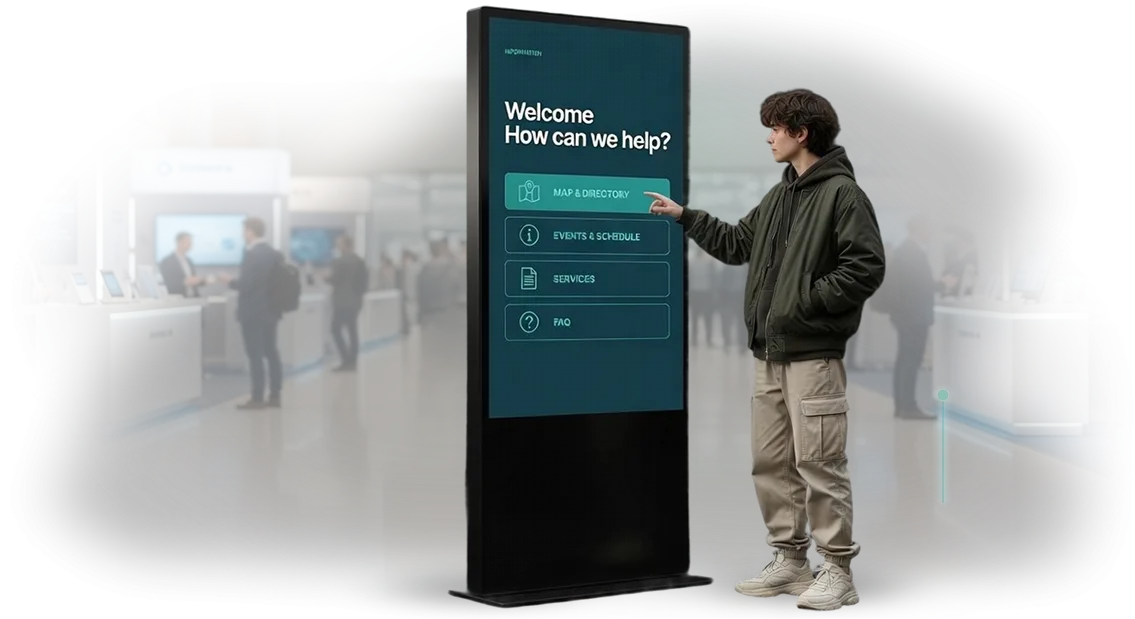
מדוע מעבדות רפואיות מאבדות מטופלים בגלל תורים
במעבדה רפואית, תור הוא לא רק המתנה — הוא אובדן כסף ישיר. ככל שמטופל עומד בתור חי יותר זמן, כך עולה הסבירות שהוא יעבור למרפאה מתחרה או ישתף חוויות שליליות עם קולגות ובני משפחה.
זה לא רק על חוסר שביעות רצון חד-פעמי: עיכובים קבועים הופכים את המעבדה שלכם ל"מקום שבו צריך לשבת שעות", ומטופלים מתחילים לחפש חלופות מראש.
אובדן מטופלים בגלל תורים פוגע בכמה תחומים בו-זמנית. חלק הביקורים החוזרים יורד (המטופל בוחר במעבדה אחרת לבדיקה הבאה שלו), וזרם ההפניות נפגע — והוא מביא עד מחצית מהלקוחות החדשים.
סיכון נפרד הוא תוכניות שותפות עם רופאים ומרפאות: אם המטופלים שלהם מתלוננים על המתנה, הרופא יפסיק להפנות אליכם אנשים.
כתוצאה מכך, לאחר שהשקעתם בציוד וצוות, אתם מפסידים הכנסות רק בגלל שתהליך התיאום והרישום אינו נוח.
התרחיש של "באתי, עמדתי בתור, מסרתי דגימות, הלכתי" כבר לא עובד היום — אנשים רוצים שליטה וודאות.
מטופלים מעריכים את היכולת לקבוע זמן נוח בעצמם, לבצע צ'ק-אין מהיר באתר, ולהבין כמה דקות נותרו עד לתור שלהם.
הנוחות הזו ללקוח בונה נאמנות ישירות: ככל שיש פחות חיכוך בתהליך, כך אדם חוזר ברצון רב יותר וממליץ על המעבדה למכריו.
תורים במעבדות מתרחשים לעתים קרובות גם עם ניצול טוב של הצוות — הבעיה טמונה בזרימה כאוטית וברישום ידני. אנחנו עוזרים לתקן זאת על ידי הטמעת קיוסקים אינטראקטיביים שמטפלים בשגרה: הזמנת תורים, ניווט, סטטוס מוכנות.
מטופלים מפסיקים להצטופף ליד הדלפק, הצוות עובד ברוגע יותר, ואתם מקבלים זרימת מבקרים ניתנת לניהול בלי לאבד מאיכות השירות. ראו איך זה נפתר בפועל — פירטנו להלן את הפורמטים, השלבים ותוצאות היישום האמיתיות.
מה ישתנה לאחר הטמעת קיוסקים אינטראקטיביים
לאחר הטמעת קיוסקים אינטראקטיביים, קבלת המטופלים במעבדה רפואית מפסיקה להידמות לתור בשעת עומס. מטופלים משלימים רישום באופן עצמאי, בוחרים שירותים ומקבלים כרטיס תוך דקה-שתיים, בעוד שהפקיד מטפל רק במקרים מורכבים. זה מפחית את עומס העבודה על הצוות ומאיץ את השירות באופן ניכר.
קביעת תור לרופא או לבדיקות הופכת לקלה יותר: הקיוסק מציג זמני פנאי זמינים, מאפשר קביעת תור ומדפיס מיד את ההפניה. התורים מתקצרים, ומטופלים מפסיקים לגשת לדלפק עם אותן שאלות — זה חוסך 30–40% מזמנם של הפקידים.
הקיוסק ממלא תפקיד אינפורמטיבי: המסך יכול להציג הנחיות מדויקות להכנה לבדיקות, מפת סניפים, מבצעים וחדשות המעבדה. המטופל מקבל מידע מובנה בלי לחקור את הצוות, וגם זוכר את המותג שלכם כמודרני ואכפתי.
להנהלת המעבדה, הקיוסק הוא גם מקור נתונים: כמה אנשים השתמשו בשירות עצמי, אילו שירותים נבחרים בתדירות הגבוהה ביותר, ובאילו שעות מתרחשת עומס שיא. בהתבסס על מידע זה, קל יותר לתכנן משמרות ולחלק כוח אדם בלי להגדיל את מספר העובדים.
אנחנו בונים קיוסקים על HTML5 — פתרון חוצה-פלטפורמות שעובד ביציבות על כל ציוד מגע. הניסיון של הצוות שלנו בעשרות פרויקטים מאפשר לנו להימנע מטעויות אופייניות ולהטמיע קיוסקים תוך שבועיים-שלושה עם שינויים מינימליים בתהליכים הקיימים.
פורמטים של קיוסקים אינטראקטיביים למעבדות רפואיות
משימות שונות במעבדה דורשות פורמטים שונים: מישהו צריך לקבוע בדיקות במהירות, מישהו צריך לקבל תוצאות או למצוא את דרכו בין החדרים.
עמדה אוניברסלית אחת לא תמיד נוחה — חשוב שהמסוף יתאים לחלל, לזרימת המבקרים ולתרחיש התפעולי הספציפי.
אנחנו מתאימים את פורמט הקיוסק למשימה שלכם, לא להפך. עמדות מגע, פאנלים צמודי קיר וקיוסקי מידע קומפקטיים — כל אחד מכסה תרחישים משלו — וכל אחד חוסך זמן לצוות ומשפר את השירות למטופלים.
| פורמט קיוסק | מתאים במיוחד ל | מה הוא נותן ללקוח |
|---|---|---|
| עמדת מגע בלובי | מעבדות עם זרימת מבקרים גבוהה | קביעת תורים מהירה, ניווט בין חדרים, פחות תורים ליד הפקיד |
| מסוף צמוד קיר | מסדרונות צרים, חללים קטנים | חיסכון במקום, זמינות 24/7, קביעת תורים ותשלום בלי דלפק |
| קיוסק מידע קומפקטי | סניפים ומרכזים רפואיים | מידע על שירותים ומבצעים, הפחתת עומס על הצוות |
| מסוף מסירת תוצאות | מעבדות עם תעבורה גבוהה | קבלת נתונים בדיסקרטיות, הקלה על דלפק הקבלה |
כל סוג מסוף פותר נקודת כאב משלו: עמדת המגע מטפלת בקביעת תורים וניווט, המסוף צמוד הקיר חוסך מקום, קיוסק המידע עונה על שאלות טיפוסיות, ומסוף מסירת התוצאות מקל על עומס השיא בשעות קבלת התוצאות.
אנחנו נעזור לכם לבחור את הפורמט הנכון על סמך שטח הרצפה, התעבורה והמשימות — וניקח על עצמנו פיתוח, השקה ותמיכה.
כיצד תהליך השקת הקיוסק עובד במעבדה
הטמעת קיוסק במעבדה היא לא רק התקנת מכשיר. זה תרחיש חדש למטופלים, הקלה לדלפק הקבלה וחלק בלתי נפרד מהשירות שלכם.
כדי להבטיח שההשקה תתנהל בצורה חלקה ולא תסיח את דעת הצוות מעבודתם, בנינו תהליך שבו כל שלב פותר משימה ספציפית של המעבדה.
-
בריף וסקירת אתר התקנה. אנחנו נפגשים, דנים בזרימת המטופלים, בשעות השיא ובמשימות הקיוסק — קביעת בדיקות, מסירת תוצאות, מידע. אנחנו בודקים את המיקום: שקעי חשמל, תאורה, תנועת רגלים.
-
תוכנית יישום. מסמך מוגדר: לוחות זמנים, אנשי הקשר האחראיים שלכם, היקף העבודה, מעורבות הצוות הנדרשת. אתם מקבלים לוח זמנים ברור, לא "בערך". כאן אנחנו גם מגדירים כיצד הקיוסק משתלב בתהליכים הנוכחיים של המעבדה.
-
פיתוח ממשק לצרכים הספציפיים שלכם. אנחנו מתכננים את תרחיש המטופל עד לפרט האחרון: מהמסך הראשי ועד קבלת כרטיס או הפניה. אנחנו מתחשבים בגיל הקהל, בשאלות הטיפוסיות ובמהירות הפעולה — כדי שאנשים לא יתעכבו ליד הקיוסק.
-
הרכבה והגדרה. אנחנו בוחרים את כל הרכיבים לתנאי ההפעלה שלכם: מארז מוגן, מסך ברגישות גבוהה, פעולה יציבה ללא הקפאות. אנחנו מגדירים ציוד מקצועי למשימה שלכם ולא מתקינים אותו "כמו שהוא".
-
אינטגרציה עם מערכות המעבדה. במידת הצורך, אנחנו מחברים את הקיוסק למערכת התורים או למסד הנתונים שלכם. בקיצור: אנחנו משתמשים בכלים מוכחים להחלפת נתונים מאובטחת, כך שהמטופל יכול לקבוע תור או לקבל תוצאות בלי לגשת לדלפק הקבלה.
-
השקת ניסיון והדרכה. אנחנו מריצים מצב פיילוט עם הפקידים שלכם. הצוות לומד את היסודות: איך לעזור למטופל, איפה לראות סטטיסטיקות, מה לעשות במצב חירום. אנחנו מוודאים שהצוות מרגיש בטוח.
-
השקה ותמיכה. הקיוסק מתחיל לפעול במצב רגיל. אנחנו נשארים בקשר: אבחון מרחוק, עדכונים, החלפת רכיבים מהירה במידת הצורך. עבורכם, זה אומר זמן השבתה מינימלי ושירות יציב למטופלים.
רצף זה מאפשר להשיק את הקיוסק בלי לעצור את פעילות המעבדה: אתם מתאימים תהליכים בהדרגה, ומטופלים מתרגלים לדרך החדשה לגשת לשירותים. התוצאה — פחות תורים, פחות עומס על הפקידים ותדמית מעבדה מודרנית יותר.
איזה ערכה אתם מקבלים בהזמנת קיוסק
כשמרפאות ומעבדות מזמינות קיוסק, הן מקבלות לעתים קרובות רק "חומרה" בלי הבנה מה לעשות איתה הלאה. אנחנו מרכיבים פתרון סוהר: מהמעמד והמארז ועד ניווט שמטופל יכול לעקוב אחריו בלי הנחיות. להלן היקף המסירה המלא שתקבלו לאחר השקת הפרויקט.
- חומרה עם מרווח ביטחון. המארז והרכיבים עם מסך המגע מתוכננים לשימוש אינטנסיבי בלובי ובאזורי המתנה — הקיוסק פועל ביציבות גם בשעות שיא של קביעת תורים.
- תוכנה ייעודית. הממשק מותאם למשימות מעבדה: קביעת תורים לרופא, קבלת תוצאות, ניווט בין סניפים. המערכת מתאימה את עצמה לתהליכים שלכם, לא להפך.
- אינטגרציה עם התשתית שלכם. נגדיר חיבור למערכת התורים או ללוח הזמנים הפנימי שלכם — המטופל רואה נתונים עדכניים ולא נתקל במצב שבו "הקיוסק אומר דבר אחד והדלפק אומר דבר אחר".
- תוכן ועיצוב מוכנים. נפתח את מבנה התפריט ונלמד את הצוות לעדכן מידע באופן עצמאי: לוח הזמנים השתנה — העלו קובץ חדש, והקיוסק כבר מציג נתונים טריים.
- הדרכת צוות והוראות. הפקידים והרשמים שלכם מקבלים הנחיות הפעלה ברורות. אנחנו עורכים הדרכה כדי שהצוות יוכל לעזור למטופל תוך דקה.
- אחריות ותמיכה טכנית. כל הציוד והתוכנה המותקנת מכוסים באחריות. במקרה של תקלה, אנחנו מתחברים מרחוק למערכת ופותרים את הבעיה במהירות האפשרית כדי שהקיוסק לא יעמוד בטל.
עבור מעבדות רפואיות, ערכה זו חשובה במיוחד: הקיוסק עובד עם נתוני מטופלים רגישים וחייב להיות ללא דופי בכל פרט. לכן אנחנו לוקחים על עצמנו לא רק מסירה, אלא גם תמיכה שוטפת — מהגדרה ועד עדכוני מידע קבועים.
אתם מקבלים לא מכשיר, אלא כלי עבודה שמקל על הצוות ומאיץ את שירות המטופלים. כל מה שנשאר הוא להשיק אותו בלובי שלכם.
מקרה בוחן: איך החזרנו קיוסק תוך 3 חודשים
מטופלים לא אוהבים תורים בדלפק הקבלה — זה מקור התלונות העיקרי במעבדות רפואיות.
פקידים מבזבזים עד 40% מזמנם על שאלות חוזרות: "איך קובעים", "לאן הולכים", "מתי תהיה התוצאה מוכנה". הצענו לפתור זאת עם קיוסק אינטראקטיבי.
עבור רשת המעבדות MedLab, פיתחנו קיוסק מגע שמטפל בקביעת בדיקות, הנפקת הפניות והודעות על מוכנות תוצאות.
המטופל בוחר זמן נוח בעצמו, מזין את מספר החוזה שלו ומקבל כרטיס — בלי מעורבות הפקיד.
תוצאות החודש הראשון: התורים בדלפק הקבלה ירדו ב-40%, וזמן ההמתנה הממוצע לתור ירד מ-15 ל-6 דקות. מטופלים הפסיקו להצטופף ליד הדלפק, ופקידים התמקדו בשאלות מורכבות ובניירת. שיעור המטופלים המרוצים עלה ב-28% לפי הסקר הרבעוני.
ההחזר הגיע בחודש השלישי. הקיוסק שחרר משרת פקיד אחת, ועם קביעת תורים ללא השבתה, המעבדה החלה לשרת 15% יותר מטופלים ביום. עלויות הציוד והפיתוח כוסו במלואן על ידי הפחתת עומס הצוות והגדלת התפוקה.
מנהל הרשת ציין: "הקיוסק הפך לא רק למסוף, אלא לעובד מן המניין: הוא עובד בלי הפסקות ולעולם לא מתלונן על מטופלים.
אנחנו מתכננים להתקין אותו בכל הסניפים שלנו." מסרנו פרויקט זה במתכונת סוהר תוך ארבעה שבועות — מבריף ועד השקה בשני מיקומים בו-זמנית.
איך לבחור פורמט קיוסק למשימות שלכם?
בחירת קיוסק היא לא שאלה של "איזה מסך עדיף", אלא של "איזו משימה הוא צריך לפתור במעבדה שלכם". מחלקה אחת צריכה קביעת בדיקות ותשלום, אחרת צריכה מסירת תוצאות ומידע על הכנה, שלישית צריכה ניווט בין סניפים.
הפורמט, המבנה והפונקציונליות תלויים ישירות במה שהמטופלים שלכם מתמודדים איתו מדי יום.
לכן אנחנו לא מוכרים "מכשיר אוניברסלי" — אנחנו מגדירים את תרחיש השימוש יחד איתכם.
ראשית, אנחנו בוחנים את זרימת המבקרים, את פריסת הלובי ואת שאלות המטופלים הטיפוסיות, ואז מציעים פתרון: קיוסק עומד או מסוף צמוד קיר, עם הגנה מפני ניקוי רטוב או מעמד נייד.
חשוב שהקיוסק לא יפריע לתנועה ויהיה נוח לאנשים בכל הגילאים, כולל מבקרים מבוגרים.
יש לנו ניסיון בהטמעת קיוסקים ספציפית למעבדות רפואיות — אנחנו יודעים איך לעצב ממשק כך שמטופל יבין אותו תוך 30 שניות בלי עזרת פקיד, ואיך לשלב את המערכת עם מערכת המידע המעבדתית שלכם.
אתם מקבלים פתרון סוהר: בחירת ציוד, מבנה, תוכנה, בדיקות על התעבורה שלכם והשקה.
אם אתם לא בטוחים איזה פורמט מתאים לכם — התחילו בייעוץ. נשאל אתכם 5–7 שאלות על המשימות וזרימת המטופלים שלכם ונציע 2–3 אפשרויות עם חישוב עלות ולוחות זמנים.
זה ללא התחייבות — תקבלו תמונה ברורה, ואז תחליטו אם להמשיך.
שאלות נפוצות וחששות לפני הזמנה
לפני הזמנת קיוסק אינטראקטיבי למעבדה רפואית, ללקוחות יש בדרך כלל שלוש שאלות: כמה זה מורכב, איך זה ישתלב בתהליכים הקיימים, ומה זה יעלה. אנחנו עונים בכנות — בלי פרטים טכניים, אבל עם ערבויות ברורות ולוחות זמנים.
כמה קשה לשלב קיוסק בפעילות המעבדה?
מנקודת המבט של המטופל, זה פשוט: נוגעים במסך, בוחרים שירות, מקבלים כרטיס או קובעים תור. הצוות שלכם לא יצטרך לשנות דבר: אנחנו מגדירים את הממשק לתרחישים שלכם; הפקיד רק בודק את הסטטיסטיקות.
בצד הטכני, אנחנו מטפלים בהכל: עיצוב תרחישים, התאמת מסך מגע, חיבור לשרת. היישום אורך 2–4 שבועות בהתאם למספר הסניפים ולרשימת השירותים. אתם לא צריכים לגייס מומחה ייעודי — גם התמיכה נמצאת בצד שלנו.
איך הקיוסק יעבוד עם מערכת ניהול המטופלים שלנו?
אינטגרציה היא חלק סטנדרטי מהפרויקט, לא אפשרות נפרדת. הקיוסק מחליף נתונים עם המערכת שלכם: מחירון עדכני, לוחות זמנים של רופאים, קביעת תורים, סטטוס מוכנות תוצאות בדיקות. המטופל רואה מידע חי, ואתם לא מבזבזים זמן על סנכרון ידני.
אם אתם משתמשים בחבילת תוכנה רפואית סטנדרטית, החיבור אורך כמה ימים. אם המערכת מותאמת אישית, אנחנו מפתחים מתאם לפורמט הנתונים שלכם.
בכל מקרה, אנחנו עורכים ביקורת לפני התחלה: נפגשים עם העובד האחראי שלכם, קובעים את מבנה הנתונים ומתעדים את תוכנית האינטגרציה בחוזה.
מה קורה אם הקיוסק מפסיק לעבוד? ומי אחראי ליציבות?
פיזית, הקיוסק הוא מכשיר תעשייתי אמין המיועד לפעילות סביב השעון. אנחנו בודקים את התוכנה על תרחישים אמיתיים לפני ההשקה ומספקים אחריות על כל העבודה לאחר ההתקנה.
אם מתרחשת תקלה קריטית למטופלים, אנחנו מגיבים מרחוק תוך יום עסקים ומגיעים לאתר במידת הצורך.
בנוסף, הקיוסק יכול לפעול במצב לא מקוון: גם עם אובדן זמני של חיבור לשרת, הוא ממשיך להציג את המחירון ולצבור נתונים, ואז מעביר אותם לאחר שחזור החיבור. הלקוחות שלכם לא יישארו בלי מידע, ואתם לא תישארו בלי הזמנות.
אנחנו מרכז מעבדה קטן. האם הפרויקט לא יהיה יקר מדי?
העלות נבנית מהמשימות, לא מהיקף החופש היצירתי. אם אתם צריכים קיוסק אחד עם פונקציונליות בסיסית — מחירון, קביעת תורים, סטטוס בדיקות — זה תקציב אחד. אם אתם צריכים מספר מיקומים עם אינטגרציה ואנליטיקה — זה תקציב אחר.
אנחנו תמיד מציעים את האפשרות המינימלית המספקת שפותרת את המשימה הנוכחית שלכם במקום להעמיס עליה תכונות מיותרות.
ההשקעה מחזירה את עצמה באמצעות הקלה על הפקידים, קיצור תורים והגדלת שיעור המטופלים בשירות עצמי.
נחשב את הכלכלה במהלך בריף: נראה כמה זמן צוות חוזר לעבודה פרודוקטיבית וכמה תפוקת דלפק הקבלה גדלה.
אם עדיין יש לכם ספקות, התחילו בשיחת טלפון קצרה או בריף — תוך 30 דקות נסקור את התרחיש שלכם וניתן לכם לוחות זמנים ראשוניים ופורמט שיתוף פעולה. זה ללא התחייבות, אבל תקבלו תוכנית פעולה קונקרטית.הזמינו פיתוח קיוסק למעבדה שלכם עוד היום
במעבדה רפואית, כל יום מביא זרימת מטופלים, וכל שאלה נוספת לפקיד לוקחת זמן.
קיוסק אינטראקטיבי מטפל בשגרה: מטופלים מוצאים מידע על בדיקות, קובעים תורים ומקבלים תוצאות בעצמם, בעוד הצוות מתמקד בעבודה הליבה שלהם.
השאירו בקשה לפיתוח — תוך יום עסקים אחד נחשב את עלות הפרויקט ונציע פתרון למשימות שלכם. הייעוץ ללא התחייבות: תלמדו על לוחות זמנים, פורמטים ותרחישי יישום אופייניים.
מה כלול בהזמנה:
- ביקורת זרימת מטופלים ותרחישי שימוש, כך שהקיוסק פותר בדיוק את המשימות שלכם.
- חישוב עלות מותאם להיקף שלכם — ממכשיר בודד ועד רשת מעבדות.
- ייעוץ בבחירת ציוד ואפשרויות מיקום (מעמד, הרכבה על קיר, פורמט קומפקטי).
- עיצוב ממשק המשקף את המותג שלכם ומציג מידע בפשטות למטופלים בכל הגילאים.
- בדיקות עם משתמשים אמיתיים לפני ההשקה — כדי שהמערכת תעבוד ללא דופי מהיום הראשון.
- הדרכת צוות ותמיכה לאחר ההשקה: עדכונים, שיפורים, תמיכה טכנית.
- השקה במתכונת סוהר: מאב-טיפוס ועד קיוסק עובד בלובי שלכם.
פרויקט אורך בדרך כלל 2–4 שבועות, והתוצאה הראשונה — אב-טיפוס עובד — נראית מיד לאחר דיון קצר במשימה. הצטרפו למעבדות שהאיצו את השירות והפחיתו את העומס על דלפקי הקבלה שלהן.
השאירו את הבקשה שלכם עכשיו — נשלח לכם את החישוב ונסכים על הצעד הבא. זה לוקח כמה דקות, והשעות שנחסכו יישארו היתרון התחרותי שלכם.