

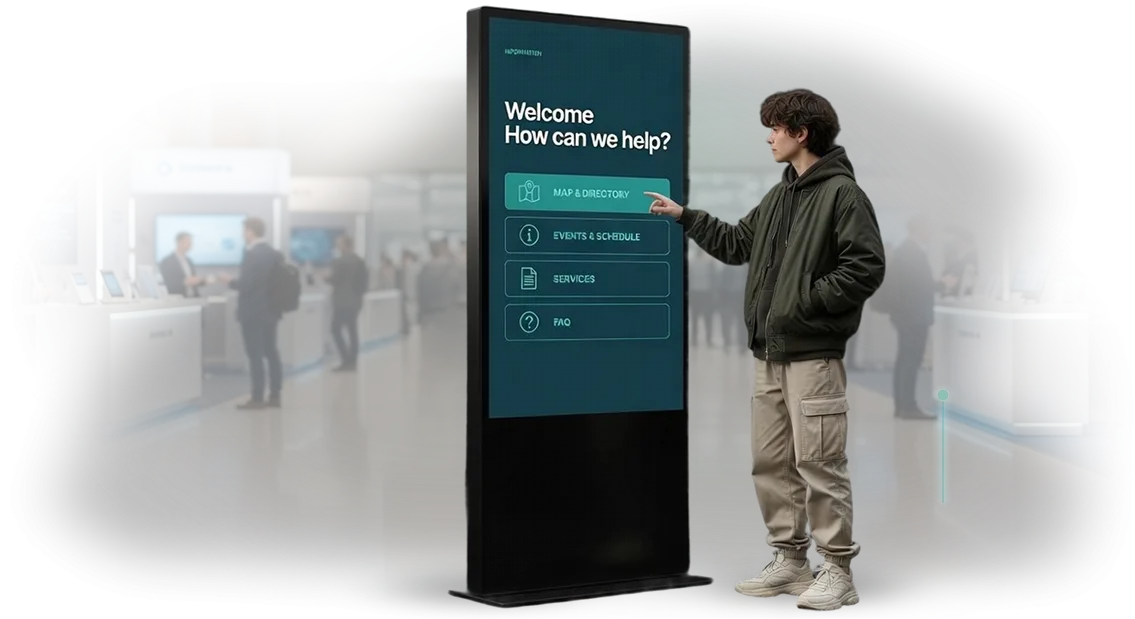
נמאס לכם לעמוד בתורים במשרדי המס? יש פתרון
כל מי שהיה אי פעם במשרד מס יודע איך נראה יום טיפוסי בדלפק הקבלה: תורים ארוכים, בזבוז זמן, עצבים מרוטים ומבקרים מותשים.
אנשים נכנסים כדי לקבל אישור אחד או הבהרה מהירה ובסופו של דבר ממתינים עשרות דקות, מאחרים לעבודה או לעניינים אישיים. הרושם מהשירות הממשלתי נפגם גם במקומות שבהם השירות עצמו ניתן כראוי.
לא קל יותר לצוות המשרד. עיקר העומס הוא שאלות חוזרות: אילו מסמכים לאסוף, איך למלא בקשה, איפה המשרד הנכון ואיך לקבל תוצאה במהירות.
מומחים חוזרים על אותו דבר פעמים רבות ביום, ומשאירים פחות ופחות זמן לבקשות מורכבות וחריגות, וקצב העבודה הופך לשגרה אינסופית עם סיכון לשגיאות שנגרמות מעייפות.
קיוסקים אינטראקטיביים פותרים בעיה זו באופן מערכתי. מבקר יכול לקבל באופן עצמאי מידע עדכני, להוריד טופס סטנדרטי, למצוא תשובות לשאלות נפוצות או לקבוע פגישה — במהירות וללא שיחה עם איש צוות.
ממשק ברור מדריך את המשתמש שלב אחר שלב, ומבטל אי-בהירות ושאלות מיותרות. זה מושג באמצעות כלים מוכחים וציוד מקצועי הפועל באופן אמין גם באולם עמוס.
עבור ראש משרד מס, הטמעת קיוסקים משמעותה פחות עומס על הצוות, שירות מהיר יותר וזרימת מבקרים מאורגנת יותר. התורים מתקצרים, הצוות מקדיש את זמנו למי שבאמת זקוק לעזרה, ושביעות הרצון של האזרחים עולה.
הקיוסק האינטראקטיבי אינו מחווה לטכנולוגיה — הוא דרך מעשית להפוך את השירות לנוח עבור כל מי שמעורב בתהליך.
מה מקבלים מהטמעת קיוסקים אינטראקטיביים
מבקרי משרד המס מעריכים את זמנם, אך לעתים קרובות נאלצים לעמוד בתורים עבור אישורים וייעוץ. קיוסקים אינטראקטיביים משנים את התרחיש הזה: אנשים מקבלים את המידע הדרוש להם בעצמם, מבלי להסיח את דעת הצוות, והמשרד נפטר מהלחץ בשעות השיא.
הטמעת פתרונות כאלה היא מודרניזציה של השירות שכל מבקר מבחין בה מהדקה הראשונה.
מה התקנת קיוסקים משיגה בפועל:
- מהירות. קיצור זמן ההמתנה לשירותים בסיסיים — אישורים, טפסים, שעות עבודה — מ-20–30 דקות לכמה נגיעות במסך. מבקרים פותרים את הבעיות שלהם מהר יותר, והתור מתקדם באופן ניכר.
- מידע. הקיוסק מציג תמיד פרטים עדכניים, דוגמאות בקשות, כתובות ושעות פעילות. המידע מתעדכן באופן מרכזי, כך שהסיכון להודעות מיושנות על לוחות המודעות נעלם.
- תדמית. ציוד מודרני בלובי יוצר רושם של ארגון מתקדם טכנולוגית שאכפת לו מאנשים. זה בונה אמון ומעצב תדמית חיובית של המשרד.
- הקלה על הצוות. בקשות בסיסיות מטופלות ללא מעורבות הצוות — הם עוברים לעניינים מורכבים שדורשים שיחה חיה. זה משפר את איכות השירות ללא הגדלת מצבת כוח האדם.
- זמינות. קיוסקים פועלים מסביב לשעון ללא הפסקות, כולל בשעות שיא שבהן הצוות כבר לא יכול לעמוד בקצב. מבקרים אינם תלויים בלוח הזמנים של הדלפק.
כל סעיף הוא תוצאה מדידה: פחות תורים, מידע מדויק יותר, שביעות רצון גבוהה יותר. אלה בדיוק היעדים שאנו פותרים בפרויקטים עבור גופים ממשלתיים, ומשרדי מס אינם יוצאי דופן.
הצוות שלנו מטפל בפיתוח, בהגדרה ובתמיכה של הקיוסקים כך שתקבלו כלי מוכן לשימוש.
פורמטים של קיוסקים לצורכי הסוכנות שלכם
מבקרי משרד המס מגיעים עם כל מיני שאלות: מישהו צריך אישור, מישהו רוצה לבדוק את סטטוס הבקשה שלו, ומישהו רק רוצה לוודא את שעות הקבלה.
קיוסק אחד שמתאים לכולם rarely נוח במצב זה — הוא עמוס בתכונות או לא מכסה תרחישים מרכזיים. לכן עדיף לבחור פורמט מסוף שמתאים למשימות הספציפיות של הסוכנות שלכם ולחלל שבו הוא יפעל.
| פורמט קיוסק | היכן ממקמים | אילו משימות הוא פותר | מה הסוכנות מקבלת |
|---|---|---|---|
| קיוסק מגע עומד | לובי, אזור המתנה, אזור כניסה | ניווט במבנה, תור אלקטרוני, מידע על מסמכים | מבקרים מוצאים את דרכם מהר יותר, דלפק הקבלה משוחרר משאלות חוזרות |
| מסוף צמוד קיר | מסדרונות, לובי מעליות, מעברים צרים | שילוט, לוח קבלה, רשימת מסמכים נדרשים | הצוות מוסח פחות על ידי הבהרות שגרתיות, זרימת המבקרים חלקה יותר |
| קיוסק קומפקטי באולם הקבלה | ליד משרדי המפקחים, אזורי המתנה | מילוי בקשות, קביעת פגישות, בדיקת מוכנות מסמכים | זמני פגישות קצרים יותר, פחות שגיאות בטפסים |
| מסוף חיצוני לכל מזג אוויר | מול הכניסה, שטחים סביב המבנה | שעות עבודה, דוגמאות מסמכים, אנשי קשר, תשובות לשאלות נפוצות | הסוכנות מספקת מידע גם מחוץ לשעות הפעילות, תורי הכניסה מתקצרים |
כדי שקיוסק באמת יפשט את העבודה, חשוב לא רק לבחור את הפורמט אלא גם להגדיר את התרחישים בצורה נכונה.
אנו מתאימים את התצורה לחצרים שלכם, מעצבים ממשק ברור לאנשים בכל הגילאים ומחברים את המסוף למערכות המידע שלכם. כתוצאה מכך, מבקרים מקבלים תשובות ללא תורים, והצוות שלכם חוסך זמן לייעוץ מורכב.
השקת קיוסקים למשרדי מס: שלבי העבודה
השקת קיוסקים במשרד מס אינה רק התקנת חומרה — זה תהליך מובנה שחוסך זמן למבקרים ומקל על הצוות שלכם.
חידדנו את התכנית הזו במשך שנים של עבודה והפכנו אותה לשקופה: אתם מבינים מה קורה בכל שלב ויכולים להיות רגועים לגבי התוצאה.
- ניתוח משימה. אנו בוחנים אילו אישורים, טפסים והוראות מבקרים צריכים בתדירות הגבוהה ביותר כדי שהקיוסק יכסה צרכים אמיתיים ולא יהפוך למסך חסר תועלת. אנו אוספים דרישות מהצוות ולוקחים בחשבון משוב מבקרים.
- אב טיפוס ואישור. אנו מראים לכם תצוגה מקדימה של הממשק שקל לקרוא ואינו דורש הכשרה, ומתאמים אותה אתכם לפני תחילת הפיתוח.
- פיתוח ושילוב נתונים. אנו בונים מערכת שמושכת מידע עדכני מהשירותים שלכם כך שמבקרים תמיד רואים נתונים טריים. המידע מתעדכן אוטומטית, ללא מעורבות הצוות שלכם.
- בדיקות ובקרת איכות. אנו בודקים את התרחישים: קביעת פגישות, חיפוש טפסים, ייעוץ. אנו מוודאים שהקיוסק פועל ללא תקלות בשעות השיא.
- התקנה והשקה. אנו מספקים את הציוד, מרכיבים אותו, מגדירים אותו ומכשירים את הצוות שלכם. הקיוסק מתחיל לפעול ביום ההשקה.
- תמיכה ועדכונים. אנו עוקבים אחר הביצועים, מרעננים מידע ומגיבים לבקשות במהירות. אתם אף פעם לא נשארים לבד עם החומרה.
- ניתוח ופיתוח. אנו בוחנים סטטיסטיקות שימוש בקיוסק, מציעים שיפורים ומרחיבים פונקציונליות ככל שעולים צרכים.
מה כלול באספקה ובתמיכה בפרויקט
פתרון סוהר: אתם מקבלים קיוסק מוכן לעבודה — מבחירת ציוד ועד הכשרת צוות. זה חוסך מהצוות שלכם את הצורך להתעמק בפרטים טכניים או להרכיב פרויקט משברים של קבלנים שונים, כי אנו דואגים לכל השרשרת.
במשרד מס, הקיוסק מפחית את העומס על מפעילי האולם, מקצר תורים ועוזר למבקרים לטפל במשימות טיפוסיות בעצמם: קביעת פגישות, בדיקת חובות, מוכנות מסמכים.
כדי שהמערכת תפעל ללא תקלות, חשוב לא רק הקיוסק עצמו, אלא גם אספקה, הגדרה ותמיכה מאורגנים כראוי.
מה כלול בחבילת האספקה:
- ציוד — מעמד קיוסק מגע ומארז שנבחרו עבור החצרים וזרימת המבקרים שלכם.
- תוכנה עם תרחישים מותקנים מראש לבקשות משרדיות טיפוסיות.
- תוכן — טקסטים, טפסים וניווט המותאמים לשירותים ולסגנון שלכם.
- התקנה והפעלה באתר: בדיקות ביצועים, הגדרת רשת והדפסה.
- הכשרת צוות: ניהול קיוסק, עדכון מידע, פתרון בעיות נפוצות.
- תיעוד והליך עדכון תוכן שאינו דורש מפתחים.
לאחר ההשקה, אנו עוברים למצב תמיכה: אנו בודקים באופן קבוע את המצב, מעדכנים תוכן ותוכנה ומגיבים לבקשותיכם במהירות.
עבור משרד מס, זה אומר פעולה יציבה גם בתקופות שיא וביטחון שמבקרים תמיד יקבלו מידע עדכני.
מקרה בוחן: כיצד שיפרנו שירות בסוכנות ממשלתית
מבקרי משרד המס מגיעים עם משימה ספציפית בראש, אך לעתים קרובות מבזבזים זמן בתורים ולא יודעים לאן לפנות. חלונות הייעוץ עמוסים בשאלות פשוטות, ומפעילים חוזרים על אותן תשובות עשר פעמים ביום. כששירות מרגיש לא נוח, גם הביקורות השליליות וגם עומס העבודה על הצוות גדלים.
יצאנו להקל על הצוות ולהאיץ את הניווט של המבקרים. במפקח אזורי, פרסנו קיוסקים אינטראקטיביים למידע: מבקרים בוחרים את השירות שהם צריכים, רואים את רשימת המסמכים, רצף השלבים ומיקום המשרד. המערכת בנויה על תרחישים מודרכים ברורים — אדם בכל גיל יכול להבין אותה.
מספרים ותוצאות
בחודשים הראשונים לפעילות, רשמנו שיפורים מדידים שדווחו לנו על ידי המפקח עצמו.
- מספר הפניות לצוות לייעוץ ירד בכ-40% — הקיוסק מטפל בשאלות בסיסיות.
- זמן ההמתנה הממוצע בלובי ירד: מבקרים הולכים ישר לחלון הנכון במקום לחפש משרדים לאורך המסדרונות.
- התורים בשעות השיא התקצרו באופן ניכר, ופניות חוזרות מטופלות מהר יותר.
הנתונים נשארו יציבים גם בעונת הדיווח, כשהעומס על רשויות המס מוכפל.
למה זה עובד
בנינו את הפרויקט על מסופי מגע עם כפתורים גדולים והיגיון תפריט ברור ללא צורך בהכשרה. עבור סוכנות ממשלתית, זה אומר פחות מצבי מחלוקת ויותר סדר באולם.
מבחינה טכנית, יש יישום אינטרנט מעודן עם טעינת עמודים מהירה וסנכרון אמין עם מערכת המידע של המפקח, כך שהקיוסק תמיד מציג נתונים עדכניים.
עבור המפקח, הפורמט הזה מוסיף גם תדמית מודרנית שמבקרים מבחינים בה ונעים להזכיר בדוחות על פיתוח שירותים. התחשבנו בדרישות נגישות והפכנו את הממשק לידידותי למשתמשים מבוגרים — עם גופן גדול ותוויות ברורות.
לאחר הפיילוט, הלקוח אישר שניתן לפרוס את המערכת לסניפים אחרים ללא שינויים מהותיים. אנו שומרים על עדכון תוכן ועוזרים להתאים את הקיוסק לתקנות של כל יחידה ספציפית, כך שהתוצאות נשארות יציבות לאורך כל שינוי.
איך לבחור את הפורמט הנכון למשימה שלכם?
הפורמט הנכון של קיוסק אינטראקטיבי אינו נקבע לפי מראה או אפילו מחיר, אלא לפי שלושה דברים: המשימה, המיקום והקהל.
במשרד מס, קיוסק יכול לעזור למבקרים לקבוע פגישה, לקחת כרטיס תור אלקטרוני, לשלם אגרת מדינה, להוריד תבניות מסמכים או להגיש פנייה. הגדירו את התוצאה הרצויה — זו נקודת המוצא לבחירה שלכם.
החלל קובע את סוג המארז. בלובי מרווח עם תנועה רבה, קיוסקים עומדים עם מסכים גדולים ומבנה מחוזק נגד ונדליזם עובדים הכי טוב — הם נראים לעין ועומדים בשימוש כבד.
באזור המתנה צר, מסך צמוד קיר שאינו תופס שטח רצפה נוח יותר, בעוד מסוף שולחני קומפקטי מתאים למשרד מפקח או לשולחן יועץ.
לפני שמתחילים, חשבו כיצד הקיוסק ישתלב בתהליכים הקיימים. אם למשרד כבר יש תור אלקטרוני, המסוף חייב להשתלב איתו — אחרת יהיו לכם שני ערוצים נפרדים ותיווצר בלבול.
כמו כן, החליטו מי יהיה הבעלים של המידע: עדיף שתוכן ניתן לעדכון דרך פאנל ניהול פשוט ללא המתנה למתכנת.
אל תשכחו את המבקרים שישתמשו בקיוסק. אנשים בכל הגילאים ורמות המיומנות הדיגיטלית מגיעים למשרד המס, ולכן הממשק חייב להיות פשוט ביותר: כפתורים גדולים, ניסוח ברור, הנחיות בכל שלב.
זה יתרון אם הממשק תומך במספר שפות ויש לו מצב נגישות לאנשים עם מוגבלויות — זה הופך את השירות למכיל יותר ומפחית את עומס הצוות.
המסקנה פשוטה: אין פורמט מושלם אחד לכולם — יש את הפורמט שמתאים למשימה הספציפית שלכם. כדי לזהות אותו, אנו מציעים ייעוץ ראשוני: אנו מנתחים את מקרה השימוש, החצרים, זרימת המבקרים והתקציב, ואז מציעים פתרון סוהר. כך אתם חוסכים זמן וכסף ומקבלים קיוסק שמניע את המדדים שלכם ביעילות מהיום הראשון.
תשובות לשאלות נפוצות לפני הזמנה
לפני השקת פרויקט, לקוחות שואלים את אותן שאלות: האם הקיוסק יעמוד בעומס המבקרים, האם תעמודו בלוחות הזמנים, האם הנתונים מאובטחים, והאם התקציב יתנפח. אנו עונים בכנות — כמו שהיינו מדברים לפני חתימת חוזה.
עד כמה הקיוסק עובד באופן אמין במשרד מס?
אנו מעצבים את הממשק כך שיפעל ביציבות תחת עומס גבוה ושימוש ממושך. אנו משתמשים בכלים מוכחים וציוד מקצועי, כך שהקיוסק לא קופא ואינו דורש אתחולים תכופים.
במהלך השנים, השלמנו עשרות פרויקטים עבור גופים ממשלתיים, ואף אחד מהם לא קרס "בגלל התוכנה" בחודש הראשון.
מהם לוחות הזמנים לפיתוח והשקה?
פרויקט סטנדרטי אורך 3–5 שבועות: מבריף ועד התקנה ובדיקות באתר. אנו נותנים לוח זמנים מדויק לאחר ניתוח המשימות שלכם — ומקבעים אותו בחוזה.
חשוב לציין, אנו מטפלים באינטגרציה עם מערכת התור האלקטרוני ומסד הנתונים שלכם, כך שאינכם צריכים לחפש קבלן נוסף.
עד כמה מאובטחים נתוני המבקרים?
אבטחה היא דרישת בסיס למערכות מידע ממשלתיות. אנו מתכננים את הקיוסק כך שנתונים אישיים לעולם לא עוזבים את היקף הרשת שלכם, והתקשורת עם השרת מוגנת. רק אתם מקבלים גישה להגדרות, כך שגורמים חיצוניים לא יכולים להפריע לפעולה.
האם הפרויקט לא יעלה יותר מהמתוכנן?
אנו קובעים את האומדן בתחילת הדרך ואיננו משנים אותו לאורך הדרך אלא אם תוסיפו משימות חדשות. כל העבודה — עיצוב, תכנות, התקנה והכשרת צוות — כלולה במחיר. אתם יודעים את הסכום הסופי מראש, ללא "הפתעות" לאחר מסירת הפרויקט.
השאירו פנייה — התחילו בבריף ראשוני
השאירו פנייה וננתח את המשימה שלכם ללא עלות בבריף. תספרו לנו כיצד אזור המידע פועל כיום, אילו שאלות מבקרים שואלים בתדירות הגבוהה ביותר, ומה צריך להשתנות.
נציע פתרון המותאם למשימות, ללוח הזמנים ולתקציב שלכם — ללא התחייבויות וללא תנאים נסתרים.
בהתבסס על הבריף, נכין את ארכיטקטורת התרחישים, מבנה התפריט ורשימת המסכים לקיוסק שלכם. תקבלו תיאור ברור של איך המערכת תעבוד עוד לפני תחילת הפיתוח.
לאחר הפנייה שלכם, תקבלו:
- בריף ראשוני עם ניתוח המצב ויעדי הפרויקט.
- תכנית פיתוח קיוסק קונקרטית למשרד מס: שלבים, לוח זמנים והתוצאה של כל שלב.
- המלצות על מבנה תפריט ותרחישים שיקצרו תורים ויפחיתו את עומס הצוות.
- אומדן שקוף — תדעו מראש על מה אתם משלמים ואיזו עבודה כלולה.
- דוגמאות לפרויקטים שהושלמו עבור גופים ממשלתיים ותעשיית השירותים.
- הצעה לאינטגרציה עם המערכות שלכם — ממסדי נתונים ועד תורים אלקטרוניים.
- אב טיפוס מאושר של הממשק העתידי לפני תחילת התכנות.
- קשר ישיר עם מנהל הפרויקט — ללא מתווכים.
מילוי הטופס אורך כמה דקות, ותיהנו מהיתרונות של פתרון מחושב היטב בכל יום שהקיוסק פועל בלובי שלכם. השאירו פנייה — נתחיל בבריף ראשוני, ועד השבוע הבא נראה לכם איך הקיוסק שלכם ייראה.