

מדוע לקוחות עוזבים חברות ביטוח במשרדי מכירות
משרד מכירות של חברת ביטוח אינו רק מקום לביצוע עסקה, אלא מרחב שבו נקבע האם הלקוח יחזור אליכם בפעם הבאה. לעתים קרובות מדי, המבקר רואה תור, יועץ עסוק בשאלה של מישהו אחר, ועמדת ברושורים מנייר שאיש לא קורא.
לאחר 10–15 דקות של המתנה כפויה, מצב הרוח מתדרדר והרצון להתעמק בניואנסים של ביטוח נעלם — האדם עוזב מבלי שרכש פוליסה.
החלק המתסכל ביותר הוא שהבעיה אינה איכות השירות. מוצרי ביטוח מבוקשים, אך באופן אובייקטיבי קשים לתפיסה: תנאים, תעריפים, כיסוי, השתתפות עצמית — הלקוח זקוק לדרך פשוטה להבין במהירות מה מתאים לו אישית.
אם אין דרך כזו, הוא מאבד עניין ובוחר בחברה שבה הכל נראה ברור יותר. כל עסקה אבודה היא לא רק הכנסה שהוחמצה, אלא גם פגיעה בשמירת לקוחות: האדם נושא עמו חוויה שלילית ומספר על כך לחברים ולקולגות.
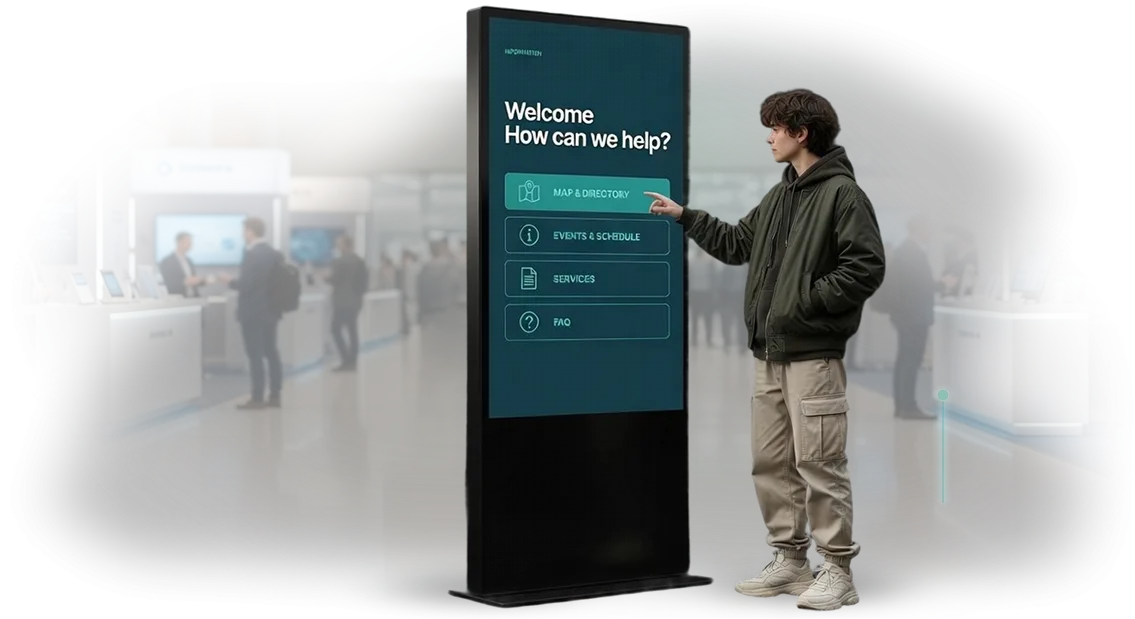
בדיוק כאן קיוסק אינטראקטיבי משנה את המצב. מבקר במשרד מכירות אינו ממתין ליועץ כדי לגלות את מחיר הפוליסה, להשוות אפשרויות או לבדוק תנאים — הוא עושה זאת בעצמו, על מסך מגע, בקצב שלו.
ההמתנה הופכת מהפסקה מעצבנת להכרות שימושית עם מוצרי ביטוח, בעוד שהצוות מטפל בשאלות מורכבות ובסגירת עסקאות.
כלי כזה פועל ישירות על שמירת לקוחות והמרות, ואנו עוזרים לחברות ביטוח ליישם אותו במהירות עם תוצאה עסקית ברורה.
מה קיוסק אינטראקטיבי מביא לעסק שלך
קיוסק אינטראקטיבי במשרד של חברת ביטוח אינו תחליף לעובד אנושי, אלא כלי שלוקח על עצמו משימות שגרתיות ומגדיל מכירות. הלקוח בוחר בעצמו: להגיש במהירות בקשה בקיוסק או להתייעץ עם מומחה.
חברות שכבר הטמיעו קיוסקים כאלה מדווחות על המרות גבוהות יותר — לדוגמה, AlfaStrakhovanie משתמשת בהם בנקודות מכירה. מה העסק מקבל?
- גידול במכירות. הקיוסק מציע מוצרים מתאימים על סמך תשובות הלקוח ומשלים בקשה תוך 3 דקות. מכירות נוספות מתרחשות ללא מעורבות מנהל.
- הפחתת עומס על הצוות. העובדים מפסיקים לענות על שאלות שגרתיות ולהנפיק פוליסות סטנדרטיות — הקיוסק עושה זאת בעצמו. הזמן המתפנה מוקדש לייעוצים מורכבים.
- נאמנות גבוהה יותר. הלקוח אינו עומד בתור או ממתין למנהל שיתפנה. הוא שולט בתהליך בעצמו — זה מסיר תסכול ויוצר תדמית של חברה מודרנית.
- איסוף נתונים. המערכת מתעדת אילו מוצרים לקוחות צופים בהם ביותר, היכן הם מפסיקים את התסריט, ואילו שאלות עולות. נתונים אלה עוזרים לשפר את מגוון המוצרים ולהכשיר את הצוות.
- תקן אחיד לשירות לקוחות. הקיוסק עובד באותו אופן בכל המשרדים: איכות השירות אינה תלויה בכמה עסוק עובד מסוים.
- חיסכון בזמן ללקוחות ולחברה. הטיפול אורך דקות, לא שעות — כל מבקר הופך ללקוח מהר יותר.
קיוסק כזה מחזיר את השקעתו באמצעות מכירות גבוהות יותר והקלה על הצוות, והנתונים שנאספים עוזרים לקבל החלטות המבוססות על עובדות ולא על ניחושים.
פורמטים של קיוסקים אינטראקטיביים לחברות ביטוח
קיוסק בחברת ביטוח פותר שתי משימות: הוא מושך תשומת לב למוצרים ומסיר שגרה מהעובדים. אבל אותו מתחם לא יתאים גם ללובי וגם לאזור שירות עצמי — חשוב לבחור פורמט המתאים לתסריט הלקוח.
בואו נבחן אילו סוגי קיוסקים אינטראקטיביים באמת עובדים בביטוח ומה כל אחד מהם נותן לעסק.
| פורמט קיוסק | היכן הוא עובד ולמי | מה הוא נותן ללקוחות החברה |
|---|---|---|
| קיוסק עומד — חלון ראווה אינטראקטיבי | לובי המשרד, אזור המתנה, נקודות מכירה של שותפים | מושך תשומת לב, עוזר לחקור מוצרים ללא עזרת מנהל, מגביר מודעות למותג. מבקרים מעסיקים את עצמם בזמן ההמתנה לפגישה |
| קיוסק צמוד קיר | משרד מכירות, מעברים צרים, מרכזי שירות, בנקים שותפים | חוסך מקום, מספק גישה מהירה למידע עזר, הזמנת פגישות ומחשבון פוליסות. מפחית את התור בדלפק המידע |
| קיוסק שירות עצמי | אזור 24/7, כניסה נפרדת, קניונים, תחנות רכבת | מאפשר ללקוח לרכוש פוליסה באופן עצמאי, לשלם, לקבל אישור או לחדש מסמכים — ללא פנייה לנציג. מקל על הצוות ומאריך את שעות הפעילות |
בחירת הפורמט תלויה במה שחשוב יותר: כיסוי מקסימלי של עוברי אורח או אוטונומיה מלאה של הפעולות.
במשרד אחד, קיוסק צמוד קיר לניווט משולב לעתים קרובות עם חלון ראווה עומד להצגת מוצרי פרימיום, בעוד שבמיקומים עם תנועה גבוהה מוצבים קיוסקים לשירות עצמי.
אנו מתכננים את הקיוסק סביב המשימה שלך: אנו בוחרים את המתחם, הממשק ותסריט האינטראקציה כך שלקוחות יוכלו להתמודד איתם ללא הנחיות. אנו גם מחברים אנליטיקה — אתה רואה אילו מוצרים נצפים ונרכשים ביותר, ויכול לשנות את חלון הראווה במהירות.
שלבי יצירת קיוסק אינטראקטיבי במפתח אחד
כדי שהשקת הקיוסק תעבור ללא הפתעות, חילקנו את העבודה לשלבים ברורים. אתה תמיד יודע מה קורה עם הפרויקט, מי אחראי על מה, ומתי התוצאה תהיה מוכנה.
להלן מחזור פיתוח קיוסק טיפוסי במפתח אחד שחידדנו על פני עשרות פרויקטים עבור חברות ביטוח.
-
בריף והתעמקות במשימה. אתה מספר לנו אילו שירותים אתה רוצה לקדם ואיזה קהל למשוך. אנו שואלים שאלות הבהרה ולומדים את משרד המכירות שלך ואת תסריטי הלקוח האופייניים.
-
תוכנית פרויקט והערכת עלות. אנו מסכמים על מערך המסכים, היגיון התסריט ולוחות זמנים. אתה מקבל תוכנית שקופה עם שלבים ונקודות קבלה — ללא עבודה נסתרת או תוספות מחיר מפתיעות.
-
אב טיפוס של התסריט. אנו מראים כיצד המבקר יתקשר עם הקיוסק: בחירת שירות, חישוב עלות, הזמנת פגישה עם סוכן. בשלב זה ניתן להתאים את ההיגיון בקלות לפני תחילת הפיתוח.
-
עיצוב ותוכן בסגנון המותג שלך. אנו יוצרים ממשק ברור לאנשים בכל גיל התואם לזהות החזותית של חברת הביטוח. אתה מאשר את העיצובים, ואנו מכינים את הטקסטים והוויזואליה.
-
פיתוח ובדיקות. אנו מרכיבים את הקיוסק האינטראקטיבי על ציוד מקצועי ובודקים את כל התסריטים על מכשירים אמיתיים. אנו שמים דגש מיוחד על מהירות תגובה ואמינות — הקיוסק חייב לעבוד ללא תקלות בשעות השיא.
-
השקת הקיוסק והכשרת צוות. אנו מתקינים את הציוד במשרד שלך, מגדירים אינטגרציה עם מערכות פנימיות, ומקיימים תדרוך קצר לצוות. העובדים שלך יוכלו לעזור ללקוחות ולפתור שאלות בסיסיות.
-
תמיכה טכנית ופיתוח. לאחר ההשקה, אנו נשארים בקשר: אנו מעדכנים תוכן, מוסיפים מוצרים חדשים ומנטרים יציבות. במידת הצורך, אנו מרחיבים פונקציונליות — מסקרים ועד אינטגרציה עם מערכת ניהול הלקוחות.
כך אתה מקבל לא רק מסוף מגע, אלא כלי מכירות ניתן לניהול. הצוות שלנו נוטל על עצמו את כל הסיכונים הטכניים, בעוד אתה שומר על שליטה בלוחות זמנים ובתוצאות.
מה כלול במסירת הקיוסק האינטראקטיבי
מסירה מקיפה חוסכת ממך את הצורך להבין בפרטים טכניים ולתאם מספר קבלנים.
קבלן אחד אחראי על כל הפרויקט — מהמתחם ועד שירות אחריות — מה שאומר שהקיוסק עובד מהיום הראשון ואינו דורש תשומת לב מהצוות שלך.
הנה מה שכלול בחבילת המסירה המלאה:
- ציוד — קיוסק מגע עם מתחם מוגן העומד בשימוש אינטנסיבי במשרד ובמיקומים עם תנועה גבוהה. המכשיר מוכן לעבודה יומיומית ללא תנאים מיוחדים.
- תוכנה — המערכת מותקנת מראש ומוגדרת למשימות חברת הביטוח: מחשבון, קטלוג שירותים, הזמנת פגישות. עדכונים והתאמות מתבצעים מרחוק — אין צורך לערב את אנשי ה-IT שלך.
- עיצוב ותוכן — עיצוב מסכים בסגנון התאגידי שלך: לוגו, צבעים, מבנה תפריט. לקוחות מבינים מיד שזה חלק מהחברה שלך וסומכים על המידע המוצג.
- התקנה וחיבור — מומחים מגיעים ביום שנקבע, מתקינים את הקיוסק במיקום הנבחר ומחברים אותו לחשמל ולרשת המקומית. לפני חתימת פרוטוקול הקבלה, הם בודקים את כל הפונקציונליות יחד איתך.
- הכשרת צוות — הדרכה קצרה לעובדים: כיצד להשתמש בקיוסק, להדריך לקוחות בשלבי הניווט ולפתור שאלות טיפוסיות. הפורמט מותאם לאנשים ללא הכשרה טכנית.
- אחריות ותחזוקה — אחריות רשמית על הציוד והתוכנה, בתוספת תמיכה בטלפון ובמסרים. אם נדרשת הגדרה מחדש, נעזור מרחוק או נגיע למשרד.
גישה זו מאפשרת לך להשיק את הקיוסק ללא מחלקת IT משלך ולהתחיל להשתמש בו מיד לאחר ההתקנה.
כתוצאה מכך, אתה מקבל כלי עבודה שמעלה את רמת השירות ומקל על העובדים משאלות חוזרות — בעוד הלקוחות מקבלים את המידע הדרוש להם מהר יותר.
מקרה בוחן: גידול של 40% בהמרות בחברת ביטוח
עסקי הביטוח הם זרם קבוע של שאלות דומות: "איזו פוליסה לבחור", "מה כלול בכיסוי", "איך לעשות את זה מהר". במשרדים, לקוחות הלכו לאיבוד בתורים, ומנהלים הסבירו את אותו דבר עשר פעמים.
החברה Strakhovoy Mir פנתה אלינו — הם היו צריכים להקל על הצוות ולא לאבד לקוחות שעזבו מבלי לחכות לייעוץ. כל עזיבה כזו הייתה לא רק פרמיה אבודה, אלא מכה למוניטין.
האתגר המרכזי היה קו המוצרים הרחב: עשרות תעריפים, אפשרויות ותנאים. אדם ללא הכנה פשוט לא יכול היה לבחור בעצמו, ולכן ביקש עזרה ממנהל, והמשרד טבע בייעוצים זהים.
הצענו קיוסק אינטראקטיבי שמנחה את המבקר בשלושה שלבים פשוטים: סוג ביטוח, פרמטרים, פרטי קשר. המערכת בוחרת בעצמה את האפשרות המתאימה ושולחת מיד את הבקשה למנהל לאישור.
בחודשיים, יותר מ-5,000 אנשים השתמשו בקיוסקים במשרד אחד. משך הפגישה הממוצע היה 4 דקות — במקום 15–20 דקות של שיחה עם סוכן. ההמרה של מבקרים לבקשות גדלה ב-40%, ו-70% מהמשתמשים ציינו שההבנה הפכה לקלה יותר.
מכירות פשוטות עברו לשירות עצמי, ומנהלים התמקדו במקרים מורכבים ובהגדלת הסל הממוצע.
לאחר הפיילוט, הלקוח הרחיב את הפתרון ל-8 משרדים נוספים — ההתקשרות החוזרת הייתה האימות הטוב ביותר לעבודתנו. בנוסף, העומס על מוקד הטלפוני ירד: חלק מהלקוחות קיבלו תשובות ישירות בקיוסק.
קיבלנו מקרה בוחן שמראה: הקיוסק אינו "מסך בפינה", אלא כלי מכירות עובד שמחזיר את השקעתו בחודשים הראשונים.
כיצד לבחור את פורמט הקיוסק האינטראקטיבי למשימות שלך?
בחירת הקיוסק הנכון מתחילה לא בציוד, אלא במשימות שהוא צריך לפתור בחברת הביטוח שלך. חשוב על מה שקורה במשרד שלך: תורים למומחים, ייעוצים חוזרים על תעריפים, המתנה לאישורים ופוליסות. אם הקיוסק לוקח על עצמו את התסריטים השגרתיים האלה, ההחזר כבר נראה בניצול הצוות.
כדי לענות על השאלה "איך לבחור קיוסק", כדאי להעריך שלושה פרמטרים: מי וכיצד ישתמש בו, היכן הוא יעמוד, ואיזו תוצאה אתה מצפה לקבל.
לדוגמה, באזור ההמתנה, לקוחות יכולים למלא באופן עצמאי טפסים, להתוודע למוצרים או למצוא תשובות על תשלום תביעות. בדלפק האדמיניסטרטור, הקיוסק יכול לעזור לעובד — להציע תנאים, להשוות פוליסות, להדפיס מסמכים במהירות.
בחירת הקיוסק תלויה גם בפורמט האינטראקציה. מסוף מגע עם גישה קבועה למאגר המוצרים מתאים למטרות ניווט ומידע.
אם אתה צריך שירות מלא — הנפקת פוליסה, חישוב עלות, הגשת הודעת תביעה — עדיף לבחור דגם עם אינטגרציה למערכות הפנימיות שלך. זה הופך את הקיוסק לערוץ מכירות מלא ולא רק לחלון ראווה.
הכלל המרכזי בבחירת קיוסק הוא להתחיל מהתסריט של המוצר הביטוחי הספציפי. אנו עורכים ביקורת קצרה של המשרד שלך ומציעים פורמט שיקצר את זמן ההמתנה ויקל על המנהלים. אתה מקבל החלטה מבוססת, לא "מסך קסם" המותקן מסיבות לא ברורות.
שאלות נפוצות על קיוסקים אינטראקטיביים
בעלי חברות ביטוח ממעטים לחשוב על קיוסקים עד שהם מתמודדים עם תורים ועובדים עמוסים. כשמגיעים ליישום, עולות שאלות מעשיות: האם קשה ללמוד את הציוד, מה קורה אם הוא מתקלקל, כמה מהר ההשקעה תחזיר את עצמה. להלן תשובות לשאלות הנפוצות ביותר — בקצרה ובמונחים שחשובים לך.
האם העובדים לא יתקשו עם הקיוסק — נצטרך להכשיר את הצוות?
לא. הממשק עובד בדיוק כמו אתר רגיל או אפליקציה לנייד: כפתורים גדולים, הנחיות ברורות, כמה שלבים לפעולה הרצויה. עובד שולט בקיוסק תוך יום עבודה אחד, ולקוחות משתמשים בו באופן עצמאי — עזרת הצוות נדרשת רק בימים הראשונים.
מה אם הקיוסק יתקלקל — כמה זמן הוא יהיה מחוץ לשירות?
אנו משתמשים בציוד מקצועי המיועד לפעילות מסביב לשעון במקומות ציבוריים, ומספקים אחריות רשמית. במהלך תיקונים, אנו מספקים קיוסק חלופי על חשבוננו — המיקום שלך לא מפסיק לעבוד. תחזוקה כלולה בחוזה, כך שאינך צריך לחפש קבלנים לכל תקלה.
האם הקיוסק יחזיר את ההשקעה במהירות במשרד ביטוח?
הקיוסק מחזיר את ההשקעה באמצעות הקלה על הצוות וגידול בהמרות: מנהלים מפסיקים לבזבז זמן על הסברים חוזרים והנפקת פוליסות סטנדרטיות, ולקוחות מקבלים שירות ללא תור. עם זרימת מבקרים פעילה, ההחזר מגיע תוך מספר חודשים. אנו נחשב את ההשפעה המדויקת עבור התנועה שלך במהלך הביקורת החינמית.
האם הקיוסק ייראה לא מתאים במשרד שלנו?
אנו נתאים אישית את מראה הקיוסק לסגנון התאגידי שלך: לוגו, צבעים, גופנים ופריסת המסך הראשי. המכשיר יהפוך לחלק מהניווט במשרד, לא ל"קופסה עם כפתורים".
עבור חברות ביטוח, אנו מציעים גם מסכי פתיחה ממותגים ומידע על מוצרים במסך הראשי — זה בונה הכרת מותג.
עדיין יש שאלות על יישום, תפעול או אפשרות אינטגרציה עם מערכת המכירות שלך? השאר בקשה — נראה לך את הקיוסק בהדגמה ונחשב את התועלת עבור המשרד שלך.השאר בקשה לפיתוח קיוסק אינטראקטיבי
השאר בקשה לקיוסק — וקבל לא רק הצעה מסחרית, אלא תוכנית פעולה ברורה למשימה שלך. תוך 15–20 דקות, נגבש אילו תסריטי אינטראקציה עם לקוחות יניבו תוצאות בחברת הביטוח שלך ונציע פתרון שיחזיר את ההשקעה.
לאחר בקשתך, אתה עובר מספר שלבים קצרים:
- ייעוץ ראשוני: אנו דנים במטרות התקנת הקיוסק, פרופיל המבקרים שלך ונקודות המיקום.
- ניתוח תסריטים: אנו קובעים אילו מוצרי ביטוח ושירותים כדאי ביותר להציג על מסך המגע.
- חישוב עלות: אנו מספקים הערכה שקופה ללא תוספות נסתרות ומסבירים על מה אתה משלם.
- תוכנית פרויקט מדויקת: אנו מתארים את השלבים, לוחות הזמנים והתוצאה של כל שלב — מהעיצוב ועד ההשקה.
- הסכמה על הפורמט: אנו בוחרים את העיצוב, רשימת התכונות ושיטות האינטגרציה עם המערכות הפנימיות שלך.
- הסדרי תמיכה: אנו מגדירים עדכוני תוכן ותמיכה טכנית לאחר ההשקה.
בסופו של דבר, אתה מקבל לא רק קיוסק, אלא כלי עבודה שמאיץ את שירות הלקוחות ומגביר את הכרת המותג. השאר בקשה — מנהל אישי יפנה אליך בזמן נוח, יבהיר את הפרטים ויכין את החישוב.