

מדוע חברות תקשורת מאבדות לקוחות לתורים?
בכל יום בחנויות התקשורת מתרחשת אותה סצנה: מבקרים לוקחים כרטיס, רואים תור של חמישה עד שבעה אנשים, ועוזבים. לפי הערכות המפעילים, עד שליש מהלקוחות הפוטנציאליים עוזבים את החנות מבלי לקבל ייעוץ כלל.
הדבר מורגש ביותר בשעות השיא ובסניפים עם תנועה גבוהה. האנשים האלה לא אבודים רק לביקור הנוכחי — הם זוכרים את חוסר הנוחות ובפעם הבאה בוחרים במפעיל אחר או עוברים לחלוטין לשירות עצמי באפליקציה.
התורים פוגעים ביותר ממכירות בלבד. הם יוצרים מתח בקרב הצוות, מאלצים יועצים למהר, ומצמצמים את הסל הממוצע: במצב של חיפזון, הלקוח מוותר על שירותים נוספים. ואלה שנשארים מקבלים שירות שטחי.
לא רק מבקרי הקמעונאות סובלים — תורים מרתיעים גם לקוחות ארגוניים פוטנציאליים שמעריכים את רמת השירות. בסופו של דבר, חברת התקשורת מפסידה כסף פעמיים — על המבקרים שעזבו ועל הירידה בנאמנות של אלה שחיכו.
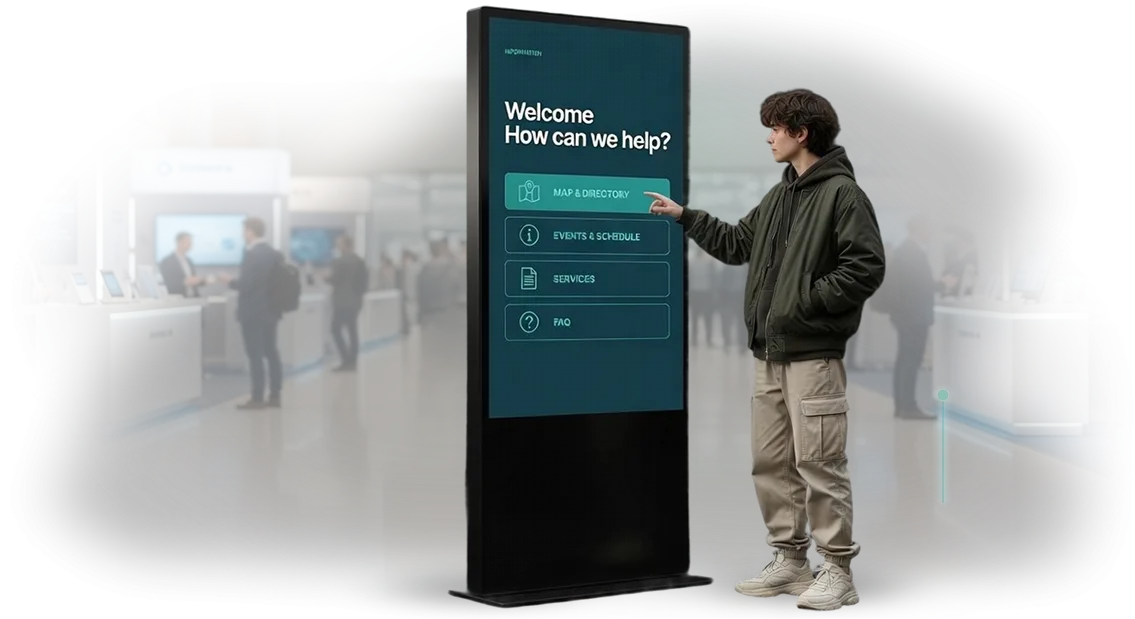
אנחנו פותרים בעיה זו עם קיוסקים אינטראקטיביים לחנויות תקשורת. הקיוסק לוקח על עצמו פעולות שגרתיות: בדיקת יתרה, שינוי מסלול, הזמנת כרטיס SIM, תשלום חשבונות. מבקר משלים את המשימה תוך מספר דקות בלי לחכות ליועץ.
היועצים מתפנים לשאלות מורכבות ומכירות, והמבקרים כבר לא עומדים בתור. כך, החנות משרתת יותר אנשים באותו זמן והופכת את הביקור לחוויה חיובית שכדאי לחזור עליה.
מה קיוסק אינטראקטיבי נותן לחברות תקשורת
זרימת הלקוחות במשרד אינה אחידה, והשאלות כמעט תמיד זהות — לבדוק יתרה, לבחור מסלול, להפעיל שירות. קיוסק אינטראקטיבי לוקח על עצמו פעולות שגרתיות והופך את ההמתנה לדקות ספורות.
בעוד עובד מטפל במשימה מורכבת, הקיוסק משרת שלושה אנשים נוספים — בלי תורים, בלי מתח.
התוצאה הראשונה והברורה ביותר היא מהירות. לקוח מוצא את היתרה, פירוט השיחות או המסלול הנוכחי שלו תוך 30–40 שניות בלי לחכות ליועץ. זה חשוב במיוחד בשעות השיא ובימים שבהם מושקים מבצעים חדשים, כשהעומס על המשרד מוכפל.
הקיוסק עובד כיועץ מסלולים 24/7. השוואות זה לצד זה ומחשבונים ברורים עוזרים ללקוחות לבחור את האפשרות הנכונה בלי לחץ — החלטות מתקבלות מהר יותר כשהכל גלוי לעין. המידע תמיד מעודכן: עדכונים אורכים דקות, ומבקרים לעולם לא רואים מבצע מיושן.
איסוף לידים הוא ערך מפתח נוסף. אם לקוח לא מוכן להירשם לשירות מיד, הוא משאיר מספר טלפון, ומנהל חוזר אליו בזמן נוח.
הקיוסק בונה מאגר של לקוחות פוטנציאליים גם אחרי שהמשרד נסגר — כל יום מביא פניות חדשות בלי להרחיב את הצוות.
היתרון המרכזי למנהל הוא הקלה על הצוות. מנהלים מפסיקים לבזבז זמן על משימות חוזרות ומתמקדים במכירות ובייעוץ מורכב.
הציוד רץ על פלטפורמה מקצועית עם מערכת ניהול פשוטה — הגדרה ועדכון תוכן לא דורשים מתכנת. הקיוסק מחזיר את ההשקעה באמצעות שירות מהיר יותר, המרה גבוהה יותר ובסיס לקוחות גדל.
פורמטים של קיוסק אינטראקטיבי למשימות עסקיות
כל משרד או חנות תקשורת מתמודדים עם אותו דבר: זרימת לקוחות, שאלות חוזרות, תורים. יועצים עסוקים במכירות, בעוד לקוחות מחכים למידע פשוט — על מסלולים, אמצעי תשלום, אזורי כיסוי.
קיוסק אינטראקטיבי מסיר את הנטל הזה, אבל המפתח הוא בחירת הפורמט הנכון לתרחיש הספציפי. זה קובע באיזו מהירות מבקר מוצא תשובה וממשיך בדרך לרכישה.
אנחנו מתכננים את כל שלושת הפורמטים עם מסך מגע כך שיתאימו למשימה: עומד, צמוד קיר או נייד.
קיוסקים עומדים מתאימים לאזורי המתנה גדולים, קיוסקים צמודי קיר חוסכים שטח רצפה, וקיוסקים ניידים מאפשרים לשרת לקוחות בכל מקום שצריך — באזורי קידום מכירות או בגלי מבקרים. כל הפורמטים רצים על אותה אפליקציית ווב, כך שהתוכן והעיצוב מתעדכנים באופן מרכזי.
| פורמט | למי | מה הוא נותן ללקוח |
|---|---|---|
| קיוסק עומד | משרדי מכירות ואזורי המתנה גדולים | מושך תשומת לב, עובד כיועץ עצמאי, מקל על הצוות בשעות השיא |
| קיוסק צמוד קיר | חנויות קטנות, אזורי קופה, נקודות עם תנועה גבוהה | חוסך מקום, מזרז גישה למידע בלי תורים, מחזק את הכרת המותג |
| קיוסק נייד | תערוכות, מצגות, נקודות קידום זמניות | מוקם במהירות בכל מקום, משרת לקוחות היכן שהם נמצאים |
עבור חברות תקשורת, חשוב במיוחד שלקוח יקבל במהירות מידע על מסלולים, כיסוי וסטטוס בקשה.
פורמט שנבחר היטב מקצר את זמן ההמתנה, מפחית את העומס על המנהלים ועוזר למבקרים להגיע להחלטת רכישה בכמה נגיעות מסך בלבד.
איך עובד תהליך יצירת קיוסק: מהבריף ועד ההשקה
כדי לשמור על התהליך צפוי ושקוף, בנינו אותו כמסלול ברור — בלי סיבוכים טכניים, בלי הפתעות בלתי צפויות. בכל שלב אתה יודע מה קורה, כמה זמן נשאר ואילו תוצאות מוכנות. הנה הדרך מהרעיון הראשון ועד קיוסק אינטראקטיבי עובד.
-
בריף והיכרות עם המשימה. אנחנו דנים במטרות שלך: כמה לקוחות הקיוסק ישרת, אילו פעולות הוא חייב לכסות — תשלומים, מסלולים, בקשות, מפת משרדים. יחד אנחנו קובעים את התרחישים, ואתה מקבל מפרט טכני ברור לאישור.
-
תוכנית, הערכת עלות ולוח זמנים. בהתבסס על הבריף, אנחנו קובעים את לוח העבודה ומקבעים את התקציב. אנחנו ממנים מנהל אישי — הוא מתאם את הפרויקט, עונה על שאלות ומעדכן אותך בלי שתצטרך להיכנס לפרטים.
-
קונספט עיצובי ואב-טיפוס. אנחנו יוצרים את הסגנון החזותי ומודל ברור של הקיוסק העתידי. אתה רואה איך הממשק ייראה לפני שפיתוח מתחיל, מבצע שינויים ומאשר את העיצוב.
-
פיתוח והרכבה. המומחים שלנו בונים את הממשק, מחברים את השירותים הנדרשים ובודקים איך הקיוסק עובד בתרחישים אמיתיים. המטרה היא שלקוח יוכל לנווט במסך בעצמו, בלי הנחיות.
-
הדגמה, קבלה ותיקונים. אתה מקבל גישה לגרסת הבדיקה ובוחן את התרחישים יחד איתנו. אנחנו מתעדים את כל המשוב ומתקנים לפני ההשקה — כך אנחנו מפחיתים סיכונים ומונעים בעיות לאחר ההתקנה.
-
השקה ותמיכה. אנחנו מתקינים את הקיוסק על הציוד שלך, עוזרים לחבר אותו למערכות שלך ומספקים הוראות לצוות. לאחר ההשקה, אנחנו נשארים בקשר: מספקים תמיכה, מבצעים עדכונים ומשפרים פיצ'רים כשהצרכים העסקיים משתנים.
כל המסלול אורך שבועיים עד ארבעה שבועות בהתאם למורכבות הפיצ'רים. אתה תמיד יודע איפה עומד הפרויקט ויכול להשפיע במהירות על התוצאה — בלי פגישות מיותרות, בלי תהליכים אטומים.
מה כלול במסירת קיוסק והתקנה
אתה מקבל יותר מסתם מכשיר — אתה מקבל פתרון שלם ומפתח-ביד, מערכת ההתקנה ועד הוראות לצוות. אנחנו מטפלים בכל שלב כך שהקיוסק מתחיל לספק ערך ללקוחות מהיום הראשון.
- ציוד והתקנה. אנחנו בוחרים מארז מקצועי ומסך מגע המתאימים לצרכים של המשרד או החנות שלך. אנחנו מספקים, מתקינים, מגדירים ובודקים את הפעולה — כל מה שנשאר לך הוא לחבר את הקיוסק לחשמל.
- ממשק קיוסק. אנחנו מעצבים את לוגיקת המסך כך שמבקרים ימצאו את מה שהם צריכים תוך 10–15 שניות: מסלול, שירות, כתובת משרד. כפתורים גדולים, אייקונים ברורים, מותאם לאנשים בגילאים שונים — בלי צורך בהדרכה או הוראות.
- תוכן קיוסק. אנחנו ממלאים את המערכת במידע עדכני: מסלולים, מבצעים, כיסוי רשת, אנשי קשר. קל לעדכן תוכן — אתה משנה מחירים ופרטים בעצמך דרך פאנל ניהול פשוט, בלי מתכנתים.
- עדכונים ותחזוקה. אנחנו בודקים באופן קבוע את ביצועי הקיוסק, מעדכנים את התוכנה ומנטרים אבטחה. תקלה היא בלתי סבירה, אבל אם היא קורית — נתקן מרחוק או נשלח מישהו לשטח.
- הוראות והדרכה. אנחנו מספקים מדריכים ברורים לצוות: איך להפעיל את הקיוסק, להחליף תוכן, לפתור תקלה פשוטה. הצוות שלך לא יישאר לבד עם הציוד.
- אנליטיקה עסקית. כאופציה, אנחנו מחברים מונה נגיעות: אתה רואה אילו שירותים נצפים הכי הרבה וכמה זמן אנשים מבלים מול המסך. הנתונים האלה עוזרים לך לעצב מחדש את תצוגת המבצעים ולקדם אפשרויות מבוקשות.
תמיכה טכנית נמשכת לאורך כל תקופת השותפות — בטלפון, בצ'אט או מרחוק. בהתחלה, אנחנו תומכים בהשקה, ואחר כך נשארים בקשר: אתה תמיד יודע שהקיוסק עובד ומספק ערך ללקוחות.
כל זה מחזיר את ההשקעה באמצעות הפחתת עומס על הצוות ושירות מהיר יותר — מבקרים מקבלים תשובות בעצמם, ולעובדים יש יותר זמן למכירות וייעוץ.
מקרה בוחן: קיוסק קיצר את זמן ההמתנה בחנות תקשורת
בחנויות של מפעיל פדרלי אחד — נקרא לו מובייל — מבקרים חיכו בתור עד 15 דקות.
בשעות השיא, חלק מהלקוחות הסתובבו והלכו למתחרים, בעוד יועצים בזבזו זמן על אותן שאלות: "איך משנים מסלול", "איך מפעילים תשלום אוטומטי". זה פגע בהכנסות ובמורל הצוות.
איך הקיוסק שינה את פעילות החנות
הצבנו קיוסקים אינטראקטיביים באזור ההמתנה. לקוחות בחרו את הסעיף שהם צריכים, השוו מסלולים, קראו תנאי מבצעים והשאירו בקשות להפעלה. היועץ נכנס רק בשלב הסופי — היכן ששיחה חיה באמת נחוצה.
תוצאות מדידות
- זמן ההמתנה הממוצע ירד מ-15 דקות ל-4. אנשים הפסיקו לעזוב בלי עזרה.
- הבקשות למסלולים חדשים גדלו ב-23% — חלק מהלקוחות נרשמו לשירותים בעצמם, בלי לתפוס את הצוות.
- היועצים הפסיקו לטפל בשגרה והתמקדו במכירות מורכבות ובשירותים נלווים.
הקיוסק החזיר את ההשקעה באמצעות עלייה בהפעלות בחודש הראשון. אחרי הפיילוט המוצלח, המפעיל הזמין את אותו פתרון לשלושה אזורים נוספים — הוכחה ברורה שהמערכת עובדת מעבר לחנות אחת.
איך לבחור פורמט קיוסק לעסק שלך?
פורמט קיוסק נבחר לא לפי המראה אלא לפי המשימה העסקית שהוא פותר. עבור חברות תקשורת, זה בדרך כלל אומר שירות מהיר יותר, הקלה על הצוות או משיכת מנויים חדשים. מענה על שאלה זו מצמצם מיד את הבחירה לשתיים או שלוש אפשרויות מתאימות.
הקריטריון הראשון הוא תרחיש השימוש ומה המבקר צריך לעשות: לשלם, לקבל מידע, להשוות מסלולים או להשאיר פרטי קשר.
לתשלומים, דגם קומפקטי עם הדפסת קבלה מספיק; לניווט שירותים, יחידה עומדת עם מסך גדול; למשיכת לקוחות חדשים, חלון ראווה אינטראקטיבי עם תוכן חי.
הקריטריון השני הוא מיקום ההתקנה והקהל. רחוב דורש מארז מוגן; לובי משרדים דורש קומפקטיות וסטייל.
מבקרים צעירים יותר מוכנים יותר ליצור אינטראקציה עם מסך מגע בהיר; מבקרים עסקיים מעריכים מהירות ומספר מינימלי של צעדים לפעולה שהם צריכים.
הקריטריון השלישי הוא תפעול. מסלולים ומבצעים משתנים באופן קבוע, ולכן חשוב שניתן יהיה לעדכן תוכן דרך פאנל ניהול פשוט בלי לערב מתכנתים.
חשוב על מי יהיה אחראי על הקיוסק ובאיזו תדירות המידע מתעדכן — זה יעזור לך להימנע מתשלום נוסף על פיצ'רים מיותרים.
אנחנו עוזרים לך לבחור את הפורמט למשימה שלך: אנחנו מנתחים את זרימת הלקוחות, תרחיש השירות והמערכות הפנימיות שלך, ואז מציעים דגם שמתאים לתהליכים של חברות תקשורת ומתחיל להניב תוצאות מיד. אתה מקבל פתרון מלא עם תמיכה — מבחירת הפורמט ועד ההשקה.
שאלות נפוצות וחששות לפני השקה
לפני השקת קיוסק, לקוחות שואלים לרוב על שלושה דברים: תקלות, קלות ניהול והחזר השקעה. הנה תשובות קצרות וישירות — כמו שהיינו מדברים בפגישה.
מה קורה אם הקיוסק מתקלקל?
אנחנו משתמשים ברכיבים מקצועיים ובארכיטקטורה ברמת שרת שנועדה לפעולה סביב השעון. אם אכן מתרחשת תקלה, מהנדס יבדוק את המערכת מרחוק, יתקן את הגורם או יחליף את המכשיר.
זמן התגובה של השירות קבוע בחוזה — לא תישאר בלי קיוסק כשאתה צריך אותו.
האם קשה לעדכן תוכן?
מערכת הניהול בנויה כך שעובד ללא הכשרה טכנית יכול לשנות טקסטים, באנרים ומבצעים דרך פאנל ברור — בלי צורך במתכנת. השינויים נכנסים לתוקף מיד ונראים על המסך מיידית.
מתי הקיוסק יחזיר את ההשקעה?
הקיוסק חוסך זמן צוות, מגדיל את ההמרה לפניות ומגביר מכירות. בחנויות תקשורת, הוא מטפל בשאלות שגרתיות — מסלולים, כיסוי, סטטוס הזמנה — ומשחרר עובדים לשיחות שמייצרות הכנסה. עם תנועה פעילה, ההשקעה חוזרת בחודשים הראשונים.
מה אם נצטרך שיפורים נוספים אחרי ההשקה?
אנחנו נשארים בקשר: המהנדס והמנהל מכירים את הפרויקט שלך. כשהצרכים משתנים, אנחנו מוסיפים סעיפים, תרחישים ומחברים שירותים חדשים תוך ימים, כי המערכת בנויה ממודולים מוכחים ולא נבנית מאפס.
הזמן פיתוח קיוסק למשימה שלך
בתקשורת, לקוחות מעריכים מהירות ונוחות. קיוסק אינטראקטיבי מפחית את העומס על העובדים, מזרז את השירות ומגביר נאמנות — אבל רק אם הוא בנוי למשימות שלך, לא מתבנית.
הזמנת קיוסק מפתח-ביד היא פשוטה: שלח בקשה לפיתוח. ניצור קשר, נבהיר את המטרות שלך ונציע פתרון מהרעיון ועד ההשקה והתמיכה.
מה אתה מקבל מיד אחרי הפנייה אלינו:
- תרשים זרימה ראשוני של הקיוסק לתרחישים שלך: תשלום, בדיקת יתרה, בחירת מסלול או הזמנת שירות.
- חישוב עלות הפיתוח ולוח זמנים — בלי עמלות נסתרות או תוספות "הפתעה". הסכום מקובע בחוזה.
- המלצות פורמט: עומד, צמוד קיר, עם או בלי מדפסת — מותאם לחצרים ולתנועה שלך.
- מפרט טכני ותוכנית השקה: אתה רואה את השלבים, לוחות הזמנים והתוצאה של כל שלב.
- דוגמאות מהעבודה שלנו עבור חברות תקשורת — איך הקיוסק נראה בפעולה אמיתית.
- תמיכה לאחר ההשקה: עדכוני תוכן, חידוד תרחישים, ייעוץ.
קיוסק מפתח-ביד הוא לא רק "כפתור ומסך". הוא מפחית תורים, משחרר צוות ומגדיל את מספר הלקוחות המרוצים כבר בחודש הראשון.
שלח בקשה לקיוסק שלך היום — ומחר נשלח הצעה ראשונית. נגיב תוך יום עסקים אחד ונדון בפרטים בטלפון או בצ'אט. ייעוץ — בלי התחייבויות ובלי תשלום מקדמה.