

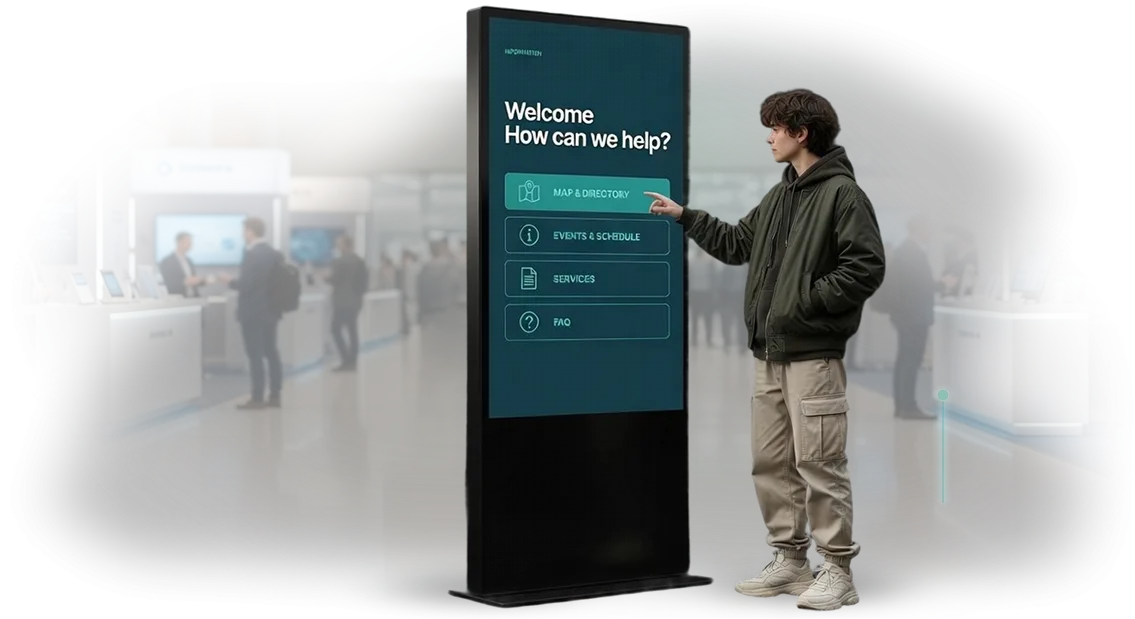
מזון מהיר לעומת שירות מהיר: מדוע זמן ההמתנה קובע הכל
מזון מהיר ושירות מהיר הם שני מונחים המשמשים לסירוגין בדיבור היומיומי. אכן, שני המודלים מבטיחים לאורח את אותו הדבר: לקבל את ההזמנה במהירות ללא המתנה ארוכה.
אבל אם מזון מהיר מתמקד במחיר ובנגישות, שירות מהיר מתמקד באיכות צפויה וברמת שירות.
עם זאת, בפועל הגבול מיטשטש. הגורם המכריע שקובע נאמנות הופך לזמן ההמתנה — תור חי בקופה או צוות שעובד תחת לחץ.
הניסיון מראה: אורחים מוכנים להמתין רק כמה דקות, ולאחר מכן הם פשוט עוזבים, ולזכות אותם בחזרה קשה משמעותית.
זו הסיבה שמסעדות מודרניות, ללא קשר למיצוב, משקיעות בתרחישים שמצמצמים תורים. כלי יעיל אחד הוא קיוסקים בשירות עצמי: הם מטפלים בהזמנות שגרתיות, משחררים קופאים, ונותנים לאורח שליטה על התהליך.
זו לא טכנולוגיה לשמה, אלא לוודא שכל מבקר מקבל את ההזמנה שלו מהר יותר.
הדוגמאות רבות: אפילו מותגים מוכרים כמו מקדונלד'ס משתמשים כבר זמן רב בטרמינלים כדי להאיץ את השירות ולהפחית את העומס על הצוות.
אלה שפותרים את בעיית התורים מוקדם זוכים ליותר ביקורים חוזרים ולשירות רגוע — זו המטרה שאנו שואפים אליה בפיתוח קיוסקים למידע.
מה משתנה בעסק שלך לאחר התקנת קיוסקים
קיוסק בשירות עצמי אינו עוד חידוש טכני; הוא הופך למנוע צמיחה בהכנסות. אורחים מזמינים ללא תור, ואתה מקבל עלייה צפויה בסל הממוצע: המערכת עצמה מציעה להוסיף משקה או רוטב — המכירות הנוספות גדלות ב-15–20%.
עבור הרשת вкусно — и точка, פתרונות כאלה הגדילו את חלקם של הזמנות חוזרות: התהליך אורך דקה במקום חמש.
השינוי המרכזי הוא מהירות. לא משנה אם אתה עובד במזון מהיר קלאסי או בפורמט שירות מהיר: קיוסק מעבד הזמנה מהר יותר מקופאי. האורח בוחר הכל בעצמו, רואה את הסכום הסופי, ומשלם תוך 30–40 שניות.
התור נמס, הצוות עובר למימוש הזמנות ולאינטראקציה עם אורחים. זה מפחית עומס ומצמצם טעויות: התפריט והמחירים תמיד מעודכנים.
עבור העסק, זה גם ערוץ מכירות חדש שעובד 24/7. קיוסק לא מתעייף, לא חולה, ולא לוקח הפסקת צהריים. בשעות השיא הוא נוטל על עצמו את העומס העיקרי, ובשעות שקטות הוא ממשיך לקבל הזמנות.
אנו מיישמים קיוסקים כאלה על חומרת שרת משלנו ותוכנה מעודנת — ההשקה אורכת שבועות, לא חודשים.
מנקודת מבט כלכלית, האפקט מורכב משלושה מרכיבים: עלייה בסל הממוצע באמצעות מכירות נוספות, עלייה בתפוקת הסניף, ושחרור זמן צוות. יחד זה מניב עלייה בהכנסות של 10–30% בהתאם למיקום ולתפריט.
אנו תומכים בפרויקט לאחר ההשקה: אנו עוקבים אחר אנליטיקה, מעדכנים את התפריט, ועוזרים להרחיב קיוסקים לסניפים חדשים.
קיוסקים למזון מהיר לעומת שירות מהיר: צורות ופורמטים
עבור מזון מהיר ושירות מהיר, קיוסק הוא כלי שבו תלויים מהירות השירות והסל הממוצע. במזון מהיר קלאסי עם זרימת אורחים גדולה, הוא מקל על התור בקופה, בעוד שבנקודת מכירה קומפקטית עם חלון איסוף הוא מכסה לחלוטין את המכירות ללא קופאי. אם הפורמט תואם את זרימת העבודה של המפעל, ההשקעה מחזירה את עצמה במהירות.
גורם הצורה הנכון עוזר לאורח להזמין מהר יותר, ועוזר לך להגדיל את הסל באמצעות מכירות נוספות. כך אנו בוחרים את המיקום.
| פורמט | למי | מה זה נותן ללקוח |
|---|---|---|
| קיוסק נייח בשירות עצמי | מזון מהיר, מתחמי אוכל, בתי קפה גדולים | אורחים מזמינים ללא תור, הצוות עסוק במימוש, הסל הממוצע גדל |
| קיוסק שולחני | שירות מהיר, בתי קפה עם שירות שולחני | המבקר בוחר ומשלם בעצמו — ללא המתנה למלצר |
| קיוסק חיצוני | נקודות איסוף, תחנות דלק, חלונות רחוב | מכירות ללא קופאי — עובד גם בלילה ובעומס נמוך |
| קיוסק אולם בשירות עצמי | קנטינות, בר סלטים, אולמות אוכל | הזרימה מתפצלת, התורים בקו ההגשה קצרים יותר |
עבור נקודת שירות מהיר קטנה, מסך מגע אחד עם כפתורים גדולים ותפריט של 10–15 פריטים מספיק. עבור מזון מהיר עם אולם אוכל, יש צורך בעמדה נייחת למספר הזמנות ובאינטגרציה עם המטבח.
אנו בוחרים את התצורה על סמך תנועת הלקוחות ותרחיש ההזמנה, מגדירים את הממשק, ומשיקים את הקיוסק ללא הדרכת צוות.
איך אנחנו משיקים פרויקט: מבריף ועד תמיכה
אנחנו לא נוטשים את הפרויקט לאחר חתימת החוזה — אתה רואה כל שלב פיתוח, מבין את לוחות הזמנים והתקציב, ומאשר את התוצאה באבני דרך מרכזיות.
גישה זו מסירה הפתעות: אתה תמיד יודע מה קורה עם הקיוסק ומתי הוא יתחיל לעבוד.
- בריף ומשימה. אנו מתעדים מה הקיוסק צריך לעשות: לקבל הזמנות, לספק מידע, לאסוף פרטי קשר. אנו מגדירים את קהל היעד ומדדי הצלחה — לדוגמה, הפחתת תורים או צמיחה בסל הממוצע.
- תוכנית והערכת עלות. אנו מציגים שלבי פיתוח, לוחות זמנים ועלות. אנו מפרקים את הפרויקט לאבני דרך ברורות כדי שתוכל לראות התקדמות ולהשפיע על התהליך מבלי לאבד איכות.
- עיצוב ותרחיש. אנו מפתחים ממשק שהמבקרים שלך מבינים ואת ההיגיון התפעולי של הקיוסק. אנו מאשרים אבות טיפוס לפני תחילת התכנות — זה מבטל עבודה חוזרת בשלבים מאוחרים יותר.
- יישום ובדיקות. המהנדסים שלנו מרכיבים את הפתרון, מגדירים אינטגרציות עם מערכת ההזמנות שלך, ובודקים ביצועים תחת עומסים אמיתיים. אתה מקבל השקה יציבה ללא שיבושים בימים הראשונים.
- השקה והדרכה. אנו מתקינים את הקיוסק, נותנים לצוות שלך הוראה קצרה, ועוזרים בהגדרות ראשוניות. אתה משיק את הפרויקט במהירות, ואנחנו נשארים בקשר.
- תמיכת קיוסק. אנו עונים על שאלות, מעדכנים תוכן, ופותרים כל תקלה בהתאם לנוהל המוסכם. אם יש צורך בשיפור פונקציונליות, נעשה זאת מבלי לעצור את הקיוסק.
בכל שלב אתה מקבל דוחות ברורים ומאשר החלטות מפתח. זו הסיבה שהשקת קיוסק הופכת לתהליך צפוי עם לוח זמנים קבוע ותוצאה ברורה — לא איטרציות אינסופיות והפתעות בסוף.
מה כלול באספקה: ערכת השקת קיוסק
הכנו ערכה שמכילה הכל להשקת קיוסק מהיום הראשון: מעטפת, תוכנה, ממשקים ברורים, והדרכת צוות. לא תצטרך לחפש קבלנים בנפרד — צוות אחד מכסה את כל העבודה, מה שאומר פחות סיכונים ועלויות בלתי צפויות.
האספקה הסטנדרטית כוללת:
- מעטפת קיוסק עם מסך עמיד בפני ונדליזם ורכיבים אמינים. הציוד עובד ללא הפרעות בשעות השיא ולא מפחד מתורים.
- תוכנה עם תפריט, סל, וקבלת תשלומים. אנו מגדירים את הממשק למבחר, למבצעים ולהצעות עונתיות שלך — ללא צורך במתכנת מצידך.
- ממשק מגע שכל אורח מבין: כפתורים גדולים, רמזים בכל שלב. זה מקצר את זמן ההזמנה ומגדיל את חלקם של רכישות בשירות עצמי.
- אינטגרציה עם מערכת הקופה והנהלת החשבונות שלך — הזמנות ותשלומים נכנסים למסד נתונים משותף ללא העברה ידנית. דוחות נוצרים אוטומטית, וטעויות צוות כמעט מתבטלות.
- הדרכת צוות: אנו מדגימים בפועל כיצד לקבל ולממש הזמנות, לעבוד עם דוחות, ולפתור במהירות מצבים סטנדרטיים. העובדים מתחילים לעבוד ביום ההשקה.
- אחריות על חומרה ותוכנה. לכל תקופת החוזה, אנו משייכים מהנדס אחראי וזמן תגובה לפניות — אתה תמיד יודע מי אחראי על הפתרון.
אנו גם תומכים בפרויקט לאחר ההשקה: אנו עוקבים אחר ביצועי המערכת, מתקינים שיפורים, ומייעצים לצוות. אם יש צורך בהתאמות לפורמט תפריט חדש או לקמפיין פרסומי, נגיע ונתקן.
בסופו של דבר, אתה מקבל קיוסק עובד במפתח מלא — ללא שלבים נסתרים או אישורים נוספים. כל מה שנשאר הוא לבחור מקום ולהשיק; כל השאר כבר מוגדר.
מקרה בוחן: איך קיוסקים החזירו את ההשקעה במסעדת שירות מהיר
מצב סטנדרטי במסעדת מזון מהיר: בשעות השיא נוצר תור בקופה, קופאים עובדים במקסימום יכולתם, וחלק מהאורחים עוזבים בלי לקבל את ההזמנה.
חיפשנו פתרון שיאיץ בו זמנית את השירות ויעלה את הסל הממוצע — ומצאנו אותו בקיוסקים בשירות עצמי.
עבור רשת המזון המהיר DriveBite, פיתחנו מקרה קיוסק שהחזיר את ההשקעה במהירות. התקנו קיוסקים עם מסך מגע, תפריט ברור, כפתורים גדולים ורמזים אוטומטיים בשני סניפים של הרשת.
אורחים החלו להזמין בעצמם, בעוד קופאים התמקדו במימוש הזמנות ובשליטה באולם.
הכלכלה התבררה כמובהקת: זמן ההזמנה קוצץ בחצי, הסל הממוצע גדל ב-18%, וההחזר הגיע תוך 6 חודשים. הקיוסק תמיד מציע להוסיף משקה או רוטב — ומבקרים מסכימים לעתים קרובות יותר מאשר בקופה.
טעויות חישוב נעלמו, והמטבח קיבל זרימה יציבה של הזמנות ללא עומסי שיא.
| מדד | לפני קיוסקים | אחרי קיוסקים | אפקט |
|---|---|---|---|
| זמן הזמנה ממוצע | 3.5 דקות | 1.7 דקות | קוצץ בחצי |
| סל ממוצע | מחושב לאחר ביקורת | מחושב לאחר ביקורת | +18% |
| החזר השקעה | — | 6 חודשים | החזר מהיר על ההשקעה |
מקרה קיוסק כזה יכול לחזור על עצמו בכל מסעדת שירות מהיר. מה שחשוב הוא לא "הפנים" של המכשירים, אלא תרחישי המכירה וההתאמה לאורח.
אנו מגדירים את התפריט, את היגיון הרמזים, ואת החיבור למערכת הנהלת החשבונות — אתה רק צריך לעקוב אחר המדדים.
חששות נפוצים: אמינות, החזר השקעה ותחזוקה
כל בעל מסעדת מזון מהיר שחושב על קיוסקים עובר את אותם ספקות. האם הציוד יתקלקל בשעות השיא, האם ההשקעה תחזיר את עצמה במהירות, מי יפתור בעיות לאחר ההשקה?
זה נורמלי — מאחורי הבחירה עומד לא רק "התקנת טרמינל" אלא הפעולה היציבה של הסניף ונוחות האורח. אנו מתכננים את הפתרון כך שהחששות האלה לא יעלו: אנו אחראים על כל שלב — מהמשלוח ועד לפעולה היומיומית.
אחריות ותמיכה טכנית אינן פורמליות אלא חלק מהשירות. המהנדסים שלנו תומכים בפרויקט לאחר ההשקה: הם מגיבים לפניות מרחוק וגם בביקורים בשטח, ואנו מחזיקים חלקי חילוף ומלאי שירות לדגמים מרכזיים.
זה אומר שגם במקרה חירום, הקופות ימשיכו לקבל הזמנות, ולא תצטרך להתמודד עם קבלנים בעצמך.
כמה מהר קיוסק מחזיר את ההשקעה במזון מהיר?
בדרך כלל תקופת ההחזר היא 8–14 חודשים — בתנאי שהקיוסק מטפל לפחות בשליש מההזמנות. אנו עושים חישוב מדויק בשלב הבריף: אנו בוחנים את זרימת הלקוחות, את הסל הממוצע ואת עומס הקופאים הנוכחי.
מה קורה אם הקיוסק קופא בשעות השיא?
העיצוב בנוי לעבודה אינטנסיבית: רכיבים תעשייתיים והגנה מפני התחממות יתר. בנוסף, יש לנו ניטור מרחוק — לעתים קרובות אנו פותרים את הבעיה לפני שהאורח מבחין בתקלה. אם נדרשת התערבות, אנו מגיעים לפי נוהל השירות.
מי אחראי על פעולת הקיוסק לאחר ההשקה?
אנחנו. החוזה מפרט התחייבויות אחריות, זמני תגובה ונוהל תחזוקה. אתה לא צריך לחפש מומחים נפרדים: קבלן אחד אחראי על החומרה, התוכנה והתמיכה.
כמה קשה התחזוקה לצוות?
עובד רק צריך לנגב את המסך ולהחליף את גליל הקבלה פעם ביום — זה לוקח כמה דקות. אנחנו מטפלים בכל השאר (עדכונים, אבחון, ניטור שגיאות).
בנוסף, מובנית הגנה מפני ונדליזם ונזק מקרי, כך שאורחים לא יכולים להשפיע על פעולת המכשיר.
ההחלטה ליישם קיוסקים מפסיקה להיות מסוכנת כאשר האחריות, לוחות הזמנים והיקף האחריות ברורים. אנו מבנים את הפרויקט כך שאתה מנהל את העסק, לא את הטכנולוגיה. אם עדיין יש לך שאלות, שאל אותנו: ננתח את הסניף שלך, נחשב החזר השקעה, ונראה כיצד הקיוסק משתלב בתהליך השירות שלך.הזמן הצעת מחיר לפורמט שלך וקבל תוכנית השקה
ההבדל בין מזון מהיר לשירות מהיר מורגש לא רק בתפריט — הוא משפיע על תצורת הקיוסק, על תרחיש ההזמנה ועל העומס על הצוות. זו הסיבה שאנו מחשבים כל פרויקט על סמך הפורמט שלך, במקום לכפות פתרון סטנדרטי.
לאחר ייעוץ קצר, תקבל חישוב עלות מפורט ותוכנית השקה: איזה קיוסק אתה צריך, כמה מהר הוא יחזיר את ההשקעה, ומה יידרש מהצוות שלך.
מה כלול בהצעת המחיר
- עלות קיוסק למזון מהיר, שירות מהיר או תרחיש היברידי.
- תוכנית השקה שלב אחר שלב: מבחירת ציוד ועד להדרכת צוות.
- המלצות על מיקום וממשק כדי להאיץ את ההזמנה ולחסל תורים.
- חישוב החזר השקעה תוך התחשבות בתנועת לקוחות ובסל ממוצע.
- רשימת חומרה ותוכנה נדרשת — ללא אפשרויות מיותרות.
- אפשרויות אינטגרציה עם הקופה ושירות המשלוחים, אם חשוב לפורמט שלך.
אנו תומכים בהשקה במפתח מלא: אנו מאשרים את האומדן, שולטים בלוחות הזמנים ואחראים על התוצאה. אם כבר יש לך קיוסק, נשפר את התרחיש לפורמט שלך ללא עלויות מיותרות.
כדי להזמין קיוסק עם תקציב ולוח זמנים ברורים, שלח בקשה. תוך 15–20 דקות ננתח את הפורמט שלך ונשלח תוכנית ראשונית — הייעוץ אינו מחייב.
איך לבחור את פורמט הקיוסק הנכון?
בחירת פורמט קיוסק אינה משימה טכנית, אלא החלטה על איך המפעל שלך ירוויח כסף. אותו מסך יכול להאיץ תור או להרגיז אורחים — הכל תלוי בתרחיש שתואם את ציפיות המבקרים. זו הסיבה שאנחנו לא מוכרים "קופסאות סטנדרטיות"; אנו בוחרים פורמט למיקום ספציפי.
עבור מזון מהיר עם זרימה גדולה ותפריט סטנדרטי, קיוסק בשירות עצמי עדיף יותר: הוא מקל על הקופה, מפחית טעויות ומקצר את ההמתנה.
עבור שירות מהיר, שבו אורחים מעריכים אינטראקציה ומשלמים יותר עבור שירות, עוזר אינטראקטיבי עובד טוב יותר: הוא מייעץ על הרכב המנות, מציע שילובים, ומנחה בעדינות להזמנה.
בבחירת פורמט, הסתכל על שלושה קריטריונים: זרימת אורחים לשעה, מורכבות התפריט וסל ממוצע יעד. זרימה גדולה — קיוסק עם מספר מינימלי של שלבים וכפתורים גדולים. תפריט מורכב — רמזים, תמונות, חיפוש. סל גבוה — מכירות נוספות והמלצות אישיות.
קריטריונים אלה עוזרים לך להימנע מתשלום יתר על פונקציות מיותרות ולא לאבד לקוחות בגלל ממשק לא נוח.
אנו מנתחים את עומס האולם, את המבחר ואת התנהגות המבקרים, ואז מציעים תרחיש שמחזיר את ההשקעה מהשבועות הראשונים. במקרה אחד, קיוסק פשוט לשני פריטים מספיק; במקרה אחר, נדרשת אינטגרציה עם תוכנית נאמנות ועם המטבח.
כך, הקיוסק הופך לכלי לצמיחת הכנסות ללא הרחבת צוות. תאר לנו את המפעל שלך — נמליץ על פורמט לאורחים שלך ונחשב את הכלכלה.