

קניית קיוסק שירות עצמי לבית קפה: למה זה משתלם
כל בוקר בבית קפה קורה אותו דבר: תור נוצר ליד הדלפק, וחלק מהאורחים מביטים בשעון ועוזבים.
לפי מחקר על התנהגות מבקרים בבתי קפה, יותר משליש מההזמנות הפוטנציאליות אובדות בשלב ההמתנה — אנשים לא מוכנים לבזבז זמן על קפה וסנדוויץ' פשוטים.
העזיבות האלה אינן מקרים בודדים אלא הפסדי הכנסה שיטתיים. כל אורח "כמעט" הוא רווח שמעולם לא התממש — אך ניתן להשיבו ללא הרחבת שטח הרצפה או גיוס צוות נוסף.
קניית קיוסק שירות עצמי לבית קפה פירושה הסרת נקודת החיכוך המרכזית ומתן אפשרות לאורחים להזמין תוך שניות, גם בשעות השיא.
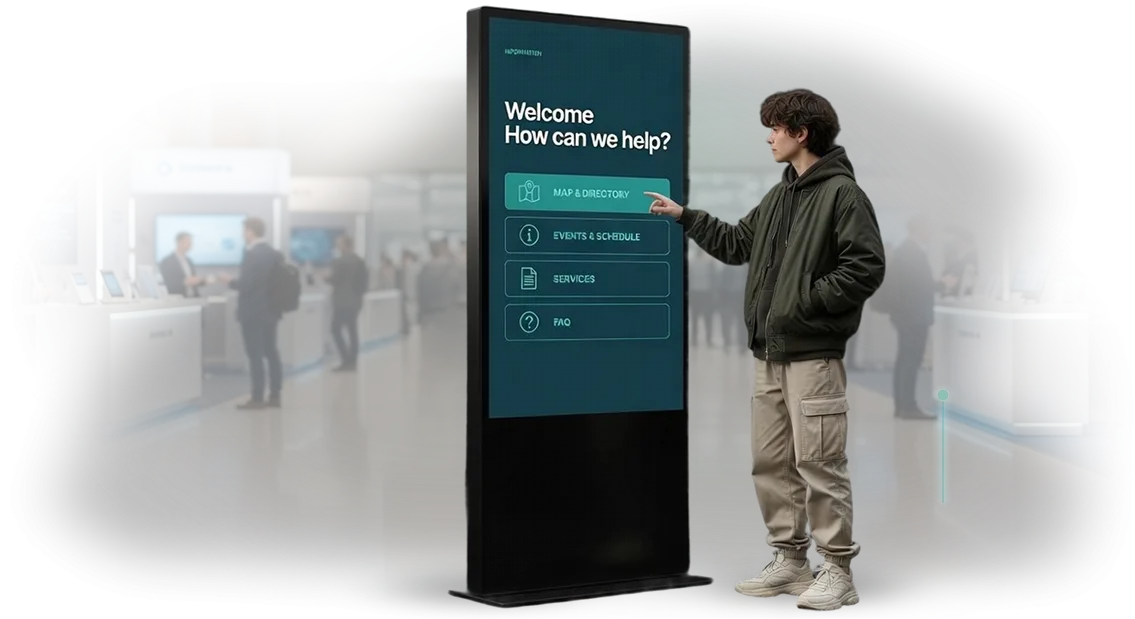
קיוסק בית קפה מקבל הזמנות ותשלומים ללא מעורבות צוות, מקל על דלפק הקופה ומקצר את זמן השירות פי כמה. כתוצאה מכך, המקום משרת יותר אורחים, החשבון הממוצע גדל בזכות תוספות, והצוות מתמקד באיכות ההכנה והשירות.
אנו מפתחים קיוסקים לצרכים הספציפיים של כל מקום: תפריט, לוגיקת הזמנה, אינטגרציה עם מערכת הקופה ותוכנת הנהלת החשבונות. אתה מקבל כלי שמחזיר את ההשקעה תוך חודשים ספורים ומביא גידול יציב ברווחים בכל יום.
קניית קיוסק שירות עצמי אינה רק שדרוג לבית הקפה — היא צעד ישיר להגדלת ההכנסות ולסיום התורים לתמיד.
מה משתנה לאחר ההתקנה: חשבון גבוה יותר, מהירות, נאמנות
התקנת קיוסק שירות עצמי משתלמת במהירות: שלושה מדדים מרכזיים משתנים — החשבון הממוצע, מהירות השירות ונאמנות האורחים. במקום לחכות לקופאי פנוי, המבקר בוחר את המנות ומשלם בעצמו, ואתה מקבל גידול צפוי בהכנסות.
חשבון ממוצע גבוה יותר. המסך מציע פריטים נוספים — משקאות, קינוחים, רטבים — ברגע המדויק. הניסיון מראה שאורחים מוסיפים מוצרים להזמנה בשמחה, כך שהחשבון הממוצע עולה ב-15–30%. זה עובד ללא מעורבות צוות וללא השקעה נוספת מצידך.
מהירות השירות. שיא שעת הצהריים כבר לא אומר תור ליד הקופה. ביצוע הזמנה אורך 1–2 דקות, והקופאי מתפנה לטפל באורחים ולפקח על האיכות. התפוקה גדלה, ואורחים שהיו מתוסכלים מההמתנה כבר לא אובדים.
נאמנות וביקורים חוזרים. ניתן לחבר את הקיוסק בקלות לתוכנית נאמנות: אורחים רואים את הנקודות שלהם, מקבלים הצעות אישיות וחוזרים. ממשק מודרני ונוחות מעצבים את הרושם של המקום כטכנולוגי ואכפתי.
כל התהליכים אוטומטיים מקצה לקצה: אנו מגדירים את התפריט, אינטגרציית מערכת הקופה והנהלת החשבונות. אנו עובדים על חומרה מקצועית ומחברים פלטפורמות פופולריות — למשל, R-Keeper — כך שנתוני המכירות נכנסים אוטומטית למערכת הנהלת החשבונות שלך.
פורמטים לתקציבים ושטחי רצפה שונים
בבחירת קיוסק, חשוב להתחשב בשטח הרצפה, בזרימת האורחים ובמשימות שהוא צריך לפתור. קיוסק שולחני קומפקטי בבית קפה וקיוסק רצפתי בגודל מלא במסעדת מזון מהיר הם השקעות שונות עם תשואות שונות.
אנו מתכננים ומשיקים קיוסקים במתכונת turnkey, ולכן אנו יודעים בדיוק איזה פורמט מתאים לתקציב ולחלל שלך. להלן השוואה של אפשרויות פופולריות כדי שתוכל לראות את ההבדל לפני דיון בפרטים.
| פורמט | למי | מה זה נותן ללקוח | הנחיית תקציב |
|---|---|---|---|
| שולחני קומפקטי | בית קפה, נקודת מכירה קטנה | אורחים מזמינים ללא קופאי — השירות מואץ, הצוות מטפל במשימות אחרות | העלות מחושבת לאחר בדיקה |
| רצפתי נייח | מסעדת מזון מהיר, פוד קורט | מקצר תורים, מגדיל את קיבולת האולם בשעות השיא | העלות מחושבת לאחר בדיקה |
| קיוסק turnkey עם תשלום ואיסוף | מקומות עם תנועה קבועה | מחזור הזמנה ותשלום מלא — החשבון הממוצע עולה, בקרת ההזמנות שקופה | החל מהעלות המחושבת לאחר בדיקה, העלות הסופית תלויה בפונקציונליות |
קיוסק שולחני תופס מינימום מקום ועולה פחות, בעוד דגם רצפתי מתמודד עם עומסים גבוהים ומחזיר את ההשקעה מהר יותר במקומות עם תורים. נעזור לך לבחור תצורה שלא תגרום לך לשלם יותר מדי עבור אפשרויות מיותרות.
המחיר במתכונת turnkey כולל ציוד, הגדרת תפריט, אינטגרציית קופה והדרכת צוות. אנו קובעים את המחיר בשלב הבריף כך שתדע את העלויות הסופיות לפני ההשקה. השאר פנייה, ונחשב את עלות הקיוסק לבית הקפה שלך תוך יום אחד.
כיצד אנו מתכננים ומשיקים קיוסק במתכונת turnkey
בנינו את פרויקט קיוסק השירות העצמי כרצף ברור של שלבים — מהבריף הראשוני ועד ההשקה והתמיכה. עבורך, זה אומר לוחות זמנים צפויים, תקציב קבוע ומעורבות מינימלית בפרטים טכניים.
- בריף וניתוח מיקום — אנו לומדים את פורמט המקום, החשבון הממוצע, שעות השיא והתנהגות האורחים. התוצאה היא הבנה אילו מנות ותרחישי הזמנה לשים במסך הראשון כדי שהקיוסק יניב הכנסות מקסימליות מהיום הראשון.
- אישור קונספט והערכת עלות — אנו נועלים לוחות זמנים, תקציב והיקף עבודה. אתה מקבל תוכנית שקופה ללא תשלומים נסתרים או הפתעות בשלב הסופי.
- אב-טיפוס עיצוב ממשק — אנו יוצרים זרימת הזמנה ברורה לקהל שלך, מבחירת מנה ועד תשלום. אנו מסכמים איתך כך שאורחים לא יתבלבלו אפילו בשעות השיא ולא ינטשו את ההזמנה באמצע.
- פיתוח ואינטגרציה — אנו מתכנתים את לוגיקת ההזמנה ומחברים את שירותי הקופה והתשלום. התפריט, המחירים ותמונות המנות מוגדרים כך שעדכונים אורכים דקות, לא שעות — זה חשוב במיוחד לשינויים עונתיים.
- בדיקות והדרכה — אנו בודקים תרחישים תחת עומסים אמיתיים, מכינים את הצוות לעבודה עם הקיוסק ומראים כיצד לטפל במהירות בשאלות אופייניות של אורחים.
- השקה ותמיכה — אנו מתקינים את הציוד, מגדירים אותו למקום שלך ומקבלים על עצמנו את התמיכה. במידת הצורך, אנו מבצעים שינויים בתפריט, במחירים או בלוגיקת ההזמנה לאחר ההשקה.
כל שלב מסתיים בתוצאה ברורה — אתה תמיד יודע מה קורה עם הפרויקט ומתי הקיוסק יתחיל להניב רווח.
התמיכה לא מסתיימת בהשקה: מהנדס נשאר בקשר כדי לסייע בעדכונים, תחזוקה ופתרון מהיר של כל שאלה לגבי פעולת המסוף.
מה כלול במסירה: מהמעטפת ועד הגדרת התפריט
כשאתה מזמין מסוף, אתה מקבל לא רק חומרה אלא תוצאה — קיוסק מוכן לפעולה שמתחשב בניואנסים של בית הקפה שלך, מעיצוב המעטפת ועד לוגיקת ההזמנה.
אנו מרכיבים, מגדירים ומחברים הכל בחבילה אחת כך שתוכל להשיק שירות עצמי ללא מעורבות קבלנים חיצוניים.
הנה מה שכלול במסירה:
- מעטפת קיוסק שתתאים לעיצוב הפנים ולמטרות שלך — בחר צבע, חומרים וגודל, משולב בקיר או רצפתי.
- מסך מגע וזכוכית מגן — עמידים בתנועת לקוחות כבדה וקלים לניקוי.
- הגדרת תפריט למנות ולמחירים שלך — אנו מעבירים את המבחר שלך ועוזרים להתאים אותו למסך כך שאורח יוכל לבחור ב-2-3 נגיעות.
- אינטגרציה עם מערכת הקופה והנהלת החשבונות שלך — הזמנות נשלחות אוטומטית למטבח ולדוחות, ללא הזנה כפולה.
- מודול תשלום לכרטיסי בנק ולמערכת התשלומים המהירה — אנו מחברים את שירות הסליקה שבו אתה כבר משתמש.
- הדפסת קבלות ובקרת צריכת נייר — מדפסת מובנית, התראות החלפה.
- ניהול מרחוק ועדכוני תוכן — אתה משנה מחירים ומבצעים ממחשב נייד, ללא ביקור בכל מסוף.
- אחריות על המסוף ותחזוקה שוטפת — תיקון או החלפת ציוד במסגרת זמנים מוסכמים, כך שזמן ההשבתה נמדד בשעות, לא בימים.
בסופו של דבר, אתה קונה לא חלקים בודדים אלא כלי עסקי עובד. אנו דואגים להרכבה ולהגדרה; אתה מתמקד בתוצאות במטבח שלך.
מקרה בוחן: כיצד בית קפה קיצר את התור והעלה את החשבון הממוצע
בואו נסתכל על דוגמת יישום אמיתית. בבית קפה עם תנועה צפופה בשעת הצהריים, התור הגיע ל-15 דקות, והחשבון הממוצע נשאר ברמת בסיס. התקנו שני קיוסקים לשירות עצמי וחיברנו אותם למערכת ההזמנות iiko תוך שבוע. התוצאה — אורחים מזמינים תוך דקה ללא קופאי, והצוות עובד ברוגע יותר.
מה השתנה לאחר השקת הקיוסקים
| מדד | לפני היישום | אחרי היישום |
|---|---|---|
| המתנה להזמנה בתור | עד 15 דקות | 1–2 דקות |
| חשבון ממוצע | רמת בסיס | רמת בסיס +44% |
| חלק ההזמנות דרך המסופים | 0% | 67% |
| הזמנות לשעה | 40 | 62 |
ככה זה עובד. הקיוסק עצמו מציע שילובי מזון ומשקאות, כך שאורחים מוסיפים לעתים קרובות יותר קינוח או קפה שני. הבריסטה כבר לא מבזבז זמן על קבלת הזמנות — הם מתחילים להכין את המשקאות מיד, והקופאי כבר לא צוואר הבקבוק.
לתורים קצרים יותר הייתה גם השפעה עקיפה: בשעות השיא, בית הקפה החל לשרת 50% יותר מבקרים, והביקורים החוזרים גדלו בזכות שירות מהיר. האינטגרציה עם iiko ארכה שבוע אחד בלבד — תפריט, מחירים ומבצעים מתעדכנים אוטומטית, ללא עבודה ידנית או שגיאות. זה מקרה שבו אוטומציה משתלמת במהירות ולקוחות מרגישים את ההבדל מיד.
שאלות נפוצות: החזר השקעה, עומס, אחריות
לפני קניית מסוף שירות עצמי לבית קפה, עולות שאלות: החזר השקעה, עומס, אחריות, אינטגרציה. אנו עונים על העיקריות כדי שתוכל לקבל החלטה עם תמונה ברורה.
כמה מהר מסוף בית קפה יחזיר את ההשקעה?
החזר ההשקעה מגיע מחשבון ממוצע גבוה יותר (מכירה מוגברת אוטומטית) ומשירות מהיר יותר. בהתבסס על זרימת האורחים שלך, נכין תחזית לפני ההשקה — ברוב הפרויקטים, ההשקעה חוזרת תוך חודשים ספורים.
האם הקיוסק יעמוד בעומס השיא?
המסוף מיועד לפעולה רציפה במהלך עומסי מבקרים. אנו בוחרים תצורה שתתאים לתנועה שלך כך שלא יהיו האטות בצהריים או בערב — האורח משלם ללא המתנה.
איזו אחריות ותמיכה כלולות?
אנו מספקים אחריות רשמית על הציוד ותמיכה מלאה: תחזוקה, עדכונים והחלפה מהירה בעת הצורך. אתה אף פעם לא נשאר לבד עם תקלה — אנו פותרים את הבעיה במהירות.
האם הקיוסק יתאים לתהליכים שלנו?
כן, המסוף משתלב עם מערכת הקופה, הנהלת החשבונות ותוכנית הנאמנות שלך. אנו מגדירים את התפריט, המבצעים והתשלומים עבור בית הקפה שלך, כך שאורחים משלימים את המסע בכמה הקשות, ואתה מקבל דוחות מכירות.
עדיין יש שאלות על יישום, החזר השקעה או אחריות? השאר פנייה, ונשלח לך את החישוב והפרטים עבור בית הקפה שלך.קנה מסוף שירות עצמי לבית הקפה שלך במתכונת turnkey — הערכת עלות תוך יום אחד
השאר פנייה, ותוך יום תקבל הערכת עלות למסוף עבור בית הקפה שלך. המנהל שלנו יבהיר את הצרכים שלך, יציע את התצורה המתאימה לתפריט ולזרימת האורחים שלך, והמהנדסים יכינו הצעת מחיר שקופה ללא תשלומים נסתרים.
אנו עובדים במתכונת turnkey: מהשיחה הראשונה ועד ההשקה. ללא ניחושים — כל קיוסק מוגדר לעסק שלך: קופה, תפריט, תשלום, תוכנית נאמנות. אתה מקבל פתרון עובד שמחזיר את ההשקעה דרך חשבון ממוצע גבוה יותר והקלה על הצוות שלך.
מה כלול לאחר פנייתך:
- ייעוץ — נזהה היכן הקיוסק יחזיר את ההשקעה הכי מהר ונענה על שאלות לגבי אינטגרציה עם הקופה שלך.
- הערכת עלות תוך יום אחד — נקבע את ההערכה ולוחות הזמנים כדי שתוכל לתכנן את התקציב במדויק.
- בחירת תצורה — מסך מגע, מעטפת עמידה לוונדליזם, מדפסת קבלות, תשלום בכרטיס — הכל מותאם לצרכים שלך.
- ייצור ומשלוח — אנו מטפלים בייצור, לוגיסטיקה והתקנה במיקום שלך.
- הגדרת תפריט והדפסת קבלות — אנו טוענים את מגוון המוצרים והמחירים שלך מראש.
- הדרכת צוות — אנו מראים כיצד לנהל הזמנות, לשנות מחירים ולייצא דוחות.
- אחריות ותמיכה — על חומרה ותוכנה, עם החלפה מהירה במקרה של תקלה.
זה חוסך לך זמן ועצבים: חוזה אחד, והקיוסק עובד. אתה לא מסתכן בעבודה עם קבלנים לא מוכרים כי אנו לוקחים אחריות על התוצאה בכל שלב.
כדי להזמין מסוף שירות עצמי לבית הקפה שלך, השאר פנייה באתר או התקשר אלינו. עד מחר, תדע את העלות המדויקת ותקבל ייעוץ — השאר עניין של ביצוע.
ניקח בחשבון את רצונותיך, נציע את האפשרות הטובה ביותר ונשיק את הקיוסק ללא השבתה עסקית.
כיצד לבחור את הפורמט הנכון למשימה ולתקציב שלך?
אין קיוסק "נכון" אוניברסלי — הפורמט הנכון נקבע לפי המשימה, זרימת האורחים והתקציב שלך.
חשוב לא לרדוף אחרי הדגם היקר ביותר, אלא לבחור מסוף שיחזיר את ההשקעה בתנאים שלך ולא ידרוש בנייה מחדש של המטבח או גיוס צוות נוסף.
אם בית הקפה פועל בזרימה גבוהה — תור בקופה בשעות השיא — כדאי לשקול מסוף שירות עצמי נייח עם יחידת תשלום ייעודית. קיוסק כזה לוקח על עצמו עד מחצית מכל ההזמנות, מקצר את זמן השירות ומקל על הצוות בתקופות עמוסות.
לבית קפה קטן עם תנועה מתונה, דגם שולחני קומפקטי מספיק: הוא תופס מינימום מקום, קל יותר להתקנה וזול יותר באופן ניכר.
התקציב לקיוסק אינו מחיר המכשיר, אלא תקופת ההחזר.
חשב את החשבון הממוצע ואת מספר ההזמנות שיעברו דרך המסוף: עם תפריט מעוצב היטב ורמזים על המסך, החשבון הממוצע בדרך כלל עולה, והקופאי מתפנה למשימות אחרות.
ברוב המקרים, ההשקעות מוחזרות תוך חודשים ספורים — אנו עוזרים לך לבצע את החישוב הזה לפני ההשקה.
עצת מומחה: בבחירת פורמט, הערך שלושה דברים — אורחים לשעה, אזור ההתקנה ומוכנות הצוות לעבוד עם המערכת החדשה. אנו מנתחים את התהליכים שלך, בוחרים תצורה למשימה ולתקציב שלך ומראים דוגמאות ממקומות אמיתיים. בוא עם שאלות — נראה לך מה עובד עבור בית הקפה שלך.