

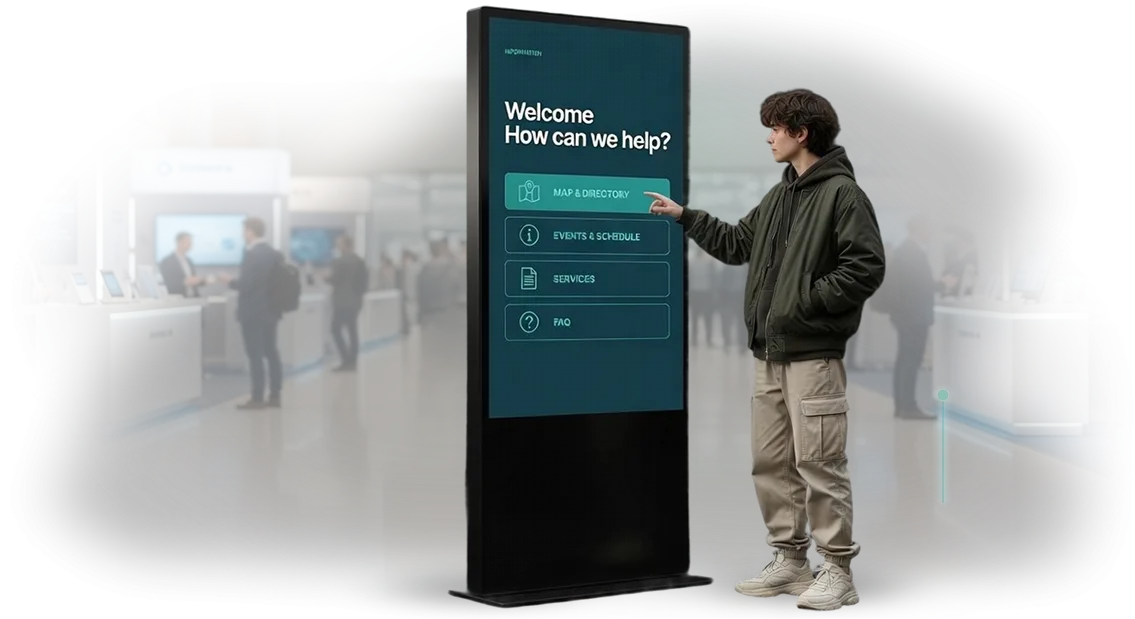
קיוסק שירות עצמי לבתי קפה: איך להחזיר אורחים ולהגדיל את הסל הממוצע
בשעות העומס נוצר תור בקופה, וחלק מהאורחים פשוט עוזבים — קל להם יותר ללכת למקום בלי לחכות מאשר לבזבז זמן. כל 2-3 דקות של המתנה משמעותן הזמנות אבודות ומבקרים לא מרוצים שסביר שלא יחזרו.
במקביל, הקופאי פיזית לא יכול להתמודד עם קבלת תשלומים, הצעת שדרוגים ומענה לשאלות על מרכיבי המנות בו-זמנית.
קיוסק שירות עצמי לבתי קפה פותר את נקודת הכאב הזו: האורח בוחר מנות מתפריט אינטראקטיבי, רואה את הסכום הסופי ומשלם ללא מעורבות צוות.
הזמנה ללא תור אורכת 30-60 שניות, בעוד הקופאי מתמקד במסירת הזמנות ובאינטראקציה עם האורחים. התור נמס, מהירות השירות עולה, ומבקרים מפסיקים לעזוב לפני שקיבלו שירות.
תפריט אינטראקטיבי הוא גם כלי להגדלת הסל הממוצע. הקיוסק עצמו מציע פריטים פופולריים, ממליץ להוסיף משקה או קינוח למנה העיקרית, ומציג מבצעים ומוצרים חדשים.
בניגוד לקופאי שאולי ישכח להזכיר שדרוג, המערכת עושה זאת עם כל הזמנה. כתוצאה מכך, אורחים מוכנים יותר לנסות מוצרים חדשים, וההכנסה לסל גדלה ב-15–20%.
בנוסף, הקיוסק אוסף נתונים: אילו פריטים מוזמנים הכי הרבה, מתי יש עומס שיא, וכיצד אורחים מגיבים למבצעים. הנתונים האלה עוזרים לתכנן רכישות בצורה מדויקת יותר, להתאים את התפריט ולהשיק הצעות שבאמת עובדות. הבעלים מקבל תמונה שקופה של העסק, לא ניחושים.
אנחנו מיישמים פתרונות כאלה בבתי קפה ומסעדות כבר שנים. אנחנו בוחרים ציוד וממשק שמתאימים לתפריט שלכם, מגדירים אינטגרציה עם מערכת החשבונאות שלכם ומכשירים את הצוות שלכם.
אורחים מקבלים שירות מהיר, ואתם מקבלים הכנסות גבוהות יותר ונאמנות לקוחות — מבקרים שחוזרים שוב ושוב.
אילו יתרונות אוטומציה של הזמנות מביאה לעסק שלכם
אוטומציה של הזמנות היא לא טכנולוגיה לשם הטכנולוגיה, אלא סט של יתרונות קונקרטיים לעסק שלכם. הניסיון של מאות בתי קפה מראה שקיוסקים מוגדרים כהלכה מחזירים את ההשקעה תוך חודשים ספורים ומשפיעים מיד על מדדים מרכזיים.
מהירות שירות
תורים בשעות העומס הם הגורם העיקרי לאי-שביעות רצון של אורחים ולאובדן הכנסות. קיוסק שירות עצמי מקבל הזמנה תוך חצי דקה, והתשלום עובר מיידית.
אורחים מבזבזים פי כמה פחות זמן על ביצוע הזמנה מאשר דרך קופאי — ומגיעים לשולחן מהר יותר.
הגדלת הסל הממוצע
מסך הקיוסק מציע בטקט להוסיף משקה, קינוח או רוטב — בדיוק כמו הקופאים הטובים ביותר. תמונות מעוררות תיאבון והנחיות ברורות מעודדות אורחים להוסיף להזמנה. כתוצאה מכך, הסל הממוצע גדל ב-10–20%, והאורחים מרגישים שהם קיבלו את ההחלטה בעצמם.
נאמנות אורחים
אורחים מעריכים את היכולת לבחור את הרכב ההזמנה שלהם בלי לחץ או דוחק. הקיוסק יכול לזהות אורח לפי כרטיס נאמנות, לזכור את המנות האהובות עליו ולהציע הנחות מותאמות אישית — כל זה מגדיל את תדירות הביקורים החוזרים.
הניסיון של רשתות בינלאומיות כמו מקדונלדס מראה שאחרי הטמעת קיוסקים כאלה, חלקם של אורחים קבועים גדל באופן ניכר.
אופטימיזציה של הצוות
כשהקיוסק לוקח על עצמו את קבלת ההזמנות, העובדים עוברים לטיפול באורחים: איכות מזון, ניקיון אזור האוכל ומהירות שירות. זה מפחית את העומס על הקופאים, מצמצם את מספר השגיאות והופך את העסק ליעיל ועקבי יותר.
פורמטים של ציוד לנקודות הסעדה שונות
בחירת קיוסק שירות עצמי לקפה לפי מחיר בלבד היא טעות: הציוד חייב להתאים לזרימת האורחים, לשטח ולתסריט השירות. במזון מהיר חשובים מהירות ותפוקה; בבית קפה — אווירה וסל ממוצע; במסעדה — אי-פולשניות ושליטה בהזמנות.
לכן אנחנו מציעים כמה סוגי קיוסקים ועוזרים לבחור את המתאים לנקודת הסעדה ספציפית.
השוואת פורמטים
| פורמט קיוסק | למי זה מתאים | מה זה נותן ללקוח |
|---|---|---|
| קיוסק שירות עצמי עומד | מזון מהיר, המבורגריות, אוכל רחוב, בתי קפה עם תורים קבועים | מקל על הקופה ומגדיל תפוקה עד פי 2; שדרוגים ומבצעים תמיד נראים על המסך |
| קיוסק שולחני (טאבלט על מעמד) | בתי קפה, מאפיות, בתי קפה עם שירות שולחני | אורחים בוחרים ומשלמים בלי לחכות למלצר; הסל הממוצע גדל בזכות תפריט ויזואלי והנחיות |
| קיוסק דלפק לתשלום והזמנה | נקודות טייק אווי, פוד קורטס, דוכנים עם אוכל מוצג | התור זז מהר יותר, הצוות לא צריך לאשר מחדש פרטי הזמנה, קל לחבר תוכנית נאמנות |
| קיוסק קומפקטי צמוד קיר | בתי קפה קטנים ובתי קפה עם שטח מוגבל | תופס מינימום מקום, מקבל הזמנות מסביב לשעון ומחזיר את ההשקעה בשעות העומס ללא צוות נוסף |
לא משנה איזה פורמט תבחרו, אנחנו מגדירים את הקיוסק לתפריט שלכם, מחברים תשלומי כרטיס ו-QR code, וכן מערכת לניהול הזמנות.
המהנדסים שלנו בוחרים ציוד לפי תנועת מבקרים ושטח הרצפה — אתם מקבלים פעולה יציבה בלי לשלם יותר מדי על תכונות מיותרות.
איך מתנהל פרויקט ההשקה בקפה שלכם
השקת קיוסק שירות עצמי בקפה היא לא התקנה חד-פעמית של מכשיר, אלא תהליך ברור. פירקנו אותו לששה שלבים כדי שתמיד תדעו מה קורה ומתי יופיעו תוצאות.
-
בריף ודיון במשימה. אתם מספרים לנו איך הקפה שלכם עובד: תפריט, מחירים, שעות עומס. אנחנו מבהירים אילו תכונות אתם צריכים — מהזמנה פשוטה ועד אינטגרציה עם מערכת הקופה. אנחנו מתעדים ציפיות ותוצאות כדי למנוע אי-הבנות.
-
תוכנית ולוחות זמנים. אנחנו מכינים תוכנית עבודה ברורה: סדר השלבים ולוחות זמנים ריאליים. בדרך כלל אנחנו כוללים מרווח ביטחון כדי שתוכלו להשיק בשקט את התכונה החדשה ולא להיות תלויים בבעיות בלתי צפויות.
-
אישור עיצוב ולוגיקה. אנחנו מראים לכם איך הקיוסק ייראה ואיך מבקר יבצע הזמנה. אתם מאשרים את העיצוב והתרחישים לפני תחילת הפיתוח — זה מונע הפתעות בסיום והוצאות נוספות.
-
פיתוח ובדיקות. אנחנו מגדירים את הקיוסק לתפריט ולסגנון המותג שלכם. אנחנו בודקים אותו בתרחישים אמיתיים: אינטרנט איטי, תור בקופה, תקלת כרטיס. אתם מקבלים פעולה יציבה מהיום הראשון.
-
התקנה והשקה. אנחנו מספקים את הציוד, מחברים אותו ומכשירים את הצוות. אנחנו עוזרים לכם להתחיל במצב ניסיון כדי שאורחים יתרגלו לדרך ההזמנה החדשה.
-
תמיכה לאחר ההשקה. אנחנו נשארים בקשר: עדכונים, ייעוץ, שיפורים. אם תשנו תפריט או מחירים, אנחנו מבצעים שינויים במהירות — בלי השבתה או אובדן הכנסות.
מה כלול בחבילת האספקה לעסק שלכם
חבילת האספקה כוללת כל מה שצריך כדי להשיק קיוסק שירות עצמי — מחומרה ועד הכשרת צוות. אתם מקבלים פתרון סוהר בלי צורך לחפש קבלנים נפרדים.
- חומרה — קיוסק מסך מגע במעטפת נגד ונדליזם שעומד בעומסים גבוהים ופועל גם בזרימת אורחים אינטנסיבית.
- תוכנה — ממשק שאורחים מבינים בלי הכשרה: כפתורים גדולים, הנחיות והזמנה מהירה.
- אינטגרציה עם הקופה — הזמנות נכנסות אוטומטית למערכת החשבונאות, ותשלומים עוברים דרך הקיוסק בלי שגיאות או הזנה ידנית.
- התאמת מותג — תפריט, מחירים, תמונות מנות ועיצוב מסך מעוצבים לפי הסגנון של העסק שלכם כך שהקיוסק לא ייראה זר.
- הכשרת צוות — הצוות שלכם יודע לעדכן תפריט, לשנות מחירים ולפתור בעיות נפוצות בלי להסיח את דעתכם.
- אחריות ותמיכה — הציוד מגיע עם אחריות, ותמיכה טכנית מגיבה מהר כדי שהקיוסק לא יעמוד בטל וימשיך לייצר הכנסות.
כל זה כלול במחיר — אתם לא צריכים לרכוש תוכנה נוספת או לשכור קבלן נפרד להגדרה. אתם מקבלים כלי עובד שמחזיר את ההשקעה דרך שירות מהיר יותר וסל ממוצע גבוה יותר.
מקרה בוחן: איך עסק הגדיל הכנסות עם הפתרון שלנו
רשת בתי הקפה «Кофе&Круассан» התמודדה עם בעיה קלאסית: בשעות הצהריים התור גדל, ולקוחות עזבו בלי לחכות להזמנות שלהם. הסל הממוצע נשאר שטוח — בריסטות בזבזו זמן על קבלת הזמנות במקום להכין משקאות. הצענו פתרון לא "לשם הטכנולוגיה" אלא לאפקט עסקי מדיד.
אחרי הטמעת קיוסק שירות עצמי בסניף אחד, הקפה ראה עלייה של 27% בהכנסות בחודש הראשון.
הסל הממוצע גדל ב-15%: אורחים מוכנים יותר להוסיף סירופים, קינוחים ומשקה שני — קל לראות שדרוג על המסך, במקום לשכוח אותו בהזמנה מילולית.
התור התחיל לזוז פי שניים מהר יותר, והקפה הפסיק לאבד אורחים בשיא הצהריים. לפי המנהל, עובדים עברו מהזנת הזמנות להכנת משקאות ואינטראקציה עם לקוחות — זה שיפר נאמנות וביקורים חוזרים.
"זה החזיר את ההשקעה תוך חודשיים, ועכשיו זה עובד בשבילנו: הסל גבוה יותר, אורחים מרוצים, והצוות לא נשחק. הקיוסק הפך לחלק מהמטבח שלנו", אמר הבעלים של העסק.
הרשת מתכננת עכשיו להרחיב את הפתרון לסניפים נוספים. זה בדיוק סוג המקרה — לא רק מכשיר אלא כלי לצמיחת הכנסות — שאנחנו רואים כאינדיקטיבי לעסקים שרוצים להגביר יעילות בלי להרחיב צוות.
מה אם יש לכם דרישות ציוד לא סטנדרטיות?
כן, זה מצב נפוץ — כמעט כל לקוח שני מגיע אלינו עם דרישות שפתרון "קופסא" לא מכסה.
וזו לא בעיה, אלא משימה מוכרת עבורנו: אנחנו מרכיבים קיוסק לצרכים הספציפיים של כל עסק במקום לאלץ את העסק שלכם להתאים לתבנית סטנדרטית.
לבתי קפה, זה אומר לעתים קרובות תרחישי שירות לא סטנדרטיים — למשל, מכירת אלכוהול עם אימות גיל, ארוחות צהריים קבועות לפי שוברים, או הזמנה מוקדמת דרך אפליקציה ניידת. אנחנו מפתחים לוגיקה שתתאים לתהליכים שלכם, במקום לדרוש מהצוות להכשיר מחדש.
אם מחר תחליטו להוסיף תפריט קיץ או מבצע "שעות שמחות", אפשר לשנות את זה בממשק בלי לעצור את הפעילות.
בקשה נפוצה נוספת היא אינטגרציה עם מערכת החשבונאות שלכם. חלק מהעסקים עובדים על פלטפורמות ענן, חלק על שרתים מקומיים, ולחלק יש התאמות חשבונאיות משלהם.
המהנדסים שלנו מגדירים חילופי נתונים ישירים: הזמנות, הורדות מלאי, דוחות ותוכניות נאמנות מסונכרנים אוטומטית. לא תצטרכו לנהל רישום כפול או להזין מספרים ידנית — הקיוסק יהפוך לחלק מהתשתית שלכם, לא "אי" נפרד.
לבסוף, המראה והלוגיקה של המסך הם גם לא סטנדרטיים. אנחנו מתאימים את הממשק למותג שלכם, לסידור המנות ולסגנון התקשורת עם אורחים: ממינימליזם קפדני ועד תמונות מנות בהירות ואנימציות.
כך הקיוסק נראה טבעי בחלל הפנים ולא בולט לרעה מהסגנון של העסק.
השורה התחתונה פשוטה: אם יש לכם משימה שקיוסק סטנדרטי לא פותר, נמצא פתרון במסגרת התקציב ולוחות הזמנים שלכם. אתם לא משלמים יותר מדי על פונקציונליות לא בשימוש ומקבלים שירות שעובד עבור העסק שלכם מהיום הראשון.
שאלות נפוצות מבעלי עסקים על הפתרונות שלנו
בעלי בתי קפה ומסעדות מטילים ספק בעיקר בדבר אחד: האם הם יצטרכו להתמודד לבד עם תקלות, הגדרות והכשרת צוות.
החששות האלה מובנים, אז אספנו תשובות לשאלות המרכזיות — כך תוכלו להבין מראש איך תיראה האינטראקציה עם הקיוסק ואיזו רמת תמיכה תקבלו.
מה האחריות על קיוסק השירות העצמי?
כל הציוד מגיע עם אחריות רשמית ל-12 חודשים מרגע ההשקה. אם תתרחש תקלה בתקופה זו, נחליף חלקים בחינם או נספק מכשיר חלופי כדי שהעסק ימשיך לפעול בלי השבתה.
ניתן לחדש חוזה שירות מורחב אחרי השנה הראשונה. המהנדסים שלנו מגיבים לפנייה תוך יום עסקים אחד ופותרים את רוב הבעיות מרחוק.
מה נעשה אם הקיוסק מתקלקל?
רק תתקשרו אלינו — וזהו. קודם כל, אנחנו מבצעים אבחון מרחוק כדי לזהות את הגורם. אם נדרש תיקון בשטח, מהנדס מגיע — זמן הנסיעה בתוך העיר בדרך כלל לא עולה על יומיים. אנחנו מחזיקים מחסן חלקי חילוף, כך שלא תצטרכו לחכות שבועות לחלקים.
אם התיקון לוקח יותר זמן, אנחנו מספקים קיוסק חלופי — לא תאבדו הזמנות.
האם קשה לשנות תפריט ומחירים?
לא, זה נעשה דרך החשבון האישי שלכם תוך כמה דקות. אתם מוסיפים או מסירים פריטים, משנים מחירים, יוצרים מבצעים — בלי מתכנת או המומחים שלנו. המערכת מובנת אפילו למי שמעולם לא עבד עם ממשקים דומים.
הקיוסק קולט את העדכון אוטומטית, כך שהנתונים תמיד עדכניים.
האם צריך להכשיר צוות?
אנחנו עורכים מפגש הכשרה קצר לקופאים ומנהלים — בדרך כלל 30-60 דקות מספיקות. אנחנו מראים איך להתחיל משמרת, להחליף גליל קבלות, לטפל במסכי שגיאה ופעולות שגרתיות אחרות. אנחנו גם מספקים מדריך מהיר וסרטוני הדרכה.
הצוות מתרגל מהר: ממשק הקיוסק עוקב אחרי הלוגיקה של תרחיש POS סטנדרטי, כך שלא נוצר בלבול.
מה כולל שירות האחריות?
מחזור מלא: תיקון, החלפת רכיבים, ביקורי מהנדסים, תמיכה מרחוק ועדכוני תוכנה. אנחנו לא גובים תשלום נוסף עבור הגדרת תפריט בהשקה — זה כלול במחיר ההתקנה.
הצוות שלנו נשאר בקשר אחרי ההשקה, כך שתוכלו לפתור כל בעיה בטלפון או בהודעה. הזמינו קיוסק שירות עצמי — ותקבלו לא רק מכשיר, אלא תמיכה מלאה: מהתאמה לתפריט שלכם ועד הכשרת צוות ותיקונים מהירים. אנחנו דואגים שהאורחים שלכם יזמינו מהר והצוות שלכם לא יבזבז זמן על פעולות מיותרות.
השאירו פנייה — נמצא פתרון למשימה שלכם
קיוסק שירות עצמי לקפה הוא לא רק ציוד, אלא דרך להאיץ שירות ולהגדיל את הסל הממוצע. אבל כדי שיהיה באמת יעיל, חשוב לבחור דגם שמתאים לפורמט העסק שלכם: תנועת מבקרים, תפריט ושטח רצפה. אנחנו עושים את זה בשבילכם.
השאירו פנייה — ונכין פתרון אישי, לא גישת "מידה אחת מתאימה לכולם". הנה מה שתקבלו תוך יום עסקים אחד:
- ייעוץ: נבחן איך הקיוסק ישתלב באזור האוכל ובתהליך השירות שלכם.
- חישוב עלות לתקציב שלכם: הערכה מדויקת בלי עמלות נסתרות.
- הדגמת ציוד: נראה איך הקיוסק עובד בפועל כדי שתוכלו להעריך את הנוחות שלו לאורחים.
- הצעה מסחרית עם לוחות זמנים ושלבים: תדעו מתי הקיוסק יהיה פעיל.
- הכשרת צוות ותמיכה לאחר ההשקה: העובדים שלכם יתעדכנו מהר, ואנחנו נשאר בקשר.
אל תבזבזו זמן בחיפוש עצמאי או בסיכון של בחירת ציוד לא מתאים. השאירו פנייה — ועד מחר תקבלו תוכנית הטמעה, ותוך כמה ימים הקיוסק יקבל את ההזמנות הראשונות. פשוט ספרו לנו על הקפה שלכם — נמצא פתרון שמחזיר את ההשקעה.