

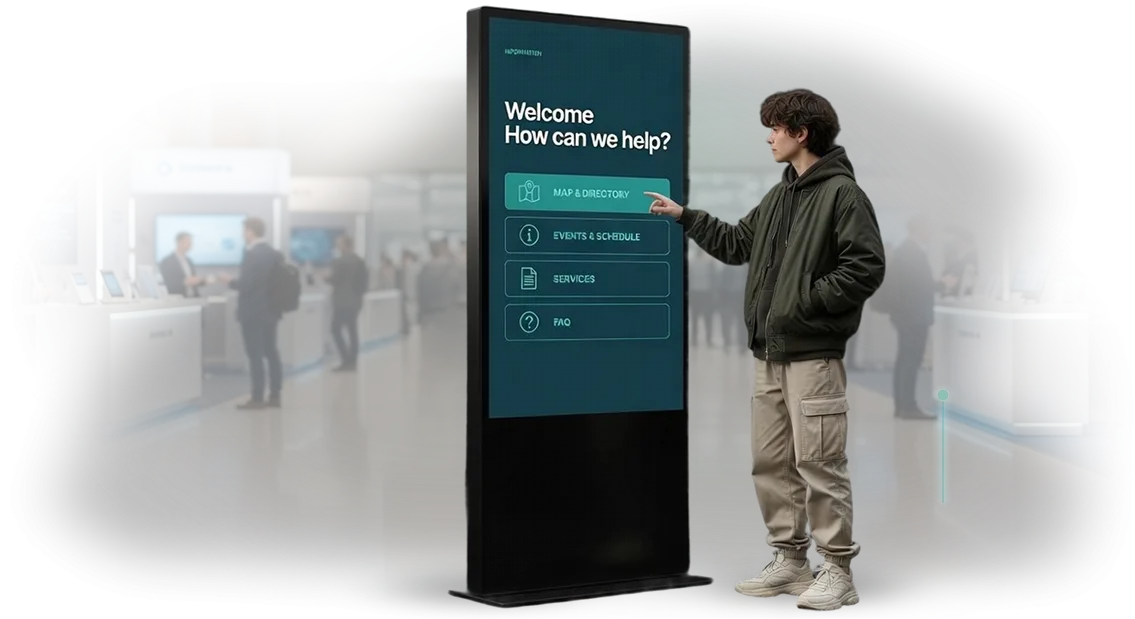
יצרן קיוסקים בשירות עצמי מוביל — למה הבחירה הנכונה חשובה?
בחירת קיוסק בשירות עצמי היא לא רק רכישת ציוד; זו השקעה באיכות השירות ובחזרת לקוחות חוזרים. מסוף לא יציב מספק אקראי יכול בקלות ליצור תור בשעה העמוסה ביותר ולהרוס את הרושם של הלקוחות מהחברה שלכם.
לכן, בחירת יצרן הקיוסקים הטוב ביותר בשירות עצמי קובעת ישירות אם הפרויקט ישתלם והאם המבקרים יחזרו.
יצרן מסופים אמין עובד במתכונת turnkey: הוא מטפל בתכנון, בייצור, בהגדרת התוכנה ובתמיכה לאחר ההשקה.
אנחנו עובדים על פרויקטים כאלה כבר יותר מ-10 שנים: אנחנו בוחרים ציוד למשימה שלכם, מתאימים את הממשק למשתמשים אמיתיים — מצעירים ועד מבוגרים — ובודקים עמידות בעומסי שיא.
כתוצאה מכך, המסוף לא נכשל בחודש הראשון אלא משרת באופן אמין לאורך שנים, ללא צורך בתשומת לב מתמדת.
קיוסק שנבחר נכון במתכונת turnkey פותר כמה בעיות בבת אחת: הוא מקל על הצוות, מקצר תורים ומגדיל את הסל הממוצע באמצעות מכירות נוספות. הלקוחות מעריכים עצמאות ומהירות, ואתם מקבלים שירות צפוי ללא אובדן שליטה.
אנחנו לא רק מספקים מסוף — אנחנו בונים את כל התהליך כך שיועיל גם לכם וגם למבקרים שלכם.
בדקו אם יצרן המסופים אחראי לתוצאה, ולא רק למעטפת עם מסך. שותף אמין יציע השקה פיילוט, הדרכת צוות ותמיכה ברורה — זה מה שהופך את בחירת הקיוסק לבטוחה ומוצדקת כלכלית.
בגישה זו, המסוף הופך לנקודת צמיחה לעסק שלכם, לא למקור בעיות.
היתרונות בהטמעת מערכות מידע אינטראקטיביות
מסוף אינטראקטיבי משנה את כלכלת השירות: הלקוח מקבל תשובה תוך שניות במקום לחכות בתור, והעובד מטפל בבעיות מורכבות במקום לחזור על אותה אינפורמציה שוב ושוב.
עבור העסק, זה חיסכון ישיר בזמן ובעלויות שכר: ככל שהתנועה גדלה, אין צורך להרחיב את הצוות ביחס למספר המבקרים, וכל עובד עובד ביעילות רבה יותר.
קיוסק לעסק פועל כמו איש מכירות שקט: הוא מציע מבצעים, מוכר מוצרים נוספים, אוסף פרטי קשר ומחזיר את הלקוח. אוטומציה של שירות הופכת פעולה שגרתית לערוץ מכירות מנוהל שלא מתעייף ולא תלוי במשמרות של הצוות.
ההשקעות משתלמות על ידי הפחתת עומס הצוות והגדלת הסל הממוצע. כשבאים לבחור את יצרן הקיוסקים הטוב ביותר בשירות עצמי, הדבר החשוב ביותר הוא תוצאת ההטמעה, לא גודל המעטפת.
המהנדסים שלנו בוחרים תצורה למשימה ספציפית: רישום, תשלום, קביעת תור, ניווט במתחם. אנחנו מלווים את הפרויקט מניתוח תהליכים ועד ההשקה והדרכת הצוות — המסוף באמת מקל על הצוות, לא יוצר בעיה חדשה.
מהירות השירות נמדדת בדקות שנחסכות לכל מבקר, וההכנסות גדלות באמצעות הצעות נוספות ברגע שהלקוח מוכן לשלם. מערכות מידע אינטראקטיביות מביאות תוצאות כבר בחודשים הראשונים: תורים קצרים יותר, יותר ביקורים חוזרים והכרת מותג.
אנחנו לוקחים אחריות על התוצאה ומספקים אחריות על ציוד ותוכנה. כתבו לנו — נראה לכם בדיוק היכן האוטומציה תחסוך כסף ונציע תרחיש פיילוט למתחם שלכם.
פורמטי פתרונות לענף שלכם
פורמט המסוף קובע באיזו טבעיות הקיוסק ישתלב בחלל שלכם ובאיזו מהירות המבקרים יתחילו להשתמש בו. עיצוב גרוע משמעותו תורים, לקוחות מבולבלים וציוד שעומד סתם בטל.
אנחנו בוחנים שלושה פורמטים פופולריים של מסופים — עומד, צמוד קיר ועל כן — ובוחרים את הפתרון למשימה הספציפית שלכם. העיקר שהקיוסק עובד בשבילכם, לא רק תופס מקום.
| פורמט | למי | מה זה נותן ללקוח |
|---|---|---|
| מסוף עומד | אולמות קמעונאות, מרפאות, סניפי בנק עם תנועת מבקרים גבוהה | מושך תשומת לב בעצמו, מקצר תורים, מקל על הצוות משאלות חוזרות |
| מסוף צמוד קיר | לובי צר, אזורי מעבר, נקודות שירות קטנות | חוסך כל מטר של שטח, לא חוסם מעבר ותמיד נשאר בשדה הראייה |
| מסוף על כן | קבלה, דלפק רישום, אזור קופה | משלים את עמדת העבודה: תשלום מהיר, מידע וקביעת תורים ללא תור |
לפני הבחירה, אנחנו מתעדים יחד אתכם שלושה פרמטרים:
- היכן הקיוסק יעמוד: אזור פתוח, גומחה ליד הקיר או מקום מאחורי הדלפק.
- מי ישתמש בו: מבקר לא מאומן או איש צוות בקופה.
- איזו משימה חוזרת על עצמה הכי הרבה: תשלום, קביעת תור, הנפקת מסמך או ניווט.
התשובות לשאלות אלה קובעות את הפורמט והתצורה — ללא תשלום יתר על אפשרויות מיותרות. המסוף מתחיל להשתלם כבר בשבועות הראשונים, והמבקרים משתמשים בו ללא כל הנחיה מהצוות.
שלבי פיתוח קיוסק: מהבריף ועד ההשקה
אנחנו לא מתחילים לעבוד עד שמשימות, לוחות זמנים וקריטריוני הצלחה מוגדרים. לכן לכל פרויקט יש תוכנית ברורה: אתם תמיד יודעים היכן עומד פיתוח הקיוסק, מה יקרה בעוד שבוע ומתי הוא יפעל.
כל שלב מסתיים בנקודת ביקורת — אתם רואים את התוצאה הבינונית ומאשרים אותה לפני שממשיכים הלאה. גישה זו מבטלת הפתעות ועלויות נוספות.
- בריף וסקירת משימות — אנחנו מנתחים לשם מה הקיוסק, מי הקהל שלכם ואילו תרחישים חשובים. אנחנו מתעדים תקציב, לוחות זמנים ותוצאה צפויה.
- אב טיפוס ועיצוב — אנחנו מציגים מסכים ולוגיקה תפעולית. לפני תחילת הייצור, אתם רואים איך הקיוסק ייראה ואיך הלקוח ישתמש בו.
- ייצור ופיתוח — אנחנו בונים את המעטפת, מגדירים את הציוד וכותבים את התוכנה. בכל שלב אתם מקבלים דוח מוכנות.
- בדיקות עומס — אנחנו בודקים את התנהגות הקיוסק בעומס גבוה, תקלות תקשורת ומשתמשים חסרי ניסיון. אנחנו מתקנים את כל הבעיות לפני ההשקה.
- התקנה והשקה — אנחנו מספקים את הקיוסק, מתקינים אותו, מחברים אותו למערכות שלכם ומכשירים את הצוות. אתם מקבלים פתרון turnkey עובד.
- תמיכה ופיתוח — אנחנו עוקבים אחר יציבות, מעדכנים את הממשק והפונקציונליות ומגיבים במהירות לפניות.
פרויקט טיפוסי אורך 4–6 שבועות, תלוי במורכבות ובמספר הקיוסקים. לכל שלב יש לוח זמנים ברור, והתשלום קשור לתוצאות מאושרות. אתם לא משלמים על "תהליך" — רק על מערכת עובדת מוכנה.
מה כלול במשלוח: ערכת השקה מלאה
אתם מקבלים קיוסק turnkey מוכן: מקונספט עיצובי ועד הפעלה. ללא הרכבה עצמית, ללא חיפוש קבלנים, ללא תיאום רכיבים שאינם תואמים. אנחנו מטפלים בכל התהליך, ואתם שולטים בתוצאה דרך שלבים ברורים. התוצאה היא נקודת שירות עצמי עובדת המשולבת בעסק שלכם.
המשלוח המלא כולל:
- קונספט עיצובי: הדמיית תלת-ממד ושרטוטים. אתם מאשרים את המראה, המידות, החומרים והצבע שיתאימו לסגנון המותג שלכם.
- מעטפת: מיוצרת בייצור לפי המידות שלכם. לחוץ, לרצפת חנות או למשרד — עם הגנה מפני לחות ואבק במקום שצריך.
- ציוד: מסך מגע, מחשב, ציוד היקפי למשימות שלכם (מדפסת, קורא כרטיסים, סורק). נבחר לעומס, מאושר.
- תוכנה: ממשק, תרחישים, אינטגרציות עם המערכות שלכם (קטלוג, תשלום, קביעת תורים). מותקנת, מוגדרת ומוכנה לעבודה.
- התקנה והפעלה: משלוח, הגדרה, קונפיגורציה ובדיקות בשטח. אתם לא מתעסקים בפרטים טכניים.
- תיעוד: דרכון טכני, מדריך הפעלה ותעודות אחריות על הציוד.
- מסמכים משפטיים: תעודות התאמה ומסמכי היתר להצבת הקיוסק.
כל המסמכים נמסרים עם הקיוסק. כל מה שנשאר לכם זה להפעיל אותו ולהתחיל לקבל הזמנות — המהנדס שלנו יכשיר את הצוות שלכם ויישאר זמין.
מקרה בוחן: איך הגדלנו את המכירות של רשת בתי מרקחת ב-40%
איך זה קרה
רשת בתי מרקחת «Зелёная линия» פנתה אלינו עם כאב טיפוסי: בשעות השיא נוצרו תורים בקופות, הרוקחים הוסחו על ידי שאלות חוזרות, והסל הממוצע לא גדל.
הצענו להטמיע מסופי מידע בשירות עצמי — לא כדי להחליף את הצוות, אלא כדי להקל עליו ולעזור ללקוחות לקבל החלטות מהר יותר.
תוך שבועיים התקנו קיוסקים בשלושת המיקומים העמוסים ביותר ברשת. המסופים כללו ניווט במבחר, בדיקת זמינות מוצרים, מבצעים עדכניים ומידע על מרשמים.
הלקוחות יכלו למצוא את התרופה המתאימה, להשוות חלופות ולראות הצעות משתלמות, בעוד הרוקח נכנס לתמונה בשלב הייעוץ.
מספרי התוצאות
חודש לאחר ההשקה, מיקומים אלה הראו +40% במכירות, הסל הממוצע גדל בשליש, וזמן ההמתנה בקופה ירד ביותר מחצי. הלקוחות החלו לקנות מוצרים נלווים לעתים קרובות יותר — המסוף הציע אותם באמצעות תרחיש "נקנה יחד לעתים קרובות". הביקורים החוזרים גדלו ברבע: אנשים חזרו בשביל מה שראו על המסך.
הנהלת הרשת העריכה את האפקט והזמינה פריסה של הפתרון ל-12 בתי מרקחת נוספים. עכשיו הקיוסקים פועלים בחמישה עשר מיקומים, ואנחנו ממשיכים לתמוך בהם: מעדכנים תוכן, מוסיפים מבצעים ועוקבים אחר יציבות.
עבורנו, זה המדד העיקרי — הלקוח חזר להטמעה שנייה וממשיך לפתח את הפרויקט איתנו.
מה אם אני צריך מסוף מותאם אישית?
כן, מסוף מותאם אישית הוא משימה סטנדרטית עבורנו. אנחנו לא מציעים מעטפות מקטלוג או תוכנות סטנדרטיות; אנחנו מפתחים מסוף אישי לעסק ספציפי: אתם מגדירים מידות, חומרים, תרחיש תפעולי ועיצוב.
כתוצאה מכך, אתם מקבלים מכשיר שמתאים לתהליכים ולחלל הפנים שלכם, ולא כזה שמכריח אתכם להתאים את עצמכם אליו.
פתרונות מותאמים אישית נדרשים כשהמראה, המידות או פונקציות מיוחדות חשובים: למשל, עמדה באזור המתנה, מערכת מידע חיצונית, מכונת חלוקת מוצרים או עמדת קביעת תורים.
אנחנו מתחשבים בתנועת המבקרים, בתנאי החלל ובדרישות האבטחה והתחזוקה שלכם. אנחנו מתכננים כך שהצוות יוכל לעבוד עם המכשיר בקלות והאורחים לא ירגישו אי נוחות.
אנחנו גם ניגשים לחומרה ולתוכנה לפי המשימה. ספרו לנו מה צריך לקרות: קבלת תשלומים, הנפקת מסמכים, ניווט, הזמנות.
אנחנו נבחר את התצורה, נכתוב ממשק ברור ונגדיר אינטגרציה עם מערכת החשבונאות שלכם כך שהנתונים על הזמנות ומבקרים יגיעו בדיוק לאן שצריך.
אנחנו לוקחים על עצמנו את כל המחזור — מהסקיצה והחישובים ההנדסיים ועד ייצור, התקנה ותמיכה. כל פרויקט כזה מסתיים בקבלה: אתם בודקים את הפעולה בתרחיש אמיתי ורק אז מקבלים החלטה. התמיכה נשארת אצלנו, כך שעדכונים ושיפורים לא הופכים לכאב ראש.
אם אתם לא בטוחים אם המשימה שלכם ברת ביצוע ובאיזה לוח זמנים, בואו נדבר. נראה איך טיפלנו בבקשות מותאמות אישית דומות, נציע את האפשרות האופטימלית לתקציב שלכם וננעול לוחות זמנים בחוזה.
שאלות נפוצות מלקוחות
לקוחות ממעטים לשאול על מפרטים — יותר חשוב להם איך הקיוסק משתלב בעסק ומי אחראי עליו. אספנו תשובות לשאלות נפוצות: לוחות זמנים, אינטגרציה, אחריות ועלות. כל פריט מנוסח בחוזה ובנהלים.
כמה זמן ייקח הפיתוח?
במתכונת turnkey — 4-8 שבועות. אנחנו קובעים לוחות זמנים ושלבים, ואתם רואים את התוצאה בכל שלב. אם צריך מהר יותר, נרכיב צוות למשימה בלי לוותר על איכות.
האם הקיוסק יכול להשתלב עם המערכות שלנו?
כן. אנחנו מחברים את הקיוסק למערכות החשבונאות ושירותי התשלום שלכם; הנתונים נשארים אצלכם. לפתרונות לא סטנדרטיים, אנחנו יוצרים מודול מיוחד.
מה האחריות ומה לגבי תחזוקה?
האחריות על ציוד ותוכנה היא בדרך כלל שנה אחת. היא כוללת ניטור מרחוק, עדכונים והחלפת רכיבים. ניתן להאריך את התחזוקה; אנחנו מגיבים תוך יום עסקים אחד.
כמה זה עולה?
העלות תלויה במשימות: מקיוסק פשוט ועד פתרון עם תשלום ואינטגרציה. אנחנו מחשבים אומדן מדויק ומפרקים אותו לשלבים — אתם משלמים על שלב שהושלם. אין תשלומים נסתרים.
לא מצאתם את התשובה לשאלה שלכם — כתבו לנו. תוך יום עסקים אחד נכין תשובה ואומדן ראשוני למשימה שלכם.בואו נדבר על הפרויקט שלכם כבר היום?
צרו קשר היום — נתחיל לעבוד על הקיוסק שלכם מחר. אין צורך לחכות שבועות: אתם מקבלים ייעוץ מומחה, אומדן עלות ותוכנית עבודה כבר בימים הראשונים.
מה תקבלו לאחר הפנייה שלכם:
- ייעוץ: אנחנו עוזרים לכם לבחור את פורמט הקיוסק, התוכן והמיקום.
- אומדן עלות ולוחות זמנים תוך 1–2 ימי עסקים — ללא עמלות נסתרות או "אותיות קטנות".
- בחירת תצורה שתתאים למשימות ולתקציב שלכם: מעמדה קומפקטית ועד מסוף מלא.
- אב טיפוס ממשק לפני תחילת הפיתוח — אתם רואים איך הקיוסק ייראה לפני התכנות.
- תמיכה בכל שלב: מהתכנון ועד התקנה והגדרה.
- אחריות ותמיכה לאחר המכירה — אנחנו נשארים בקשר לאחר ההשקה.
בדרך כלל, פרויקט אורך בין 3 ל-8 שבועות, תלוי במורכבות ובמספר המסכים. בייעוץ הראשון, נקבע לוחות זמנים מדויקים בחוזה כדי שתוכלו לתכנן את ההשקה ללא הפתעות.
הזמנת קיוסק היא פשוטה: שלחו בקשה, ונחזור אליכם תוך שעה. נדון במשימות שלכם, נענה על שאלות ונכין הצעה אישית. האומדן אינו מחייב — ותקבלו תמונה ברורה של תקציב ולוחות זמנים כבר היום.