

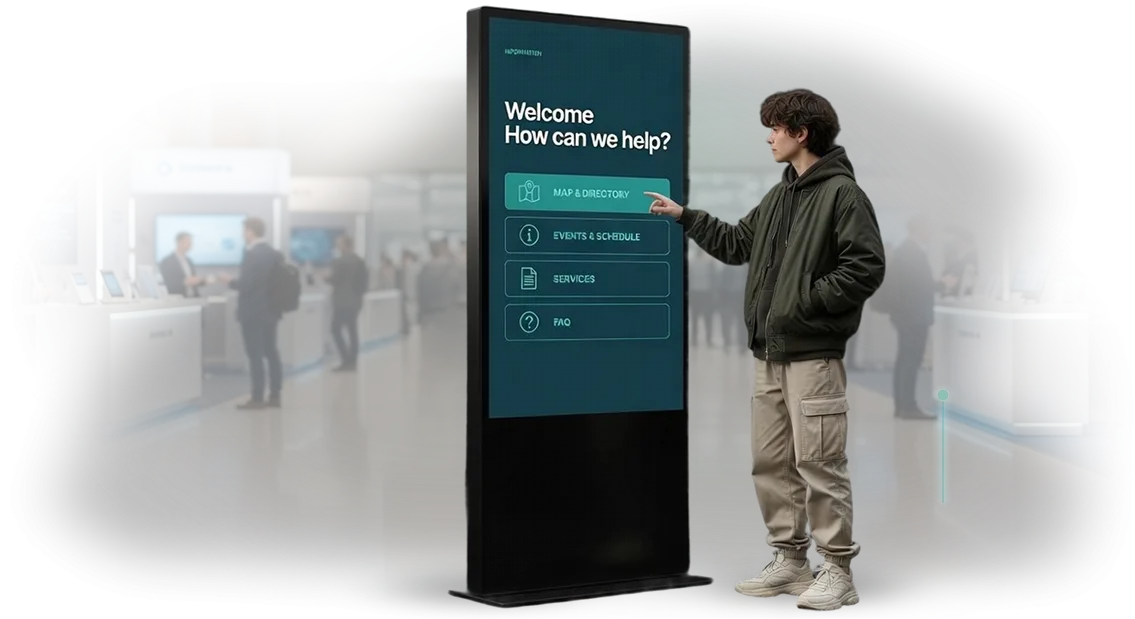
מדוע קיוסק ללא אינטגרציית CRM מפסיד רווח
קיוסק אינטראקטיבי ללא אינטגרציית CRM הוא מסוף יקר שאוסף נתונים "למגירה". מבקר משאיר פרטים, בוחר שירות ומגיש בקשה, אך המידע לעולם לא מגיע למאגר המשותף.
המנהל אינו רואה את הפנייה, הלקוח אינו מקבל מענה, והחברה מפסידה הזמנה שכבר הייתה כמעט ביד.
אובדן לידים קורה בשקט כי כל ערוץ מכירות חי חיים משלו. חלק מהלקוחות מגיעים דרך הקיוסק, חלק מתקשרים, חלק משאירים בקשה באתר — ואף אחת מהאינטראקציות הללו לא מצטברת למשפך אחד.
הצוות חייב להעביר נתונים ידנית, מה שגורם לשגיאות ועיכובים. שירות הלקוחות הופך ללא שיטתי: אדם ממתין לתשובה יותר מהרגיל או עוזב למתחרה מבלי לקבל טלפון כלל.
ללא אינטגרציית CRM, אינך יכול לזהות מבקר חוזר, לזכור את העדפותיו או להציע לו את מה שהוא באמת צריך. כל אינטראקציה מתחילה מאפס, וזה אומר הפסדים ישירים: מכירות חוזרות לא גדלות, הנאמנות יורדת, והחשבון הממוצע נשאר נמוך.
אנחנו סוגרים את הפער הזה. אנו משלבים את הקיוסק האינטראקטיבי שלך עם מערכת ה-CRM שלך כך שכל בקשה נוחתת במערכת אחת באופן מיידי ובפורמט ברור.
מנהלים מגיבים במהירות, לקוחות מקבלים תשובות בזמן, ואתה רואה את תמונת המכירות המלאה — ללא עבודה ידנית, שגיאות או הזמנות שחומקות.
מה אינטגרציית קיוסק עם מערכות CRM מביאה לעסק שלך
קיוסק אינטראקטיבי ללא חיבור ל-CRM הוא רק מסך עם תפריט. הוא מספק מידע אך אינו זוכר, מנתח או עוזר לך לקבל החלטות.
כאשר הקיוסק מחובר ל-CRM, הוא הופך לחלק מהמערכת האקולוגית של הלקוחות שלך: כל הקשה וכל פעולת מבקר הופכים לנתונים שעובדים למען צמיחת הרווח.
הדבר העיקרי שאתה מקבל הוא מאגר לקוחות אחיד. בין אם אדם מגיע דרך הקיוסק, האתר או המשרד, אתה רואה את היסטוריית האינטראקציה המלאה.
זה עוזר לך להימנע מאובדן אנשי קשר, להבין מי הוא אורח קבוע ומי מבקר בפעם הראשונה, ולתקשר עם כל אדם באופן אישי.
היתרון השני הוא אנליטיקה מדויקת. במקום ניחושים ודוחות מילוליים, אתה רואה מספרים: אילו שירותים מבוקשים, מתי מתרחש עומס שיא, וכמה אנשים השתמשו בפועל בקיוסק.
עם נתונים אלה, אתה יכול בקלות להתאים את המבחר, לשנות שעות פעילות או להשיק מבצע ממוקד — בדיוק במקום שבו תהיה לו השפעה.
שלישית — הצעות מותאמות אישית. הקיוסק מזהה את הלקוח לפי כרטיס מועדון או מספר טלפון ומציע מיד מה שרלוונטי עבורו: הנחה על שירות אהוב, תוספת להזמנה או בונוס לביקור חוזר. הלקוח מרגיש שמטפלים בו, והחשבון הממוצע שלך גדל.
לבסוף, יש את מהירות השירות. שירות עצמי דרך הקיוסק מקצר את זמן התור, פורק עומס מהמנהלים ומאפשר לך לשרת יותר לקוחות באותו פרק זמן. שירות מהיר פירושו מבקרים מרוצים שחוזרים ומביאים את חבריהם.
בסופו של דבר, אינטגרציית CRM אינה תוספת טכנית; היא כלי עסקי. אתה הופך תהליכים שגרתיים לאוטומטיים, אוסף נתונים ללא מעורבות צוות, והופך כל מגע להזדמנות מכירה פוטנציאלית.
הצוות שלך מתמקד בצמיחה ולא בניירת — וזה ניכר הן ברווחים והן בנאמנות הלקוחות.
פורמטי קיוסק למשימות עסקיות שונות
פורמט הקיוסק חייב להתאים למשימה שהוא פותר.
בחנות, הוא עוזר ללקוחות למצוא מוצר במהירות ומונע מהם ללכת לאיבוד בתור; בבית קפה, הוא מקבל הזמנות ללא המתנה למלצר; במספרה, הוא קובע ללקוח שעה נוחה ומזכיר לו על הביקור; באירוע, הוא מערב אורחים ואוסף אנשי קשר.
אין "קיוסק אוניברסלי להכל", ולכן אנו בוחרים תצורה על סמך התרחיש העסקי שלך ומשלבים אותה עם מערכת ה-CRM שלך.
להלן השוואה של פורמטים טיפוסיים. זו הנחיה, לא הגבלה נוקשה: בכל פרויקט אנו מתאימים את התרחיש לתהליכים ולקהל שלך תוך שמירה על מה שחשוב ביותר — ערך ללקוח ותוצאה מדידה לעסק.
| פורמט | למי הוא מיועד | מה הוא נותן ללקוח |
|---|---|---|
| קיוסק מסך מגע לקמעונאות | רשתות קמעונאיות, בוטיקים, היפרמרקטים של עשה-זאת-בעצמך | קונים מוצאים מוצרים בעצמם, בודקים זמינות ומבצעים — התור מתקדם מהר יותר, ההמרה לרכישה עולה, והיועצים מתמקדים בשאלות מורכבות במקום לחזור על "זה על המדף השלישי" |
| קיוסק לבתי קפה ומסעדות | בתי קפה, מזון מהיר, מסעדות מזדמנות | אורח מזמין תוך 30 שניות, רואה מרכיבים ואלרגנים, וטיפים וביקורים חוזרים הופכים לחלק מתוכנית נאמנות המקושרת ל-CRM |
| קיוסק למספרות ומרפאות | מכון יופי, מרפאת שיניים, מרכז רפואי | לקוחות בוחרים שירותים ומומחים, רואים שעות פנויות, קובעים תורים ומקבלים תזכורות — פחות ביטולים, ניצול טוב יותר של המומחים |
| דלפק אינטראקטיבי | אולמות תצוגה, מוזיאונים, אזורי תערוכות, כנסים | אורחים משתתפים במשחק או חידון, משאירים פרטים בתמורה לחומר שימושי, ואתה מקבל מאגר של לידים חמים לשיווק במייל |
אנו מתכננים כל אחד מהפורמטים הללו סביב מערכת ה-CRM שלך: הזמנה, תור, רישום או שאלון — כל הנתונים נכנסים ישירות למערכת המתאימה ומפעילים אוטומטית תרחיש: מייל, הזמנת SMS או משימה למנהל.
ספר לנו איזה תהליך אתה רוצה לזרז, ואנו נציע פורמט שמחזיר את ההשקעה בתוך החודשים הראשונים לפעילות.
איך פועל פרויקט פיתוח והשקה
כאשר אתה מזמין פיתוח של קיוסק אינטראקטיבי, חשוב להבין היכן אתה נמצא בתהליך ומה תקבל בסופו. שלבי פיתוח הקיוסק רצים מהבריף הראשוני ועד ההשקה והתמיכה.
בנינו את התהליך כך שתמיד יהיה לך ברור לגבי לוחות זמנים, היקף העבודה והשלבים הבאים — ללא הפתעות או צווארי בקבוק נסתרים.
-
בריף ואישור פרויקט. אנו אוספים את הדרישות העסקיות שלך: מה הקיוסק אמור לעשות, מי ישתמש בו, ועם אילו מערכות הוא אמור לעבוד.
בשלב זה אנו מסיימים את הדרישות לעיצוב, פונקציונליות ואינטגרציית CRM — כך שהחלטות מפתח לא יצטרכו להיעשות מחדש בשלב הסופי.
-
תוכנית ולוח זמנים ליישום. לאחר הבריף, אנו מכינים תוכנית עבודה עם שלבים ותאריכים. אתה רואה מתי אב הטיפוס יהיה מוכן, מתי יתבצעו הבדיקות ומתי תתבצע ההשקה.
לוח זמנים ברור זה עונה על השאלה "מתי זה מוכן?" ועוזר לך לתכנן את משאבי הצוות שלך.
-
פיתוח אב טיפוס ואישורו. אנו מציגים מוקאפים ואת ההיגיון התפעולי של הקיוסק — כיצד מבקרים יתקשרו עם המסך. אתה מבצע עריכות לפני ההשקה, לא אחריה, כך שכל שינוי עולה פחות ואינו דוחה את לוח הזמנים הכולל.
-
אינטגרציה עם CRM ומערכות הנהלת חשבונות. אנו מחברים את הקיוסק למערכת ה-CRM שלך כך שנתוני המסך מגיעים מיד למחלקות הרלוונטיות: שאלונים, הזמנות, תורים או בקשות. זה מבטל לחלוטין הזנת נתונים ידנית ומאיץ את עבודת המנהלים.
-
בדיקת קיוסק והשקה. אנו בודקים את התפעול על מכשיר אמיתי: תרחישי מבקר טיפוסיים, מהירות תגובה ותגובה לפעולות חריגות. לאחר מכן, אנו מתקינים את הקיוסק באתר שלך ומכשירים את הצוות שלך לניהול תוכן ותמיכה בסיסית.
-
תמיכה ופיתוח. לאחר ההשקה, אנו נשארים בקשר: מעדכנים מבצעים, משנים קטעים ומוסיפים פונקציות חדשות. אתה לא מקבל מסך סטטי אלא כלי עבודה שגדל עם העסק שלך וממשיך לספק ערך במשך חודשים.
מה כלול בחבילת מסירת הקיוסק
חבילת הקיוסק מתוכננת כך שתקבל כלי עבודה ללא "הפתעות" בהתחלה. אנו מספקים לא רק מכשיר אלא מערכת שלמה: תוכנה מוגדרת, שירותים מחוברים ותיעוד ברור.
גישה זו חוסכת זמן לצוות שלך ומבטיחה ביצועים יציבים של הציוד מהיום הראשון — מה שמשפיע ישירות על מהירות שירות הלקוחות ועל ההחזר על ההשקעה.
- קיוסק מורכב ונבדק במלואו — הציוד מגיע מוכן; כל מה שצריך לעשות הוא לחבר אותו ולהתחיל להשתמש.
- תוכנה — מערכת ניהול תוכן מותקנת מראש ומוגדרת למשימות שלך, מבנה תפריט ועיצוב.
- אינטגרציית CRM — נתונים מהקיוסק (בקשות, שאלונים, הזמנות) מגיעים אוטומטית למאגר שלך, ללא הזנה ידנית או אובדן מידע.
- הכשרת צוות — אנו מקיימים מפגשי הדרכה למנהלים ומפעילים ומספקים דפי עזר פשוטים: הצוות שלך ישלוט במהירות בהפעלה.
- אחריות על הקיוסק — חומרה ותוכנה מגיעות עם אחריות רשמית של היצרן ותמיכת השירות שלנו.
- שירות תחזוקה — בדיקות מונעות סדירות, אבחון מרחוק והחלפת רכיבים במהלך הפעולה.
- תיעוד וגישה — סט מלא של מסמכים, פרטי התחברות והוראות ניהול לצוות הטכני שלך.
מקרה בוחן: איך קיוסק החזיר את עצמו תוך 4 חודשים
מקרה אמיתי מהפרקטיקה: קיוסק אינטראקטיבי החזיר את עצמו תוך 4 חודשים והגדיל את החשבון הממוצע ב-18%. כך זה קרה.
רשת חנויות אלקטרוניקה — ElectroCity — עם 15 סניפים התמודדה עם יועצים עמוסים ותורים בדלפקי המידע.
התקנו קיוסקים לשירות עצמי: קונים משווים דגמים בעצמם, רואים זמינות ומחיר, ומקבלים הנחה אישית בעת ביצוע הזמנה דרך הקיוסק. זה זירז את החלטת הרכישה ופירק עומס מהצוות.
ב-4 החודשים הראשונים, החשבון הממוצע בסניפים עם קיוסקים עלה ב-18% — לקוחות ראו יותר מוצרים נלווים ותוספות. זמן ההמתנה לייעוץ נחתך בחצי, ומנהלים התמקדו בשאלות מורכבות ובמכירות.
ההכנסה הנוספת מהחשבון הגבוה כיסתה שליש מעלות הפרויקט, וכל ההשקעה הוחזרה תוך 4 חודשים.
לאחר הפיילוט, הלקוח הרחיב את רשת הקיוסקים ל-10 סניפים חדשים והזמין אינטגרציה עם תוכנית הנאמנות שלו.
כעת הקיוסקים לא רק מוכרים אלא גם אוספים נתונים עבור ה-CRM: כל הזמנה נכנסת אוטומטית למאגר, והשיווק שולח הצעה מותאמת אישית ללקוח יום לאחר הרכישה.
תוצאה זו אינה מזל אלא תוצאה של גישה נכונה: אנו מתחילים לא מ"חומרה" אלא מהיעדים העסקיים שלך. אם אתה רוצה קיוסק שמספק ערך מדיד, צור קשר ואנו נראה לך חישוב החזר השקעה עבור התרחיש שלך.
איך לבחור פורמט קיוסק למשימה שלך?
פורמט הקיוסק אינו עניין של עיצוב אלא של תרחיש. לפני הבחירה, קבע מה המבקר אמור לעשות במסך: למצוא מידע במהירות, להגיש בקשה, להזמין שירות או להשאיר פרטים. הבנייה, הפונקציונליות וההתאמה של הקיוסק לחלל שלך תלויות בכך.
קיוסקים עומדים נוחים באזורים עם תנועה גבוהה: הם בולטים, יציבים ומאפשרים למספר מבקרים להשתמש במסך בו זמנית.
לתערוכות וכנסים משתמשים לעתים קרובות בדגמים קומפקטיים לשולחן — הם תופסים מעט מקום וקל להעבירם ממקום למקום. פאנלים צמודי קיר עובדים היטב במקום שבו כל מטר רבוע חשוב, כמו אזורי המתנה או מסדרונות צרים.
אבל הפורמט הוא רק חצי מהפתרון. חשוב שתוכנת הקיוסק תהיה גמישה ותשתלב בקלות עם מערכת ה-CRM שלך. אז כל מגע של אורח נכנס אוטומטית למאגר והופך לחלק מהיסטוריית הלקוחות — ללא הזנה ידנית או אובדן נתונים.
זה חשוב במיוחד באירועים ובקמעונאות: אתה מקבל גם שירות נוח למבקרים וגם תוצאה מדידה לעסק.
עצה מעשית: התחל בתיאור מסע האורח. מה הוא רואה, לאן הוא לוחץ, אילו נתונים הוא משאיר? אם אתה צריך לאסוף אנשי קשר במהירות, טופס פשוט עם קריאה ברורה לפעולה מספיק.
אם המשימה מורכבת יותר, כמו מפה אינטראקטיבית או קטלוג, בחר פורמט עם מסך גדול ויכולת להתאים אישית את הממשק לתרחישים שלך.
הקריטריון המרכזי הוא התאמת הפורמט למשימה העסקית, לא גודל המסך. קיוסק שנבחר כראוי מחזיר את עצמו כבר באירוע הראשון: מבקרים מקבלים שירות מהיר, ואתה מקבל נתונים מובנים להמשך עבודה.
אם אינך בטוח, התחל בייעוץ: מומחים יעזרו לך לבחור את הפורמט והפונקציונליות האופטימליים למשימה הספציפית שלך, כולל אינטגרציה עם מערכת ה-CRM שלך.
חששות נפוצים של לקוחות והתשובות שלנו
לקוחות רבים מהססים לפני השקת קיוסקים למידע: האם הציוד יעבוד ללא תקלות, מי יטפל בתחזוקה, ומתי הפרויקט יחזיר את ההשקעה. אלה שאלות נורמליות — מענה עליהן עוזר לבנות אמון עם הקבלן.
אנו מטפלים בחששות אלה בשלב החוזה: אנו מספקים אחריות על ציוד ועבודה ומגדירים תוכנית תמיכה. להלן תשובות לשאלות הנפוצות ביותר.
עד כמה הקיוסק אמין בפעולה יומיומית רציפה?
הקיוסק מתוכנן לשימוש אינטנסיבי: רכיבים מקצועיים עומדים בפעולה מסביב לשעון. זמן ממוצע בין תקלות מנוטר מרחוק, כך שרכיב מוחלף לפני שהוא יכול להשפיע על הביצועים.
מי יתחזק את הקיוסק לאחר ההשקה?
אתה מקבל תחזוקה באחריות: בדיקות מתוזמנות, עדכוני תוכן ותוכנה והחלפת חלקים. אנו עובדים מרחוק — רוב הבעיות נפתרות תוך יום עסקים.
האם הלקוח יכול לעדכן מידע בקיוסק בעצמו?
כן. אנו מגדירים ממשק ניהול כך שהעובד שלך יוכל לעדכן חדשות ותפריטים תוך דקות ספורות. אם משתמשים במערכות CRM, הנתונים נמשכים אוטומטית — הקיוסק מציג סטטוסים ובקשות עדכניים. שינויים מורכבים עוברים דרך התמיכה.
כמה זמן לוקח לקיוסק להחזיר את עצמו?
תקופת ההחזר תלויה בפורמט — לעתים קרובות ממספר חודשים עד שנה. אנו מחשבים על סמך שלושה גורמים: חיסכון בכוח אדם, גידול בחשבון הממוצע ומהירות השירות. במהלך ייעוץ, נבנה מודל עבור התרחיש שלך.
דון בפרויקט הקיוסק האינטראקטיבי שלך
האם נדון במשימה שלך? לכל עסק יש תרחיש משלו: חלקם צריכים קיוסק לניווט, אחרים להגשת בקשות או איסוף אנשי קשר.
אנו לא מציעים מכשיר תבניתי "מוכן מהמדף"; במקום זאת, אנו מתכננים פתרון סביב הלקוחות שלך והתהליך שלך. לכן אנו מתחילים בייעוץ: אנו מקשיבים, מבהירים ומייעצים היכן קיוסק יחזיר את ההשקעה מהר יותר.
השאר את בקשת הקיוסק שלך בעמוד — ניצור איתך קשר תוך יום עסקים אחד, נענה על שאלותיך ונכין הערכת עלות ראשונית. זה לא מחייב: תקבל תמונה ברורה של לוחות זמנים, תקציב ואפשרויות לפני קבלת החלטה.
למה נוח לעבוד איתנו:
- קבל ייעוץ קיוסק והמלצת פורמט — מדוכן קומפקטי ועד מסך מגע גדול.
- קבל חישוב עלות מדויק לפרויקט שלך: ללא עמלות נסתרות או "הפתעות" בהערכה.
- נסכים על פרויקט אישי — מראה, תרחישים, מבנה תפריט וציוד נדרש.
- נגדיר אינטגרציה עם מערכת ה-CRM שלך: נתונים על לקוחות ובקשותיהם ייכנסו אוטומטית למאגר שלך.
- קבל תמיכה לאחר ההשקה: עדכונים, התאמות ותמיכה טכנית — ללא עיכובים.
- אנו עובדים עם ציוד מקצועי, כך שהקיוסק פועל ביציבות תחת תנועה מתמדת.
הגשת בקשת קיוסק אורכת כמה דקות. לאחר שיחה קצרה, תבין איזה פתרון מתאים לעסק שלך וכמה זמן נדרש ליישום. השאר את פרטיך — מהנדס ומנהל יבחרו את האפשרות הטובה ביותר למשימות ולתקציב שלך.