

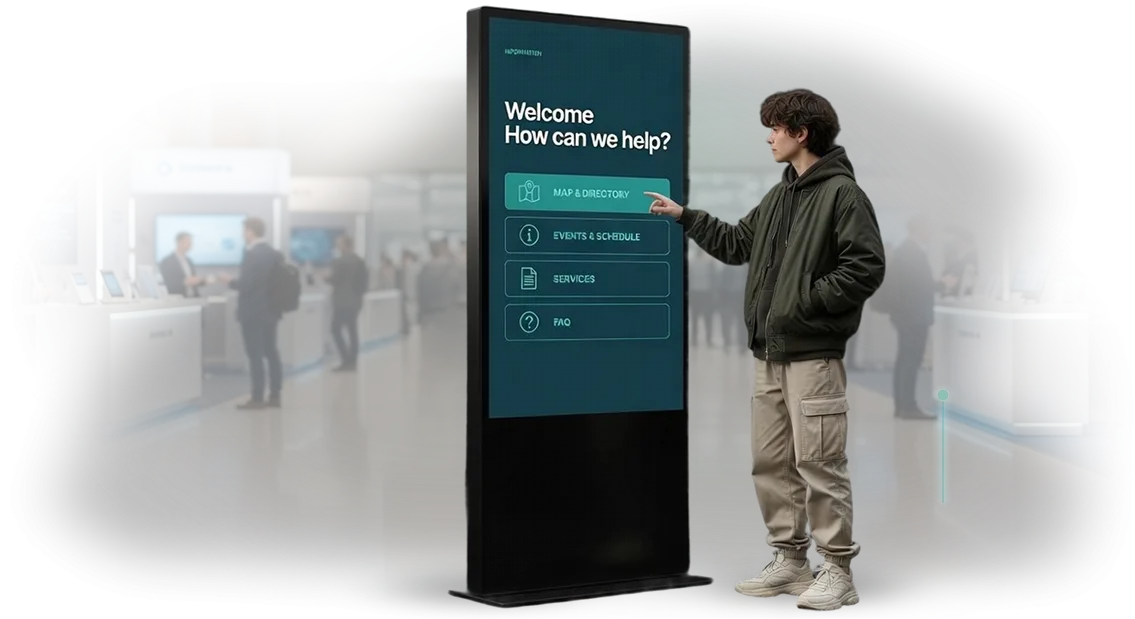
ייעול הנהלת החשבונות: קיוסקים עם מערכות הנהלת חשבונות וניהול פיננסי
הנהלת חשבונות היא לא רק מספרים — היא גם זרם של פעולות שגרתיות. כל מכירה, החזרה או תעודת משלוח דורשות הזנת נתונים ידנית, מה שתופס מזמנם של העובדים ויוצר סיכון לשגיאות. אי-התאמות ברישומים מובילות להתאמות ממושכות ועיכובים בדיווח הכספי.
קיוסקים אינטראקטיביים מסירים את הנטל הזה. הם מעבירים אוטומטית נתונים על כל עסקה למערכות הנהלת החשבונות והניהול הפיננסי.
קופאים ורואי חשבון כבר לא צריכים להזין מספרים ידנית — המידע מגיע למערכת החשבונאית מעצמו, ברגע ביצוע העסקה.
עבור עסקים, זו אוטומציה של הנהלת חשבונות בצורתה הטהורה ביותר: פחות פעולות ידניות, פחות שגיאות, סגירת תקופה מהירה יותר. ההנהלה רואה הכנסות עדכניות מיד לאחר מכירה, לא ביום שלמחרת.
אם החברה משתמשת ב-1C, אנו נגדיר את האינטגרציה כך שהיא לא תעצור את הפעילות או תחייב עיבוד מחדש של תהליכים.
הקיוסק נשאר נוח למבקרים: הוא מקבל הזמנות, מעבד תשלומים ומפיק קבלות. הנהלת החשבונות מקבלת מסמכי מקור מדויקים, והרישומים הפיננסיים מקבלים תמונה שקופה של תזרים המזומנים. בסופו של דבר, אתם חוסכים זמן לצוות שלכם ומגנים על החברה מהפסדים הנגרמים מטעויות אנוש.
אנו נעבוד על כל התרחישים — ממכירה ועד החזרה, נאמת את דיוק הנתונים ונכשיר את הצוות שלכם. לאחר ההשקה, מחלקת הנהלת החשבונות תבחין שהעבודה הידנית ירדה משמעותית והדיווח מתגבש מהר יותר.
יתרונות מרכזיים לעסק ולאורחים
בצוות שלנו אנו מפתחים קיוסקים שהופכים לחלק מלא מהתשתית הפיננסית שלכם. אינטגרציה עם מערכות הנהלת חשבונות וניהול פיננסי מספקת ארבעה יתרונות מדידים — בעלי ערך גם להנהלה וגם לאורחים.
- נאמנות מוגברת. אורחים מעריכים שירות שבו הם לא צריכים לעמוד בתור או לשאול שוב. מסך ברור ותשלום מיידי בונים הרגל לחזור — ביקורים חוזרים גדלים ללא הוצאות פרסום נוספות.
- מהירות שירות. הזמנה ותשלום אורכים דקות במקום התור הרגיל. בשעות השיא, קיוסק מטפל בכמה פעמים יותר מבקרים מאשר קופאי — והוא לא מתעייף ולא מוסח.
- שקיפות תפעולית. כל עסקה נכנסת אוטומטית למערכת החשבונאית: הכנסות, יתרות והחזרות נראות ללא התאמה ידנית. זה מבטל אי-התאמות ומחלוקות עם צוות או אורחים.
- עלויות נמוכות יותר. פחות זמן מושקע בשירות — פחות הוצאות על צוות והכשרתו. אוטומציה של דיווח חוסכת לרואה החשבון כמה שעות עבודה בכל יום.
כדי לקבל את היתרונות האלה, אין צורך לשנות את מערכת הנהלת החשבונות שלכם — אנו מגדירים חילופי נתונים עם הפלטפורמה הנוכחית שלכם, והקיוסק מתחיל לעבוד כחלק מצוות הפיננסים שלכם.
האינטגרציה מתבצעת ללא עצירת פעילות העסק, והעובדים שומרים על ממשק מוכר. התוצאה היא לא רק נקודת שירות, אלא צומת מוכן של תשתית פיננסית שמחזיר את ההשקעה באמצעות מהירות ודיוק.
פורמטים של קיוסקים אינטראקטיביים למשימה שלכם
בחירת הפורמט תלויה במשימה שהקיוסק אמור לבצע: קבלת תשלומים, סיוע בניווט או הצגת מוצר.
קיוסק תשלום מאיץ את השירות ומוריד עומס מהקופה; קיוסק מידע עונה על שאלות נפוצות ללא מעורבות צוות; ולוח מגע הופך חלון ראווה למצגת אינטראקטיבית.
מה שהכי חשוב הוא שכל אפשרות משולבת בתהליכי הנהלת החשבונות שלכם — כך שהזמנות ותשלומים מגיעים אוטומטית למערכת הניהול הפיננסי.
לכן ריכזנו השוואה בין הפורמטים הפופולריים. ראו איזה מהם מתאים ביותר לתרחיש שלכם, ושימו לב לאוטומציית התשלומים ולהעברת הנתונים למערכת החשבונאית.
| פורמט קיוסק | למי מיועד | מה הוא נותן ללקוח |
|---|---|---|
| קיוסק תשלום | קמעונאות, מסעדנות, מועדוני כושר, חניונים | קבלת תשלומים ללא קופה רושמת, הפקת קבלות מיידית, העברה אוטומטית של מכירות ל-1C ולמערכות אחרות |
| קיוסק מידע | קניונים, מוזיאונים, מוסדות ממשלתיים, בנקים | ניווט ומידע על שעות פעילות, הפחתת עומס על הצוות, איסוף סטטיסטיקת פניות |
| לוח מגע | אולמות תצוגה, תערוכות, סלונים | הצגת מוצרים ושירותים, בקשה מיידית להתקשרות חוזרת, הזמנה מהירה דרך הממשק |
בכל הפורמטים, אוטומציית התשלומים פועלת באותו אופן: הלקוח בוחר שירות או מוצר, משלם בכרטיס, והנתונים נשלחים מיד למערכת החשבונאית. זה מבטל הזנה ידנית, מפחית שגיאות ונותן לכם תמונה עדכנית של הכנסות בכל רגע.
לא בטוחים איזה פורמט מתאים לכם? אנו ננתח את התהליכים שלכם ונציע פתרון עם האינטגרציה הנכונה — ממסך פשוט ועד עמדת שירות עצמי מלאה. התוצאה: שירות מהיר יותר, פחות שגרתיות לצוות ודיווח פיננסי שקוף.
איך מתבצע היישום: מהבריף ועד ההשקה
היישום הוא תהליך שקוף: בכל שלב אתם מבינים מה קורה ומה תהיה התוצאה. להלן שלבי היישום האופייניים. הם מותאמים למשימה שלכם, אבל ההיגיון תמיד ברור ומוסכם.
- בריף והבנת המשימה — אנו דנים כיצד הקיוסק אמור לעבוד עם מערכת הנהלת החשבונות שלכם: אילו נתונים להעביר, מי ישתמש בהם וכיצד. אנו מתעדים יעדים וקריטריוני הצלחה.
- עיצוב תרחישים — אנו מכינים תוכנית של התהליך העתידי: כיצד עובד או מבקר מתקשר עם הקיוסק, ואילו פעולות עוברות דרך הנהלת החשבונות והפיננסים.
- אישור תוכנית ולוח זמנים — אנו מציגים את השלבים, היקף העבודה ונקודות ביקורת. אתם מאשרים את התוכנית, ורק אז אנו מתחילים ביישום.
- פיתוח ואינטגרציה — אנו מגדירים חילופי נתונים בין הקיוסק למערכת החשבונאית ובודקים את תקינות הרישומים והדוחות.
- בדיקות ועידון — אנו מריצים תרחישים על נתונים אמיתיים, מבטלים אי-דיוקים ומוודאים שהפעולות נרשמות כראוי.
- השקה — אנו מתקינים את הפתרון, מאמנים את הצוות ותומכים בימי הפעילות הראשונים. אתם מקבלים קיוסק עובד ומדריך הפעלה ברור.
- תמיכה לאחר ההשקה — אנו נשארים בקשר: עדכונים, ייעוצים, התאמות לשינויים במדיניות החשבונאית או למשימות חדשות.
מה כלול במסירה: חבילה מלאה לעסק שלכם
אתם מקבלים לא רק קיוסק, אלא עמדת עבודה מוכנה לשימוש שמספקת ערך מהיום הראשון. אנו מטפלים בהכל: מבחירת הציוד ועד להגדרת הקישוריות עם מערכת הנהלת החשבונות והניהול הפיננסי שלכם. כל מה שנדרש מכם הוא לחבר ולהתחיל להשתמש.
החבילה הסטנדרטית כוללת את כל הדרוש להשקה ולפעילות יציבה:
- ציוד. קיוסק עם מסך מגע במעטפת נגד ונדליזם, המיועד לשימוש אינטנסיבי. מתאים ללובי, אזורי מכירה ואזורים חיצוניים — עמיד בפני אבק, לחות ותנודות טמפרטורה.
- תוכנה. פלטפורמה מותקנת מראש עם הלוגו והקטגוריות שלכם. כבר מוגדרת לחילופי נתונים עם מערכות הנהלת חשבונות וניהול פיננסי — מחירים, יתרות ודוחות מתעדכנים אוטומטית, ללא הזנה ידנית.
- התקנה וחיבור. אנו מספקים, מתקינים, מחברים לחשמל ולשרת שלכם ובודקים את כל התרחישים. אתם מקבלים קיוסק עובד במסגרת הזמן המוסכמת.
- הכשרת צוות. אנו מעבירים מפגש הדרכה קצר לעובדים שלכם: כיצד לשנות בלוקי מידע, לצפות בדוחות ולפעול במצבי חירום. אין צורך להעסיק מנהל מערכת ייעודי.
- תיעוד. אנו מספקים הוראות הפעלה ותחזוקה ברורות ברוסית, וכן גרסאות אלקטרוניות לתקנונים הפנימיים שלכם.
- תמיכה ואחריות. הציוד והתוכנה מכוסים באחריות. אם קורה משהו, אנו שולחים חלקי חילוף או מגיעים לאתר כדי שהקיוסק לא יישאר מושבת.
כך אתם מקבלים פתרון כולל ומפתחות: ציוד אמין, תוכנה מוגדרת וצוות מיומן. זה מקצר את זמן ההשקה משבועות לכמה ימים ומבטל את הצורך להתעסק בפרטים טכניים. כל מה שנשאר הוא להעריך את האפקט: עומס מופחת על הצוות ושירות מהיר יותר ללקוחות.
מקרה בוחן: ביצועים פיננסיים גבוהים יותר וזמן שירות קצר יותר
רשת הקמעונאות "גוריזונט" עם 15 חנויות נתקלה בנקודת כאב מוכרת: בשעות השיא נוצרו תורים בקופות, והקופאים עשו שגיאות בסכומים ובעודף בעת הזנת נתונים ידנית.
זה פגע בהכנסות ובסבלנות הלקוחות. הצענו להעביר חלק מהתשלומים לקיוסקים אינטראקטיביים, המשולבים עם מערכות הנהלת החשבונות והניהול הפיננסי של החברה מההתחלה.
ההשקה ארכה חודשיים: קיוסקים הופיעו באזורי שירות עצמי, בעוד הקופות הרגילות נשארו למי שמעדיף אינטראקציה אנושית.
שמות מוצרים, מחירים, הנחות ומסים הוזנו אוטומטית למסמכים החשבונאיים — ההעברה הידנית נעלמה, וניתוח המכירות הפך לזמין יומיומי.
תוצאות הפרויקט
ברבעון הראשון, ערך העסקה הממוצע בקיוסקים גדל ב-20%: המערכת הציעה מוצרים משלימים והזכירה ללקוחות על מבצעים. שגיאות הקופאים ירדו ב-30% — הנתונים מגיעים ישירות למערכות החשבונאיות, ללא הזנה כפולה.
מהירות השירות עלתה בכמעט שליש: זמן התשלום ירד מארבע דקות לדקה וחצי, וקיוסק אחד מחליף עד שלושה קופאים בשעת שיא.
הפרויקט החזיר את ההשקעה תוך שמונה חודשים. השעות שנחסכו לצוות הופנו לייעוץ בחנות ולעיצוב תצוגות, מה שהעלה את המכירות בפלח הביניים.
הרשת מרחיבה כעת את הפתרון למיקומים חדשים — כל חנות מושקת עם אינטגרציה מוגדרת מראש.
תשובות לשאלות וחששות נפוצים
כשמדובר באינטגרציה של קיוסקים אינטראקטיביים עם מערכות הנהלת חשבונות וניהול פיננסי, בעלי עסקים נוטים לשאול את אותן שאלות. נתייחס לחששות המרכזיים: מה קורה אם יש תקלה, מי אחראי על עדכונים וכיצד מוגנים הנתונים.
מה קורה אם הקיוסק או מערכת הנהלת החשבונות נופלים?
אנו בונים את האינטגרציה כך שגם במהלך תקלה זמנית, אף נתון לא אובד: עסקאות נשמרות בקיוסק ונשלחות למערכת החשבונאית ברגע שהחיבור משוחזר. זה אומר שהכספים שלכם נשארים מסודרים, והלקוחות לא ישימו לב לבעיות.
מי אחראי על עדכונים ותמיכה?
אנו מטפלים בתחזוקת האינטגרציה: אנו מעדכנים את התוכנה, עוקבים אחר תאימות לשינויים במערכות החשבונאיות ומגיבים במהירות לפניות. אין צורך להעסיק מומחה נפרד — הכל כלול בחוזה.
כיצד אתם מגנים על נתוני הנהלת החשבונות והתשלומים?
הנתונים מועברים בערוצים מאובטחים, הגישה מבוססת תפקידים, וכל המידע מאוחסן בהתאם לדרישות האבטחה. אתם מקבלים פתרון אמין שאינו יוצר סיכונים לדיווח החשבונאי והפיננסי שלכם.
אילו ערבויות אתם מספקים?
אנו מגדירים את התחייבויות האחריות בחוזה, מציינים זמני תגובה לפניות תמיכה ואחראים לפעילות יציבה של הקיוסק והאינטגרציה. אם עולות שאלות, צוות התמיכה שלנו זמין תמיד.
בקשו ייעוץ בנושא אינטגרציית קיוסקים
אינטגרציה של קיוסק אינטראקטיבי עם מערכות הנהלת חשבונות וניהול פיננסי פותרת בעיה מעשית, לא רק טכנית: נתוני תשלומים ומכירות מגיעים אוטומטית למקום שבו הם צריכים להיות — לדיווחים שלכם.
אינכם צריכים עוד להתאים קבלות ידנית, להעביר עסקאות או לחכות שמנהל ירכיב את תוצאות היום.
שלחו פנייה — אנו ננתח את המצב שלכם ונכין פתרון מותאם. כך עובד התהליך:
- פנייה. אתם כותבים או מתקשרים אלינו, ומתארים בקצרה אילו פעולות עוברות דרך הקיוסק ולאיזו מערכת הנתונים צריכים להגיע.
- ייעוץ. אנו מבררים את הפרטים ומסבירים כיצד תיראה האינטגרציה עבור התרחיש הספציפי שלכם: מה יואץ, אילו תהליכים יהפכו לאוטומטיים ומה נדרש לשם כך.
- פתרון מותאם. אנו מציעים תוכנית לתהליכים העסקיים שלכם — מהעברת קבלות ועד חילופי נתונים מלאים עם המערכת הפיננסית, תוך התחשבות באופן שבו העבודה שלכם מאורגנת.
- הערכת עלות. אנו מכינים הערכת עלות שקופה: מה כלול בעבודה, כמה זמן ייקח היישום וכיצד נראית התמיכה לאחר ההשקה.
- יישום והשקה. אנו מגדירים את האינטגרציה, בודקים אותה יחד אתכם ומראים לכם כיצד לוודא שכל עסקה נרשמת כראוי.
- תמיכה. אנו נשארים בקשר לאחר ההשקה: אנו עוזרים בשינויי תהליכים, עדכונים וכל שאלה בנושא הקיוסק והנהלת החשבונות.
קבלו ייעוץ לפני שאתם משקיעים תקציב בעיבוד מחדש. אנו נמצא פתרון שחוסך זמן לצוות שלכם ומסיר שגיאות מהדיווח הפיננסי. שלחו פנייה — ונכין הערכת עלות ותוכנית פעולה למשימה שלכם.
כיצד לבחור את הפורמט הנכון למשימה שלכם, תוך התחשבות במאפייני הנהלת החשבונות?
בחירת קיוסק מתחילה לא במראה החיצוני, אלא במקום שהוא יתפוס במערכת הנהלת החשבונות שלכם. עמדת מידע, מסוף תשלום וקיוסק הזמנות הם פורמטים שונים, וכל אחד מתחבר למערכת החשבונאית בדרכו שלו. זה משפיע על מהירות ההשקה, על כמות העבודה הידנית ועל דיוק הנתונים הפיננסיים.
התחילו מרשימת הפעולות שמבקר אמור לבצע במסך: בחירת שירות, תשלום, קבלת קבלה, הזמנת זמן או פשוט עיון בקטלוג.
עבור כל פעולה, קבעו אילו נתונים צריכים לזרום אוטומטית לתוכנת הנהלת החשבונות ומה צריך לקרות עם יתרות, הזמנות או דוחות. זה יראה לכם אם הקיוסק צריך רק להציג מידע או לדרוש חילופי נתונים מלאים עם מערכת הנהלת החשבונות.
לאחר מכן, העריכו את הפורמט לפי שני קריטריונים: נוחות למבקר ועומס על הצוות. קיוסק עם הדפסת קבלות ומודול תשלום מקצר תורים ומבטל הזנה ידנית, אך דורש הגדרת חילופי נתונים עם הקופה ותוכנת הנהלת החשבונות.
מסך מידע פשוט מושק מהר יותר, אבל אם הוא לא כולל אינטגרציה, הנתונים יצטרכו להיות מועברים ידנית — וזה סיכון לשגיאות ושעות עבודה נוספות.
נוהג טוב הוא לרשום את הדרישות שלכם לפני פגישה עם ספק: רשימת הפעולות, תרחישי שעות השיא והאחראי על התאמת נתונים.
עם המידע הזה, תוכלו לבחור קיוסק שפותר את המשימה מבלי לשלם יותר מדי על תכונות מיותרות, ולתכנן את אינטגרציית מערכת הנהלת החשבונות בשלב הפיתוח ולא לאחר ההשקה.
אם אינכם בטוחים איזה פורמט מתאים למאפיינים שלכם, בואו לייעוץ: נעבור יחד על תהליכי הנהלת החשבונות שלכם, נבחר את תצורת הקיוסק ונראה כיצד האינטגרציה תשתלב במערכת הנוכחית שלכם. זה ייקח שיחה אחת — ויחסוך לכם עיבוד מחדש לאחר ההשקה.