

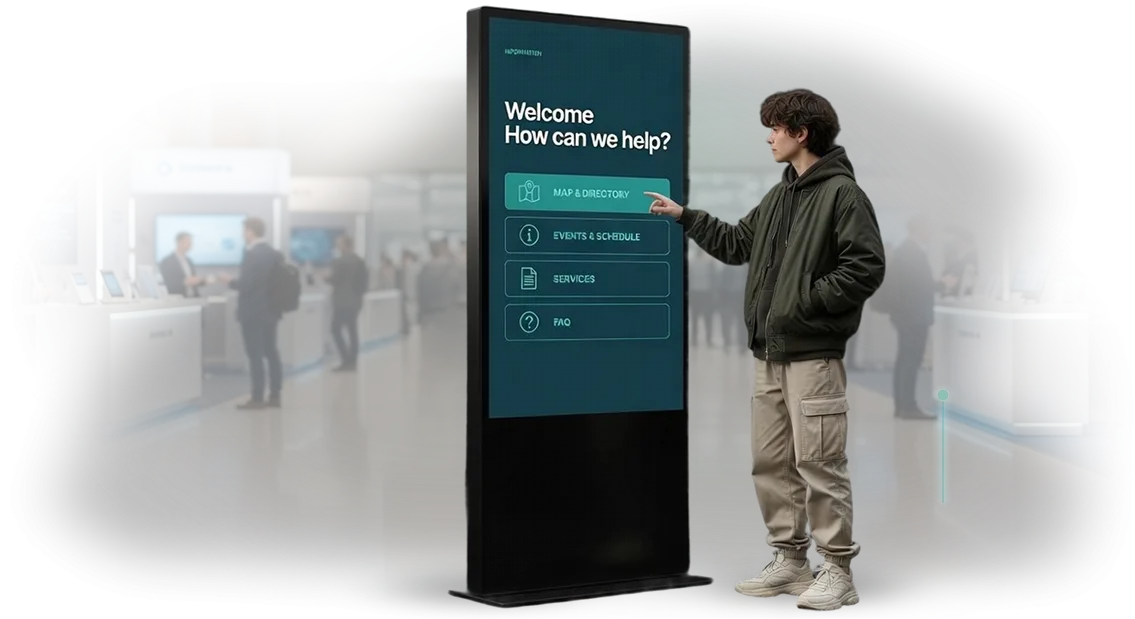
נמאס מהניירת? קיוסקים עם חתימה אלקטרונית מזרזים את התהליך
כל יום מתחיל באותה צורה: תורים, ערימות מסמכים, צוות עייף ולקוחות שמביטים בדאגה בשעון. עיבוד חוזים, הסכמות ובקשות אורך דקות — לפעמים עשרות דקות — למרות שהלקוח פשוט הגיע לתוצאה מהירה.
קיוסק אינטראקטיבי עם מערכות חתימה אלקטרונית משנה את התמונה: מסמכים נוצרים אוטומטית, נחתמים בכמה הקשות, והלקוח עוזב מרוצה במקום מותש מההמתנה.
הרעיון פשוט — להסיר שגרה מתהליכים שבהם היא לא נחוצה. במקום להזין שוב את אותם נתונים מטופס לחוזה, הקיוסק אוסף מידע פעם אחת ומכין מיידית סט מלא של מסמכים.
מערכת החתימה האלקטרונית מאפשרת ללקוח לאשר הסכמה ישירות על המסך, ללא הדפסה, חיפוש עט או סריקה. התוצאה: מהירות השירות עולה ועומס העבודה של הצוות יורד.
עבור עסקים, זו לא רק נוחות, אלא תוצאה מדידה: פחות תורים, יותר לקוחות שמוגשים ביום, עלויות נמוכות יותר לנייר ואחסון ארכיון.
לקוחות זוכרים בדיוק את המקומות האלה — שבהם נכנסים לדקה ומקבלים הכל בלי לשים לב לבירוקרטיה.
אנחנו עוזרים ליישם את ההתקנה הזו לתהליכים שלכם: אנו מגדירים את הקיוסק, מחברים את החתימה האלקטרונית ומוודאים שהמעבר לפורמט החדש לא דורש מאמץ נוסף מהצוות שלכם.
מה קיוסק נוח מספק: מהירות, שירות, נאמנות
קיוסק נוח הוא לא רק מסוף קליטת מסמכים, אלא כלי מלא לניהול הרושם של הלקוח. הצוות שלנו בונה מערכות כאלה כך שהעסק שלכם ייראה מודרני ויפעל ללא תורים.
הנה מה שהלקוח מקבל לאחר ההתקנה:
-
מהירות שירות. המבקר מבצע את השלבים באופן עצמאי תוך 5-7 דקות במקום 20-30 דקות של אינטראקציה חיה עם נציג. חתימה אלקטרונית באתר מבטלת נסיעות למשרד וביקורים חוזרים.
-
הכרה גבוהה יותר במותג. המסוף מותאם לסגנון המותג שלכם: צבעים, לוגואים, מסך פתיחה. כל מסך עובד כנקודת מגע נוספת עם המותג — הלקוח עוזב עם רושם בלתי נשכח.
-
נאמנות מוגברת. אנו מפחיתים חיכוך בשירות: אדם לא עומד בתור או ממלא טפסים, אלא עושה הכל בעצמו בקצב נוח. מבקר מרוצה חוזר שוב וממליץ עליכם לעמיתים.
-
שירות שקוף להנהלה. אתם רואים סטטיסטיקות: כמה אנשים קיבלו שירות, היכן נוצרים קשיים, אילו שירותים מבוקשים. בהתבסס על נתונים אלה, קל לשפר תהליכים ולחלק את עומס העבודה של הצוות.
השורה התחתונה פשוטה: אתם מפחיתים עלויות כוח אדם, מזרזים פעולות מפתח ומקבלים חוויית לקוח ניתנת לניהול. הקיוסק עונה על צרכי המבקרים מהר יותר — והעסק שלכם מרוויח בכל שלב. עכשיו בואו נחשב את העלות למשימה הספציפית שלכם.
פורמטים של קיוסק: מעמד מידע ועד מסוף חתימה
קיוסק אינטראקטיבי הוא לא רק ארון עם מסך. הפורמט שנבחר קובע אילו משימות המכשיר יכול לבצע: מבניית ניווט ועד עיבוד מסמכים עם חתימה אלקטרונית.
כדי שההשקעה שלכם תשתלם, חשוב להגדיר את תפקיד הקיוסק בתהליך העסקי שלכם מההתחלה. להלן מדריך לפורמטים טיפוסיים.
| פורמט | מתאים ל | מה זה נותן לעסק |
|---|---|---|
| עמדת מידע | קניונים, מרפאות, מוסדות ממשלתיים | מקל על הצוות, עונה במהירות על שאלות נפוצות |
| קטלוג אינטראקטיבי | קמעונאות, אולמות תצוגה | מגדיל את ערך ההזמנה הממוצע, מציג מוצרים ללא יועץ |
| מסוף קביעת תורים | תעשיות שירות, מרכזים רפואיים | מאוטמט קביעת תורים, מפחית את עומס העבודה של המנהל |
| מסוף חתימה | בנקים, מרכזי שירות, חברות ביטוח | מזרז עיבוד מסמכים, הופך את התהליך למשמעותי מבחינה חוקית |
הפורמטים שלעיל הם קו הבסיס שממנו אנו מתחילים בפיתוח. קיוסק יכול לשלב מספר פונקציות: עמדת מידע עם יכולת קביעת תורים, או מסוף חתימה שמציג גם קטלוג שירותים.
אם אתם צריכים מסוף חתימה, אנו משלבים אותו עם מערכת החתימה האלקטרונית שלכם. זה הופך את הקיוסק לתחנת עבודה מלאה לעיבוד מסמכים: חוזים, בקשות, הסכמות. הלקוח ממלא את הנתונים, מחיל חתימה — ומקבל מיידית את המסמך המוגמר.
פורמט שנבחר נכון משמעותו חיסכון בתקציב ותוצאה ברורה. אתם לא משלמים יותר מדי על תכונות מיותרות ומקבלים כלי שמספק ערך: טווח הגעה רחב יותר, שירות מהיר יותר, המרה גבוהה יותר.
שלבי הפרויקט: מבריף ועד השקה ותמיכה
עבודה על קיוסק עם שילוב מערכת חתימה אלקטרונית היא לא "קופסה שחורה", אלא תהליך ברור עם נקודות ביקורת קבועות. אתם תמיד יודעים באיזה שלב נמצא הפרויקט, מה כבר נעשה ומה הלאה. אנו מבנים את העבודה כך שתראו את התוצאה בכל שלב ותוכלו להשפיע עליה לפני ההשקה.
להלן הנתיב הטיפוסי שפרויקט עובר מהשיחה הראשונה ועד למסירה לתפעול ותמיכה שוטפת.
- בריף וגילוי משימה. אנו מגדירים את המטרות: היכן יעמוד הקיוסק, מי הקהל שלכם, איזה תרחיש חתימה נדרש — למסמכים, חוזים או טפסים. בשלב זה, אנו אוספים דרישות אינטגרציה ולוחות זמנים.
- תוכנית והצעה מסחרית. אנו מכינים תוכנית יישום: הרכב ציוד, עיצוב ממשק, רשימת נקודות אינטגרציה עם מערכת החתימה האלקטרונית שלכם, שלבים ותקציב. אתם מקבלים מסמך שבו הכל מוגדר בבירור.
- אישור וניסוח הסכמים. אנו מאשרים את התוכנית, הממשק והלוגיקה של הקיוסק. אנו חותמים על החוזה והמפרט הטכני — אתם מבינים בבירור מה תקבלו ובאיזה מסגרת זמן.
- פיתוח והגדרה. אנו מגדירים את תוכנת הקיוסק, מחברים את החתימה האלקטרונית ומשכללים את התרחישים "נחתם — התקבל" ו"לא נחתם — חזרה להתחלה". אנו מציגים גרסאות ביניים על עמדת הדגמה כדי שתוכלו לראות את המוצר בשידור חי.
- בדיקות ואימות. אנו בודקים ביצועים בתרחישים אמיתיים: מהירות תגובה, תקינות העברת נתונים למערכת שלכם, התנהגות בזמן תקלות. אנו מבטלים כל דבר שעלול למנוע ממבקר להשלים פעולה.
- השקה והדרכה. אנו מתקינים את הקיוסק באתר, מגדירים את החיבור למערכת החתימה שלכם ונותנים לצוות תדרוך קצר. הכל מוכן לשעת הפתיחה.
- תמיכה ופיתוח. אנו לוקחים על עצמנו תמיכה: ניטור, עדכונים, סיוע כשהתהליכים שלכם משתנים. אם צריך לשכלל תרחיש או להוסיף סוג מסמך חדש — אתם יודעים למי לפנות.
רצף זה עוזר למנוע הפתעות בהשקה. אתם רואים מראש כיצד הקיוסק עובד עם מערכת החתימה האלקטרונית שלכם, אילו נתונים הוא מקבל וכיצד זה משפיע על מהירות השירות למבקרים.
אנחנו אחראים לתוצאה לא רק בשלב המסירה, אלא גם לאחר מכן — כל עוד הקיוסק מביא ערך לעסק שלכם.
מה כלול באספקת קיוסק והתקנה לעסק שלכם
עבור העסק שלכם, חשוב שהקיוסק יעבוד מהיום הראשון: מבקרים יכולים לקבל שירות במהירות, לחתום על מסמכים עם חתימה אלקטרונית ולא לחכות לסיוע של הצוות.
לכן האספקה כוללת לא רק מכשיר, אלא פתרון מוכן לחלוטין — מחומרה ועד תצורה למשימות שלכם.
הנה מה שאתם מקבלים בחבילה:
- חומרה ומבנה. מכשיר עם מסך מגע וארון שמתאים לחלל שלכם. אנו מתקינים ומחברים אותו במפתח פתוח.
- תוכנה מותקנת מראש. הממשק כבר מוגדר לתרחישים שלכם: קטלוג, קביעת תורים, תשלום, טיפול במסמכים. עדכונים לפי בקשה.
- אינטגרציה עם מערכות חתימה אלקטרונית. חתימה על מסמכים ישירות על מסך הקיוסק — הלקוח לא צריך נייר ועט, ואתם לא צריכים לאמת חתימות ידנית.
- הוראות לצוות ולמבקרים. מדריכים ברורים וסרטונים קצרים. הצוות יוכל לעזור לאורחים מהיום הראשון.
- הדרכה לצוות שלכם. אנו עורכים הדגמה והדרכה מעשית למנהלים ומנהלי מערכות. שעה אחת — והעובדים שלכם עובדים עם הקיוסק בביטחון.
- אחריות ותמיכה טכנית. אנו מספקים אחריות על חומרה ותוכנה. צוות התמיכה מגיב במהירות — אתם לא מאבדים הכנסות בגלל השבתה.
השורה התחתונה: אתם מקבלים קיוסק מוכן לשימוש שבו מבקרים מקבלים שירותים וחותמים על מסמכים בעצמם, בעוד אתם חוסכים בכוח אדם ומזרזים את השירות. הגדרה, הדרכה ואחריות כבר כלולים — כל מה שנשאר זה להשתמש בו.
מקרה בוחן: רשת מרכזי שירות קיצצה את התור ב-40% לאחר השקת קיוסקים
עבור רשת מרכזי השירות, השקנו קיוסקים עם מערכות חתימה אלקטרונית כדי להקל על דלפקי השירות. נקודת הכאב העיקרית הייתה שעות המתנה: מבקרים הגיעו לאישורים, בעוד נציגים בילו זמן בעיבוד ניירת ואימות חתימות. היה צורך להעביר את השגרה לשירות עצמי.
פתרון
הקיוסקים כללו תרחיש הגשת בקשה: האורח בוחר שירות על המסך, מזין נתונים, והמסמך מאושר עם חתימה אלקטרונית ישירות במסוף. הבקשה עוברת אוטומטית למערכת המחלקתית — ללא מעורבות נציג.
חיברנו את הקיוסקים לתשתית הקיימת של מרכזי השירות והגדרנו אינטגרציה עם מערכת החשבונאות. צוות דלפק השירות קיבל בקשות מוכנות בפורמט מובנה — הם רק צריכים לאמת את הנתונים ולהנפיק את התוצאה.
תוצאה
בחודשים הראשונים לפעילות, התור בשעות השיא ירד ב-40%. זמן העיבוד הממוצע למבקר נחתך בחצי, והנציגים הפסיקו להזין מסמכים ידנית. חלק מהדלפקים שוחררו לייעוץ מורכב שבו באמת נחוץ מומחה אנושי.
לאחר ההשקה, הרשת הזמינה אצווה נוספת של קיוסקים לשני סניפים נוספים. ההנהלה ציינה שההשקעה השתלמה באמצעות חיסכון בעבודה ידנית והגדלת התפוקה ללא הרחבת כוח האדם.
אנו ממשיכים לתמוך בפרויקט: אנו מעדכנים תרחישים, מנטרים את יציבות האינטגרציה ומגיבים במהירות לשינויים ברגולציה. עבור הלקוח, זה אומר שהקיוסקים עובדים כחלק מסביבה דיגיטלית אחידה, לא כ"מסופי סימון" עצמאיים.
איך לבחור את פורמט הקיוסק הנכון למשימה שלכם?
בחירת פורמט קיוסק מתחילה לא בעיצוב הארון או במפרט הטכני, אלא בשאלה: מה בדיוק מבקר או עובד צריך להשיג על המסך תוך 30–60 שניות.
כשמדובר בחתימה אלקטרונית, מה שחשוב הוא לא רק המסוף עצמו, אלא גם איך הוא משתלב בזרימת המסמכים הקיימת שלכם — התקנות הפנימיות שלכם, מערכות האישור והדרישות למשמעות החוקית של פעולות.
לפני הזמנת ציוד, הגדירו את תרחיש השימוש: מי יעבוד עם הקיוסק — לקוחות, שותפים, הצוות שלכם; כמה אנשים ביום; האם נדרשים הזדהות וזיהוי; ובאיזו צורה המסמך ייחתם — עם עיון על המסך, העלאת קובץ או פלט מודפס.
תשובות אלה קובעות את גודל המסך, את הצורך במודולים נוספים ואפילו אם אתם צריכים עמדת קיוסק מלאה או פתרון שולחני קומפקטי מספיק.
חתימה אלקטרונית מטילה דרישות משלה: המסוף חייב לתמוך בהעברת נתונים מאובטחת עם מערכת החשבונאות שלכם ולהבטיח העברה תקינה של מסמכים חתומים.
אתם לא צריכים לצלול לפרוטוקולים טכניים — התפקיד שלנו כקבלן עם ניסיון של עשר שנים הוא לבדוק תאימות מראש, להגדיר את האינטגרציה ולהוריד מכם את דאגות המשמעות החוקית.
אתם מקבלים תרחיש מוכן שבו המסמך עובר אוטומטית לאן שצריך לאחר החתימה, והמבקר לא נתקל בתקיעות או שגיאות.
טעות נפוצה היא בחירת קיוסק לפי התמונה או לפי ההצעה הזולה ביותר, רק כדי לגלות מאוחר יותר שהוא לא יכול לעמוד בעומס או לא תואם למערכת החתימה האלקטרונית שלכם.
כדי להימנע מכך, התחילו בייעוץ: תוך 15–20 דקות, אנו מבהירים את המשימות שלכם, מציעים פורמט מתאים ואומרים בכנות מתי עמדה אינטראקטיבית פשוטה מספיקה ומתי אתם צריכים מסוף מלא עם הגנה משופרת. החלטה שמתקבלת לפני ההתחלה חוסכת תקציב וזמן.
השורה התחתונה פשוטה: פורמט הקיוסק נבחר לתרחיש ספציפי ולמערכת שאיתה הוא יעבוד, לא "רק האפשרות הכי יפה". אם יש לכם ספקות או שכבר יש לכם דרישות חתימה אלקטרונית — שלחו אותן אלינו.
נבחן את המצב שלכם ונציע פתרון אופטימלי עם הערכת עלות ברורה ולוח זמנים. כך תקבלו קיוסק שבאמת מזרז תהליכים ולא דורש עבודה חוזרת חודש אחרי ההשקה.
שאלות נפוצות על קיוסקים: יציבות, אבטחה, יישום
לפני יישום קיוסק, הלקוח שואל שלוש שאלות: מה קורה בזמן תקלה, איך נתוני המבקרים מוגנים וכמה זמן ייקח האינטגרציה. אלה חששות נורמליים — התשובות קובעות אם תסמכו על מכונה עם חלק משירות הלקוחות שלכם. אנו עונים ישירות, בלי אותיות קטנות.
אמינות קיוסק היא לא רק חומרה איכותית, אלא גם לוגיקת פעולה. הצוות שלנו בונה את המערכת כך שבמקרה של תקלה — אובדן רשת, אתחול, הפסקת חשמל — הקיוסק חוזר למצב עבודה ללא מעורבות צוות.
נתונים לא אובדים: ההפעלה מתועדת בסביבה מאובטחת, ופעולות החתימה האלקטרונית נשלטות בכל שלב.
אבטחה היא תחום אחריות, לא הצהרה. חתימה ואימות החתימה האלקטרונית עוברות בערוץ מוצפן; נתונים רגישים לא נשמרים על הקיוסק. גם אם המכשיר נכשל, אדם לא מורשה לא יקבל גישה לנתוני החתימה.
היישום אורך שבועיים עד ארבעה שבועות, תלוי במספר המיקומים ובמורכבות האינטגרציה עם המערכת שלכם. במפתח פתוח: הגדרה, בדיקות, תדרוך צוות. לאחר מכן — תמיכה וניטור.
מה קורה אם הקיוסק נתקע במהלך החתימה?
הקיוסק יאתחל אוטומטית את ההפעלה וישחזר את המצב ברגע התקלה. המבקר ממשיך מאותו שלב; מסמכים וסטטוס נשמרים. אם התקלה חוזרת, המערכת מודיעה למנהל, ואנו בודקים את המכשיר מרחוק.
איך נתוני המבקרים מוגנים בעבודה עם חתימה אלקטרונית?
החתימה מתבצעת בערוץ מוצפן; נתונים רגישים לא נשמרים על הקיוסק. כשההפעלה מסתיימת, קבצים זמניים נמחקים. רק עובדים מורשים имеют גישה ליומן הפעולות.
כמה זמן לוקח היישום ומי תומך בו?
פרויקט טיפוסי במיקום אחד אורך כשבועיים. אינטגרציות מורכבות עם מערכות פנימיות אורכות עד ארבעה שבועות. בכל השלבים, אתם עובדים עם מנהל ייעודי; לאחר ההשקה — תמיכה וניטור.
שלחו בקשה — נחשב את הפרויקט ונראה איך זה עובד
שילוב קיוסק עם מערכות חתימה אלקטרונית נראה מסובך עד שרואים את תוכנית העבודה. אנו מבנים את התהליך כך שמהיום הראשון אתם מבינים את התקציב, לוח הזמנים ורצף הפעולות — בלי הפתעות או שלבים נסתרים.
הנה מה קורה אחרי שליחת בקשה:
- בקשה — אתם מספקים את פרטי הקשר שלכם ומתארים בקצרה את המשימה.
- הבהרה — אנו שואלים שאלות על העסק שלכם ודרישות החתימה.
- חישוב — אנו מכינים הערכת עלות מדויקת ולוח זמנים לפרויקט שלכם.
- הדגמה — אנו מראים איך הקיוסק יעבוד עם חתימה אלקטרונית באמצעות דוגמאות ברורות.
- ייעוץ — אנו עונים על כל שאלות האינטגרציה ועוזרים לכם לבחור את הפתרון האופטימלי.
- חוזה — אנו מנסחים את התנאים ומתחילים בעבודה.
לאחר הבקשה, אתם מקבלים לא הבטחות מופשטות, אלא תוכנית פעולה קונקרטית. זה מאפשר לכם לתכנן תקציב ולוח זמנים, ולהבין מראש איך הציוד החדש ישתלב בתהליכים שלכם.
מה כלול בחישוב הפרויקט:
- עלות פיתוח וציוד;
- לוח זמנים להשקה;
- תוכנית אינטגרציה עם מערכות חתימה אלקטרונית;
- אפשרויות הרחבה למשימות שלכם;
- אפשרויות לשכלולים בכל שלב.
שלחו בקשה — ועד מחר תדעו כמה עולה הקיוסק שלכם וכמה מהר הוא יהיה פעיל. אנו עובדים מרחוק, עם אחריות לאיכות ותמיכה מלאה בכל השלבים.