

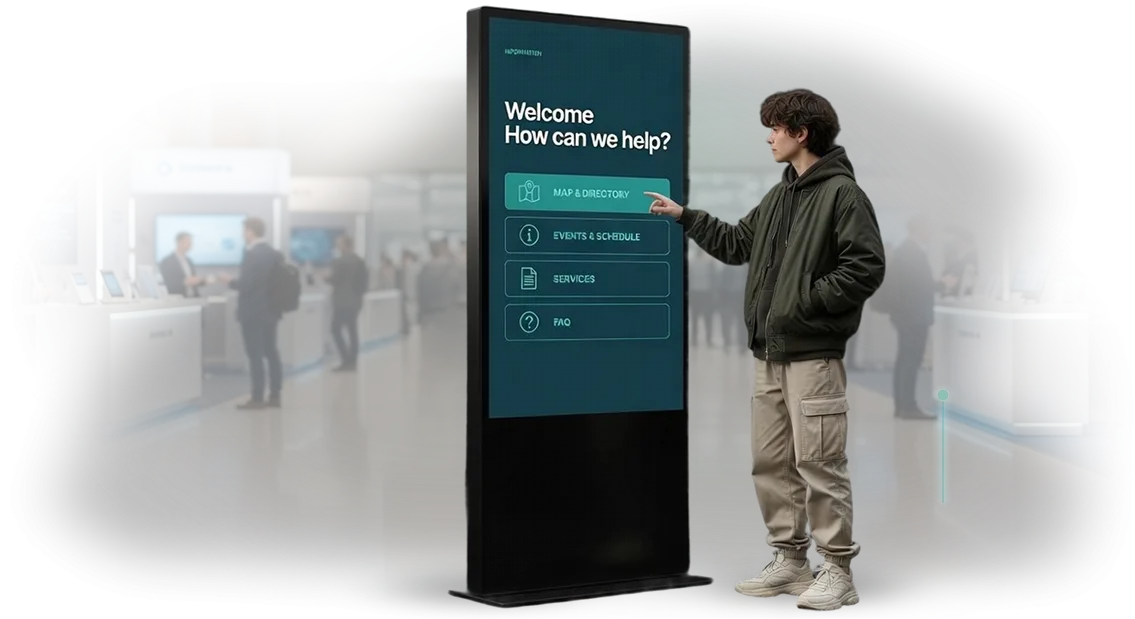
שילוב קיוסק עם מערכות קונפיגורטור מוצרים הוא המפתח למכירות
לקוח נכנס לאולם המכירות, אבל הקטלוג בקיוסק אינו מחובר לתהליך בחירת המוצר האמיתי.
הם לא יכולים להגדיר וריאציה, להשוות אפשרויות, או לגלות מה יש במלאי — המסוף הופך לברושור יקר, והקונה עוזב למתחרה.
קונפיגורטורי מוצרים הם המוח של המכירות: הם עוזרים ללקוחות לבנות את האפשרות הנכונה, להבין את המחיר, ולקבל החלטה בפגישה אחת.
ללא שילוב קיוסק-קונפיגורטור, העסק מפסיד את הדבר החשוב ביותר — המרה מהירה. איש המכירות נאלץ לעבוד עם הלקוח תוך הזנת נתונים ידנית, מה שיוצר תורים ומאבד לידים.
קיוסק קמעונאי צריך להיות כלי מכירה עצמאי: הלקוח בוחר מוצר בעצמו, והמערכת מציגה מיד את ההזמנה הסופית, לוחות זמנים, ואת האפשרות להשלמה.
אנחנו פותרים זאת באמצעות שילוב קיוסק עם מערכות קונפיגורטור מוצרים. המסוף מתחבר לקטלוגים הקיימים שלך ושולף נתוני קונפיגורציה, מחיר ומלאי בזמן אמת.
הקונה מתקשר עם הקיוסק כמו עם יועץ חי — מגדיר פרמטרים, משווה אפשרויות, ורואה הצעה סופית שנשמרת עבור איש המכירות.
השילוב הופך את הקיוסק לניהולי: המבחר, המחירים והמבצעים מתעדכנים אוטומטית ללא צורך בצריבת ציוד מחדש.
אתה מקבל ערך הזמנה ממוצע גבוה יותר והפחתת עומס על הצוות — המערכת מטפלת בשאלות נפוצות בעצמה, בעוד הצוות מתמקד בתרחישי מכירה מורכבים. לכן אנחנו מתחילים בחיבור הקיוסק לקונפיגורטור שלך בשלב תכנון הפרויקט.
אילו יתרונות אתה מקבל מקיוסק אינטראקטיבי
קיוסק אינטראקטיבי לחנות הוא לא רק מסך עם קטלוג; הוא כלי מכירה מלא. הוא מוביל את הלקוח לבחירה באמצעות ויזואליזציה ברורה וקונפיגורטור מוצרים, כך שהם לא עוזבים למתחרים. כתוצאה מכך, אתה רואה צמיחה במכירות כבר בשבועות הראשונים לאחר ההשקה.
היתרון המרכזי של הקיוסק הוא ערך הזמנה ממוצע גבוה יותר. כאשר לקוחות בונים את הקונפיגורציה שלהם, מוסיפים אפשרויות, ורואים את הסכום הכולל, הם מוכנים יותר לשלם תוספת עבור מה שהם באמת צריכים.
זה עובד בצורה מדויקת יותר מכל יועץ מכירות: המערכת אף פעם לא שוכחת להציע פריטים נוספים.
היתרון השני, חשוב לא פחות, הוא נאמנות לקוחות. קיוסק חנות אינטראקטיבי זוכר את היסטוריית הבחירות ועוזר בהזמנות חוזרות מהירות. לקוחות קבועים מרגישים שמטפלים בהם וחוזרים לעתים קרובות יותר, מה שאומר הכנסה יציבה ללא עלויות פרסום.
במקביל, הקיוסק אוסף נתוני העדפות — אתה מבין אילו קונפיגורציות מבוקשות ויכול להתאים את המבחר בהתאם.
חיסכון בכוח אדם הוא יתרון מוחשי נוסף של הקיוסק. הוא לוקח על עצמו את השגרה: ייעוץ במפרטים, בחירת קונפיגורציה, טיפול בפניות. עובדים אנושיים מתפנים למשא ומתן מורכב ולניהול זרימת לקוחות, והתורים מתקצרים.
בשעות השיא, הקיוסק עובד ללא הפסקות או שגיאות, מה שמשפיע ישירות על מהירות השירות והרווח.
לסיכום, כל יתרונות הקיוסק מייצרים לא אפקט חד-פעמי אלא שיפור מערכתי: ערך הזמנה ממוצע גבוה יותר, עלויות נמוכות יותר, ולקוחות נאמנים יותר. אנחנו עוזרים לך להטמיע קיוסק המותאם למשימה הספציפית שלך ומספקים תוצאות מדידות כבר מהחודש הראשון.
חיבור קונפיגורטורי מוצרים וקטלוגים לקיוסק
מבקר מגיע לחנות או לאולם תצוגה כדי לבנות וריאנט מוצר משלו: מטבח, רכב, חלון, חבילת גימור.
אם הקיוסק אינו מחובר לקונפיגורטור, המנהל מחפש ידנית בקטלוג, בודק מחירים ומאשר זמינות — הלקוח מאבד זמן ועניין.
אנחנו מחברים את הקיוסק למערכת קונפיגורטור המוצרים שלך, והקונה בוחר פרמטרים באופן עצמאי, רואה את העלות, ושולח בקשה תוך דקות ספורות.
| פורמט חיבור | למי זה מיועד | מה זה נותן ללקוח |
|---|---|---|
| שילוב מוכן עם קונפיגורטור המבוסס על 1C | חנויות רהיטים, מטבחים, דלתות וחלונות | המבקר מרכיב מוצר על המסך, רואה מחירים וזמני אספקה עדכניים, ומשאיר בקשה עם מחלקת המכירות |
| סנכרון קטלוג עם מפרטי מוצר | סוכנויות רכב, היפרמרקטים לבנייה, חנויות אלקטרוניקה | סינון מהיר לפי פרמטרים: צבע, גודל, קונפיגורציה, זמינות במלאי — ללא צורך בהתקשרות למנהל |
| הטמעת קונפיגורטור אינטרנטי מהאתר | מותגים עם שירות קונפיגורציה מקוון | ממשק אחיד: האורח עובד במערכת מוכרת, והקיוסק מעביר נתונים ל-CRM או לעגלת הקניות |
אנחנו בוחרים את הפורמט לפי המשימה שלך: עבור אולם תצוגה, גרסה מקומית עם עדכוני קטלוג; עבור רשת קמעונאית, סנכרון בזמן אמת עם מסד נתונים מרכזי. בכל מקרה, הקיוסק הופך ליועץ מכירות שעובד כל יום בלי להתעייף.
התוצאה: פחות עומס על הצוות, יותר בקשות בשירות עצמי, והמרת רכישה גבוהה יותר. המבקר עוזב עם פתרון מוכן, לא עם "תתקשר אליי מאוחר יותר".
איך פועל פרויקט שילוב קיוסק במפתח מלא
שילוב קיוסק עם מערכות קונפיגורטור מוצרים נראה מסובך רק בהתחלה. כדי לבטל סיכונים והפתעות בלתי צפויות, בנינו את ההטמעה כפרויקט ברור במפתח מלא. להלן שלבי השילוב שאנחנו עוברים יחד.
-
בריף וסקר. אתה מסביר כיצד לקוחות בוחרים מוצרים ומה צריך להיות על המסך. אנחנו הופכים זאת למפרט טכני — ללא ניסוחים מסובכים, רק מה שחשוב לתוצאה.
-
אב-טיפוס ממשק. אנחנו מראים כיצד מבקר בוחר מפרטים, רואה את המחיר, ומבצע הזמנה. אתה מאשר את ההיגיון לפני תחילת ההגדרה — שינויים בשלב זה אינם משפיעים על לוח הזמנים.
-
שילוב עם הקונפיגורטור שלך. אנחנו מחברים את הקיוסק לקטלוג ולמערכת החישוב שלך: מוצרים, אפשרויות ומחירים נשלפים אוטומטית. המבחר על המסך תמיד תואם לאתר ולמחירון ללא העברה ידנית.
-
בדיקות בתרחישים אמיתיים. אנחנו בודקים ביצועים תחת עומס לקוחות גבוה ומהירות עיבוד הזמנות. אתה רואה מראש כיצד המערכת תתנהג ביום ההשקה.
-
התקנה והשקה. אנחנו מספקים את הקיוסק, מתקינים אותו במיקום הנכון, ומכשירים את הצוות שלך. תוך שעה, העובדים עוזרים ללקוחות להשתמש בכלי.
-
תמיכה. אנחנו נשארים בקשר: מייעצים לעובדים, מעדכנים את המבחר, ומשכללים את ההיגיון למבצעים. כשהעסק שלך משתנה, פשוט שלח משימה — אנחנו נגדיר הכל.
מה כלול באספקת קיוסק ובתמיכה
כשאתה מזמין קיוסק אינטראקטיבי, אתה מקבל לא רק מכשיר אלא פתרון מלא במפתח אחד — מחומרה ועד ממשק — שמתחיל לספק ערך מהיום הראשון. אנחנו מרכיבים, מגדירים ובודקים הכל לפני ההשקה, כך שכל מה שנותר לך הוא לחבר את הקיוסק לחשמל.
החבילה הסטנדרטית כוללת את כל הדרוש לתפעול:
- חומרה — קיוסק מסך מגע במארז מוגן, מורכב ומחובר. אין צורך בהרכבה עצמית: אנחנו מספקים, מתקינים ומפעילים.
- תוכנה — מערכת ניהול תוכן מותקנת ומוגדרת מראש, כולל מודול שילוב לקונפיגורטורי המוצרים שלך. אתה יכול מיד להעלות קטלוגים, מחירים ומבצעים.
- עיצוב מסכים — כל המסכים מעוצבים בהתאם לזהות הארגונית שלך. אורחים רואים מותג מוכר, לא ממשק גולמי.
- הוראות — מדריכים פשוטים לצוות ומדריך קצר למבקרים. אין צורך להעסיק מנהל מערכת נפרד; כל עובד יכול להתמודד עם זה.
- אחריות חומרה ותוכנה — במקרה של תקלות, אנחנו פותרים בעיות במהירות ללא עלות נוספת מצידך.
- תמיכה לאחר ההשקה — עדכוני מערכת, גיבוי נתונים ותמיכה טכנית מרחוק. אם המבחר שלך משתנה, אנחנו מוסיפים פריטים חדשים ללא ביקור באתר.
אנחנו יכולים גם לארגן הדרכה נפרדת לצוות שלך: להראות כיצד לעדכן תוכן, לעקוב אחר סטטיסטיקות, ולהגיב למצבים בלתי צפויים. זה לוקח לא יותר משעה אבל חוסך לך ימים בעתיד.
האחריות והתמיכה נשארות פעילות לאורך כל חיי השירות של הקיוסק — אתה מוגן מפני השבתות והוצאות בלתי צפויות. בפועל, אתה מקבל כלי אמין שעובד עבור העסק שלך 24/7, בעוד אנחנו מטפלים בצד הטכני.
מקרה בוחן: כיצד קיוסק קונפיגורטור הגדיל את ערך ההזמנה הממוצע ב-27%
רשת חנויות הרהיטים Atmosfera התמודדה עם בעיה אופיינית: לקוחות חיכו זמן רב ליועצים, ובשעות השיא חלק מהמבקרים עזבו מבלי לקבל הערכת פרויקט כלל.
מנהלים בילו עד חצי שעה לכל אורח, ענו על אותן שאלות והרכיבו קונפיגורציות ידנית. בעלי העסק רצו להאיץ את השירות מבלי לוותר על איכות.
הצענו להתקין קיוסקים אינטראקטיביים המשולבים במערכת קונפיגורטור המוצרים הקיימת. מבקרים בוחרים את הדגם, החומרים, הצבע והמאפיינים בעצמם, בעוד הקיוסק מציג מיד את המחיר הסופי ומייצר מפרט.
היועץ נכנס לתמונה רק בשלב הסופי, כשהלקוח כבר החליט על העדפותיו. זה הפחית את עומס העבודה על הצוות והפך את התהליך לשקוף עבור האורח: הוא רואה כיצד המחיר משתנה בהתאם לאפשרויות.
התוצאות נראו כבר בחודש הראשון. ערך ההזמנה הממוצע עלה ב-27% — כי לקוחות היו מוכנים יותר להוסיף מודולים נוספים כשראו את המחיר הכולל בזמן אמת.
ההמרה ממבקר לקונה עלתה ב-15%, וזמן השהייה באולם התצוגה ירד מ-40 ל-20 דקות. במקביל, יועצים הפסיקו לבזבז זמן על חישובים שגרתיים והתמקדו בפרויקטים מורכבים ובסגירת עסקאות.
המקרה הוכיח: קיוסק קונפיגורטור אינו מחליף איש מכירות; הוא מעצים אותו. המבקר מגיע מוכן, מקבל החלטה מהר יותר, וסביר יותר שיחזור לרכישה חוזרת.
אם אתה רוצה את אותה תוצאה — ספר לנו על התרחיש שלך, ואנחנו נעזור להתאים את הפתרון לקו המוצרים שלך.
איך לבחור את פורמט השילוב הנכון למשימה שלך?
בחירת פורמט שילוב קיוסק אינטראקטיבי עם מערכות קונפיגורטור מוצרים מסתכמת בשאלה אחת: מה המבקר צריך לעשות מול המסך — פשוט לחקור אפשרויות או לבצע הזמנה מיד?
למקרה הראשון, ויטרינה מקוונת עם הרכבה וירטואלית מספיקה; למקרה השני, נדרש חילופי נתונים מלאים עם מערכת החשבונאות שלך.
אם המטרה שלך היא להגביר מעורבות באולם תצוגה ולעזור ללקוחות לדמיין מוצר, פורמט קל יותר יעבוד: הקיוסק מציג את הקונפיגורטור, זוכר את הבחירה, ושולח אותה למייל של המנהל.
זה מהיר, אינו דורש שילוב מורכב, וקל להשיק אפילו בנקודת מכירה אחת. הלקוח עוזב עם הבנה קונקרטית של המוצר, ואתה מקבל קשר חם ללא שלבים נוספים.
אם הקיוסק חייב לקבל תשלומים, ליצור הזמנות מוקדמות, או לדחוף פרמטרים לעגלת הקניות של החנות המקוונת, אנחנו בוחרים שילוב עמוק עם מערכות קונפיגורטור מוצרים.
במקרה זה, מנהלים מקבלים בקשות מוכנות עם מפרט מלא של המוצר הנבחר, והמבקר אינו צריך להסביר את העדפותיו שוב בקופה או בחשבון האישי. זה מקצר את הדרך לרכישה ומפחית שגיאות בהעברת הזמנות.
אנחנו תמיד מתחילים בניתוח התרחיש: היכן הקיוסק ממוקם, מי עומד מול המסך, ואילו נתוני מוצר צוות המכירות שלך צריך. בהתבסס על זה, אנחנו מציעים את הפורמט האופטימלי — ממצב הדגמה פשוט ועד סנכרון עם הקטלוג והמלאי שלך.
אנחנו מגדירים את ההטמעה כך שתתאים לתהליכים קיימים במקום לשבש אותם, ומרחיבים פונקציונליות בשלבים כשצריך.
אין תכנית אחת שמתאימה לכולם, לכן לפני הזמנת קיוסק אנחנו מספקים ייעוץ לבחירת פורמט ותכנון שילוב למשימה הספציפית שלך.
ספר לנו כיצד המכירות שלך עובדות היום — נציע פתרון שמגביר המרה לפניות ומשפר את הנוחות ללקוחותיך.
כדי להזמין קיוסק עם השילוב הנכון, פשוט כתוב לנו: נדון בפרטים ונכין אפשרות המותאמת לתקציב וללוח הזמנים שלך.
שאלות נפוצות וחששות לפני השקת קיוסק
כל פרויקט עם ציוד חדש מעלה שאלות: איך הוא ישתלב בתהליכי העבודה, מי יתחזק אותו, ומה עושים אם הוא מתקלקל. עם קיוסק קונפיגורטור יש אפילו יותר חששות — כי מהירות שירות הלקוחות ובסופו של דבר ההכנסות תלויות בביצועיו.
ריכזנו תשובות לחששות הנפוצים ביותר כדי שתוכל לקבל החלטה ברוגע ובביטחון מלא.
איך הקיוסק משתלב עם מערכת קונפיגורטור המוצרים שלנו?
אנחנו מטפלים בכל השילוב: מחברים את הקיוסק למסד הנתונים ולממשק הקונפיגורטור שלך. עבור המומחים שלך, זה אומר שאין צורך בהעברה ידנית של מידע על מוצרים, מחירים או מלאי — הכל נשלף אוטומטית.
עבור לקוחות, זהו זרימה אחידה: המבקר בוחר מוצר על המסך, רואה פרמטרים עדכניים, ומקבל מיד תוצאה. אין פערים מול האתר או המחירון — רק נתונים מדויקים שאתה שולט בהם.
מה אם הקיוסק מתקלקל או קופא?
אנחנו מספקים ניטור מרחוק ושחזור מערכת אוטומטי. במקרה של תקלה, הקיוסק שולח אוטומטית אות למומחים שלנו, ואנחנו פותרים את הבעיה במהירות — לעתים קרובות לפני שאתה בכלל מבחין בבעיה.
החומרה והתוכנה מכוסות באחריות, ואם זה קריטי למיקום שלך, אנחנו מספקים יחידת חילוף במהלך התיקונים. העסק שלך לא עוצר.
כמה זמן ייקח להשיק את הקיוסק?
פרויקט טיפוסי אורך שבועיים עד ארבעה: מאישור עיצוב ומבנה ועד התקנה, הגדרה ובדיקות. אנחנו מספקים תוכנית ברורה עם שלבים ולוחות זמנים כדי שתדע מתי הקיוסק יהיה פעיל.
בשלב ההשקה, המומחים שלנו נוכחים פיזית או מרחוק ובודקים את כל התרחישים יחד עם הצוות שלך. כך אתה מקבל קיוסק עובד ללא הפתעות או עיכובים.
מי יעדכן את המידע בקיוסק?
העובדים שלך יכולים לשנות מחירים, מבצעים או תיאורי מוצרים דרך פאנל ניהול פשוט — ללא צורך במפתחים. הממשק אינטואיטיבי אפילו למי שלא עובד עם מערכות טכניות.
אנחנו מכשירים את הצוות שלך ומספקים הוראות ברורות. אם עולות שאלות, התמיכה זמינה בשעות העבודה, עם זמן תגובה ממוצע של עד שעה.
אם השאלה שלך לא כאן — פשוט שאל אותנו: אנחנו מגיבים תוך יום עסקים אחד. נסביר כיצד קיוסק מתאים לעסק הספציפי שלך ונציע פתרון למשימה שלך.השאר בקשה לייעוץ על קיוסק אינטראקטיבי
אתה כבר מבין שקיוסק אינטראקטיבי המשולב עם קונפיגורטור מוצרים הוא לא רק מסך בלובי אלא כלי שמגדיל את ערך ההזמנה הממוצע ומפחית את העומס על המנהלים.
השלב האחרון הוא להפוך את הרעיון לפתרון עובד במפתח מלא — מהבריף הראשון ועד ההשקה והכשרת הצוות.
אנחנו לוקחים על עצמנו את כל התהליך ומספקים תוצאות ברורות בכל שלב. השאר בקשה לייעוץ — ללא התחייבות. תקבל הערכת עלות לפי תרחיש השימוש שלך, רשימת ציוד מומלץ, ולוחות זמנים להשקה.
- בריף וניתוח משימה — אנחנו מתעדים אילו מוצרים ופרמטרים לקוחות צריכים לבחור, היכן הקיוסק ימוקם, ומי ישתמש בו.
- אב-טיפוס ממשק — אנחנו מראים כיצד מבקרים יבחרו אפשרויות, יראו תמחור, וייצרו הזמנה מוקדמת. אתה מבצע שינויים לפני תחילת הפיתוח.
- אישור פתרון טכני — אנחנו בוחרים מארז קיוסק עמיד ותוכנה לעומס הצפוי שלך, תוך התחשבות במערכות החשבונאות הקיימות שלך.
- פיתוח ושילוב — אנחנו מחברים את הקיוסק לקונפיגורטור המוצרים ולמאגרי הנתונים שלך. כל הנתונים נשארים במערכת שלך; אנחנו לא מחליפים דבר.
- בדיקות בתרחישים אמיתיים — אנחנו מוודאים שלקוח יכול לבחור, להשוות, ו"להניח" מוצר בעגלה ללא סיוע צוות.
- אספקה, התקנה והשקה — אנחנו מספקים, מתקינים, מגדירים את החיבור לתוכנה שלך, ומספקים הדרכה קצרה לעובדים.
- תמיכה באחריות — לאחר ההשקה אנחנו נשארים בקשר, מעדכנים את הממשק כשהקטלוג שלך משתנה, ופותרים כל בעיה במהירות.
מה אתה מקבל לאחר העבודה שלנו:
- קיוסק עובד שמוכר בעצמו, ללא יועץ.
- ממשק אינטואיטיבי שאינו מפחיד את המבקרים שלך.
- נקודת כניסה אחת להזמנה: מבחירת מוצר ועד שליחת בקשה ל-CRM שלך.
- יכולת לשנות תוכן, מחירים ומבצעים ללא העסקת מתכנתים.
- שליטה במדדי עסקיים: מספר פגישות, זמן בחירה ממוצע, שיעור נטישה — הכל נראה בסטטיסטיקות.
- אחריות על חומרה ותוכנה כך שלעולם לא תצטרך לדאוג לצד הטכני.
השאר בקשה עכשיו — תוך יום עסקים אחד נחזור אליך עם הערכה ראשונית ונציע זמן שיחה נוח. ספר לנו אילו מוצרים אתה מתכנן להציג בקיוסק, ונייעץ לך כמה מהר ההשקעה תשתלם.