

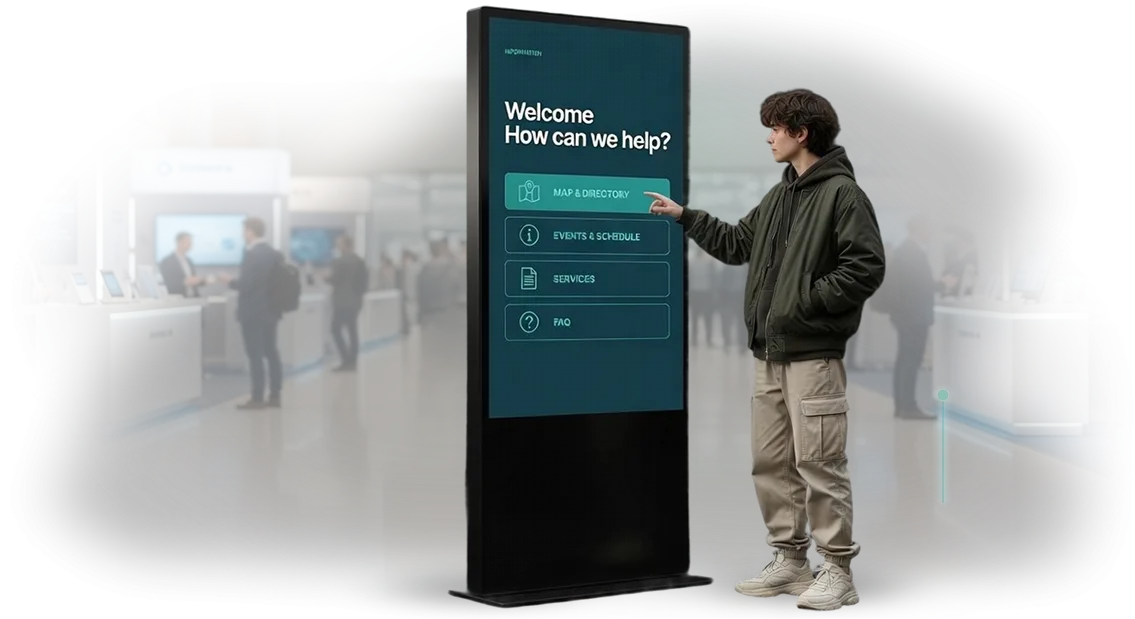
קיוסק ללא שילוב מערכת ניהול צי — בקשות שאבדו
הקיוסק האינטראקטיבי נועד לזרז את השירות ולהפחית את עומס העבודה על הצוות. אך ללא חיבור למערכת ניהול הצי שלך, הוא הופך למקור לעבודה נוספת: הלקוח מקבל רק חלון ראווה יפה למראה.
הם בוחרים שירות, אבל התהליך שאחריו הוא ידני — הנציג מתקשר חזרה, בודק זמינות רכב, ומסכם על שעה. כל שיחה כזו היא דקות אבודות ותסכול עבור מבקר שציפה לפתרון מיידי.
כתוצאה מכך, משרד המוקד מסיים עם עומס של בקשות, וחלק מהלקוחות פשוט עוזבים בלי לחכות לתשובה. זה בולט במיוחד בשעות השיא: בזמן שהנציג מטפל בבקשה אחת, נכנסות שתיים או שלוש נוספות מהקיוסק.
לפי התצפיות שלנו, עד שליש מבקשות הקיוסק אינן מובילות להזמנה בפועל אם הנתונים לא מועברים למערכת ניהול הצי באופן אוטומטי.
חוסר הנוחות ללקוח אינו רק ההמתנה. זה גם חוסר היכולת לקבל תשובה מדויקת: האם הרכב זמין, מתי הוא יגיע, כמה זמן תהיה ההמתנה.
המבקר נאלץ לשאול שוב, לברר פרטים, ובסופו של דבר בוחר לעתים קרובות במתחרה שבו הכל נפתר בכמה קליקים. כל לקוח שאבד כזה משמעותו הכנסה נמוכה יותר ונאמנות נמוכה יותר.
אנחנו סוגרים את הפער הזה: אנו משלבים את הקיוסק עם מערכות ניהול הצי שלך כך שזמינות הרכב, זמני השיגור וסטטוס הבקשה יהיו זמינים למבקר באופן מיידי, והבקשה נכנסת לזרימת העבודה ללא מעורבות המוקדן.
הלקוח רואה נתונים עדכניים על המסך, מאשר את ההזמנה ומקבל מספר הזמנה — המוקדן לא צריך להזין שום דבר מחדש. כך, אתה שומר על בקשות שאחרת היו אובדות, משחרר את הצוות ומקבל סטטיסטיקות שקופות לתכנון הצי.
מה אתה מקבל מקיוסק חכם עבור הצי שלך
קיוסק חכם לניהול צי הוא לא רק טרמינל — הוא החוליה המקשרת בין לקוחות, נהגים ומערכת ניהול הצי שלך. הוא מטפל בשגרה ומספק חמישה יתרונות מרכזיים לעסק שלך: מהירות, דיוק, נאמנות, שקיפות ויעילות עלות.
מהירות. לקוחות מקבלים מידע מדויק, מגישים בקשות ובודקים סטטוסים בעצמם בלי להסיח את דעת הצוות. התורים מתקצרים, והעובדים מתמקדים רק במשימות לא שגרתיות.
דיוק. שילוב עם מערכות ניהול צי מסנכרן אוטומטית נתוני רכב וסטטוס. הזנה ידנית ושגיאות הופכות לנחלת העבר — אתה תמיד עובד עם מידע אמין.
נאמנות. שירות מהיר ומדויק בונה אמון: לקוחות חוזרים וממליצים עליך לשותפים. זה מגדיל את בסיס הלקוחות שלך ללא הוצאות פרסום נוספות.
שקיפות. הקיוסק פותח את התהליך: הלקוח רואה היסטוריית עסקאות, ואתה רואה תמונה אובייקטיבית של ניצול הרכבים. זה מפשט את הפיקוח ומחזק את האמון בעסק שלך.
יעילות עלות. אוטומציה מפחיתה הוצאות על צוות, ניירת ותיקון שגיאות. ההשקעה בקיוסק מחזירה את עצמה דרך הכנסות גבוהות יותר ועלויות נמוכות יותר.
שילוב עם מערכת ניהול הצי שלך הופך את הקיוסק לכלי צמיחה מלא. אנו נתכנן פתרון לצרכים שלך, נחבר אותו למערכות הקיימות שלך ונספק תמיכה — תראה תוצאות תוך מספר שבועות.
פורמטי קיוסק למשימות הצי שלך
פורמט הקיוסק קובע באיזו קלות ומהירות הצוות או המבקרים מקבלים את המידע שהם צריכים. לצי יש נקודות מגע רבות ושונות — ממשרד המוקד ועד למחסום.
לכן אנו מציעים שלושה פורמטים בסיסיים, שכל אחד מכסה משימה משלו ומתחבר למערכת ניהול הצי שלך.
| פורמט | למי | מה הוא מספק |
|---|---|---|
| קיוסק מסך מגע | נהגים, מוקדנים, לקוחות במשרד | צפייה מהירה בלוח זמנים, הגשת בקשות, סטטוס רכב ללא תורים או שיחות טלפון |
| עמדת מידע | מבקרים, שותפים, אורחי הצי | מידע ברור על שירותים, מסלולים ואנשי קשר; בונה אמון ומשפר את השירות |
| טרמינל חיצוני | צוות המחסום, נהגים בשטח | עובד בכל מזג אוויר, עמיד בפני אבק ושינויי טמפרטורה; פחות זמן השבתה |
בחירת פורמט אינה על "מעטפת יפה" — היא על התרחיש. אם הקיוסק נמצא בחוץ ומשמש במשמרות לילה, אתה צריך טרמינל חיצוני מוגן מפני פגעי מזג האוויר.
במשרד או באזור המתנה, מספיק קיוסק מסך מגע עם מעמד קומפקטי. במקום שבו פונקציית הצגה וחוויית אורח חשובות, משתמשים בעמדת מידע.
בכל מקרה, הקיוסק מקבל נתונים ממערכת ניהול הצי שלך ומציג אותם בבהירות. נהגים רואים את המשימות שלהם, מוקדנים רואים ניצול ציוד, ומבקרים מקבלים מידע מדויק ללא מעורבות הצוות.
השילוב אינו תלוי בפורמט, כך שאתה יכול להתחיל עם מכשיר אחד ולהוסיף עוד מאוחר יותר למשימות חדשות.
איך אנו פורסים קיוסק: מהבריף ועד ההשקה
פריסת קיוסק היא לא רק התקנת מסך — היא שילוב בתהליכי הצי. אנו עוברים איתך שישה שלבים כדי להבטיח תוצאה צפויה: מהדיון הראשון ועד לפעילות השוטפת.
-
בריף וסקר. אנו נפגשים, מקשיבים למטרות שלך: איזה מידע נהגים צריכים, איך הקיוסק יכול להקל על המוקדנים. אנו מתעדים נקודות התקנה ופונקציונליות רצויה.
-
תוכנית והערכת עלות. אנו מציעים לוח זמנים בשלבים: עיצוב, פיתוח, אספקה, התקנה. אנו מציינים מועדים והיקף עבודה כדי שתדע מה תקבל ומתי.
-
אישור מפרט טכני. אנו מפרטים את התרחישים: איך נהג מקבל נתונים, איך המידע מתעדכן. אנו מאשרים עיצובים ולוגיקה, ומונעים אי הבנות מההתחלה.
-
פיתוח ושילוב. אנו מגדירים את הקיוסק למערכת ניהול הצי שלך. אנו מחברים את הנתונים הנדרשים: לוחות זמנים, מסלולים, הודעות.
-
התקנה והשקה. אנו מתקינים את הציוד ומריצים בדיקות. אנו מאמנים את הצוות שלך ומעבירים את הקיוסק לפעילות.
-
תמיכה ופיתוח. אנו מספקים תחזוקה שוטפת ומעדכנים תוכן. אתה תמיד יכול להרחיב פונקציונליות למשימות צי חדשות.
מה כלול: חבילה מלאה לפעילות ללא הפרעות
כשאתה מזמין קיוסק אינטראקטיבי, אתה מקבל לא רק מכשיר, אלא פתרון מוכן לעבודה עם מבקרים ומערכות ניהול צי. אנו מטפלים בהתקנה, בהגדרה ובהדרכה — אתה פשוט משתמש בתוצאה.
הנה מה שהחבילה המלאה כוללת:
- חומרת קיוסק עם מעטפת מוגנת ומסך נגד ונדליזם — בנויה לעמוד בעומסים גבוהים ולפעול ללא השבתה גם באזורים עם תנועה רגלית קבועה.
- תוכנה מותקנת מראש המשולבת עם מערכות ניהול צי — נתוני רכב, בקשות וסטטוס מופיעים על המסך אוטומטית, ללא הזנה ידנית.
- התקנה והפעלה באתר — המומחים שלנו מחברים את הקיוסק, בודקים רשת, חשמל ותפקוד תקין של כל הפונקציות.
- הדרכת צוות — אנו מראים כיצד לנהל תוכן, לעדכן מידע ולפתור במהירות בעיות נפוצות, כך שהעובדים יישארו ממוקדים במשימות הליבה שלהם.
- מדריכי משתמש והנחיות תחזוקה — חומרים ברורים עם רשימות בדיקה לבדיקות יומיות ותחזוקה מתוכננת.
- אחריות חומרה ותוכנה — במקרה של בעיות, אתה מקבל תמיכה עדיפות והחלפת רכיבים ללא אישורים ממושכים.
חבילה זו מבטלת עלויות נסתרות: אתה משלם פעם אחת ומקבל מערכת עובדת שמספקת ערך מהיום הראשון. אם אתה צריך פונקציונליות חדשה, אנו מרחיבים את ההתקנה ללא החלפת חומרה — רק עדכון תוכנה.
מקרה בוחן: שירות לקוחות מהיר ומדויק יותר
לקוחות חברת תחבורה מצפים למהירות — אבל השירות דווקא צונח לרוב בעומס השיא.
בשעות הבוקר, כשנהגים מתחילים את המשמרות שלהם במספרים גדולים, נוצר תור: שטרי משלוח מנייר מעובדים ידנית, המוקדן צריך לטפל בכל אדם, ושגיאות נתונים עולות בעיכובי מסלול.
דוגמה מאלפת היא פריסת קיוסק לצי של 200+ רכבים. המטרה הייתה פשוטה: לחסל את התור ולהאניש את התהליך.
הפתרון היה קיוסק מידע משולב עם מערכת ניהול הצי: הנהג מקיש על התג שלו, אוסף שטר משלוח מוכן ויוצא לדרך.
תוצאות הפריסה
המדד המרכזי: זמן העיבוד ירד מ-7 דקות ל-40 שניות. התור בשעות השיא נעלם לחלוטין, והמוקדן כבר לא מבצע עבודה שגרתית — ומתמקד במקום זאת בבקרת מסלולים.
דיוק הנתונים עלה ל-99.8%: המערכת שולפת אוטומטית מידע על רכב, נהג ומסלול, ומבטלת את הגורם האנושי.
עבור החברה, זה אומר לא רק מהירות אלא גם חיסכון: נהגים יוצאים לדרך מהר יותר, יותר נסיעות ביום, עלויות שכר מוקדן נמוכות יותר. ונהגים כבר לא מבזבזים זמן על ניירת — מה שמשפיע ישירות על הנאמנות שלהם.
צי סוורני טרנזיט אישר שהמערכת החזירה את עצמה תוך מספר חודשים והזמין קיוסק שני לאתר שכן. התוצאה ניתנת לשחזור כי הלוגיקה פשוטה.
אותה גישה עובדת לכל פעילות מוקד שבה מהירות ודיוק חשובים. צור איתנו קשר — נראה חישוב עלות עבור הצי שלך ונציע פתרון מותאם למשימה שלך.
איך לבחור את פורמט הקיוסק המתאים למשימה שלך?
בחירת קיוסק מתחילה לא במסך ובמעטפת, אלא בבעיה שהוא צריך לפתור. עבור לקוח אחד, זה ניווט ולוחות זמנים; עבור אחר, זה הזמנת שירות או משוב.
אם אתה משלב את הקיוסק עם מערכת ניהול הצי שלך, העדיפות הופכת להצגה נוחה של מסלולים, משימות וסטטוסים עבור נהגים.
לפני בחירת ציוד, אנו שואלים מספר שאלות: מי ישתמש בקיוסק, באיזו תדירות, ובאיזה מצב אדם ניגש למסך.
השאלה השנייה היא מיקום. קיוסק בלובי וקיוסק בשטח פתוח דורשים הגנת מעטפת שונה, בהירות מסך ועמידות למזג אוויר. בחוץ, אתה צריך מעטפת נגד ונדליזם והגנה מפני לחות; בפנים, מבנה קל יותר מספיק.
לאנשים ממהרים, מעמד מסך מגע קומפקטי מתאים; לצפייה מעמיקה במידע, פאנל נייח עם מסך גדול. אנו נעזור לקבוע איזה קיוסק מתאים למתקן שלך.
הגורם השלישי הוא תקציב. טרמינל רב-תכליתי מתקדם לא תמיד נחוץ — לעתים קרובות מספיק מודול טאבלט עם התקנה מאובטחת. אנו מציעים בחירת ציוד מבסיסי ועד מורחב, כך שאתה משלם רק על תכונות שימושיות.
אם מתוכננת צמיחה, אנו בונים יכולת שדרוג ללא החלפת כל הקיוסק — זה מתחיל את הפרויקט בהשקעה מינימלית.
בקיצור, הקיוסק הנכון הוא איזון בין משימה, מיקום ועלות. אנו מטפלים בניתוח התהליך, ממליצים על פורמט ומגדירים שילוב עם מערכת ניהול הצי הקיימת שלך.
אתה מקבל לא רק חומרה, אלא כלי עובד שמחזיר את עצמו דרך שירות מהיר יותר ועומס צוות מופחת. שוחח איתנו על תרחיש השימוש לפני הרכישה — זה יחסוך תקציב וזמן.
שאלות נפוצות על קיוסקים ושילוב
בהזמנת קיוסק עם שילוב, לקוחות חוששים לעתים קרובות: האם הטרמינל יעבוד עם מערכת ניהול הצי, האם הוא ייכשל ברגע קריטי, וכמה מהר הכל ייפרס. החששות האלה מובנים, ולכן אנו עונים על השאלות המרכזיות מראש.
מה לגבי אחריות ותיקונים?
אנו מספקים אחריות רשמית על הקיוסק ורכיביו. אם החומרה זקוקה לתיקון, המהנדס שלנו יאבחן מרחוק או יבקר באתר שלך. זמן התיקון הממוצע הוא כמה ימים, כך שהמוקדנים לא עוצרים את הפעילות.
כמה זמן לוקח השילוב?
שילוב סטנדרטי עם מערכת ניהול צי עולה לאוויר תוך 5–7 ימי עסקים לאחר חתימת החוזה. רוב הזמן מושקע בהסכמה על פורמטי נתונים; החיבור והבדיקות בפועל אורכים בדרך כלל יום או יומיים. כתוצאה מכך, אתה מקבל קיוסק שמציג מיד מסלולים ולוחות זמנים עדכניים.
האם הקיוסק תואם למערכת שלנו?
הקיוסק מתחבר למערכות ניהול צי פופולריות דרך ממשקים פתוחים, כך שלא תצטרך לשכתב את מערכת הניהול שלך.
אם אתה משתמש במערכת פנימית נדירה או מותאמת אישית, אנו שולחים מהנדס לנתח אותה: הם יבחרו גישת שילוב ויראו איך זה יעבוד עם הנתונים שלך.
אם יש לך שאלות אחרות — שלח לנו דוא"ל או התקשר. נסביר בדיוק איך השילוב יעבוד במקרה שלך ומה אתה צריך להשקה.קבע ייעוץ: נבנה קיוסק למשימות שלך
השאר בקשה לייעוץ — נבדוק איך קיוסק אינטראקטיבי יפשט את פעולות הצי שלך. נראה תרחישים אמיתיים: נהג מקבל דף מסלול, מוקדן רואה סטטוס רכב, ולקוחות מסדרים שירותים ללא תורים. זה ללא התחייבות.
תלמד אילו משימות הקיוסק יפתור במקרה הספציפי שלך ותוכל להעריך את ההשפעה לפני שהפרויקט מתחיל.
לאחר בקשתך, תקבל:
- ניתוח של תהליכים נוכחיים ונקודות שבהן הקיוסק יפחית שגרה;
- הצעת שילוב עבור מערכת ניהול הצי שלך;
- הערכת עלות מותאמת למשימות שלך — ללא עמלות נסתרות;
- לוחות זמנים משוערים להשקה ושלבי פריסה;
- דוגמאות לפתרונות דומים לחברות תחבורה;
- תנאי אחריות ותנאי תמיכה לאחר הפרויקט.
אנו עובדים מרחוק ובונים קיוסקים לעסקים כבר 10 שנים. תוך 2–3 ימים נכין חבילת מסמכים לתמיכה בהחלטה שלך.
כדי להזמין קיוסק או פשוט לברר פרטים, שלח בקשה דרך הטופס באתר — נגיב תוך יום עסקים אחד.