

אינטגרציה עם מערכות ניהול שירות מבטלת תורים
תורים הם האויב העיקרי של השירות. בזמן שמבקרים עומדים בתורים חיים, החברה מפסידה הכנסות: לקוחות עייפים עוזבים, עובדים עונים על אותן שאלות במקום לבצע את המשימות שלהם.
הכאוס מתחיל בדלפק הקבלה וגדל: לאן ללכת, למי, כמה זמן לחכות — לא לצוות ולא למבקרים יש את התשובות האלה.
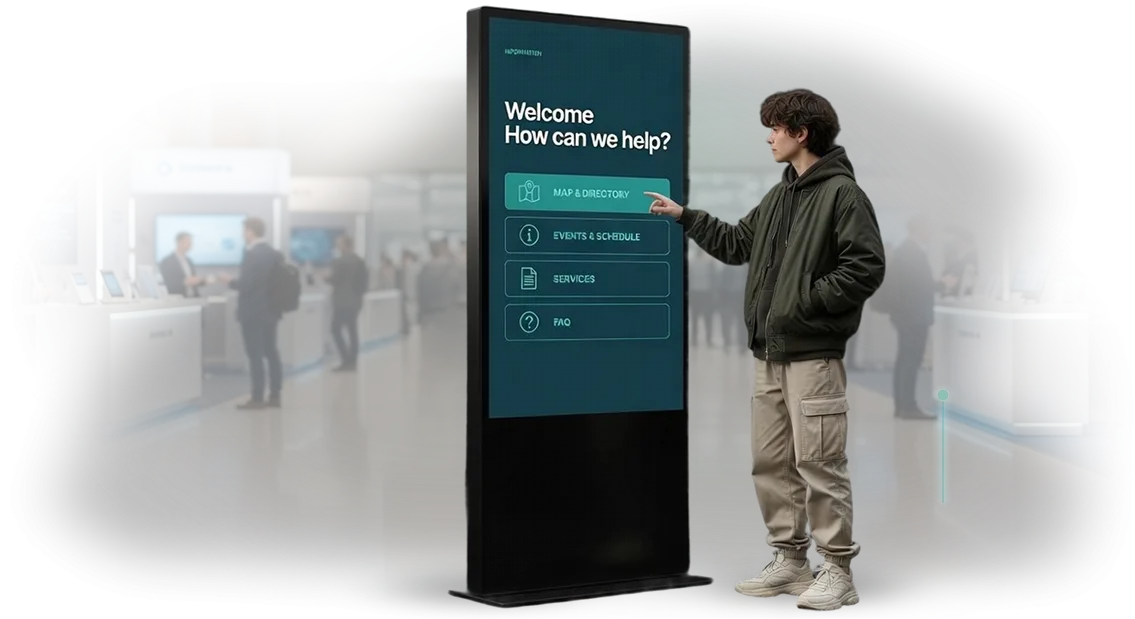
קיוסקים אינטראקטיביים המחוברים למערכת ניהול תורים מכוונים את התנועה בעצמם: אורח בוחר שירות, מקבל כרטיס, והמערכת מפנה מבקרים למומחים זמינים תוך איסוף נתונים ל-CRM מראש.
זו הגישה שהצוות שלנו משתמש בה בפרויקטים שלו: הלקוח מקבל לא רק מכשיר, אלא זרימת שירות מנוהלת.
העובדים מפסיקים להיות מתאמים: הם רואים מי מגיע אליהם, עם איזו בקשה, ומתי ביקר לאחרונה. והאורח מפסיק להצטופף ליד הדלפק — הוא ממתין בשלווה לקריאה שלו באזור נוחות, לא בכאוס.
כל מבקר רואה את המספר שלו ואת זמן ההמתנה המשוער — החרדה ותחושת אי-הוודאות נעלמות. ביטול התורים משפיע ישירות על הרווח: פחות לקוחות אבודים, יותר בקשות מטופלות, נאמנות גבוהה יותר.
אינטגרציית CRM מוסיפה נדבך נוסף של ערך: היסטוריית השירות נשמרת, ביקור חוזר מתחיל עם נתונים ידועים כבר, ללא הסברים חוזרים ועם זמן פגישה קצר יותר.
בסופו של דבר, אתה מקבל זרימה צפויה: כל מבקר מגיע לעובד הנכון בזמן הנכון, ונתונים לא הולכים לאיבוד בין השלבים. זה מה שאינטגרציה עם מערכות ניהול שירות עושה — היא הופכת כאוס לתהליך ברור.
מה מספקת אוטומציה של שירות לקוחות
אוטומציה של שירות באמצעות קיוסקים אינטראקטיביים המשולבים במערכות ניהול שירות הופכת את ביקור המבקר לתהליך מהיר וברור.
במקום לחכות לעובד פנוי, האורח מקבל את המידע הדרוש בעצמו, והעסק מקבל זרימת לקוחות צפויה ללא פגיעה באיכות.
מהירות השירות היא הדבר הראשון שמבקרים שמים לב אליו. הקיוסק מגיב מיידית; מסלולים, סטטוסי הזמנות ומידע עזר הופכים לזמינים בכמה נגיעות.
התורים מתקצרים dramatically, במיוחד בשעות השיא, וזמן הטיפול בלקוח בודד פוחת — זה משפיע ישירות על התפוקה וההכנסות.
הפחתת עומס העבודה על הצוות היא יתרון מוחשי נוסף. עובדים מפסיקים לבזבז זמן על שאלות חוזרות כמו "איפה?", "איך?", "מתי?" ומתמקדים במשימות חשובות באמת: ייעוץ במקרים מורכבים, טיפול בהתנגדויות, פיתוח מכירות. השגרה עוברת לאוטומציה, והערך של כל מומחה גדל.
נאמנות לקוחות נובעת מדברים קטנים: מידע מדויק ללא שגיאות, ניווט ברור, ואין צורך לחכות. כשמבקר מקבל תשובה תוך שניות, הוא עוזב בתחושת דאגה — מה שאומר שהוא יחזור וימליץ על החברה למכרים. זה עובד גם לעסקים אופליין וגם לארגונים עם זרימות מבקרים גדולות.
עבור העסק בכללותו, אוטומציה פירושה עומס ניתן לניהול על השירותים וסטטיסטיקות ברורות: אילו שירותים מבוקשים, היכן מתרחשים שיאים, מה צריך לשפר. הקיוסק הופך לא רק לנקודת מידע, אלא לכלי מלא לשיפור היעילות.
אנחנו עוזרים לשלב אותו במערכות ניהול השירות שלך כך שהתוצאה תהיה מדידה ובת-קיימא.
פורמטי חיבור קיוסק למשימה שלך
עבור עסק, קיוסק הוא לא רק "לוח תצוגה" אלא כלי שמקל על הצוות ומאיץ את השירות. המפתח הוא לבחור פורמט שמתאים בדיוק לתרחיש שלך.
אנחנו מחברים קיוסקים למערכות ניהול שירות, כך שנתוני פגישות, תורים וניווט מתעדכנים ללא מעורבות הצוות.
פורמטי החיבור העיקריים
| פורמט | למי זה מיועד | מה זה נותן ללקוח |
|---|---|---|
| הזמנה עצמית דרך קיוסק | מרפאות, מכוני יופי, מוסדות ממשלתיים — שבהם נדרשת הזמנה לזמן ספציפי | מבקרים בוחרים משבצת נוחה בעצמם, העומס על המנהל יורד, והלוח זמנים במערכת ניהול השירות מתעדכן מיידית |
| תור אלקטרוני — הנפקת כרטיסים | מרכזים רב-תכליתיים, בנקים, סניפים עם זרימת מבקרים גבוהה | סדר ללא מהומה: האורח לוקח כרטיס ומחכה עד שהמערכת קוראת למספר שלו. התור הופך לשקוף, וזמן ההמתנה מצטמצם |
| קיוסק מידע לניווט | קניונים, מרכזים עסקיים, אצטדיונים, כנסים | מבקרים מוצאים את המחלקה או החדר הנכונים במפה בעצמם. זה מסיר את זרימת השאלות "איפה זה?" מהצוות ומגביר את שביעות רצון האורחים |
כל פורמט יכול לעבוד גם באופן עצמאי וגם בשילוב. לדוגמה, קיוסק מידע לניווט יכול בו-זמנית להנפיק כרטיס ולהראות את המסלול למשרד הנכון. הפתרון נבחר לפי המשימה — סוהר, עם אינטגרציה למערכת ניהול השירות שלך.
איך מתבצע היישום: שלבי הפרויקט
יישום קיוסק אינטראקטיבי משפיע גם על הטכנולוגיה וגם על תהליכי החברה שלך. כדי שזה יהיה שימושי מהיום הראשון, בנינו תהליך שקוף של שישה שלבים — מהבריף ועד ההשקה והתמיכה השוטפת.
בכל שלב, אתה מבין מה קורה, מה לוחות הזמנים, ובעבור מה אתה משלם.
-
בריף וסקירת משימה. אנו מנתחים תרחישים: הצטרפות לתור, קבלת אישור, תשלום עבור שירות. אנו לוקחים בחשבון את מערכת ניהול השירות שלך כך שהקיוסק יהפוך להרחבה נוחה שלה.
-
אישור מפרט טכני. אנו מתעדים דרישות פונקציונליות, עיצוב ואינטגרציה. אתה מקבל מסמך המתאר מה יעבוד ואיך — לפני תחילת הפיתוח.
-
אב-טיפוס ואב-טיפוס ממשק. אנו מראים את המסך העתידי ואת התרחישים. אתה רואה את התוצאה ומבצע עריכות לפני השקעת משאבים גדולים.
-
פיתוח תוכנה והגדרה. אנו בונים את המערכת על ציוד מקצועי ומגדירים חילופי נתונים עם מערכת ניהול השירות שלך. הקיוסק רואה מידע עדכני ומעביר אותו למחלקות הרלוונטיות.
-
בדיקות והדרכת צוות. אנו מוודאים את כל תרחישי הלקוחות והעובדים, כולל עומסי שיא. אנו מאמנים את הצוות שלך לעבוד עם הקיוסק והנתונים שהוא אוסף, ומספקים דפי עזר והוראות.
-
השקה ותמיכה. אנו מתקינים את הקיוסקים, מפעילים אותם, ונשארים בקשר. במידת הצורך, אנו מתאימים תרחישים ומרחיבים פונקציונליות ככל שהמשימות שלך גדלות.
מה כלול במסירה: חבילת הפתרון
חבילת המסירה כוללת פתרון סוהר — מהממשק ועד צד השרת. זו מערכת מוגדרת ומוסמכת, כבר משולבת עם מערכות ניהול השירות שלך. כל מה שאתה צריך לעשות הוא לחבר את הקיוסק ולהתחיל לעבוד.
- עיצוב ממשק — טפסים מסודרים על המסך בסגנון הארגוני שלך, עם אלמנטים גדולים ולוגיקה ברורה. מבקר מבין את זה תוך שניות, ללא סיוע צוות.
- תוכנת קיוסק — תוכנה מותקנת מראש המבצעת את התרחישים הנדרשים: הזמנה, רישום, ניווט, תשלום, הנפקת כרטיסים ותור אלקטרוני.
- צד שרת — ארכיטקטורה אמינה לאחסון נתונים וחילופי מידע עם מערכת החשבונאות שלך. אתה לא תלוי בביצועי הקיוסק; כל התהליכים פועלים ביציבות.
- אינטגרציה עם מערכת ניהול השירות — תרחישי חילופי נתונים: לוח זמנים עדכני, משבצות פנויות, סטטוסים ותור. הנתונים תמיד טריים, ללא העברה ידנית.
- פאנל ניהול — ממשק נוח לעובדים שלך: שינוי לוח זמנים, פרסום חדשות, העלאת תוכן וצפייה בניתוחים.
- תיעוד והוראות — מדריכי משתמש ומנהל קצרים, דף עזר לתחזוקה יומית ונוהל השקה.
- תמיכה באחריות — סיוע לאחר ההשקה: אבחון מרחוק, עדכונים ועזרה מהירה לפי בקשה.
חבילה זו מבטלת את "פיצול" המשימה בין קבלנים מרובים: הכל כבר מורכב ומתואם. אתה חוסך זמן, מפחית סיכונים ומקבל נקודת אחריות אחת.
מקרה בוחן: קיוסקים בפוליקליניקה עירונית
פוליקליניקה עירונית קיבלה מאות מטופלים מדי יום, ורובם הלכו לדלפק הקבלה. כדי לקבל כרטיס למטפל או למומחה, אנשים עמדו בתור 30–40 דקות.
המנהלים לא יכלו לעמוד בקצב שיחות הטלפון, ובצהריים התור גדל עוד יותר — חלק מהמבקרים עזבו ללא הזמנה.
התקנו שלושה קיוסקים אינטראקטיביים בלובי ושילבנו אותם עם מערכת ניהול השירות הקיימת. מטופלים הזמינו את עצמם תוך פחות משתי דקות: הם בחרו רופא, ראו משבצות פנויות וקיבלו כרטיס אלקטרוני.
האינטגרציה עם מערכת ניהול השירות הפכה לשלב המפתח — נתונים על כל הזמנה נכנסו מיד למאגר המשותף, והמנהלים ראו את עומס העבודה של הרופאים בזמן אמת.
לאחר חודשיים של פעילות, התורים בדלפק הקבלה ירדו ב-40%. שביעות רצון המבקרים, לפי סקרי יציאה, עלתה בכמעט שליש. הקיוסקים ספגו את עומס השיא, והמנהלים התמקדו בנושאים מורכבים. פוליקליניקה עירונית מס.
14 המשיכה את הפרויקט: קיוסקים הופיעו במחלקת המניעה, וההנהלה קיבלה סטטיסטיקות שקופות — כמה אנשים הזמינו, באיזו שעה, ועם אילו רופאים.
מקרה זה מראה: קיוסק משולב כראוי מפסיק להיות רק מסך בלובי. הוא מקל על הצוות, מאיץ את השירות ונותן למנהלים נתונים לקבלת החלטות.
בדיוק אותה תוכנית מתאימה למרפאות פרטיות, מרכזים רב-תכליתיים וארגונים אחרים עם תורים חיים והזמנת מבקרים.
תשובות לשאלות נפוצות על אינטגרציה
אינטגרציה של קיוסק אינטראקטיבי עם מערכת ניהול שירות מעלה לעתים קרובות שאלות: האם זה יאט את הפעולות, האם נתוני לקוחות ידלפו, מה אם הקיוסק יקפא באמצע ההזמנה? אנו מתייחסים לחששות האופייניים של לקוחות — ומראים כיצד אנו פותרים אותם.
בצוות שלנו, עשרות תרחישים כאלה לוטשו במשך עשר שנים בתעשיות שונות. אז אנחנו עונים על שלוש השאלות הנפוצות ביותר — אמינות, אבטחה, תאימות.
אמינות: האם הקיוסק לא יקפא ברגע הקריטי ביותר?
קיוסקים פועלים על ציוד מקצועי ועוברים בדיקות עומס של שעות רבות לפני ההשקה. אנו מגדירים אתחול אוטומטי ואבחון עצמי: גם לאחר הפסקת חשמל, המכשיר יאתחל את עצמו וימשיך לקבל בקשות ללא מעורבות הצוות.
אנו מספקים אחריות לכל פרויקט — ולוקחים על עצמנו את התחזוקה השוטפת והשירות המונע.
אבטחה: האם נתוני לקוחות ידלפו?
החילופים בין הקיוסק למערכת ניהול השירות מתבצעים בערוצים מוצפנים ומוגנים. רק עובדים מורשים מקבלים גישה לנתונים, וכל הפעולות מתועדות ביומן.
במידת הצורך, אנו מגדירים מדיניות גישה נוספת — לפי התקנות של החברה שלך, לא "סתם איך שבא."
תאימות: האם הקיוסק יעבוד עם המערכת שלנו?
שילבנו עם מערכות שונות — מפתרונות חשבונאות פנימיים ועד שירותי הזמנות פופולריים ומערכות CRM.
כבר לפני תחילת העבודה, אנו שולחים לך שאלון ובודקים תאימות: ברוב המקרים, פתרון סטנדרטי מספיק, ומשימות לא סטנדרטיות מטופלות באמצעות ממשקים פתוחים. אתה מקבל שילוב עובד, לא "קיוסק לשם קיוסק."
אחריות ותחזוקה מתועדים גם הם בנפרד. אנו חותמים על הסכם עם נוהל תגובה לאירועים — בדרך כלל תוך מספר שעות, כך שהשבתה נשמרת למינימום. אם השאלה שלך לא כוסתה כאן, כתוב לנו: נספר לך כיצד כבר עזרנו ללקוחות בתעשייה שלך.הזמן הערכת עלות לאינטגרציה לעסק שלך
אם קיוסק כבר משולב בתהליכים שלך, הוא עובד כמו עובד שקט: הוא מקבל בקשות, מזמין לקוחות ומקל על הצוות. אבל כדי שזה יקרה, אתה צריך לחבר אותו כראוי למערכת ניהול השירות שלך.
זה השלב שקבלנים לרוב מושכים אותו. אנחנו מסירים את הסיכון: אנו שולחים הערכת עלות, מראים את הלוגיקה על הדמו, ומטפלים בכל היישום.
השאר בקשה לייעוץ — תוך יום עסקים אחד נסקור את התרחיש שלך, נבהיר את המשימות, ונספר לך כמה זמן ומשאבים האינטגרציה תדרוש.
תקבל גם תוכנית עבודה והערכה שקופה לפני ההתחלה, ללא שלבים נסתרים או "הפתעות" באמצע הפרויקט.
כשאתה מזמין קיוסק מאיתנו, העלות כוללת לא רק ציוד:
- הערכת עלות לתרחיש שלך — כולל אינטגרציה עם מערכות ניהול שירות, כך שאתה רואה את התקציב הסופי מיד.
- הדגמת לוגיקה — אנו מראים עם דוגמה חיה כיצד הקיוסק יזמין לקוח, ייצור בקשה, ישלח נתונים למחלקה הנכונה ויטפל בתור כראוי.
- ייעוץ להגדרת תהליכים — אנו מציעים אילו שלבים במערכת שלך כדאי לפשט כך שהקיוסק ישתלם מהר יותר.
- יישום סוהר — התקנה, הגדרה, חיבור למערכת ניהול השירות שלך והדרכת צוות.
- תמיכה לאחר ההשקה — אנו תומכים בחודשי הפעילות הראשונים, עונים על שאלות ועוזרים לפתח תרחישים.
הערכה מוקדמת אורכת רק כמה דקות — פשוט ציין את הפונקציות הרצויות ואת התעשייה שלך. לאחר מכן, אנו מחשבים את העומס, מכינים הצעה ובוחרים זמן לדמו. התחל תהליך שיקבל בקשות וינהל לקוחות בזמן שאתה מתמקד בעסק שלך.
איך לבחור את פורמט האינטגרציה הנכון?
בחירת פורמט אינטגרציה מתחילה לא בפרטים טכניים, אלא בשאלה: מה בדיוק המערכת צריכה לבצע אוטומציה? אם הקיוסק נחוץ להזמנת תורים, חיבור קל ללוח זמנים מספיק.
כשאתה צריך כרטיס לקוח מאוחד, גישה לחשבונות אישיים או חילופי נתונים חלקים עם CRM, עומק האינטגרציה חייב להיות גדול יותר. התחל מהתרחישים שברצונך לכסות: הפחתת זמן שירות, הורדת עומס צוות, איסוף ניתוחים.
הקריטריון השני הוא מהירות היישום ומוכנות התשתית. מחברים מוכנים מראש מאפשרים לך להשיק קיוסק תוך שבועות ספורים, אך הם מגבילים התאמה אישית. אינטגרציה אישית גמישה יותר, אך דורשת יותר זמן לאישור ובדיקות.
כאן חשוב להעריך בכנות מה חשוב יותר לעסק שלך: תוצאה מהירה או היכולת לשנות לוגיקה ללא הגבלות.
הקריטריון השלישי הוא קנה מידה ונקודת מבט. עבור קיוסק בודד באזור המתנה, תרחיש סטנדרטי מספיק. אם אתה מתכנן רשת של מסופים עם ניהול ודוחות מאוחדים, אתה צריך ארכיטקטורה שמתרחבת ללא פגיעה בביצועים.
אנחנו עוזרים לך לבחור פורמט על סמך משימות נוכחיות, מספר המיקומים וכיצד העומס ישתנה בעוד שנה או שנתיים.
כדי להימנע מתשלום יתר וממפגש עם מגבלות, אנו ממליצים להתחיל בסקירת תרחישים. אנו שואלים את השאלות הנכונות: כמה עובדים מעורבים, אילו פעולות יש לבצע אוטומציה, מי ינהל את המערכת.
על סמך התשובות, אנו מציעים פורמט מתאים — מאינטגרציה מינימלית ועד חיבור מלא למערכות ארגוניות. כך אתה מקבל פתרון שפותר את הבעיה, לא אחד ש"מחובר רק לראווה."