

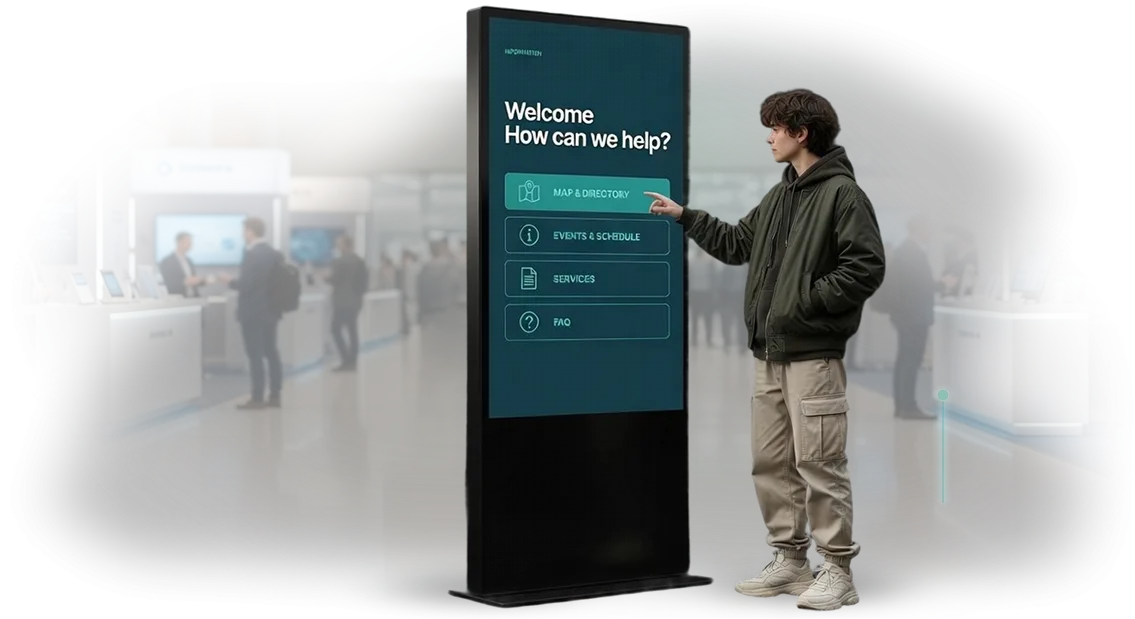
מדוע קיוסק ללא מערכות ניהול פרויקטים מאבד אורחים
קיוסק אינטראקטיבי לאירוע אינו רק מסך עם לוח זמנים.当他 פועל בנפרד ממערכת ניהול הפרויקטים, כל שינוי — דחיית מושב, החלפת דובר, שינוי חדר — דורש התערבות ידנית.
האורחים רואים נתונים מיושנים, מחפשים את המיקום הנכון, מאחרים, וחלקם עוזבים לגמרי ללא קבלת תשובה.
כתוצאה מכך, המארגנים טובעים בשאלות חוזרות שהקיוסק היה אמור לטפל בהן אוטומטית. תורים בדלפק המידע גדלים, מצב הרוח של האורחים יורד, וביקורות שליליות מופיעות ברשתות החברתיות.
קיוסק ללא אינטגרציה עם מערכת ניהול המשימות הופך למבנה יפה אך חסר תועלת — במקום לאוטומציה של האירוע, הוא יוצר בעיות חדשות.
כדי להימנע מכך, אנו מחברים את הקיוסק למערכת ניהול הפרויקטים שלכם. הצוות שלנו מגדיר סנכרון אוטומטי: שינויים במשימות או בלוח הזמנים מופיעים מיד על כל המסכים. הצוות עובד בכלים מוכרים, והאורחים תמיד רואים מידע עדכני.
גישה זו מפחיתה את עומס העבודה על הצוות, ממזערת את נשירת האורחים באירוע, ומגבירה את נאמנות המבקרים. הקיוסק האינטראקטיבי מפסיק להיות מקור לכאוס והופך לעוזר אמין שעובד למען תוצאות האירוע.
יתרונות האינטגרציה: מזרימת אורחים ועד אנליטיקה
אינטגרציה של קיוסקים אינטראקטיביים עם מערכת ניהול פרויקטים הופכת אותם מנקודת רישום פשוטה לכלי ניהול אירועים מלא. כל אורח שעובר דרך הקיוסק נכנס אוטומטית למערכת המשותפת — ללא העברת נתונים ידנית או בדיקות כפולות. אתם מקבלים תמונה אחידה של האירוע בזמן אמת, לא כמה שעות לאחר מכן.
היתרון הראשון הוא ניהול זרימת אורחים. אתם רואים מי כבר הגיע, מי מאחר, היכן נוצרים תורים, ויכולים לחלק מחדש את העומס במהירות. האורחים לא עומדים ומחכים, והצוות מבין אילו אזורים זקוקים לתשומת לב.
השני הוא אנליטיקת אורחים: נוכחות לפי שעה, משך ביקור, עניין במדורי הקיוסק. נתונים אלה מראים מה באמת מעסיק את הקהל ומשמשים בסיס לתכנון אירועים עתידיים — אתם מסתמכים על עובדות, לא על תחושות.
שלישית — הגברת הכרת המותג. הקיוסק הופך לנקודת מגע עם המותג: המצגת האינטראקטיבית נזכרת, מעוררת רגשות, והאורחים עצמם משתפים את התרשמותם ברשתות החברתיות. רביעית — לידים באירוע.
התגובות ופרטי הקשר של האורחים מועברים אוטומטית ל-CRM, ומחלקת המכירות מקבלת מאגר מוכן לעבודה מיד לאחר האירוע. אף אדם מתעניין לא הולך לאיבוד, ואתם רואים כמה פניות אמיתיות הביאה כל פעילות.
בסופו של דבר, חיבור קיוסקים למערכת ניהול הפרויקטים מספק סדר, שקיפות ותוצאות מדידות.
אתם מבינים כמה אנשים הגיעו, מה מעניין אותם, וכמה הפכו ללקוחות — בעוד הקיוסקים עצמם פועלים כמגבר מותג וכמקור לאנשי קשר איכותיים.
פורמטי קיוסק לצרכי האירוע
כל אירוע דורש פתרון של כמה משימות בו-זמנית: הכוונת אורחים, השלמת רישום מהירה, איסוף אנשי קשר ממשתתפים מתעניינים.
קיוסק אוניברסלי אחד לא תמיד יכול להתמודד עם הכל בו-זמנית — עדיף לבחור פורמט לנקודת מגע ספציפית. נבחן שלושה תרחישים טיפוסיים המכסים 90% ממשימות האירוע.
כל הקיוסקים פועלים על ציוד מקצועי ומשתלבים בקלות עם מערכות ניהול הפרויקטים שלכם. משמעות הדבר היא שנתונים מכל פורמט מגיעים ללוח המחוונים המרכזי של ניהול האירוע בזמן אמת — ללא העברה ידנית או שגיאות.
| פורמט קיוסק | למי | מה הוא נותן ללקוח |
|---|---|---|
| לניווט | אורחים ומשתתפים | חיפוש מהיר של מיקומים, מושבים ודוברים; פחות שאלות בדלפק המידע; שביעות רצון גבוהה יותר של מבקרים |
| לרישום | מארגנים וצוות כניסה | אימות כרטיסים והדפסת תגים אוטומטית; ללא תורים; מעקב נוכחות מדויק |
| לאיסוף לידים | שיווק ושותפים | טפסים דיגיטליים וסריקת תגים; ייצוא אנשי קשר ל-CRM ולמערכות ניהול פרויקטים |
הודות לאינטגרציה עם מערכות ניהול פרויקטים, כל קיוסק מעביר נתונים למאגר משותף. אתם רואים תפוסת אזורים, מספרי רישום ולידים שנאספו בממשק אחד — ויכולים להשפיע במהירות על מהלך האירוע.
כיצד פועלת האינטגרציה: 6 שלבים עם הפרויקטים שלכם
אנו מבינים שאתם כבר מנהלים את הפרויקטים שלכם במערכת הניהול: אתם מגדירים משימות, שולטים בלוחות זמנים ומאשרים שלבים. לכן, אינטגרציית הקיוסק מתוכננת להשתלב בתהליך זה במקום ליצור שגרה מקבילה. להלן שישה שלבים שעובר הפרויקט שלכם יחד איתנו.
-
בריף והתעמקות. אנו אוספים את מטרות האירוע: אילו נתונים להציג, לאיזה קהל, איזו תוצאה נדרשת. אתם מקבלים תוכנית עבודה ברורה המקושרת לפרויקט שלכם.
-
עיצוב תרחיש. אנו מגדירים את מבנה המסך ואת לוגיקת הניווט. אנו מיישרים את הטקסטים ואת הסגנון החזותי — כך שהקיוסק מדבר בשפת המבקרים שלכם.
-
אישור פרויקט. אנו מציגים מוקאפים ותיאור עבודה במערכת ניהול המשימות שלכם. אתם מבצעים עריכות לפני תחילת הפיתוח — זה חוסך זמן ותקציב.
-
יישום והגדרה. אנו מכינים תוכן, מחברים את הקיוסק לחומרים שלכם ובמידת הצורך לשירותים חיצוניים. הכל מתבצע בלוחות זמנים מוסכמים.
-
השקה ניסיונית. אנו בודקים תרחישים על ציוד אמיתי: מהירות, דיוק נתונים, יציבות. אתם מקבלים הקלטת בדיקה ורשימת מוכנות.
-
השקה באירוע ותמיכה. הקיוסק עובד מהיום הראשון של האירוע. המומחים שלנו זמינים לפתרון מהיר של כל בעיה — מהחלפת תוכן ועד הגדרה טכנית.
כתוצאה מכך, אינטגרציה עם מערכת ניהול הפרויקטים שלכם משמעותה דבר אחד: אתם רואים את הסטטוס של כל שלב, לא מבזבזים זמן על אישורים מיותרים, ומקבלים כלי שמתחיל לספק ערך כבר ביום האירוע עצמו. כל מה שנותר הוא לסכם את הפרטים ולהשיק את הפרויקט.
מה כלול במסירת קיוסק משולב
בהזמנת קיוסק אינטראקטיבי, חשוב להבין מה אתם מקבלים בסופו של דבר — לא "חומרה עם תוכנה", אלא פתרון מוכן שעובד מיד למען המטרה שלכם.
אנו מרכיבים חבילת מסירה מלאה: מהתקן מוגדר ועד הוראות לצוות והתחייבויות אחריות. זה עונה על השאלות "מה נשאר איתי לאחר ההשקה" ו"מה לעשות אם משהו משתבש".
הנה מה שכלול בחבילת מסירת הקיוסק:
- קיוסק מוגדר עם תוכנה מותקנת ומכווננת מראש — כולל אינטגרציה עם מערכות ניהול הפרויקטים שלכם.
- ממשק משתמש המעוצב לפי המותג והתרחישים שלכם: המדורים, הכפתורים, הטפסים ולוגיקת העבודה הנדרשים כבר מוגדרים.
- חיבור לנתונים שלכם: הקיוסק רואה מיד משימות עדכניות, לוחות זמנים וסטטוסים ומציג אותם למבקרים ללא עדכונים ידניים.
- התקנה והפעלה — המומחים שלנו מתקינים את ההתקן באתר, בודקים את החיבור למערכות שלכם ומוודאים שהכל עובד.
- הוראות לצוות — מדריך ברור כיצד להפעיל את הקיוסק, לשנות תוכן ולפתור מצבים טיפוסיים. אין צורך להיכנס לפרטים טכניים.
- תיעוד תפעולי — תיאור ציוד, כללי טיפול ותנאי מיקום.
- אחריות על הקיוסק ותמיכה טכנית לכל משך שיתוף הפעולה. אם עולות שאלות, אתם יודעים למי לפנות.
מה שכלול בהתקנה אינו רק מיקום פיזי אלא גם בדיקת תרחישים עם זרימת אנשים אמיתית. אנו בודקים תרחישים מראש כדי שהקיוסק יפעל ביציבות עד שעת ההשקה. לאחר סיום העבודה, אתם מקבלים תעודת קבלה וכל המסמכים.
אחריות הקיוסק מכסה את הציוד ואת החלק התוכנתי, והתמיכה מסייעת בפתרון בעיות במהירות בימי עסקים.
מקרה בוחן: כיצד קיוסק קיצר את זמן השקת האירוע
עבור סוכנות האירועים EventPro, כל השקה הייתה מרוץ נגד השעון: עשרות קבלנים, מאות שינויים בתוכנית, והאורחים רואים רק את התמונה הסופית. כל עריכה בלוח הזמנים משמעותה קובץ חדש, שליחת מיילים ועדכון ידני של המידע בעמדות. ההכנה אכלה עד יומיים עבודה, למרות שהאינטגרציה עצמה דרשה חצי שעה.
הצענו פתרון: לחבר קיוסקים אינטראקטיביים למערכת ניהול הפרויקטים שלהם. כעת משימות וסטטוסים נמשכים אוטומטית — אדם אחד מבצע שינויים בתוכנית הראשית, ונתונים חדשים מופיעים מיד על כל המסכים. הלקוח לא צריך עובד ייעודי לסנכרון.
מה השתנה בפועל
בעבר, סקירת תוכן עברה שלושה סבבים: בקשה, עריכה, אישור. עם קיוסקים — מעבר אחד. המארגנים רואים שהמידע מעודכן ומשקיעים זמן רק בהחלטות שבאמת דורשות מעורבותם. כל עדכון בלוח הזמנים לוקח לא שעה של התכתבויות אלא כמה דקות.
מספרים ספציפיים: זמן הכנת האירוע ירד ב-30%, והצוות הפסיק לעבוד במשמרות לילה לפני ההשקה. ניתן לבצע עריכה אפילו שעה לפני הפתיחה — האורחים יראו את הגרסה המעודכנת על המסך. חיסכון זה בזמן נראה מיד, ללא חישובים ארוכים.
חודשיים לאחר מכן, הסוכנות הזמינה יחידה שנייה לאירוע אחר. כעבור שישה חודשים, קיוסקים הפכו לחלק מהתהליכים הקבועים שלהם: מערכת ניהול הפרויקטים מטפלת בכל מחזור ההשקה, והמארגנים רק מפקחים על התוצאה.
הזמנה חוזרת היא, עבורנו, האינדיקטור הטוב ביותר לכך שחיסכון של 30% אינו מזל חד-פעמי אלא תוצאה מערכתית.
מה לעשות אם יש לכם לוגיקת קיוסק לא סטנדרטית?
לוגיקת קיוסק לא סטנדרטית אינה בעיה אלא אתגר שאנו פותרים בכל פרויקט שני. פתרונות מדף אכן מוגבלים: הם מבינים רק תרחישים טיפוסיים של "לחץ — קבל תוצאה".
אבל התהליך העסקי שלכם עשוי להיות שונה: לדוגמה, הקיוסק חייב לבדוק מול מערכת ניהול פרויקטים פנימית, לשלוף נתונים ממחלקות שונות, לפעול לפי כללי גישה מיוחדים או להציג תוצאות בפורמט ספציפי.
אנו לא כופים את התהליך שלכם על תבנית — להיפך, אנו מתאימים את התנהגות הקיוסק ללוגיקה האמיתית שלכם.
לוגיקת קיוסק מותאמת אישית מפותחת בשלב הדיון ומתועדת במפרט הטכני. אנו מנתחים אילו נתונים נדרשים בכל שלב, אילו הרשאות יש לקבוצות משתמשים שונות, באילו מקרים התרחיש משתנה ומה צריך לקרות בשגיאות.
לאחר מכן, אנו מגדירים את הממשק והאלגוריתמים כך שהמבקרים יקבלו בדיוק את מה שהם צריכים והעובדים שלכם יעבדו ידנית במינימום. הקיוסק נשאר ניתן לניהול: אתם משנים טקסטים, רשימות ותנאים דרך לוח הניהול ללא נגיעה בקוד.
אנו מקדישים תשומת לב מיוחדת לאינטגרציה עם מערכות ניהול פרויקטים. אם הקיוסק חייב להציג סטטוסי משימות, לוחות זמנים, אחראים או ליצור בקשות אוטומטית על סמך פעולות מבקרים, אנו מארגנים חילופי נתונים חלקים.
משמעות הדבר היא שהמידע בקיוסק תמיד עדכני, ופעולות הלקוח נכנסות מיד לזרימת העבודה שלכם. אין צורך לשכפל נתונים ידנית או לפקח על סנכרון.
כבר יישמנו קיוסקים לא סטנדרטיים: עם תשלומים רב-שלביים, הנפקת תעודות על סמך כללים מורכבים והפעלת התראות פנימיות לאחראים. בכל המקרים, הלקוח קיבל בדיוק את המענה שמתאים לו, לא למפתח.
אז אם יש לכם קיוסק לא סטנדרטי, פשוט ספרו לנו על המשימה שלכם. נציע פתרון, נשלב אותו בתהליכים שלכם ונטפל בכל העבודה הטכנית. אתם שולטים בתוצאה, לא בפרטי היישום.
חששות נפוצים לגבי אינטגרציית קיוסק
כל לקוח שמתכנן לחבר קיוסק למערכות פנימיות עובר את אותם חששות. האם היישום יהיה מורכב מדי, האם נתונים ידלפו, והאם הקיוסק "יסתדר" עם תוכנה שכבר בשימוש.
זה נורמלי: כל אינטגרציה חדשה נושאת סיכונים, אבל עם ארגון נכון הם מצטמצמים לאפס. הכנו פירוט קצר של שלושת החששות המרכזיים — ותשובות מפורטות ממתינות בקטע השאלות הנפוצות להלן.
החשש הראשון — סיכוני אינטגרציית קיוסק. רבים חוששים שהחיבור ישתק את הפעילות וידרוש תיאומים ארוכים.
בפועל, אנו לוקחים על עצמנו את כל החלק הטכני: אנו מטפלים בהגדרה, בבדיקות ובהשקה בלוחות זמנים מוסכמים מבלי להסיח את דעת העובדים שלכם ממשימותיהם. אתם פשוט מקבלים קיוסק עובד שכבר מחליף נתונים עם המערכות הנדרשות.
החשש השני — אבטחת קיוסק. הלקוח חושש שהקיוסק יהפוך לחלון פתוח לנתונים ארגוניים. זה נפתר בפשטות: הקיוסק מקבל גישה רק לפונקציות הנדרשות לתרחישים שלו, וכל הפעולות מתועדות. נתונים מועברים בצורה מוגנת, כך שגורמים חיצוניים לא יכולים לחלץ דבר.
החשש השלישי — תאימות למערכת שכבר קיימת. הנקודה המרכזית כאן היא שאיננו מסתמכים על פתרונות סגורים: אנו משתמשים בממשקי חילופי נתונים סטנדרטיים, כך שהקיוסק מתחבר הן לתוכנות חשבונאות טיפוסיות והן לפיתוחים מותאמים אישית. ניתן לשלב גם מערכות מדור קודם — קיימים שערים ייעודיים לכך.
נענה בקצרה על השאלה הנפוצה ביותר: מה לעשות אם נדרשים שיפורים לאחר ההשקה? אצל הצוות שלנו, זה מטופל באמצעות הסכם תמיכה נפרד. פרטים בשאלות להלן.
כיצד אנו מבטיחים אבטחה במהלך האינטגרציה?
גישת הקיוסק מוגבלת על ידי תפקידים והרשאות ברמת המערכת, כל הבקשות עוברות דרך שער מאובטח, ויומן פעולות עוזר לעקוב אחר כל פעולה. כך אתם שומרים על שליטה בנתונים שלכם ויכולים לשנות הרשאות במהירות אם התרחיש משתנה.
הזמינו הדגמת קיוסק לאירוע שלכם
אתם כבר יודעים שקיוסק אינטראקטיבי ימשוך את תשומת לב האורחים ויטפל בשאלות שגרתיות. אבל כדי לקבל החלטה, אתם צריכים לראות אותו בפעולה — בתרחיש הקרוב לאירוע שלכם.
לכן אנו מקיימים הדגמות: אנו מציגים את היכולות, דנים במשימות שלכם ועונים על שאלות במקום.
השאירו פנייה — ובתוך יום עסקים אחד נסכים על זמן נוח.
הדגמת הקיוסק והייעוץ הם ללא התחייבות: אנו בוחרים פתרונות על סמך הפורמט, מספר האורחים והתקציב שלכם, לא "הפריט היקר ביותר בקטלוג". בפגישה נציג תרחיש חי: כיצד אורח נרשם אצלכם, מקבל לוח זמנים או משאיר פרטי קשר. תראו היכן הקיוסק מזרז תהליכים ומפחית את עומס העבודה על הצוות.
לאחר ההדגמה, תקבלו:
- מצגת עם מקרי בוחן לענף שלכם ולפורמט האירוע.
- אב-טיפוס ממשק קיוסק המותאם למשימות ולתרחישי האורחים שלכם.
- תוכנית אינטגרציה למערכות ניהול הפרויקטים שלכם — כיצד לעדכן תוכן ולצפות בסטטיסטיקות.
- הערכת לוחות זמנים לפיתוח ועלות הזמנת הקיוסק.
- הצעה מסחרית עם שלבים קבועים ואחריות.
- רשימת חומרים שעליכם להכין מצידכם.
ללא הבטחות מופשטות — רק פרטים ספציפיים לאירוע שלכם. כדי להזמין הדגמה, שלחו פנייה דרך הטופס או כתבו לנו במסנג'ר המועדף עליכם. נספר לכם מה כלול בהזמנת הקיוסק וניתן הערכת עלות לאחר השיחה הראשונה.