

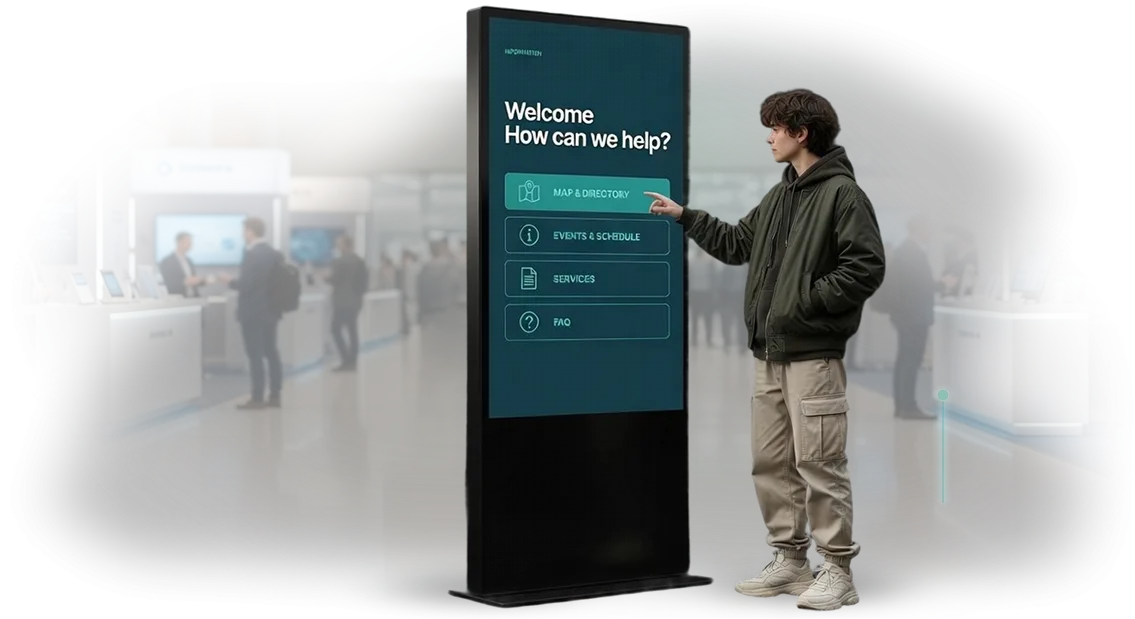
מדוע קיוסקים ללא אינטגרציה עם מערכות ניהול דיור ושירותים מאבדים מבקרים
קיוסקי מידע בתחום הדיור והשירותים חייבים לחסוך זמן לתושבים ולהקל על העומס במשרדים, אחרת אין בהם טעם.
אבל כאשר קיוסק אינו מחובר למערכות ניהול דיור ושירותים, הוא הופך ל"טאבלט יקר עם אינפוגרפיקה": תושבים לא יכולים לשלם חשבונות שירות, להגיש קריאות מונים, או לבדוק את סטטוס הבקשה.
מבקר ניגש לקיוסק כזה עם משימה ספציפית אבל מקבל רק מידע כללי שכבר זמין באתר. כתוצאה מכך, הוא מבזבז זמן, עוזב את התור, והולך לנציג שפותר את הבעיה שלו מהר יותר. כל מקרה כזה הוא אובדן קשר ופגיעה בנאמנות התושבים.
ללא אינטגרציה עם מערכות ניהול דיור ושירותים, הקיוסק אינו משתלם: העומס על מוקד הטלפוני ועל דלפקי המשרד אינו יורד, הצוות ממשיך לענות על אותן שאלות, ועלויות הציוד נשארות.
חברת הניהול מקבלת ויטרינה יקרה במקום אוטומציה אמיתית ומספר הולך וגדל של פניות שהקיוסק יכול היה לטפל בהן בעצמו.
בצוות שלנו אנו מטפלים בכאב הזה על ידי אינטגרציה של תוכנת הקיוסק עם מערכות ניהול דיור ושירותים.
אנו מגדירים את החיבור כך שהציוד הופך לדלפק שירות מלא: תשלומי חשבונות שירות, קריאות מונים, סטטוסי בקשות — הכל במקום אחד וללא תורים.
לאחר אינטגרציה כזו, הקיוסק מתחיל לעבוד למען המוניטין של החברה ומחזיר את התושבים למרחב דיגיטלי נוח.
מה אינטגרציה עם מערכות דיור ושירותים מספקת: יתרונות לעסק ולתושבים
אינטגרציה של קיוסק אינטראקטיבי עם מערכות ניהול דיור ושירותים הופכת פעולות שגרתיות לשירות מהיר ופשוט. תושבים כבר לא צריכים לעמוד בתור במרכז הגבייה או להתאים את עצמם לשעות הפעילות של המשרד. הם פשוט ניגשים לקיוסק — ורוב הבעיות נפתרות תוך מספר דקות.
היתרון המרכזי הוא מהירות התשלום. תושב מכניס כרטיס, רואה את הסכום על המסך, ומקבל מיד קבלה. הכספים נכנסים למערכת החשבונאות אוטומטית, ללא הזנה ידנית או שגיאות של נציגים.
עבור העסק, זה אומר פחות התאמות, פחות שיחות מתושבים ששואלים "האם התשלום עבר?", וזרם כספים קבוע ללא עיכובים.
היתרון החשוב השני הוא הפחתת עומס העבודה על הצוות. נציגי דלפק הגבייה וצוות חברת הניהול משוחררים מגביית תשלומים ומפניות לתושבים.
ניתן להפנות את הזמן שהתפנה לפתרון בעיות בית אמיתיות: מעקב אחר בקשות, עבודה עם חייבים, תכנון תיקונים. כתוצאה מכך, עלויות כוח האדם יורדות ואיכות השירות משתפרת.
עבור התושבים, אינטגרציה משמעותה נוחות וודאות. במקום אחד, הם יכולים לשלם שכר דירה, להגיש קריאות מונים, לבדוק חוב, או לקבל אישור. הקיוסק עובד מסביב לשעון, כך שהשירות זמין גם בחגים ובסופי שבוע.
כל פעולה אורכת דקות, והממשק ברור לאנשים בכל גיל — מסטודנטים ועד גמלאים.
עבור חברת הניהול, זה גם אומר תהליכים עסקיים מובנים היטב. כל הפעולות מתועדות במערכת אחת, ונוצרים דוחות וסטטיסטיקות תשלומים.
ההנהלה רואה את התמונה האמיתית: מאיפה מגיעות רוב הפניות, אילו שירותים מבוקשים, והיכן צריך לשפר את העבודה. הנתונים עוזרים לקבל החלטות המבוססות על עובדות ולא על הנחות.
לפיכך, אינטגרציה של קיוסק עם מערכות דיור ושירותים היא לא רק התקנת טרמינל אלא כלי שחוסך זמן לתושבים, מפחית את עומס העבודה על הצוות, והופך את ניהול הבניין לשקוף יותר. הלקוח מקבל שירות עובד שמועיל לכל הצדדים המעורבים מהיום הראשון.
פורמטי חיבור קיוסק למערכות דיור ושירותים למשימות שונות
ניתן לחבר קיוסקים לשירותי דיור ושירותים בדרכים שונות, והבחירה הנכונה משפיעה ישירות על מהירות השירות לתושבים ועל העומס על העובדים שלכם.
אנו מיישמים את כל פורמטי האינטגרציה הפופולריים — מקיוסקים עצמאיים עם סנכרון תקופתי ועד לשילוב במעגל מרכז הגבייה הכללי. מה מתאים לכם תלוי בהיקף, במספר הבניינים ובזרימת המבקרים הצפויה.
| פורמט | למי מתאים | מה הוא מספק |
|---|---|---|
| קיוסק עצמאי עם סנכרון | ועדי בתים קטנים, אגודות שיתופיות, יישובים מרוחקים | הקיוסק עובד גם עם אינטרנט לא יציב. תושבים משלמים ומקבלים קבלות; הנתונים מועברים כאשר החיבור משוחזר — ללא אובדן. |
| חיבור דרך API של מרכז הגבייה | חברות ניהול, מרכזי גבייה | נתוני החשבונות נמשכים אוטומטית. הזנה ידנית, שגיאות ותורים מתבטלים. הקיוסק תמיד מציג חיובים עדכניים. |
| פורמט אינטרנט עם הזדהות תושב | מתחמי מגורים, בנייני דירות | התושב רואה רק את המידע שלו: חוב, קריאות מונים, בקשות שירות. ביצועים גבוהים גם בשעות עומס. |
| מודול מוכן למערכות חיצוניות (מרכזי גבייה, פורטלים) | מפעילים אזוריים, חברות ניהול גדולות | החלפת נתונים עם מערכות ממשלתיות ומסחריות אוטומטית. דוחות נוצרים אוטומטית; העובדים רק עוקבים אחר התהליך. |
לאחר שתבחרו פורמט, אנו מספקים את הקיוסק כפתרון סוהר: מעיצוב והתקנה ועד אינטגרציה והשקה. אתם מקבלים שירות מוכן לתושבים — עם תפריט ברור והגנה על נתונים אישיים.
אם אינכם בטוחים איזו אפשרות מתאימה לארגון שלכם, שלחו לנו תיאור של המערכת הנוכחית שלכם — ונמצא פתרון מבלי לשלם על פונקציונליות מיותרת.
כיצד פועל פרויקט אינטגרציה של קיוסק מידע עם מערכות דיור ושירותים
אינטגרציה של קיוסק מידע עם מערכת ניהול דיור ושירותים היא פרויקט שאנו מנהלים מהבריף הראשון ועד לתמיכה שוטפת.
במהלך השנים, יישמנו עשרות שירותים כאלה עבור חברות ניהול וועדי בתים ואנו מבינים היכן בדרך כלל נוצרים קשיים, וכן כיצד להפוך את התהליך לחלק עבור התושבים ונוח עבור העובדים שלכם.
שלבי העבודה
-
בריף וסקר. אנו לומדים אילו משימות התושבים צריכים לפתור דרך הקיוסק: תשלומים, קריאות מונים, בקשות, אישורים. אנו קובעים אילו נתונים נדרשים ממערכת הדיור והשירותים שלכם וכיצד להימנע מעבודה ידנית בהחלפת מידע.
-
אישור תרחישים. אנו מציגים את פריסת המסך ואת ההיגיון של פעולות התושב. אתם מאשרים את האב-טיפוס והפונקציונליות, ואנו קובעים את לוח הזמנים ואת היקף העבודה — זה מבטל הפתעות בהשקה.
-
הגדרה ואינטגרציה. אנו מתאימים את תוכנת הקיוסק לתקנונים שלכם, מחברים אותה למערכת הדיור והשירותים, ובודקים שקריאות המונים והתשלומים מועברים כראוי.
-
בדיקות עם תרחישים אמיתיים. אנו עוקבים אחרי מסלול התושב: הגשת קריאה, ביצוע תשלום, פתיחת בקשה. אנו פותרים כל בעיה לפני שהמשתמש הראשון רואה את הקיוסק.
-
השקה והדרכה. אנו מתקינים את הקיוסק במיקום נוח לתושבים, מגדירים את הממשק, ומכשירים את העובדים שלכם להפעלה ולניהול הקיוסק.
-
תמיכה ופיתוח. אנו עוקבים אחר התפעול, מעדכנים תוכן ותוכנה, ומטפלים בבעיות במהירות. אם התהליכים במערכת הדיור והשירותים שלכם משתנים, אנו מתאימים את הקיוסק לדרישות החדשות.
כתוצאה מכך, אתם מקבלים שירות עובד ואמין: תושבים משלמים ומגישים קריאות ללא תורים, והעובדים שלכם מבזבזים פחות זמן על משימות שגרתיות.
מה אתם מקבלים לאחר האינטגרציה: תוצרים
אתם מקבלים לא "קוד חשוף" אלא פתרון מוכן שניתן להשיק בתוך הימים הראשונים. אינטגרציה עם מערכות ניהול דיור ושירותים מכסה את המשימות העיקריות של התושבים — תשלומים, קריאות מונים, בקשות — ומפחיתה את העומס על המוקד והחשבונאות.
להלן הרשימה המלאה של התוצרים, כדי שתבינו על מה אתם משלמים ומה עובד כתוצאה מכך.
התוצרים כוללים:
- תוכנת קיוסק — ממשק שתושבים שולטים בו ללא עזרה: הגשת קריאות מונים, תשלום עבור שירותים, פתיחת בקשות, צפייה בחיובים. הכל בחלון אחד, ללא תפריטים מורכבים.
- רישיונות רשמיים — עם מסמכים ואישורים, חוקיים לחלוטין. ללא עמלות נסתרות וללא "תחזרו לשלם שוב בשנה הבאה".
- הוראות לתושבים ולמנהלים — מדריכים קצרים וברורים על המסך, בתוספת חוברת לעובדים שלכם: כיצד לעדכן מידע, להחליף חומרים מתכלים, ולפתור בעיות נפוצות.
- הדרכה לצוות שלכם — אנו מקיימים מפגש מעשי עם אלה שיתחזקו את הקיוסק. לאחר מכן, העובדים שלכם יכולים לשנות מסכי פתיחה, להוסיף חדשות, ולנטר ביצועים בעצמם.
- חיבור למערכות ניהול הדיור והשירותים שלכם — אנו מגדירים החלפת נתונים עם מערכת הגבייה שלכם כך שתשלומים וקריאות יגיעו לאן שצריך, ללא הזנה ידנית חוזרת.
- השקה ותמיכה באחריות — אנו עוזרים להתקין ולוודא את התפעול באתר, ולאחר מכן נשארים זמינים: ייעוץ ועדכונים כלולים בחבילה הבסיסית.
החבילה כולה מועברת בצורה ברורה: אתם מקבלים לא "קופסת סיסמאות" אלא כלי עבודה עם תפקידים ברורים — מי עושה מה, כיצד לתחזק, ולאן לפנות אם משהו משתבש.
זה חוסך זמן לחברת הניהול שלכם והופך את השירותים לנוחים יותר עבור התושבים.
מקרה בוחן: כיצד קיוסק במרכז גבייה שירת 10,000 תושבים
עבור מרכז גבייה, נקודת הכאב המרכזית היא תורים קבועים ופניות חוזרות של תושבים: אישורים, חיובים, קריאות מונים. נציגים מבזבזים שעות על משימות שגרתיות בעוד תושבים עומדים בתורים במקום לפתור את הבעיה שלהם תוך דקות.
הצענו להעביר פעולות טיפוסיות לקיוסק אינטראקטיבי — וזה שינה את אופן העבודה של המרכז.
מה עשינו ומה השגנו
התקנו קיוסק מידע ב"מרכז הגבייה העירוני" — בכניסה, לפני אזור הנציגים. תושבים מגישים קריאות מונים, מזמינים אישורים, או משלמים חשבונות בכרטיס באופן עצמאי.
אם העניין שלהם מורכב, הם רואים את מספר התור שלהם על המסך וניגשים לנציג כשהם כבר מוכנים.
בחודש הראשון, הקיוסק שירת 10,000 תושבים. זמן ההמתנה הממוצע ירד מ-35 ל-5 דקות, והעומס על הנציגים ירד בשליש — הם מטפלים כעת רק בבקשות לא סטנדרטיות שבאמת דורשות עזרה.
שביעות הרצון של התושבים השתפרה: לפי סקר קצר על הקיוסק עצמו, 9 מתוך 10 דירגו את השירות כמצוין.
חיסכון שנשאר אצלכם
ההשפעה העיקרית היא לא שיפור חד-פעמי אלא חיסכון קבוע. המרכז כבר לא מרחיב את צוות הנציגים ככל שמספר התושבים גדל. כל קיוסק חדש מחזיר את עצמו דרך שעות עבודה שהתפנו, ופועל ללא הפסקות או ימי חופש.
התוצאות היו כה יציבות שהלקוח חזר אלינו לקיוסק שני לסניף שכן. אם מרכז הגבייה שלכם מתמודד עם אותן בעיות — נראה לכם איך נראית ההטמעה עם המספרים שלכם.
כיצד לבחור את פורמט האינטגרציה הנכון לתשתית הדיור והשירותים שלכם?
בחירת פורמט אינטגרציה לקיוסק אינטראקטיבי עם מערכות ניהול דיור ושירותים מתחילה לא בפרטים טכניים אלא במשימות: מה התושבים צריכים לקבל וכיצד זה יפשט את עבודת החברה שלכם.
באתר אחד, הגשת קריאות מונים מספיקה; באתר אחר, נדרשת שרשרת מלאה: תשלומים, פניות למוקד, קביעת פגישות, והתראות על עבודות מתוכננות.
הפורמט האופטימלי נקבע לפי המאפיינים הספציפיים של תשתית הדיור והשירותים שלכם.
אנו מנתחים אילו מערכות כבר קיימות, כיצד מאורגן זרימת המסמכים, והיכן העומס הגבוה ביותר, ואז בוחרים גרסה שמשתלבת בתהליכים מבלי לשבש את התפעול. התושבים מקבלים שירות נוח, העובדים מקבלים פחות שגרה ופחות שגיאות.
הרבה תלוי בהיקף: עבור משרד מכירות יחיד, פתרון עצמאי עם עדכונים מקומיים מספיק; עבור רשת סניפים, נדרשת אינטגרציה מרכזית.
לאחר מכן, תעריפים, ספריות וחדשות מתעדכנים בו-זמנית בכל הקיוסקים ממערכת אחת, ללא עריכות ידניות בכל מכשיר.
אם נתונים אישיים ותשלומים עוברים דרך הקיוסק, הפורמט חייב להבטיח החלפה מאובטחת עם הצד השרתי שלכם. אנו עוזרים להקים סביבה מהימנה ולהפריד הרשאות גישה — אתם שולטים בתהליכים ולא דואגים לסיכונים.
הבחירה הנכונה היא איזון בין משימות, תשתית קיימת ותקציב. אנו מבצעים את הניתוח, מציגים אפשרויות אופטימליות ואת היתרונות שלהן לתושבים ולצוות שלכם, כך שתוכלו לקבל החלטה מושכלת.
חששות נפוצים: לוחות זמנים, אבטחה ותמיכה לאחר האינטגרציה
אינטגרציה של קיוסק עם מערכות ניהול דיור ושירותים מעלה שלוש שאלות לגיטימיות עבור חברת ניהול: האם הנתונים האישיים של התושבים ידלפו? כמה זמן תימשך ההשקה? מי יעזור לאחר מסירת הפרויקט?
כל חשש מוצדק, ולכן בצוות שלנו אנו מטפלים בהם לפני תחילת העבודה, לא לאחר מעשה.
ראשית — אבטחה. הקיוסק מקבל רק את המידע הדרוש לקבלות ובקשות, הגישה מופרדת לפי תפקיד, והנתונים מועברים בערוץ מאובטח.
החוזה מפרט את אחריותנו להגנת הנתונים, ובדיקות עם נתונים אמיתיים מבטלות הפתעות לאחר ההשקה.
גם לוחות הזמנים שקופים. הפרויקט מחולק לשלבים עם מועדי קבלה לכל בלוק: אתם רואים תוצאות כל שבוע במקום לחכות לראות "מה יהיה" בסוף.
תמיכה היא לא מדריך בתיקייה אלא מומחה זמין בשיחה, תגובה מהירה לתקלות, ואחריות על כל העבודה שבוצעה.
נענה בקצרה על החששות המרכזיים, ובסעיף הבא נבחן כל נקודה בפירוט.
מה קורה לנתונים האישיים של התושבים?
בגישת "need-to-know": הקיוסק רואה רק מה שנדרש לחישובים ובקשות. הגישה מופרדת בין העובדים, מתנהל יומן פעולות, ואתם יכולים לבקש דוח בכל עת המראה מי פתח מידע ומתי.
כיצד נעבור לקיוסקים אם קבלן מפספס מועדים?
עיכובים קורים בדרך כלל כשאין שלבים ברורים. אנו קובעים תוכנית לוח זמנים עם מועדי קבלה לכל בלוק — מסביבת בדיקה עם הנתונים שלכם ועד השקה מקבילה לצד המערכת הישנה. עיכוב בשלב אחד לא מזיז את האחרים.
מי אחראי על הקיוסק לאחר ההשקה?
אנחנו, לכל תקופת התמיכה: אנו מעדכנים ספריות, עוקבים אחר תורי תשלומים, מגיבים לתקלות מרחוק, ומבקרים באתר בעת הצורך. התחייבויות האחריות מפורטות בחוזה, כך שלעולם לא נשארים לבד עם הציוד.
להלן, אנו מתארים פרויקט טיפוסי שלב אחר שלב — מהבריף הראשון ועד לרגע שבו התושבים עוברים לשיטת תשלום חדשה ואתם שוכחים מקבלות נייר.הזמינו אינטגרציית קיוסק עם המערכת שלכם — קבלו תפעול אמין
תפעול אמין של קיוסק עם מערכות ניהול דיור ושירותים הוא לא רק עניין טכני — זה איכות השירות לתושבים ודיוק החישובים. אם נתונים על תשלומים, קריאות מונים ובקשות חורגים, האמון בחברה שלכם נפגע. אנו מכסים את כל התחום הזה על בסיס סוהר: מהפנייה ועד לתמיכה לאחר ההשקה.
למומחי הצוות שלנו יש 10 שנות ניסיון בשוק והם יודעים לחבר קיוסקים עם פלטפורמות דיור ושירותים פופולריות, מערכות גבייה ומוקדים. אתם מקבלים פתרון עובד ללא הפתעות — עם הערכת עלות ברורה ולוח זמנים. התחילו בייעוץ: נדון במשימותיכם ונענה על שאלותיכם.
מה כולל פרויקט האינטגרציה:
- סקר של הציוד הקיים ומערכת הדיור והשירותים שלכם;
- בחירת תרחישים: תשלומים, קריאות מונים, פניות לחברת הניהול, קביעת פגישות;
- תכנון העברת נתונים מאובטחת בין הקיוסק לשירותים שלכם;
- הגדרה ובדיקת אינטגרציה על נתונים אמיתיים;
- הדרכת מנהלים והוראות לתושבים;
- תמיכה באחריות וסיוע מהיר לאחר ההשקה.
שלחו פנייה — נשיב עם הערכת עלות סוהר ראשונית. ציינו זמן נוח — נחזור אליכם ונבהיר את הפרטים. הצעד הראשון אורך לא יותר מדקה, ותקבלו תחזית תקציב ולוחות זמנים.