



אריזות משעממות הורגות מכירות של אביזרי רכב
קונה רואה מוצר על מדף בחנות או בפיד של מרקטפלייס. אין לו זמן להתעמק במפרטים — תוך כמה שניות הוא מחליט אם שווה לשים לב למוצר.
קופסה אפורה עם אותיות קטנות לא מסבירה איך האביזר טוב יותר מהחלופות שלו, והיא מפסידה למתחרים עם עיצוב בולט יותר. זו בעיית אריזה שפוגעת ישירות במכירות: המוצר לא זוכה לתשומת לב גם כשהאיכות שלו טובה.
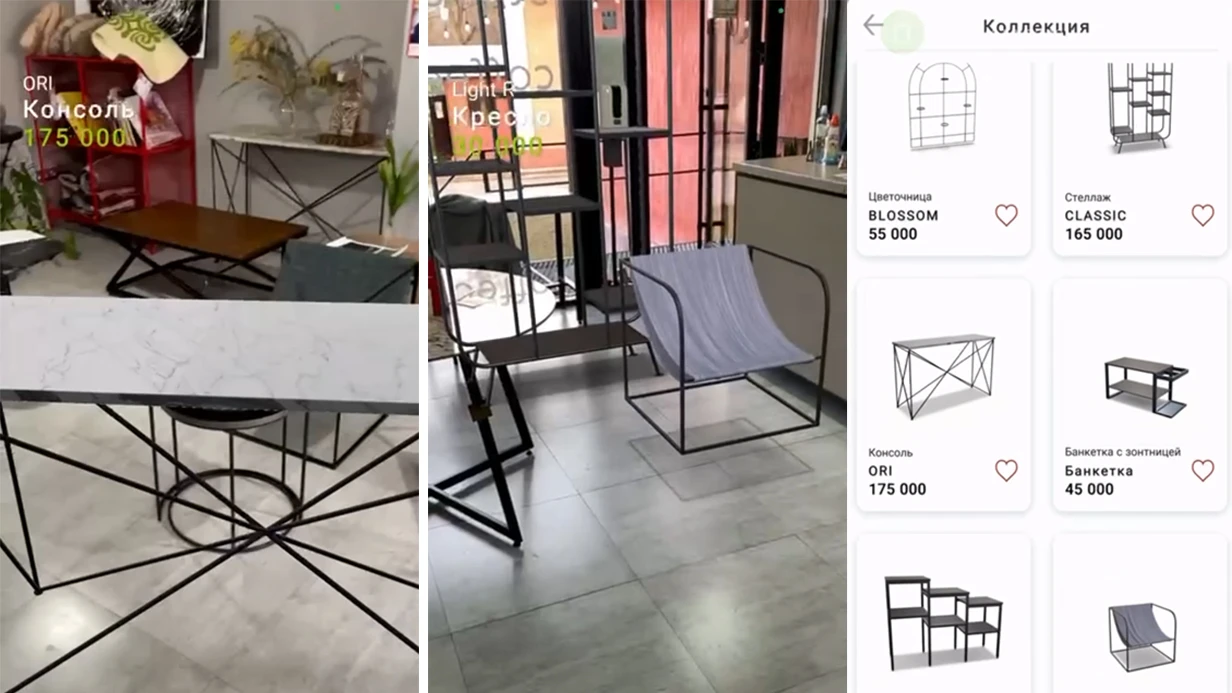
אריזות אינטראקטיביות פותרות את הבעיה הזו. פשוט מכוונים את מצלמת הסמארטפון לקופסה — ומודל תלת-ממדי של המוצר מופיע ישירות עליה, יחד עם אפשרויות התקנה ואפילו התאמה וירטואלית לדגם רכב ספציפי. הקונה רואה מיד את הערך בלי לפתוח את הקופסה או לקרוא את המדריך.
אריזות AR כאלה הופכות קרטון רגיל לחלון ראווה של מציאות רבודה. אפשר לבחון את האביזר מכל הכיוונים, להעריך את הגודל, התאימות והיתרונות שלו.
זה מסיר ספקות ומאיץ את החלטת הקנייה — הלקוח לא צריך לדמיין כלום, הוא פשוט רואה את התוצאה.
עבור המותג, זה אומר גם חשיפה: קונים מקליטים את החוויה בוידאו, משתפים ברשתות החברתיות ומספרים לחברים. אריזה לאביזרי רכב הופכת לנקודת כניסה לשיחה על המוצר — שיווק חינמי אחרי כל מכירה. כך קופסה אחת ממשיכה לבנות מודעות למותג הרבה אחרי הרכישה.
אנחנו פותרים את הבעיה הזו עם אריזות AR עבור יצרנים ומפיצים של אביזרי רכב. אנחנו עוזרים לכם לבלוט בין עשרות מוצרים דומים, להעלות המרות ולהגביר נאמנות לקוחות.
התיק שלנו כולל יותר ממאה פרויקטים של מציאות רבודה למותגים ואירועים, כך שאתם מקבלים תוצאה מוכחת בשטח.
שלושה יתרונות מרכזיים של אריזות AR לעסק שלכם
אריזות AR הופכות קופסת אביזר רכב רגילה לנקודת מגע עם המותג. הקונה מכוון את מצלמת הסמארטפון אליה — ורואה מודל תלת-ממדי של המוצר, הוראות או הדגמה אינטראקטיבית. זו לא רק קישוט; זה כלי עבודה שמשפיע על שלושה מדדים עסקיים מרכזיים.
היתרון הראשון הוא המרה גבוהה יותר.
על המדף או בקטלוג מקוון, מוצר עם סמן AR בולט מול המתחרים, והמציאות הרבודה מסירה את החשש המרכזי של הקונה: "האם זה יתאים לרכב שלי?" ישירות על האריזה אפשר להראות איך האביזר נראה על הרכב, איך הוא מורכב ואיך הוא עובד.
הלקוח מחליט מהר יותר — מה שאומר פחות רכישות נטושות ואחוז מכירות גבוה יותר.
היתרון השני הוא הכרת המותג. אריזה אינטראקטיבית היא בלתי נשכחת: אנשים מראים אותה לחברים, מקליטים סרטונים ומשתפים ברשתות החברתיות. כל פוסט כזה הוא פרסום חינמי שמרחיב את החשיפה ומקשר את המותג למודרניות ודאגה ללקוח.
גם אחרי הרכישה, הקופסה נשארת ברכב או במוסך — וממשיכה לעבוד כתזכורת למוצר שלכם.
היתרון השלישי הוא אמון ומכירות חוזרות. אריזות AR מאפשרות מעורבות לאחר מכירה: בתוך הסצנה האינטראקטיבית אפשר לשים קישור לרישום אחריות, מנוי לעצות שימושיות או קטלוג של מוצרים נלווים.
הלקוח מקבל ערך אחרי הרכישה, ואתם מקבלים ערוץ לאינטראקציות חוזרות. כך עסקה חד-פעמית הופכת למערכת יחסים ארוכת טווח עם הקונה.
אריזות AR מחזירות את ההשקעה בכל שלב: הן מעלות המרה ברגע הבחירה, מחזקות את הזיכרון של המותג ובונות בסיס למכירות חוזרות. זו השקעה בשיווק שלכם שממשיכה לעבוד הרבה אחרי שהמוצר נמכר.
פורמטים של אריזות AR לאביזרי רכב
עבור אביזרי רכב, האריזה היא נושאת המידע העיקרית של המותג. הקונה רואה את הקופסה לפני שהוא בכלל מוציא את המוצר.
תווית רגילה מדברת על מפרטים, בעוד אריזות AR מדגימות מיד את המוצר בפעולה: איך הוא מורכב, איך הוא נראה בתא הנוסעים, איך משתמשים בו. זה בונה אמון ומפחית את שיעור ההחזרות.
לכל סוג של אריזות AR יש מטרה משלו. אפשר להוסיף סמן AR לתווית קיימת, לייצר קופסה חדשה עם מציאות רבודה, או לשים תוספת AR בתוך הקופסה.
אנחנו מתאימים את הפורמט לסוג האביזר, לערוץ המכירה ולציפיות הלקוח — ממרקטפלייס ועד מרכז מכירות של סוכנות.
| פורמט | הכי מתאים ל | מה זה נותן ללקוח |
|---|---|---|
| תווית AR | מוצרים קומפקטיים: מחזיקים, נרתיקים למפתחות, מטהרי אוויר | מתעוררת לחיים ישירות על המדף: מודל תלת-ממדי בפעולה, קישור להוראות וביקורות. אין צורך לשנות את תהליך ייצור האריזה. |
| קופסת AR | אביזרים גדולים: שטיחי רצפה, כיסויי מושבים, מארגנים, אלקטרוניקה לרכב | הדגמה בגודל אמיתי, סרטון התקנה וכפתור "קנייה" ישירות בתוך המציאות הרבודה. בונה תדמית מותג פרימיום. |
| תוספת AR | מארזי מתנה, מהדורות מוגבלות | שכבת AR נוספת בתוך הקופסה: ברכה אישית, קוד נסתר וסיבה לשתף את החוויה ברשתות החברתיות. |
אנחנו עובדים עם כל הפורמטים המפורטים: נייעץ איזה מהם יחזיר את ההשקעה הכי מהר, נכין פריסות מוכנות לדפוס ונקים איסוף סטטיסטיקות סריקה. אתם מקבלים אריזה שממשיכה למכור גם אחרי שהאביזר לרכב נמצא בידיים של הלקוח.
שלבי השקת אריזות AR: מהבריף ועד מחזור הדפסה מוגמר
בנינו את התהליך כך שאתם מבינים מה קורה בכל שלב ויכולים לקבל החלטות. אין "קופסאות שחורות": אתם רואים את הקונספט, מאשרים את הפריסה ושולטים בלוח הזמנים. התפקיד שלנו הוא להוריד מכם את העומס הטכני ולהוביל את הפרויקט עד למחזור הדפסה מוגמר.
-
בריף אריזה. אנחנו לוכדים את המטרות, קהל היעד, תרחיש האינטראקציה עם AR ודרישות העיצוב. התוצאה היא מפרט טכני מובנה שניתן לאשר בתוך החברה שלכם.
-
קונספט ואב-טיפוס. אנחנו מציעים 2-3 אפשרויות לתרחיש AR: אריזה חיה, התאמה וירטואלית, בחירת צבע, הוראות מוגדלות. אתם רואים בדיוק איך הלקוח יתקשר עם המוצר שלכם.
-
אישור פריסה. אנחנו מחדדים את עיצוב האריזה סביב סמן ה-AR כך שהסריקה תעבוד בצורה אמינה במחזור ההדפסה. אתם מקבלים פריסה סופית שלא תצטרכו לשנות אחרי ההדפסה.
-
פיתוח AR. אנחנו יוצרים אפליקציה או מגדירים פלטפורמת ענן לתרחיש שלכם. אתם לא צריכים להבין בפרטים הטכניים — אתם מקבלים מוצר שנבדק על מכשירים אמיתיים.
-
בדיקת מחזור הדפסה. אנחנו מוודאים ביצועים על סמארטפונים שונים, בתנאי תאורה שונים ועל דגימות בדיקה מבית הדפוס. אתם בטוחים שהאריזה תעבוד עבור הלקוחות שלכם.
-
מחזור הדפסה והשקה. אנחנו מתאמים את טכנולוגיית ההדפסה עם בית הדפוס, מפקחים על המחזור ומשיקים את הפעלת ה-AR. אחרי ההשקה, אנחנו נשארים לתמיכה — בדיוק כל עוד אתם צריכים.
מה כלול במסירת אריזות AR
אריזות AR הן כלי מכירה מוכן, לא רק תמונה "חיה". אתם מקבלים חבילה מלאה: מהתרחיש ועד קופסאות מסומנות, ואתם משיקים את הקמפיין בלי מפתחים או השקעה נוספת.
המסירה כוללת:
- תרחיש אינטראקציה. אנחנו מתסריטים את מסע הלקוח: מכוון מצלמה לאריזה — רואה מודל מוצר תלת-ממדי — לומד את המפרטים — ממשיך להזמנה. הטקסט המוגמר והלוגיקה מועברים עם הפרויקט.
- סמני AR. אנחנו מעצבים סמנים לכל SKU, מדפיסים אותם או מספקים פריסה מוכנה לייצור. הם נקראים על ידי כל מצלמת סמארטפון מודרנית — ללא צורך בהתקנת אפליקציה.
- חומרים מודפסים. פריסות לקופסה, מדבקה ותוספת בסגנון התאגידי שלכם. אנחנו מתאימים את העיצוב הקיים שלכם או יוצרים חדש לקו האביזרים.
- הגדרה טכנית. אנחנו מארחים את סצנת ה-AR על תשתית אמינה, מגדירים דומיין וחיבור מאובטח. אתם לא צריכים מפתח משלכם — הכל עובד מיד.
- הנחיות לצוות. מדריך קצר לאורזים ומנהלים: איך לחבר סמנים, מה לעשות אם המצלמה לא מגיבה. ההדרכה אורכת 10-15 דקות.
- אנליטיקה ותמיכה. אנחנו מוסרים לוח מחוונים עם מספרי סריקות, עומק אינטראקציה והמרה לפניות. אם אנחנו מזהים נקודות חולשה, אנחנו מציעים שיפורים.
אתם משלמים פעם אחת ומקבלים סט עובד. ההשקה אורכת בדרך כלל עד שבוע אחרי שהחומרים נמסרו.
מקרה בוחן: איך אריזות AR הגדילו את שימור הלקוחות
מקרה ה-AR הזה התחיל עם אתגר לא מובן מאליו: יצרן אביזרי רכב הוציא תקציב רציני על פרסום, אבל לקוחות לא חזרו להזמנות חוזרות. אחרי פתיחת הקופסה, האריזה הלכה לפח, והמותג לא השאיר שום וו למכירה הבאה.
הפתרון הגיע בדמות אריזות AR. שמנו סמן על הקופסה; כשהמצלמה של הסמארטפון הופנתה אליה, מודל תלת-ממדי של המוצר התעורר לחיים, יחד עם מדריך התקנה ברור וכפתור הזמנה מהירה. כך אריזה חד-פעמית הפכה לנקודת מגע אינטראקטיבית עם הקונה.
מה עשינו
פיתחנו תרחיש AR לשלושה קווי מוצרים — כיסויי מושבים, שטיחי רצפה ומארגנים — ושילבנו אותו בקופסה הסטנדרטית בלי לשנות את תהליכי הייצור.
הקונה לא צריך להתקין אפליקציות: מצלמת הסמארטפון עצמה מזהה את הסמן ומראה הדגמה וירטואלית של המוצר עם המלצות וקוד קופון אישי.
התוצאה במספרים
חודשיים אחרי ההשקה, חלק ההזמנות החוזרות גדל ב-34%. אחד מכל שלושה קונים שסרקו את האריזה פתח את הקטלוג, ו-27% מהם ביצעו רכישה חוזרת בתוך חצי שנה.
זמן האינטראקציה הממוצע עם האריזה היה ארבע דקות — מספיק כדי ללמוד את כל תכונות המוצר ולשמור את פרטי הקשר של המותג.
היום החברה משתמשת באריזות AR לכל המוצרים החדשים. הפרויקט החזיר את ההשקעה בפחות מרבע, וההשפעה מאושרת על ידי נתוני המכירות: שימור הלקוחות גדל בשליש.
איך לבחור את הפורמט הנכון של אריזות AR?
בחירת פורמט אריזות AR לאביזרי רכב אינה עניין של פתרון אוניברסלי אחד — הגישה תלויה בסוג האביזר, בגודלו ובאיך הקונה מקבל את החלטת הרכישה.
לדוגמה, עבור מוצרים קומפקטיים כמו מחזיקי טלפון או מטהרי אוויר, מדבקה עם סמן AR על החלק הקדמי של הקופסה עובדת היטב, בעוד עבור פריטים גדולים — כיסויי מושבים או מערכות תא מטען — צריך ויזואליזציה תלת-ממדית מונעת מכירות שניתן להרחיב למסך מלא.
הקריטריון החשוב השני הוא המטרה שאריזות ה-AR משרתות. אם צריך להדגיש את העיצוב והחומר של האביזר, הפוקוס הוא על הצגתו בתוך פנים הרכב מזוויות שונות.
אם הקונה מטיל ספק בתאימות ובהתקנה, הוראות AR שלב-אחר-שלב הופכות ליעילות יותר: הן מקרינות את רצף ההתקנה ישירות על הקופסה או על החלל סביבה, ומסירות את ההתנגדות המרכזית "איך זה מתחבר?"
כדאי גם לשקול איפה בדיוק הקונה מתקשר עם AR: בחנות, בתערוכה או בבית אחרי הרכישה.
עבור אביזרי רכב, התרחיש הנפוץ ביותר הוא "ראיתי את האריזה — סרקתי — מיד הבנתי אם המוצר מתאים לרכב שלי." לכן ה-AR מותאם למוצר על ידי בדיקה על מכשירים ניידים אמיתיים ועם חברי קהל היעד, לא בתנאים מופשטים.
בסופו של דבר, בחירת הפורמט הנכון משפיעה ישירות על התוצאה: הקונה מהסס פחות, מחליט מהר יותר ומחזיר את המוצר פחות בגלל ציפיות שלא מומשו.
בנוסף, אריזות AR נותנות ליצרן פלטפורמה נוספת לספר את סיפור היתרונות של הדגם, מה שאומר הכרת מותג חזקה יותר ישירות על מדף החנות.
אנחנו מתאימים את הפורמט לכל סוג אביזר — מאלקטרוניקה קטנה ועד אלמנטים גדולים של פנים. התרחיש המוגמר נבדק עם קונים אמיתיים כך שאריזות ה-AR יעבדו עבור התוצאות שלכם ולא רק כתוספת נוצצת.
אתם מקבלים הנחיות שימוש ברורות והערכה של ההשפעה על המכירות, בנוסף ליכולת לעדכן תוכן במהירות בלי להדפיס מחדש את המחזור.
שאלות נפוצות על אריזות AR
לפני הזמנת אריזות AR לאביזרי רכב, אנשים שואלים לרוב על שלושה דברים: איך זה עובד, כמה זה אמין וכמה זה עולה. אנחנו נענה ישירות — להלן ההתנגדויות המרכזיות, כך שתוכלו לראות את הערך עוד לפני שתדברו איתנו.
איך הלקוח יראה AR בלי להתקין אפליקציה?
הוא פשוט מכוון את מצלמת הסמארטפון לאריזה: המודל התלת-ממדי של האביזר מופיע ישירות בדפדפן. כך אפשר להראות את המוצר חי, תוך הדגמת גודל, חומרים ותרחישי שימוש — לדוגמה, איך מחזיק מתחבר ברכב. אין שלבים נוספים ללקוח, מה שאומר שהחסם לגילוי המוצר הוא מינימלי.
מה אם למבקר יש טלפון חלש או אינטרנט לא יציב?
אנחנו בודקים פתרונות על מכשירים שונים ובוחרים הגדרות טעינה אופטימליות. סצנת ה-AR נפתחת תוך כמה שניות אפילו בדורות ישנים יותר של סמארטפונים.
באזורים עם חיבור יציב, הלקוח מקבל ויזואליה חלקה; במקרים קשים, כמו רצפת חנות, מסופקת גרסה לא מקוונת עם תמונות מוצר ותיאורים.
כמה אמין הפתרון בשימוש אמיתי?
מאחורינו עשרות השקות של אריזות AR למותגים שונים. אנחנו משתמשים בפלטפורמה מקצועית ובארכיטקטורת שרתים, כך שההתקנה עובדת ביציבות גם בזמני עומס שיא.
אחרי ההשקה, אנחנו תומכים בפרויקט: אנחנו עוקבים אחרי האנליטיקה ומשפרים את התרחיש אם אנחנו רואים שקונים מתקשים.
כמה עולה הפיתוח וכמה מהר זה יחזיר את ההשקעה?
התקציב תלוי במורכבות: מודל תלת-ממדי פשוט עם סקירה הוא רמת מחיר אחת, התאמת אביזר אינטראקטיבית היא רמה אחרת.
בייעוץ המקדים, נחשב לכם הערכה למחזור האריזות שלכם וניתן לוחות זמנים — בדרך כלל משבועיים.
הניסיון מראה שאריזות AR מגדילות את זמן בחינת המוצר ומפחיתות החזרות: הקונה רואה את המוצר לפני הרכישה, ולכן מתאכזב פחות.
עדיין יש שאלות? השאירו פנייה — נראה דוגמאות על סוג האביזר שלכם ונחשב את העלות תוך יום עסקים אחד.מוכנים לחזק את האריזה שלכם? קבעו ייעוץ
אריזה לאביזרי רכב היא לא רק קופסה — היא כלי מכירה. הקונה רואה את המוצר על המדף או בקטלוג ומחליט תוך שניות אם לקחת אותו. קופסה רגילה עם טקסט כבר לא תופסת תשומת לב — קשה להתחרות בוידאו בסמארטפון.
אריזות AR משנות את זה. מכוונים את המצלמה לקופסה — והאביזר מופיע בתלת-ממד: אפשר לצפות בו מזוויות שונות, לראות איך הוא מורכב, או "למדוד" אותו על הרכב שלכם. זה הופך את האריזה לקטלוג אינטראקטיבי שתמיד בהישג יד של הקונה. זה מגביר את הכרת המותג ונותן לאנשים סיבה לשתף את הרושם שלהם ברשתות החברתיות.
אנחנו יוצרים פתרונות AR ו-VR לאירועים, מוזיאונים ומותגים כבר יותר מ-10 שנים. אנחנו נעזור גם לכם: נפתח את התרחיש, נדגמן את הגרסה התלת-ממדית של המוצר שלכם ונשיק אריזות AR למטרות שלכם. אתם לא צריכים פריסה מוכנה כדי להתחיל — רק שלחו בקשת פרויקט.
כשאתם קובעים ייעוץ אריזה, אתם מקבלים:
- סקירה של האריזה הנוכחית שלכם והזדמנויות לצמיחת מכירות;
- הדגמה של אפקטי AR על המוצר שלכם;
- הערכת תקציב ולוח זמנים למחזור ההדפסה הראשון;
- המלצות לשילוב עם מרקטפלייסים והאתר שלכם;
- תוכנית למדידת חשיפה והמרה אחרי ההשקה;
- תמיכה בכל שלב — מהרעיון ועד מחזור ההדפסה.
השאירו בקשת פרויקט — נשלח דוגמאות עבודה ונענה על השאלות שלכם. הייעוץ אינו מחייב, אבל הוא часто הופך לצעד הראשון לקראת מכירות גבוהות יותר. אתם יכולים להזמין AR בלחיצה אחת — פשוט כתבו לנו.