



מדוע פעילויות מעורבות פותרות את בעיית נשירת האורחים
אורחים זוכרים רגשות, לא מספרים יבשים ומצגות. תוך 20–30 דקות של צפייה פסיבית, תשומת הלב מתחילה לנדוד: אנשים מתחילים לבדוק את הטלפונים שלהם, נסחפים לעבר היציאות, ועוזבים את המקום לפני הסיום הרשמי.
עבור מארגן, זה לא רק בזבוז דקות — זה אובדן הכנסות, רושם מותג חלש יותר, וביקורות פחות נלהבות לאחר האירוע.
מדוע זה קורה? רוב האירועים עדיין בנויים סביב תקשורת חד-כיוונית: במה, דוכנים, הרצאות, שבהן האורח נשאר צופה.
אבל מעורבות קהל באירוע היא גורם שימור מרכזי: כשאדם מעורב, הוא מפסיק להיות צופה פסיבי ומקבל החלטה משלו להישאר, לחזור לדוכן, או להביא חברים.
פעילויות מותג אינטראקטיביות עוזרות להפוך את הדינמיקה הזו. פורמט שנבחר היטב — משימה, מיצב חווייתי, אזור מציאות רבודה — גורם לאורח ליצור אינטראקציה עם המותג שוב ושוב. זה יוצר רגשות אמיתיים שאנשים רוצים לשתף: לצלם, לדון, לספר לאחרים.
מנקודת מבט עסקית, זה אומר יותר זמן ממוצע באולם, יותר אינטראקציות עם המוצר, והמרה גבוהה יותר לפניות או רכישות.
שימור מבקרי תערוכה מפסיק להיות בעיה — מופיעים מדדים מדידים: תפוסת אזורים, אורכי תורים, אזכורים במדיה חברתית, וביקורים חוזרים ביום השני.
זו הסיבה שאנחנו בונים את הפרויקטים שלנו סביב מכניקות מעורבות, לא רק "תמונה יפה." המהנדסים והתסריטאים שלנו מתכננים כל צעד של האורח: ממגע ראשון ועד לרגש הסופי שגורם להם לרצות להישאר עוד.
מה המעורבות הנכונה עושה לאירוע
אורחים זוכרים אירועים שבהם השתתפו בעצמם. צפייה פסיבית בתערוכה זוכה לכמה דקות של תשומת לב, בעוד שאזור אינטראקטיבי מחזיק אנשים פי כמה יותר זמן — מספיק זמן כדי לשקוע בסיפור המותג, לצלם תמונה, ולספר לאחרים על כך.
עבור הלקוח, זה אומר כמה תוצאות מדידות: זמן przebywania מוגדל, נאמנות גבוהה יותר, איסוף אנשי קשר ללא טפסים פולשניים, והגעה ויראלית במדיה חברתית. כל מדד קל לחישוב ולהצגה להנהלה.
| מה אנחנו מודדים | מה קורה | תועלת ללקוח |
|---|---|---|
| זמן במיצב | האורח מקיים אינטראקציה במשך 3–7 דקות במקום 10 שניות | מגע עמוק יותר עם המותג |
| טביעת רגש | המשתתף משתף רשמים עם עמיתים | נאמנות מוגברת וביקורים חוזרים |
| אנשי קשר בדוכן | ליד נתפס באמצעות משחק או חידון | מאגר לידים ללא מילוי טפסים "משעמם" |
| אזכורים במדיה חברתית | אורחים מפרסמים תמונות וסרטונים | הגעה נוספת לקהל האירוע |
אנחנו בונים את הפורמטים האלה על ציוד מקצועי מוכח, כך שהלקוח מקבל תוצאה יציבה והשקה מהירה.
לדוגמה, בחידון אינטראקטיבי לפורום הקהילות העירוניות, איסוף אנשי הקשר שולש והזמן הממוצע בדוכן גדל מדקה אחת לשש דקות — ללא כל הוצאה פרסומית נוספת.
פורמטים של פעילות מעורבות למתחם שלך
בחירת פורמט פעילות מעורבות היא עניין של תוצאות עסקיות, לא של טכנולוגיה. פעילויות מסוימות שומרות על אורחים, אחרות מעוררות הפצה מפה לאוזן, ואחרות אוספות אנשי קשר. להלן ארבעה פורמטים מוכחים שאנו מתאימים למתחם שלך.
| פורמט | למי | מה זה נותן ללקוח |
|---|---|---|
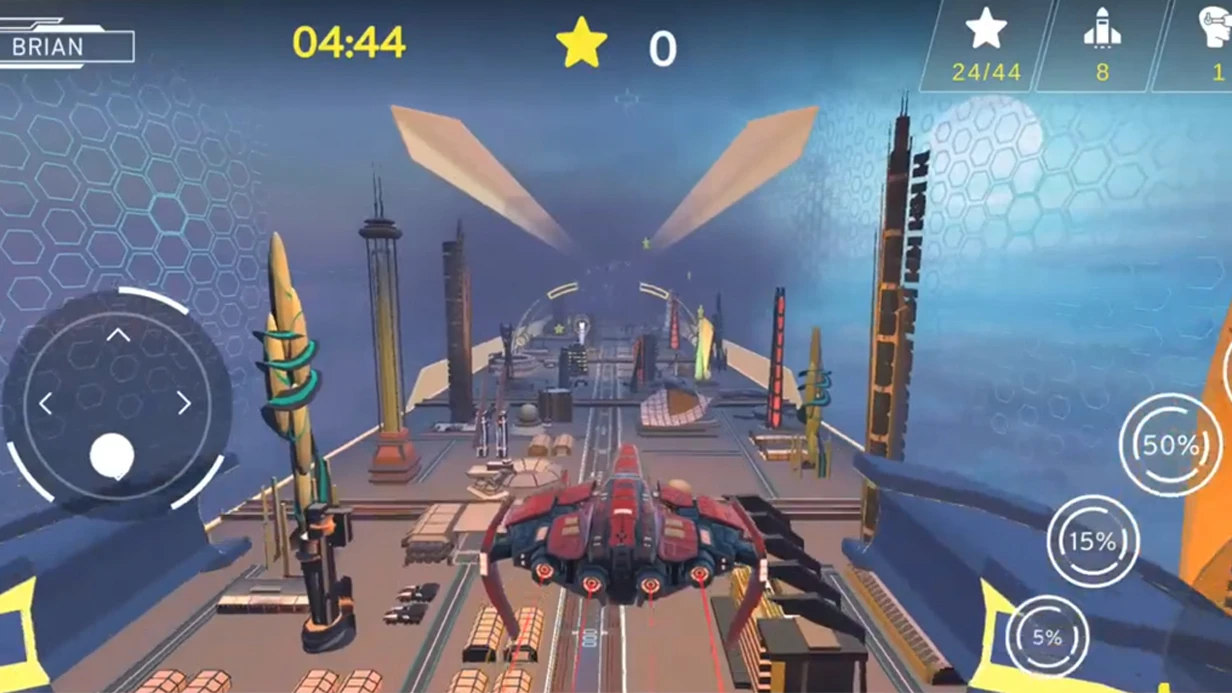
| אזור משחקים וירטואליים | אירועים, מסיבות חברה, פסטיבלים עירוניים | תנועה גבוהה והתרגשות: אורחים נשארים, חוזרים שוב ושוב, ומתחרים זה בזה |
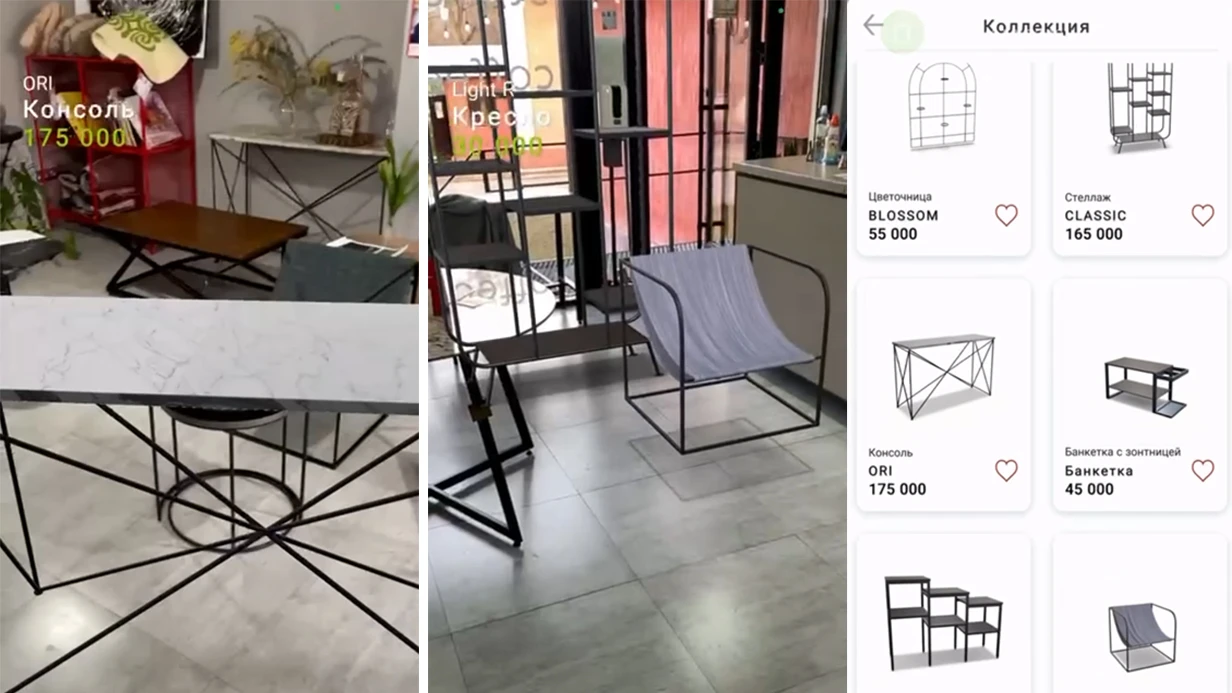
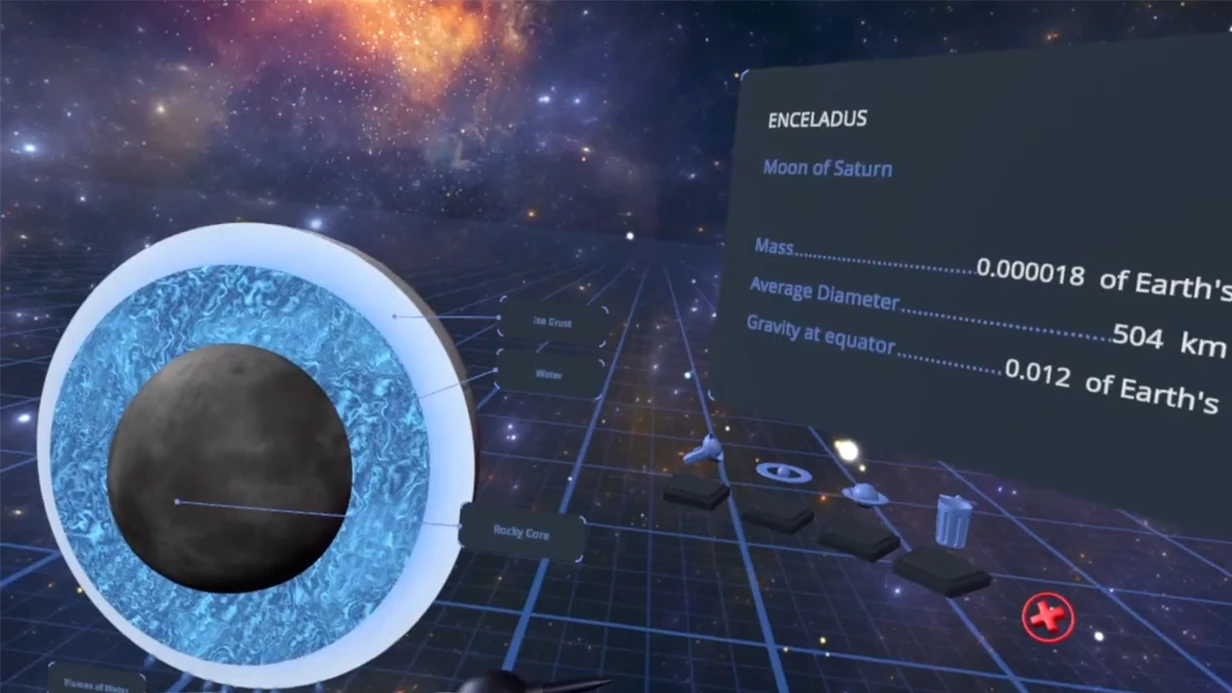
| משימת מציאות רבודה | מוזיאונים, תערוכות, חללים חינוכיים | מגדיל את זמן przebywania, מטביע מבקרים בתערוכה, ואוסף נתוני מסלול |
| אזור צילום AR אינטראקטיבי | מותגים, כנסים, חדרי תצוגה | כל אורח יוצר תוכן עם המותג שלך ומפרסם אותו במדיה חברתית — הגעה ללא תקציב פרסום |
| מופע חווייתי | השקות, מצגות, במות גדולות | אפקט וואו שמושך קהל והופך לסיבה המרכזית לבקר במתחם |
באיזה פורמט לבחור? לזיהוי מותג — אזורי צילום; לעומק מגע — משימות מציאות רבודה; להתרגשות — משחקים וירטואליים. אנחנו משלבים פורמטים ומחשבים מדדים: זמן przebywania, מספר אינטראקציות, ביקורים חוזרים.
אנחנו מתעדים אינדיקטורים לפני ואחרי ההשקה — אתה רואה את האפקט במספרים. כל פורמט מותאם לסגנון המותג שלך ולתסריט האירוע — אתה מקבל תוצאה מדידה, לא רק נקודת משיכה.
כיצד מיושם אזור אינטראקטיבי במפתח מלא
יישום אזור אינטראקטיבי הוא לא רק התקנת ציוד. זה פרויקט שבו התסריט, הסגנון החזותי והאמינות הטכנית כולם חשובים. מבננו את התהליך כך שתראה תוצאות בכל שלב ולא תוסח על ידי פרטים. נקרא לזה אינטראקטיב במפתח מלא.
- בריף. אנחנו נועלים מטרות: כמה אורחים צריכים לעבור באזור, איזו תוצאה המותג צריך — הגעה, איסוף אנשי קשר או מכירות. אנחנו מזהים מתחם, תקציב ומגבלות זמן כדי לחסל סיכונים מראש.
- קונספט תסריט. אנחנו מציעים 2–3 אפשרויות אינטראקציה, ממגע פשוט ועד לשקיעה מלאה. אנחנו מראים איך זה ייראה ואילו רגשות האורח יחווה.
- אישור. אתה בוחר את התסריט שאתה אוהב; אנחנו מחדדים פרטים: תזמון, סגנון, מסרי מותג. אנחנו מסיימים את ההחלטה כדי שלא נחזור לעריכות מאוחר יותר.
- ייצור. אנחנו מכינים תוכן, תוכנה ומבנים. אנחנו בודקים על ציוד במקביל כדי שהכל יעבוד חלק עד ההשקה.
- התקנה והשקה. אנחנו מספקים, מתקינים ומגדירים את האזור באתר. אנחנו עורכים בדיקה סופית ומכשירים את הצוות שלך להתנעה מהירה.
- תמיכה. אנחנו זמינים לכל משך פעילות האזור: פותרים במהירות כל בעיה, ולאחר האירוע, עוזרים בפירוק והוצאת הציוד.
גישה זו הופכת את התהליך לצפוי: אתה שולט רק בהחלטות מפתח; אנחנו מטפלים בשאר.
מה כלול בחבילת ההתקנה האינטראקטיבית
כדי לוודא שההתקנה מספקת תוצאות ולא בעיות, אתה צריך אותה מוכנה לעבודה מהיום הראשון. אנחנו מספקים את הפרויקט במפתח מלא: מתסריט ועד תמיכה טכנית ביום האירוע. להלן החבילה המלאה שאתה מקבל, ללא שלבים נסתרים או הפתעות.
- תסריט אינטראקציה מעוצב היטב. עבור הפורמט שלך — מוזיאון, תערוכה, אירוע חברה — אנחנו כותבים כיצד מבקר חווה אותו שלב אחר שלב: מה הוא רואה, מה הוא עושה, ואילו רגשות הוא לוקח איתו.
- ציוד במפתח מלא. אנחנו מביאים את כל המכשירים הדרושים, מתקינים אותם ובודקים אותם באתר. אתה לא צריך לחפש השכרות או להתמודד עם לוגיסטיקה — אתה מתמודד עם צוות אחד.
- תוכנה ותוכן. אנחנו בונים אפליקציה שמופעלת אוטומטית ואינה דורשת קלט צוות. אנחנו יוצרים תוכן למטרה שלך: סיפור מותג, מוצג או מכניקת בידור.
- הכשרת צוות ל-VR. אנחנו מכשירים את העובדים שלך: איך לקבל אורחים, לעזור עם ציוד ולטפל במצבים נפוצים. בדרך כלל כמה שעות מספיקות כדי שהצוות יעבוד בביטחון.
- תמיכה טכנית באתר במהלך האירוע. המהנדסים שלנו זמינים בזמן פעילות ההתקנה ובמידת הצורך נוכחים באתר. אתה אף פעם לא מתמודד עם הציוד לבד ברגע הקריטי ביותר.
- תיעוד והוראות. אנחנו מספקים מדריכים פשוטים לצוות: רשימת השקה, כללי עצירת חירום ותרשים פריסת ציוד. ללא ז'רגון טכני.
- מדרגיות. אתה מתחיל עם תצורה בסיסית ומאוחר יותר מוסיף תסריטים או אולמות חדשים באמצעות אותה ערכת ציוד. זה זול יותר מלהתחיל פרויקט מאפס.
החבילה כולה מותאמת למשימה ולתקציב שלך. אתה משלם סכום קבוע המכסה ציוד, פיתוח, הכשרה ותמיכה ביום האירוע. חיובים נוספים נוצרים רק אם תחליט להוסיף משהו מעבר להיקף המוסכם.
מקרה בוחן: איך החיינו תערוכת מותג ומשכנו קהל
עבור אחת מיצרניות הרכב המובילות באירופה — נקרא לה Riviera Motors — יצרנו אזור נסיעת מבחן וירטואלית אינטראקטיבי בתערוכה.
זה לא היה רק הדגמה; זו הייתה פעילות מעורבות מלאה: אורחים ישבו בכיסא, חבשו משקפי VR, נסעו בעיר וירטואלית, ואז שיתפו את החוויות שלהם במדיה חברתית.
לפני כן, הדוכן נראה כמו חלון ראווה טיפוסי: מכונית, כמה יועצים, דקת תשומת לב מעוברי אורח. הצענו מודל אחר — האדם הופך למשתתף במופע, לא לצופה.
תוך שעה, נוצר תור יציב באזור: אנשים חיכו 10–15 דקות, צילמו את החוויה ויצרו תוכן מותג בעצמם.
התוצאות עלו על הציפיות. הזמן הממוצע בדוכן שולש — משתיים-שלוש דקות לשמונה-תשע. במשך ארבעה ימים, יותר מ-1,200 מבקרים עברו באזור, ואחד מתוך שניים השאיר פרטי קשר לנסיעת מבחן אצל הסוכן.
בונוס נוסף היה הגעה אורגנית: הפוסטים של האורחים במדיה חברתית יצרו כמעט כמה חשיפות למותג כמו פרסום בתשלום באתר.
מנהל השיווק של המותג סיכם: "זו הפעילות הראשונה שבה מבקרים עומדים בתור מרצונם ולא רוצים לעזוב.
אספנו יותר אנשי קשר מאשר במהלך כל קמפיין התערוכה הקודם." חודש לאחר מכן, הלקוח חזר — בנינו את אותו אזור לסיבוב אזורי בסוכנויות.
כיצד לבחור את הפורמט הנכון לאירוע שלך
בחירת פורמט מתחילה לא בטכנולוגיה אלא במטרה. מה חשוב יותר: למשוך תשומת לב לדוכן, לבדר אורחים, להכשיר צוות או לאסוף אנשי קשר? התשובה מניעה את ההחלטה.
אקטיבציה קצרה ליד הכניסה מתאימה להגעה; מצגת עמוקה מתאימה להצגת מוצר; ומשימה אינטראקטיבית שומרת אורחים בדוכן. גישה זו מאפשרת לך לבחור פורמט VR/AR שמספק את התוצאה הנדרשת ולא רק תופס מקום.
השלב הבא הוא המתחם. עבור אולם סטנדרטי, כמה מטרים רבועים לאזור VR מספיקים; עבור לובי, תסריטי AR עם סמני רצפה עובדים טוב יותר.
אם החלל לא קונבנציונלי — גרם מדרגות, מסדרון צר, ישיבה בנקטטים — אנחנו מתכננים את התסריט סביב הגיאומטריה והתאורה כך שהחוויה האינטראקטיבית לא תפריע לזרימת האורחים.
התקציב קובע את ההיקף, לא את האיכות: לאקטיבציית ניסיון, תחנה אחת מספיקה; לאירוע גדול, אנחנו בונים כמה תחנות. המפתח הוא לכלול תמיכה טכנית לכל התקופה; אחרת, תחסוך בציוד ותפסיד בזמן השבתה.
אנחנו עוזרים לך לבחור פתרון אינטראקטיבי למשימה ולחלל שלך. בהתחלה, אנחנו עורכים סקר קצר, מעריכים תנועת רגליים ומראים כיצד הפורמט ישפיע על מדדי האירוע שלך.
כך אתה מקבל כלי עובד, לא רק "טכנולוגיה." הזמן אותנו לייעוץ — ננתח את המצב שלך תוך 30 דקות.
ספקות נפוצים לפני ההשקה: פירוק שלהם
ספקות לפני ההשקה הם נורמליים: מה אם הטכנולוגיה תיכשל, אורחים לא יאהבו את זה, או שהמתחם לא יעבוד. אנחנו מבנים את הפרויקט כך שכל אחד מהסיכונים האלה מטופל לפני האירוע.
אנחנו לוקחים אחריות טכנית: אנו מספקים אחריות כתובה על ציוד, מציעים ביטוח אירוע ומביאים ערכות גיבוי. אנחנו מתאימים תוכן למותג ולקהל היעד שלך, ומעבדים את שילוב המתחם מראש.
מה קורה אם ציוד נשבר במהלך האירוע?
רכיבים קריטיים משוכפלים, ומהנדס נמצא באתר. אנחנו מתקנים תקלות תוך 10–15 דקות, ואם בכל זאת מתרחשת השבתה, היא מכוסה על ידי האחריות והביטוח הכלולים בחוזה.
מה אם אורחים לא יאהבו את הפעילות?
לפני ההשקה, אנחנו עורכים סשנים לבדיקה ומחדדים את התסריט לפי תגובות. באירוע, אנחנו עוקבים אחר מדדים: כמה אנשים נשארו והאם הם צילמו תמונות. אם העניין יורד, אנחנו עוברים למכניקות גיבוי מבלי לעצור.
איך הפעילות תתאים למתחם ולסגנון המותג שלנו?
אנחנו סוקרים את החלל, התאורה וזרימות המבקרים, ואז מציעים פריסה ללא תורים. אנחנו יוצרים תוכן בצבעי המותג שלך ועם לוגואים, מתאמים התקנה עם ההנהלה ומשאירים ללא עקבות.
קבל הצעת מחיר וקונספט לאזור האינטראקטיבי שלך
אזור אינטראקטיבי הוא דרך להבדיל את המותג שלך מהמתחרים ולהחזיק את תשומת הלב של האורחים יותר מהרגיל. אבל כדי לגרום לו לעבוד לתוצאות ולא להיות רק תמונה מושכת עין, אתה צריך חישוב מדויק המבוסס על הפורמט, הקהל והתקציב שלך.
זו הסיבה שאנחנו מתחילים לא עם אבטיפוס אלא עם בקשת הצעת מחיר — כך שתקבל קונספט מוכן, רשימת פורמטים והערכת עלות לפני קבלת החלטה.
לאחר הבקשה, אנחנו לומדים את המשימה שלך ומציעים קונספט אזור אינטראקטיבי מותאם אישית: איזה פורמט מתאים לך, איך הוא משתלב במתחם, ואיזו תוצאה הוא יניב.
יחד עם זה, נשלח הערכת עלות שקופה — עלות האזור האינטראקטיבי קבועה ולא תשתנה בדרך. ללא התחייבויות: אתה משווה ברוגע, דן פנימי ומקבל החלטה.
מה אתה מקבל לאחר יצירת קשר:
- קונספט מותאם אישית — לא תבנית, אלא פתרון לקהל ולמטרות שלך.
- הערכת עלות שקופה — אנחנו נועלים את העלות לפני תחילת העבודה.
- מבחר פורמטים: מאזורים קומפקטיים ועד מיצבים בקנה מידה גדול למתחם ולתקציב שלך.
- תחזית אפקט: הגעה, זמן przebywania, מספר אינטראקציות.
- תוכנית יישום עם שלבים ולוחות זמנים כדי שתראה את כל הדרך עד ההשקה.
- ללא התחייבויות: לאחר הערכת העלות, אתה לא חייב דבר — ההחלטה היא שלך.
שלח בקשת הצעת מחיר — תוך 2 ימי עסקים תקבל קונספט, רשימת פורמטים והערכת עלות. אנחנו מתקדמים רק כשתאשר שזה מתאים לפרויקט שלך.