



אריזות AR לרהיטים ופריטי פנים: הנעת צמיחה במכירות
לקונים של רהיטים ופריטי פנים תמיד יש ספקות: האם זה יתאים בגודל, יתאים לסגנון, או יהיה בצבע הנכון?
גם תמונות באיכות גבוהה לא מעבירות את התחושה של "איך זה ייראה בבית שלי". בגלל הספקות האלה, לקוחות נוטשים עגלות, דוחים החלטות, ומחזירים פריטים שנשלחו אליהם.
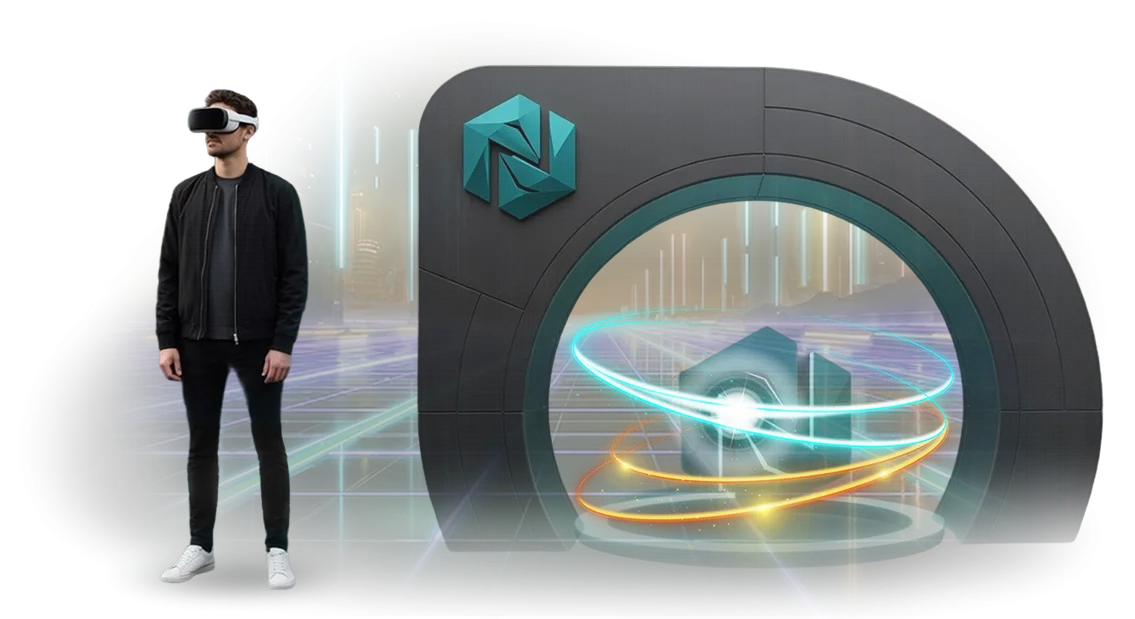
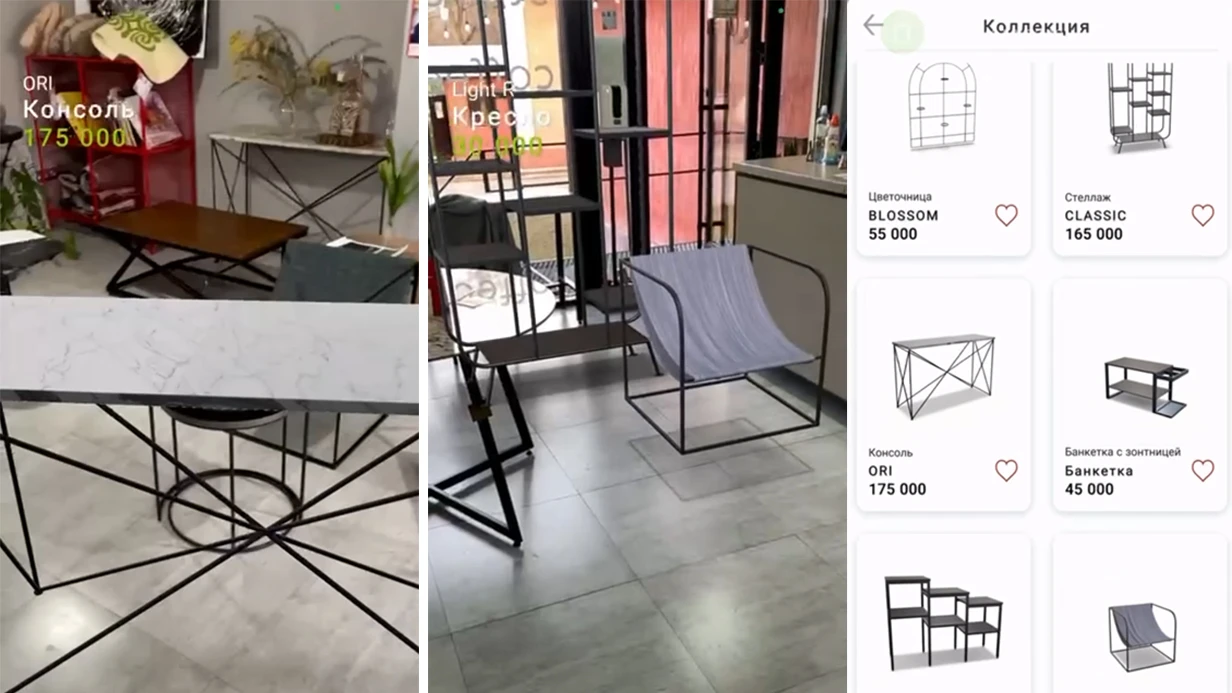
אריזות AR פותרות את הבעיה הזו. זו דרך להראות את המוצר במרחב האמיתי של הקונה: פשוט מכוונים את מצלמת הסמארטפון לסמן מיוחד על הקופסה, התווית או הקטלוג — ומודל תלת-ממדי של ספה, כורסה או שידה מופיע על המסך.
הקונה רואה את הפריט בקנה מידה אמיתי, יכול "למקם" אותו בחדר, ולבדוק איך הוא משתלב עם הטפט, הריצוף והתאורה.
עבור העסק, זה אומר צמיחה ישירה במכירות. כשאדם רואה שהמוצר באמת מתאים לפנים שלו, הוא מקבל החלטה מהר יותר ובביטחון רב יותר.
ויזואליזציה כזו של פנים מפחיתה את שיעור ההחזרות ומגבירה את ההמרה — גם במסחר אלקטרוני וגם ברצפות מכירה פיזיות.
בנוסף, אריזות AR הן חוויית מותג בלתי נשכחת. לקוחות שמחים לשתף את החוויה הזו ברשתות החברתיות, מה שיוצר חשיפה נוספת ומחזק את תדמית החברה כמודרנית ומוכוונת לקוח. אותו כלי עובד במספר שלבים: מאריזת משלוח ועד תצוגות קידום מכירות בחנות.
אנחנו מפתחים פתרונות AR ו-VR לעסקים וכבר השקנו פרויקטים לחברות רהיטים. ספרו לנו על המשימה שלכם — נייעץ לכם כיצד להשתמש באריזות AR כדי להגדיל מכירות ולהפוך ויזואליזציה של פנים לחלק מחוויית הלקוח שלכם.
אילו יתרונות אריזות AR מביאות למותג שלכם
כשקונה בוחר רהיט או פריט פנים, הוא רוצה לדמיין איך זה ייראה במרחב שלו. תמונות וסרטונים רגילים נותנים רק רעיון כללי, וספקות מפריעים לקבלת החלטה.
אריזות AR מסירות את המחסום הזה: הלקוח רואה את המוצר בסביבה האמיתית של החדר שלו, בקנה מידה ובזווית הנכונים. זה הופך את תהליך הבחירה ממופשט לוויזואלי ובטוח.
התוצאה הראשונה והעיקרית היא המרה מוגברת. כשקונה יכול "לנסות" ספה או שידה מול התכנון שלו, הוא מבין מהר יותר אם הפריט מתאים ונוטה פחות לדחות את הרכישה.
אינטראקטיביות כזו מפחיתה את מספר ההחזרות ומגדילה את חלקם של הזמנות שבוצעו מיד לאחר הצפייה. עבור חנויות מקוונות וקטלוגים, זו דרך ישירה להכנסות גבוהות יותר ללא הוצאות פרסום נוספות.
האפקט השני הוא חוויה ייחודית שמבדלת את המותג מהמתחרים. מעט חברות משתמשות במציאות רבודה בנישת הרהיטים, כך שההצעה שלכם בולטת.
הלקוח משתף את הרושם הזה עם חברים וברשתות החברתיות, מה שיוצר חשיפה אורגנית והכרה. באולם תצוגה או בתערוכה, אריזות AR הופכות תצוגה רגילה לאזור אינטראקטיבי שמושך תשומת לב ומשאיר מבקרים זמן רב יותר.
לבסוף, אריזות AR הן כלי שיווק דיגיטלי מודרני שמשתלב בקלות בערוצים קיימים: אתר, אפליקציה, רשתות חברתיות, קוד QR על תווית או תג מחיר. אפשר לעדכן תוכן ללא הדפסה מחדש של אריזות, לעקוב אחר עניין המשתמשים ולאסוף נתונים. זה פתרון גמיש שמחזק את המותג ומספק תוצאות עסקיות מדידות.
אם אתם רוצים שקונים יראו את הרהיטים שלכם בפנים שלהם ויבחרו לטובתכם, אריזות AR הן בדיוק הכלי הנכון. אנחנו נעזור לכם ליישם זאת במהירות ובתוצאות מובטחות — מהרעיון ועד ההשקה.
פורמטים של פתרונות AR לסוגי רהיטים שונים
עבור עסקי הרהיטים, המשימה העיקרית היא לעזור לקונה לדמיין את הפריט במרחב שלו. הספק "האם זה יתאים בגודל, צבע, סגנון" הוא זה שעוצר רכישה לרוב.
אריזות AR מסירות את הספק הזה: הלקוח רואה את הספה, השולחן או השידה בחדר שלו, מעריך איך זה עובד עם הגימורים והתאורה — ומקבל החלטה מהר יותר.
אנחנו בוחרים את הפורמט שיתאים לתרחיש המכירות שלכם: מתוספת קלה לקטלוג ועד לתצוגה אינטראקטיבית מלאה של הקולקציה. כל אפשרות פותרת משימה משלה — הגדלת המרה, הפחתת החזרות או בידול התצוגה שלכם.
| פורמט | למי זה מיועד | מה זה נותן ללקוח |
|---|---|---|
| סימון AR על תווית או אריזה | יצרנים וחנויות עם רשת קמעונאית | הקונה מכוון סמארטפון לתווית ורואה את המוצר בפנים הבית שלו בלי לפתוח קטלוג |
| ויזואליזציה תלת-ממדית בקטלוג | חנויות מקוונות, משווקים | כל מוצר ניתן לצפייה מכל צד ו"למקם" בחדר — פחות ספקות, פחות החזרות |
| קטלוג AR אינטראקטיבי של הקולקציה | אולמות תצוגה, סלונים ותערוכות | מבקרים משנים צבעים, חומרים ופריסות בעצמם — אולם התצוגה לא מוגבל בשטח מחסן |
שני הפורמטים הראשונים משתלבים באתר הקיים או בחומרים מודפסים ומתחילים לעבוד מיד לאחר ההשקה.
השלישי מתאים למצבים שבהם צריך תשומת לב מקסימלית בתערוכה או באולם תצוגה: אנשים זוכרים מותג שאפשר להם "לנסות" רהיטים בעצמם.
בכל פורמט, אנחנו מוודאים שהתוצאה נראית אמינה: פרופורציות נכונות, חומרים מציאותיים ותאורה.
כתוצאה מכך, הקונה לא יתאכזב כשהפריט יגיע, וצוות המכירות שלכם יקבל פחות שאלות כמו "אבל איך זה ייראה אצלי?" חשבו כמה עסקאות נופלות כיום בשלב הזה — אריזות AR מחזירות את עצמן על ההזמנות הגדולות הראשונות.
שלבי השקת אריזות AR במתקן הייצור שלכם
בנינו את תהליך השקת אריזות AR כך שייצור רהיטים ופריטי פנים יקבל כלי מכירות עובד ללא אישורים ארוכים. אתם תמיד יודעים באיזה שלב נמצא הפרויקט ומה הלאה.
- בריף פיתוח — אנו מגדירים משימות, קהל יעד ותרחיש שימוש. אתם מקבלים מפרט טכני ברור והבנה של לוחות זמנים.
- אישור קונספט — אנו יוצרים את קונספט תרחיש ה-AR ומראים דוגמאות על המוצר שלכם. אנו מבצעים תיקונים עד לאישור מלא.
- הכנת העותק הדיגיטלי של המוצר — אנו יוצרים מודל תלת-ממדי של הרהיט או פריט הפנים שמעביר במדויק את המראה והחומרים שלו.
- הגדרת תרחיש AR — אנו מביאים את המודל לחיים: הצגת מידות, צבעים, טקסטורות ופונקציות. הכל נשלט פשוט על ידי כיוון מצלמת הסמארטפון.
- בדיקה על מכשירים אמיתיים — אנו מוודאים תצוגה נכונה ויציבות. אתם מקבלים ערובה שהכל עובד עבור הלקוחות שלכם.
- השקת אריזות AR — אנו מיישמים סמנים על האריזות או המוצרים, מספקים הוראות ומכשירים את הצוות שלכם במידת הצורך.
- תמיכה ופיתוח — אנו מנתחים כיצד קונים משתמשים ב-AR ומבצעים עדכונים לפי בקשה.
בסופו של דבר, אתם מקבלים אריזות AR מוכנות שמגבירות את ביטחון הקונה במהלך הבחירה ומפחיתות את שיעור ההחזרות. רוב השלבים מתבצעים מרחוק, וההשקה אפשרית תוך מספר שבועות לאחר האישור.
מה כלול במסירת אריזות AR ללקוח
אתם מקבלים לא רק קובץ מציאות רבודה, אלא חבילה מלאה שניתן ליישם מיד בייצור, באולם תצוגה או בחנות מקוונת. להלן הרשימה המלאה של מה שיועבר אליכם לאחר השקת הפרויקט.
- סמן AR מוכן — סמן ייחודי בסגנון המותג שלכם שמוצב על אריזה, תווית או המוצר עצמו. כשמצלמת הסמארטפון מכוונת אליו, הסמן מתעורר לחיים: הוא מציג את המוצר מורכב, בפנים או בצבעים שונים.
- תוכן תלת-ממדי אינטראקטיבי — מודל של הרהיט או פריט הפנים שלכם שמותאם למציאות רבודה. הלקוח יכול לבחון את המוצר מכל הצדדים, לשנות ריפוד או גימור, והכי חשוב — למקם אותו וירטואלית בחדר שלו.
- הוראות מיקום ושימוש — מסמך ברור כיצד ליישם את הסמן על האריזה, אילו גדלים מקובלים, וכיצד הלקוח מפעיל את סצנת ה-AR דרך מצלמת הסמארטפון. הצוות שלכם יכול להבין זאת תוך יום אחד ללא הכשרה טכנית.
- הכשרת צוות — מפגש קצר למנהלים, אריזים ומשווקים. אנו מכסים כיצד לקבל לקוח עם סמן AR, כיצד לענות על שאלות, וכיצד להשתמש במציאות רבודה כדי להגדיל את ערך ההזמנה הממוצע.
- חומרי קידום לרשתות חברתיות ולאתר — סרטון קצר וצילומי מסך של איך אריזות AR עובדות. פוסטים וסטוריז מוכנים להשקה כדי שהעוקבים שלכם ירצו לסרוק את האריזות בעצמם.
- תמיכה טכנית בהתחלה — במשך חודש אחד לאחר ההשקה אנחנו נשארים בקשר: אנו מבצעים תיקונים במהירות אם קו המוצרים משתנה או מופיעים SKU חדשים, ועונים על שאלות הצוות.
החבילה המלאה נמסרת בפורמט נוח: קבצים על כל המדיה, גישה לחומרי הכשרה ודיאגרמת זרימת עבודה ברורה. כל מה שנשאר לכם הוא ליישם את הסמן על המוצרים — כל השאר מוכן לשימוש.
מקרה בוחן: כיצד אריזות AR הגדילו המרה ב-30%
עבור מותג רהיטים, הבעיה העיקרית היא שהקונה לא יכול "לנסות" ספה או ארון לפני הרכישה. תמונות מציגות את המוצר, אבל לא את קנה המידה שלו או איך הוא משתלב בחדר.
זו הסיבה שלקוחות מהססים, דוחים הזמנות ומחזירים פריטים לאחר המשלוח — "זה לא נראה אותו דבר."
המשימה והפתרון
טיפלנו בנקודת הכאב הזו עם אריזות AR. יחד עם מותג הרהיטים Interia, פיתחנו אריזות עם סמן AR: הקונה מכוון את מצלמת הסמארטפון ורואה את המוצר בדירה שלו — ללא מדידות או אפליקציות עיצוב. המוצר ממש "יוצא" מהקופסה לחדר של הלקוח.
תוצאה מדידה
תוצאות הקולקציה בחודש הראשון עלו על הציפיות. ההמרה מצפייה לרכישה גדלה ב-30% — זה מקרה אריזות ה-AR שאנו משתמשים בו כמדד.
בנוסף, החזרות עקב גודל לא נכון ירדו ב-25%, ובקשות תמיכה הצטמצמו בחצי: הלקוח ראה את המוצר לפני התשלום.
"אריזות AR שינו את המכירות שלנו. הקונה הפסיק לפחד מטעויות, והמנהלים הפסיקו לבזבז זמן על שכנוע," מעיר מנהל השיווק של המותג. Interia פורסת כעת את הפתרון על כל קווי המוצרים החדשים של רהיטים ופריטי פנים.
עבור העסק שלכם, המקרה הזה אומר דבר אחד: AR הוא כלי מכירות עובד, לא קישוט. כבר חידדנו את הטכנולוגיה על מוצרים אמיתיים ונתאים אותה לאריזות שלכם תוך מספר שבועות.
איך לבחור את פורמט אריזות ה-AR הנכון?
בחירת פורמט אריזות AR לרהיטים מתחילה בשאלה "מה הקונה צריך לעשות?" עבור חנות מקוונת, זה בדרך כלל ניסיון של ספה או שולחן בחדר אמיתי כדי להפחית ספקות לפני הזמנה.
עבור אולם תצוגה, זה ניווט בקולקציה וגישה מהירה למפרטים. לשלב שלאחר המכירה, זה הוראות הרכבה. אותו מוצר יכול לקבל פתרונות AR שונים בהתאם לערוץ שבו מתרחש המגע.
הקריטריון השני הוא רמת המעורבות. אם אתם צריכים נקודת מגע קצרה, תרחיש פשוט כמו "כוונו את המצלמה לכרטיס — תראו את המודל" עובד.
אם אתם צריכים מגע עמוק יותר עם המותג, אנו מוסיפים אינטראקטיביות: שינוי צבע, החלפת ריפוד, השוואת שני פריטים במרחב אחד. ככל שהכלי שימושי ופשוט יותר, כך יש פחות מחסומים ללקוח והמרה לפנייה גבוהה יותר.
הקריטריון השלישי הוא עלויות תפעול. חשבו מי יעלה מודלים חדשים, באיזו תדירות קולקציות משתנות, והאם האפליקציה צריכה עדכונים. אנו מציעים אפשרויות מתצוגה מוכנה לשימוש ועד לקטלוג עם טעינת תוכן אוטומטית. כל פורמט מתוכנן מההתחלה כך שהצוות שלכם יוכל לבצע שינויים בפעולות פשוטות.
העיקר הוא לא לחפש פתרון "אוניברסלי" אלא לחשב את התוצאה. הצוות שלנו עובד איתכם לבחירת תקן הוויזואליזציה ואזורי היישום, יוצר אב טיפוס על המדגם שלכם ומדגים כיצד AR משפיע על בחירת הקונה. כך אתם מקבלים לא טכנולוגיה מופשטת, אלא כלי שמתאים את עצמו למשימה ולמכירות שלכם.
תשובות לשאלות נפוצות על איך אריזות AR עובדות
לפעמים לקוחות מהססים כי הם לא יודעים איך אריזות AR יעבדו בחיים האמיתיים. אספנו שאלות נפוצות כדי להראות שהיישום בטוח, אינו דורש ציוד חדש ואינו גוזל זמן מהצוות שלכם.
האם טכנולוגיית AR בטוחה למבקרים וללקוחות?
כן, זה פשוט מצלמת סמארטפון שמכוונת למוצר או לאריזה. אין חיישנים, סורקים או מכשירים אחרים שמחוברים לאדם — המשתמש רק מסתכל על המסך, כמו צילום רגיל.
אנו משתמשים בפתרונות מוכחים שאינם אוספים נתונים מיותרים ואינם דורשים התקנת אפליקציות כבדות. הפורמט הזה עובד גם בחנויות וגם בתערוכות שבהן עוברים אנשים רבים מדי יום.
אילו מכשירים תואמים לאריזות AR?
רוב הסמארטפונים והטאבלטים המודרניים — אין צורך בציוד מיוחד. הלקוח פשוט פותח את המצלמה או סורק קוד QR, והמציאות הרבודה מופעלת בדפדפן.
אנו בודקים את המכניקה על דגמים שונים מראש כך שכל מבקר מקבל תוצאה יציבה ללא זמני טעינה ארוכים.
האם הצוות צריך הכשרה כדי לעבוד עם AR?
בריף קצר של 10–15 דקות מספיק. אנו מכינים מדריך פשוט ובמידת הצורך מקיימים פגישה מקוונת עם הצוות. רוב הפעולות — פשוט כיוון המצלמה — כבר מוכרות לכל משתמש.
הפורמט הזה אינו מסיח את דעת הצוות מתפקידיו העיקריים ואינו דורש מומחה IT בשכר.
אם נותרו ספקות, צרו קשר — נדון במקרה שלכם ונראה דוגמאות על מוצרים אמיתיים. יישום אריזות AR הוא תהליך צפוי: אתם מקבלים מנגנון מוכן ומנוסה, לא התאמות אינסופיות בהתחלה.השיקו אריזות AR לעסק שלכם כבר עכשיו
הרהיטים ופריטי הפנים שלכם כבר מוכנים למציאות רבודה — הקונה יכול "לנסות" ספה לסלון שלו או לראות איך שידה משתלבת בחדר שינה. זה מגדיל המרה ומפחית החזרות.
כדי להשיק אריזות AR, אין צורך לחכות: השאירו פנייה, ואנחנו נטפל בכל העבודה הטכנית.
מה אתם מקבלים מיד לאחר הפנייה:
- ייעוץ עם מפיק ומהנדס — נדון איזה פורמט AR פותר את המשימה המדויקת שלכם: לחנות מקוונת, אולם תצוגה בתערוכה או קמפיין פרסומי.
- הערכת עלות ולוחות זמנים ראשונית — קבועה בהערכה ובחוזה, ללא עמלות נסתרות או תוספות בלתי צפויות.
- בחירת מכניקה מותאמת לרהיטים ופריטי הפנים שלכם — נראה מה עובד בנישה שלכם ונציע את הפתרון האופטימלי.
- דוגמאות של פרויקטים שהושלמו — ראו כיצד AR כבר בשימוש על ידי מותגי רהיטים וחללי פנים.
- רשימת חומרים הנדרשים מכם כדי להתחיל — בדרך כלל תמונות, מידות ותיאורי מוצר.
- מנהל פרויקט ייעודי — איש קשר אחד לכל השאלות, ללא קפיצה בין מחלקות.
לאחר מכן אנו פועלים לפי תהליך מוכח: בריף ומטרות → אב טיפוס פתרון → פיתוח ואינטגרציה → בדיקה על הציוד שלכם → השקה ותמיכה טכנית. אתם רואים את התוצאות הראשונות תוך מספר ימים מתחילת העבודה.
השאירו פנייה — אנחנו נטפל בכל השאר.