



למה אריזה רגילה לא מספיקה למוצרי נסיעות
עבור מותגי מוצרי נסיעות, המדף הוא שדה קרב. עשרות בקבוקים, שפופרות וצנצנות דומים עומדים זה לצד זה: אותן הבטחות של "קומפקטי", "קל", "נוח" — ואף לא סיבה אחת מדוע הקונה צריך לבחור דווקא במוצר שלכם.
מטייל מחליט תוך דקות, בחיפזון, מסתמך על רגשות ואריזה בוהקת שמסבירה מיד כיצד המוצר ישנה את הטיול שלו.
תווית רגילה לא עושה אף אחד מהדברים האלה. היא סטטית, לא מעוררת עניין, ונשכחת במהירות. אריזה אינטראקטיבית, לעומת זאת, יכולה להראות את המוצר בפעולה: איך המתקן עובד, איך הקרם נראה על העור, אילו מסלולים מכסה ערכת המיני לנסיעות. זה לא רק תמונה — זו דרך לספר את סיפור המוצר במקום שאין יועץ.
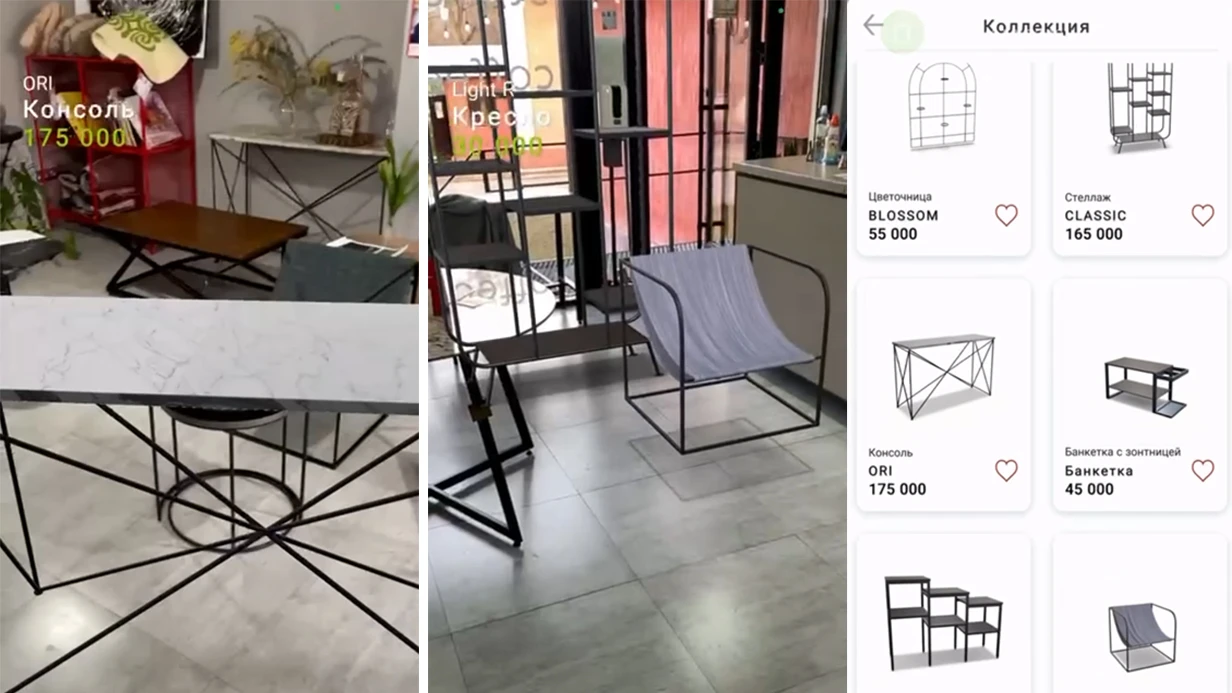
כאן נכנסת לתמונה אריזת AR: אתם מכוונים את מצלמת הסמארטפון לקופסה — והיא מתעוררת לחיים, מציגה מודל תלת-ממדי, סרטון נסיעות או הוראות אינטראקטיביות. זה גורם למוצר נסיעות לבלוט על המדף, שומר על תשומת הלב ומניע לרכישה.
הלקוח מקבל כלי שעובד ממש בנקודת המכירה וממשיך להפתיע אותו גם אחרי הרכישה.
אנחנו מייצרים פתרונות כאלה למוזיאונים ולמותגים כבר כמה שנים ויודעים בדיוק איך להפוך אריזה רגילה לסיבה לדבר על המוצר.
נעזור גם לכם: נעצב את התרחיש, נפתח את שכבת ה-AR ונבנה אותה לתוך האריזה כך שתעבוד להגדלת המכירות.
מה אריזת AR נותנת למוצרים ולקונים
אריזה רגילה חיה עד הפתיחה הראשונה: הקונה מסתכל עליה, זורק אותה — והמותג מאבד קשר עם הלקוח מיד אחרי הקופה. אריזת AR הופכת את השכבה החיצונית של המוצר לערוץ אינטראקטיבי שממשיך לעבוד שבועות אחרי הרכישה.
התווית האינטראקטיבית מתעוררת לחיים על מסך הסמארטפון: היא מראה איך להשתמש במוצר, נותנת הנחות ומשתפת חוויות.
המגמה מאושרת על ידי מובילי שוק: פחיות AR של Coca-Cola אספו עשרות אלפי סריקות ותמונות ברשתות החברתיות. עבור קטגוריית "מוצרי נסיעות", האפקט חזק אפילו יותר — מטייל שמצפה לטיול קלוט במיוחד לאינטראקטיביות. הנה מה שמותג וקונה מקבלים כשאנחנו מוסיפים שכבת AR לאריזה:
-
מעורבות קונים. במקום שלוש שניות של קריאת תווית, אדם מבלה כמה דקות עם האריזה: חוקר את האנימציה, פותח תוכן נסתר, מנסה את ההדגמה. הזמן שבו מבלים עם המותג גדל עשרות מונים.
-
זיכרון מותג. רגש ה"וואו" נחרט בזיכרון חזק יותר מכל טקסט על גב האריזה. הקונה זוכר את המוצר על המדף וחוזר לרכישה חוזרת.
-
המרה מההייפ. אנשים מבקשים להראות את התכונה האינטראקטיבית לחברים — כל סריקה הופכת לפרסום חינמי בפידים של רשתות חברתיות. חבילה מוצלחת אחת יכולה להרחיב את החשיפה בלי הוצאות על מיקוד.
-
תועלת למטייל. דרך AR אפשר להטמיע רשימת אריזה, מפת מסלולים או קוד קידום למלון. זה הופך את האריזה לשירות שימושי באמת שאנשים לא זורקים מיד.
-
מכירות נוספות. אחרי הסריקה, הציגו לקונה מוצר נלווה — נרתיק למזוודה, מילוי לבקבוק. המרה ישירה מאריזה לעגלה גבוהה יותר מאשר בפרסום רגיל.
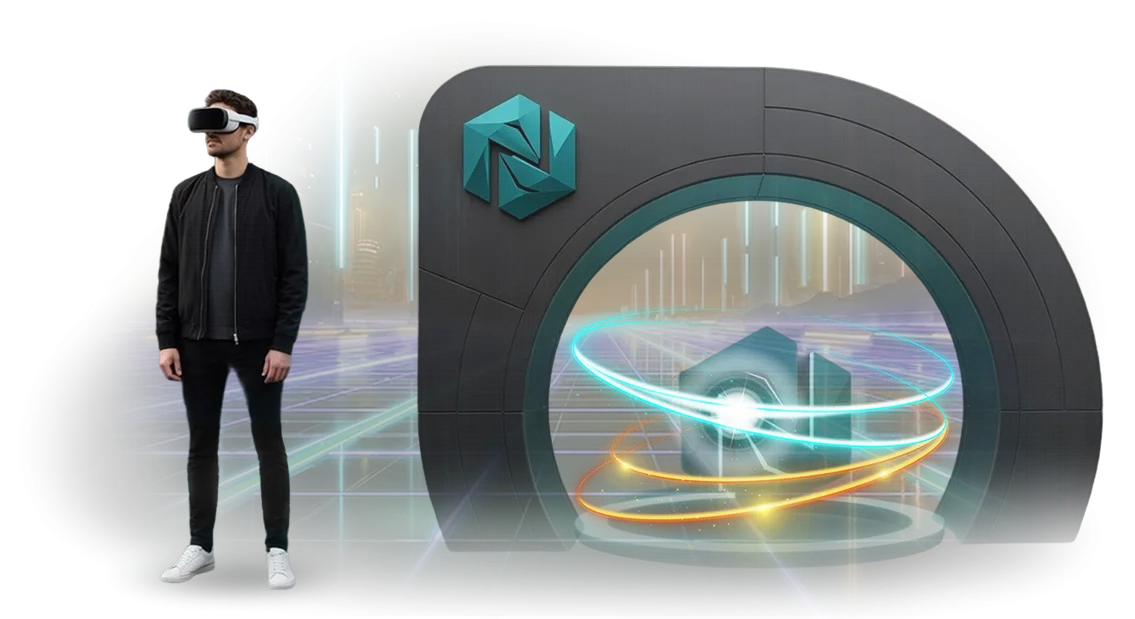
פורמטים של מתקני AR: מחלון ראווה ועד אזור אירועים
אורחים וקונים מוצפים במידע — באנרים רגילים וחלונות ראווה כבר לא עוצרים את העין. מתקן AR הופך את החלל לסיפור אינטראקטיבי: אדם לוקח חלק בעצמו, זוכר ומשתף את הרושם.
אנחנו בוחרים את הפורמט שמתאים למשימה שלכם — מחלון ראווה קטן ועד אזור אירועים רחב היקף — כך שתקבלו תוצאה מדידה, לא רק תמונה יפה.
| פורמט | למי | מה הלקוח מקבל |
|---|---|---|
| חלון ראווה AR | חנויות קמעונאיות, בוטיקים | עוצר עוברי אורח, מגדיל את זמן השהייה ליד התצוגה, מעלה עניין במוצר בלי לשלם תוספת על משטחי פרסום |
| אזור אירועים AR | אירועים, תערוכות, כנסים | מושך תנועה לדוכן, יוצר תור ותוכן ויראלי — האורחים עצמם מצלמים ומפרסמים סרטונים |
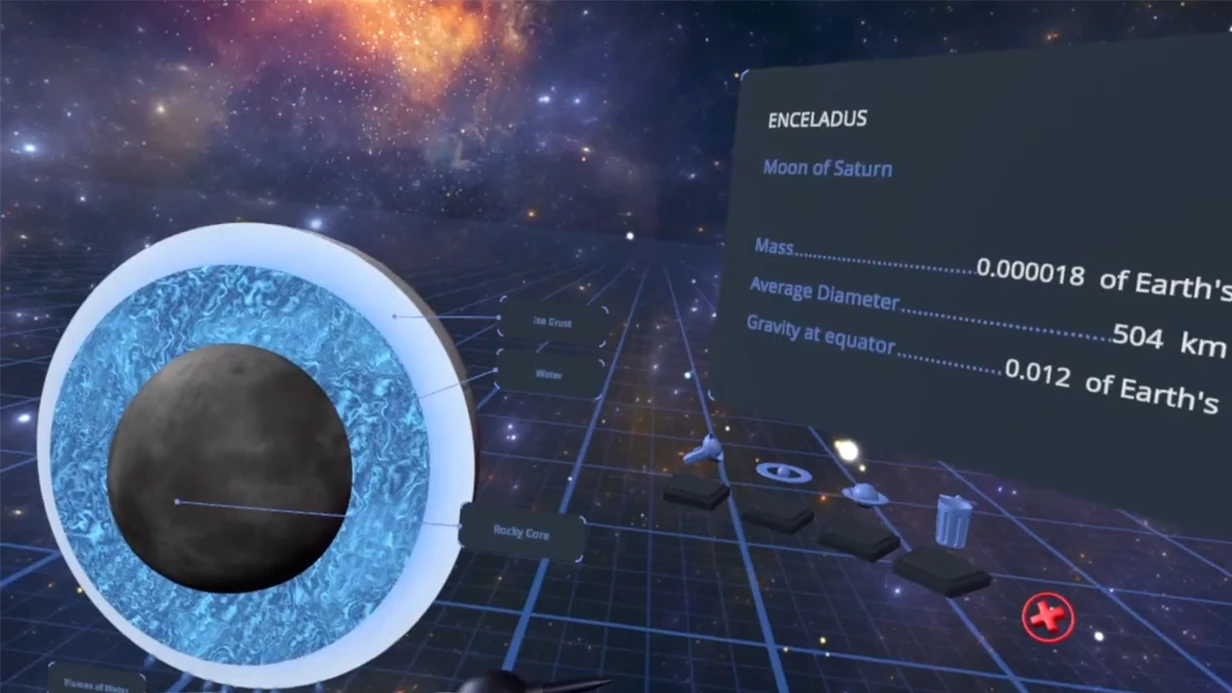
| מדריך תערוכה AR | מוזיאונים, גלריות, חללי תצוגה | שומר על מבקרים לזמן ארוך יותר, מערב קהלים צעירים, מוסיף אינטראקטיביות למוצגים בלי לשנות את התערוכה |
כל פורמט מותאם למקום ולתקציב שלכם: ממצלמה קומפקטית ועד מתקן מלא עם כמה נקודות אינטראקציה. אנחנו מטפלים בציוד, בהתקנה, בהגדרה ובתמיכה בשטח ביום האירוע — אתם רק צריכים להזמין אורחים.
עבור מוצרי נסיעות, אריזת AR הופכת להרחבה של חלון הראווה: המצלמה "מחייה את התמונה" ומראה את המוצר בפעולה.
הטכניקה הזו עובדת היטב בחנויות בתחנות רכבת, בשדות תעופה ובתערוכות נסיעות — במקומות שבהם החלטות רכישה מתקבלות תוך דקות.
איך הפרויקט עובד: מבריף ועד השקה
פרויקט אריזת AR למוצרי נסיעות בנוי כך שתמיד תבינו מה קורה ומה תוצאה תקבלו. אתם לא צריכים להבין בטכנולוגיה — אנחנו מטפלים בכל השלבים, ואתם מקבלים את ההחלטות המרכזיות לגבי התרחיש והעיצוב.
-
בריף והתעמקות. אנחנו דנים במוצר שלכם, בקהל המטיילים ובמטרה: הגדלת הכרה, גידול ברכישות חוזרות או מעורבות ברשתות חברתיות. אנחנו קובעים את יעדי הפרויקט ולוחות זמנים.
-
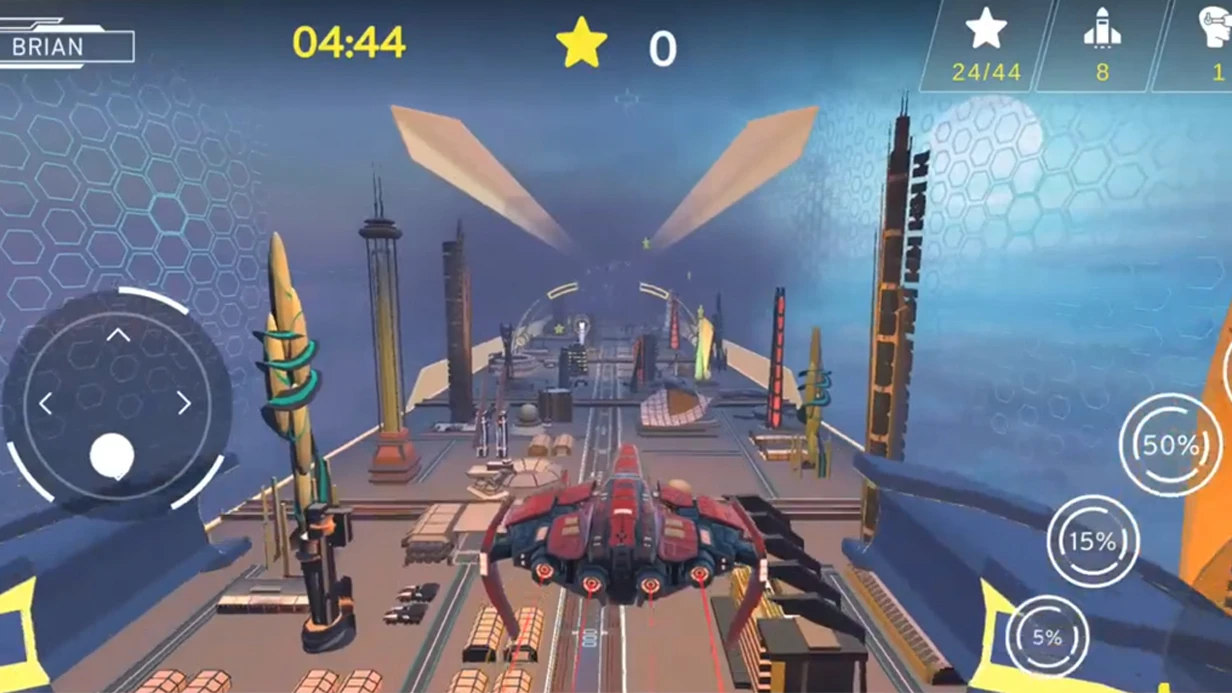
קונספט תרחיש AR. אנחנו מציעים מה בדיוק הקונה יראה כשיכוון את המצלמה לאריזה — ניסיון וירטואלי, סיפור מותג או משחק אינטראקטיבי. אנחנו מראים סקיצה של התרחיש ודנים איך הוא מחזק את הרושם מהמוצר.
-
אישור עיצוב. אנחנו מכינים עיצוב ברור: מיקום סמן, אזור סריקה, טקסטים ואלמנטים ויזואליים. אתם מאשרים את גרסת האריזה הסופית — אחרי זה מתחיל היישום הטכני.
-
פיתוח ובדיקות. אנחנו בונים את מצב ה-AR על פלטפורמה מקצועית ובודקים אותו על דגמי סמארטפונים שונים. חשוב שהתרחיש ייפתח מהר ובלי תקלות עבור רוב הקונים.
-
השקה ותמיכה. אנחנו מארחים את הפרויקט על שרת, מחברים מוני נתונים להערכת חשיפה ומעורבות. אנחנו מעבירים הוראות לצוות שלכם ונשארים זמינים לשינויים מהירים.
התוצאה היא כלי מוכן שמחזק את האריזה של מוצר הנסיעות שלכם, מעלה את ערכו בעיני הקונה ומספק תוצאות מדידות אחרי השבועות הראשונים של השימוש.
מה כלול במסירה: ערכת השקה ותמיכה
כשאתם מזמינים אריזת AR, חשוב להבין שאתם לא מקבלים רק "תמונה שמתעוררת לחיים". אתם מקבלים כלי מכירה מוכן שצריך רק לחבר ולהשתמש בו. הכנו ערכה שמכסה הכל — מקבצים ועד הדרכת צוות.
המסירה כוללת בדיוק את מה שצריך כדי להריץ את הפרויקט מהיום הראשון ולנהל אותו אחר כך בלי לערב מפתחים. כל מרכיבי הערכה מותאמים לצרכים של יצרנים ומוכרי מוצרי נסיעות.
【KEYS: מה כלול בפרויקט, ערכת מסירה】
- קבצי AR מוכנים — סצנות מסומנות לאריזה שלכם, מותאמות לכל הסמארטפונים המודרניים. אין צורך בתוכנה נוספת ללקוח: מצלמת הטלפון מזהה את האריזה לבד.
- מדריך השקה — מדריך שלב-אחר-שלב בשפה פשוטה: איך למקם את הסצנה, איך לבדוק שהיא עובדת, איך לעדכן תוכן. כל עובד בלי רקע טכני יכול להתמודד.
- הדרכת צוות — 2 מפגשים מקוונים חיים לצוות שלכם: הגדרה, שאלות נפוצות של משתמשים, סקירת תרחישים אמיתיים בחנות או בתערוכה.
- גישה לנתונים אנליטיים — לוח בקרה אישי שבו תראו כמה פעמים האריזה התעוררה לחיים, באילו ערים ובאיזו שעה. הנתונים האלה עוזרים להעריך חשיפה אמיתית ולתכנן הדפסות עתידיות.
- תמיכה טכנית ל-30 יום — אחרי ההשקה, אנחנו נשארים זמינים: עוזרים עם שאלות הדפסה, בודקים תקינות במכשירים שונים ומבצעים שינויים מהירים אם צריך.
【KEY: הדרכת צוות】 אנחנו שמים דגש מיוחד על ההדרכה. אנחנו לא רק מוסרים קבצים — אנחנו מראים למנהלים ולמקדמים שלכם איך להדגים לקונה את האריזה "מתעוררת לחיים" תוך 30 שניות.
זה הופך קופאי או יועץ רגיל לפרסומת חיה למוצר. אחרי ההדרכה, אתם מקבלים דפי עזר קצרים לצוות וסרטוני הוראות שאפשר לחזור אליהם כשמגייסים עובדים חדשים.
【KEY: גישה לנתונים אנליטיים】 הנתונים האנליטיים מגיעים בפורמט נוח — ייצוא Excel או צפייה בלוח הבקרה האישי שלכם. אתם רואים לא רק מספרים אלא מפת מעורבות: אילו קבוצות מוצרים "המריאו" ואילו לא משכו תשומת לב.
בהתבסס על הנתונים האלה מתקבלות החלטות: להגדיל את ההדפסה, לשנות את העיצוב או להשיק מבצע באזור מסוים.
כך, הערכה מכסה את כל המחזור: מהשקה טכנית ועד הערכת החזר השקעה. אתם לא צריכים לחפש קבלן לכל שלב — הכל כבר כלול.
מקרה בוחן: איך החיינו אריזה והגדלנו מכירות
כשאריזה פשוט יושבת על המדף, היא רק לעתים רחוקות מדברת עם הקונה. עבור יצרן מוצרי נסיעות, זה אומר מכירות אבודות: אדם חולף על פניו בלי לשים לב למוצר או לא מבין את היתרונות שלו.
הצענו להחיות את הקופסה עם AR — עכשיו כיוונון מצלמת סמארטפון אליה הופך אותה לסצנה אינטראקטיבית עם מדריך וירטואלי וטיפים לנסיעות. לא היינו צריכים לשנות ייצור או לוגיסטיקה — פשוט הוספנו סמן לאריזה שכבר הייתה מוכנה.
עבור Voyage, מותג של ערכות נסיעות ואביזרים, פיתחנו אפקט AR לאריזה של ערכת מתנה. אחרי הסריקה, הקונה ראה סצנה קצרה: מזוודה שאורזת את עצמה, ומפה עם מסלולים פופולריים.
זה לקח פחות מדקה אבל יצר חיבור רגשי וסיבה לשתף עם חברים ברשתות חברתיות.
מספרים שמדברים בעד עצמם
במהלך השקת קמפיין הקידום בן השבועיים, האריזה נסרקה יותר מ-5,000 פעמים, וכל לחיצה שלישית הובילה לעמוד עם תיאור מוצר מפורט. ההכרה במותג ברשתות החברתיות גדלה פי שלושה בזכות קונים שפרסמו סרטוני סריקה. מכירות הערכה בתקופה זו עלו ב-18% בהשוואה לרבעון הקודם.
הזמנה חוזרת — המדד הטוב ביותר
אחרי שראו את התוצאות הראשונות, החברה הזמינה הרחבה של האפקט לכל קו המוצרים. אנחנו עכשיו מכינים עיצוב AR לחמישה מוצרים חדשים.
זה מאשר שהשקעה באריזה משתלמת לא רק בצמיחה חד-פעמית אלא גם בנאמנות לקוחות ארוכת טווח.
איך לבחור את הפורמט האינטראקטיבי למוצרי הנסיעות שלכם?
בחירת פורמט אינטראקטיבי למוצרי נסיעות מתחילה לא בטכנולוגיה אלא במה שהקונה צריך להרגיש במגע הראשון עם המוצר. מזוודה, תרמיל או אביזר נסיעות צריך להראות בפעולה ולהקל על הדמיון בטיול של הלקוח עצמו.
הפורמט הנכון מחייה את האריזה והופך אותה לערוץ תקשורת עצמאי של המותג.
אין פתרון אוניברסלי: מה שעובד למזוודה גדולה לא יתאים לגאדג'ט קומפקטי. אז אנחנו בוחרים את הפורמט האינטראקטיבי לפי סוג המוצר והתרחיש — קנייה בחנות, פתיחת קופסה בבית או שימוש בדרך. הטבלה למטה תעזור לכם להתמצא.
| סוג מוצר | פורמט | מה זה נותן לקונה |
|---|---|---|
| מזוודות, תיקים | מדבקת AR עם מודל תלת-ממדי | מראה גודל אמיתי ונפח |
| אביזרים קטנים | כרטיס AR | מחייה את האריזה ומוביל לעמוד המוצר |
| ביגוד והנעלה | ניסיון AR | מגביר ביטחון בבחירת מידה |
| גאדג'טים לנסיעות | הוראת AR | מסביר איך להשתמש, מפחית החזרות |
זו נקודת התחלה. אפשר לשלב פורמטים: למשל, אזור AR אחד על מזוודה מראה את המותג בפעולה, ואחר מציע איך לארוז פריטים. נעזור לכם לבחור תרחיש שמחזק את קו המוצרים שלכם ולא דורש מהקונה להתקין אפליקציות.
לא בטוחים איזה פורמט מתאים למוצרים שלכם? נערוך ביקורת אריזה קצרה ונציע 2-3 אפשרויות עם לוחות זמנים ועלות מחושבת אחרי הביקורת. תקבלו פתרון מוכן לשילוב בייצור הדפוס.
שאלות נפוצות: חששות וספקות לפני הזמנה
הזמנת אריזת AR היא כיוון חדש, אז ספקות לפני התחלה הם טבעיים. שאלות בדרך כלל סובבות סביב שלושה דברים: האם זה יהיה נוח ללקוחות שלכם, כמה זה אמין, והאם ההשקה תתעכב.
למטה אנחנו מתייחסים לחששות הנפוצים ביותר — אם השאלה שלכם לא כאן, כתבו לנו, ונענה בכנות.
האם זה קשה למשתמש? מה אם לקוחות לא יצליחו להבין?
הכל בנוי סביב פעולה אחת — כיוונון מצלמת הטלפון לאריזה. בלי אפליקציות ובלי הרשמות. המשתמש רואה רמז ברור על התווית, ואחרי ההפעלה מקבל את החוויה האינטראקטיבית: סרטון, מודל תלת-ממדי של ציוד נסיעות או הצעה מיוחדת.
אנחנו בודקים תרחישים על מכשירים שונים, כולל דגמים לא כל כך חדשים, ושומרים על ממשק פשוט ככל האפשר.
לפי הנתונים הסטטיסטיים של הפרויקטים שלנו, שיעור ההפעלה המוצלחת עולה על 95% — המקרים הנותרים נובעים בדרך כלל מחיבור אינטרנט חלש, על כך אנחנו מזהירים מראש.
מה אם האריזה תימחץ, תירטב או תיחשף לאור חזק?
הטכנולוגיה מזהה את התמונה גם על תווית פגומה או מכוסה חלקית. היא קשורה לעיצוב הגרפי, לא לאיכות ההדפסה, כך שהאפקט נשמר גם עם פגמים קלים באריזה. סרט מט glossy עבה ולמינציה לא יפריעו גם כן.
אנחנו בוחרים סמנים בעלי ניגודיות גבוהה ובודקים את התרחיש על דוגמאות פיזיות לפני שההדפסה יוצאת. זה נותן לכם תוצאה יציבה בכל תנאי — משמש בוהקת בחוץ ועד אור צהוב בחנות.
כמה זמן לוקחת ההשקה, ואיך נשלב אותה בתהליכים שלנו?
פרויקט סטנדרטי לוקח 3-5 ימי עסקים מרגע מסירת העיצוב. בזמן הזה, אנחנו מכינים את התרחיש, בונים את החוויה האינטראקטיבית, בודקים אותה על דוגמאות ומוציאים הוראות מוכנות לבית הדפוס. עיכובים נדירים — כדי להיות בטוחים, אנחנו מסכמים נקודות ביקורת בלוח הזמנים.
אתם לא צריכים לארגן מחדש את הייצור: פשוט שלחו לנו את עיצוב האריזה הסופי, ואנחנו נגדיר את אזור הסמן ונספק דרישות הדפסה. אחרי הבדיקה, אתם מבצעים כל עריכה בהדפסה, ומאותו רגע האריזה מתחילה "להתעורר לחיים".
האם זה ישתלם? אנחנו לא רוצים לבזבז כסף
אריזת AR הופכת את המוצר שלכם לערוץ מדיה. היא מאריכה את חיי האריזה: הקונה סורק אותה בחופשה, בבית או ברכבת, והמותג זוכה לדקות נוספות של תשומת לב ולסיבה להישאר בקשר.
אתם יכולים לשנות את התוכן האינטראקטיבי אחרי המשלוח בלי להדפיס מחדש — למשל, להכריז על קולקציה חדשה או לקשר למבצע עונתי.
עבור מוצרי נסיעות, זה גם מקור לרכישות חוזרות: דרך החוויה האינטראקטיבית אפשר לחלק בקלות קודי קידום או בונוסים להחזרת אריזה. אנחנו מחשבים את הכלכלה בהתחלה ומראים איזה חלק מהמגעים כל הדפסה יכולה לספק.
אל תתנו לספקות לעכב את ההשקה — צרו קשר, ונשלח דוגמאות מהמקרים שלנו לתעשיית הנסיעות כדי שתראו איך זה עובד במציאות.השאירו פנייה — בואו נדון במשימה שלכם
עבור יצרן מוצרי נסיעות, אריזה היא לעתים קרובות נקודת המגע היחידה עם הקונה. קופסה רגילה לא מספרת את סיפור המותג, לא מבדילה את המוצר מחלופות ונעלמת אחרי פתיחת הקופסה.
אריזת AR הופכת את המוצר לחוויה אינטראקטיבית: מטייל מכוון את מצלמת הסמארטפון, רואה מודל תלת-ממדי של המוצר, תרחיש שימוש ותוכן שימושי שהוא רוצה לשתף.
אנחנו עובדים מרחוק ויוצרים פרויקטי AR לאירועים, מוזיאונים ומותגים כבר יותר מ-10 שנים. מנהל פרויקט וארט דירקטור יהיו בקשר איתכם — בלי שרשרת מתווכים.
השאירו פנייה ל-AR כדי לדון במשימה שלכם ולהבין איך הטכנולוגיה עובדת ספציפית עבור המוצר שלכם.
אחרי שתפנו אלינו, תקבלו:
- ייעוץ על אריזת AR למוצרי נסיעות;
- ניתוח המשימה שלכם והערכה איזה פורמט יניב אפקט מקסימלי;
- מבחר דוגמאות מתחומים קרובים ואפשרויות יישום;
- תוכנית ראשונית ולוח זמנים להשקה — מרעיון לפתרון מוכן;
- תיאור ברור של שלבים ומשאבים נדרשים בלי תנאים נסתרים;
- תשובות לשאלות שלכם: איך הלקוח משתמש בתכונה, האם צריך להוריד אפליקציה ואיך מודדים תוצאה.
אתם לא צריכים מפרט טכני מוכן או ניסיון עם מציאות רבודה — אנחנו לוקחים את הפרויקט כפתרון סוהר.
מלאו את הטופס או כתבו לנו בהודעה: נדון במשימה שלכם, נראה דוגמאות ונציע פתרון שמחזק את הרושם מהמוצר ומגדיל את ההכרה במותג.