

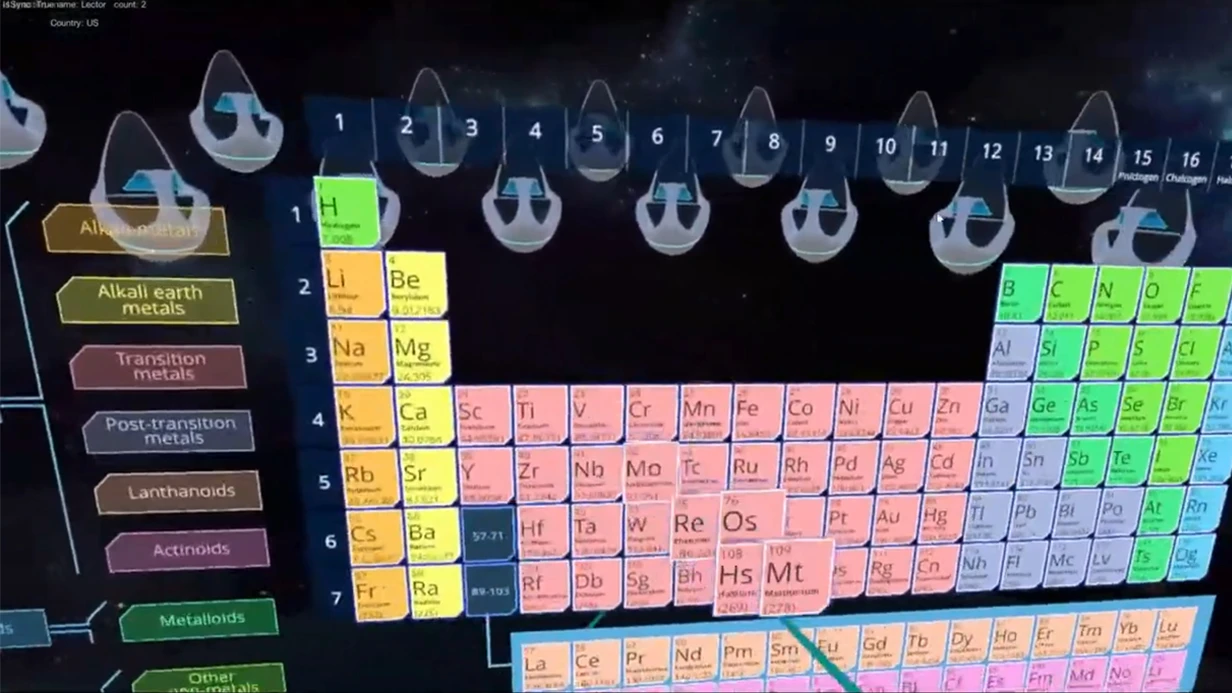


תפריט משעמם מרחיק לקוחות — AR הופך אותו למופע
תפריט נייר הוא רק רשימה של מנות ומחירים. אורח דפדף בו תוך דקה, לא מבין מה מסתתר מאחורי השם, ובסוף מזמין את הרגיל.
כך אובדת העניין, ואיתו גם החשבון הממוצע: ללא רגש, הבחירה נופלת על האפשרות הזולה ביותר במקום על מה שבאמת טעים ורווחי לעסק.
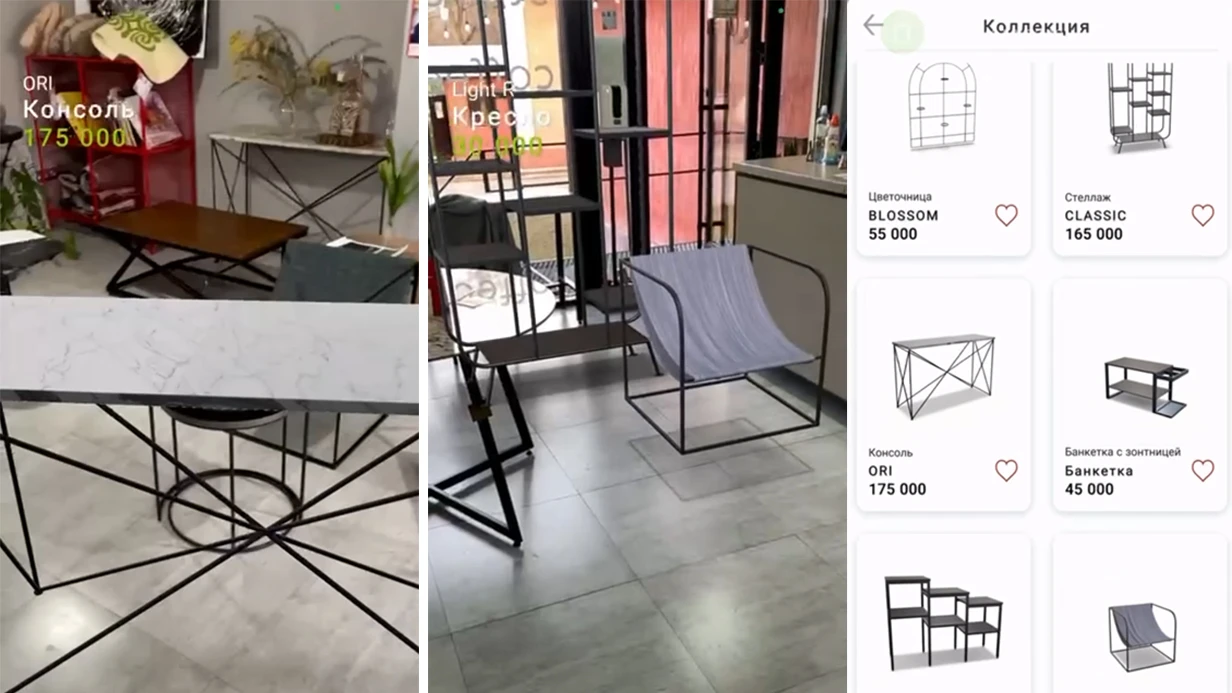
טכנולוגיית AR פותרת את הבעיה הזו: החיו את התפריט — והתמונה מפסיקה להיות תמונה שטוחה. אורח מכוון את מצלמת הסמארטפון שלו לדף ורואה את המנה בתלת-ממד, את תהליך ההכנה שלה, או את הסיפור של המוצר.
זה הופך את הבחירה משגרה לתגלית קטנה: הם רוצים לנסות את מה שרק "התעורר לחיים" מול עיניהם.
עבור מסעדה, תפריט אינטראקטיבי כזה אינו צעצוע אלא כלי מכירות עובד. אורחים מבלים יותר זמן בלימוד הדפים, מוכנים יותר לנסות פריטים חדשים ופריטים עם מרווח גבוה, לא רק להתפעל מהם בעיניים.
יתר על כן, הפורמט החריג מעודד אותם לצלם סרטונים ולשתף אותם ברשתות החברתיות — כל אורח הופך לשגריר של העסק, ומרחיב את החשיפה ללא תקציב פרסום נוסף.
שכחו מהדפסה חוזרת של התפריט בכל פעם שהמחירים או הרכב המנות משתנים. גרסת ה-AR מתעדכנת תוך דקות — אתם שולטים במידע, והאורחים תמיד רואים תמונה עדכנית.
זה נוח גם לרשתות: אותו תוכן דיגיטלי משוכפל בקלות לכל הסניפים ללא עלויות נוספות.
אנחנו מפתחים תפריטי AR במפתח פתוח: ממלאים אותם בתוכן, מטמיעים אותם בחומרים המודפסים שלכם, ומעבירים אותם לסמארטפונים של האורחים. אתם לא צריכים להבין בטכנולוגיה — אתם מקבלים תפריט שעובד למכירות ונשאר בזיכרון.
מה מתקן VR/AR נותן לעסק שלכם
מבקר שרק מסתכל על תערוכה או דפדף בתפריט ממעט לזכור פרטים.
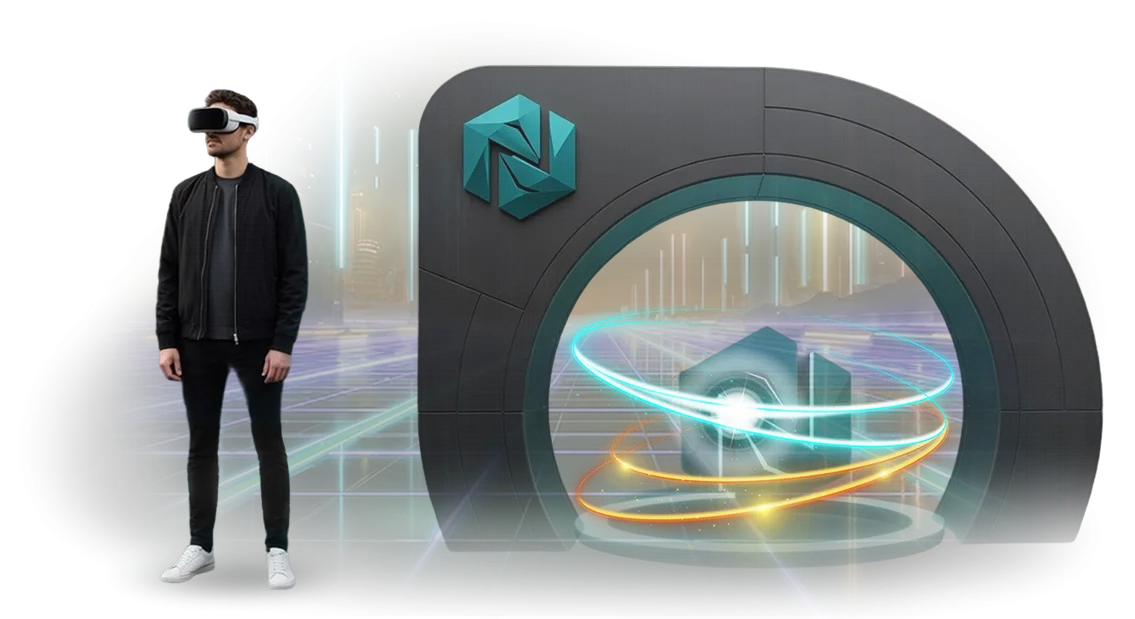
מתקני VR/AR הופכים אותם למשתתפים בתהליך: הם שולטים בתרחיש, מנסים את המוצר בסביבה וירטואלית, ומקבלים רגש שנשאר איתם לאורך זמן.
עבור עסק, זה לא רק "אפקט וואו" אלא כלי מדיד להגדלת נאמנות ורווח.
הנה מה שהאינטראקטיביות נותנת לפרויקט שלכם — בדקו מול הרשימה. כל פריט ניתן לקישור למדד ספציפי: זמן ביקור, הזמנות חוזרות, חשיפה בפרסומים.
- מעורבות מוגברת. אורחים מבלים 30–50% יותר זמן במקום, מכירים את המוצר טוב יותר, וחוזרים אליו לעתים קרובות יותר.
- ביקורים חוזרים. חוויה ייחודית יוצרת סיבה לחזור שוב — עם חברים, משפחה, עמיתים. זו דרך זולה לבנות קהל נאמן.
- חשיפה ברשתות החברתיות. אזורים אינטראקטיביים ואפקטי AR מעודדים צילומים וסרטונים. כל אורח הופך לשגריר מותג — בחינם ובאמון.
- נתוני לקוחות. המתקן אוסף אנליטיקה התנהגותית: מה אנשים בוחרים, כמה זמן הם מבלים, מה הם מדלגים. זה עוזר לשפר את המוצר ללא סקרים.
- המרה למכירה. הדפסת AR בתפריט או בקטלוג מציגה את המנה בתלת-ממד, מציעה שדרוגים, ומסירה התנגדויות ברגע הבחירה.
ההשפעות הללו מחזקות זו את זו: האינטראקטיביות משולבת במסע הלקוח ועובדת לזיהוי, אמון והכנסות. הצוות שלנו מפתח פתרונות VR/AR למשימות העסקיות שלכם — מהקונספט ועד ההשקה, אנליטיקה ותמיכה.
פורמטי מתקנים: מתפריטי AR ועד אזורי VR
פורמטי המתקנים נבדלים בעומק ההתעמקות ובמטרות העסקיות: הדפסת AR מחייה תפריטים וקטלוגים, אזורי VR מעבירים אורחים לעולמות חדשים, ושולחנות אינטראקטיביים מערבים מבקרים במשחק או למידה.
אנחנו מתכננים כל מתקן למקום ספציפי ולמטרה מדידה — גידול בחשבון הממוצע, הגדלת זמן השהייה, או איסוף לידים.
| פורמט | למי | מה זה נותן ללקוח |
|---|---|---|
| תפריט הדפסת AR | מסעדות, בתי קפה, משלוחים | אורח מכוון סמארטפון לתפריט ורואה מנות בתלת-ממד — הבחירה מואצת, החשבון הממוצע גדל, והתפריט הופך לכלי שיווקי |
| אזור VR לאירועים | פסטיבלים, תערוכות, אירועי חברה | מבקרים מקבלים חוויה חיה שהם רוצים לשתף — זמן השהייה בדוכן גדל, נאספים אנשי קשר, ונוצר הוק חדשותי |
| שולחנות אינטראקטיביים | מוזיאונים, אולמות תצוגה, מצגות | מגע במסך מפעיל תרחיש — מעורבות עמוקה יותר, שימור חומר טוב יותר, והבעלים מקבל אנליטיקת אינטראקציה |
כל פורמט מכסה צורך משלו, וזה נראה כבר בשלב הבחירה. אנחנו גם משלבים אותם למערכת אחת — למשל, תפריט AR ניתן בקלות להשלים עם שולחן אינטראקטיבי לחדר טעימות או אזור VR לתוכנית ילדים. העיקר שטכנולוגיה תעבוד עבור העסק שלכם ולא תתקיים בפני עצמה.
כיצד מתנהלת עבודת התקנה במפתח פתוח
בנינו את התהליך כך שאתם שולטים בתוצאה, לא בפרטים הטכניים. אתם מקבלים מתקן מוגמר בדיוק בזמן, וכל שלבי הפיתוח שקופים ומוסכמים איתכם.
כיצד מתנהלת עבודת הפרויקט
- בריף והגדרת משימה. אנחנו מגדירים מה המתקן צריך לספק — למשוך תשומת לב, לחנך, לבדר, לאסוף אנשי קשר. מבהירים את המקום, הקהל והציפיות. הפלט הוא מפרט טכני והערכת עלות.
- קונספט ועיצוב. אנחנו מציעים 2–3 וריאציות של תרחיש וסגנון ויזואלי. מסכמים על המודל, מאשרים את הרעיון הסופי — אתם רואים איך המתקן ייראה ויפעל.
- תוכנית והכנה. אנחנו מכינים תוכנית מפורטת: ציר זמן, שלבים, תחומי אחריות. מפתחים תוכן — גרפיקה, טקסטים, סאונד, מודלים תלת-ממדיים. אתם מקבלים לוח זמנים ברור ללא הפתעות.
- ייצור והרכבה. אנחנו יוצרים את המתקן, מגדירים את לוגיקת האינטראקציה, ובודקים אותו. מציגים הדגמות ביניים — אתם שולטים בתהליך ומבצעים עריכות לפני ההשקה.
- השקה בשטח. התקנה, התאמה לתנאים, הדרכת צוות. בודקים תאורה, סאונד, בטיחות ותנועת אורחים — הכל עובד בסביבה אמיתית.
- תמיכה לאחר השקה. אנחנו נשארים בקשר: פותרים בעיות, מעדכנים תוכן, ושומרים על הכל במצב תקין. אם משהו משתנה — פשוט כותבים לנו.
כדי להזמין מתקן, התחילו עם בריף. נדון במשימה, נציע פתרון, ונחשב את ציר הזמן תוך מספר ימים.
מה אתם מקבלים בחבילה לאחר ההשקה
לאחר ההשקה, אתם מקבלים לא רק מתקן אלא חבילה מוכנה לשימוש מיידי. הרכבנו את המסירה כך שהצוות שלכם יוכל להפעיל ולתחזק הכל בעצמו, ובמידת הצורך לפנות אלינו במהירות.
- תפריט AR עובד — חומרים מודפסים עם סמני מציאות רבודה, סצנות טעונות, אנימציות ותיאורי מנות. הכל כבר מוגדר, נבדק ומוכן להצגה לאורחים.
- מכשירי צפייה — טאבלטים או עמדות עם האפליקציה מותקנת, בתוספת סט חלופי כדי שהמתקן לא יעצור גם במצב כוח עליון.
- הוראות פשוטות לצוות — דפי עזרה כיצד להפעיל את המערכת, להחליף חומר, ולפתור מצב טיפוסי. מלצרים ומנהלים לא צריכים להיות מהנדסים.
- גישה לעדכונים — שנה הרכבי מנות, מחירים ופריטים מבצעיים בתפריט ללא פיתוח חדש. פשוט שלחו נתונים חדשים — אנחנו נבצע את השינויים.
- אנליטיקת שימוש — ראו אילו פריטים נצפים ביותר, כמה זמן אורחים מבלים עם תפריט ה-AR, ואילו סעיפים מושכים עניין. על בסיס זה תוכלו להתאים את ההיצע.
- תמיכה לאחר השקה — מהנדס ייעודי זמין בשעות העבודה, תגובה מהירה וסיוע בכל מצב: מהגדרה ועד החלפת ציוד.
לפי בקשה, נוכל להוסיף עיצוב הדפסה ממותג, אינטגרציה עם מערכת ההזמנות שלכם, או דוחות מורחבים על התנהגות אורחים. אלו אפשרויות נוספות המוסכמות באופן אישי.
בסופו של דבר, אתם מקבלים לולאה סגורה מהצגת התפריט הראשונה ועד העבודה היומיומית של הצוות שלכם. אתם לא צריכים להבין בטכנולוגיה — רק לקבל הזמנות ולראות את התוצאה.
מקרה בוחן: כיצד מתקן VR הגדיל מכירות מותג
כשרשת המסעדות Terrasa פנתה אלינו, המשימה נשמעה פשוטה: איך למשוך יותר אורחים בימי חול ולהגדיל את החשבון הממוצע.
מבצעים רגילים וטעימות כבר לא הניעו צמיחה — הם היו זקוקים לפורמט חדש שייזכר ויגרום לאנשים לדבר על המותג.
הצענו מתקן VR שהופך את ההמתנה להזמנה להרפתקה קטנה. אורחים חבשו משקפי VR ויצאו לסיור וירטואלי במטבח, למדו את הסיפור מאחורי מנות הדגל, ואספו בונוסים אינטראקטיביים להנחה על קינוח.
זה יצר באזז חי: נוצרו תורים, אורחים צילמו סרטונים ופרסמו אותם ברשתות החברתיות, והמסעדה קיבלה חשיפה חינמית בפידים.
תוצאות הפרויקט
בחודש הראשון, הנוכחות בימי חול גדלה ב-30%, החשבון הממוצע עלה ב-18%, ומכירות הקינוחים והקפה ב-40%. אורחים בילו 25% יותר זמן במסעדה, ורבים חזרו עם חברים כדי להראות להם את המסע הווירטואלי.
בסוף העונה, המסעדה הזמינה מתקן שני למרפסת הקיץ וביקשה תפריט AR — כך שכל אורח יוכל לראות מנה במציאות רבודה לפני ההזמנה.
זה האיץ את בחירת המנות והוסיף שכבה אינטראקטיבית נוספת שמבדילה את המסעדה משכנותיה.
למה הפורמט הזה עובד
מתקני VR ו-AR יוצרים חוויה רגשית שאי אפשר להשיג עם תמונות או תיאורים רגילים. אורחים לא רק צורכים — הם לוקחים חלק בסיפור המותג, וזה משפיע ישירות על נאמנות וביקורים חוזרים.
אם אתם רוצים להשיג את אותה צמיחה בנוכחות ובמכירות, כתבו לנו. נמצא פתרון למשימות, לקהל ולתקציב שלכם — מהדפסת AR קומפקטית ועד מתקן וירטואלי בקנה מידה מלא.
איך לבחור את הפורמט המתאים למשימה שלכם?
אין פורמט "הטוב ביותר" אוניברסלי — בחירת מתקן למשימה תמיד מתחילה בשאלה היכן וכיצד אנשים ייצרו אינטראקציה עם המותג שלכם.
באירוע עם זרימת אורחים גדולה, תרחישים קצרים עובדים: כוון מצלמה — קבל רושם — המשך הלאה. במוזיאון, מבקר מוכן להשקיע כמה דקות בהתעמקות עמוקה.
ועבור בית קפה או מסעדה, הדפסת AR הופכת להרחבה טבעית של התפריט: האורח כבר מחזיק בתפריט ובטלפון, וכל מה שהם צריכים לעשות הוא לכוון את המצלמה כדי לראות את המנה בתלת-ממד.
איך בוחרים פורמט שיביא תוצאות? העריכו שלושה פרמטרים: הזמן הפנוי של הלקוח, מטרת האינטראקציה, והסביבה.
אם אתם רוצים להגדיל את החשבון הממוצע בעסק שלכם, AR בתפריט מציג מרכיבים, גודל מנה, או הצגה מעוררת תיאבון של המנה ודוחף את האורח להזמנה תוך 30–60 שניות.
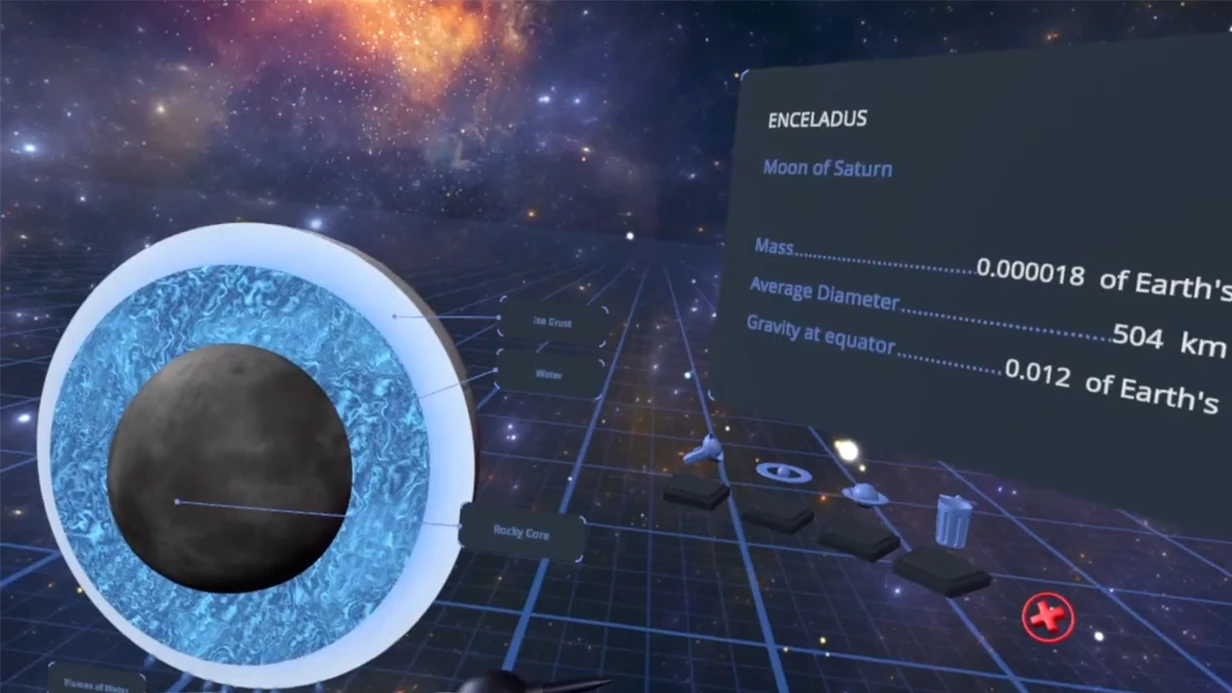
אם אתם מקדמים מוצר חדש בתערוכה, אזורי VR אינטראקטיביים — שבהם אדם נכנס ל-2–3 דקות ומקבל רגש חי — יעזרו למשוך תשומת לב.
הקשר לא פחות חשוב: באולם צפוף, אזור VR מגושם ייצור תור, בעוד סמני AR על באנרים מאפשרים לכל אורח ליצור אינטראקציה עם הסמארטפון שלו.
לכן, לפני ההשקה אנחנו תמיד מקיימים ייעוץ קצר: מבהירים את המקום, פרופיל הקהל, מסע המשתמש ומדד ההצלחה המרכזי. על בסיס זה, אנו בוחרים את הפורמט — מהדפסת AR לתפריטים ועד מתקן סוחף מלא.
הכלל המרכזי: טכנולוגיה צריכה להישאר בלתי נראית, והשירות או המוצר צריכים להיות ברורים ומושכים יותר. אם המשימה מנוסחת נכון, הפורמט מחזיר את עצמו דרך חשיפה, ביקורים חוזרים וצמיחה בהכנסות.
שאלות נפוצות וספקות לפני הזמנה
מציאות רבודה בתפריט היא פורמט שמעלה שאלות: איך זה עובד, האם אורחים יתבלבלו, והאם ההשקה תתעכב. בואו נסקור את הספקות הנפוצים ביותר כדי שתוכלו לראות את כל התהליך לפני חתימת החוזה.
האם אורחים לא ידעו איך להשתמש בזה?
רוב המבקרים כבר יודעים לכוון את המצלמה לקוד QR, והסריקה הראשונה מעלה רמז קצר. אין צורך בהתקנת אפליקציה כדי להפעיל — הכל נפתח בדפדפן הרגיל של הסמארטפון.
הניסיון מראה שבתוך השבוע הראשון, 60–70% מהאורחים פותחים בהצלחה את אלמנט ה-AR, והשאר מצטרפים לאחר רמזים מהצוות.
האם זה יקר וקשה ליישום?
אנחנו מתאימים את הפורמט למשימה: מהחייאת מספר מנות דגל ועד תפריט אינטראקטיבי מלא. כדי להשיק, פשוט החליפו את הגרסה המודפסת — קודי QR וסמנים ניתן להדפיס בכל בית דפוס. עדכוני מידע מתבצעים דרך פאנל פשוט, ללא מעורבות מתכנת.
מה אם הטלפון של מבקר לא תומך בטכנולוגיה?
אלמנטים של AR עובדים ברוב הסמארטפונים המודרניים דרך מצלמת הדפדפן. לפני התשלום, אנו מספקים מודל הדגמה — תוכלו לבדוק אותו על המכשיר שלכם ועל מכשירי הצוות שלכם.
לדגמים ישנים יותר, יש אפשרות חלופית: תמונה רגילה של המנה עם תיאור, כך שהאורח לא מפסיד כלום.
מה קורה אם משהו נשבר ביום האירוע?
טכנולוג מוקצה לכל פרויקט. לפני ההשקה, אנו בודקים את התפריט על קבוצת בקרה, וביום ההשקה צוות התורן זמין. אם מתרחש כשל, אנו פורסים תיקון במהירות; זמן התגובה הממוצע אינו עולה על שעה.
מה התועלת האמיתית למסעדה?
תפריט AR מאריך את זמן לימוד התפריט, מגדיל הזמנות של מנות דגל וקינוחים — אורחים מוכנים יותר לצלם ולצ'ק-אין בעסק.
לפי מקרי הבוחן שלנו, מכירות נוספות של מנות דגל גדלות ב-15–20%, וחלק הביקורים החוזרים עולה ל-30%.
אם עדיין יש לכם שאלות, כתבו לנו — נגיב תוך שעת עבודה ונציג דוגמאות מותאמות לפורמט שלכם.מוכנים לדון במתקן שלכם? בואו נתחיל עם בריף
כדי להזמין מתקן VR/AR, אין צורך בבריף טכני: הרעיון והרצונות שלכם מספיקים. אנו נערוך בעצמנו ייעוץ VR/AR, נבהיר את המטרות שלכם, ונכין חישוב — לאירוע, תערוכת מוזיאון, או תפריט AR למסעדה.
אתם מקבלים תוכנית עבודה ברורה — מהפגישה הראשונה ועד ההשקה:
- בריף — אתם מתארים את המשימה: אירוע, תערוכה, תפריט או קמפיין קידום.
- ייעוץ — אנו דנים בקהל, בסצנות המפתח ובפורמט האינטראקטיביות.
- חישוב פרויקט — אנו קובעים את ציר הזמן, הערכת העלות ורשימת הציוד.
- יישום — אנו מפתחים תוכן, מרכיבים את המתקן ומגדירים את הלוגיקה.
- השקה ותמיכה — אנו מוסרים את הפרויקט ומספקים תמיכה ביום המופע.
כל שלב נותן מענה למשימה ספציפית: אתם יודעים מראש מה תקבלו ומתי. עבור רוב הפרויקטים, 2–4 שבועות עוברים מהבריף ועד ההשקה; מתקנים מורכבים מתוכננים באופן אישי.
שליחת בקשת בריף פירושה קבלת חישוב ללא שיחות טלפון מיותרות. כתבו לנו — נשלח שאלון, נענה על שאלותיכם, ונציע פתרון לתקציב שלכם.