

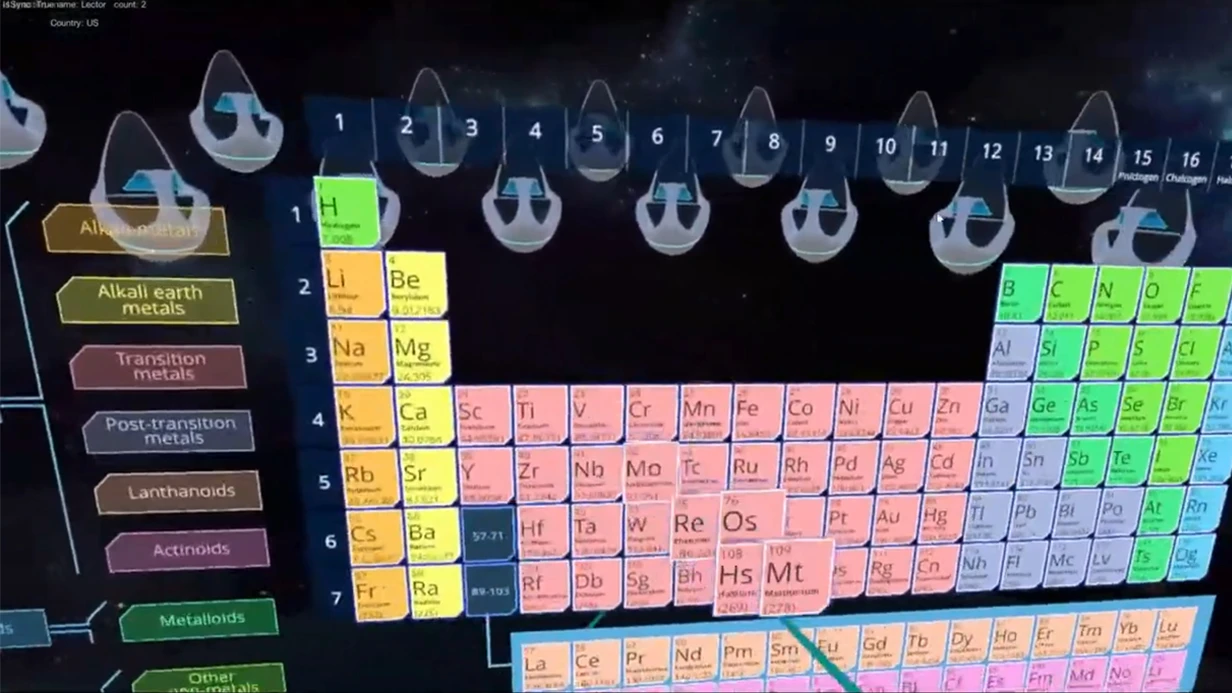


יש הרבה פוסטרים ושלטים — אבל רק מעטים נזכרים
פוסטר חי בממוצע 2-3 שניות. המבט של האדם גולש עליו — ואז עובר לטלפון, כי דפוס סטטי מפסיד למסך בתחרות על תשומת הלב. השקעתם בעיצוב ובדפוס, אבל המסר פשוט לא הספיק להגיע לקהל.
דפוס AR מסיר את המגבלה הזו. כוונו את מצלמת הסמארטפון לפוסטר — והוא "מתעורר לחיים": מופיע וידאו, אובייקט תלת-ממדי, טקסט נסתר או כפתור למעבר לאתר.
כך הנייר מפסיק להיות נושא של תמונה והופך לנקודת כניסה לחוויה אינטראקטיבית שמפתיעה ומחזיקה את תשומת הלב של האדם.
מציאות רבודה הופכת פוסטר ממסר לאירוע. ההפתעה של אינטראקטיביות בלתי צפויה יוצרת רגש, ורגש הוא הבסיס לזיכרון.
אנשים מצלמים ומצלמים וידאו של מה שראו ומשתפים ברשתות החברתיות — כך שהפוסטר שלכם מתחיל לעבוד לטובת החשיפה גם אחרי שהוא כבר לא מודפס.
בדיוק בגלל זה פוסטרים אינטראקטיביים פותרים את המשימה טוב יותר מדפוס רגיל: הם מחזיקים לא מבט חולף אלא תשומת לב.
בתוך כמה שניות של אינטראקציה, אדם מצליח לשמוע את הטיעון המרכזי ולזכור את המותג בהקשר לא שגרתי, בניגוד למאות פרסומות אחרות.
אנחנו מפתחים שכבות AR עבור הקומפוזיציה המוכנה שלכם ומשלבים אותה במחזור הייצור מבלי לעכב את המעבר לדפוס.
אין צורך לשנות את העיצוב או הטכנולוגיה — רק להוסיף אינטראקטיביות שהופכת כל פוסטר להזמנה אישית לשיחה עם המותג. זו הדרך לצאת מזרם הפרסומות הבלתי מורגשות ולקבל מעורבות אמיתית של הקהל.
מה דפוס AR נותן למותג, למוזיאון ולאירוע
פוסטר רגיל חי כמה שניות: האורח מעביר עליו עיניים וממשיך הלאה. דפוס AR משנה את התרחיש — אחרי כיוון הסמארטפון, הפוסטר מתעורר לחיים, מציג וידאו, סצנה תלת-ממדית או משחק אינטראקטיבי.
זמן המגע גדל מכמה שניות לכמה דקות, והדפוס עצמו הופך מאלמנט חולף לאטרקציה עצמאית.
עבור מותג, זו דרך ישירה למודעות ולויראליות. המבקרים בעצמם מצלמים את הפוסטר החי, מפרסמים אותו ברשתות החברתיות ומדברים עליו במעגלים שלהם — החשיפה גדלה ללא השקעה פרסומית נוספת.
באירוע, טכניקה כזו מחזיקה את האורחים: נוצר תור ליד הפוסטר, והרגשות של המשתתפים הופכים להמלצה חיה.
במוזיאונים ובתערוכות, AR מחייה את התערוכה ועוזר לספר סיפורים מורכבים בפשטות. מבקר מכוון את המצלמה לפוסטר — ומקבל מדריך קולי, שחזור היסטורי או פרשנות של אוצר, ללא אוזניות או מסכים נוספים.
זה חשוב במיוחד לקהל צעיר שרגיל לצרוך תוכן דרך סמארטפון, ומעמיק באופן ניכר את רמת המעורבות.
מנקודת מבט של שיווק אירועים, דפוס AR נותן תוצאה מדידה. ניתן לשלב בקלות כפתור הרשמה או טופס לאיסוף פרטים בסצנה: אורח מתעניין משאיר את הפרטים שלו ממש ליד הפוסטר, בלי ללכת לדוכן.
המארגן מקבל לידים מהתערוכה, ואמצעי הפרסום מתחיל לעבוד עבור משפך המכירות, לא רק עבור חשיפה.
כך, פוסטר אחד פותר כמה משימות בבת אחת: הוא מושך תשומת לב, מחזיק אורחים, מתפשט ברשתות החברתיות ואוסף פרטים לתקשורת המשך.
בגלל זה מזמינים דפוס AR לא כ"קישוט" אלא ככלי קידום עובד — ואנחנו עוזרים ליישם אותו במפתח מלא.
פורמטים לפוסטרים ושלטים: בחירה לפי המשימה
פוסטר רגיל הוא תמונה סטטית שהמבקר מעביר עליה עיניים תוך כמה שניות. דפוס AR הופך אותו לתרחיש אינטראקטיבי: כוונו את מצלמת הסמארטפון — ותראו מודל תלת-ממדי, וידאו או אנימציה.
האורח מתעכב ליד הדוכן, זוכר את המותג טוב יותר ומשתף ברצון את הרושם שלו ברשתות החברתיות.
מה לבחור למשימה ספציפית תלוי במטרה. פורמטים גדולים לקיר מתאימים לחשיפה ולאפקט ויראלי, פוסטרים אינטראקטיביים עם סקר מתאימים לאיסוף פרטים, ופוסטרים עם מציאות רבודה מתאימים להפתיע את הקהל.
להלן השוואה בין הפורמטים העיקריים כדי שתוכלו לקבל החלטה בלי שיחות מיותרות לקבלנים.
| פורמט | למי | מה הוא נותן ללקוח |
|---|---|---|
| פוסטר AR עם סמן | מארגני אירועים, קמעונאות | האורח מכוון את המצלמה ומקבל אנימציה או בונוס קידום — העניין במוצר והזמן ליד הדוכן גדלים |
| פוסטר עם הפעלת מצלמה | מוזיאונים, תערוכות, גלריות | מוצג סטטי "מתעורר לחיים" — המבקר לומד את המידע זמן רב יותר ועוזב עם רושם חי |
| התקנת AR על קיר | מותגים, אולמות תצוגה, כנסים | משטח גדול הופך לאזור אינטראקטיבי — יוצר אפקט וואו וסיבה לתמונות ברשתות החברתיות |
| דפוס אינטראקטיבי עם מציאות רבודה | מחלקות שיווק, קמפיינים קידומיים | הפוסטר עובד כמו אפליקציה קטנה: סקר, חידון, צפייה בווידאו — אתם אוספים נתוני לקוחות ומודדים יעילות |
אנחנו מתאימים כל אחד מהפורמטים למקום ולתרחיש שלכם. בייעוץ, נראה דוגמאות חיות ונספר איזו אפשרות תיתן תוצאה מקסימלית למשימה שלכם.
איך פרויקט דפוס AR עובר מבריף להשקה
תהליך ההשקה של דפוס AR בנוי כך שתראו תוצאה בכל שלב ותשלטו בלוח הזמנים. אנחנו לוקחים על עצמנו את כל החלק הטכני — מהבריף ועד לתמיכה בקמפיין — ואתם מקבלים כלי מוכן שמחזק את הפוסטרים והשלטים שלכם. להלן תוכנית קצרה שלפיה אנחנו עובדים.
-
בריף דפוס ומטרות קמפיין. אנחנו דנים באילו פוסטרים ושלטים צריכים פעילות AR, מה הקהל שלכם ואיזו תוצאה אתם רוצים: גידול במודעות, מעורבות ברשתות החברתיות או חשיפה נוספת. בשלב הזה, אנחנו קובעים את לוחות הזמנים והתקציב.
-
קונספט ותרחיש החייאה. אנחנו מציעים מה המשתמש יראה אחרי כיוון המצלמה: וידאו, אובייקט תלת-ממדי, משחק אינטראקטיבי או מעבר לדף נחיתה. אנחנו מראים דוגמאות ודנים איזה תרחיש יעבוד הכי טוב עבור הקהל שלכם.
-
אישור עיצוב וקומפוזיציה. אנחנו משלבים את סמן ה-AR בפוסטר או בשלט שלכם כך שהוא לא מפריע לעיצוב ומוכר נכון על ידי המצלמה. אנחנו מכינים גרסת בדיקה, אתם בודקים אותה במכשיר שלכם ומבצעים תיקונים עד לאישור מלא.
-
הכנה לדפוס. אנחנו מוסרים את הקומפוזיציה הסופית תוך התחשבות בדרישות בית הדפוס: פרופיל צבע, רזולוציה, מידות סמן. אנחנו מוודאים ש-AR עובד ביציבות על סוגי נייר שונים ובתנאי תאורה שונים.
-
השקת AR ובדיקה על מדיה אמיתית. אחרי ההדפסה, אנחנו בודקים את הזיהוי על הפוסטרים בפועל, לא רק על מסך. אנחנו עוקבים אחר תרחישי המשתמש ומכיילים הגדרות במידת הצורך כדי שההשקה תעבור ללא תקלות.
-
תמיכה בקמפיין. אנחנו אוספים סטטיסטיקות — מספר סריקות, המרה לפעולה, שגיאות זיהוי. אנחנו מספקים לכם דוח והמלצות כיצד לשפר את התוצאה בהדפסות הבאות. במידת הצורך, אנחנו מבצעים תיקונים מיידיים בתרחיש ומעלים גרסה מעודכנת.
כל שלב מסתיים בתוצאה קונקרטית שאתם יכולים לבדוק ולאשר. אנחנו נשארים בקשר אחרי ההשקה ותומכים בפרויקט כל עוד צריך כדי שדפוס ה-AR ימשיך לעבוד למען המטרות שלכם.
מה כלול במסירה: חבילה מלאה ללקוח
אנחנו מוסרים לא רק קבצים אלא חבילה מוכנה שבעזרתה אתם משקים ומנהלים באופן עצמאי את חוויית ה-AR שלכם. להלן ההרכב המלא של המסירה: כל אלמנט מכסה משימה ספציפית בשלב ההכנה, ההשקה או ניתוח התוצאות.
-
סמני AR לפוסטרים ושלטים — טריגרים מוכנים שמצלמת הסמארטפון מזהה. הם מותאמים לדפוס שלכם: לא הולכים לאיבוד על רקע כהה, עובדים בתאורה שונה ולא מפריעים לעיצוב.
-
קומפוזיציות סופיות — קבצי מקור וגרסאות לבית הדפוס ולדיגיטל. לא תצטרכו לסיים או להרכיב מחדש כלום: הקומפוזיציות מוכנות להדפסה ולפרסום ברשתות החברתיות.
-
הוראות התקנה — נוהל שלב-אחר-שלב: איך למקם פוסטרים, אילו הגדרות מצלמה לבחור, איך לבדוק את התרחיש לפני ההשקה. ההוראות ברורות לעובד ללא רקע טכני.
-
אנליטיקת קמפיין — במהלך האירוע ואחרי סיומו, אתם רואים כמה פעמים הופעל אזור ה-AR, אילו פוסטרים אספו יותר תגובות ומתי הייתה פעילות שיא. זה עוזר להעריך את התוצאה ולהתאים את הקמפיינים הבאים.
-
תמיכה טכנית — במהלך האירוע ובימים הראשונים אחריו, אנחנו זמינים: עונים על שאלות, עוזרים לתקן בעיות ומתאימים במהירות תוכן אם התנאים משתנים.
אתם מקבלים את כל החבילה במסגרת לוח הזמנים המוסכם — בדרך כלל שבוע לפני האירוע. אתם לא תלויים בקבלנים חיצוניים ביום ההשקה: גם אם משהו משתבש, יש לכם הוראות ברורות והעזרה שלנו.
מקרה בוחן: איך דפוס AR הגדיל מעורבות בתערוכה
מבקרי התערוכה מעבירים עיניים על הדוכנים, ופוסטרים רגילים rarely מחזיקים תשומת לב ליותר מכמה שניות. המשימה שלנו הייתה להפוך את הדפוס לנקודת מגע שעוצרת, מערבת והופכת עניין לבקשה. הלקוח היה יצרן מערכות אחסון — החברה Skladkomplekt.
פיתחנו תרחישי AR לסדרת פוסטרים: כיוון מצלמת הסמארטפון החיה את הפוסטר — הופיע מודל תלת-ממדי של מדפים, מחשבון עומסים פעל, ובסוף האורח ראה כפתור "קבל חישוב".
טכנולוגיית המציאות הרבודה כאן עובדת לטובת העסק, לא לשם האפקט: המבקר לא צריך להוריד כלום, רק לכוון את המצלמה.
במהלך יומיים של תערוכה, נרשמו 640 אינטראקציות, והזמן הממוצע ליד הדוכן גדל מ-35 שניות ל-4-5 דקות.
תוצאות התערוכה אושרו גם במספרי המכירות: 96 בקשות לחישוב, כשכל פנייה רביעית הגיעה דווקא דרך דפוס ה-AR. חודש לאחר מכן, הלקוח חזר עם בקשה חדשה — להרחיב את קו הפוסטרים לאולמות תצוגה.
זה סימן חזרה לדפוס: הפוסטרים הסטטיים עם סמני ה-AR נשלחו למרכזים אזוריים של סוכנים, והמעורבות המשיכה לעבוד בלי יחצן.
"היינו רגילים שפוסטרים הם רק לקישוט, אבל בסופו של דבר הם הפכו לאטרקציה המרכזית בדוכן. אנשים חזרו לפוסטרים שלנו בעצמם, הראו אותם לעמיתים, וכל מה שנשאר לנו היה לטפל בבקשות.
לא ראינו מעורבות כזו באף תערוכה," מעיר מנהל השיווק של Skladkomplekt.
מקרה הבוחן הזה של דפוס AR מראה: דפוס סטטי מפסיק להיות רק תמונה כשבנויים בתוכו תרחיש אינטראקטיבי.
והכי חשוב — פרויקט כזה קל לקנה מידה: תרחיש AR אחד שפותח מועתק לכל מספר של פוסטרים ושלטים ללא אובדן איכות.
מה אם צריך פורמט לא סטנדרטי או דרישות מיוחדות?
כן, אנחנו עושים את זה. אם פוסטר הוא בגודל לא סטנדרטי, עשוי מחומר יוצא דופן או חייב לעבוד יחד עם אלמנטים אחרים — זה בדיוק התחום שלנו.
פתרונות סטנדרטיים מיועדים לפורמטים טיפוסיים, בעוד פורמט אישי מאפשר להתאים את השקת ה-AR לקומפוזיציה ולהדפסה ספציפית.
כשמדובר בדרישות מיוחדות, אנחנו לא מתאימים תבנית אלא מרכיבים תרחיש למשימה. אנחנו בוחרים סמנים כך שלא יתנגשו עם העיצוב, מתאימים את ההפעלה לחומר (סרט מבריק, בד, מתכת) ובודקים את התוצאה על פוסטר אמיתי. ניואנסים — בוהק, עקמומיות, מרחק למצלמה — מטופלים מראש.
| פרמטר | פורמט סטנדרטי | גישה אישית |
|---|---|---|
| גודל | רק פרופורציות טיפוסיות | כל: מ-A5 ועד שלט חוצות |
| חומר | נייר סטנדרטי | סרט, בד, מתכת, פלסטיק |
| חיבור לסביבה | בדרך כלל אין | QR, כפתור, מגע, טיימר |
| תוצאה | "כמו שיוצא" | תרחיש מוכח לפני ההדפסה |
עבור הלקוח, זה אומר יכולת חיזוי: AR יעבוד על העותק הראשון, לא אחרי תיקונים. אפשר ליצור כמה תרחישים לפוסטר אחד — תוכן שונה לאזורים שונים בתערוכה.
אם יש לכם פוסטר לא סטנדרטי או דרישות מיוחדות — שלחו את הקומפוזיציה. נספר לכם מה אפשרי ונטפל ב-AR במפתח מלא: מהכנת קבצים ועד לבדיקה על מדיה אמיתית.
תשובות לשאלות נפוצות על דפוס ו-AR
לפני הזמנת דפוס AR, ללקוחות יש לעיתים קרובות אותן שאלות. הן נוגעות לאיכות הדפוס, לעבודה ללא אינטרנט במקום האירוע, ליכולת לעדכן תוכן וללוחות זמנים של ייצור. אנחנו עונים על העיקריות כדי שתבינו איך הפרויקט יתנהל ועל מה אתם יכולים לסמוך.
ריכזנו את התשובות על סמך פרויקטים אמיתיים — אלה תרחישים טיפוסיים שכבר עבדנו עליהם. אם המקרה שלכם לא סטנדרטי, נדון בו בנפרד בייעוץ.
איך מובטחת איכות הדפוס וזיהוי ה-AR?
אנחנו משתמשים בדפוס אופסט מקצועי ובדפוס רחב פורמט עם הגהת צבע חובה. לפני ההדפסה, אנחנו מייצרים דוגמת בדיקה ובודקים איך סמן ה-AR נקרא על ידי המצלמה בתאורה שונה. אתם מקבלים פוסטרים שמפעילים תוכן באופן אמין גם בתנאים קשים.
האם AR יעבוד ללא אינטרנט באירוע?
כן. אנחנו מגדירים את ההפעלה כך שאחרי הטעינה הראשונה, התוכן נשאר בזיכרון המכשיר. האורחים לא צריכים חיבור אינטרנט יציב — רק לכוון את המצלמה, והמציאות הרבודה מופיעה. זה חשוב במיוחד לתערוכות, מוזיאונים ומקומות עם קליטה חלשה.
האם אפשר לעדכן תוכן AR אחרי ההדפסה?
כמובן. הפוסטר עצמו הוא נקודת כניסה, והתוכן מאוחסן בפלטפורמה שלנו. אתם יכולים לשנות סרטונים, אפקטים מיוחדים, קישורים ואפילו את כל התרחיש — בלי להדפיס מחדש את המהדורה. זה חוסך בתקציב ומאפשר שימוש חוזר בדפוס לקמפיינים עתידיים.
מהם לוחות הזמנים של הפרויקט?
אישור קומפוזיציה לוקח 1-2 ימים; הדפסה והגדרת AR לוקחות 3 עד 5 ימי עסקים. פרויקט במפתח מלא לוקח בדרך כלל 1-2 שבועות. אם אתם צריכים השקה מהירה, יש לנו פורמט מואץ — נדון בו בשלב האישור.
מה אתם צריכים מאיתנו כלקוח?
רק את קומפוזיציית הפוסטר והבנה של איזו תוצאה אתם רוצים. אנחנו נעשה את השאר: נכתוב את התרחיש, נכין את שכבת ה-AR, נגדיר אנליטיקה ונבדוק ביצועים במכשירים שונים. כל מה שיישאר לכם זה למקם את הפוסטרים ולאסוף את התוצאות.
השאירו פנייה: נחשב את העלות ולוחות הזמנים
השאירו פנייה לדפוס AR — וקבלו חישוב עלות וזמנים ברור ללא אישורים ארוכים. אתם לא צריכים להבין ביישום הטכני: רק ספרו אילו פוסטרים או שלטים אתם מתכננים להחיות, ואנחנו נציע פתרון למשימה שלכם.
מיד אחרי הפנייה שלכם, אתם מקבלים:
- ייעוץ על דפוס AR: נספר לכם איך אנימציה, וידאו או אובייקטים תלת-ממדיים יחזקו את הפוסטרים והשלטים שלכם.
- חישוב עלות ראשוני — עם פירוט לפי שלבים, כדי שתבינו על מה אתם משלמים.
- הערכת לוחות זמנים לפרויקט: מהרעיון ועד לעידון הקומפוזיציה ועד לגרסת ה-AR המוגמרת ביום ההשקה.
- המלצות על פורמט ומהדורת הדפסה — נבחר אפשרות לתקציב ולחשיפה לקהל שלכם.
- תוכנית עבודה ברורה: מה אנחנו עושים בכל שלב, אילו חומרים אנחנו צריכים מכם ומתי התוצאה תהיה מוכנה.
- ללא התחייבות: אתם מקבלים החלטה רק אחרי שתראו את כל המספרים וההצעות.
ניתן להגיש את הפנייה תוך דקה — הטופס נמצא ממש בעמוד זה. אחרי השליחה, נשאל כמה שאלות הבהרה (היכן ישמשו הפוסטרים, איזה אפקט אתם צריכים) כדי שהחישוב יהיה מדויק ככל האפשר. אנחנו בדרך כלל חוזרים עם הערכה תוך יום עסקים אחד.
השאירו פנייה — זה לא מחייב. אבל עד מחר, תדעו את העלות, לוחות הזמנים והאפשרויות האפשריות לפתיחת הפרויקט. ואם תרצו לדון בפרטים בשיחה, נזמין אתכם לייעוץ קצר ונענה על כל השאלות שלכם.