



מדוע רשימות מחיר משעממות מרחיקות לקוחות
רשימת מחיר נייר רגילה נותנת ללקוח רק רשימה של פריטים ומספרים. קונה פוטנציאלי דפדף בה תוך שניות ספורות — ואם הוא לא רואה ערך ברור, הוא פשוט סוגר את העמוד או מניח את החוברת בצד.
מסמך כזה לא תופס תשומת לב, לא מסביר את ערך המוצר, ולא מניע לפעולה. כתוצאה מכך, מנהלים מבזבזים זמן על שיחות ומיילים המשך, בעוד שחלק מהלקוחות המעוניינים עוברים למתחרים שהמצגות שלהם נראות משכנעות יותר.
הסיבה לאובדן לקוחות אינה מחירים חלשים, אלא שהמידע מוצג באופן שטוח ולא אינטראקטיבי.
חומרים מודפסים משעממים לא מעוררים רגש, לא מציגים את המוצר בפעולה, ולא נותנים לקונה את התחושה של "לגעת במוצר במו ידיו." קונה מודרני מצפה שגם רשימת מחיר פשוטה תענה על שאלותיו: איך המוצר נראה, אילו אפשרויות תצורה קיימות, ואילו משימות הוא פותר. אם זה חסר, ערך ההצעה נותר לא ברור, וההחלטה נדחית.
אנחנו פותרים בעיה זו על ידי הפיכת רשימת המחיר לנקודת מגע עם מציאות רבודה. הלקוח פשוט מכוון את מצלמת הסמארטפון לעמוד — ורואה מודל תלת-ממדי של המוצר, האפשרויות שלו, ודוגמאות שימוש.
מסמך כזה עובד זמן רב יותר ממסמך רגיל: לא זורקים אותו, משתפים אותו עם עמיתים, וחוזרים אליו בעת קבלת החלטה. במקום "פיסת נייר," אתה מקבל כלי מכירה שמתמודד עם התנגדויות ומקצר את מחזור המכירה.
זו לא תחליף לתקשורת חיה, אלא דרך לחזק אותה. מנהל שולח ללקוח רשימת מחיר עם אלמנטים אינטראקטיביים, ועד למועד השיחה, הלקוח כבר מבין מה מוצע לו. אין צורך להסביר את היסודות — כל מה שנשאר הוא לדון בתנאים ולסגור את העסקה.
מה הדפסת AR מציעה לעסקים ולאירועים
קטלוגים ורשימות מחיר רגילים מפסידים למסכי סמארטפון — אנשים דפדפו בהם ושוכחים אותם. מציאות רבודה הופכת מדיה מודפסת לממשק אינטראקטיבי: כוון את המצלמה לעמוד והוא מתעורר לחיים.
AR לעסקים היא דרך לבלוט בתערוכה, בחדר ישיבות, או באולם מכירות מבלי לשנות את פורמט המסמך המוכר שלך.
הנה מה שהדפסת AR מספקת:
- תשומת לב. חומרים מודפסים עם מציאות רבודה עוצרים אנשים באמצע הדרך: המשתמש מכוון את המצלמה בעצמו במקום לדפדף הלאה. אלו השניות הראשונות של מגע מודע עם מותג.
- זיכרון. חוויה אינטראקטיבית מחברת רגש למוצר שלך. הלקוח זוכר לא עמוד משעמם, אלא עצם תלת-ממדי שראה או התאמה וירטואלית — וחוזר אליך.
- לידים. ישירות מהתצוגה המונפשת, אפשר להציג כפתור "הזמן" או "הזמן עכשיו" או קישור לטופס. עניין ברשימת מחיר "חיה" הופך לפי�יה — ללא שלבים נוספים.
- קטלוג אינטראקטיבי. כל עמוד יכול להכיל סקירת וידאו, מודל 360 מעלות, או השוואת מפרטים. הלקוח מקבל תמונה מלאה של המוצר עוד לפני פגישה עם מנהל.
- צוות מכירות חזק יותר. מנהל מציג רשימת מחיר עם AR — והמוצר "עובד" מעצמו. אין צורך להסביר בתנועות ידיים איך המוצר נראה במציאות — מציאות רבודה מראה זאת בבירור.
אנחנו גורמים להדפסת AR לעבוד על כל סמארטפון מודרני ללא התקנת אפליקציות או הכשרת צוות. זהו הערך המעשי של מציאות רבודה: הקטלוג שלך מתחיל למכור במקום לאסוף אבק על המדף.
פורמטי התקנת AR למשימות שונות
כל משימה דורשת פורמט מציאות רבודה משלה. אירוע גדול צריך תרחיש אחד, מוזיאון צריך אחר, ורשימות מחיר וקטלוגים צריכים שלישי.
אנחנו בוחרים אפשרות על בסיס הקהל שלך, המיקום והמטרה שלך, כך שההשקעה שלך ב-AR תניב תוצאות מדידות: יותר זמן שהייה בדוכן, מאגר אנשי קשר חדש, וצמיחה בהזמנות חוזרות.
להלן הפורמטים העיקריים שבהם אנו משתמשים בפרויקטים. בחר את התרחיש שלך או פנה לייעוץ — נעזור לך להחליט.
| פורמט | למי | מה הוא נותן ללקוח |
|---|---|---|
| מסכות AR ומסננים | אירועים, מותגים | מעורבים אורחים, יוצרים תוכן ויראלי לרשתות חברתיות, מגדילים חשיפה ללא הוצאות פרסום נוספות |
| משחקי AR ומשימות | מוזיאונים, תערוכות, אירועי חברה | מחזיקים תשומת לב למשך 20–40 דקות, הופכים צפייה למשחק, אוספים משוב |
| תצוגות ואזורי AR | חדרי תצוגה, חנויות קמעונאיות | מושכים מבקרים, מציגים את המוצר בפעולה או בסביבה מוגדלת |
| הדפסת AR | רשימות מחיר, קטלוגים, חוברות | מחייה חומרים מודפסים: כשהמצלמה מכוונת, מופיע וידאו, מודל תלת-ממדי או קישור להזמנה |
| ניווט AR | מקומות גדולים, פורומים | עוזר לאורחים למצוא במהירות דוכנים, אזורים ומרצים — פחות שאלות לצוות |
קל לשלב בין הפורמטים. לדוגמה, בתערוכה אפשר לשלב משימת AR עם הדפסה מוגדלת: אורחים עוקבים אחר מסלול בין הדוכנים, וכשהם מכוונים את המצלמה לרשימת מחיר, הם רואים סקירת וידאו של המוצר ומגישים מיד פנייה.
אם אינך בטוח איזה פורמט מתאים לך, שלח לנו תיאור של המשימה שלך. נציע את הפתרון האופטימלי, נחשב לוחות זמנים, ונראה דוגמאות לפרויקטים דומים.
איך עובד פיתוח התקנת VR/AR: 6 שלבים
פיתוח התקנת VR/AR הוא תהליך מובנה, לא "קופסה שחורה." אתה תמיד יכול לראות היכן הפרויקט עומד, מה כבר נעשה, ואילו לוחות זמנים ריאליים.
עברנו עשרות אירועים ומוזיאונים, ולכן חידדנו את התהליך לשישה שלבים ברורים — מהבריף הראשון ועד לתמיכה ביום האירוע.
כל לוחות הזמנים והתקציבים מתועדים בחוזה, ואומדן מפורט מסופק כרשימת מחיר לפני תחילת העבודה.
- בריף ומטרות. אתה מספר לנו על האירוע, הקהל והמטרות — אנחנו בוחרים את פורמט ההתקנה ומכינים את המפרט הטכני.
- קונספט ותרחיש. אנחנו מציעים רעיון, מתארים את התרחיש לאינטראקציה של אורחים עם AR/VR, ומראים ויזואליזציה של הפתרון העתידי.
- אומדן ותוכנית עבודה. אנחנו נועלים את ההיקף, לוחות הזמנים והעלות. אתה מקבל רשימת מחיר מפורטת שבה כל שלב ברור ושקוף.
- פיתוח והרכבה. אנחנו בונים את ההתקנה על ציוד מקצועי, מכווננים את הלוגיקה, ומריצים בדיקות פנימיות.
- ריצת ניסיון. אתה בודק את המוצר בתנאים קרובים למציאות ומבצע שינויים — ללא הפתעות באירוע עצמו.
- השקה ותמיכה. אנחנו מתקינים את ההתקנה במקום, מאמנים את הצוות שלך, ונשארים זמינים עד סוף האירוע.
מה כלול בפתרון AR: החבילה המלאה
לאחר מסירת הפרויקט, אתה מקבל לא רק רשימת מחיר "חיה", אלא כלי מכירה ומצגת מלא. כל מה שרשום למטה הוא תוצאה שבה אתה יכול להשתמש כבר ביום שאחרי המסירה.
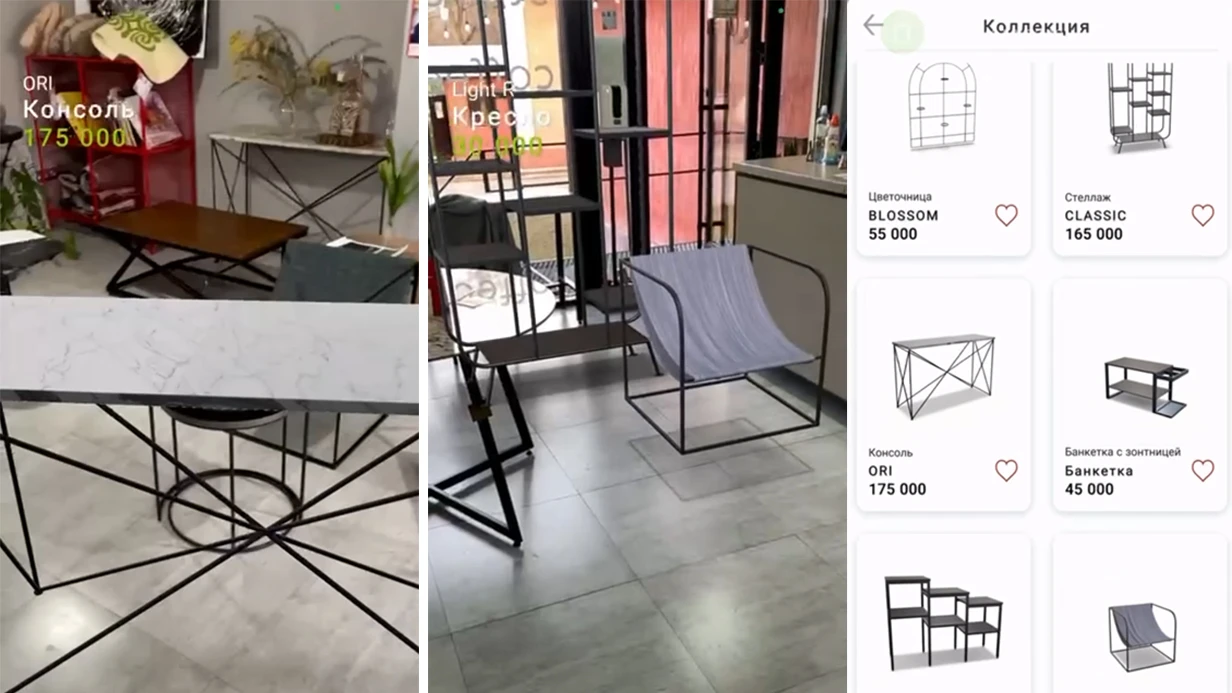
- פתרון AR מוכן לרשימת המחיר שלך. כוון את מצלמת הסמארטפון לעמוד — והמוצר "מתעורר לחיים": מצגת וידאו, מודל תלת-ממדי, תמונה נוספת או קישור ישיר להזמנה.
- התאמה לגרפיקה הקיימת שלך. אין צורך לשנות את העיצוב או את ההגדרה. אנחנו מטמיעים את סמן ה-AR בקבצים הנוכחיים שלך כך שההדפסה תישאר זהה לחלוטין.
- בדיקות על מכשירים פופולריים. אנחנו בודקים את ביצועי ההפעלה על דגמי סמארטפון שונים כדי שללקוחות ולמנהלים שלך לא יהיו תקלות.
- הוראות והכשרת צוות. אתה מקבל מדריך קצר לשימוש ב-AR ויכול להדריך את הצוות שלך במהירות — ללא צורך במומחים טכניים.
- תמיכה טכנית במהלך תקופת התמיכה. אם משהו לא נפתח או שיש צורך להחליף תוכן ברשימת המחיר, אנחנו זמינים ומגיבים במהירות.
- חומרי קידום להשקה. הדגמת וידאו מוכנה וטקסטים קצרים לקמפיינים במייל וברשתות חברתיות — כדי שתוכל לספר ללקוחותיך על הפורמט החדש מיד.
- כל קבצי המקור והגישה. אתה נשאר הבעלים של הפתרון ויכול להמשיך לפתח אותו איתנו או עם הצוות שלך אם תרצה.
זו חבילה מלאה — מהחלק הטכני ועד להכשרה וקידום. אתה מקבל פורמט AR עובד לרשימות מחיר שכבר משולב בשיווק ובמכירות שלך.
מקרה בוחן: הדפסת AR לרשימות מחיר הגדילה המרות
הדפסת רשימות מחיר שפשוט מתארות מוצר פירושה לתת יתרון למתחרים. קונה רואה עשרות הצעות דומות ומשקיע דקה בכל אחת. הוספנו שכבת AR ישירות לרשימת המחיר — עכשיו מודל תלת-ממדי של המוצר בקנה מידה אמיתי נפתח מקטלוג נייר.
מקרה אמיתי: עבור יצרן חזיתות למטבחים, יצרנו הדפסת AR לרשימות מחיר. מנהלים שלחו אותן למשווקים ולמעצבי פנים.
בכוון מצלמת סמארטפון לעמוד, הם יכלו לראות את החזית בצבע ובמרקם האמיתיים שלה, למקם אותה בפרויקט שלהם, ולהעריך מיד את השילוב.
מה השתנה בעסק של הלקוח
חודשיים לאחר ההשקה, ההמרה מליד להזמנה מוצלחת גדלה בשליש. זמן קבלת ההחלטות הממוצע ירד: המשווק כבר לא צריך לחכות לדוגמה, לשלוח תמונות או לברר פרטים — הכל נראה מיד.
תוצאה חשובה נוספת הייתה פניות חוזרות. רשימת המחיר החלה לשמש ככלי עבודה במקום להיזרק לאחר קריאה: כל משווק שני חזר עם בקשה חדשה לפריטים אחרים. הפרויקט הוכרז כמוצלח, והלקוח הרחיב את מחזור ההדפסה לקווי מוצרים חדשים.
לא עצרנו בפורמט אחד: לצד הגרסה המודפסת, הקמנו עותק דיגיטלי של רשימת המחיר לשליחה במסנג'רים. AR עובד שם גם כן, כך שההשפעה נשמרת ללא קשר לערוץ שבו מתקבל הקטלוג עם מציאות רבודה.
רוצה את אותה תוצאה? נצור עבורך הדפסת AR לרשימת המחיר ונתקין אנליטיקה — תראה כמה פעמים מוצר נפתח ואילו פריטים הפכו למבוקשים ביותר.
חששות נפוצים של לקוחות לגבי התקנות VR/AR
כל פורמט לא מוכר מעלה שאלות עוד לפני הבריף: מה אם זה מסובך, יקר, או לא יעבוד במקום שלנו? רוב הלקוחות מודאגים מאותם דברים — אז בואו נטפל במהירות בחששות האופייניים ונראה איך אנחנו פותרים אותם בשלב הדיון.
האם ההתקנה והציוד מסובכים? לא נבין את זה.
אנחנו מטפלים בהתקנה, בהגדרה ובפירוק בעצמנו. אנחנו מביאים ציוד מקצועי משלנו או מתאימים את עצמנו למקום של הלקוח — כל מה שאנחנו צריכים זה גישה לשקע חשמל ומקום לאזור.
לפני ההשקה, אנחנו מספקים הכשרה קצרה לצוות שלך: כמה דקות והצוות שלך יכול להפעיל את ההתקנה בעצמו ולסייע לאורחים אם יש שאלות.
האם זה יעלה סכום סביר? מה אם התקציב יצא משליטה?
העלות הסופית תלויה בפורמט הנבחר: עבור רשימות מחיר, אתה יכול לקבל גרסת AR קומפקטית עם תרחיש יחיד; עבור אירוע, אזור VR מלא. אתה מקבל אומדן שקוף לפני ההתחלה, ללא תוספות נסתרות.
במקביל, קל למדוד את האפקט: יותר זמן בדוכן, מספרי אינטראקציה גבוהים יותר עם המוצר, ואזכורים ברשתות חברתיות — כל זה עובד למען התוצאה שלך ולא רק כ"תמונה יפה."
מה אם ללקוחות שלנו יש טלפונים חלשים או ציוד ישן?
אנחנו מתכננים התקנות לעבוד על רוב הסמארטפונים המודרניים ללא התקנת אפליקציות — דרך הדפדפן או המצלמה. כשמדובר במשקפי VR, אנחנו מציעים אפשרויות לרמת היכולת הטכנית הדרושה לך ובודקים תאימות עם המכשירים שלך מראש.
בנוסף, תמיד קיים תרחיש גיבוי למקרי חירום — האורחים יקבלו את החוויה בכל מקרה.
אורחים לא יבינו איך זה עובד ופשוט יעברו ליד?
אנחנו מתכננים את התרחיש עבור הקהל שלך: מחוות פשוטות, רמזים ויזואליים גדולים, ותמיכה מהצוות שלך אם צריך.
בפועל, אפילו משתמשים חדשים קולטים את העניין תוך 10–15 שניות, ואז אפקט השמועה נכנס לפעולה: האורחים הראשונים מראים לאחרים, ונוצר תור חי סביב האזור.
כפי שאתה רואה, רוב החששות נפתרים בשלב הבריף וההכנה. אנחנו עובדים מרחוק, אבל זה לא משפיע על איכות ההשקה: אתה מקבל תוכנית ברורה, לוחות זמנים מוסכמים, ואנשים שאחראים לתוצאה. עדיין יש חששות? שאל אותנו לפני תחילת הפרויקט — נענה בכנות ונראה דוגמאות לפרויקטים דומים.הזמן הדפסת AR לרשימות המחיר שלך
השאר בקשה באתר — ונכין הצעה אישית למשימה שלך. נסביר מה כלול בעלות פיתוח הדפסת AR ונציע פורמט שמתאים לתקציב שלך.
הנה מה שתקבל מיד לאחר יצירת קשר:
- חישוב עלות לפיתוח על בסיס מחזור ההדפסה ונפח התוכן שלך — ללא תוספות נסתרות או אפשרויות מיותרות.
- המלצות על פורמט ה-AR: מסמן קומפקטי על רשימת מחיר ועד לקטלוג אינטראקטיבי של כל קו המוצרים שלך.
- דוגמאות לפרויקטים לחברות בענף שלך — ראה איך זה עובד בפועל.
- תוכנית השקה ברורה: מה אנחנו עושים בכל שלב, מי אחראי, ומתי יופיעו הבדיקות הראשונות.
- תמיכה מלאה — אתה לא צריך להיכנס לפרטים טכניים; אנחנו מטפלים בהכנת קבצים ובדיקות בעצמנו.
- תמיכה לאחר ההשקה: אם הסמן לא נקרא במכשיר מסוים, נתקן זאת תוך יומיים.
הפרויקט יכול להתחיל כבר בשבוע הבא. כדי להתחיל, כל מה שאנחנו צריכים זה את הגרפיקה של רשימת המחיר שלך ואת רשימת הפריטים שברצונך להחיות. השאר זה העבודה שלנו.
מלא את הטופס למטה — מנהל יחזור אליך תוך יום עסקים אחד, יבהיר את הפרטים ויאשר את העלות. לאחר מכן, אתה פשוט מאשר את הגרפיקה ומקבל הדפסת AR מוגמרת שמבדלת את רשימת המחיר שלך מהמתחרים.
איך לבחור פורמט הדפסת AR לרשימות מחיר?
בחירת פורמט AR לרשימות מחיר אינה עניין של "מה יותר טרנדי," אלא של "מה יפתור את משימת המכירה." פורמט שנבחר בצורה לא נכונה הופך חומרים מודפסים ליפים אך חסרי תועלת: הלקוח פותח את האפליקציה פעם אחת ולעולם לא חוזר.
לכן אנחנו מתחילים לא בטכנולוגיה, אלא במאפייני המוצר שלך ובמסע הקונה.
אנחנו קובעים תחילה כיצד משתמשים ברשימת המחיר: דפדפו בה בפגישה, שולחים אותה במסנג'ר, או מדפיסים אותה לתערוכה?
עבור קטלוג מודפס עם עשרות פריטים, סמן AR קומפקטי על כל עמוד עובד היטב — הוא מציג מודל תלת-ממדי של המוצר הרלוונטי מבלי להעמיס על העמוד.
אם רשימת המחיר מופצת כקובץ PDF, עדיף סמן משותף אחד עם תפריט אינטראקטיבי: הלקוח בוחר את המוצר בעצמו ורואה אותו בפעולה.
לאחר מכן אנחנו בוחרים פורמט על בסיס המטרה: להראות את קנה המידה והפרטים של ציוד, להדגים איך רכיב מורכב עובד, להחזיק תשומת לב בתערוכה, או לקצר את זמן המצגת.
בחירת התקנה היא תמיד פשרה בין עומק התצוגה וקלות הסריקה. אנחנו בודקים את התרחיש בתנאי תאורה אמיתיים ובגדלי סמנים, כך שאין כשלים ברגע הקריטי ביותר.
גישה זו חוסכת בתקציב שלך: אתה משלם לא על "אפקט וואו," אלא על כלי שמוביל באופן קבוע לשיחות ועסקאות.
אנחנו עוזרים לך לבחור פורמט AR על בסיס המאפיינים של המשימה שלך, מציגים דוגמאות לפתרונות דומים, ומגדירים את התוצאה הצפויה עוד לפני תחילת הפיתוח.