

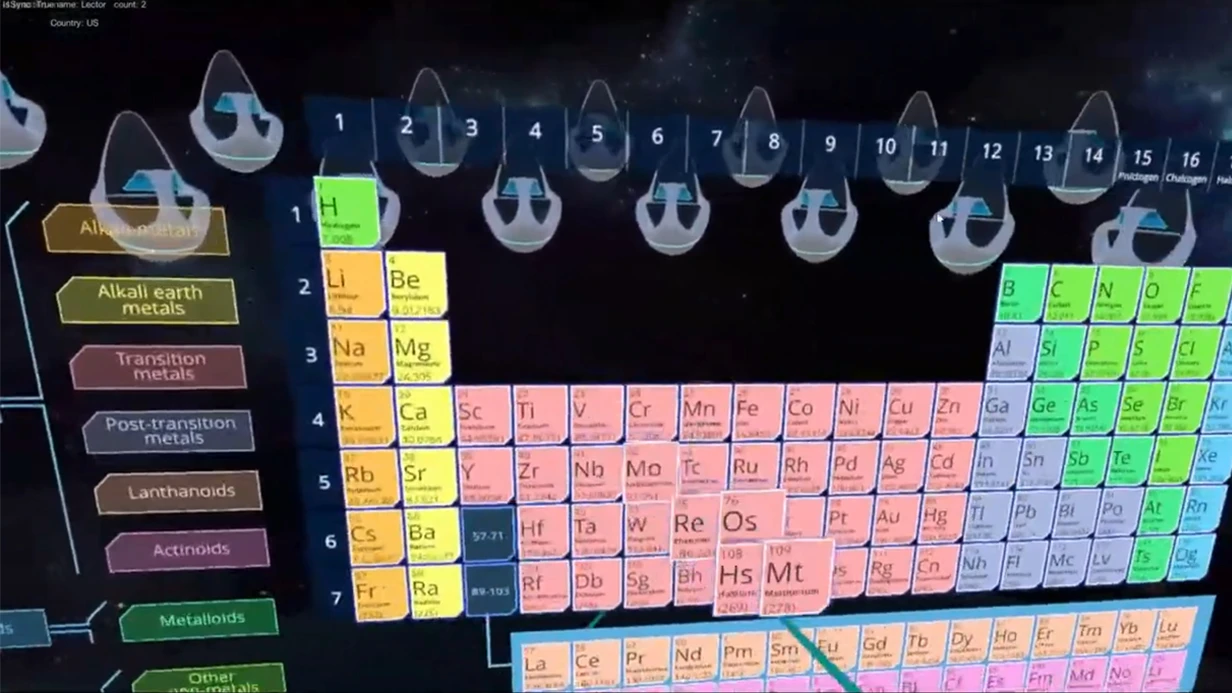


כיצד להגביר את האפקטיביות של מבני פרסום
מבני פרסום ממוקמים במקומות העמוסים ביותר, אבל העוברים ושבים כבר מזמן סיננו אותם כרקע. שלט, באנר, עירונית — אלה עובדים רק כל עוד המבט נעצר עליהם.
הצופה המודרני סורק עשרות מדיות בכל יום וזוכר רק את אלה שמספקות חוויה בלתי צפויה.
תמונה סטטית כבר לא תופסת תשומת לב: הלקוח לא עושה צעד לעבר המותג, הוא פשוט מחליק הלאה — ותקציב המיקום נשרף ללא תגובה.
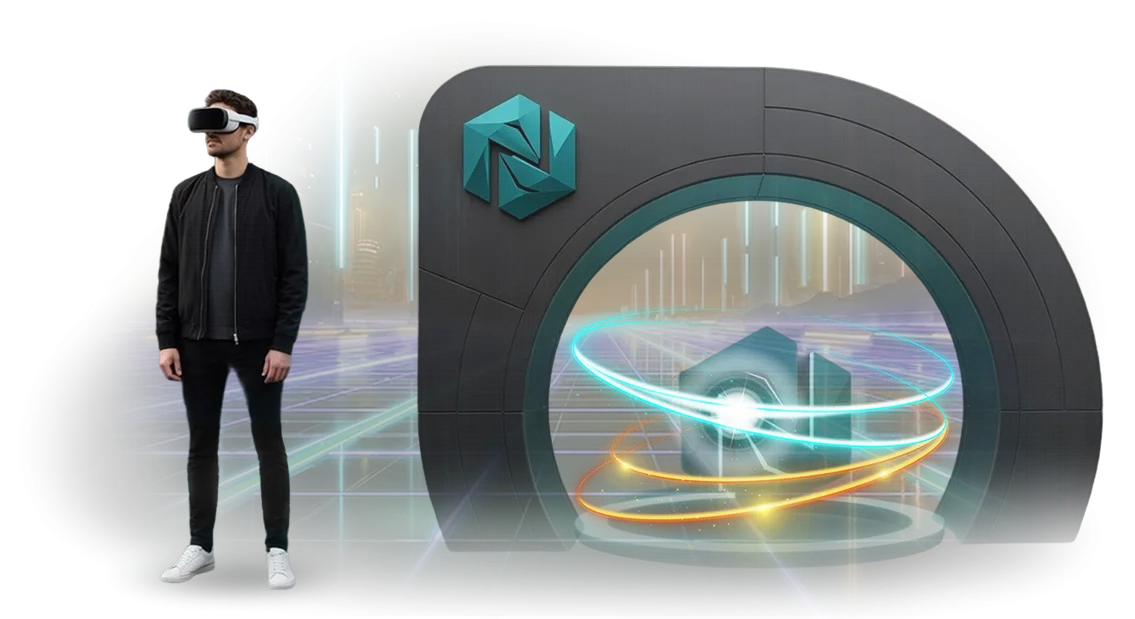
הפתרון הוא פרסום אינטראקטיבי המבוסס על AR print. מכוונים מצלמת סמארטפון אל אמצעי הפרסום — והוא מתעורר לחיים: אובייקט תלת-ממדי, סיפור, אפקט מיוחד, קריאה לפעולה מופיעה.
כך השיווק האופליין מפסיק להיות שידור חד-כיווני והופך לדיאלוג עם לקוח פוטנציאלי.
הערך המרכזי הוא משיכת לקוחות ללא מלאי מדיה נוסף. אותו מבנה פרסום שבעבר רק יידע עכשיו מעורב: אדם צריך לכוון את המצלמה, לחקור את הפרטים, לשתף את הרושם שלו. כל מגע כזה מתועד ומראה כמה יעיל מיקום מסוים.
לכן אנו מציעים לא להחליף מדיה, אלא לשדרג אותן. AR print משתלב בעיצוב הקיים של מבני פרסום, אינו דורש מיקום חדש ואינו דורש שטח נוסף.
התוצאה נמדדת לא בחשיפות מופשטות אלא באינטראקציות אמיתיות — כך אתם רואים כיצד פרסום אינטראקטיבי מביא לקוחות חדשים.
היתרונות של AR print למותג שלכם
באנר או פוסטר רגיל מתחרים בעשרות מסרים אחרים סביבם — תשומת הלב של העובר ושב הולכת למשהו שזז ומפתיע.
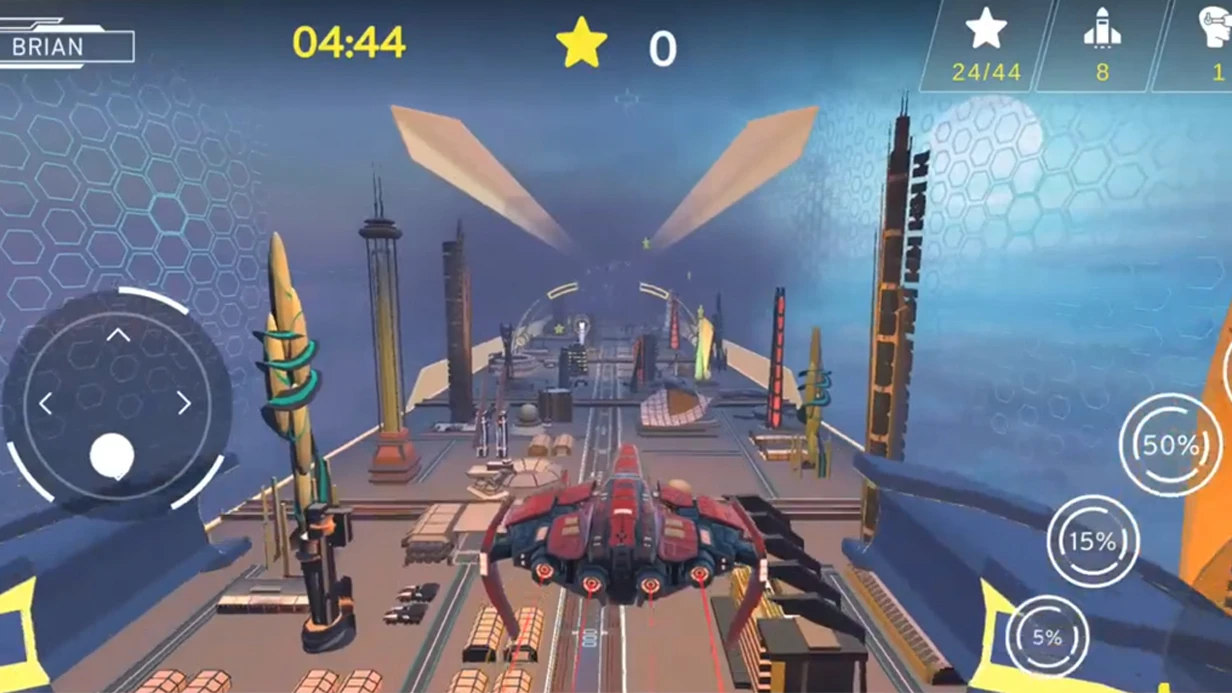
AR print הופך מבנה פרסום לאובייקט חי: אדם מכוון מצלמת סמארטפון — והתמונה מתעוררת לחיים, משחק מתחיל, אינטראקטיביות מופיעה.
פורמט זה תופס תשומת לב פי כמה מתמונה סטטית, כלומר המסר של המותג באמת נקרא ונזכר.
מעורבות גבוהה של קהל מספקת אפקט שיווקי ישיר — אדם מבלה לא כמה שניות אלא דקה שלמה עם הפרסומת שלכם.
במהלך הזמן הזה, הם יכולים לחוש במוצר שלכם, ללמוד את פרטי המבצע, ולקלוט את המסר המרכזי ללא הלחץ של פרסום קלאסי.
טכנולוגיות AR פועלות כאן ככלי לחיבור רגשי: המבקר לא צופה מהצד, הוא הופך למשתתף.
יתרון חשוב נוסף הוא האפקט הוויראלי. אדם מופתע כמעט תמיד יצלם או יצלם וידאו של מה שקורה כדי לשתף ברשתות החברתיות.
כל פוסט כזה הוא אזכור של המותג שלכם בהקשר אישי, שחברי העוקבים סומכים עליו יותר מפוסט מסורתי. כך, מבנה פרסום אחד ממשיך לספק חשיפה גם אחרי שאדם חולף על פניו.
שימוש קבוע ב-AR בפרסום חוצות בונה אסוציאציות מתמשכות: המותג נתפס כמודרני, טכנולוגי וממוקד לקוח.
בעוד המתחרים שלכם עדיין מדפיסים פוסטרים סטטיים, יש לכם אינטראקטיביות — הבדל ניכר בתפיסת הקהל וסיבה נוספת לבחור בכם.
לבסוף, AR print עובד ישירות על יצירת לידים. פוסטר חי יכול להציע קוד קופון, חידון פרסים או איסוף פרטי קשר — המבקר משאיר את פרטיו במקום, וצוות המכירות שלכם מקבל רשימה חמה של אנשים ממוקדים שכבר גילו עניין.
על ידי שילוב אינטראקטיביות במבני פרסום, אתם הופכים רושם פסיבי למקור מבוקר של פניות.
פורמטים של AR print למבני פרסום
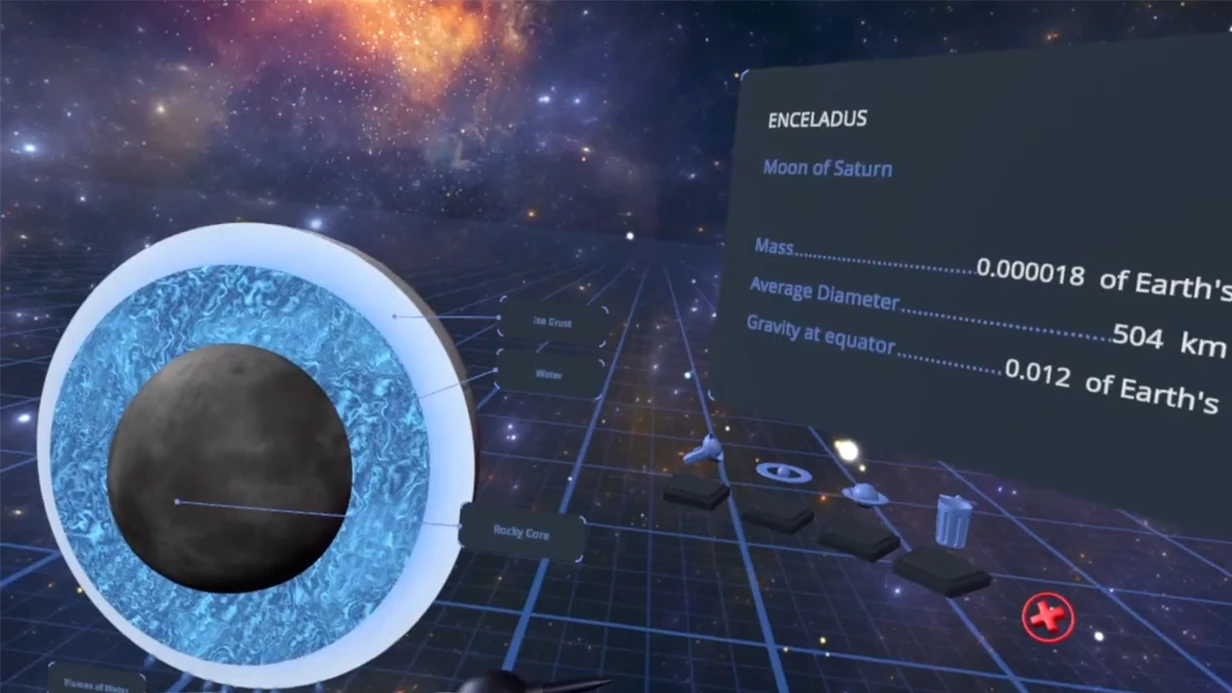
מבנה פרסום מפסיק להיות רק אמצעי כשמצלמת סמארטפון מכוונת אליו. AR print מביא לחיים פוסטרים, גלויות ומדבקות: המשתמש רואה אובייקט תלת-ממדי, וידאו או הצעה מיוחדת ישירות על גבי התמונה.
אבל יש להתאים את הפורמט למשימה — מה שעובד בקמפיין דיוור לא תמיד מתאים לשלט חוצות.
| פורמט | למי | מה זה נותן ללקוח |
|---|---|---|
| גלויות AR | בנקים, מלונות, סוכנויות אירועים | דיאלוג אישי עם הנמען, שיעור תגובה גבוה לדיוורים וזכירת מותג |
| מדבקות AR | קמעונאות, בתי קפה, נקודות מכירה | השקה מהירה של מבצעים על המדף, מכירות נוספות וסיבה נוספת לחזור |
| פוסטרים אינטראקטיביים | מוזיאונים, תערוכות, קניונים | החזקת תשומת לב למשך 2–3 דקות ויכולת לשלב ניווט או סיור |
| שלטי חוצות AR ומבני רחוב | מותגים ומפעילי פרסום חוצות | חשיפה רחבה ברחוב ואיסוף נתוני אינטראקציה עם הפרסומת |
גישה זו מכסה משימות מפורמט קטן ועד שלט חוצות גדול. גלויה עובדת למגע אישי, מדבקה לרכישות אימפולסיביות, פוסטר למעורבות מרחבית, ושלט חוצות לחשיפה המונית עם תוצאות מדידות.
אנחנו מתאימים את הפורמט למבנה פרסום ספציפי ולקהל. אנו מתאימים פתרונות לכל מדיה — מכרטיס ביקור ועד באנר תלוי מעל הכביש — וההשקה אורכת ימים, לא חודשים. אתם מקבלים פורמט AR מוכן לשימוש שקל לשלב בקמפיין הנוכחי שלכם.
שלבי השקת פרויקט AR: מבריף לדוח
לכל פרויקט AR יש מאפיינים משלו, ולכן אנחנו לא מציעים פתרון תבניתי. פיתוח AR למבני פרסום פועל לפי תוכנית שקופה: אתם תמיד מבינים באיזה שלב נמצא הפרויקט, מה אתם מקבלים כתוצאה, ומתי התוצאה תופיע באתר. להלן שלבי היישום הסטנדרטיים, אותם אנו מתאימים למשימה שלכם.
- בריף ואודיט. אנו מגדירים את המטרות: מה המבנה צריך לעשות — למשוך תשומת לב, לערב במשחק או להגדיל את זמן השהייה באובייקט. אנו מעריכים את המיקום, התנועה והתנהגות הקהל כדי להציע תרחיש נכון.
- אב-טיפוס. אנו יוצרים תרחיש אינטראקציה ואב-טיפוס ויזואלי. אתם רואים איך ה-AR ייראה לפני ההשקה ובודקים את ההיגיון דרך הדגמה פשוטה. זה השלב הקל ביותר לבצע שינויים ולאשר את הכיוון.
- אישור ועידון. אנו מבצעים שינויים באב-הטיפוס, מאשרים לוחות זמנים והיקף עבודה. אנו חותמים על חוזה ומקבעים את האחריות של שני הצדדים — אתם לא צריכים לנחש פרטים או לחכות להפתעות.
- ייצור והכנת תוכן. אנו מרכיבים את המבנה עצמו, מגדירים זיהוי ומכינים גרפיקה, אנימציה ואלמנטים אינטראקטיביים. בשלב זה, אנו סוגרים שאלות טכניות ושולחים עדכוני סטטוס באופן קבוע כדי שתישארו מעודכנים.
- השקה ובדיקות. אנו בודקים ביצועים באתר האמיתי: בתנאי תאורה שונים, מרחק וזוויות צפייה. אנו מתקנים את כל אי-הדיוקים לפני ההתחלה הרשמית, כך שהמבקרים רואים תוצאה מוגמרת ללא תקלות.
- אנליטיקה ודיווח. אנו אוספים נתונים על מספר האינטראקציות, זמן השהייה באובייקט והשקות חוזרות. אתם רואים איזו חשיפה השיג המבנה, מה עבד הכי טוב וכיצד להגביר את האפקט בקמפיין הבא.
מה כלול במסירת פתרון AR
המסירה כוללת לא רק "תמונה חיה" אלא ערכת עבודה מלאה: מאב-טיפוס מוכן לדפוס ועד הוראות לצוות.
להלן מה שאתם מקבלים לאחר ההשקה כדי להתחיל להשתמש ב-AR בקמפיין הפרסום שלכם מיד ולהימנע מתלות בקבלן למשימות יומיומיות.
- אב-טיפוסים למבנה שלכם. אב-טיפוס עיצובי מוכן לדפוס המותאם לגודל הבאנר, הדוכן או הפוסטר — עם אזור שמור למרקר AR. אתם יכולים לשלוח אותם ישירות לבית הדפוס ללא עבודה נוספת.
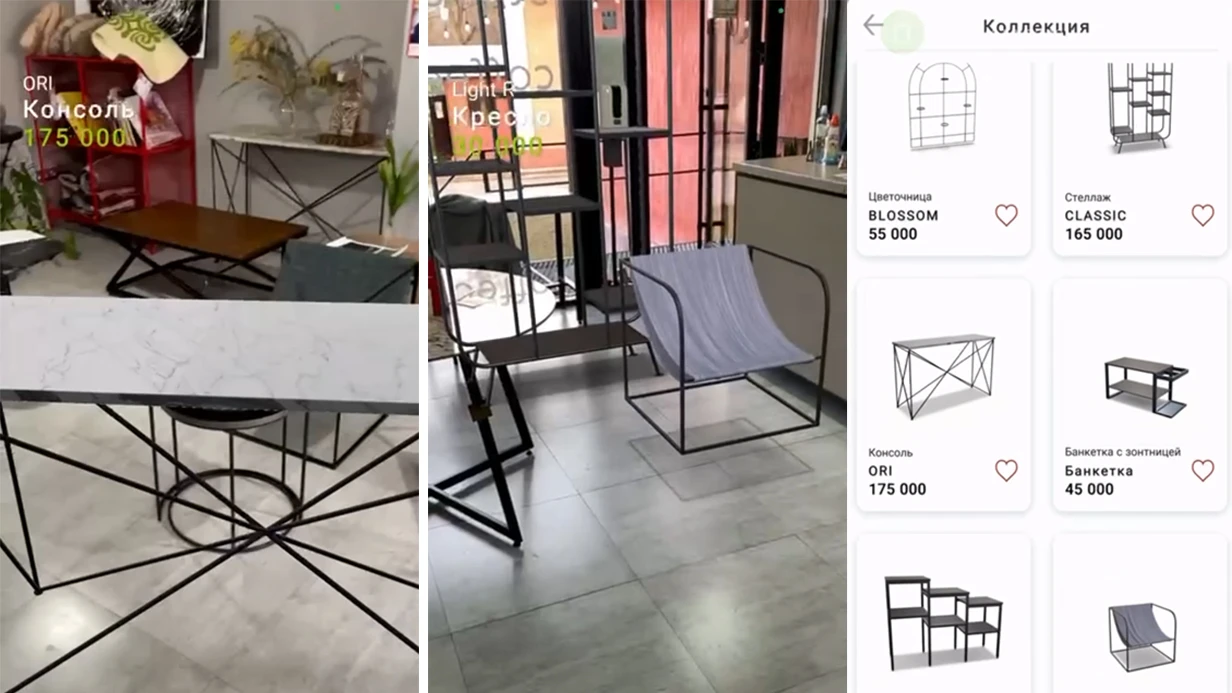
- אפליקציית AR עצמה. אפליקציה קלה או גרסת ווב שפועלת על הסמארטפון של המבקר. אין התקנות מסובכות: מכוונים את המצלמה לבאנר — מקבלים אנימציה, וידאו או אובייקט תלת-ממדי.
- קודי QR וחומרי קידום. קודי QR מוכנים להצבה ליד המבנה וכתוביות קצרות עם קריאה לפעולה כך שאנשים מיד מבינים איך "להחיות את הפרסומת".
- הוראות לצוות. מדריכים פשוטים לעובדים שלכם: איך לבדוק שה-AR עובד, מה לעשות במקרה של תקלה, איך להסביר ללקוח את עקרון האינטראקציה.
- הדרכת צוות. הדרכות וידאו או מפגש מקוון קצר עם מחלקת השיווק שלכם. לאחר מכן, העובדים יכולים לעדכן תוכן בעצמם — לשנות מבצעים ופריטים חדשים ללא תלות בנו.
- תמיכה ועדכונים. סיוע טכני לאחר ההשקה: אנו מתקנים במהירות באגים, עוזרים בהחלפת תוכן ומוודאים שהכל עובד במכשירים שונים.
כתוצאה מכך, אתם מקבלים כלי עבודה, לא רק קבצים. הצוות יודע如何使用 אותו, הלקוחות רואים את האפקט, ואנחנו נשארים בקשר כשצריך לעדכן קמפיין או להוסיף נקודת AR חדשה.
מקרה בוחן: הכפלת תנועה עם AR print
רשת חנויות המזון הבריא "זלנאיה פולקה" התמודדה עם בעיה אופיינית: פרסום חוצות מספק חשיפה רחבה, אבל לא היה ברור כמה אנשים באמת הגיעו לאתר.
כמעט אף אחד לא סרק את קודי ה-QR הרגילים על הבאנרים, ומדידת האפקטיביות של כל שלט חוצות הייתה בלתי אפשרית. הצענו להפוך מבני פרסום עירוניים לפלטפורמת AR אינטראקטיבית.
במקום פוסטר סטטי, אדם רואה אב-טיפוס תלת-ממדי של מוצר עם אנימציה וכפתור "למד עוד" דרך מצלמת הטלפון. הזיהוי עובד דרך מרקר נסתר המוטמע בעיצוב המודפס — אין אפליקציות נפרדות, הכל עובד בדפדפן.
גישה זו מחזיקה תשומת לב פי 3–4 יותר מבאנר רגיל ויוצרת אפקט של מגע אישי עם המותג.
מה המקרה הראה
במהלך חודשיים של הקמפיין על מבני פרסום ואריזות משלוחים, תנועת האתר הוכפלה בהשוואה לתקופה שבה נעשה שימוש בקודי QR פשוטים.
חלק ההמרות לאחר אינטראקציית AR היה גבוה כמעט פי שניים מאשר לאחר לחיצה רגילה על קישור ברשתות חברתיות. לראשונה, הלקוח יכול היה לשייך במדויק שלט חוצות ספציפי למספר הביקורים: לכל מדיה מוקצה מרקר משלה.
המסקנה המרכזית: AR print הוא לא צעצוע אלא ערוץ רכישת לקוחות מדיד. לאחר הבדיקה המוצלחת, הלקוח הרחיב את הקמפיין ל-30% מהמבנים ומתכנן להעביר את הטכנולוגיה לאריזות AR לכל קו המוצרים. אנחנו ממשיכים לתמוך בפרויקט וכבר מכינים עונה חדשה עם תרחישים מעודכנים.
איך לבחור את פורמט ה-AR print הנכון?
בחירת פורמט AR print מתחילה לא בפרטים טכניים אלא במשימה העסקית שלכם ובמיקום ההצבה. אותו פוסטר אפשר להחיות עם מרקר פשוט לסריקה, או להפוך למבנה אינטראקטיבי מלא שמחזיק תשומת לב למשך 2–3 דקות.
אז קודם כל, חשוב להבין מה אתם רוצים להשיג: תגובה מהירה בחלון ראווה, מגע ממושך עם המותג בתערוכה, או איסוף פרטי קשר משלט חוצות.
לשם כך, אנו בוחנים שלושה דברים: מטרת הקמפיין, הקהל והמדיה הפיזית. לדוגמה, אם מבקר בקניון חולף על פני באנר, הם צריכים תרחיש מיידי של "כיוון, ראה, שיתף".
אם לקוח עומד בתור או ממתין לתחילת אירוע, אפשר להציע סיפור עמוק יותר: מודל תלת-ממדי של המוצר, ניסיון וירטואלי, הוראה אינטראקטיבית. כך AR לעסקים הופך מאפקט נוצץ לכלי שפותר בעיה ספציפית.
אפשרויות האינטגרציה תלויות גם בפורמט המדיה: מדבקה על חלון ראווה, תוספת בעלון, אזור בדוכן תערוכה או מבנה רחוב גדול. ככל שהשטח גדול יותר והמיקום נגיש יותר, יש יותר מקום לאינטראקטיביות.
אבל אפילו מדבקה קטנה עם מרקר AR יכולה לספק תוצאה מדידה — למשל, להביא אדם לדף נחיתה או להפעיל וידאו מוצר.
כדי להימנע מתשלום יתר על פונקציונליות מיותרת, אנו ממליצים להתחיל בייעוץ. במהלכו, אנו מנתחים את המשימה שלכם, מראים דוגמאות של פרויקטים דומים ומציעים 2–3 פורמטים שמתאימים לתקציב שלכם. תראו איך התוצאה נראית לפני קבלת החלטה.
גישה זו עוזרת לבחור את האפשרות האופטימלית ולהימנע מטעות אופיינית — הזמנת מכניקה מורכבת במקום שבו פתרון פשוט ומהיר מספיק.
פורמט AR print שנבחר כראוי מחזק את מבנה הפרסום, מגביר מעורבות ומספק אנליטיקה ברורה על מספר האינטראקציות.
אם אתם לא בטוחים איזו אפשרות מתאימה לכם, השאירו פנייה, ובשיחה אחת נמצא את הפתרון האופטימלי למטרות ולתקציב שלכם.
תשובות לשאלות נפוצות על יישום AR
יישום AR במבני פרסום מעלה שאלות: האם זה יהיה נוח למבקרים, האם זה בטוח, כמה זה יעלה ועל מה זה ירוץ. אנו עונים על ארבעת הספקות הנפוצים ביותר כדי שתוכלו לקבל החלטה מושכלת.
האם קשה למשתמש להבין AR?
לא — פשוט מכוונים את מצלמת הסמארטפון אל התמונה ומחזיקים כמה שניות. הסצנה נפתחת בדפדפן רגיל, ללא הורדה או הרשמה. אנו מוסיפים רמזים כך שאנשים מיד מבינים מה לעשות.
האם הטכנולוגיה בטוחה?
AR עובד דרך מצלמה רגילה ואינו אוסף נתונים אישיים. העומס זהה לצילום וידאו, ללא חיישנים נוספים. התוכן מאוחסן בשרת מאובטח ונפתח רק כשמכוונים למרקר.
כמה עולה הפיתוח?
העלות תלויה בפורמט: ממסכה פשוטה ועד משחק אינטראקטיבי. אנו מספקים הערכה שקופה לפני ההשקה ומקבעים אותה בחוזה. ההחזר נמדד בזמן נוסף שהושקע במבנה ובמספר האזכורים.
על אילו מכשירים זה עובד?
זה עובד על רוב הסמארטפונים והטאבלטים המודרניים, ללא ציוד נוסף. אנו בודקים את התרחיש על דגמים פופולריים. אם משהו לא נטען, אנו מספקים קוד QR או קישור לוידאו כחלופה.
מוכנים לחזק את השיווק שלכם: בואו נדון במשימה שלכם
כבר השקעתם במבני פרסום — אבל האם העוברים ושבים באמת שמים לב אליהם? הדפס סטטי נמס לתוך הרקע העירוני, ותשומת הלב חומקת תוך שניות.
AR print מביא לחיים באנר, פוסטר או אריזה: מכוונים מצלמת סמארטפון — ווידאו, אובייקט תלת-ממדי או משחק אינטראקטיבי מופיע. זו דרך לבלוט מבלי להגדיל את תקציב הפרסום.
אנחנו מוודאים שהתוצאה ברורה גם לכם וגם ללקוחותיכם. כדי לקבל הערכת עלות למשימה שלכם, פשוט שלחו פנייה באתר. זה לוקח כמה דקות ואינו מחייב אתכם בשום צורה.
מה תקבלו לאחר שליחת פנייה
- ייעוץ על AR print למבני הפרסום שלכם. נספר לכם אילו פורמטים עובדים בתחום שלכם: מחידוני פוסטרים ועד ניסיונות וירטואליים לפרסום חוצות.
- הערכת עלות וזמנים. נשלח הערכה המבוססת על כמות ההדפסה ומורכבות התרחיש — ללא סעיפים נסתרים או אותיות קטנות.
- דוגמאות עבודה לתחום שלכם. נציג מקרי בוחן של פרויקטים דומים כדי שתראו איך AR נראה על מבנים אמיתיים.
- המלצות השקה. נייעץ היכן הכי טוב למקם את מרקר ה-AR, איזו קריאה לפעולה להשתמש וכיצד למדוד המרה — מהורדה ועד רכישה.
- תוכנית ברורה של הצעדים הבאים. תדעו מה קורה בכל שלב, מאישור אב-הטיפוס ועד הדוח שלאחר ההשקה.
שלחו פנייה — נחזור אליכם תוך יום עסקים אחד, נבהיר את הפרטים ונכין הצעה אישית. אם הפרויקט לא מתאים לכם, נאמר זאת בכנות ונציע חלופה.
אבל לרוב, לקוחות מופתעים כמה פשוט להחיות מבנה פרסום ולקבל החזר מדיד.