

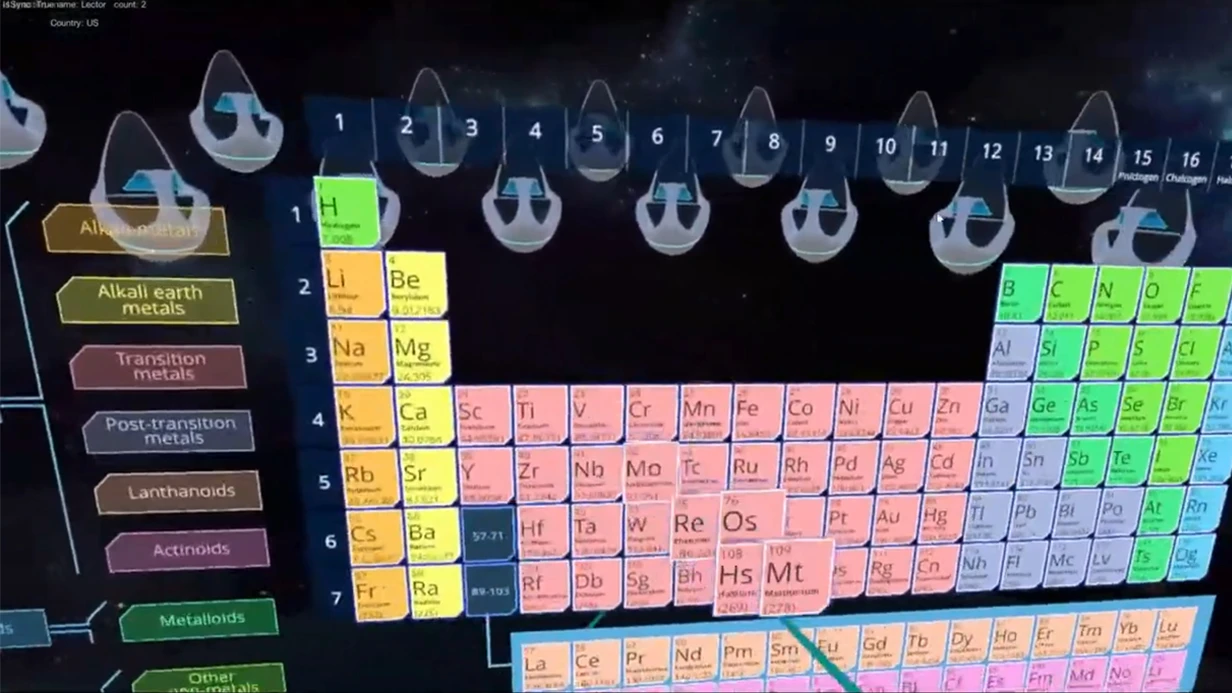


מאבדים הזמנות בגלל מפרט טכני משעמם?
מפרט טכני שטוח מתאר מוצר בשפה של מהנדסים: פרמטרים, טבלאות, שרטוטים. אבל הלקוח שלכם לא קונה מפרט—הוא קונה פתרון לבעיה שלו.
כשהתיעוד לא עונה על השאלה "מה זה נותן לי," הלקוח לא רואה את הערך ומשווה רק לפי מחיר—וזו דרך ישירה להורדת מחירים ולאיבוד עסקאות.
במצב כזה, יתרונות המוצר נעלמים מעיני הלקוח. מתחרה עם פתרון פחות אמין אבל נוצץ יותר מקבל את ההזמנה רק כי הוא הצליח להראות את הערך.
אנחנו עוזרים לתקן את זה: אנחנו הופכים מפרט טכני למצגת חיה ומניעה למכירות שעובדת אפילו לפני הפגישה.
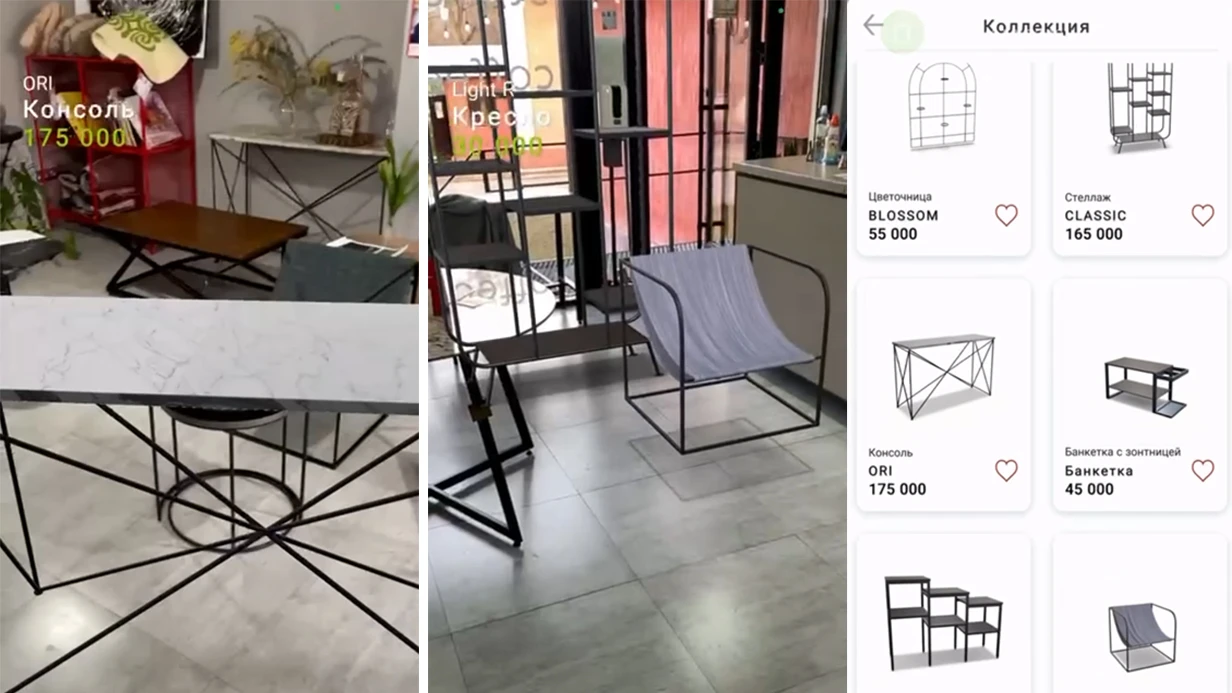
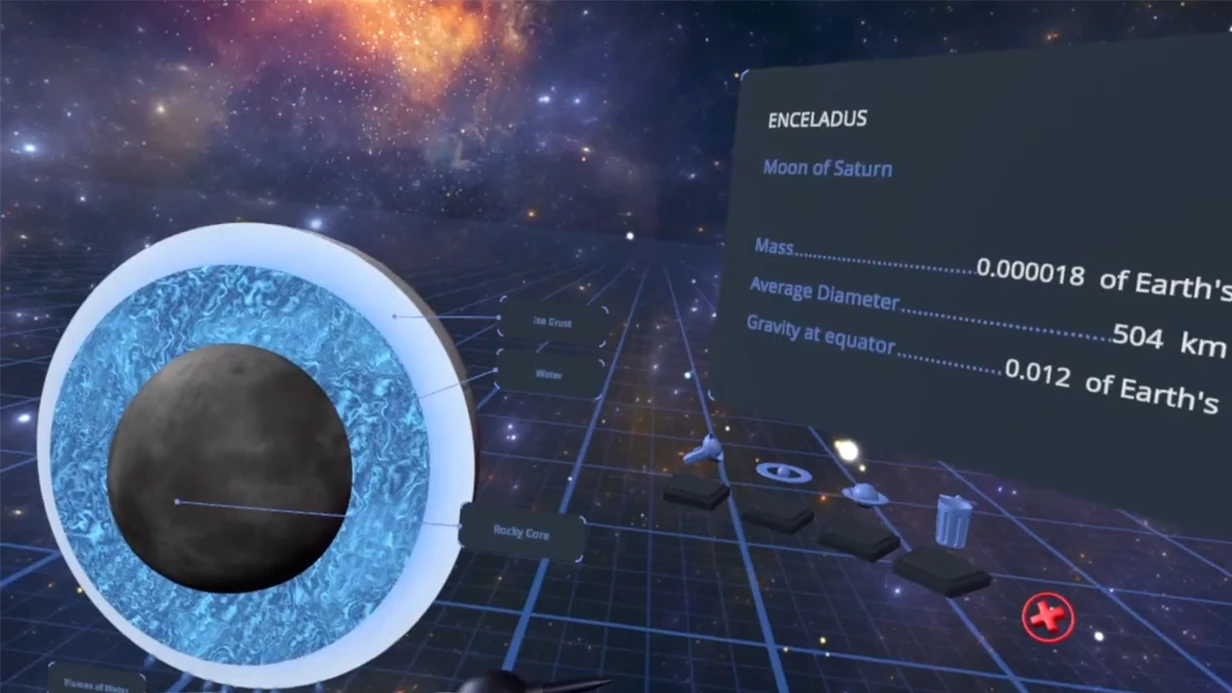
הדפסת AR מביאה את התיעוד לחיים: שרטוט הופך למודל תלת-ממדי, דיאגרמה הופכת להוראה מונפשת, וטבלת פרמטרים הופכת להדגמה אינטראקטיבית. הלקוח מכוון את מצלמת הסמארטפון לעמוד ורואה את המוצר בפעולה.
הם לא צריכים לקרוא בין השורות—הם מיד מבינים איך המוצר יפתור את הבעיה שלהם.
הגישה הזו מזרזת את העסקה ומפחיתה שאלות הבהרה. המנהלים שלכם מבלים זמן בדיון על יתרונות, לא בפענוח נתונים יבשים. וכל מי שמרים קטלוג עם הדפסת AR זוכר את המוצר שלכם לאורך זמן וחוזר אליו כשמגיע הרגע להחליט.
כבר עזרנו לחברות מתעשיות שונות להחיות את התיעוד שלהן ולזכות ביותר הזמנות. ספרו לנו על המשימה שלכם—נראה לכם איך הדפסת AR יכולה למכור עבורכם.
למה מתקני VR ו-AR מגבירים עניין במוצר
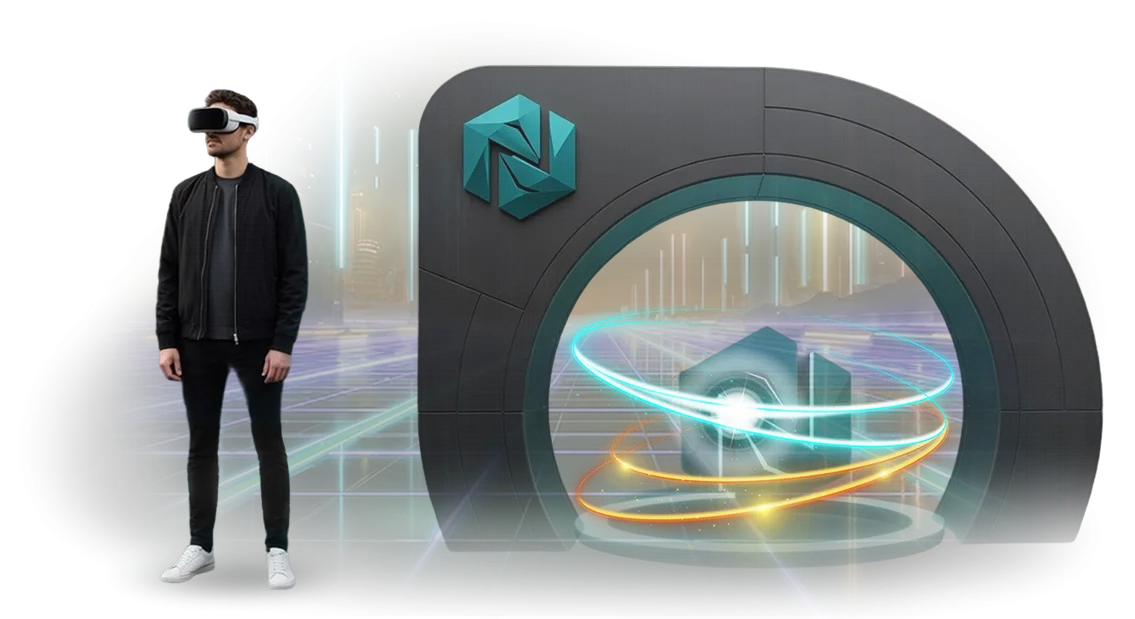
המבקרים עייפים מדוכנים סטטיים ומצגות זהות. מתקני VR ו-AR הופכים את ההיכרות עם המוצר לחוויה חיה שאנשים רוצים לחוות ולשתף.
הצוות שלנו יוצר פתרונות כאלה לאירועים, מוזיאונים ומותגים כבר יותר מ-10 שנים—הנה היתרונות המרכזיים לאירוע שלכם.
רגשות חיים ומעורבות מלאה
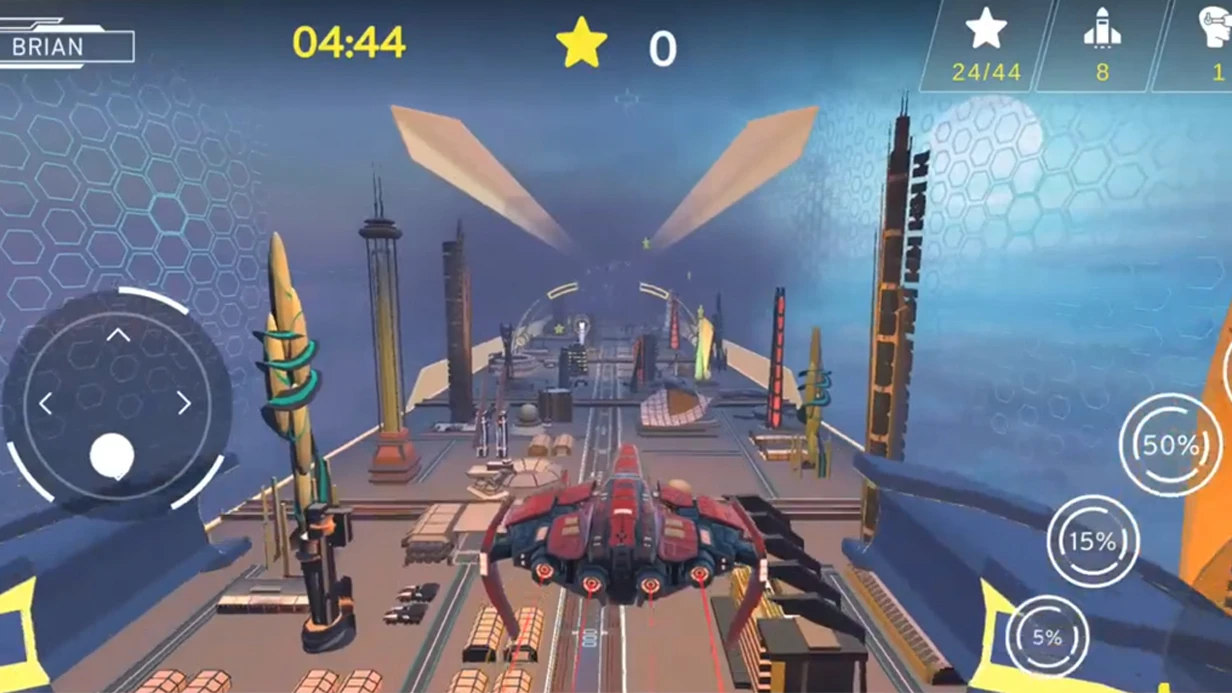
מתקני VR יוצרים סביבה שבה האורח מתקשר עם המוצר במקום רק להסתכל עליו. השקיעה בתרחיש וירטואלי מספקת רגשות עזים שנזכרים טוב יותר מכל טקסט או תמונה.
מעורבות האורחים עולה באופן ניכר: הם מבלים פי כמה יותר זמן באזור מאשר בדוכן רגיל.
הכרת המותג והגעה ויראלית
מתקני AR, כולל אלה עם מציאות רבודה בחומרים מודפסים, מאפשרים למותג להגיע ישירות לידיים של האורח. מדבקה, ברושור או אריזה מתעוררים לחיים על מסך הסמארטפון—זה נראה יוצא דופן וגורם לאנשים לרצות לשתף את האפקט ברשתות החברתיות. כל תמונה וסרטון עם המוצר שלכם מביאים חשיפה חינמית בקרב החברים והעוקבים של האורח.
לכידת פרטי קשר ויצירת לידים
אפשר לשלב תרחישים אינטראקטיביים במנגנון איסוף הנתונים: האורח משאיר פרטי קשר כדי לקבל תוצאת בדיקה, הנחה או כניסה להגרלה. זה הופך את המתקן לכלי שיווקי: הוא לא רק מבדר אלא גם ממלא את משפך המכירות בלידים חמים. אתם מקבלים החזר מדיד מכל אירוע.
בידול מהמתחרים
בעוד המתחרים משתמשים בבאנרים וסרטונים סטנדרטיים, מתקן אינטראקטיבי מבדל אתכם משאר המשתתפים. האורחים זוכרים את החוויה יוצאת הדופן ומדברים עליה, כך שהמותג שלכם מזוהה עם חדשנות. זה חשוב במיוחד כשעשרות חברות מיוצגות באותו מקום.
פורמטים של הדפסת AR למפרטים טכניים
קריאת מפרט טכני היא לא נוחה: מאות עמודים, שרטוטים וטבלאות שבהם פרטים חשובים טובעים.
מציאות רבודה פותרת את הבעיה—מכוונים את המצלמה למדבקה, שרטוט או עמוד קטלוג ורואים מודל תלת-ממדי של מכלול, דיאגרמת הרכבה או פרמטרים עדכניים.
התיעוד הופך מ"נטל נייר" לכלי עבודה שמפחית טעויות ומאיץ החלטות.
הצוות שלנו יוצר הדפסת AR למפרטים טכניים בארבעה פורמטים: ממדבקות פשוטות ועד קטלוגים אינטראקטיביים מלאים.
| פורמט הדפסת AR | למי מיועד | מה זה נותן ללקוח |
|---|---|---|
| מדבקות AR על שרטוטים ודיאגרמות | מהנדסים, מתקינים | הרכבה תלת-ממדית של יחידה ונקודות בקרה בהכוונת המצלמה. פחות טעויות, התקנה מהירה יותר. |
| קטלוג אינטראקטיבי עם מציאות רבודה | מנהלים, לקוחות | עמודים חיים: מודלים תלת-ממדיים, סרטונים, מפרטים, מחירים. הקטלוג עובד למכירות במקום לשבת בקובץ PDF. |
| תגי AR על ציוד ותעודות | שירות, תפעול | היסטוריית שירות, לוחות זמנים לתחזוקה, חלקי חילוף—בנגיעה אחת. זמן האבחון מצטמצם. |
| מפות AR ותוכניות קומה | מנהלי פרויקטים | תשתיות נסתרות, אזורי עבודה, נקודות חיבור על התוכנית. המפרט הופך לנווט עבור קבלנים. |
הדרישות הטכניות לתיעוד שלכם לא משתנות—אנחנו מיישמים תגים על הגרפיקה שלכם או מדפיסים את המדיה. הפורמט נבחר לפי המשימה: להכשיר עובדים, לזרז תפעול או להפוך קטלוג לכלי מצגת.
איך עובד פיתוח מתקן במפתח מלא
פיתוח מתקן במפתח מלא עוקב אחר שלבי פרויקט ברורים: אתם רואים תוצאות ביניים, מבצעים עריכות ומתעדים אישורים. אין הפתעות בלוחות זמנים—כל שלב מסתיים בתוצר ברור.
- בריף וסקירת משימה. אנחנו דנים היכן המתקן יעבוד, מי הקהל שלכם ומה חשוב יותר: חשיפה, מעורבות או ביקורים חוזרים. על בסיס זה, אנחנו קובעים לוחות זמנים.
- אב-טיפוס ותרחיש. אנחנו מראים איך האורח יתקשר עם המתקן, מה הוא יראה וכמה זמן זה ייקח. אתם "מנסים" את הרעיון לפני שפיתוח עיקרי מתחיל.
- אישור עיצוב ופריסה. אנחנו מכינים פתרון ויזואלי בסגנון המותג שלכם—להדפסה, מסכים או מציאות רבודה. אנחנו מבצעים שינויים לפני שההפקה מתחילה, כך שאין מצבים של "לעשות מחדש".
- יישום טכני. אנחנו בונים את המערכת ובודקים אותה בתנאים קרובים לאמיתיים. אנחנו משתמשים בציוד מקצועי ובכלים משוכללים—זה מבטיח פעולה יציבה ביום האירוע.
- השקה באירוע. אנחנו מספקים את המתקן, מרכיבים אותו, מגדירים אותו ומריצים מחזור מלא. ביום האירוע, המומחה שלנו נמצא בקרבת מקום ופותר במהירות את כל הבעיות.
- תמיכה ואנליטיקה. אחרי האירוע, אתם מקבלים מספרים: כמה אורחים התקשרו, כמה זמן הם בילו, אילו תרחישים היו הפופולריים ביותר. הנתונים האלה עוזרים לתכנן פרויקטים עתידיים.
התהליך הזה מגיע בלי עבודה נסתרת או אישורים מיותרים. כל שלב מסתיים בתוצאה ברורה, וההשקה באירוע נשלטת על ידי הצוות שלנו.
מה כלול במסירה ובתמיכה
אנחנו מטפלים בכל המחזור—מאספקת הציוד ועד פירוק סופי. אתם מקבלים מתקן עובד במפתח מלא ולא צריכים לחשוב על הצד הטכני: הכל מוגדר, נבדק ומוכן להשקה ביום המתוכנן.
- ערכת מסירה — כל מה שצריך למתקן: מכשירי VR/AR מקצועיים, חלק שרת, חיישנים ואביזרים. הציוד כבר מוגדר ונבדק; אין צורך לרכוש שום דבר נוסף.
- הרכבה ופירוק — מהנדסים מגיעים למקום, מרכיבים את המבנה, מחברים את המערכת ובודקים פעולה לפני הפתיחה. אחרי האירוע, הם מפרקים בזהירות ומסירים הכל.
- הוראות לצוות — חומרים פשוטים ומובנים: איך להפעיל את המתקן, להפעיל מחדש את התרחיש ולפתור בעיות נפוצות בלי לקרוא למהנדס.
- הכשרת צוות — מפגש הכשרה קצר לצוות שלכם כדי שמנהלים יוכלו לעבוד עם המערכת בביטחון ולעזור לאורחים.
- תמיכה באתר במהלך האירוע — תמיכה טכנית לכל תקופת הפעולה: ניטור מקוון וביקור מהנדס במקום אם צריך.
- תמיכה לאחר האירוע — אחרי ההשקה, אנחנו עוזרים לאסוף סטטיסטיקות שימוש, להסיר ציוד ולייעץ איך להשתמש בתוכן לפרויקטים עתידיים.
- אחריות אמינות — במקרה של תקלה, אנחנו מחליפים במהירות ציוד או מספקים ערכת גיבוי כדי שהאירוע יימשך בלי הפסקות.
מקרה בוחן: איך קטלוג AR קיצר את מחזור מכירת הציוד
מקרה בוחן ליישום
מכירת ציוד מורכב בתערוכות היא תמיד מרוץ אחר תשומת הלב של המבקר. בזמן שמנהל מדבר על מפרטים טכניים, הלקוח כבר עבר לדוכן הבא.
מפרטי נייר וקטלוגים אלקטרוניים לא עוזרים: קוראים אותם אחרי האירוע—אם קוראים בכלל.
עבור יצרן ציוד תעשייתי, PromTech, יצרנו קטלוג AR המבוסס על חומרים מודפסים.
כל עמוד מפרט קיבל סמן: מכוונים את מצלמת הסמארטפון אליו, ומודל תלת-ממדי של היחידה מופיע על המסך עם פרמטרים מרכזיים, דיאגרמת פעולה ודגש על יתרונות תחרותיים. אין תוכנה מורכבת ללקוח—רק קוד QR מוכר או הכוונת מצלמה.
התוצאה עלתה על הציפיות. הזמן שמבקר בילה בדוכן גדל מ-30–40 שניות ל-5–7 דקות. אנשים לא רק דפדפו בניירות—הם למדו את הציוד בפירוט, שאלו שאלות והשאירו פרטי קשר.
תוך חודש אחרי התערוכה, מספר הפניות גדל בשליש, וההמרה ממבקר למשא ומתן ממוקד הוכפלה. מנהלים הפסיקו לבזבז זמן על חזרה על מידע בסיסי—AR טיפל בזה, ומומחים ענו רק על שאלות הבהרה.
המלצת לקוח
מנהל המכירות של PromTech ציין: "בעבר, קטלוגים שכבו בקופסה, אף אחד לא פתח אותם. עכשיו הם הכלי המרכזי בדוכן. מבקרים ניגשים מעצמם, מכוונים את הטלפונים, מתפעלים מהמודל ומבקשים הערכת עלות. שכחנו ממכירות בתערוכות—זה עכשיו מקור מלא ללידים."
קטלוג AR כזה עובד לא רק בתערוכות—הוא שימושי באותה מידה במשא ומתן עם לקוחות מרוחקים ובהכשרת סוכנים. אנחנו אורזים את המפרט לגרסה אינטראקטיבית פעם אחת, והיא בשימוש שנים: עדכון תכונות לוקח ימים, לא חודשים.
מה אם יש לי דרישות פורמט ספציפיות?
דרישות פורמט ספציפיות הן לא מגבלה אלא נקודת פתיחה לפתרון אישי. מפרטים טכניים לעתים קרובות לא מתאימים לתבניות סטנדרטיות: דיאגרמות מורכבות, טבלאות צפופות, מסמכים רב-עמודיים או גדלי הדפסה מיוחדים.
אנחנו מבינים את זה ומבנים את התהליך כך שהפורמט עובד עבורכם, לא שאתם מתאימים את עצמכם לתבנית.
ראשית, אנחנו לומדים את המאפיינים הספציפיים של המוצר שלכם ואת הקהל שיעבוד עם המפרט. לאחר מכן אנחנו קובעים היכן הדפסת AR תביא תועלת מרבית: להחיות דיאגרמה, לחבר טבלה למודל תלת-ממדי, להוסיף הוראת וידאו ליחידה מורכבת.
פתרון אישי נולד מתוך המשימות העסקיות שלכם, לא ממודולים מוכנים—אז התוצאה תמיד עומדת בציפיות.
כבר התאמנו AR לפורמטים לא סטנדרטיים בתעשיות שונות. לשרטוטים בפורמט גדול, אנחנו מגדילים את אזורי הכיוונון; לטבלאות צפופות, אנחנו מוסיפים רמזים אינטראקטיביים; למפרטים רב-עמודיים, אנחנו מוסיפים ניווט עם קפיצות מהירות לסעיף הנדרש.
בכל מקרה, אנחנו משנים לא רק את מראה הסמנים אלא גם את לוגיקת האינטראקציה: כך שמומחה לא מחפש את המידע הדרוש אלא מיד נוחת באזור האינטראקטיבי הנכון.
התוצאה היא מסמך ספציפי שנוח לקרוא ולעבוד איתו. העובדים או הלקוחות שלכם מוצאים נתונים מהר יותר, עושים פחות טעויות פרשנות, ואתם חוסכים זמן על אישורים והסברים.
פורמט לא סטנדרטי מפסיק להיות בעיה והופך ליתרון שמדגיש את הרמה שלכם ואת תשומת הלב לפרטים.
ספרו לנו על הדרישות הספציפיות שלכם—נציע פתרון אישי למשימה שלכם. בלי תבניות ובלי פשרות: רק גישה שלוקחת בחשבון את המאפיינים של המוצר שלכם.
שאלות נפוצות לפני הזמנת מתקני AR ו-VR
לפני הזמנת מתקן VR או AR, לקוחות שואלים שאלות דומות: האם נעמוד בלוחות הזמנים, מה קורה אם משהו נשבר, כמה מורכב לנהל את הפרויקט. זה נורמלי—עדיף לטפל בסיכונים מראש מאשר להתמודד איתם במקום.
אנחנו עובדים עם מתקנים יותר מ-10 שנים, אז אספנו תשובות לשאלות הנפוצות ביותר של לקוחות.
כמה זמן לוקח פיתוח מתקן?
לוחות הזמנים תלויים בפורמט: הדפסת AR פשוטה או אזור VR יחיד—החל משבועיים, חלל אינטראקטיבי מלא—עד חודשיים. אנחנו קובעים לוחות זמנים בחוזה ומספקים את הפרויקט בשלבים כך שאתם רואים את התוצאה במהלך התהליך. אם לאירוע יש תאריך קבוע, אנחנו מתכננים זמן נוסף לבדיקות והתקנה.
מה קורה אם ציוד מתקלקל במהלך אירוע?
אנחנו משתמשים בציוד מקצועי שעומד בשימוש אינטנסיבי ומספקים רכיבי חילוף. במהלך האירוע, אנחנו משייכים מהנדס שמנטר את האזור ופותר במהירות כל בעיה.
אנחנו לוקחים בחשבון סיכוני תקלה בשלב התכנון—עבורכם, זה אומר פעולה ללא הפרעות ואורחים רגועים.
כמה קשה לנהל את המתקן אחרי ההשקה?
אנחנו שואפים לתרחיש פשוט: לעתים קרובות מספיק ללחוץ על כפתור אחד. כל האוטומציה עובדת מעצמה, ואנחנו נותנים לצוות שלכם מפגש הכשרה קצר של 15–20 דקות.
אם אתם לא רוצים להיכנס לפרטים, אנחנו לוקחים על עצמנו את כל התחזוקה: השקה, בקרה ופירוק בלי מעורבות שלכם.
אילו אחריות אתם מספקים?
אנחנו קובעים בחוזה לוחות זמנים לייצור, אחריות על ציוד ותמיכה במהלך האירוע. אם המתקן נשאר פעיל אחרי האירוע (במוזיאון או באולם תצוגה), אנחנו מספקים תחזוקה לפי בקשה—פעולה מורחבת, עדכוני תוכן או תמיכה טכנית שוטפת. אתם משלמים על תוצאות, לא על "מורכבויות הנדסיות."
אם עדיין יש לכם שאלה, שאלו אותנו ישירות—נציע פתרון למשימה שלכם.קבלו חישוב עלות ותוכנית מתקן
לקחת את הצעד הראשון הוא פשוט—השאירו בקשה לחישוב עלות. נבהיר את ההיקף, הקהל והמטרות של המתקן כדי להציע פתרון שמתאים לתקציב וללוח הזמנים שלכם. בלי רעיונות מופשטים—רק פרטים ספציפיים למשימה שלכם.
במהלך הייעוץ, נדון באיזו תוצאה אתם צריכים: למשוך תשומת לב, לערב אורחים, להגדיל זמן בדוכן או ליצור סיפור חדשותי. על בסיס זה, נכין מספר אפשרויות יישום ותוכנית פרויקט ברורה: שלבים, לוחות זמנים, נקודות בקרה. תמיד תבינו מה קורה בכל שלב.
בפנייתכם אלינו, אתם מקבלים:
- ייעוץ ראשוני ללא התחייבות—נדון במשימה ונציע כיוונים.
- חישוב עלות למשימה שלכם: שתיים או שלוש אפשרויות ממינימלית可行ית ועד מורחבת.
- תוכנית פרויקט עם שלבים ולוחות זמנים—אתם תמיד יודעים מה ומי קורה ומתי.
- תנאים שקופים: אנחנו קובעים את התקציב ולוחות הזמנים בחוזה, בלי תוספות נסתרות.
- תמיכה בכל השלבים: אנחנו לוקחים על עצמנו לחלוטין את החלק הטכני והתיאום.
- יותר מ-10 שנות ניסיון—אנחנו יודעים איך ליצור מתקן שעובד לתוצאות.
השאירו בקשה—נגיב תוך יום עסקים אחד, נכין חישוב עלות ונסכים על הצעד הבא. ספרו לנו על המשימה שלכם, ואנחנו נדאג שהמתקן ישפר את חוויית האורחים ויביא ערך לעסק שלכם.