

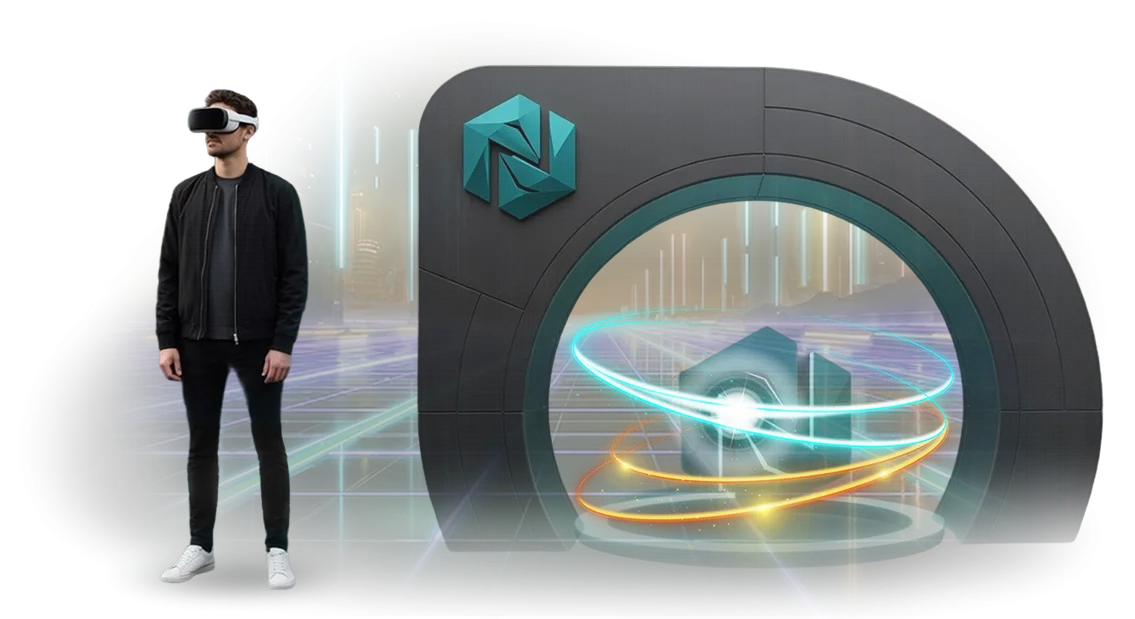


אורחים לא זוכרים אירועים: למה VR/AR עם Niconico עוזר
אורחים עייפים מצפייה פסיבית. כשהבידור מסתכם בצפייה במופע או בטעימות, תשומת הלב דועכת תוך דקות ספורות — התמונה לפיד נלקחת, הרגשות מתקבלים, והאירוע נשכח.
מארגנים משקיעים בעיצוב ותכנון, אבל אחר כך המדיה החברתית שקטה, עם סטורי פה ושם.
אינטראקטיביות משנה את חוקי המשחק. Niconico הוכיחה מזמן: אנשים אוהבים להיות חלק מהתוכן, לא רק צופים.
מתקני AR ואירועי VR הופכים אורח מצופה למשתתף — הם יוצרים חוויה משלהם, והמותג מקבל מעורבות חיה שאי אפשר לקנות בפרסום.
כשאדם יוצר אינטראקציה עם אובייקט וירטואלי, המוח רושם זאת בצורה חיה יותר מאשר צפייה פסיבית. האורח לא רק חולף על פניו — הוא מבלה זמן באזור, מתנסה, נדהם, ומזמין חברים. אלה הרגעים שהופכים לזיכרונות המרכזיים ולסיבה לחזור.
לעסקים, זה אומר שלושה דברים: יותר זמן בדוכן, יותר תמונות וסרטונים משותפים עם המותג, ויותר ביקורים חוזרים.
בידור אינטראקטיבי ממשיך לעבוד על הכרת המותג הרבה אחרי שהאירוע מסתיים — תוכן שנוצר על ידי אורחים ממשיך לייצר חשיפה ללא תקציב נוסף.
אנחנו מטפלים בכל הצד הטכני: אנחנו מתכננים את הסצנריו, בוחרים ציוד, ומגדירים את התוכנה כך שהמתקן יפעל ללא רבב גם בעומס כבד. הלקוח מקבל פתרון סוהר — מהרעיון ועד ההשקה, עם אחריות לתוצאות יציבות.
מה מקבלים: רגשות אורחים, חשיפה ויראלית וצמיחת מותג
יתרון: רגשות שנשארים עם האורחים
מסכת AR הופכת תמונה רגילה לאפקט וואו מיידי. אורחים לא רק מסתכלים על הדוכן — הם משחקים, צוחקים, ומקבלים רשמים חיים המשויכים למותג שלכם.
רגשות עובדים בשבילכם: אחרי האירוע, אורחים מספרים לחברים ולקולגות על כך. זה יוצר חיבור חם עם החברה שחומרי קידום סטנדרטיים לא יכולים לספק.
יתרון: חשיפה ויראלית ללא תקציב פרסום
כל אורח מפרסם תמונות וסרטונים עם מסכת ה-AR שלכם במדיה החברתית שלו. הקהל שלהם רואה את הפוסטים — בממוצע, כמה מאות אנשים לכל משתתף.
כך האירוע ממשיך לעבוד אחרי שהוא מסתיים: מזכירים אתכם, מתייגים אתכם בתמונות, והמותג מקבל חשיפה אורגנית. השיקו אינטראקטיב אחד וקבלו עשרות אלפי חשיפות בלי לשלם תוספת עבור טרגוט.
יתרון: הכרת מותג והזמנות חוזרות
מתקן יוצא דופן נזכר ומבדל אתכם מהמתחרים בתערוכה או במוזיאון. מבקר זוכר לא את הדוכן, אלא את הרגש של אינטראקציה עם המותג — וחוזר כלקוח.
הצוות שלנו עובד על משימות כאלה מעל 10 שנים: אנחנו לוקחים רעיון לתוצאה יציבה כך שהצוות שלכם מקבל משוב מדיד — ממספר הפוסטים ועד פניות לאחר האירוע.
יתרון: לידים לעסק שלכם
אינטראקטיביות היא סיבה לאסוף פרטי קשר: אורחים משאירים בקשה כדי לקבל את התמונה שלהם עם האפקט, או עוקבים אחריכם במדיה החברתית ממש בדוכן.
אז אתם עובדים עם קהל חם שכבר מכיר את המוצר שלכם. אלה לידים מוכנים ללא שיחות קרות או פרסום קר — פשוט כי אנשים רצו לקחת חלק.
פורמטי התקנת VR/AR למטרות האירוע שלכם
לכל אירוע יש מטרה משלו: למשוך תשומת לב למוצר חדש, להחזיק אורחים בדוכן, או להשיק חשיפה ויראלית במדיה החברתית. אין פתרון אוניברסלי — לכן אנחנו מפתחים פורמט VR/AR סביב המטרה הספציפית של האירוע שלכם.
להלן חמש אפשרויות עבודה שאנחנו משתמשים בהן הכי הרבה בפרויקטים למותגים, מוזיאונים ומארגני אירועים. הטבלה מראה למי כל פורמט מתאים ואילו תוצאות הוא משיג.
| פורמט | מתאים ביותר ל | מה זה נותן ללקוח |
|---|---|---|
| מסכות AR ומסננים | מותגים ושירותי סטרימינג | הגברת הכרה, אורחים משתפים תמונות וסרטונים במדיה החברתית |
| מתקני VR | מוזיאונים, תערוכות, מצגות פרימיום | שקיעה מלאה בסיפור המותג, מעורבות גבוהה |
| אזורים אינטראקטיביים | פסטיבלים ואירועי חברה | החזקת תשומת לב ל-5–10 דקות, יצירת תורים ועניין חי |
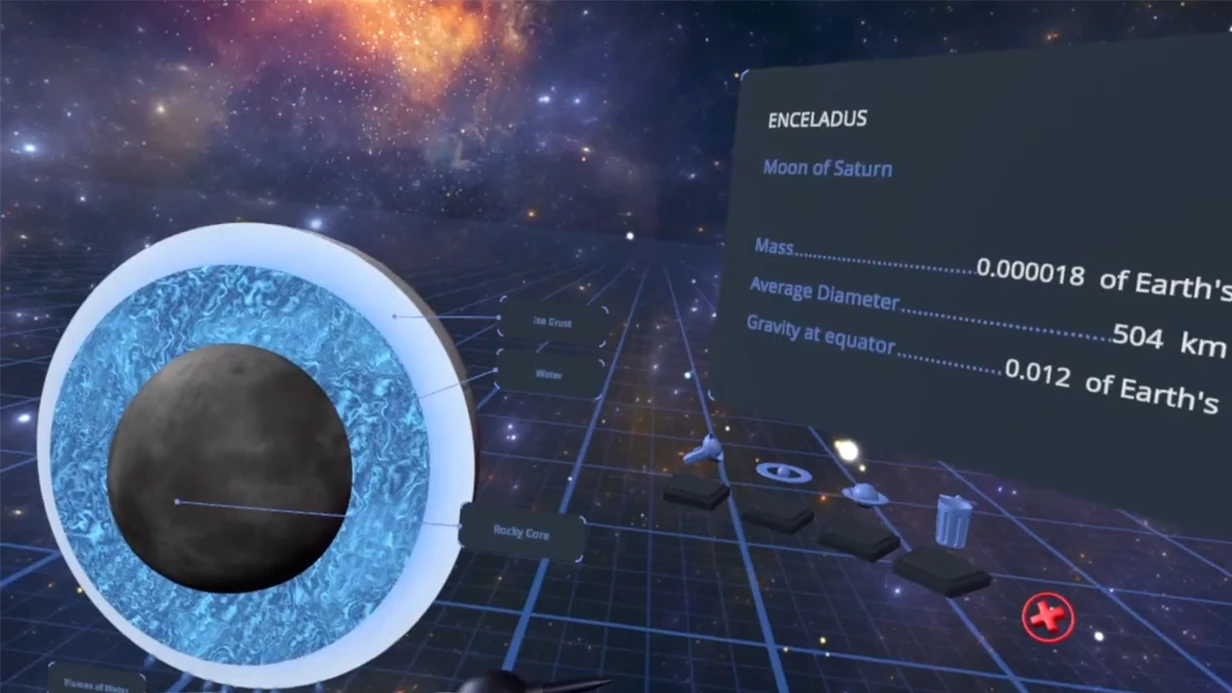
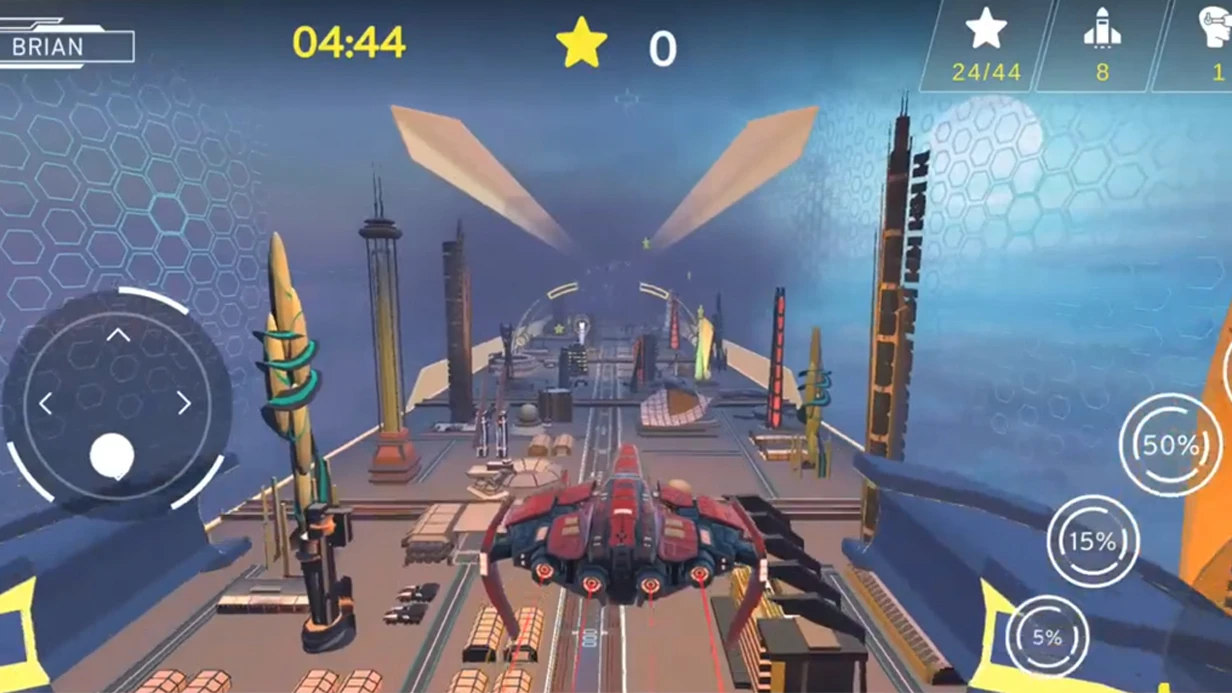
| מסעות AR | אירועי חינוך ובידור | מעורבות אורחים במשחק, עידוד חקר החלל |
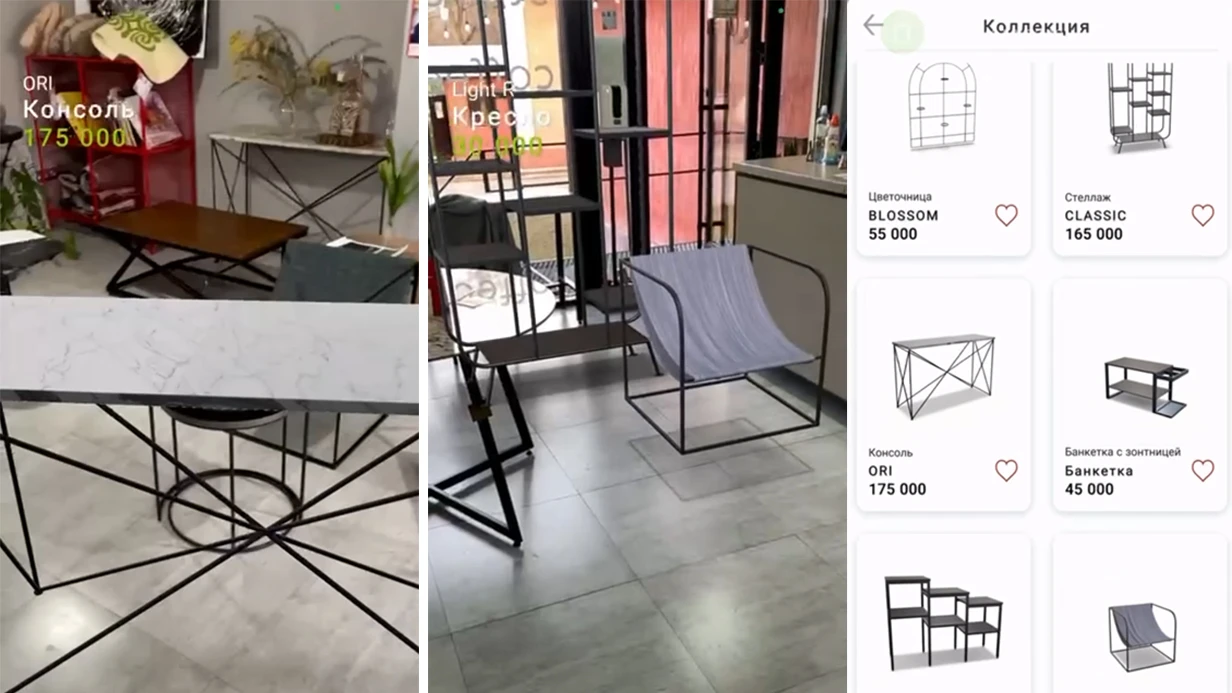
| אולמות תצוגה וירטואליים | מצגות מוצר ונדל"ן | הצגת מוצרים בתלת-ממד ללא לוגיסטיקה פיזית, חיסכון בזמן |
קל לשלב פורמטים: למשל, מסכת AR לסטרימינג חי ואזור VR לאורחים אופליין. בייעוץ נבחר אפשרות שמתאימה לרמת ההשקעה וללוח הזמנים שלכם — כך שהתוצאה תהיה מדידה.
איך הפרויקט עובד: מבריף ועד השקת המתקן
אנחנו מבנים את התהליך כך שתמיד תהיו בעניינים: מהבריף הראשון ועד לרגע שבו הטכנולוגיה כבר רצה באירוע שלכם. אין "קופסה שחורה" — רק שלבים ברורים, לוחות זמנים קבועים ונקודות אישור.
זה עובד בצורה אמינה באותה מידה עבור אזור VR בתערוכה ועבור מסכת AR או מסנן לקידום במדיה חברתית או בפלטפורמות כמו Niconico.
- בריף והתעמקות במשימה. אנחנו דנים במטרות האירוע, פרופיל האורח, המסר המרכזי של המותג והמקום. אנחנו מבהירים איזו תוצאה חשובה לכם: יותר תמונות, תור בדוכן, או משיכת מבקרים למשחק.
- קונספט וסצנריו. אנחנו מציעים את הרעיון האינטראקטיבי: איך זה נראה, מה אפקט הרושם, ואיך זה משתלב בתוכנית האירוע שלכם. אנחנו מראים רפרנסים וסקיצות.
- אישור. אנחנו קובעים את הפרטים: היקף העבודה, הסגנון החזותי, הדרישות הטכניות ולוחות הזמנים. אתם מקבלים הערכת עלות ותוכנית עם נקודות בקרה — בלי הפתעות במחיר או עיכובים.
- פיתוח מתקן או תוכן. אנחנו יוצרים את הסצנה הווירטואלית, מסכת ה-AR, המסנן או האזור האינטראקטיבי. בגרסאות ביניים, אתם רואים התקדמות ועורכים שינויים מוקדם — זה מהיר יותר מאשר לעשות הכל מחדש בסוף.
- בדיקות והגדרה. כמה ימים לפני האירוע, אנחנו מגיעים למקום, מרכיבים את המבנה ומגדירים מקרנים, מצלמות, שרתים ותאורה. אנחנו עושים ריצה מלאה כדי לחסל תקלות ביום האירוע.
- השקה ותמיכה. ביום האירוע, מהנדס נשאר איתכם: מנטר את המערכת, עוזר לאורחים ופותר בעיות במהירות. אתם מתמקדים בחגיגה, לא בטכנולוגיה.
אחרי הפרויקט, נשארים אצלכם התיעוד והיכולת להרחיב את הפתרון לאירוע הבא. אנליטיקת שימוש תעזור לכם להבין מה עבד הכי טוב ולחסוך תקציב בהכנת אירועים עתידיים.
מה כלול במסירה: חבילה מלאה לאירוע שלכם
דמיינו שמזמינים מתקן ומקבלים חבילת עבודה מלאה — בלי תוספות ובלי ציד קבלנים נפרדים. אנחנו מספקים את הפרויקט סוהר: מהרעיון ועד תמיכה סופית באתר, כך שלא תצטרכו לתאם חמישה צוותים שונים.
הנה מה שכלול:
- קונספט וסצנריו — אנחנו חושבים על הרעיון, לוגיקת האינטראקציה והסגנון החזותי למותג שלכם, כך שהאזור יעבוד להכרה.
- נכסים דיגיטליים ותוכן VR/AR — אנחנו יוצרים מודלים תלת-ממדיים, סצנות מונפשות ואפקטים אינטראקטיביים. לסטרימרים ומותגים, אנחנו מכינים מסכות ומסננים שעובדים נכון על Niconico.
- ציוד והגדרה טכנית — אנחנו בוחרים את המכשירים, החיישנים והדוכנים המתאימים למקום שלכם. בלי הפתעות ביום האירוע.
- הרכבה והגדרה — אנחנו מספקים, מתקינים ובודקים את המערכת מראש. עד פתיחת הדלתות, הכל מוכן לפעולה.
- צוות באתר — אנחנו ממנים מפעילים וטכנאים שמנטרים את המתקן, עוזרים לאורחים ופותרים בעיות בזמן אמת.
- תמיכה ואחריות — אתם מקבלים אנשי קשר של מהנדסים למשך האירוע ותגובה מהירה לכל תקלה. הכל כלול במחיר.
כל פריט פותר צורך ספציפי של הלקוח: ממשיכת תשומת לב ועד פעולה חלקה בשעות שיא. אתם מקבלים חשבונית אחת, לוח זמנים אחד ונקודת קשר אחת — ואנחנו אחראים לתוצאה.
מקרה בוחן: איך מסכות Niconico הביאו 12,000 אזכורים ביום אחד
תמונות וסטוריז רגילים הולכים לאיבוד בפיד, ואורחים לא מתחברים לפעילות המותג. היינו צריכים ליצור מכניקה שתגרום למבקרים לשתף תוכן בעצמם ולהביא אורחים חדשים למחרת.
יצרנו מסכות AR בסגנון Niconico: מבקר סרק קוד QR בכניסה, הרכיב את המסכה וקיבל סרטון מוכן עם האנרגיה והאווירה של הפסטיבל. פעולה פשוטה — פרסום מיידי. ככה זה עבד:
| פורמט | מתאים ביותר ל | מה זה נותן ללקוח |
|---|---|---|
| מסכת AR עם אנימציית מותג | מבקרי פסטיבל | דרך מהירה להפוך לחלק מהאירוע ולשתף את הרגש |
| נקודות QR בכניסות ובבמות | מארגנים | זרם קבוע של פוסטים בשעות שיא |
| סרטונים עם סגנון מותגי | צוות שיווק | תוכן UGC מוכן לקידום עונות עתידיות |
התוצאות עלו על הציפיות: ביום הראשון, אורחים יצרו ופרסמו 12,000 אזכורים עם המסכה. החשיפה הכוללת של הפוסטים הגיעה ל-3.5 מיליון אנשים — פי כמה וכמה יותר מפרסום ממומן בשוק המקומי. הפוסטים נשאו גם תגי מיקום, מה שהגביר את הנוכחות בפעילויות הפסטיבל השכנות.
המפתח היה שהמבקרים יצרו את התוכן, לא המותג. זה חסך בתקציב הפקה וסיפק המלצות טבעיות מעמיתים. אורחים קיבלו בידור, ומארגנים קיבלו תוצאה מדידה ללא הוצאות פרסום.
עכשיו אנחנו מכינים מסכות דומות לאירועים עם קהל מ-1,000 אנשים — סוהר: מהרעיון ועד אנליטיקת פוסטים בזמן אמת. צרו קשר להערכת עלות — נראה לכם אילו מספרים הקהל שלכם יכול להשיג.
איך לבחור את פורמט ה-VR/AR הנכון למשימה שלכם?
בחירת פורמט היא לא שאלה של "טרנדי או לא" — אלא של המטרות שלכם. ההחלטה מסתכמת בארבעה קריטריונים: קהל, מטרה, מקום ותקציב אירוע.
אלה גם קובעים מה עובד הכי טוב — מסכת AR לפלטפורמות חברתיות, תערוכת VR, או אזור אינטראקטיבי בלובי.
מותגים בוחרים ב-AR כשהם צריכים מעורבות רחבה. מסכות ומסננים מתפשטים ויראלית, במיוחד כשהקהל פעיל בפלטפורמות חברתיות.
לדוגמה, פיתוח מסכות AR ל-Niconico הוא דרך להיכנס לפידים של משתמשים ללא תקציב פרסום נפרד: כל משתתף משתף את התוצאה עם העוקבים שלו, והמותג מרוויח חשיפה והכרה.
מוזיאונים בוחרים ב-VR כשעומק השקיעה חשוב. מציאות וירטואלית לוקחת מבקרים לתקופה אחרת או למקומות בלתי נגישים: להיכנס לתוך מוצג, "להסתובב" בעיר עתיקה, או לראות שיקום בפרטי פרטים.
זה פותר את אתגר החזקת תשומת הלב ויוצר חוויה שמדברים עליה שבועות — בעוד המוזיאון מקבל זרם של מבקרים חדשים.
אזור אינטראקטיבי מתאים לאירועים עם תנועה גבוהה. אורחים רוצים להשתתף, לא לצפות: קירות שמגיבים לתנועה, מסכי מציאות רבודה ואזורי אפקט AR מהירים.
כאן התקציב מתחלק אחרת — נקודת מוקד אחת בוהקת מספיקה כדי לעצב את הרושם של כל האירוע.
העיקר הוא לא לבחור פורמט מרשימה מוכנה. קודם, אנחנו מנתחים את הקהל שלכם, מציבים מטרות מדידות ומעריכים את המקום והתקציב.
אז אנחנו מציעים שילוב של פורמטים שמשיג תוצאות — בין אם זה יותר ביקורים חוזרים, צמיחת עוקבים, או רק גורם "וואו" לאורחים.
תשובות לשאלות נפוצות של לקוחות
לקוחות מתקני VR/AR מודאגים מאותם דברים: מה אם הציוד ייכשל ברגע הכי קריטי, איך הפתרון משתלב בקונספט האירוע, והאם לוחות הזמנים יחליקו. אנחנו מבינים את האחריות שלכם לאורחים ולשותפים, ולכן מסירים את הסיכונים האלה מראש. להלן תשובות לשאלות שעולות הכי הרבה במהלך דיוני פרויקט.
מה אם המתקן יתקלקל באמצע האירוע?
אנחנו לוקחים אחריות על פעילות יציבה של האזור שלכם. לפני ההשקה, אנחנו עורכים מחזור בדיקות מלא ומביאים מודולים חלופיים למקום.
המהנדסים שלנו נשארים בקשר עם הצוות שלכם לאורך כל האירוע — אם משהו בלתי צפוי קורה, נשקם את הפעילות במהירות והאורחים לא ישימו לב.
איך הפתרון ישתלב בקונספט, בסגנון ובסצנריו של האירוע?
אנחנו מתחילים עם בריף קצר שבו אתם מתארים את המשימה, האווירה וקהל היעד. אז אנחנו מציעים סצנריו אינטגרציה: אזור immersive עצמאי, מסכת AR למדיה חברתית, או חלק מתוכנית המופע. אנחנו מראים את כל החומרים לפני ההשקה כדי שתוכלו לראות איך זה נראה ולערוך שינויים לפני המסירה.
האם תיקחו פרויקט עם לוח זמנים צפוף?
כן. מחזור העבודה הסטנדרטי הוא שבועיים עד חודש, תלוי בהיקף ובמורכבות הסצנריו. אם הזמן קצר, נרכיב פתרון אופטימלי: הוא עדיין יהיה מרשים ואמין, אבל ידרוש פחות זמן הכנה. לוח הזמנים המדויק קבוע בחוזה ואנחנו עומדים בו ללא עיכובים.
אנחנו מטפלים לא רק בפיתוח אלא גם בתמיכה מלאה: הכנה, הגדרה, תמיכה טכנית באתר ועדכוני תוכן לצרכים שלכם. זה אומר שאתם מקבלים תוצאה צפויה ושקט נפשי ביום האירוע, והאורחים שלכם מקבלים חוויות חיות שהם ירצו לשתף. אם יש לכם שאלות נוספות — שאלו אותנו ישירות, נחזור אליכם תוך יום עסקים אחד.בואו נדבר על הרעיון שלכם: נחשב את הפורמט והערכת העלות ביום אחד
כדי שתדעו את התקציב ולוח הזמנים מיד, אתם לא צריכים לבזבז שבועות על שיחות עם תריסר קבלנים. השאירו בקשה — ולמחרת תקבלו תוכנית קונקרטית: פורמט המתקן הנכון, היקף העבודה, העלות ולוח ההשקה.
ביום עסקים אחד, אנחנו מכינים עבורכם חבילת תשובות מלאה:
- בריף קצר — כמה שאלות על מטרות, קהל ומקום. מילוי לוקח לא יותר מ-10 דקות.
- הערכת עלות במחיר קבוע — בלי עמלות נסתרות או חיובים "בלתי צפויים" במהלך הביצוע.
- הצעת פורמט: מסכת AR, אזור VR, מסך אינטראקטיבי או שילוב — עם הנימוק למה זה יעבוד למשימה הספציפית שלכם.
- לוח הפקה והתקנה המותאם ללוח האירועים שלכם — אתם יודעים את לוח הזמנים לפני חתימת החוזה.
- אנשי קשר למנהל ייעודי ולצוות שילווה את הפרויקט מבריף ועד השקה.
אחרי זה, או שאתם מאשרים את התוכנית ואנחנו מתחילים, או שאתם מבקשים התאמות — נעשה אותן. המחיר הסופי ננעל לפני תחילת העבודה, כך שההערכה לא תשתנה בדרך.
כדי להזמין פיתוח ולקבל הערכת עלות, פשוט לחצו על כפתור "השאירו בקשה" או כתבו לנו במסנג'ר המועדף — אנחנו מגיבים תוך שעה בשעות העבודה. נתחיל עם בריף ונשלח לכם הצעה מוכנה עד מחר.