



פעילויות אינטראקטיביות לאירועים: למה אורחים משתעממים ועוזבים
אורחים rarely אומרים במפורש שהם משועממים. הם פשוט שולפים את הטלפונים, יוצאים לעשן, ובאמצע הערב חלק ניכר כבר עזב.
זה בולט במיוחד במסיבות חברה, חתונות ואירועים באוויר הפתוח: הייתה תוכנית, הנואמים נשאו דברים, אבל לא הייתה מעורבות חיה של האורחים.
כל עזיבה כזו היא הזדמנות שלא נוצלה עבור המותג וכסף שבזבזתם על האולם והקייטרינג ירד לטמיון.
הסיבה לשעמום באירועים היא כמעט תמיד זהה — אורחים נשארים צופים ולא משתתפים. אדם יכול לצפות בקונצרט או במצגת, אבל זה פורמט פסיבי: אחרי 20–30 דקות, הקשב יורד.
אבל כשאדם מנסה משהו בעצמו, לוקח שליטה, מתחרה או יוצר משהו משותף עם אחרים — נכנסים התרגשות, רגש והרצון להישאר עד הסוף.
בידור אינטראקטיבי פותר בדיוק את הבעיה הזו: הוא הופך צופים למשתתפים פעילים ומשאיר אותם מעורבים עד הגמר.
מנקודת מבט עסקית, עזיבת אורחים עולה יותר ממה שזה נראה. פחות תמונות ואזכורים ברשתות החברתיות, תשואה חלשה יותר לשותפים, וסבירות נמוכה יותר להמלצות.
אם האירוע מאורגן על ידי מותג, כל אורח שעוזב הוא גם איש קשר אבוד שיכול היה להפוך ללקוח. לכן אנחנו מהמרים על פורמטים שיוצרים מעורבות חיה ושומרים על האנרגיה של החדר עד הרגע האחרון.
המהנדסים שלנו בוחרים טכנולוגיות לפי המשימה ולא מעמיסים על האירוע מבנים מורכבים. אתם מקבלים פעילויות שמובנות לאורחים בכל גיל ואינן דורשות הכשרה ממושכת.
התוצאה נמדדת לא במספר המסכים, אלא בכמה אנשים נשארו, חייכו וחזרו למתקן שוב.
יתרונות מרכזיים: צמיחה בנאמנות, טווח הגעה למותג ולידים
פעילויות אינטראקטיביות הופכות אירוע רגיל לחוויה בלתי נשכחת. אורחים הם לא רק צופים — הם משתתפים: הם מנסים, יוצרים ומשתפים רגשות.
בדיוק חוויה כזו בונה נאמנות אמיתית: אדם חוזר למותג לא כי הוא "חייב", אלא כי הוא מקשר אותו לרשמים עזים.
אחרי האירוע, רגשות חיוביים ממשיכים לעבוד למען המודעות למותג. אורחים מספרים לחברים, מפרסמים תמונות וסרטונים ברשתות החברתיות — כל משתתף מביא 2–3 מכרים חדשים.
כך פורמטים אינטראקטיביים מרחיבים את טווח ההגעה הרבה מעבר למקום האירוע, ללא השקעה נוספת בפרסום.
המכניקות האלה גם מספקות תוצאות עסקיות מדידות — לידים. קל לשלב איסוף פרטי קשר בפורמט משחק: אורחים משתתפים ומשאירים את הפרטים שלהם במודע, ומקבלים תוצאה בתמורה.
עם מכניקה מעוצבת היטב, שיעור ההסכמה לתקשורת המשך גבוה באופן ניכר מאשר באיסוף כרטיסי ביקור מסורתי.
יתרון נוסף הוא שקיפות בהערכת הביצועים. אחרי ההשקה, אתם רואים לא רק רגשות אלא גם מספרים: כמה אורחים גילו עניין, איזו מכניקה סיפקה את הערך הרב ביותר.
כך נאמנות, מודעות ולידים צומחים במקביל, וכל פרויקט הופך להשקעה ברורה בפיתוח המותג.
פורמטי השירות: ממוזיאונים ועד מסיבות חברה
ישנם פורמטים רבים של מעורבות אינטראקטיבית, וכל אחד פותר אתגר עסקי משלו.
אורחי מסיבת חברה צריכים רגשות וסיבה להתחבר; מוזיאון צריך להחזיק תשומת לב ולהחזיר מבקרים; מותג בתערוכה צריך קשר בלתי נשכח ותמונות ויראליות.
אנחנו בוחרים פתרון לפי המטרה שלכם: תוכנית בידור, רכיב חינוכי או אפקט שיווקי.
להלן תרחישים אופייניים שאנחנו עובדים איתם. זו נקודת התייחסות: במסגרת הבריף, אנחנו מתאימים כל פורמט לקהל, למקום ולתקציב שלכם.
| פורמט | מתאים במיוחד ל | מה הלקוח מקבל |
|---|---|---|
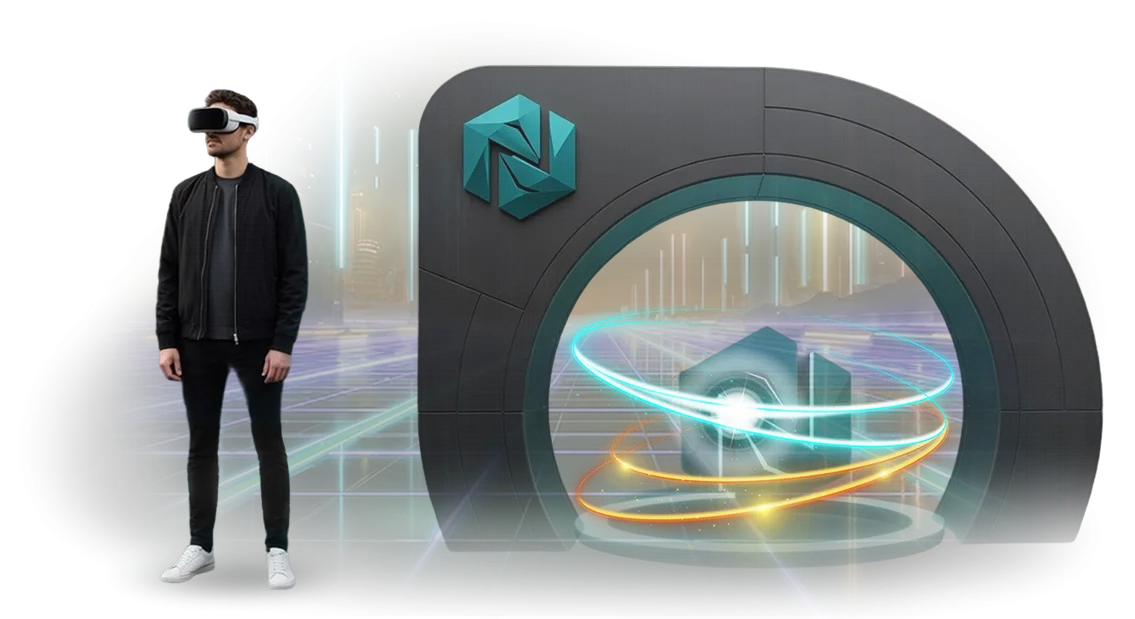
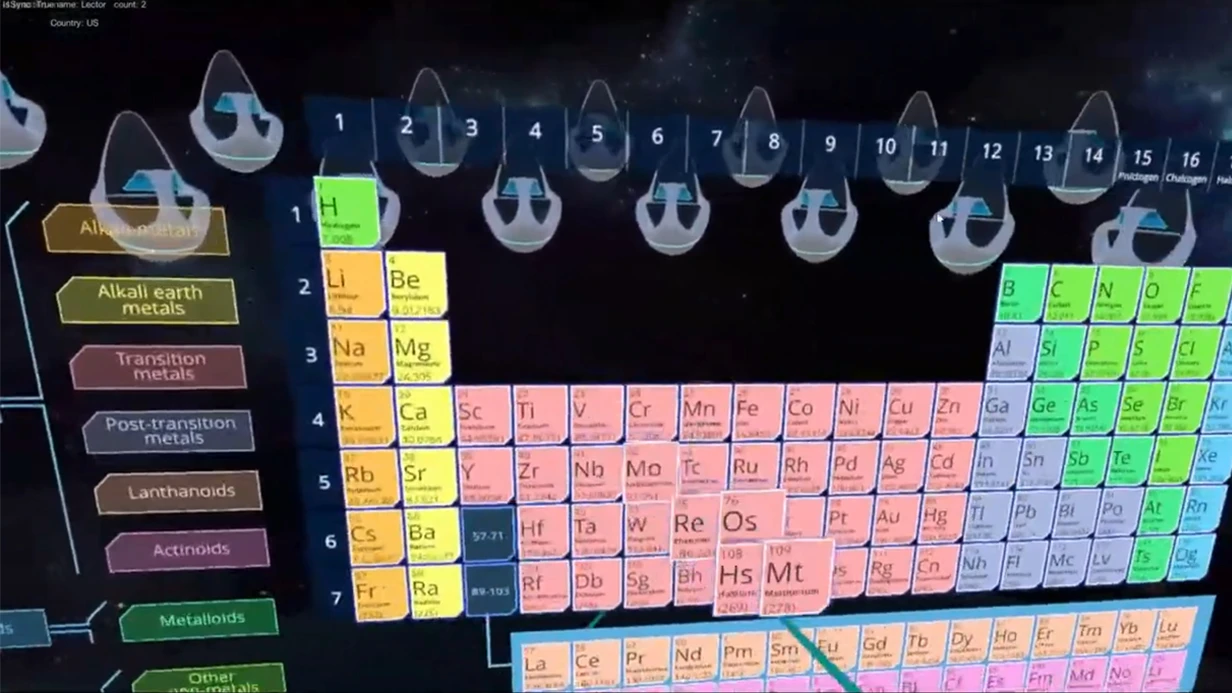
| אזור VR | מסיבות חברה, מצגות, פסטיבלים | רגש של אפקט "וואו", תור של אורחים וקידום טבעי ברשתות החברתיות |
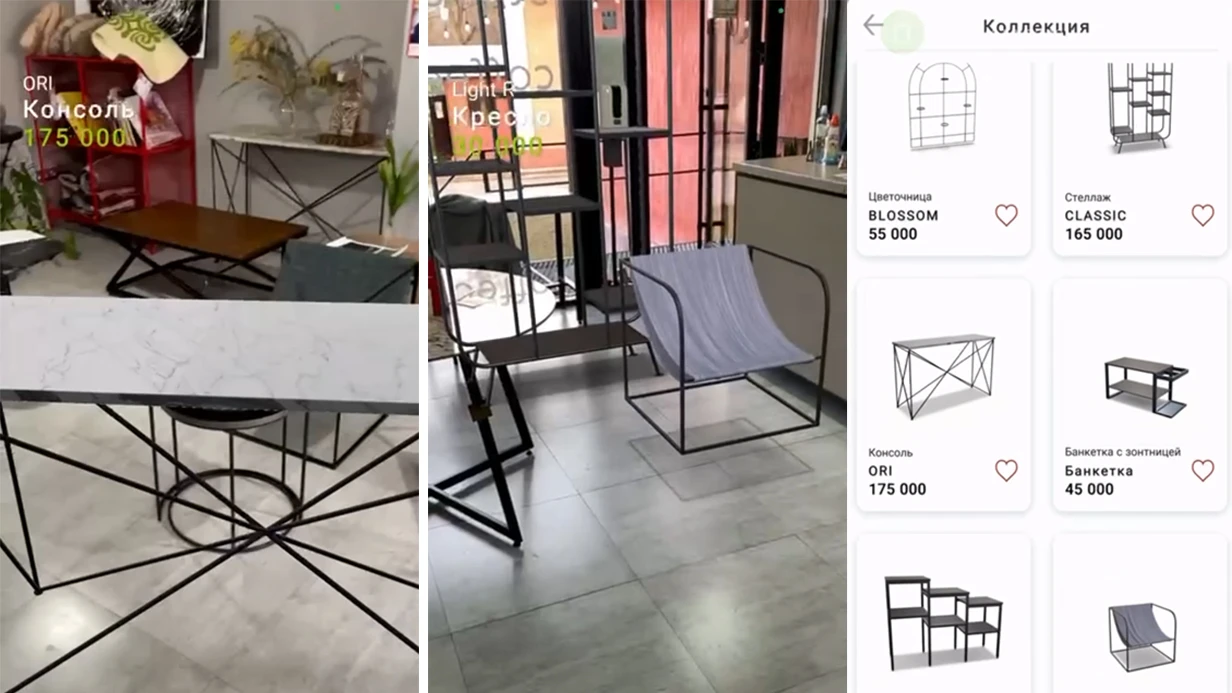
| מתקן AR | תערוכות, מוזיאונים, אולמות תצוגה | מציאות משופרת עם אובייקטים דיגיטליים; אורחים מצלמים ומשתפים את התרשמותם — זה טווח הגעה חינם |
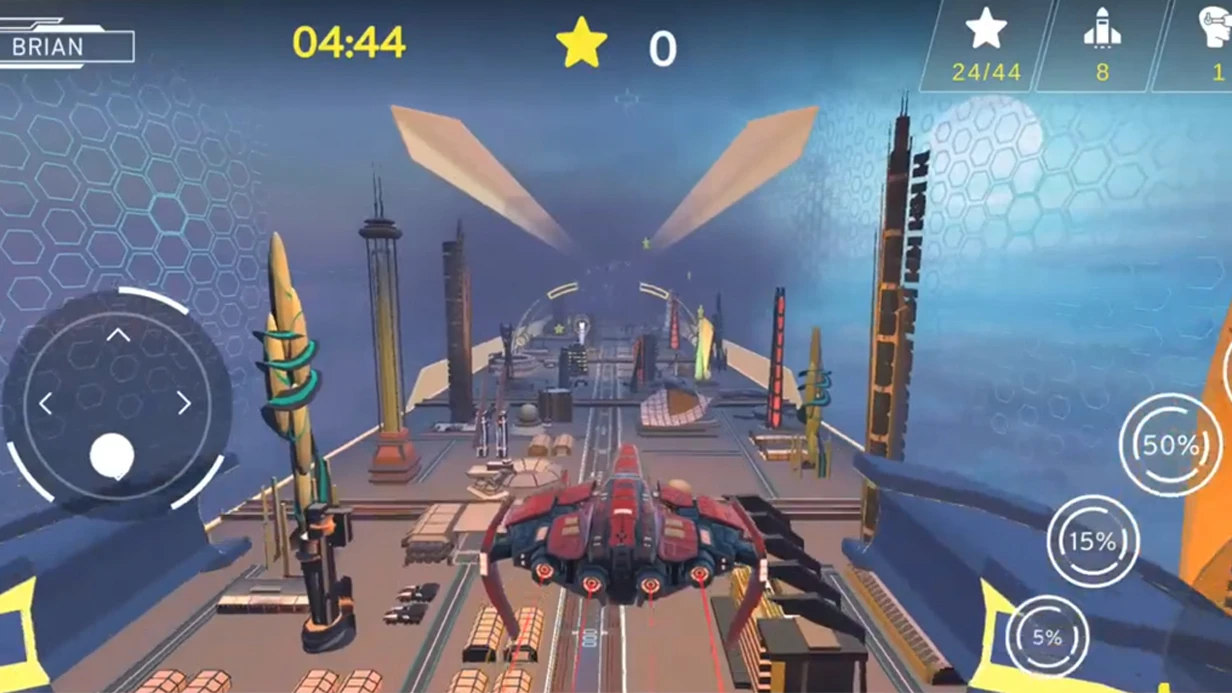
| פעילות קווסט | גיבוש צוות, חגיגות, פתיחות | חיבור בין חברי הצוות, התרגשות ומעורבות של כל המשתתפים ללא חלוקה ל"פעילים" ו"פסיביים" |
| אזורי תנועה אינטראקטיביים | מוזיאונים, אירועי ילדים, דוכנים | קלות שימוש: אורחים בכל גיל מבינים מיד מה לעשות ונשארים זמן רב יותר |
| אפליקציית אירוע | כל אירוע | המשתתפים מקבלים את התוכנית והמשימות בטלפון — המעורבות מתחילה לפני ההשקה ונמשכת אחריה |
הפורמטים משתלבים היטב: נקודת AR מחממת עניין, אזור VR הופך לשיא המרכזי. נרכיב עבורכם שילוב לאירוע שלכם כך שכל פעילות מחזקת את האחרות ופועלת למען התוצאה הכוללת.
איך מתנהל הפרויקט: מבריף ועד השקה ותמיכה
תהליך ברור הוא חצי מההצלחה. אנחנו מבנים את העבודה כך שתמיד תדעו מה קורה ומה תקבלו בסוף. אין "קופסאות שחורות": אתם רואים את השלבים, לוחות הזמנים והתוצאות בכל שלב, ואנחנו מטפלים בכל הפרטים הטכניים.
- בריף ומשימה. אנחנו דנים במטרות המתקן: לבדר אורחים, לאסוף פרטי קשר, להפתיע שותפים. אנחנו קובעים תקציב ותאריכים כדי שנוכל להציע פתרון שמתאים בדיוק למשימה שלכם.
- קונספט ותסריט. אנחנו מציעים 2–3 רעיונות אינטראקטיביים ומתארים כיצד אורחים יתקשרו. אתם בוחרים באפשרות — ואנחנו מפרטים: עיצוב ויזואלי, לוגיקה ותוכן.
- תוכנית והערכת עלות. אנחנו מציגים את לוח הזמנים של ההפקה, היקף העבודה והעלות הסופית. אין תוספות נסתרות — לאחר האישור, המחיר לא משתנה.
- יישום ובדיקות. אנחנו בונים את המתקן, מגדירים את הצד הטכני ובודקים את כל התרחישים. אנחנו מגיעים למקום מוקדם כדי שיהיה לנו זמן להתאים את עצמנו לתנאי האירוע.
- השקה באירוע. המהנדסים שלנו נשארים בקרבת מקום: הם עוקבים אחרי התפעול, עוזרים לאורחים ופותרים במהירות כל בעיה. אתם מתמקדים באירוע, לא בטכנולוגיה.
- תמיכה אחרי האירוע. אנחנו אוספים סטטיסטיקות מעורבות, תמונות וסרטונים, ומוסרים דוח. אם אתם מתכננים לחזור על הפעילות במקומות אחרים, נראה לכם איך לעשות זאת במהירות.
כל שלב מסתיים בתוצר ברור: מסמך, סצנה מוגמרת או דוח. כך אתם תמיד מבינים באיזה שלב נמצא הפרויקט ומתי תקבלו את מה שאתם משלמים עליו.
מה כלול במסירה: חבילה מלאה לאירוע שלכם
כל אירוע הוא ייחודי, אבל חלק מהדאגות תמיד זהות: להמציא פעילות, למצוא ציוד, להסיע אותו, להקים אותו ואחר כך לפרק.
ריכזנו הכל לחבילת מסירה אחת כך שאתם רק מנהלים את התסריט שלכם, לא את הלוגיסטיקה.
- תסריט אינטראקטיבי מוכן — מותאם למשימות, לסגנון ולקהל שלכם. מרעיון ועד סטוריבורד, אתם לא צריכים להמציא שום דבר מאפס.
- תוכן ועיצוב האזור — נכסים ויזואליים, אנימציות וממשקים שתומכים במותג ומושכים את תשומת לב האורחים.
- ציוד וחומרים — השכרה ומשלוח של טכנולוגיה מודרנית: משקפי VR, חיישנים, מסכים, עיצוב. הכל נבדק לפני היציאה.
- הקמה והתקנה במקום — המהנדסים שלנו מגיעים מוקדם, מרכיבים את המבנה, מכווננים את התפעול ומבצעים חזרה טכנית לפני הגעת האורחים.
- תמיכת מהנדס במהלך האירוע — מומחים נשארים בקרבת מקום, עוקבים אחרי פעילות האזור ופותרים כל בעיה במקום כדי שתוכלו להתמקד במשימות שלכם.
- פירוק וניקיון אחרי הסיום — אנחנו מפרקים ומסירים בזהירות את כל הציוד, ללא השארת עקבות.
התוצאה היא חוויה אינטראקטיבית עובדת במפתח פתוח: אורחים משתתפים, מצלמים וזוכרים את האירוע, ואתם מקבלים תוצאה מוגמרת בלי לדאוג לטכנולוגיה.
מקרה בוחן: איך הגדלנו מעורבות אורחים פי 2.5
לפסטיבל עירוני גדול, "עיר האורות", יצרנו אזור AR אינטראקטיבי שבו אורחים שלטו באובייקטי אור בתנועותיהם. המארגנים שמו לב שאזורי צילום קלאסיים החזיקו אנשים רק 40 שניות — עוברי אורח צילמו ועזבו. המשימה הייתה פשוטה: להפוך צפייה פסיבית למשחק פעיל ולהגדיל מעורבות.
איך זה התנהל
פיתחנו תסריט שבו אורח שולט בבקרות תוך 10 שניות ומיד רואה את תוצאת פעולותיו על מסך גדול. בדיקת הטכנולוגיה ארכה יומיים, וההתקנה לילה אחד, כך שההקמה לא הפריעה להכנות במקום. היה חשוב לנו לגרום לאנשים לתקשר עם המותג, לא רק להסתכל על הלוגו שלו.
מספרים ותוצאות
במשך שעתיים של תוכנית הערב, יותר מ-3,000 אורחים ביקרו במתקן. זמן האינטראקציה הממוצע גדל ל-3 דקות — לעומת 1.2 דקות עם הפורמטים הקודמים, כלומר עלייה של פי 2.5.
80% מהמשתתפים הקליטו סרטונים ופרסמו אותם ברשתות החברתיות, כך שטווח ההגעה עלה על קהל האירוע פי ארבעה, והמותג קיבל 250 אזכורים באותו ערב.
הלקוח היה מרוצה מהתוצאה וחזר חודשיים לאחר מכן עם בקשה למתקן חדש לפרויקט אירוע אחר. המקרה הזה מראה שפעילויות אינטראקטיביות פועלות לא כבידור, אלא ככלי לצמיחה מדידה במעורבות אורחים.
שאלות נפוצות וחששות של לקוחות
כל חוויה אינטראקטיבית היא השקעה, ויש לכם כל זכות להטיל ספק. בואו נבחן את ההתנגדויות הנפוצות ביותר שאנחנו שומעים מלקוחות לפני תחילת הפרויקט.
מה אם הטכנולוגיה תיכשל ברגע הקריטי ביותר?
אנחנו משתמשים בציוד מקצועי שאנחנו בודקים מספר ימים לפני האירוע. ביום האירוע, מהנדס נמצא במקום ועוקב אחרי כל מודול. אם משהו משתבש, יש יחידות גיבוי, והמעבר אורך דקות.
האם זה בטוח לאורחים?
אנחנו מתכננים מתקנים תוך התחשבות בכל תקני הבטיחות: מבנים יציבים, אספקת חשמל בטוחה, ללא קצוות חדים. החוויה מתאימה גם לילדים וגם למבוגרים. במידת הצורך, נכין תיעוד עבור המקום שלכם.
מה העלות, והאם יהיו תשלומים נסתרים?
לפני שמתחילים, אנחנו קובעים הערכת עלות שמכסה את כל העבודה, הציוד והנסיעות למקום. החוזה מציג את העלות המלאה ללא תשלומים נוספים בדרך.
יש לנו פתרונות לתקציבים שונים — מאזור צילום קומפקטי ועד אזור אינטראקטיבי רחב היקף עם מספר תרחישים.
אילו ערבויות ולוחות זמנים אתם מספקים?
אנחנו חותמים על חוזה רשמי שמפרט את לוח הזמנים של ההשקה וערבויות לתוצאה. מספר ימים לפני האירוע, אנחנו מבצעים חזרה טכנית מלאה של כל התרחישים. אם יש צורך בשכלול כלשהו, אנחנו פותרים אותו לפני מועד האירוע, לא ביום עצמו.
השאירו בקשה לחישוב עלות למשימה שלכם
השאירו בקשה, ואנחנו ניצור איתכם קשר תוך יום עסקים אחד כדי לדון במשימה שלכם. ללא התחייבות: הייעוץ וחישוב העלות יעזרו לכם לקבל החלטה מושכלת ללא סיכון.
אנחנו עובדים עם אירועים בכל הגדלים — ממסיבות אינטימיות ועד פסטיבלים גדולים ותערוכות מוזיאונים. לכן אנחנו לא מפרסמים מחיר גנרי: כל פרויקט דורש גישה, ציוד ועבודת הכנה משלו. לאחר פנייתכם, תקבלו הערכת עלות שקופה למשימה הספציפית שלכם.
מה כלול בייעוץ הראשוני ובחישוב:
- אנחנו מגיבים לפנייתכם תוך 1–2 שעות עבודה ומתאמים שיחה.
- אנחנו מבהירים את מטרות האירוע, פרופיל הקהל וההשפעה הרצויה של המתקן.
- אנחנו מציעים 2–3 פורמטי יישום לפי התקציב והמקום שלכם.
- אנחנו מכינים הערכת עלות מפורטת ולוחות זמנים ריאליים להשקה.
- אנחנו מסבירים כיצד האינטראקטיב ישתלב בתסריט ומה יידרש מהצוות שלכם.
- אנחנו נותנים המלצות למעורבות אורחים ולקידום הפעילות ברשתות החברתיות.
- במידת הצורך, אנחנו עוזרים בתמיכה טכנית במקום.
לאחר פנייתכם, תקבלו לא רק מספרים אלא תוכנית ברורה: מה נעשה, למה האורחים שלכם צריכים את זה, ואיך זה ישפיע על הרושם שלהם מהאירוע. גם אם אתם לא מוכנים להזמין עדיין, נשלח המלצות שיהיו שימושיות בתכנון.
מלאו את הטופס למטה או כתבו לנו במסנג'ר המועדף עליכם. אנחנו זמינים ומוכנים לעזור.
איך לבחור פעילויות לפורמט שלכם
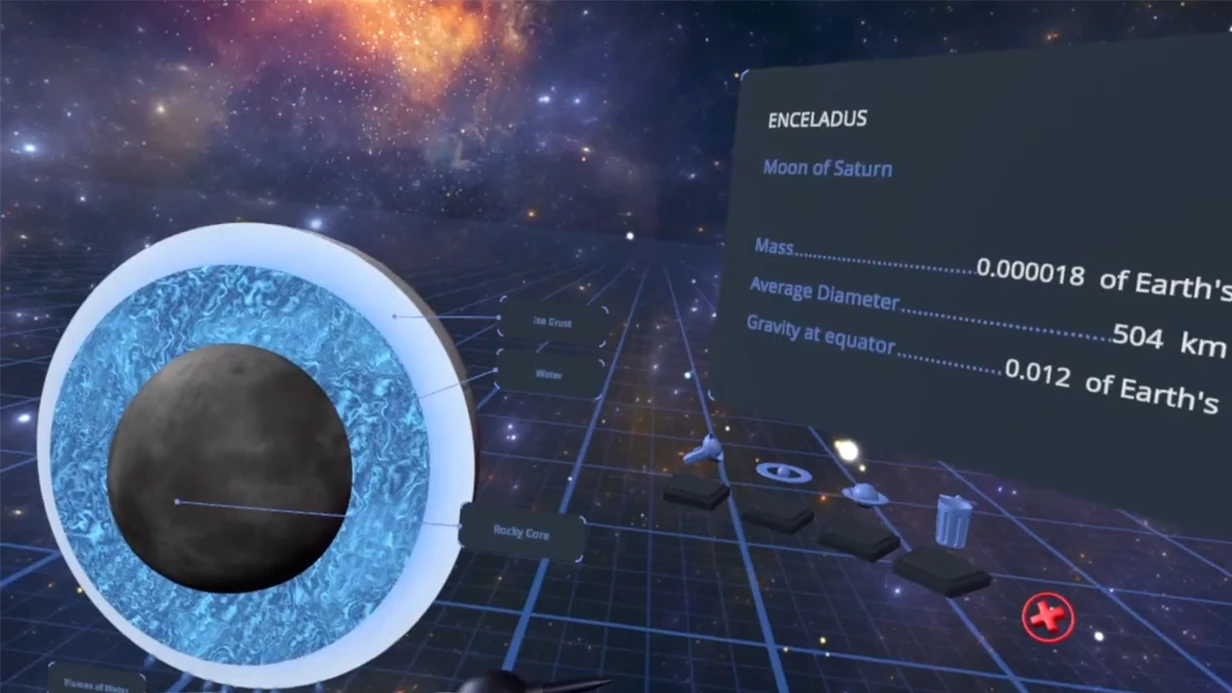
בחירת פעילויות מתחילה לא בטכנולוגיה אלא במטרות האירוע: מה צריך להישאר אצל האורח אחר כך — רושם רגשי עז, ידע חדש או רצון לספר לאחרים על המותג.
התשובה קובעת אם המיקוד צריך להיות במכניקת משחק, בתסריט חינוכי או בפתרונות ויזואליים בולטים לאווירה הכללית.
הקריטריון המרכזי השני הוא הקהל. פסטיבל משפחתי וכנס עסקי דורשים רמות שונות של מעורבות וזמן אינטראקציה.
פעילות אחת יוצרת תור בגלל התרגשות, אחרת פועלת ככלי נטוורקינג שמכיר בין משתתפים בשקט. חשוב שהתסריט יתאים לקצב האירוע שלכם ולא יפריע לתוכנית המרכזית.
הגורם השלישי הוא המקום והלוגיסטיקה. יש לכם מקום לאזור נפרד, או שהפעילות צריכה להשתלב בלובי בין הפסקות הקפה?
אנחנו מתכננים את התסריט כך שלא ידרוש הכנה ממושכת מהאורח ויפעל ללא תקלות גם בעומס גבוה.
המשימה שלנו היא להוריד מכם את נטל הבחירה: אנחנו מנתחים את קונספט האירוע, את הרכב הקהל ואת מטרות המותג, ואז מציעים אפשרויות שיניבו תוצאות מדידות — מעורבות מוגברת, טווח הגעה ברשתות החברתיות או זמן שהייה בדוכן שלכם.
בסופו של דבר, אתם מקבלים פעילות שמתאימה לתקציב ולפורמט, ואורחים עוזבים עם רגש שהם ירצו לחזור עליו.