



ניווט AR בחנות: איך להפסיק לאבד לקוחות
לקוח נכנס לחנות בשביל מוצר ספציפי, אבל אחרי חמש דקות של שיטוט, הוא מתעצבן ויוצא בלי לקנות. ככה אובדים עד שליש מהמבקרים: הם לא מצאו את המחלקה הנכונה, לא שמו לב למבצע, לא רצו לשאול את הצוות.
זו לא רק אי-נוחות—זה אובדן הכנסה ישיר מכל מטר רבוע של שטח המכירה.
ניווט AR בחנות פותר את הבעיה ברמת החוויה: לקוח מכוון את מצלמת הסמארטפון ורואה חץ למחלקה הנכונה, ובמהלך הדרך—מבצעים עדכניים ומוצרים נלווים.
אין צורך ללמוד מפה, לזכור פניות או לחפש יועץ. הטלפון הופך למדריך ברור שמוביל למטרה ומזכיר מה עוד אפשר לקנות.
עבור החנות, זה אומר ערך סל ממוצע גבוה יותר וחלק גדול יותר של מבקרים שבאמת מגיעים לקופה. לקוח שמגיע למדף הנכון בלי תסכול, סביר יותר שיחזור וימליץ על החנות.
ניתוח מסלולים מראה אילו אזורים מוזנחים ועוזר לסדר מחדש את המוצרים כדי להגדיל מכירות בלי הוצאות פרסום נוספות.
ניווט כזה עובד דרך דפדפן רגיל ומצלמת הסמארטפון—ללא צורך בהתקנת אפליקציה. מבקרים סורקים קוד QR בכניסה ורואים את המסלול תוך שניות.
אנחנו בונים את הפתרון סביב פריסת החנות הספציפית, משיקים אותו תוך כמה שבועות, ורואים את ההשפעה מיד—במספר האנשים שמגיעים לקופה ובערך הסל הממוצע.
ככה באמת נראית שמירת לקוחות: הלקוח מקבל את מה שבא בשבילו, והחנות מקבלת הכנסה יציבה.
מה ניווט AR נותן לקונים ולעסק שלך
קונים מבלים עד 20 דקות בחיפוש המוצר שהם צריכים—ולעיתים קרובות עוזבים בלי לקנות אם הם לא מוצאים אותו. ניווט AR פותר את הבעיה: מבקרים רואים את המסלול למדף, מבצעים ומציאות רבודה ישירות על מסך הסמארטפון, בזמן שהם בחנות.
עבור העסק שלך, זו לא רק נוחות אלא כלי להגדלת המרות וערך סל ממוצע.
נוחות הקונה
קונים מפסיקים לשוטט באולם ולבקש עזרה מיועצים. הם רואים חצים ברורים ורמזים שמוצגים על תצוגת המצלמה ומובילים אותם ישירות למוצר שהם צריכים. זה מפחית עייפות קניות והופך את הביקור למהיר ונעים.
יתרה מכך, ניווט AR עובד בזמן אמת: אם מוצר אזל מהמלאי, המערכת מציעה מיד חלופה או אומרת היכן מוצר דומה זמין. הלקוח לא עוזב בידיים ריקות—וזו רווחה ישירה להכנסה שלך.
ערך סל ממוצע גבוה יותר
בזמן שהלקוח הולך לעבר המטרה שלו, האפליקציה מציגה מוצרים נלווים ומבצעים. זה עובד כמו יועץ אישי: אנשים רואים שהם יכולים לקבל נרתיק או אוזניות עם סמארטפון, והם מוסיפים את הפריטים האלה לעגלה יותר. בניסיון שלנו, ערך הסל הממוצע בחנויות עם ניווט AR גדל ב-12–18%.
עבור רשת TechnoLine, יישמנו את המערכת בשני מיקומים גדולים—ותוך חודש, חלק המבקרים שהגיעו למחלקה הנכונה בניסיון הראשון הוכפל.
מנהלי חנות מציינים שלקוחות מוכנים יותר לחזור: קל למצוא מוצרים, וההצעות החדשות הן הפתעה נעימה.
נאמנות וביקורים חוזרים
ניווט AR הוא גם סיבה לחזור. מפה אינטראקטיבית עם בונוסים, הנחות ותרחישים דמויי משחק שומרת על מעורבות הלקוחות. הם מקשרים את החוויה הנעימה למותג שלך וממליצים על החנות לחברים—חשיפה חינמית בלי תקציב פרסום.
אנחנו מיישמים את הפרויקט עם ציוד מקצועי וכלים מוכחים, כך שהכל עובד עבורך בצורה אמינה—ללא עיכובים או תקלות גם בשעות השיא.
אתה מקבל פתרון מוכן שמשוגר במהירות ומספק תוצאות מדידות: המרות גבוהות יותר, ערך סל גבוה יותר ונאמנות חזקה יותר.
ספר לנו על החנות שלך—נבחר תרחיש שפותר את האתגר הספציפי שלך. נתחיל בבריף קצר והערכה של ההשפעה על שטח המכירה שלך.
פורמטים של פתרון לחללי קמעונאות
ניווט AR בתוך חנות יכול להיות מיושם בפורמטים שונים—הבחירה תלויה בגודל שטח המכירה, תנועת המבקרים והתקציב. חלק מהחנויות צריכות רק קיוסק נייח; אחרות מעדיפות שלקוחות ישתמשו בסמארטפונים שלהם. להלן פורמטי היישום העיקריים לקמעונאות.
| פורמט | למי זה מתאים | מה זה נותן ללקוח |
|---|---|---|
| קיוסק דיגיטלי עם ניווט AR | חנויות עם מבחר גדול ותנועת רגליים כבדה | חיפוש מוצר מהיר בלי יועץ, ערך סל ממוצע גבוה יותר דרך מכירות נוספות |
| אפליקציה ניידת | רשתות קמעונאיות עם תוכנית נאמנות | מסלול מותאם אישית, התראות מבצעיות, ביקורים חוזרים |
| Web AR | בוטיקים ומבצעים עונתיים | ניווט בדפדפן ללא התקנה—התחלה מיידית לכל מבקר |
קיוסק AR נייח הוא האפשרות האמינה ביותר לקניונים והיפרמרקטים: הוא עובד ללא כל פעולה מצד הלקוח, מתמודד עם תנועה כבדה ודורש תחזוקה מינימלית.
הפורמט הנייד עובד היטב במקום שבו הקשר לתוכנית הנאמנות חשוב, ו-Web AR הוא פתרון קומפקטי לחנויות קטנות יותר.
אנחנו מיישמים את כל שלושת הפורמטים במפתח פתוח: אנחנו בוחרים ציוד וכלים לפי צרכי המיקום הספציפי, מגדירים את הניווט ומספקים לצוות הוראות קצרות.
כך הלקוח מקבל לא אב-טיפוס להדגמה אלא כלי עבודה שמחזיר את ההשקעה דרך הפחתת עומס הצוות ויותר רכישות חוזרות.
שלבי היישום: מבריף ועד השקה
שלבים ברורים ולוחות זמנים ברורים הם מה שמבדיל פרויקט עובד מ"קופסה שחורה". אנחנו מפרקים את יישום ניווט AR לשלבים קצרים, ובכל אחד מהם אתה רואה תוצאה ומבין מה קורה הלאה.
- בריף וסקירת שטח. אנחנו לומדים את החנות, את היגיון תנועת הלקוחות ואת הנקודות שבהן מבקרים הכי הרבה הולכים לאיבוד. אנחנו מגדירים מטרות: הפחתת זמן חיפוש, שחרור צוות או הגדלת זמן השהייה מול תצוגות.
- עיצוב תרחיש. אנחנו מזהים את נקודות הניווט המרכזיות, המסלולים ו"שכבות" המידע. בשלב הזה, אתה רואה בדיוק איך מבקר ימצא מוצר ואילו רמזים הוא יקבל.
- אישור פריסה והיגיון. אנחנו מראים איך הניווט נראה על מסך סמארטפון ומתקנים את הטקסטים, האייקונים וסדר השלבים. אתה מאשר את התרחיש הסופי לפני תחילת הפיתוח.
- פיתוח ואינטגרציה. המהנדסים שלנו בונים את הניווט עם כלים מוכחים ומחברים אותו לתוכנית הקומה. במקביל, אנחנו מכינים תוכן: רמזים, מבצעים ומעברים בין מוצרים.
- בדיקות בתרחישים אמיתיים. אנחנו בודקים את הניווט על מכשירים שונים ובתנאי תנועה אמיתיים. אנחנו תופסים חולשות שנראות רק בתוך החנות: סנוור, עומס, מסלולים לא נוחים.
- השקה והדרכת צוות. אנחנו מציבים קודי QR ושילוט, ומראים לצוות איך לעזור למבקרים ולעקוב אחר סטטיסטיקות. מהיום הראשון, אתה רואה כמה אנשים משתמשים בניווט ואילו נקודות מבוקשות.
- תמיכה ופיתוח. אנחנו עוקבים אחר יציבות, מעדכנים תוכן למבצעים חדשים ושינויים בפריסה. אחרי 2–4 שבועות, אנחנו מסכמים תוצאות ומציעים דרכים לחזק את הניווט עוד יותר.
כל שלב אורך בין 3 ל-7 ימים—השקה מלאה אורכת בדרך כלל 4–6 שבועות מהבריף. אתה מקבל לא "טכנולוגיה לשם טכנולוגיה" אלא כלי ברור שמחזיר את ההשקעה דרך המרה גבוהה יותר לרכישה והפחתת עומס על הצוות.
מה כלול במסירה
חבילת המסירה נועדה לתת לך שירות עובד במפתח פתוח, לא אוסף של קבצי מקור. אתה לא צריך לשכור קבלנים נוספים להרכבה, השקה או תמיכה—המהנדסים שלנו בונים, מגדירים ומוסרים מערכת שהצוות שלך יכול להפעיל באופן עצמאי.
המסירה הסטנדרטית כוללת:
- ממשק ניווט — מסכים ורמזים המותאמים להיגיון של שטח המכירה: חיפוש מחלקה, בניית מסלול, מידע על מוצרים במהלך הדרך. הלקוח רואה ממשק ברור, לא "פיתוח גולמי".
- תוכן ומודלים תלת-ממדיים — עותקים דיגיטליים של אזורי המפתח בחנות, נקודות מבצע ומסלולי מעבר. כל התוכן מוכן לשימוש, כולל טקסטים ותרחישים חזותיים.
- פאנל ניהול — איש השיווק או המנהל שלך יכול לשנות נקודות ניווט, להוסיף מבצעים ולעדכן מידע על מוצרים ללא קריאה למתכנת. זה מפחית תלות במפתחים ומאיץ את התגובה שלך לשינויים בשטח.
- ניתוח ביקורים — דוחות ברורים: כמה אנשים השתמשו בניווט, אילו מחלקות הכי מבוקשות, ואילו אזורים בעלי ההמרה הגבוהה ביותר לפעולת היעד. על סמך הנתונים האלה, אתה מתאים את פעילות השיווק והמבצעים.
- תיעוד והדרכה — הוראות קצרות לצוות, נוהל הפעלת המערכת ותוכנית פעולה למצבים לא סטנדרטיים. העובדים שלך יוכלו להכשיר עמיתים חדשים ללא הצוות שלנו.
זו הערכה הבסיסית שאנחנו מתעדים בחוזה.
אם צריך, אנחנו משלימים אותה עם אינטגרציה למערכת הנאמנות שלך, תרחישים ללא מגע או נקודות גישה נוספות—אבל גם בלי האפשרויות האלה, אתה מקבל מוצר שלם עם תקציב שקוף ותוצאה ברורה.
מקרה בוחן: איך רשת היפרמרקטים הגדילה את ערך הסל הממוצע
לקוחות הולכים לאיבוד באולמות גדולים, מבזבזים זמן בחיפוש המוצר הנכון, ולעיתים קרובות עוזבים בלי חצי מרשימת הקניות—זו נקודת הכאב האופיינית של רשת היפרמרקטים.
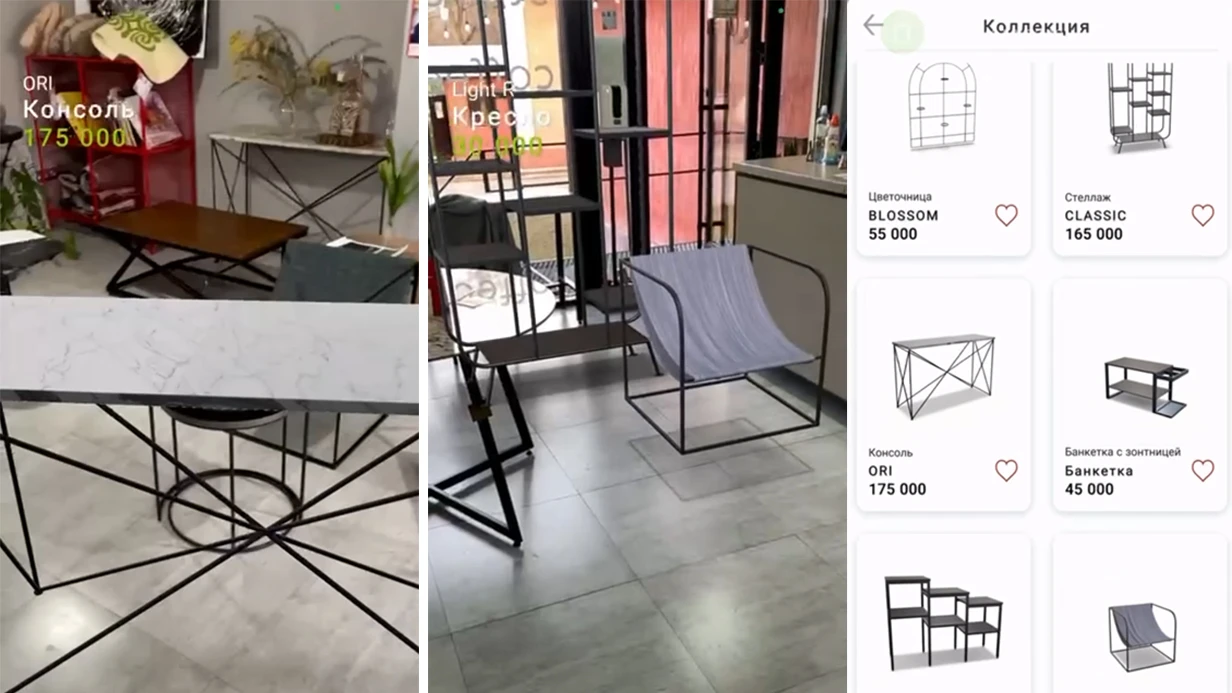
הצענו לפתור את זה לא על ידי שינוי תצוגת המוצרים אלא עם ניווט AR בחנות: מבקר מכוון את מצלמת הסמארטפון לאולם ורואה חצים ישירות על המסך שמצביעים למחלקה, מוצר או מבצע.
נקרא לרשת היפרמרקט—היא בחרה שלוש חנויות ניסוי עם רמות תנועה שונות. בארבעה שבועות, המהנדסים שלנו סימנו את תוכנית הקומה, קישרו אותה לקטלוג והגדירו תרחישי חיפוש: לפי שם, קטגוריה והצעות מבצעיות.
עבדנו על ציוד מקצועי, כך שהניווט עובד בצורה אמינה גם ליד מדפים גבוהים ותחת תאורה לא אחידה.
מדדנו תוצאות לפי ערך סל ממוצע והתנהגות מבקרים. חודש אחד אחרי ההשקה, ערך הסל הממוצע בשלוש החנויות גדל ב-18%, וחלק הלקוחות שהגיעו לפריטים מבצעיים כמעט הוכפל.
אנשים הפסיקו לשוטט באולם והתחילו להוסיף לא רק פריטים מתוכננים אלא גם מוצרים שראו במהלך הדרך.
מה השתנה עבור העסק
| מדד | לפני היישום | אחרי חודש אחד |
|---|---|---|
| ערך סל ממוצע | קו בסיס | +18% |
| זמן חיפוש מוצר | כ-9 דקות | כ-3 דקות |
| מבקרים שהגיעו למבצעים | 21% | 41% |
אחרי הפיילוט, נשארנו לתמיכה: אנחנו מעדכנים את המפה כשהפריסה משתנה, מוסיפים מחלקות חדשות ומוודאים שהניווט לא קורס בשעות השיא.
הרשת כבר מתכוננת להרחיב את הפתרון לחנויות האחרות שלה—עבורה, ניווט AR הפך לא לניסוי אלא לכלי עבודה לצמיחת הכנסות.
שאלות נפוצות
אנחנו מבינים שיש לך שאלות לפני אימוץ ניווט AR. הנה תשובות לשאלות הנפוצות ביותר—על אמינות, עלות והשפעה על הפעילות היומיומית של החנות.
עד כמה המערכת הזו אמינה?
המערכת רצה על הציוד שלך או על הסמארטפונים של המבקרים. אנחנו משתמשים בפתרונות מוכחים, כולל HoloLens, ואלגוריתמים מעודנים—במהלך השנים, סיפקנו עשרות פרויקטים דומים. אמינות מובטחת דרך יתירות וניטור בזמן אמת.
כמה עולה הפיתוח?
העלות תלויה בשטח החנות, במספר אזורי הניווט ובמורכבות האינטגרציה. בדרך כלל, עלות הפרויקט מחושבת אחרי הסקר, וההערכה המדויקת מוכנה אחרי ניתוח מקדים. אתה יכול להתחיל עם אזור פיילוט ולהרחיב את הפתרון בהדרגה.
האם הניווט יפריע ללקוחות או לצוות?
לא. אנחנו מתכננים את התרחישים כך שרמזי AR מלווים את המבקר באופן לא פולשני. אין צורך במכשירים מיוחדים—סמארטפון מספיק. הצוות מקבל פאנל שליטה פשוט, וניתן להשבית את הניווט בכל רגע אם צריך.
מה קורה אם המערכת נכשלת?
אנחנו מתכננים לפעולה רציפה: ערוצי גיבוי ומעבר אוטומטי. אם אכן מתרחשת תקלה, התמיכה הטכנית שלנו מגיבה תוך שעתיים ופותרת את הבעיה מרחוק או עם ביקור מומחה. תחזוקה כלולה בחוזה, כך שהחנות אף פעם לא נשארת בלי ניווט.
דון בפרויקט שלך עם הצוות שלנו
פיתוח ניווט AR לחנות הוא משימה שבה דיוק והבנה של התנהגות מבקרים חשובים. טעויות בהתחלה עולות בזמן ובתקציב, אז לפני שאנחנו מתחילים, אנחנו דנים באתגר שלך ללא עלות ומציעים את הנתיב האופטימלי.
במהלך הייעוץ, מהנדס יבהיר אילו אזורים צריך לכסות, איך לקוחות נכנסים לחנות ולאן הניווט צריך להוביל אותם. אתה תקבל הערכה כנה של הפרויקט, תחושה ברורה של לוח זמנים ותקציב—בלי התחייבויות מחייבות. פשוט השאר בקשה, ואנחנו ניצור קשר תוך יום עסקים אחד.
מה אתה מרוויח משיחה איתנו
- תוכנית ברורה: נסביר איך ניווט AR ישתלב בחלל החנות שלך ואילו שלבים יידרשו.
- הערכת תוצאה: נסביר איך מבקרים ישתמשו בניווט ואיך תוכל לעקוב אחר האפקטיביות שלו.
- הערכה שקופה: נציין את עלות הפרויקט לפני תחילת העבודה, בלי עמלות נסתרות.
- המלצות אינטגרציה: נציע איך לשלב את הניווט עם אפליקציה או שירות קיימים.
- הבטחת תמיכה: אחרי ההשקה, אנחנו נשארים בקשר ועוזרים לך לפתח את הפתרון עוד יותר.
עבורנו, כל פרויקט הוא שותפות, לא משימה חד-פעמית. אנחנו רוצים שהניווט באמת ישפר את חווית הלקוח ויחזיר את ההשקעה.
השאר בקשה דרך הטופס באתר או התקשר אלינו. נסביר איך לבנות ניווט למשימה הספציפית שלך ונוודא אותך לגבי לוח זמנים ותקציב. הצעד הראשון לוקח שתי דקות, והתוצאה חוסכת חודשים של ניסוי וטעייה.
איך לבחור את הפורמט הנכון למשימה שלך?
כשאתה בוחר פורמט ניווט AR בחנות, אל תתחיל בטכנולוגיות טרנדיות. התחל בשטח החנות, בתנועה ובתקציב.
עבור חלל קומפקטי של עד כמה מאות מטרים רבועים, אפליקציה ניידת או Web AR מספיקים: הלקוח מכוון את מצלמת הסמארטפון ורואה את המסלול למוצר הרצוי על המסך. הפתרון הזה משוגר תוך כמה שבועות ולא דורש ציוד נוסף.
עבור היפרמרקטים וקניונים, קיוסקים נייחים ליד הכניסה עובדים טוב יותר—הם מספקים מפת חנות מלאה, מציגים מבצעים ועוזרים למבקרים לנווט בשטח גדול.
אבל קיוסק הוא השקעה משמעותית ודורש תחזוקה שוטפת, כך שאם התקציב מוגבל, Web AR או אפליקציה בתוכנית הנאמנות שלך היא בחירה חכמה יותר.
תסתכל קודם על המטרה. אם אתה רוצה להפחית את העומס על היועצים ולהוביל אורח במהירות למדף, Web AR מספיק. אם אתה רוצה לשמר לקוחות, לאסוף נתונים על התנועה שלהם ולהחזיר אותם לחנות, בחר באפליקציה עם התראות.
קיוסק הגיוני בחנויות עם מספר מחלקות ופריסות מורכבות, שבהן הלקוח צריך לראות את כל התמונה בבת אחת.
בפועל, בוטיק של 200–300 מטרים רבועים לא צריך קיוסק, בעוד סופרמרקט של 3,000 מטרים רבועים יתקשה בלי מדריך נייח. לכן הדברים הראשונים שאנחנו מבקשים בבריף הם תוכנית הקומה, נקודות הכניסה ומסלולי הלקוחות האופייניים. הנתונים האלה מצמצמים מיד את בחירת הפורמט ומסירים עלויות מיותרות.
האסטרטגיה האופטימלית לרוב המיקומים הקמעונאיים היא שילוב: קיוסק בכניסה לסקירה כללית בתוספת Web AR לסמארטפונים של המבקרים. זה מכסה גם את הצורך בחיפוש מוצר מהיר וגם את הצורך במפה ויזואלית.
התחל עם Web AR כדי לבדוק את ההשערה עם אורחים אמיתיים, ואז הוסף פורמטים אחרים ככל שהביקוש והתקציב גדלים.