



מדוע אירועים ללא AR מבוסס מיקום על Unity מאבדים מבקרים?
כל מארגן נתקל באותה בעיה: האורחים מתעייפים מדוכנים ומצגות זהים תוך שעה מהפתיחה. תשומת הלב מתפזרת, אנשים מתחילים לעזוב לפני המועד, ותמונות מהאולם לא מופיעות ברשתות החברתיות — טווח ההגעה של האירוע נשאר מינימלי.
התוצאה היא נוכחות נמוכה יותר באירועים עתידיים ועניין חלש מצד שותפים להשתתף שוב.
הסיבה היא שפורמטים סטטיים לא מאפשרים לצופה להפוך לחלק מהסיפור.
מתקני AR גיאו-ממוקמים על Unity הופכים את המקום למרחב חי: מבקר מרים את הטלפון שלו, מוצא נקודה על המפה, ופותח שכבה אינטראקטיבית עם דמויות, משימות או סיפור המותג.
המכניקה הזו מערבת באופן טבעי — האורחים מתחילים לנוע, לחקור את האזור ולשתף רגעים בחשבונות שלהם.
עבור אירוע, זה אומר יותר זמן שהייה במקום, יותר אזכורים ופוסטים ספונטניים — כלומר, טווח הגעה חינמי עוד לפני הסגירה הרשמית.
עבור מוזיאונים ומותגים, תערוכות אינטראקטיביות כאלה עוזרות לשמר קהל, לאסוף נתונים על מסלולי המבקרים, ולהגדיל את חלקן של ביקורים חוזרים.
זה בדיוק סוג הפרויקט שאנחנו בונים: אנו משתמשים במנוע Unity המקצועי כך שכל הפעלה רצה ביציבות על מכשירי מבקרים שונים, ללא תקלות או עיכובים.
אנחנו לוקחים על עצמנו את כל המחזור — מהרעיון ומפת התרחיש ועד ההשקה והתמיכה ביום האירוע. כלומר, אתה מקבל לא רק טכנולוגיה, אלא כלי שפותר את האתגר של משיכת מבקרים ומחזק את העניין בפרויקט שלך.
אילו תוצאות מביאות מתקנים אינטראקטיביים
מתקני AR אינטראקטיביים מספקים מספר יתרונות מדידים לעסק בבת אחת, והראשון הוא הרגש של האורח. כאשר אדם הופך בעצמו לחלק מהתרחיש — שולט באובייקט, מגלה תוכן נסתר או יוצר אינטראקציה עם המותג — האירוע נזכר. האורחים לוקחים איתם את החוויות האלה, מספרים עליהן לחברים, וחוזרים אליך שוב.
היתרון השני הוא טווח הגעה לקהל מעבר למקום. המשתתפים מצלמים את המתרחש בטלפונים שלהם, מפרסמים ברשתות החברתיות ומתייגים את המותג. כל פוסט כזה הופך להמלצה חינמית עבור הדף שלך.
פורמט מוצלח אחד מביא עשרות ומאות אזכורים חדשים ללא כל תקציב פרסום נוסף.
השלישי הוא מודעות למותג. האינטראקטיביות יוצרת אסוציאציה של חדשנות ופתיחות: האורחים רואים שהחברה מתעדכנת עם הזמן ויודעת להפתיע.
זה מגביר אמון וזכירות, כלומר המותג בולט בין המתחרים ונשאר בזיכרון כאשר מתקבלת החלטת רכישה.
הרביעי הוא צמיחה במכירות ובהובלות (לידים). פורמט ה-AR מאפשר לאסוף אנשי קשר במקום: הרשמה לרשתות חברתיות, שאלון, רישום למבצע.
לאחר האירוע, אתה מעבד את הלידים והופך אותם לעסקאות אמיתיות, כך שהמתקן מחזיר את ההשקעה לא רק מבחינת תדמית אלא גם מבחינה מסחרית.
בקיצור, השרשרת נראית כך: רגשות — טווח הגעה — מודעות — מכירות. ברצף הזה מתקנים אינטראקטיביים מחזקים את המשפך. אנו מתכננים את הפורמט כך שכל תוצאה תהיה מדידה: אנו סופרים טווח הגעה, אזכורים ואנשי קשר שנאספו. אתה מקבל לא רק אזור צילום מרהיב, אלא כלי שיווקי עובד עם החזר ברור.
פורמטים של מתקנים אינטראקטיביים למשימות שלך
פורמטים של מתקנים אינטראקטיביים אינם עוסקים ב"טכנולוגיה באולם", אלא בתוצאה קונקרטית: כיצד אורחים יוצרים אינטראקציה עם המותג ומה התועלת לעסק.
אנחנו בוחרים את הפורמט לפי המשימה, לא להיפך: לפעמים טווח הגעה וויראליות חשובים יותר, לפעמים מעורבות עמוקה וחינוך, ולפעמים המרה מדידה לרכישה.
להלן התרחישים האופייניים שאנו עובדים איתם לרוב. בכל מקרה, אתה מקבל פתרון סוהר — מרעיון ותוכן ועד התקנה, תמיכה טכנית באירוע ואנליטיקה לאחר מכן.
| פורמט | למי | מה זה נותן ללקוח |
|---|---|---|
| מתקנים נייחים | מוזיאונים, אולמות תצוגה, חנויות מותג, מרחבים ציבוריים | זרם מבקרים קבוע, מודעות, סיבה לחזור. עובד 24/7 ללא מעורבות צוות |
| מתקנים ניידים | פסטיבלים, תערוכות, אירועי חוץ, אירועים עסקיים | גמישות: ערכה אחת עובדת במקומות שונים. השקה מהירה, לוגיסטיקה מינימלית |
| משימות ויישומי AR גיאו-ממוקמים | פסטיבלים עירוניים, פארקים, מרכזי קניות, מסלולי תיירות | שומר על אורחים למשך 40-60 דקות, אוסף אנשי קשר ומערב באמצעות משחק. ניתן להרחבה לאלפי משתתפים ללא עלויות ציוד נוספות |
| מתקני אירוע סוהר | הצגות מוצר, כנסים, מסיבות פרטיות, גיבוש צוות | אפקט וואו וסיבה לחדשות. האורחים מצלמים הכל בעצמם ומקדמים את המותג בחינם ברשתות החברתיות |
הטבלה מציגה רק תרחישים בסיסיים. אם המשימה שלך לא סטנדרטית, המהנדסים שלנו מתאימים את הפורמט למקום, לקהל ולתקציב שלך. יחידה ניידת הופכת בקלות לאזור נייח, ומשימה גיאו-ממוקמת הופכת למסלול קבוע לסיורים.
הנקודה המרכזית היא שאנחנו לוקחים על עצמנו את כל המחזור: אנו מפתחים את התרחיש, יוצרים תוכן, מגדירים את הציוד ומספקים תמיכה טכנית ביום האירוע. כל מה שאתה צריך לעשות זה לספר לאורחים שלך על ההזדמנות החדשה ולראות את המעורבות גדלה.
כיצד אנו מיישמים את הפרויקט: מבריף ועד השקה
בנינו תהליך שקוף של 7 שלבים כדי שתוכל לראות מה קורה עם הפרויקט בכל שלב ומה תקבל בסופו. אין "קופסאות שחורות": כל ההחלטות המרכזיות מסוכמות איתך, ואתה מאשר את האומדן הסופי לפני תחילת העבודה.
- בריף ומשימה. אנו אוספים דרישות ויעדים עסקיים: הגדלת טווח הגעה, חינוך מבקרי מוזיאון או מעורבות אורחי אירוע. אנו מגדירים את התרחישים עבור יישום ה-AR הגיאו-ממוקם.
- תוכנית ולוח זמנים. אנו מתכננים את תרחיש המשתמש וקובעים תקציב ולוח זמנים. אתה מאשר את השלבים, נקודות הבקרה והאומדן הסופי — ללא תוספות מחיר נסתרות בהמשך.
- אישור. אנו מציגים אבות טיפוס ואבות תצוגה של ממשקים. בשלב זה קל לבצע עריכות — זה חוסך שבועות וכסף במקום לשנות פתרון מוגמר.
- יישום. אנו מרכיבים את הפרויקט באמצעות ציוד מקצועי וכלים מכוונים היטב. כל 1-2 שבועות אנו מציגים תוצאות ביניים כדי שתוכל לראות התקדמות.
- בדיקות. אנו מוודאים את דיוק המיקום והיציבות בעומס גבוה ישירות במקום שלך. זה מבטיח שהכל ירוץ בצורה חלקה ביום האירוע.
- השקה. אנו מגיעים לאתר, מתקינים את המערכת או מפרסמים את היישום, מגדירים אותו למיקום הספציפי ומכשירים את הצוות שלך כיצד להפעיל אותו.
- תמיכה. אנו נשארים בקשר לאחר ההשקה: מעדכנים תוכן, מנטרים יציבות ועוזרים לפתור בעיות ביום האירוע.
כתוצאה מכך, הפרויקט שלך עובר מרעיון למתקן עובד במסגרת זמן צפויה. בממוצע, המחזור אורך 3 עד 8 שבועות — ואז התוצאה עובדת עבור טווח ההגעה וההכנסות של העסק שלך.
מה אתה מקבל לאחר סיום הפרויקט
לאחר סיום הפרויקט, אתה מקבל לא רק קוד מקור, אלא פתרון פונקציונלי מלא. אנחנו אחראים לתוצאה: המתקן רץ במקום שלך, הצוות יודע如何使用 אותו, ואנחנו לוקחים על עצמנו את כל סיכוני ההשקה.
המסירה כוללת כל מה שצריך להשקה ולתמיכה — ציוד ותוכנה, כמו גם תיעוד והדרכה. זה מאפשר לצוות שלך להתחיל במהירות ולהישאר עצמאי מהקבלן בפעילות השוטפת.
הנה בדיוק מה שאתה מקבל:
- פתרון AR גיאו-ממוקם מוכן המותאם למשימה, למקום ולקהל שלך.
- חבילת ציוד ותוכנה שנבחרה לדרישות המתקן ונבדקה בתנאים אמיתיים.
- התקנה, הגדרה ואינטגרציה במקום שלך — אנחנו מגיעים ומשיקים הכל בעצמנו.
- תיעוד מפורט: הוראות למפעיל, נהלי תחזוקה, תיאורי מצבים נפוצים ותוכניות פעולה לתקלות.
- הכשרת צוות: מהפעלה בסיסית ועד עבודה בטוחה ופתרון עצמאי של משימות טיפוסיות.
- תמיכה לאחר הייצור: שירות אחריות, ייעוץ, עדכונים ושיפורים ככל שהפרויקט מתפתח.
הצוות שלך לא נשאר לבד עם הציוד. אנו מספקים הדרכה בפורמט נוח — במקום או מרחוק, עם תזכורות ברורות. ולמצבים בלתי צפויים, קו חם עם המהנדסים שלנו זמין.
בסופו של דבר, אתה מקבל כלי עובד שמספק תוצאות מדידות: אורחים חדשים, מעורבות מוגברת ומודעות למותג. כל התיעוד וזכויות השימוש נשארות אצלך, ובמידת הצורך, אנחנו נשארים בקשר כדי לעזור לפרויקט לצמוח.
מקרה בוחן: מתקן אינטראקטיבי הגביר עניין במוזיאון
כאשר מבקר עובר באולמות המוזיאון תוך 20 דקות, התערוכה לא מצליחה לרתק אותו.
זה היה בדיוק המקרה במתחם המוזיאוני "סביבה היסטורית": אורחים הסתכלו על המוצגים, צילמו כמה תמונות ועזבו, בעוד המארגנים התמודדו עם תחרות גוברת מצד מקומות אינטראקטיביים ברחבי העיר.
הצענו לא להחליף את התערוכה, אלא לחזק אותה עם מתקן AR בשטח המוזיאון. על ידי כיוון מצלמת הסמארטפון אל מוצגים וחפצים במוזיאון, המבקרים "החיו סצנות היסטוריות", קיבלו רמזים והשתתפו במשימה אינטראקטיבית. המשימה תוכננה כך שכל אולם הפך לחלק מסיפור אחד.
תוצאות הפרויקט עלו על הציפיות. זמן הביקור הממוצע גדל מ-20 דקות לשעה, וביקורים חוזרים תוך חודש גדלו בשליש — אורחים הביאו חברים כדי להראות להם את הפרטים שגילו. ברבעון הראשון, הנוכחות גדלה ב-27% ללא כל תקציב פרסום נוסף.
עבור המוזיאון, זה לא רק שדרוג טכני, אלא דרך להפוך סיור חד-פעמי למסלול קבוע. אנשים זוכרים רגשות שלא היו קיימים קודם ומשתפים אותם ברשתות החברתיות — המתקן פיתח קהל משלו.
היום אנחנו מתאימים את הגישה הזו לפארקים, מרכזי קניות וחללי תערוכה — בכל מקום שבו צריך לשמור על תשומת הלב של המבקר ולהפוך אותה לביקור חוזר.
כיצד לבחור את פורמט המתקן המתאים למטרה שלך?
הכלל המרכזי הוא לא "אילו פורמטים קיימים בכלל", אלא איך לבחור מתקן למקום, לקהל ולתקציב שלך. לשם כך, מספיק לענות על שלוש שאלות: היכן הוא יותקן, מי המבקר, וכמה זמן הוא מוכן להשקיע.
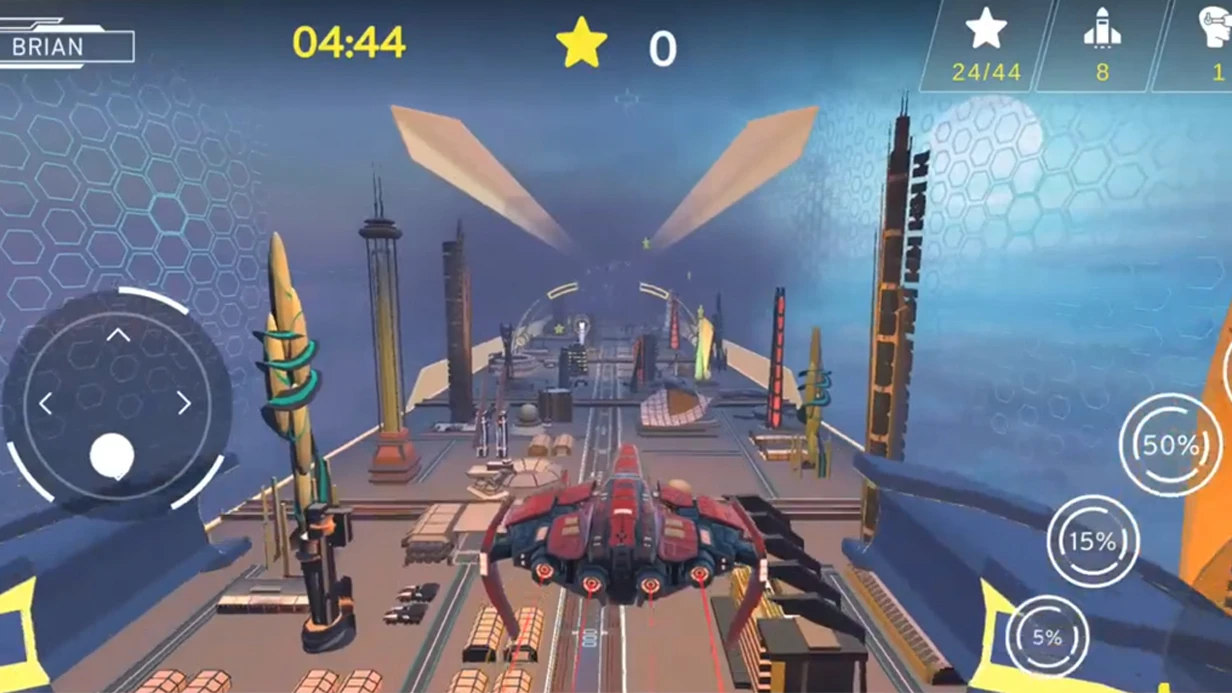
התשובות מצמצמות מיד את הבחירה. בפארק או על טיילת, משימת AR גיאו-ממוקמת עובדת: אדם עוקב אחר מסלול, אוסף אובייקטים וירטואליים ומקבל פרסים.
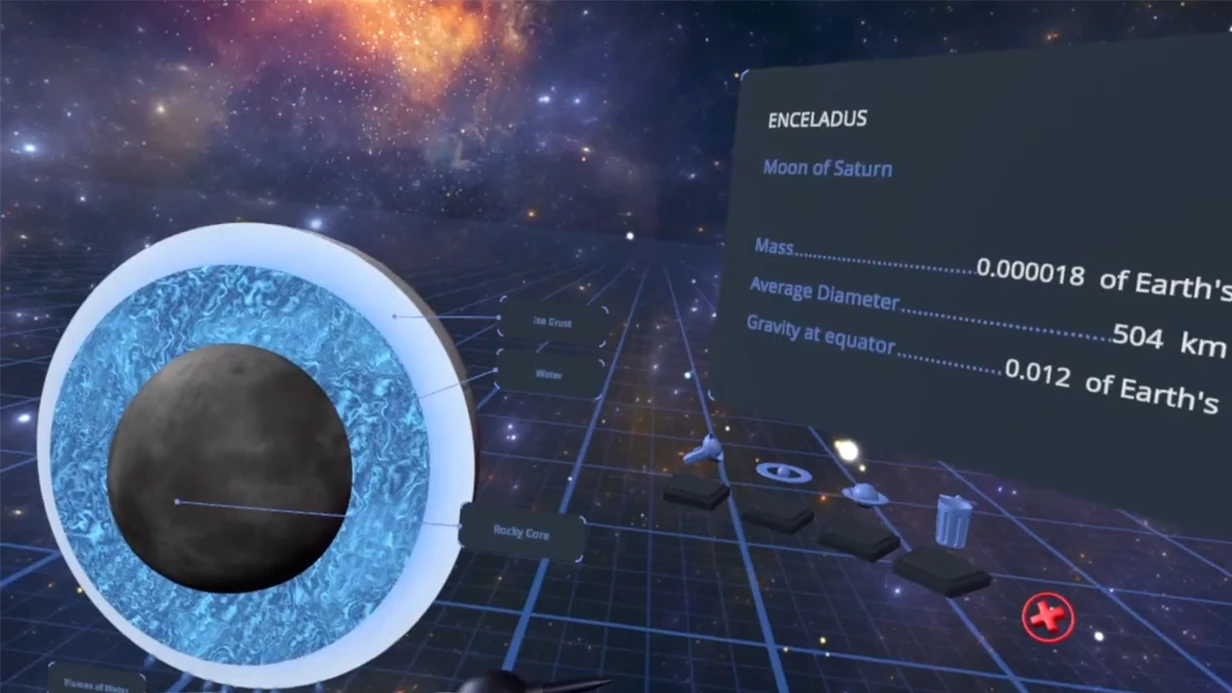
עבור מוזיאון או תערוכה, סמני AR קצרים ליד מוצגים עדיפים — מבקר מכוון את הסמארטפון ורואה סיפור, אנימציה או אינפוגרפיקה ללא חיפוש ארוך.
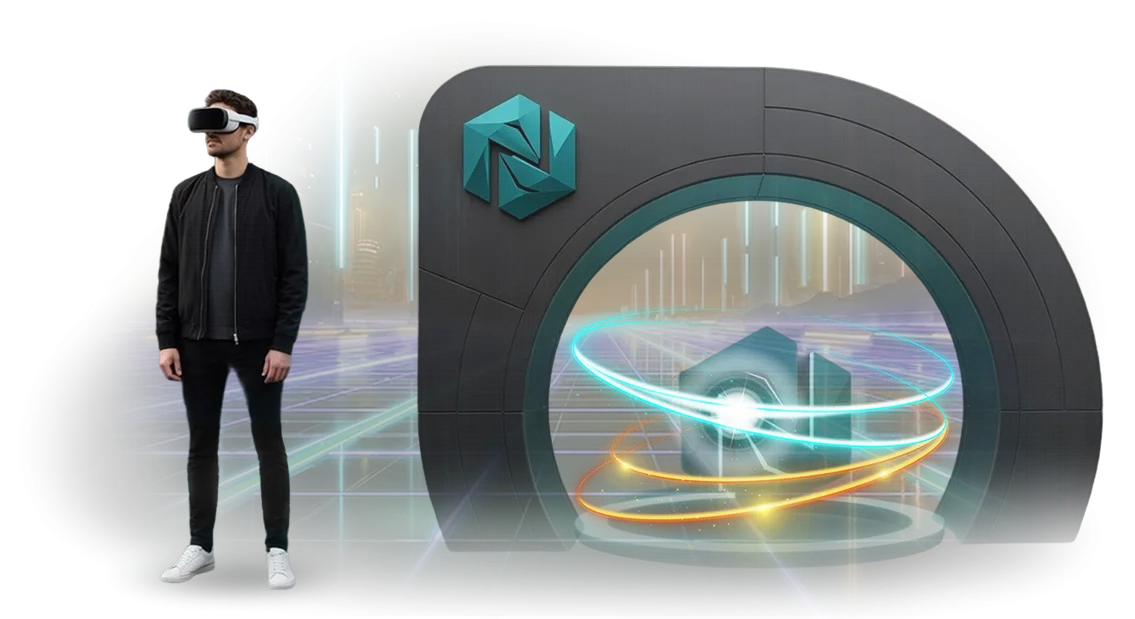
הקריטריון השני הוא תקציב ועומק המגע. אזור VR עם משקפיים דורש ציוד ומרחב פתוח, אבל מספק חוויה מלאה למשך 5-10 דקות. אפשרות זו מתאימה לאולמות תצוגה, פסטיבלים ואירועים שבהם האורחים הגיעו כדי להתבדר.
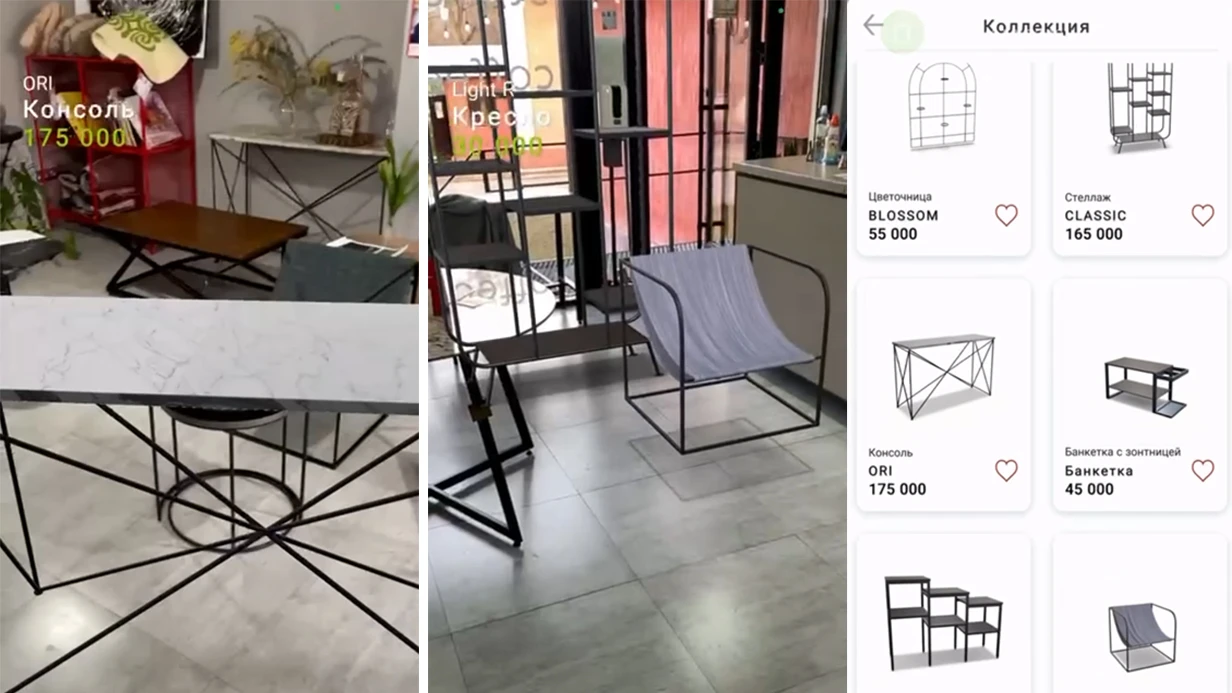
אם יש לך זרם עמוס ואנשים לא מוכנים לעצור לאורך זמן, בחר מתקן AR לסמארטפון: כוון את המצלמה — ראה אובייקט תלת-ממדי, אפקט או קידום. העלויות נמוכות יותר וטווח ההגעה גבוה יותר כי אין צורך לחלק ולתחזק ציוד.
עדיף להשאיר את בחירת הפורמט למי שיכול לראות את כל מגוון הפתרונות.
אנחנו בונים יישומים על Unity ומכסים גיאו-מיקום, סמני AR ואזורי VR בפרויקט אחד — זה מסיר את המגבלה של "אנחנו תומכים רק בפורמט אחד". לאחר בריף קצר, אתה מקבל טבלת השוואה: אפשרויות, העלות שלהן, דרישות האתר ותחזית טווח הגעה.
גישה זו מבטלת את הטעות של "השקענו במתקן, אבל האורחים פשוט חלפו על פניו" ועוזרת לך לבחור מתקן AR שמחזיר את ההשקעה בתנאים הספציפיים שלך.
תשובות לשאלות נפוצות של לקוחות
אנחנו יודעים שלפני הזמנת יישום AR גיאו-ממוקם, עולות אותן שאלות: האם הטכנולוגיה תיכשל בשיא האירוע, כמה זמן ייקח הפיתוח, וכמה זה יעלה.
אנחנו עובדים על Unity — פלטפורמה בוגרת שמספקת ביצועים יציבים במכשירים שונים. להלן אנו עונים על מה שבאמת חשוב למנהלי מחלקות.
מה קורה אם האינטרנט או החיבור נעלמים ביום האירוע?
היישום עובד במצב היברידי: סצנות בסיס נטענות למכשירים מראש, ורק נתוני שירות קטנים מועברים בזמן אמת.
לפני ההשקה, אנחנו מגיעים למקום ובודקים את יציבות הגיאו-מיקום בתנאים אמיתיים — כך שהשאלה "האם הטלפון יקלוט את הנקודה" נקבעת על ידינו, לא על ידי מזל.
כמה זמן לוקח פיתוח מתקן?
פרויקט טיפוסי אורך 3 עד 6 שבועות, כולל בדיקות במיקום. אם צריך להשיק מהר יותר, אנחנו מצמצמים את היקף הגרסה הראשונה: למשל, אנחנו עושים נקודת AR אחת במקום שלוש ומוסיפים את השאר לאחר ההשקה.
אנחנו תמיד מציעים שני תרחישים — אופטימלי מבחינת לוח זמנים ומואץ — ואתה בוחר את זה שמתאים ללוח הזמנים שלך.
ממה מורכבת העלות, והאם אפשר לעמוד בתקציב?
המחיר תלוי במספר המיקומים, במורכבות התרחיש ובעיצוב. להערכה מדויקת, בריף מספיק, ובשיחה הראשונה אנחנו נותנים מיד טווח תקציב כדי שתבין את סדר הגודל.
אם צריך לחסוך, אנחנו אומרים לך איפה לעשות את זה בלי לאבד אפקט — למשל, באמצעות מודלים תלת-ממדיים מוכנים או אנימציות מפושטות.
מה קורה לאחר ההשקה? מי מטפל בתמיכה ואחריות?
אנחנו לא נעלמים לאחר מסירת הפרויקט. ביום האירוע, אנחנו מספקים תמיכה טכנית: מהנדס זמין, ולאירועים גדולים אנחנו מגיעים למקום.
המתקן עצמו מכוסה באחריות למשך האירוע — אם משהו משתבש, זו האחריות שלנו.
לא מצאת את השאלה שלך? עיין ברשימת השאלות הנפוצות המלאה למטה או כתוב לנו — אנו מגיבים תוך יום עסקים אחד ונציע פורמט המתאים למשימה שלך.האם נדון בפרויקט שלך? צור קשר
מתקן AR טוב הוא לא רק טכנולוגיה; זה כלי שיוצר רגשות ורשמים בלתי נשכחים. עבור אירוע, מוזיאון או מותג, יישום AR גיאו-ממוקם פירושו אורחים מעורבים יותר, תוכן עשיר לרשתות חברתיות ומודעות מוגברת.
אבל כדי להגיע לתוצאה הזו, צריך לתכנן את התרחיש סביב המקום, הקהל והיעדים שלך — וליישם את הטכנולוגיה כראוי.
זו הסיבה שאנחנו מתחילים בשיחה. השאר בקשה לפיתוח — זה לוקח כמה דקות ואינו מחייב כלל. אנו נספק פגישת ייעוץ, נעריך את המשימה שלך ונחשב את עלות הפרויקט.
תקבל תוכנית מקדימה — כך שתוכל לקבל החלטה על סמך פרטים קונקרטיים, לא הבטחות מעורפלות.
מה אתה מקבל לאחר יצירת קשר:
- פגישת ייעוץ — נדון באיזה מתקן אינטראקטיבי מתאים לך: VR, AR או תרחיש גיאו-ממוקם על סמארטפונים.
- חישוב עלות — אומדן שקוף לתקציב שלך, ללא תשלומים נסתרים או אפשרויות מיותרות.
- תוכנית פרויקט מקדימה — שלבים, לוח זמנים ותחומי אחריות כדי שתבין איך נגיע לתוצאה.
- הערכת אפקט — נראה כיצד המתקן ישפיע על טווח ההגעה, רשמי האורחים וביקורים חוזרים.
- דוגמאות לעבודות שלנו — נבחר מקרים דומים מאירועים, מוזיאונים ומותגים כדי שתוכל לראות מה אחרים מקבלים.
- המלצות לקידום — כיצד להפוך את המתקן לתוכן לרשתות חברתיות ולמשוך קהלים נוספים.
- תמיכה לאחר ההשקה — אנחנו נשארים בקשר כדי לוודא שהכל רץ ביציבות.
ללא לחץ וללא שיחות מיותרות — רק מידע שימושי וצעדים הבאים ברורים. השאר בקשה עכשיו, ואנו ניצור איתך קשר תוך יום עסקים אחד כדי לדון בפרויקט שלך ולהכין הצעה.