



מדוע מתקנים סטנדרטיים נכשלים: הטמיעו משחקי מיקום (Location-Based Games)
אורחים חולפים על פני תערוכות סטטיות תוך שניות ספורות—הם מצלמים, גוללים בפיד שלהם, ועוברים לנקודה הבאה.
אפילו דוכן או ויטרינה מושכי עין עובדים כמו תמונה: אפשר להצטלם מולם, אבל הם לא יכולים לרתק תשומת לב או למשוך מבקרים לתוך הסיפור של המותג. המארגנים משקיעים בעיצוב החלל, אבל המבקרים לא זוכרים דבר מלבד "היינו, ראינו".
מתקנים סטנדרטיים נכשלים דווקא בגלל הפסיביות: האורח נשאר צופה, לא משתתף. אין משימה, מטרה או ריגוש, ולכן תשומת הלב דועכת וזמן הביקור מתקצר.
מבקרים מודרניים מצפים לרגשות ולפעולות—אם מקום לא מספק את זה, הם עוזבים למתחרים או לא חוזרים כלל. עבור מוזיאון, פסטיבל או מותג, זה אומר הפסדים ישירים: פחות אינטראקציות עם התערוכה, פחות סיבות לחזור, ופחות הכנסות.
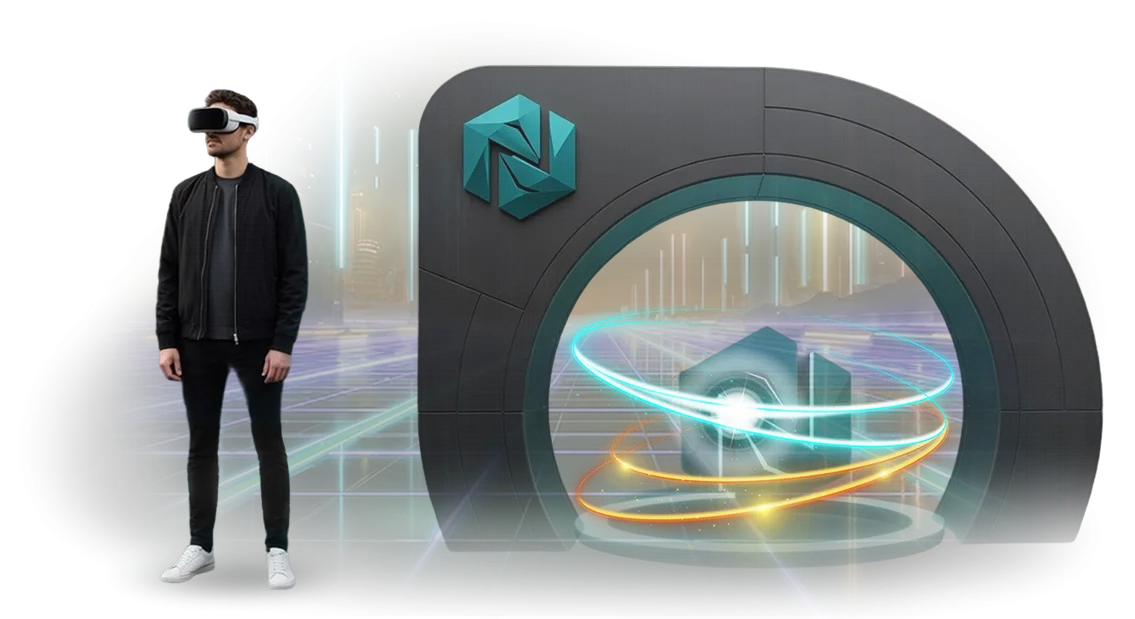
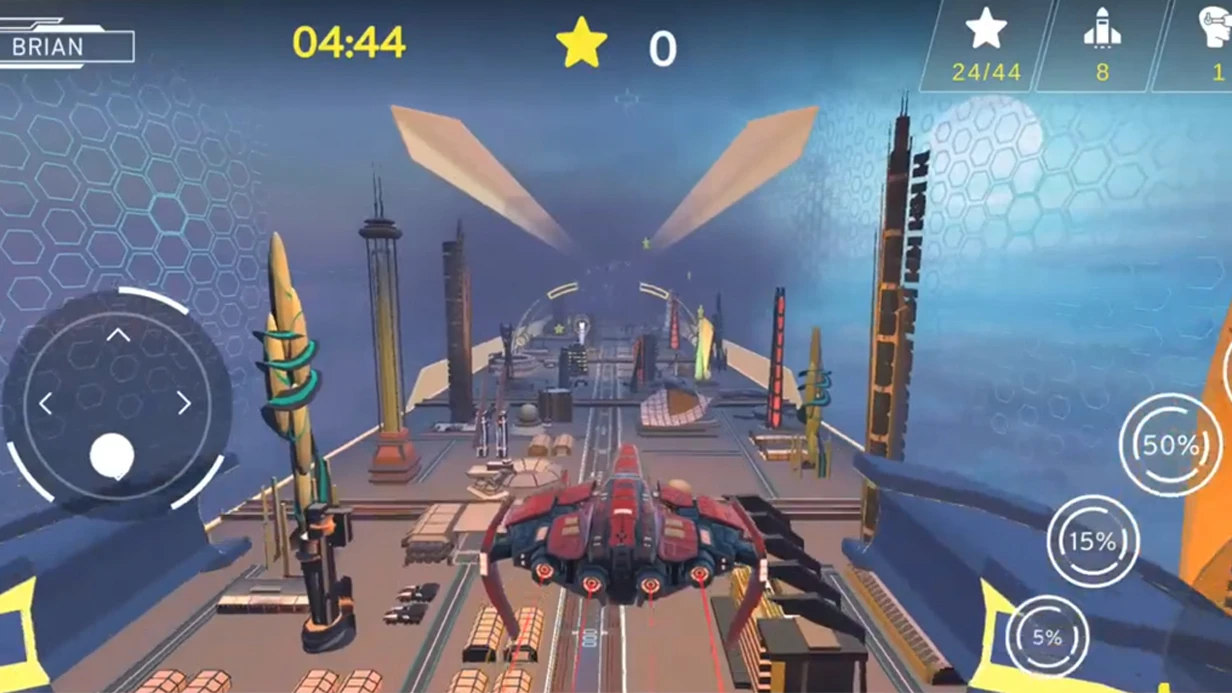
הפתרון הוא משחקי מיקום: מתקנים אינטראקטיביים שהופכים חלל למגרש משחק. המבקרים נעים, מוצאים נקודות ומבצעים משימות, בעוד VR לאירועים מגביר את תחושת ההתעמקות המלאה.
אדם מפסיק להיות צופה והופך לגיבור של תרחיש שבו כל צעד מביא תוצאה: נקודות, גילויים, רמות חדשות. מעורבות המבקרים קורית מעצמה, בלי קריאות או שכנוע.
האפקט העסקי ברור: הזמן באתר גדל, האינטראקציה עם התערוכה והמותג הופכת עמוקה יותר, והתמונות והשיחות לאחר המשחק יוצרות פרסום מפה לאוזן טבעי. אורחים חוזרים, ממליצים לחברים, וביקורים חוזרים מגדילים ישירות את ההכנסות.
אנחנו מתכננים משחקים כאלה סביב המטרות של הלקוח—מפורמט המקום והתקציב ועד למכניקות שמניבות תוצאות מדידות.
מה אינטראקטיביות נותנת לעסק שלך: 5 יתרונות מרכזיים
מספר מבקרים גבוה יותר. כשמשחק או אזור אינטראקטיבי מופיע בחלל, השמועה מתפשטת הרבה לפני הפתיחה. זה הופך לנושא חדשותי שמושך קהלים חדשים: הורים מביאים ילדים, חברות מזמינות אירועי חברה, קבוצות בתי ספר בוחרות בכם לטיולים. כל תכונה אינטראקטיבית היא סיבה לחזור ולהביא חברים.
מעורבות ורגשות. פורמטי VR ו-AR שוברים את הקרח בין מבקרים לתוכן. במקום לצפות פסיבית בתערוכות או דוכנים, אורחים הופכים למשתתפים: הם שולטים בעלילה, פותרים משימות ומתחרים.
זה מעורר רגשות אמיתיים—ורגשות הם הסיבה מספר אחת לכך שאנשים זוכרים את הפרויקט שלך וחוזרים.
נראות במדיה החברתית. אזור אינטראקטיבי הוא נקודה מוכנה לצילומים וסרטונים. אורחים משתפים תמונות מרהיבות בחשבונות שלהם, ומתייגים את העמוד שלך.
כל פוסט מציג את הפרויקט שלך למאות לקוחות פוטנציאליים—כך החשיפה החינמית גדלה בלי תקציב פרסום נוסף.
לידים מאירועים. אתה מקבל לא רק רגשות אלא גם נתונים. כדי לקבל את התמונה או תוצאת המשחק, אורחים משאירים פרטי קשר. חודש אחר כך אפשר להזמין אותם לאירוע חדש או לספר להם על מבצע מיוחד. זה כלי מוכן למכירות חוזרות ולבניית מאגר לקוחות מעוניינים.
תדמית מותג מודרנית. אינטראקטיביות מראה שאתה מתעדכן עם הזמן. כשאנשים אומרים "אפשר לשחק שם VR", זה עובד טוב יותר מכל פרסומת. המותג הופך קרוב וברור יותר, ומבקרים ממליצים בשמחה לחברים וחוזרים לחוויות חדשות.
אנחנו מפתחים פתרונות אינטראקטיביים למשימה הספציפית שלך: אנחנו יוצרים תרחישים, בוחרים ציוד, משיקים ותומכים בחוויה באירוע. אתה מקבל מספר מבקרים גבוה יותר, מעורבות קהל וזרם לידים—בלי להיכנס לפרטים טכניים. רק ספר לנו אילו מטרות אתה רוצה להשיג.
פורמטי משחקי VR/AR וגיאו-מיקום למקומות שונים
לפני השקת חוויה אינטראקטיבית, חשוב להבין איזו משימה היא פותרת. משימות VR שומרות על אורחים במקום, משחקי גיאו-מיקום מובילים אותם לנקודות ספציפיות ברחבי העיר, ומסכות AR יוצרות תוכן ויראלי והכרת מותג. אין פתרון אוניברסלי: הפורמט חייב להתאים למטרת האירוע ולהתנהגות המבקרים.
איך לבחור את הפורמט הנכון
| פורמט | למי זה מתאים | מה זה נותן ללקוח |
|---|---|---|
| משימות VR | מוזיאונים, פארקים, אירועי חברה | שומר על מעורבות מבקרים למשך 30–60 דקות, מגדיל את הסל הממוצע וביקורים חוזרים |
| משחק גיאו-מיקום | פסטיבלים עירוניים, מבצעים, פארקים | מביא משתתפים לנקודות ספציפיות, יוצר מעורבות למשך 1–2 שעות |
| מסכות ופילטרים AR | אולמות תצוגה, מצגות, תערוכות | מערב לקוחות ומניע לשיתוף תמונות—המותג מקבל חשיפה חינמית במדיה החברתית |
| ניווט AR | קניונים, מתחמי תערוכות | עוזר למבקרים למצוא אזורים נכונים, מפחית עומס על הצוות ואוסף נתוני מסלול |
ההשוואה הזו היא נקודת התחלה, לא פתרון סופי. המהנדסים שלנו בוחרים פורמט לפי המקום, התקציב והמטרה הספציפית: אם צריך להגדיל נוכחות, נציע גיאו-מיקום; אם רוצים להפתיע אורחים, ניצור משימת VR עם תרחיש ייחודי.
אנחנו עובדים עם ציוד מקצועי וכלים מוכחים, כך שההשקה מתרחשת בזמן ובלי תקלות.
איך הפיתוח עובד: מהרעיון להשקה
פיתוח מתקן VR או משחק גיאו-מיקום הוא לא קסם—זה תהליך ברור. מבננו אותו כך שתוכל לראות תוצאות בכל שלב ולשלוט בתקציב. להלן הדרך שכל פרויקט עובר, מהפגישה הראשונה ועד ההשקה והפיתוח העתידי.
- בריף ומטרות. אנחנו מגדירים בדיוק מה המשחק צריך לפתור: לבדר אורחים, לאסוף פרטי קשר, או להגדיל את נראות המקום. בשלב הזה, אתה מקבל הערכה כנה של לוח זמנים ועלות.
- קונספט ותרחיש. אנחנו מציעים 2–3 פורמטים שמתאימים לקהל ולחלל שלך. אנחנו בוחרים את העלילה, המכניקות והמטרות כך שהמשתתפים יגיעו לסוף וירצו לחזור.
- אישור פרויקט. אנחנו מראים את מתווה התרחיש, מפת הפעולה ורשימת הציוד. אתה עורך שינויים ואנחנו נועלים את הגרסה הסופית—בלי חיובים נסתרים.
- ייצור והרכבה. אנחנו בונים את חלל המשחק, מקימים אבות טיפוס ובודקים אותם מול תרחישים אמיתיים. אנחנו משתמשים בציוד מקצועי, כך שהתוצאה יציבה בכל יום.
- השקת ניסיון. אנחנו מריצים סשן פיילוט עם הצוות שלך או קבוצת מיקוד. אנחנו מודדים אורך סשן, אוספים משוב ומתקנים בעיות לפני הפתיחה הרשמית.
- השקת המתקן. אנחנו מספקים, מרכיבים ומגדירים הכל במקום. המהנדסים שלנו נשארים קרובים בימים הראשונים כך שמבקרים מוקדמים מקבלים מיד חוויה מושלמת.
- תמיכה ופיתוח. אנחנו מנטרים ביצועי מערכת, מעדכנים תרחישים למטרות חדשות ועוזרים להתאים את המשחק לאירועים עתידיים. אתה מקבל לא מוצר חד-פעמי אלא כלי שעובד שנים.
התוצאה היא תהליך צפוי עם נקודות בקרה ברורות. אתה תמיד יודע באיזה שלב הפרויקט נמצא, מה קורה הלאה ומתי הוא יתחיל לספק ערך למבקרים שלך.
מה כלול בפתרון אינטראקטיבי
כל פרויקט הוא לא "קופסת ציוד" אלא כלי מוכן לפתרון המשימה שלך. החבילה כוללת כל מה שצריך להשקה ותפעול יציב: תרחיש, תוכן, הוראות, הדרכת צוות ותמיכה. אתה מקבל נכס ניתן לניהול, לא אוסף חלקים.
הנה מה שהפתרון האינטראקטיבי כולל:
-
תרחישי משחק — מותאמים למקום, לקהל ולמטרות שלך: משימות גיאו-מיקום, פעילויות VR, למידה מבוססת משחק. אנחנו מפתחים את המכניקות, השלבים והחוקים כך שאורחים יהיו שקועים לגמרי מהדקה הראשונה.
-
תוכן VR ו-AR — גרפיקה, מודלים תלת-ממדיים, אנימציות, קריינות וטקסטים. אנחנו יוצרים הכל בסגנון המותג שלך כך שהחלל ייראה מגובש ובלתי נשכח.
-
חבילת אספקה — ציוד שנבחר לפי התרחיש, כמות המבקרים ומאפייני המיקום. הכל מגיע מוגדר, נבדק ומוכן להפעלה.
-
הוראות והנחיות — חומרים ברורים לצוות: הפעלה, החלפת מכשירים, מצבים טיפוסיים. אין מורכבות טכנית—רק פעולות מעשיות.
-
הדרכת צוות — סשן קצר שלאחריו העובדים שלך יכולים לנהל את המתקן באופן עצמאי, לעזור לאורחים ולשלוט בזרימת המבקרים.
-
תמיכה ופיתוח — מהנדסים מלווים את ההשקה, ומאוחר יותר אפשר להרחיב תרחישים, להוסיף רמות עונתיות ולעדכן תוכן.
החבילה הזו הופכת אזור אינטראקטיבי לכלי עבודה עבור המקום שלך: אורחים מתערבים, חוזרים וממליצים. אנחנו לוקחים על עצמנו את כל הסיכונים הטכניים.
מקרה בוחן: נוכחות גבוהה יותר וזמן שהייה ארוך יותר במוזיאון
מבקרי מוזיאון מודרניים לא רוצים רק להסתכל על תערוכות—הם רוצים לקחת חלק בסיפור. אם הסיור מרגיש כמו הרצאה, אורחים עוזבים תוך 30–40 דקות ולעתים רחוקות חוזרים. מנהלים רואים נוכחות תקועה ומפסידים לפארקי שעשועים וקניונים.
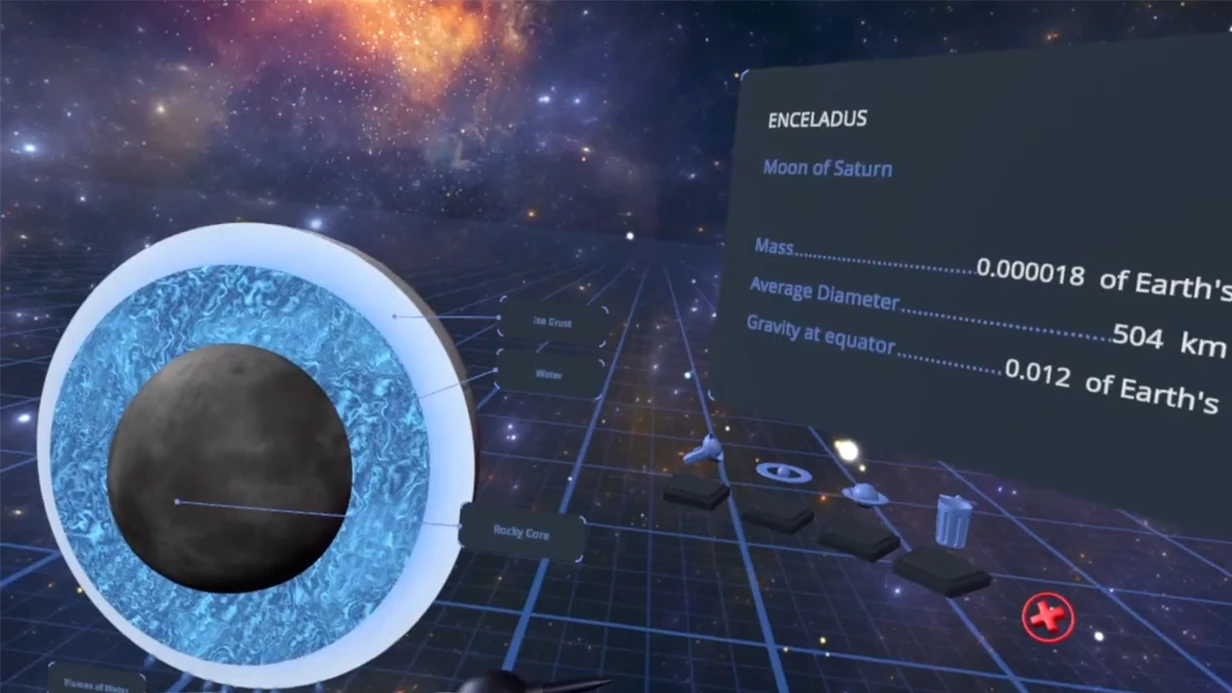
אנחנו פותרים את הבעיה הזו עם משחקי מיקום: אנחנו הופכים את התערוכה למשימה מרתקת, וטכנולוגיות VR ו-AR מושכות מבקרים לתוך העלילה. אורחים מחפשים חפצים, מתקשרים עם דמויות וירטואליות והופכים לגיבורי הסיפור בעצמם.
כתוצאה מכך, כל אולם מחזיק תשומת לב, והביקור במוזיאון הופך לאירוע שמדברים עליו.
אחד הפרויקטים של הצוות שלנו היה מסלול אינטראקטיבי למוזיאון ההיסטוריה החיה. בהתחלה, מדדנו את קו הבסיס: המבקר הממוצע בילה 45 דקות באולמות, ושיעור הביקורים החוזרים היה מינימלי.
לאחר השקת משחק גיאו-מיקום עם אלמנטים של מציאות רבודה, הנוכחות עלתה ב-40%, וזמן השהייה גדל ל-2.5 שעות. יותר מ-70% מהמשתתפים המליצו על המוזיאון לחברים וחזרו שוב.
עבור המוזיאון, זה לא רק מספרים: ככל שמבקרים נשארים יותר, כך ההכנסות מכרטיסים, בית קפה ומזכרות גבוהות יותר. ומבקרים מרוצים בעצמם יוצרים חשיפה חינמית במדיה החברתית, ומושכים קהלים חדשים.
אנחנו מטפלים בפיתוח תרחישים, תוכן ואינטגרציה טכנית כך שתקבל כלי צמיחה שעובד.
איך לבחור את המיקום הנכון למשימה שלך?
בחירת פורמט מתקן מתחילה לא בטרנד טכנולוגי אלא בשאלה: איזו בעיה אתה פותר? אם צריך למשוך אורחים לקניון או תערוכה, זו גישה אחת; אם רוצים להוביל אותם דרך פארק או רובע היסטורי, זו אחרת.
לכן אנחנו תמיד שואלים שלוש שאלות פשוטות: מי הקהל שלך, כמה מקום זמין, ואיזו תוצאה עסקית צריך למדוד.
לחללים פנימיים, מתקני VR הם בדרך כלל הבחירה הטובה ביותר: הם יוצרים התעמקות מלאה ואינם תלויים בסביבה.
הם יכולים להשתלב ב-10–15 מ"ר בלבד—מבקר מרכיב משקפיים ונכנס לעולם אחר, בעוד המותג מספק רגש שמסך או פוסטר לא יכולים.
אם המקום בחוץ או מכסה שטח גדול, שקול משחקי גיאו-מיקום: הם הופכים הליכה למשימה, מובילים משתתפים דרך נקודות מפתח ומושכים אותם לסיפור המסלול.
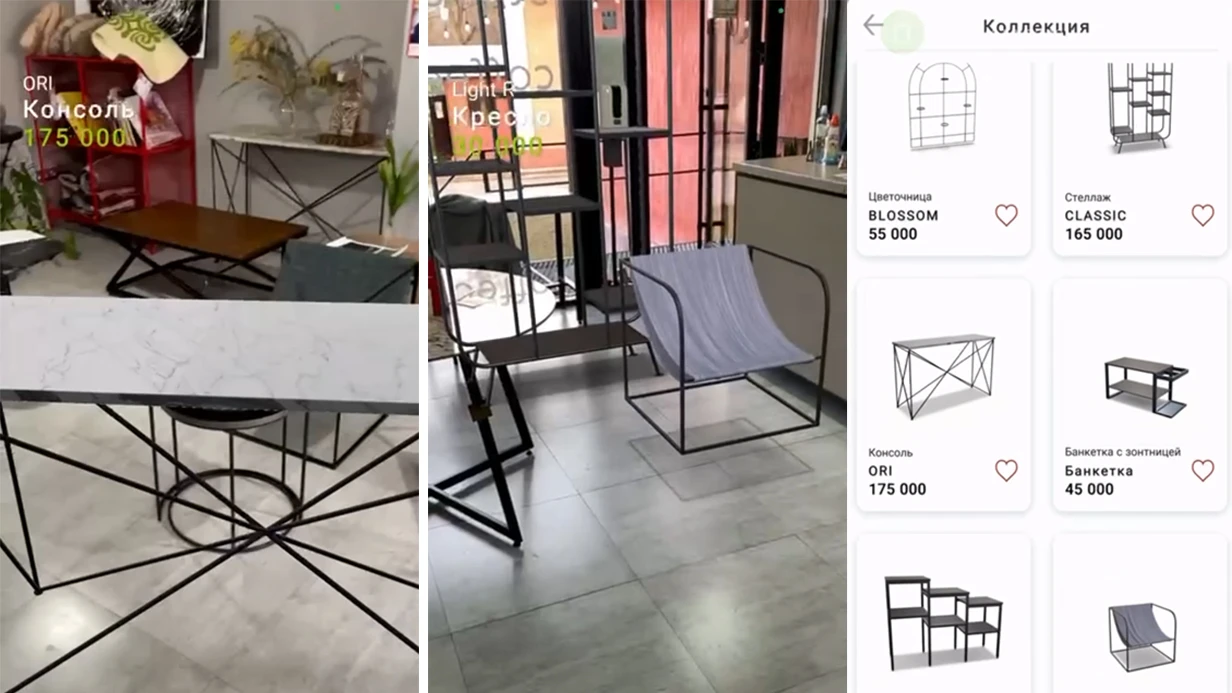
למוזיאונים ואולמות תצוגה, פתרונות AR עובדים מצוין: הם מחיים תערוכות, ויטרינות או יצירות אמנות בלי להזיז מבנים פיזיים. מבקר מכוון סמארטפון ורואה שכבה נוספת של מידע, אנימציה או פרט נסתר.
במקרה הזה, יש להתחשב בתאורה, גובה תקרה ותנועת מבקרים, ולכן המהנדסים שלנו תמיד מבקרים באתר, לוקחים מדידות ומציעים תרחיש שמשתלב טבעית בחלל.
בחירת מיקום ופורמט היא תמיד איזון בין אפקט, תקציב ומגבלות המקום.
אנחנו מוכנים לקחת את ההחלטה הזו על עצמנו: נראה דוגמאות של פרויקטים דומים, נחשב עומס ציוד ונציע פתרון שמשרת את המטרה שלך—בין אם זה נראות גדולה יותר, ביקורים חוזרים או איסוף לידים.
ספר לנו על המשימה והמקום שלך—יחד נבחר מתקן שמניב תוצאות, לא רק קישוט לאירוע.
שאלות נפוצות על הטמעת מתקנים אינטראקטיביים
אימוץ VR ו-AR בדרך כלל מסתכם בארבע שאלות: תקציב, לוח זמנים, אמינות ותוצאות. הנה התשובות הקצרות שלנו.
האם VR ו-AR מסובכים ויקרים?
אנחנו מטפלים במורכבות: אתה עובד עם מנהל אחד, והמהנדסים עושים את השאר. התקציב תלוי בפורמט, אבל תמיד יש אפשרויות שמתאימות להשקעה ממוצעת באירוע. לפני שמתחילים, אתה מקבל הערכה קבועה בלי חיובים נסתרים.
מה עולה הפיתוח?
פתרונות בסיסיים מתחילים בעלות שמחושבת לאחר בדיקה; פרויקטים מותאמים אישית מוערכים גם הם לאחר בריף קצר. אנחנו נותנים לך את המספר המדויק ברגע שנדע את מספר המיקומים, משך האירוע והאם נדרש תרחיש ייחודי. המחיר ידוע לפני חתימת החוזה.
כמה מהר אפשר להשיק?
לוח זמנים טיפוסי הוא 3–6 שבועות. אם התאריך קבוע, יש לנו מודולים מוכנים: במקרה כזה, ההשקה יכולה לקרות תוך 7–10 ימים. אנחנו עובדים במקביל להכנות האירוע ולעולם לא דוחים את תאריך האירוע.
מה אם הציוד מתקלקל בשעות השיא?
ביום האירוע, אחד המהנדסים שלנו נמצא במקום, וכל ערכה כוללת מודולים חלופיים. בכל הניסיון שלנו, מעולם לא הייתה לנו השבתה עקב תקלת ציוד. אנחנו מספקים אחריות על הפרויקט ותמיכה שוטפת לאחר ההשקה.
איך אפשר לדעת אם המתקן משתלם?
אנחנו מראים מדדים עסקיים: מספר סשנים, זמן אינטראקציה, זרימת מבקרים באזור ואזכורים במדיה החברתית. לדוגמה, עבור מותג אופנה, האזור יצר 1,500 אינטראקציות ביומיים, עם זמן מסך ממוצע של 4 דקות. זה מתורגם לחשיפה ומודעות—הסיבות שבגללן לקוחות מזמינים חוויות אינטראקטיביות.
בקש הצעת מחיר לפיתוח לפרויקט שלך
ספר לנו על המשימה שלך—נבחר פורמט מתקן שמושך את תשומת לב האורחים ומחזק את תדמית המותג שלך. אתה לא צריך להבין ב-VR, AR או גיאו-מיקום: זו העבודה שלנו.
רק ציין היכן יתקיים האירוע, כמה אורחים יהיו ואיזו תגובה אתה רוצה לראות.
שלח בקשה, ומפיק צוות יחזור אליך תוך יום עסקים אחד. בלי הצעות תבניתיות: קודם נבהיר את המטרות, המקום וציפיות התקציב שלך, ואז ניתן לך הערכה שמשקפת את העלות ולוח הזמנים האמיתיים.
הנה מה שאתה מקבל מיד לאחר יצירת קשר:
- ייעוץ עם מפיק שיעזור לך לבחור פורמט ולהגדיר את המשימה;
- מבחר אפשרויות למקום שלך: VR, AR או משחק גיאו-מיקום;
- הערכת עלות ולוח זמנים ראשונית ביום הראשון;
- דוגמאות של פרויקטים דומים מהניסיון שלנו;
- תוכנית עבודה עם שלבים ורשימת חומרים שנדרשים ממך;
- תשובות לשאלות טכניות בשפה פשוטה, בלי ז'רגון.
אם תחליט להמשיך, המהנדסים שלנו ייקחו את הפרויקט מקצה לקצה: מתרחיש ועיצוב ועד התקנה, הגדרה וטכנאים שעובדים באירוע עצמו. אתה תתקשר עם מפיק אחד ולא תתאם קבלני משנה.
השאר בקשה בטופס למטה או פנה אלינו ישירות. כלול את התאריך, מספר האורחים והרעיון המרכזי שלך—נחזור אליך תוך כמה שעות, בדרך כלל מוקדם יותר. זה ללא התחייבות.