



מדוע אורחים מאבדים עניין ללא אפליקציות מבוססות מיקום במקום האירוע
מבקרים מגיעים לאירוע בשביל חוויות, אבל תוך 15–20 דקות תשומת הלב שלהם דועכת: אנשים קוברים את עצמם בטלפונים, חולפים על פני דוכנים, ומאבדים עניין במהירות.
אזורי אינטראקציה רגילים פועלים על תסריט אחד שמתאים לכולם ואינם יוצרים תחושת מעורבות אישית. האורח לא מבין לאן ללכת הלאה, מה לראות, או למה להישאר — המקום הופך לאוסף של נקודות מפוזרות שמעטים זוכרים.
אפליקציות גיאולוקציה פותרות את הבעיה הזו אחרת: הן הופכות את החלל למסלול חי שבו כל צעד משנה את מה שקורה סביבך.
האפליקציה רואה היכן האורח נמצא ומפעילה את האזור הנכון ברגע הנכון: נותנת משימה, פותחת תוכן נסתר, משיקה משחק, או משנה את התסריט של המיצג.
במקום צפייה פסיבית, אדם מתחיל ליצור אינטראקציה עם המקום, והאירוע נתפס כסיפור מגובש ולא כאוסף של דוכנים נפרדים.
עבור מותג, זה אומר מעורבות מדידה: אנשים נשארים בתערוכות זמן רב יותר, משתפים את ההתרשמויות שלהם יותר ברשתות החברתיות, וחוזרים למוצר יותר פעמים לאחר האירוע.
זו הסיבה שבאירועים מודרניים, אפליקציות מבוססות מיקום הופכות לאופציה נוספת אלא לבסיס של אזורי אינטראקציה שמחזיקים תשומת לב ומספקים תוצאות.
אנחנו עוזרים לכם ליישם את המכניקות האלה במקום האירוע שלכם: אנחנו מתכננים תסריטי זרימת אורחים, מקשרים אינטראקטיביות לנקודות ספציפיות בחלל, ומגדירים את האפליקציה למטרות האירוע.
כתוצאה מכך, אתם מקבלים לא רק דוכן עמוס, אלא מערכת מעורבות חיה שאנשים זוכרים ומדברים עליה.
מה אפליקציות גיאולוקציה יביאו לאירוע או למותג שלכם
מבקרים מתעייפים מצפייה פסיבית: מה שחשוב להם הוא להשפיע על מה שקורה.
אפליקציות גיאולוקציה (אפליקציות מבוססות מיקום) הופכות את הסמארטפון למדריך אישי ובקר משחק — כל אורח מקבל תסריט משלו שמוביל אותו דרך המקום ומחזיק את תשומת הלב שלו.
מעורבות
כשאורחים לא רק צופים אלא משלימים משימות ופותחים תוכן לפי קואורדינטות, הזמן שמושקע במקום גדל באופן ניכר. הריגוש של ציד אחר הנקודות הבאות הופך את ההליכה למשחק, והמותג זוכה לקהל חי ומעורב.
הגעה
משתתפים משתפים תוצאות ברשתות החברתיות: תגיות גיאוגרפיות, תמונות, בונוסים שצברו. כל פוסט כזה מרחיב את ההגעה ללא תקציב פרסום נוסף — הקהל עצמו מדבר על האירוע.
מודעות למותג
המכניקות בנויות סביב מאפייני המותג, כך שמה שנשאר בזיכרון הוא חברה ספציפית, לא משחק מופשט.
לדוגמה, עבור הפארק "סקזקה" יצרנו מסלול היסטורי — לאחר האירוע, האורחים זכרו את הפארק כמקום שבו הייתה להם חוויה חדשה.
לידים
האפליקציה אוספת אנשי קשר בעדינות: האורח משאיר אימייל כדי לשמור את המסלול שלו או לקבל תמונות מהאירוע. כך, אתם בונים מאגר של אנשי קשר חמים להכרזות עתידיות והצעות מיוחדות.
כל ארבעת היתרונות מחזקים זה את זה: אורחים מעורבים מניעים הגעה, הגעה מביאה משתתפים חדשים, ואנשי הקשר שלהם נשארים במאגר שלכם.
אנחנו מתכננים תסריט לפורמט שלכם — מתערוכה אינטימית ועד פסטיבל עירוני — כך שגיאולוקציה פותרת משימה ספציפית ולא רק קישוט.
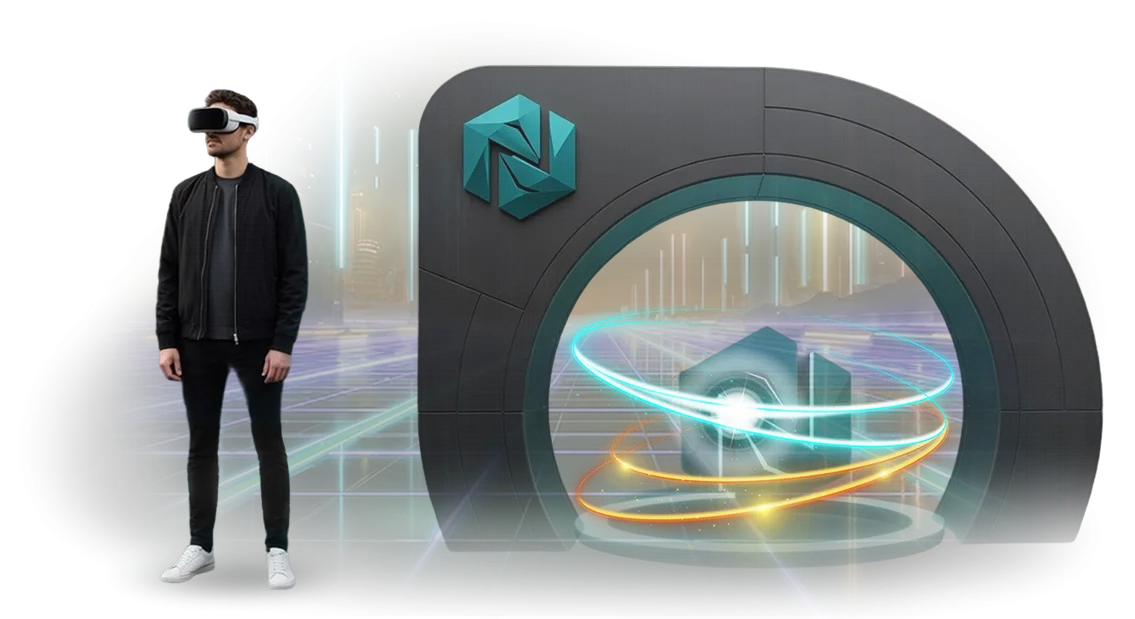
פורמטים של מיצגי VR ו-AR למשימה של הלקוח
אותו מוצר יכול להיות מוצג בעשרות דרכים — מתצוגה נייחת ועד קווסט נייד.
השאלה היא לא על טכנולוגיה, אלא על מה המיצג צריך לעשות: להחזיק אורח לכמה דקות, למשוך תור, למשוך אנשים לדוכן, או ליצור רגע צילום לרשתות החברתיות.
אנחנו בוחרים את הפורמט למשימה ולמקום שלכם, לא להפך — ומתאימים את התסריט לכל תקציב.
להלן הפורמטים האופייניים שאנחנו מספקים למוזיאונים, מותגים ומארגני אירועים. כולם רצים על ציוד מקצועי ומותאמים למיקום ספציפי: מדוכן קטן ועד חלל רב-אולמות.
| פורמט | למי זה מיועד | מה זה נותן ללקוח |
|---|---|---|
| אזור VR נייח | מוזיאונים, חללי תצוגה | מבקר נשאר 5–7 דקות במקום 30 שניות: הוא צולל עמוק יותר לסיפור או למוצר וזוכר את התצוגה טוב יותר. |
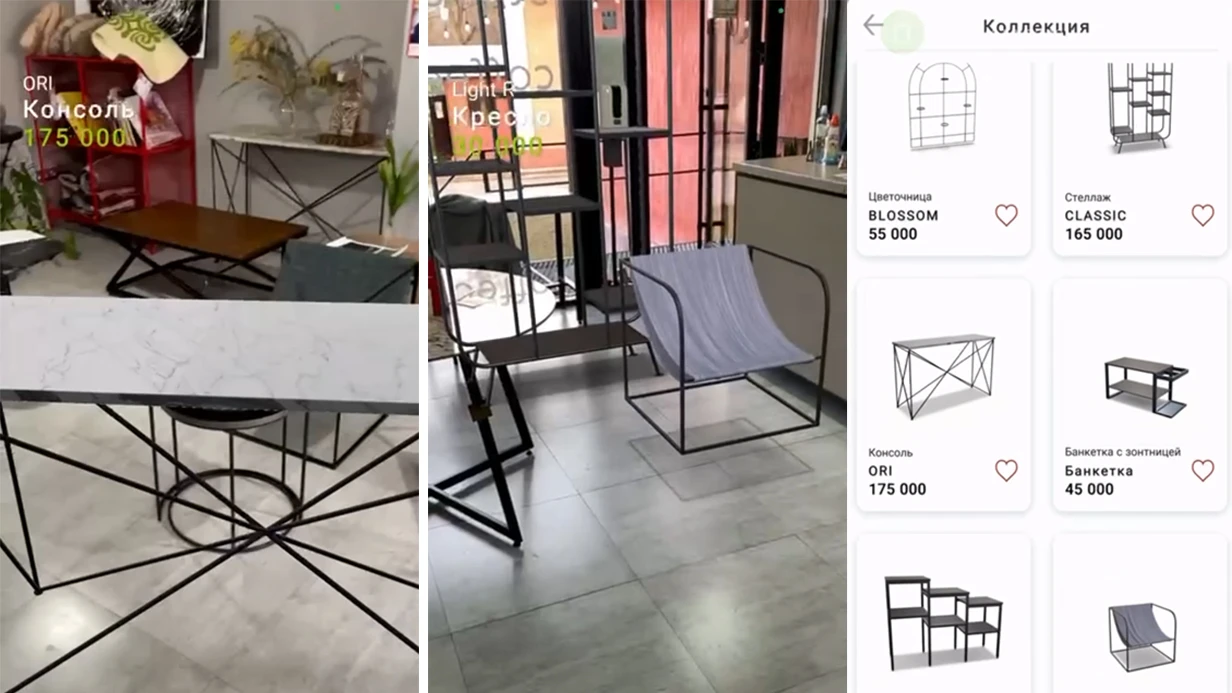
| מיצג AR אינטראקטיבי | מותגים, חדרי תצוגה, אירועי עיתונות | אורחים מתקשרים עם המוצר ויוצרים תוכן תמונות ווידאו שהם משתפים בעצמם — הגעה ללא תקציב פרסום. |
| קווסט AR נייד | פסטיבלים, פארקים, אירועים עירוניים | מחזיק משתתפים במסלול 30–60 דקות, מגדיל את הזמן במקום, ועוזר לאסוף אנשי קשר דרך האפליקציה. |
| משחק VR מרובה משתתפים | אירועי חברה, גיבוש צוות, מסיבות פרטיות | אטרקציית מגנט: תורים, באזז ורגשות חיים. אורחים חוזרים עם חברים ועמיתים. |
| דמות או אווטאר AR "חי" | קניונים, חזיתות חנויות, תערוכות | תקשורת מותג שובבה: ילדים ניגשים, הורים מצלמים, נאמנות וזמן בחלון גדלים. |
לדוגמה, עבור "מוזיאון המדעים המשעשעים" יצרנו קווסט AR נייד בארבעה אולמות — משפחות השלימו אותו יחד, ויותר משליש מהמשתתפים הזמינו ביקור חוזר תוך חודש.
מאחורי כל פורמט עומד הצוות שלנו: אנחנו מכינים את הקונספט, התוכן, ההתקנה והתמיכה הטכנית ליום האירוע. שלחו לנו תיאור של המקום והמשימה — נייעץ לכם איזה פורמט יתחבר לקהל שלכם.
איך אנחנו בונים פרויקט אפליקציית גיאולוקציה: מבריף ועד השקה
תהליך ברור הוא המפתח לתוצאה צפויה. אנחנו לא מתחילים פיתוח עד שמגדירים מטרות עסקיות, פרופיל קהל ותסריטי מפתח. כל שלב מתואם איתכם, כך שאתם תמיד מבינים מה קורה, כמה זה עולה, ומתי האפליקציה תהיה מוכנה.
-
בריף וראיון עם הצוות שלכם. אנחנו צוללים למשימה: למה המשתמש צריך את האפליקציה, אילו פעולות צריכות להפוך להרגל, ואיפה ישתמשו בה. הפלט הוא מסמך עם מטרות, תסריטים וקריטריוני הצלחה שפותרים את רוב השאלות השנויות במחלוקת לפני ההתחלה.
-
תוכנית והערכת עלות ראשונית. אנחנו מציעים מבנה פתרון, סט פיצ'רים ולוח זמנים המחולק לשלבים. אתם מקבלים הערכת עלות שקופה והבנה של אילו תוצאות לצפות בכל שלב — ללא עבודה נסתרת בסוף.
-
אישור תסריט וממשק. אנחנו מראים כיצד משתמשים יתקשרו עם האפליקציה: מהמסך הראשון ועד ביקורים חוזרים. אתם עורכים שינויים לפני תחילת הפיתוח, כשהשינויים מהירים ולא עולים תוספת.
-
יישום ובדיקות על מכשירים אמיתיים. אנחנו בונים את האפליקציה ובודקים אותה במיקומי היעד ובמודלים פופולריים של טלפונים. אנחנו מתקנים שגיאות ניווט, תקלות גיאולוקציה ובעיות תצוגה — לפני שמשתמשים רואים אותן.
-
השקה ופרסום. אנחנו מכינים את האפליקציה לחנות האפליקציות, מגדירים אנליטיקה ומנטרים את הסשנים הראשונים. בימים הראשונים, אנחנו מתקנים במהירות כל דבר שעלול להפריע לחוויה חלקה.
-
תמיכה ואבולוציה. לאחר ההשקה, אנחנו עוקבים אחר יציבות, מעדכנים תאימות למכשירים חדשים ומשפרים פיצ'רים לפי משוב. אתם מקבלים לא מוצר חד-פעמי אלא כלי עובד שגדל עם המטרות שלכם.
מה כלול במסירה של מיצג אינטראקטיבי
כשמזמינים מיצג אינטראקטיבי, חשוב להבין את היקף המסירה מראש. אנחנו מרכיבים חבילת מפתח מלאה: מציוד ועד הכשרת צוות, כך שאתם מקבלים מערכת מוכנה להפעלה ולא אוסף רכיבים.
החבילה כוללת:
-
ציוד — מקרנים מקצועיים, פאנלים מגע, מכשירי VR ו-AR שנבחרו לתסריט ולמקום שלכם. הכל נמסר מורכב ונבדק.
-
תוכן מותאם אישית — תסריט, גרפיקה, וידאו ואנימציות המותאמים למותג ולמטרות האירוע.
-
תסריטי גיאולוקציה — אופציונלית, אנחנו מקשרים תוכן לנקודות ספציפיות במיקום כך שמבקרים עם מכשירים ניידים יקבלו חומרים דיגיטליים במקום הנכון.
-
התקנה והפעלה — מהנדסים מגיעים לאתר, מתקינים את כל הדרוש, מחברים את המערכת ובודקים את פעולתה בתנאים אמיתיים.
-
הכשרת צוות — אנחנו נותנים לצוות שלכם בריף קצר ומספקים מדריך ברור להפעלה ולתפעול יומיומי.
-
אחריות ותמיכה — ציוד ועבודה שבוצעה מכוסים באחריות. לאחר המסירה, אתם יכולים לפנות לתמיכה טכנית מרחוק או עם ביקור מומחה.
כתוצאה מכך, אתם מקבלים אזור אינטראקטיבי מוכן לחלוטין שניתן להשתמש בו באירוע מיד. אין עלויות נסתרות ואין קבלנים נוספים — הכל כלול בהיקף המסירה.
מקרה בוחן: איך מכניקת מיקום החייתה תצוגת מוזיאון
מבקרים במוזיאון מודרני באים בשביל חוויה, אבל ויטרינות ושלטים סטטיים rarely מחזיקים אותם יותר מחצי שעה. אורח עובר באולם תוך כמה דקות, לא נשאר זכר רגשי, ואין סיבה לחזור.
אנחנו סוגרים את הפער הזה עם מכניקת גיאולוקציה: הסמארטפון הופך למדריך, והמוצגים הופכים למספרי סיפורים חיים.
עבור מוזיאון התחבורה העירונית יצרנו תסריט שמגיב לתנועת האורח במבנה. ניגשים לחשמלית — נפתח הסיפור על מסלולים עירוניים והנהג; ממשיכים הלאה — מופיע קווסט. אין פעולות מיותרות: הטלפון עצמו יודע איפה אתם ומציע את הצעד הבא.
התוצאה שינתה את המדדים העסקיים של המוזיאון. זמן הביקור הממוצע גדל מ-28 ל-54 דקות, חלק האורחים שהשלימו את התצוגה המלאה גדל פי 1.7, ומספר הביקורים החוזרים בחודש שלאחר מכן עלה ב-40%.
המבקרים החלו לצלם את המוצגים ולצייץ עם תגיות גיאוגרפיות, מה שהוסיף הגעה חינמית ברשתות החברתיות.
עבור ההנהלה, זה אומר תועלת ישירה: יותר זמן במוזיאון פירושו יותר מכירות של שירותים נוספים, ומעורבות הופכת ביקור חד-פעמי לביקור קבוע.
מכניקת מיקום עובדת כמו מדריך שקט: אין צורך להעסיק צוות, והיא משתלבת בתצוגה הקיימת ללא שיפוץ. לאחר השקת הפורמט הזה, המוזיאון מקבל כלי משיכת קהל מוכן שעובד עבור כל פרויקט עוקב.
אנחנו עונים על שאלות נפוצות על פיתוח
אנחנו מבינים שיש לכם חששות: האם נעמוד בלוחות הזמנים, האם הציוד ישרוד את יום האירוע, האם התקציב יתנפח, והאם המיצג יתאים למקום. אנחנו עונים על השאלות הנפוצות ביותר — כך שתקבלו תמונה ריאלית לפני תחילת העבודה.
כמה זמן לוקח הפיתוח?
לוחות הזמנים תלויים בפורמט: אזור AR פשוט לוקח 2–3 שבועות, אטרקציית VR 6–8 שבועות. לאחר הבריף, אתם מקבלים לוח זמנים עם תאריכים, ואנחנו אחראים לעמוד בו. אם אתם צריכים לעמוד בתאריך ספציפי, נבנה מרווח זמן.
מה אם הציוד יתקלקל?
מהנדס נמצא במקום, ורכיבי חילוף ניתנים להחלפה תוך חצי שעה. הציוד נבדק לפני ההשקה, כך שכמעט ואין מצבי כוח עליון. אתם מקבלים פעולה יציבה ללא הפסקות.
כמה זה עולה?
העלות ברורה מראש — לאחר הבריף, אתם מקבלים הערכה ללא תשלומים נסתרים. נמצא פתרון לתקציב שלכם: מאזור AR קומפקטי ועד מיצג VR בקנה מידה גדול. נראה לכם בשקיפות על מה אתם משלמים.
האם המיצג יתאים למקום שלנו?
אנחנו מבקרים באתר או מבקשים את פרמטרי החדר כדי להתחשב בתאורה, בחלל ובאספקת החשמל. ההתקנה דורשת גישה כמה ימים לפני האירוע. אם זה בחוץ, אנחנו מתאימים את המבנה למזג האוויר.
מי עוזר לאחר ההשקה?
אנחנו מאמנים את הצוות שלכם ונשארים בקשר לכל תקופת הפעילות. האחריות מכסה תקינות טכנית ועדכוני תוכן אם נקבעו. אתם אף פעם לא נשארים לבד עם הטכנולוגיה.
הזמינו פיתוח של מיצג אינטראקטיבי
מוכנים לדון ברעיון שלכם? השאירו פנייה — המהנדס שלנו יחזור אליכם תוך יום עסקים אחד, יבהיר את המשימות שלכם ויציע פתרונות שמתאימים לתקציב וללוח הזמנים.
הייעוץ חינמי וללא התחייבות: נעזור לכם לעצב את הקונספט, לבחור את הפורמט ולהבין איזו תוצאה המיצג יביא לעסק הספציפי שלכם.
נכין הערכת עלות וזמן ראשונית תוך 2–3 ימי עסקים לאחר הבריף. אם הפרויקט מורכב, נחלק אותו לשלבים כדי שתוכלו לראות תוצאות ביניים ולשלוט בתקציב.
אנחנו מטפלים בכל העבודה במפתח מלא: מרעיון ותסריט ועד התקנה, הגדרה ותמיכה טכנית במהלך האירוע.
מה אתם מקבלים כשאתם פונים אלינו:
- ייעוץ אישי: נעזור לכם לבחור את הפורמט הנכון למשימה שלכם — אירוע, מוזיאון, תערוכה או אזור קידום בקניון.
- הערכת עלות וזמן שקופה: הערכה ללא תשלומים נסתרים, עם שלבים ותוצאות קבועים בחוזה.
- יישום במפתח מלא: הצוות מטפל בפיתוח, ייצור, התקנה והגדרה — אין צורך לחפש קבלנים.
- תמיכה טכנית ביום האירוע: מהנדס זמין, אבחון מהיר ופתרון כל בעיה.
- אחריות על העבודה: לאחר ההשקה, המיצג פועל ביציבות, ואנחנו נשארים בקשר לשיפורים.
השאירו פנייה — נספר לכם כיצד מיצג אינטראקטיבי יגביר את מעורבות האורחים ויועיל לפרויקט שלכם. נחשב את העלות ואת לוח הזמנים ונענה על שאלותיכם. נתחיל בייעוץ חינמי — ללא התחייבות.
איך לבחור פורמט מיצג למשימה שלכם?
אי אפשר לבחור פורמט מיצג בצורה מופשטת — הוא חייב לפתור את המשימה הספציפית שלכם ולהתאים למקום שבו הוא יעבוד.
מה שעובד מצוין באולם מוזיאון יכול ללכת לאיבוד בקניון רועש, וחזית חנות ברחוב דורשת פתרונות שונים מאשר מקום מקורה.
התחילו מהמטרה. אם אתם צריכים למשוך תשומת לב למוצר חדש, בחרו מיצג AR חי שמאפשר לאנשים "לנסות" את המוצר או לראות אותו בפעולה.
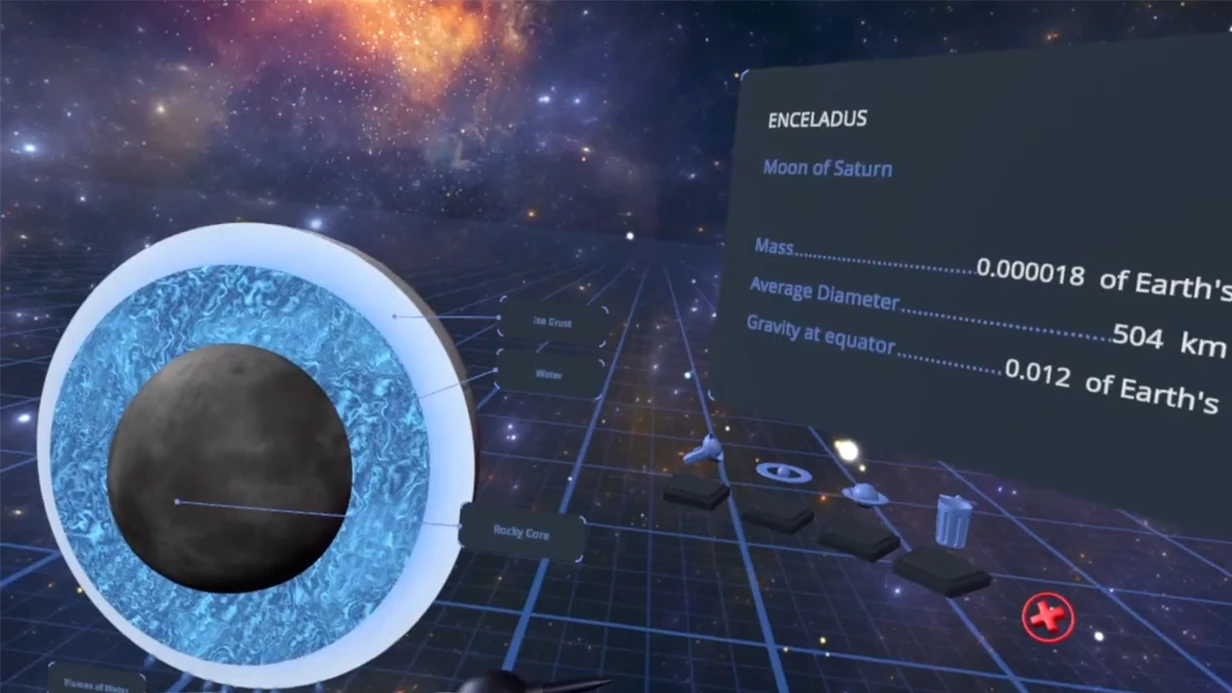
למטרות חינוכיות של מוזיאון, מסעות VR או שולחנות מציאות רבודה אינטראקטיביים שמטביעים מבקרים בסיפור עובדים טוב יותר.
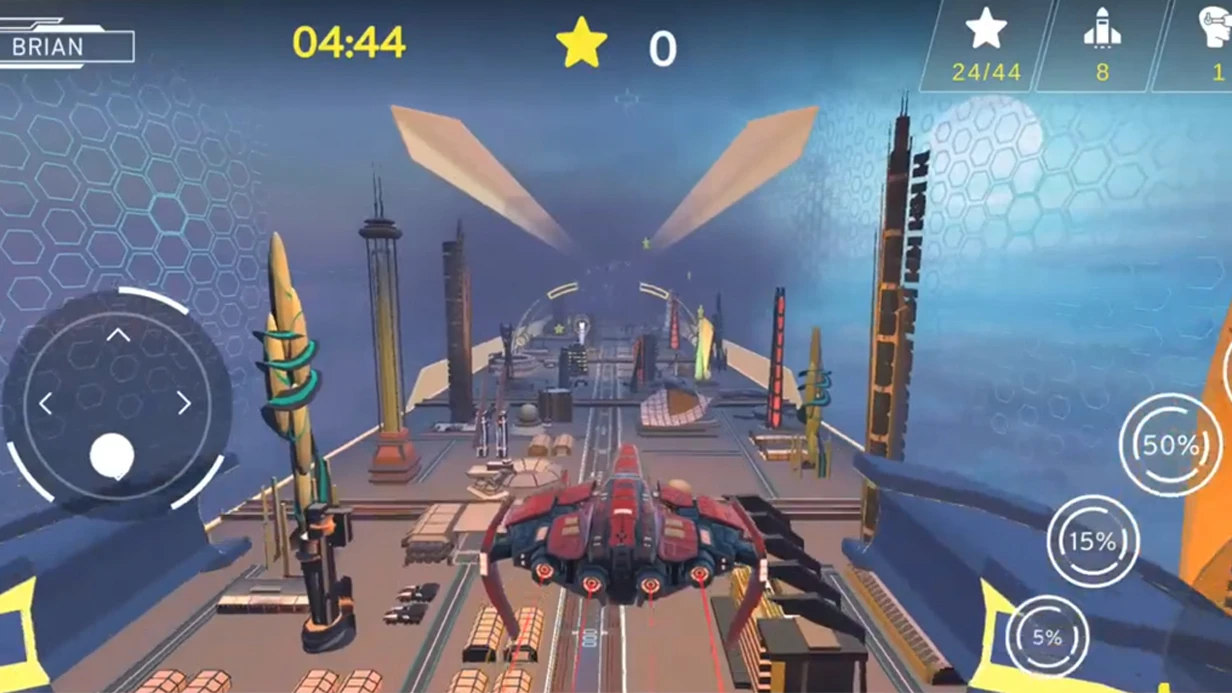
כדי לבדר אורחים במסיבת חברה או פסטיבל, אזור צילום עם אפקטים וירטואליים או קווסט מונחה גיאולוקציה דרך המקום עובד היטב.
לאחר מכן, העריכו את המיקום: שטח, תאורה, תנועת רגלים, בטיחות. באזור מעבר, אתם צריכים פורמט שתופס תשומת לב תוך 10–15 שניות ואינו דורש התעמקות ארוכה.
באזור המתנה, לעומת זאת, אפשר לבנות תסריט עמוק יותר — עם אוזניות, שליטה בתנועה ומספר שלבים.
סמני גיאולוקציה והנחיות ניווט עוזרים לשלב את המיצג בחלל כך שלא יחסום את זרימת האנשים ויהפוך לנקודת משיכה בעצמו.
אנחנו בוחרים את הפורמט למשימה ולמקום שלכם: אנחנו מנתחים מטרות, לומדים את המיקום והתנועה, ומציעים 2–3 אפשרויות עם הערכות עלות וזמן.
המהנדסים שלנו מתאימים את הפתרון למאפייני החלל ולמגבלות טכניות — כל מה שנשאר לכם הוא לאשר את הקונספט ולהתמקד במשימות שלכם.
בחירת הפורמט הנכון היא חצי מהקרב. ספרו לנו על המטרה והמיקום שלכם, ונציע פתרון שמספק תוצאות.