



אובדן לידים בתערוכות: למה תערוכת HoReCa צריכה ביתן VR
בתערוכת HoReCa, מאות מבקרים חולפים על פני הביתן שלך במשך שלושה ימים — בעלי מסעדות, שפים, רכשנים ומנהלים. רובם אפילו לא מאטים: סביבך עשרות דוכנים זהים עם פליירים, טעימות ומתנות.
בזרימה הזו, שיטות רגילות למשיכת תשומת לב כמעט לא עובדות: כרטיסי ביקור הולכים לאיבוד בכיסים, ושיחה קצרה נשכחת תוך שעה. כך תערוכה הופכת לפריט הוצאה במקום למקור לקוחות.
לידים בתערוכה הם לא האנשים שלקחו ברושור. הם אלה שזכרו את המותג שלך, הבינו את ההצעה שלך, ומוכנים לדון בשיתוף פעולה אחרי האירוע.
אבל כדי לקבל ליד כזה, אתה צריך לתפוס את תשומת הלב של המבקר למספר דקות, לא למבט של שלוש שניות.
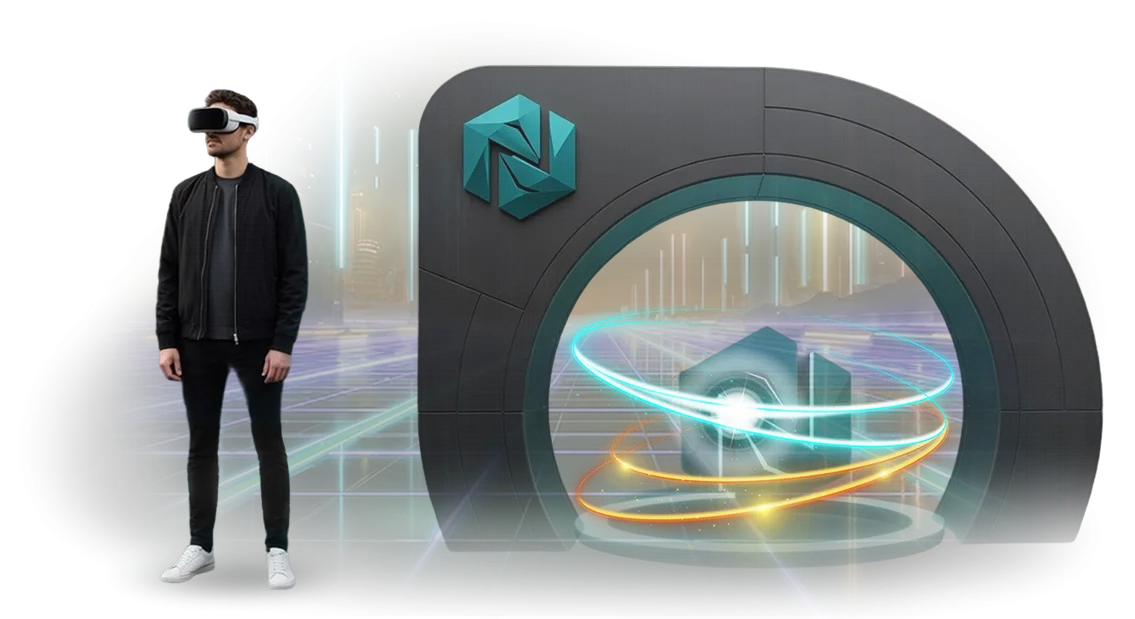
ביתן VR הוא הכלי היחיד שעוצר אדם פיזית: הם שמים משקפת, נכנסים ל"עולם" שלך, וחווים רגש שטקסט או מסך לא יכולים לספק.
בדיוק בגלל זה ביתן VR בתערוכת HoReCa פותר את בעיית הלידים האבודים במקום. טבילה במסעדה וירטואלית, מטבח או ציוד יוצרת אפקט נוכחות ומחזיקה תשומת לב פי 5–7 יותר משיחה רגילה.
במהלך הזמן הזה, אתה יכול ללמוד את פרטי הקשר של האורח, הצרכים והתקציב שלו, והמבקר עוזב לא עם כרטיס ביקור אלא עם זיכרון חי של החברה שלך.
אחרי התערוכה, רשמים כאלה ממשיכים לעבוד: המשתתפים מדברים על הביתן עם עמיתים, משתפים סרטונים, וחוזרים אליך לפרטים נוספים. זה הופך מגעים חד-פעמיים לפניות חוזרות ולהכנסה ישירה.
ביתן VR הוא לא רק בידור בתערוכה — הוא כלי שאוסף לידים חמים ושומר על המותג שלך מוכר הרבה אחרי שהאירוע נסגר.
מה ביתן VR נותן למותג שלך בפורום מסעדות
בפורום מסעדות, עשרות דוכנים מתחרים על תשומת הלב של המבקרים. במשך 3–4 שעות חשיפה, אורח חולף על פני רוב התערוכות, ועוצר רק באלה שמספקות רושם בולט.
ביתן VR הוא בדיוק רושם כזה: הוא עוצר את הזרימה, יוצר תור, והופך צופים פסיביים למשתתפים פעילים.
מציאות מדומה אינטראקטיבית עובדת למען המטרה המרכזית של הביתן — מגע עם לקוח פוטנציאלי. כשאדם שם משקפת, הוא שקוע לגמרי בעולם שלך למשך 2–3 דקות.
הזמן הזה שייך לך: המבקר לא מוסח על ידי הטלפון שלו, לא ממהר לדוכן הבא, וחי את התרחיש שבנית.
זרימת מבקרים
אזור VR נראה מרחוק ומעורר סקרנות — אנשים ניגשים, צופים ומחכים לתורם. זה יוצר חלון ראווה טבעי: תמיד יש אנשים סביב הביתן, מה שמושך אורחים חדשים. ביום אחד, נקודה כזו מושכת פי כמה יותר מבקרים מדוכן ברושורים סטנדרטי.
התאמה לקהל היעד שלך
אנחנו מתאימים את התרחיש לצרכים של עסקי המסעדנות: סיור וירטואלי במטבח שלך, הצגת ציוד חדש, טעימות "חתך" של מנות, או הדרכת צוות.
המבקר רואה בדיוק את מה שאתה רוצה להשתמש בו כדי לעניין אותו, ועוזב עם הבנה קונקרטית של המוצר שלך, לא עם "זה היה מעניין" מעורפל.
איסוף פרטי קשר
המתקן ה-VR אוסף בעדינות נתוני משתתפים: לפני הטבילה, האדם משאיר כרטיס ביקור או סורק קוד QR. אחרי התערוכה, אתה מקבל מאגר של מבקרים מתעניינים עם הערות על תחומי העניין שלהם. אלה לידים מוכנים לצוות המכירות שלך — מגעים חמים בלי שיחות קרות.
הכרת המותג
אורחים מדברים על הרושם החי של ביתן VR ומשתפים אותו ברשתות החברתיות. תמונות וסרטונים ממציאות מדומה מתפשטים בערוצים, ומוסיפים חשיפה למותג שלך שממשיכה לעבוד הרבה אחרי שהפורום מסתיים. כל משתתף הופך לשגריר של המותג שלך.
אנחנו דואגים שביתן VR פותר את הבעיה העסקית שלך: הוא מושך את האנשים הנכונים, מעסיק אותם, ומשאיר לך פרטי קשר להמשך עבודה. ספר לנו אילו מבקרים חשובים לך — ואנחנו נציע תרחיש שיביא אותם לביתן שלך.
פורמטים של מתקני VR לתערוכות ואירועים
בתערוכת מסעדות או פורום תעשייתי, אורח צריך רק כמה שניות כדי להחליט אם לגשת לדוכן. דוכני ברושורים רגילים נמוגים ברקע, בעוד מתקן VR עוצר תשומת לב ומחזיק את המבקר למספר דקות. בזמן הזה, אתה יכול להציג מוצר, להדגים טכנולוגיה, או לאסוף פרטי קשר.
פורמט אזור ה-VR נבחר לפי שטח הרצפה הזמין, מטרות הביתן וזרימת המבקרים הצפויה. אנחנו עובדים עם תצורות שונות — מאזורים מלאים עם מספר עמדות ועד פתרונות קומפקטיים שמתאימים לדוכן קטן. להלן ארבעה פורמטים בסיסיים שמכסים את רוב מטרות האירוע.
| פורמט מתקן VR | הכי מתאים ל | מה הוא מספק ללקוח |
|---|---|---|
| אזור VR עם מספר עמדות | דוכנים גדולים, אזורים מרכזיים | תפוקה גבוהה: אין הצטברות תורים, כל אורח מקבל חוויה מלאה |
| עמדת VR קומפקטית | דוכנים עד 20 מ"ר, אזורים עם תנועה גבוהה | מושך תשומת לב עם טביעת רגל מינימלית, משתלב בקלות בדוכן קיים |
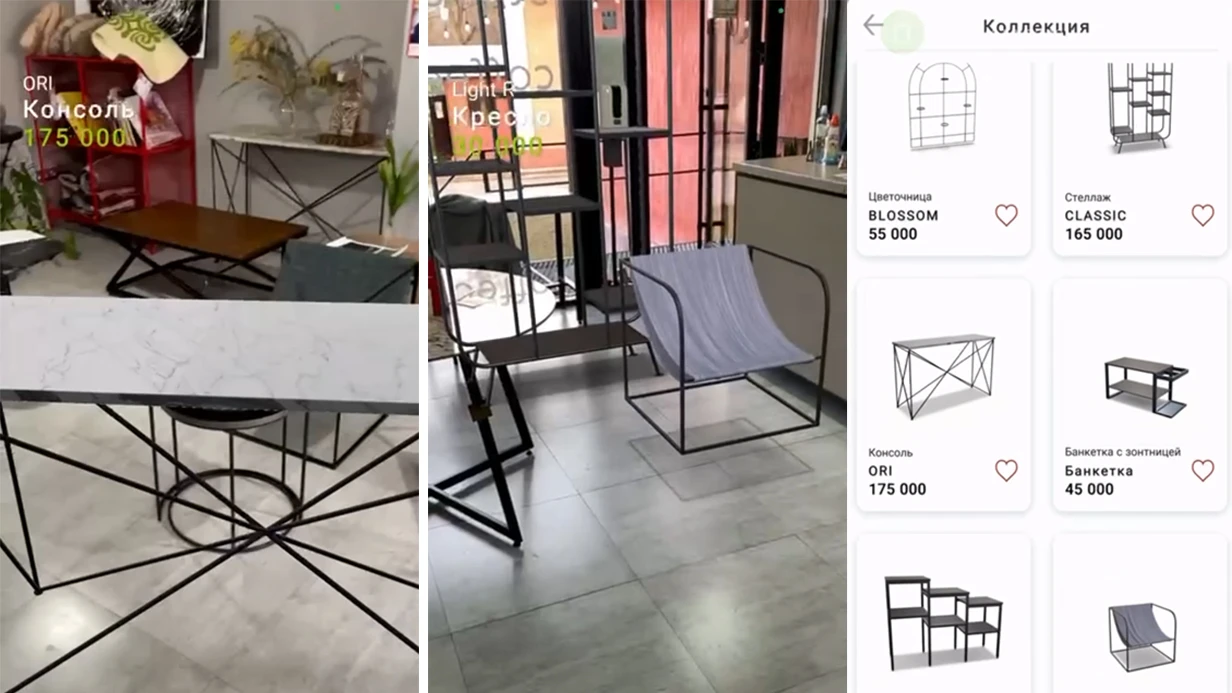
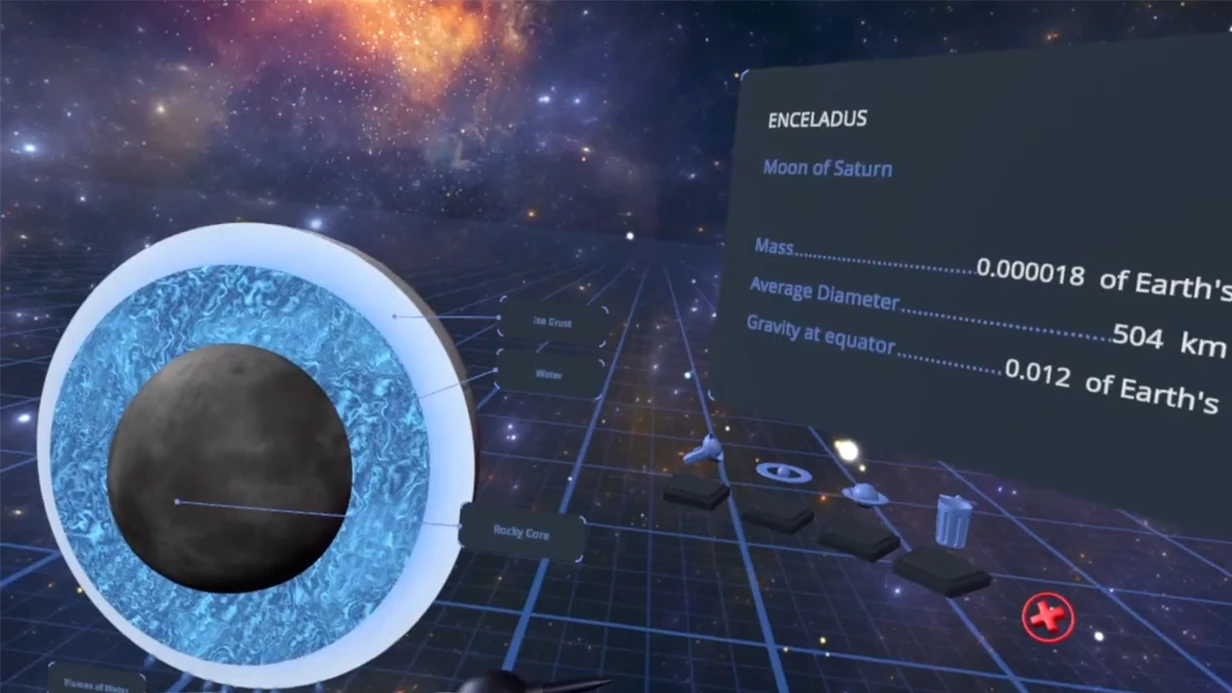
| סימולטור VR עם תרחיש ריאלי | יצרני ציוד, רשתות מסעדות, מפתחים | האורח "בודק" את המוצר בפעולה: מטבח, אולם מסעדה, מלון — זה מגביר עניין ומספר הפניות |
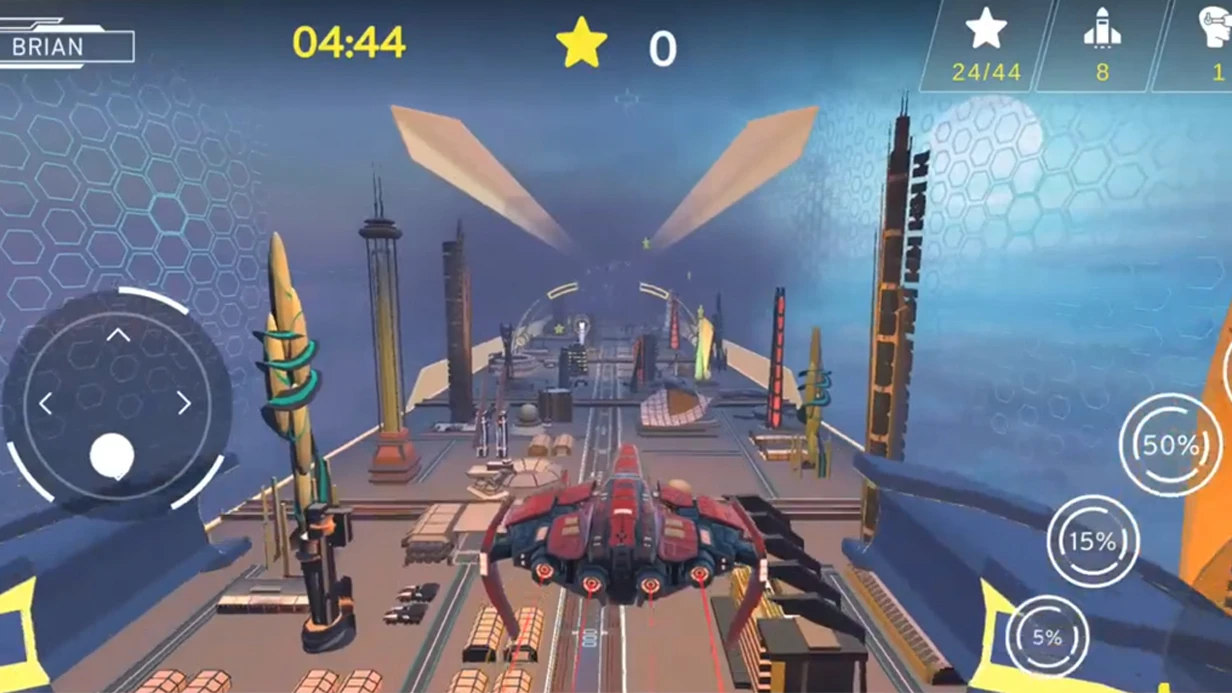
| משחק VR תחרותי | מותגים שצריכים חשיפה רחבה ברשתות החברתיות | התרגשות, רגשות ותמונות/סרטונים: משתתפים משתפים תוכן מהביתן בעצמם |
כל פורמט כולל סיוע של מפעיל ומעבר מהיר בין תרחישים: אתה מריץ הדגמה של מוצר אחד, ואז עובר לאחר תוך שעה. כך אותו ביתן VR משרת מטרות שונות — משיכת מבקרים, הצגת מוצר, או איסוף פרטי קשר.
איך אנחנו יוצרים ביתן VR: 6 שלבים מבריף ועד השקה
אנחנו עוקבים אחרי תהליך שקוף כדי שתבין מה קורה בכל שלב ומתי תקבל את התוצאה. אין "קופסאות שחורות": אתה תמיד יודע מי אחראי על מה ואיפה עומד הפרויקט.
- בריף והבנת המשימה. אתה מספר לנו על מטרות הביתן, הקהל ופורמט האירוע. אנחנו שואלים שאלות הבהרה, מציעים רעיונות ומגדירים קריטריוני הצלחה — כדי שננוע בכיוון הנכון מההתחלה.
- קונספט ותסריט. בהתבסס על הבריף, אנחנו מכינים תיאור של חווית ה-VR: מה המבקר רואה ועושה, כמה זמן נמשכת הפעולה, ואילו רגשות הוא מקבל. אנחנו מסכמים על הזרימה הסיפורית — זה הבסיס לכל העבודה הנוספת.
- אישור תכנון ועיצוב. אנחנו מראים לך איך ייראה אזור הביתן: מבנה, מיקום ציוד, גרפיקה ותאורה. אנחנו מבצעים התאמות כך שהביתן יתאים למותג שלך וללוגיסטיקה של המקום.
- פיתוח והרכבה. אנחנו בונים את תוכן ה-VR והממשק על ציוד מקצועי ומגדירים את התוכנה. אנחנו מריצים בדיקות פנימיות כדי שהכל יעבוד ביציבות ובלי תקלות עד המסירה.
- השקת ניסיון וחזרה. כמה ימים לפני האירוע, אנחנו מקימים את הביתן ובודקים את כל התרחישים בתנאי עבודה. אתה מגיע לסשן ניסיון, רואה את התוצאה ונותן אישור סופי.
- השקה ותמיכה בשטח. ביום האירוע, הצוות שלנו נשאר בקרבת מקום: עוזר למבקרים, מפקח על הציוד ופותר בעיות במהירות. אתה מטפל במשימות שלך בזמן שהביתן עובד בלי מעורבותך.
התהליך הזה חוסך לך זמן ומבטל הפתעות. אתה מקבל ביתן VR עובד בדיוק בזמן לפתיחת התערוכה — עם מקום לחזרות ובלי כיבוי שריפות ברגע האחרון.
מה כלול בחבילת ביתן VR לתערוכת HoReCa
כשאתה מזמין מאיתנו ביתן VR לתערוכת HoReCa, אתה מקבל לא אוסף של שירותים נפרדים אלא פתרון מוכן ומפתח — מציוד ועד צוות.
החבילה כוללת את כל מה שצריך כדי שמבקרים יתחילו ליצור אינטראקציה עם התוכן בתוך הדקות הראשונות אחרי הפתיחה, בזמן שאתה לא צריך לדאוג לצד הטכני.
- ציוד: עמדות VR/AR מקצועיות, מוכנות ונבדקות לפני היציאה. הכמות נבחרת לפי התנועה הצפויה, עם יחידות רזרבה במקרה של תקלה.
- תוכן מותאם אישית: סיור וירטואלי במטבח, מצגות אינטראקטיביות של מנות, סימולציית עריכת שולחן או הדרכת צוות — נוצר במיוחד למטרות המותג שלך.
- התקנה והגדרה: אנחנו מספקים, מקימים את המבנים, מכוונים תאורה וסאונד, ובודקים הכל לפני פתיחת התערוכה.
- הדרכת צוות או מפעילים שלנו: אנחנו מאמנים את העובדים שלך להפעיל סשנים, או שאנחנו מפעילים את הביתן בעצמנו לאורך כל האירוע.
- תמיכה במהלך התערוכה: סיוע טכני מפתיחה ועד סגירה, עם החלפת ציוד מהירה במקרה של תקלה.
- פירוק והובלה: אחרי הפורום, אנחנו אורזים בקפידה את הציוד ולוקחים אותו בלי מעורבותך.
- דוח לאחר האירוע: מספר סשנים, זמן אינטראקציה, עניין מבקרים — נתונים שעוזרים לך להעריך את האפקטיביות של השתתפותך בתערוכה.
זה נותן לך נקודת אחריות אחת לתוצאה. אנחנו מכסים את כל השלבים — מרעיון ועד מספרים בדוח — בזמן שאתה מתמקד במשא ומתן ובתקשורת עם שותפים.
מקרה בוחן: איך ביתן VR הביא 1,200 אנשי קשר בפורום מסעדות
בפורום מסעדות, מאות משתתפים מתחרים על תשומת הלב של המבקרים: דוכנים סטנדרטיים, טעימות, מקדמים עם פליירים. אחרי שעה, אורחים כבר לא מבחינים בין מותגים — העיניים שלהם מזוגגות, ואפילו מוצר מעניין הולך לאיבוד ברעש.
הצענו מהלך לא שגרתי לרשת המסעדות Gastronomika — ביתן VR עם סיור וירטואלי במטבח החדש שלהם וטעימה אינטראקטיבית של המנה הדגלית שלהם.
מבקר שם משקפת ומוצא את עצמו בתוך המסעדה: חוקר פרטים, מציץ לכל פינה, ואז "מבשל" את המנה בהדרכת השף. זה לא רק בידור — זו דרך להציג מוצר כך שיזכרו אותו.
תוצאות
במשך יומיים של הפורום, יותר מ-1,200 אורחים ביקרו בביתן, וכל אחד השאיר פרטי קשר — פי כמה יותר משכנים שהשתמשו בחלוקת חומרים מסורתית.
והכי חשוב, אלה לא היו עוברי אורח אקראיים: רובם היו בעלי מסעדות ומנהלים שבאו לחפש פתרון קונקרטי לעסק שלהם.
כתוצאה מכך, צוות המכירות קיבל רשימה חמה לשיחות, והמותג קיבל תדמית בלתי נשכחת כחברה חדשנית. הרשת הזמינה ביתני VR לשני האירועים התעשייתיים הבאים והרחיבה את קהל היעד שלה בלי להגדיל את תקציב הפרסום.
המקרה הזה מאשר: בתערוכה תעשייתית, מתקן VR עובד כמו מגנט לאנשי הקשר הנכונים.
שאלות נפוצות על ביתני VR לתערוכות
פיתוח ביתן VR לתערוכה תמיד מעלה שאלות על לוחות זמנים, אמינות וגמישות תוכן. הנה איך אנחנו מטפלים בחששות האלה כדי שתקבל את התוצאה בזמן ובלי הפתעות.
כמה זמן לוקח להכין ביתן VR?
המחזור הסטנדרטי הוא שבועיים עד ארבעה שבועות. השבוע הראשון מוקדש לבריף וליצירת אב טיפוס של התרחיש, ואחריו בניית החלל והגדרת הציוד. הסיום הוא יום בדיקה עם הצוות שלך במקום.
אם התערוכה בעוד עשרה ימים, זה גם אפשרי. אנחנו לוקחים על עצמנו פרויקטים כאלה כשהתרחיש ברור והתוכן מוכן חלקית. במקרה כזה, אנחנו מקצרים את שלב האישורים ועובדים במקביל. המפתח הוא לקיים את הבריף ביום הראשון.
מה אם הציוד יתקלקל ביום הפתיחה?
מערכת היתירות שלנו מטפלת בזה: כל ביתן VR מגיע עם סט רזרבי של רכיבים מרכזיים. אם משהו מתקלקל, החלפה אורכת לא יותר מעשר דקות בלי לעצור את פעולת הביתן.
בנוסף, המהנדס שלנו תמיד נמצא בשטח בשעות הראשונות. הם עוקבים אחרי ההגדרות, בודקים את מצב המערכת ומפקחים על תור המבקרים. אתה יכול לעסוק בשלווה במשא ומתן ובמשימות שלך — אנחנו אחראים על הצד הטכני.
האם אפשר להתאים את התוכן לפרטי ה-HoReCa שלך?
כן, וזה המומחיות שלנו. אנחנו יוצרים תרחישים לפורמטים של תערוכות מסעדות: סיור וירטואלי במטבח מסעדה, מסע טעימות בין מנות, הדרכת צוות דרך מודולים אינטראקטיביים, והדגמות של קונספט מוסד עתידי.
התוכן מותאם למטרות הביתן שלך. אם אתה רוצה להחזיק מבקרים יותר זמן, אנחנו מוסיפים אלמנטים משחקיים. אם אתה צריך לעניין שותפים, אנחנו מדגישים מספרים והזדמנויות מסחריות. אנחנו מתאימים את כל החומרים למותג ולסגנון שלך.
איך נדע אם המבקרים אהבו את ביתן ה-VR?
אחרי כל סשן, המערכת מתעדת את משך הטבילה, מספר התרחישים שהושלמו וביקורים חוזרים בביתן. אנחנו מרכיבים את הנתונים האלה לסיכום פשוט עבורך.
כתוצאה מכך, אתה רואה לא רק את מספר האורחים אלא עניין אמיתי במוצר. לדוגמה, אם יותר ממחצית המבקרים משלימים את התרחיש עד הסוף וחוזרים עם חברים, הביתן עובד לבניית זיכרון מותג ודיון ברשתות החברתיות. האנליטיקה הזו שימושית לדיווח להנהלה ולתכנון האירוע הבא.
תרצה לדון בתרחיש שלך? כתוב לנו — נראה דוגמאות של ביתני VR לתערוכות מסעדות ונחשב לוחות זמנים לתאריך שלך.איך לבחור ביתן VR למשימות לא סטנדרטיות
משימות לא סטנדרטיות הן תמיד על מטרות, לא על טכנולוגיה.
בתערוכת HoReCa, למשל, ביתן VR נחוץ לא כדי "להדהים עם VR" אלא כדי להציג פורמט מסעדה: להוביל את האורח דרך אולם עתידי, להדגים הגשת מנות, או להציג את הקונספט של פרויקט חדש.
אם ניגשים לבחירה באופן פורמלי, קל לסיים עם מתקן יקר שמושך תור אבל לא מוביל להזמנות.
הבחירה מתחילה בייעוץ: אנחנו מנתחים מה האורח צריך לעשות בסביבה הווירטואלית ואיך זה משפיע על העסק שלך.
אנחנו יכולים להקים אזורים נייחים לטבילה מלאה או משקפיים ניידים קומפקטיים לסשנים מהירים — זה תלוי בזרימת המבקרים, בגודל הביתן ובזמן שאדם מוכן להשקיע איתך.
לפורום מסעדות, מהירות חשובה: כמה שיותר לקוחות פוטנציאליים צריכים לעבור את חווית ה-VR ביום, לא 20 אנשים שמבלים 10 דקות כל אחד.
בחירה נכונה גם לוקחת בחשבון אילוצי מקום: תנועת רגליים, רעש ותאורה.
המומחה שלנו שואל כמה שאלות בהתחלה, מציע 2-3 אפשרויות תרחיש, ועוזר לך להעריך אותן מנקודת מבט שיווקית — מה העסק שלך ירוויח, אילו אנשי קשר תאסוף, ואיך תמדוד את התוצאה. זה ייעוץ חינמי שחוסך לך תקציב ולוח זמנים.
בסופו של דבר, אתה מקבל ביתן VR שפותר משימה ספציפית לעסק שלך: הוא מושך תשומת לב, מעסיק מבקרים, והופך עניין לפניות.
גם אם המשימה שלך לא סטנדרטית ואתה לא יודע מאיפה להתחיל — בוא אלינו עם תיאור המצב, ואנחנו נציע את הפורמט.
אם אתה לא בטוח איזו אפשרות הכי מתאימה לך, התחל בייעוץ קצר. נספר לך איך משימות דומות נפתרו בתערוכות ובמוזיאונים אחרים, ונמצא פתרון שעובד לתוצאה שלך.
קבל הערכת עלות לביתן VR לאירוע שלך
לכל אירוע יש קהל, מקום ומטרות משלו.
בגלל זה אין לנו מחירון אחיד: אנחנו עושים הערכת עלות אישית לביתן VR לפי הפורמט שלך, מספר האורחים והמטרות שלך — מהגדלת מודעות למותג ועד יצירת נקודת משיכה בתערוכת HoReCa.
ההערכה כוללת את עלות הציוד, ההתקנה והתמיכה, כך שאתה מבין את התקציב והתוצאה הצפויה מראש.
השאר בקשה באתר או כתוב לנו בהודעה — נשלח לך הערכת עלות תוך יום עסקים אחד. במהלך שיחת היכרות, נבהיר את פרטי האירוע שלך ונציע אפשרויות יישום.
אחרי הדיון, נכין הצעה מסחרית עם לוחות זמנים מדויקים והיקף העבודה, ואז ניקח את הפרויקט על בסיס מפתח.
הערכת העלות לאירוע שלך תכלול:
- חישוב עלות מותאם לתקציב שלך: נבחר את תצורת הביתן בלי אפשרויות מיותרות.
- פורמט למקום שלך: מאזור VR קומפקטי ועד ביתן בקנה מידה מלא עם תור ייעודי.
- שילוב בתוכנית האירוע: נתחשב בלוח הזמנים, בזרימת האורחים ובאזורים שכנים.
- תוכנית טכנית והתקנה: נקים, נבדוק ונשיק את ביתן ה-VR בזמן.
- תמיכה בשטח ביום האירוע: מנהלים וטכנאי במקום.
- אנליטיקה לאחר התערוכה: דוח על חשיפה, זמן שהייה באזור ומשוב מבקרים.
שלח לנו קישור לאתר שלך ותיאור האירוע — נחשב את העלות ונכין תוכנית למשימה שלך. זה לא מחייב, אבל תקבל תקציב ברור וצעדים ברורים לפני ההשקה. אנחנו גם נייעץ לך איך לשלב ביתן VR בתוכנית האירוע שלך.