



אורחים חולפים על פני הביתן שלך בכנס סייבר?
בכנס סייבר, תשומת הלב של המשתתפים מפוזרת: הרצאות, פגישות, לוח זמנים עמוס. אפילו ביתן מואר עם מתנות עוצר אותם רק לדקה — ואז הם ממשיכים לנקודה הבאה.
בסופו של דבר, תקציב ההשתתפות לא מספק את החשיפה המצופה, והמותג הולך לאיבוד בין עשרות תערוכות דומות.
הבעיה אינה מספר המבקרים — אלא עומק המגע. חומרים סטנדרטיים והדגמות לא מאפשרים לאף אחד לנסות משהו אישית, ולכן הם לא זוכרים לא את החברה ולא את הפתרון שלה.
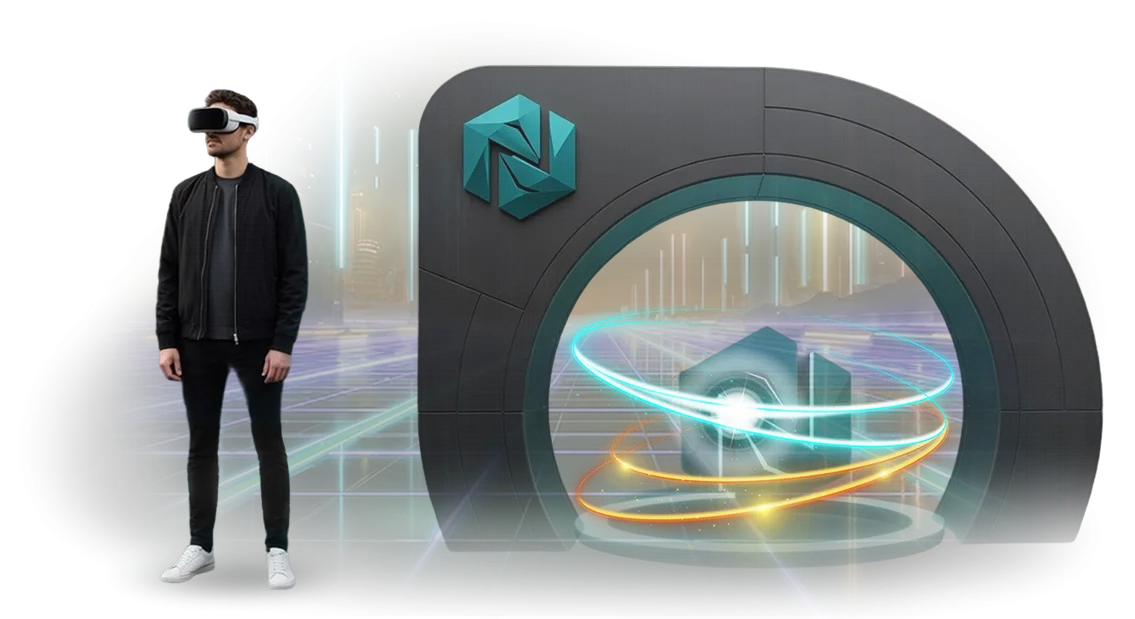
ביתן VR לכנס משנה את הדינמיקה: המשתתף נכנס בעצמו לתוך התרחיש, חוקר איומים, דוחה התקפות ורואה את המוצר בפעולה.
ביתן אינטראקטיבי כזה הופך למגנט — נוצר תור, וכל משתתף מבלה כמה דקות בביתן במקום כמה שניות.
לנושאי סייבר זה חשוב במיוחד. VR יכול להראות בצורה חיה כיצד פועלת ההגנה, אילו סיכונים חבויים בפעולות היומיומיות של עובד, ולמה המוצר שלך סוגר את האיומים האלה.
מעורבות חווייתית משאירה רושם רגשי שמאוחר יותר נקשר למותג שלך. אחרי סשן VR קצר, האדם מתחיל את השיחה בעצמו, שואל שאלות ומשאיר פרטי קשר — זה כבר לא צפייה פסיבית אלא דיאלוג מעוניין.
אנחנו מתכננים ומיישמים ביתני VR למטרות הספציפיות של כל אירוע: אנחנו עוזרים להגדיר את התרחיש, להכין את הציוד ולהבטיח פעולה חלקה לאורך כל היום. אתה לא צריך להבין בפרטים טכניים — אנחנו מטפלים בהשקה ובתמיכה.
כתוצאה מכך, הביתן ממשיך לעבוד למען ההכרה במותג שלך הרבה אחרי שהכנס מסתיים: המשתתפים משתפים התרשמויות, מפרסמים תמונות וסרטונים ומזכירים את המותג ברשתות החברתיות. זה בדיוק מה שהופך השתתפות בכנס לתוצאה שיווקית מדידה.
מה ביתן VR נותן לאורחים שלך ולמותג שלך
אורחי כנס סייבר מגיעים בשביל ערך, לא בשביל אוסף של ברושורים. זרם המידע עצום: הרצאות, דיונים, עשרות ביתנים. כמה ימים אחר כך, המשתתפים זוכרים רק את נקודות השיא — והמותג שלך מסתכן שלא יהיה ברשימה שלהם.
ביתן VR משנה את מכניקת האינטראקציה באמצעות מעורבות אורחים. במקום צפייה פסיבית, המשתתף מרכיב משקפיים ועובר תרחיש שקשור למוצר שלך בעצמו.
החוויה הזו עובדת ברמה הרגשית — זה מה שהופך מבקר אקראי לבן שיח מעוניין.
רגשות מגבירים ישירות את ההכרה במותג. אחרי הסשן, האורח משתף את החוויה עם עמיתים ומפרסם תמונות ברשתות החברתיות. כל אזכור עובד עבורך אחרי הכנס ועולה פחות מפרסום מסורתי.
ערך נפרד של הביתן הוא איסוף אנשי קשר. סשן VR מחזיק את האורח כמה דקות, ובמשך כל הזמן הזה הם ממוקדים במוצר שלך. ביציאה, אתה מקבל לא רשימה אקראית אלא לידים חמים שמוכנים לדבר על הטמעה.
לתעשיית האבטחה, אינטראקטיביות עם המוצר חשובה במיוחד. במקום שקופיות, אתה יכול להראות איך הפתרון שלך דוחה התקפה — האורח חווה את הפורמט הזה בעצמו.
המשתתף רואה בבירור את האיום ואת התוצאה של עבודת המוצר, וזה נזכר בצורה משכנעת יותר מכל מצגת.
במהלך השנים, יצרנו מתקני VR לעשרות אירועים עסקיים ואנחנו יודעים איך לוודא שהביתן שלך לעולם לא יעמוד ריק. אנחנו לוקחים על עצמנו קונספט, הפקה ותמיכה — כל מה שאתה צריך לעשות זה להזמין אורחים.
פורמטים של מתקני VR לכנס סייבר
מבקרי כנס סייבר מתעייפים משקופיות והרצאות — הם רוצים לנסות הגנה מפני איומים בפועל. VR ו-AR הופכים נושא מופשט לחוויה אישית: המשתתף נכנס להתקפה, מחפש נקודות תורפה ומקבל החלטות בעצמו.
זה תופס תשומת לב, יוצר תמונות מרשימות ודיונים — בדיוק מה שמארגנים ושותפים צריכים.
אנחנו בוחרים את הפורמט למטרה שלך: לחזק את התדמית, להכשיר עובדים או להפתיע אורחים. להלן אפשרויות סטנדרטיות שאנחנו מתאימים לנושא האירוע.
| פורמט | למי זה מיועד | מה זה נותן ללקוח |
|---|---|---|
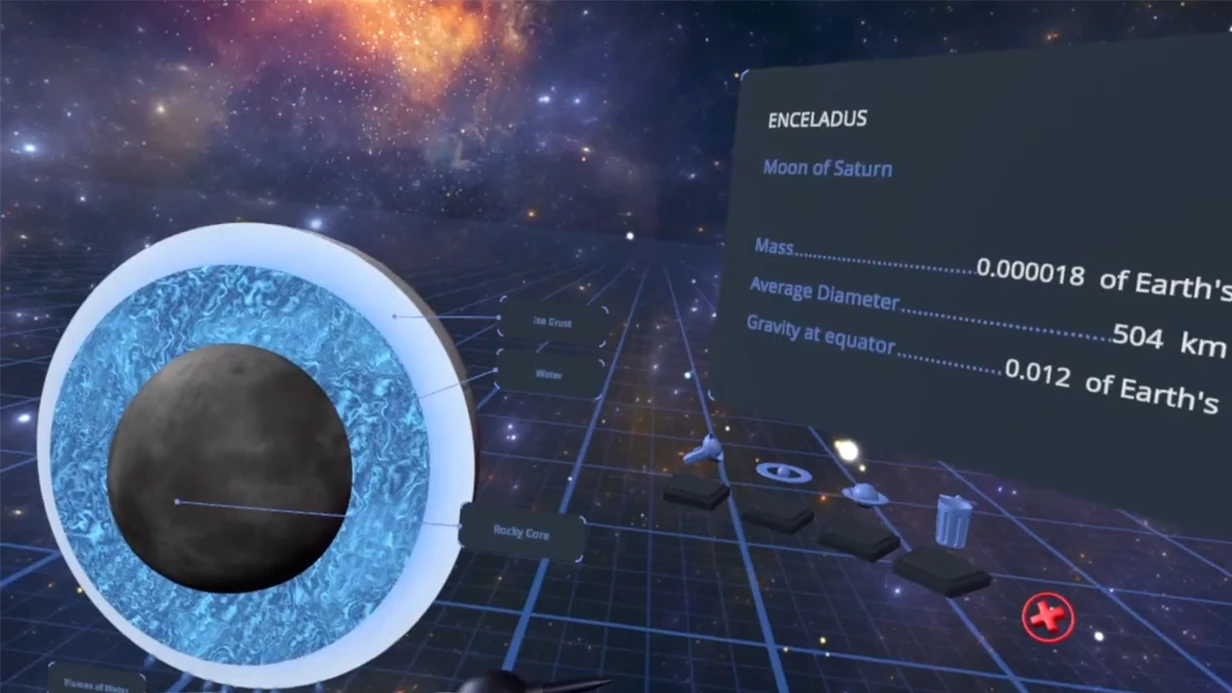
| מאמן תגובה להתקפות VR | לתדמית והכשרה | אורחים חווים תרחיש פריצה והגנה — החומר נזכר טוב יותר מכל הרצאה |
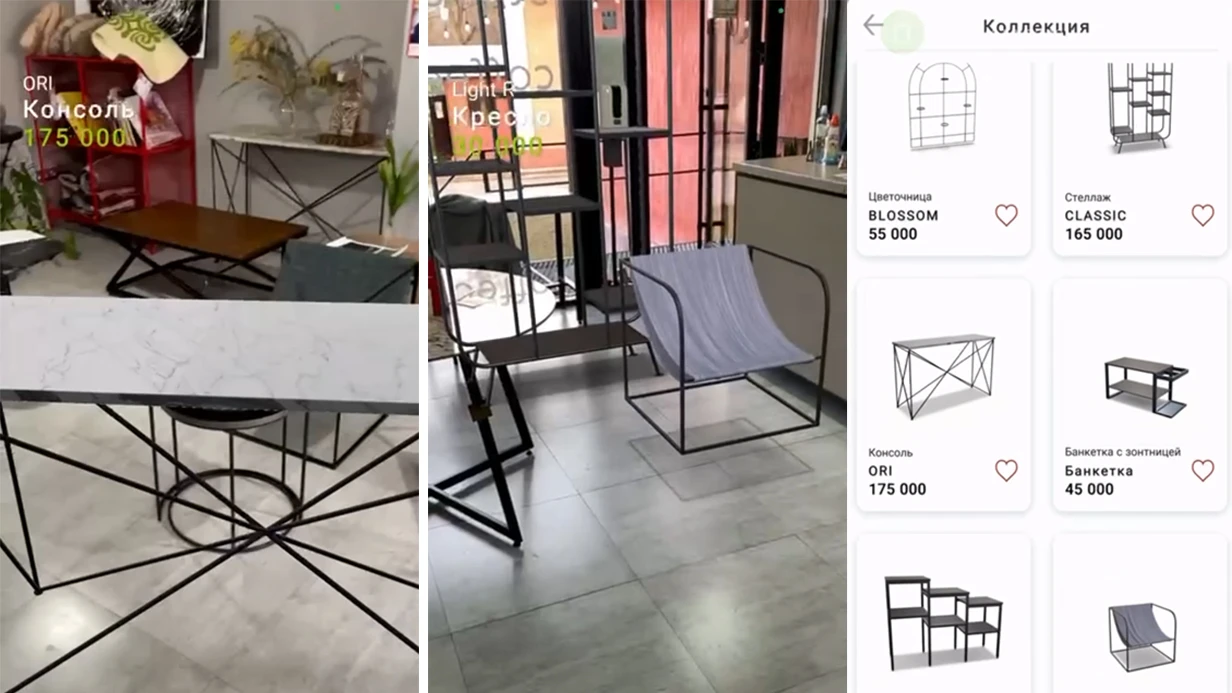
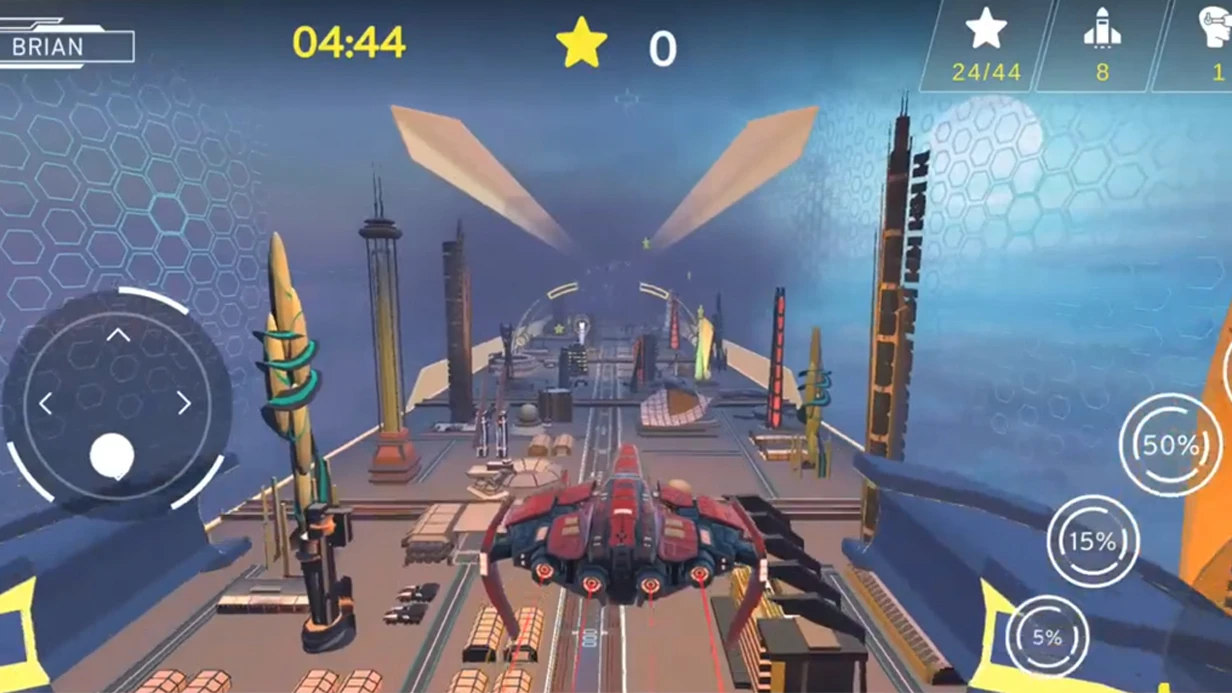
| מסע ציד נקודות תורפה ב-AR | למעורבות ובידור | משתתפים חוקרים את אזור הביתן דרך סמארטפונים, צוברים נקודות ופרסים — הזמן בביתן גדל |
| סיור וירטואלי במשרד או מרכז נתונים מאובטח | לשותפים ואורחים B2B | "מבט פנימה" בטוח על התשתית — בונה אמון ומעמד מומחה |
| סימולציית VR של פישינג והנדסה חברתית | למשאבי אנוש והכשרת עובדים | עובדים רואים בפועל איך פתיחת אימייל מסוכן מובילה לדליפה — השפעה חינוכית גבוהה |
ניתן לשלב פורמטים: למשל, מאמן VR לטבילה עמוקה ומסע AR להתחלה קלה. זה יוצר זרם מבקרים, מפחית תורים ונותן לכל אורח תרחיש השתתפות משלו.
המפתח הוא להגדיר במדויק את מטרת הביתן — ואנחנו נייעץ איזה פורמט ישיג אותה בצורה הטובה ביותר.
איך מתנהלת העבודה על ביתן VR: מהבריף ועד ההשקה
ההצלחה של ביתן VR בכנס סייבר תלויה לא רק ברעיון אלא גם באופן שבו בנויים שלבי פיתוח ה-VR. אנחנו עובדים בתוכנית שקופה שבה אתה רואה כל שלב, שולט בלוחות זמנים ומבין מה אתה מקבל תמורת הכסף שלך.
- בריף לביתן. אנחנו צוללים לתוך המשימה שלך: כמה מבקרים למשוך, על מי להרשים, איזה מסר להעביר. אנחנו מתעדים ציפיות ומגבלות — זה נותן לפרויקט כיוון נכון מההתחלה.
- קונספט ותוכנית. אנחנו מכינים את הרעיון: תרחיש, אינטראקציה, מסע המבקר. אנחנו מציגים אבטיפוס ומציינים לוחות זמנים ותקציב.
- אישור. אנחנו מציגים את עיצוב הביתן והלוגיקה. אתה עורך שינויים, אנחנו מסיימים את החומר — בלי הפתעות ביום ההשקה.
- יישום. אנחנו יוצרים סצנות וירטואליות, מגדירים מכניקות ומרכיבים ציוד. אנחנו בודקים עמידות לעומס כדי שהביתן יפעל ביציבות בשעות השיא של הכנס.
- בדיקות והכנת צוות. אנחנו עורכים חזרה טכנית ומכשירים את הצוות שלך או מביאים צוות משלנו. אנחנו מתאמנים על מצבים סטנדרטיים ולא סטנדרטיים — כדי שהכל יעבוד חלק ביום האירוע.
- השקת ביתן VR ותמיכה. ביום הכנס, אנחנו שם: עוזרים למבקרים, מפקחים על הציוד ופותרים בעיות. אתה מטפל בשלווה במשא ומתן ובשיחות עם אורחים.
בסופו של דבר, אתה מקבל ביתן שמושך תור ועובד להכרת המותג. אחרי האירוע, אתה מקבל מדדי פעילות ותובנות לפרויקטים עתידיים.
מה כלול במסירת ביתן VR: ערכה לאירוע שלך
ביתן VR לכנס הוא לא רק משקפיים וכמה טכנאים. אנחנו מביאים פתרון מוכן שעובד מהשעה הראשונה של האירוע שלך ונשאר כלי אמין לאיסוף אנשי קשר ורשמים לאחר מכן.
החבילה הבסיסית כוללת את כל מה שצריך כדי להשיק את המתקן ללא מעורבות הצוות שלך:
- ציוד ואביזרים. ערכות VR מקצועיות בכמות הנדרשת, מכוילות ונבדקות לפני המשלוח. החומרה מוכנה לסשנים חוזרים — מנהלים לא מוסחים מהתקנה.
- תוכן מותאם אישית לנושא האירוע. לכנס סייבר, אנחנו מכינים תרחיש שמציג את הפתרונות שלך בפעולה — מהגנת היקף ועד תגובה לאירועים. אורחים לא משחקים משחק; הם מכירים את המוצר.
- הרכבה באתר ובדיקות טכניות. אנחנו מגיעים מוקדם, בונים את המבנה ובודקים תאורה, סאונד ובקרות. אתה מקבל אזור מוכן, לא אתר בנייה.
- צוות לכל האירוע. המפעילים שלנו מקבלים אורחים, עוזרים בכיול ומנהלים את התור והציוד. העובדים שלך ממשיכים בעבודתם שלהם.
- תמיכה באתר והחלפה מהירה במקרה של תקלות. אם משהו משתבש — ערכות גיבוי באתר ומומחה בקרבת מקום שפותר את הבעיה תוך דקות.
- סקירה לאחר האירוע. אנחנו מוסרים סטטיסטיקות: כמה אנשים השלימו את התרחיש, כמה זמן הם שהו בביתן ואילו רגעים עוררו עניין. הנתונים האלה שימושיים לדיווח ולתכנון הפעילות הבאה.
בסופו של דבר, אתה מקבל כלי עבודה למשיכת תשומת לב, לא ערימת חומרה שאתה צריך להרכיב ולתחזק בעצמך. כל מה שאנחנו צריכים ממך הוא המקום והזמן; אנחנו מטפלים בשאר.
מקרה בוחן: ביתן VR בפורום תעשייתי
כשהמארגנים של פורום הסייבר Security Day פנו אלינו, המטרה שלהם הייתה לגרום לביתן שלהם לבלוט בין עשרות משתתפים ולהחזיק את תשומת הלב של קהל עסקי ליותר משלוש דקות.
חומרי קידום סטנדרטיים ואזורי צילום עם לוגו כבר לא עובדים — מנהלי IT צריכים חוויה שמערבת ונשארת.
איך ביתן ה-VR עובד
פיתחנו תרחיש התקפה וירטואלית על תשתית שרתים: המשתתף מרכיב משקפיים, נכנס למרכז נתונים ויש לו חמש דקות לזהות ולנטרל איומים.
המשימה פשוטה מספיק אפילו ללא מומחה, אבל היא מעוררת התרגשות אמיתית: טיימר, התראות קוליות והצורך לקבל החלטות. כל מי שמסיים מקבל תג עם התוצאה שלו כמזכרת — סיבה לצלם ולפרסם ברשתות החברתיות.
למארגן, ביתן כזה פותר שתי משימות: הוא מושך זרם מבקרים ואוסף אנשי קשר. אחרי הסשן, המשתתפים השאירו מרצונם את הפרטים שלהם כדי לקבל דוח מלא על פעולותיהם — המארגנים קיבלו רשימה של אנשים מעוניינים למעקב.
תוצאות במספרים
במשך יומיים, 320 משתתפי כנס השלימו את הביתן. זמן הסשן הממוצע היה שבע דקות — פי חמישה משיחה תערוכתית סטנדרטית.
85% ממבקרי הביתן היו מומחים ומקבלי החלטות ברמת מנהל IT ומעלה, ו-60% מהם השאירו פרטים להדגמות מוצר.
המארגנים קיבלו אפקט מדיד: הביתן הפך לאחד המתוירים ביותר בפורום, וסרטוני הסשנים צברו יותר מ-10,000 צפיות בסך הכל ברשתות החברתיות. שנה אחר כך, הלקוח חזר וביקש לחזור על הפורמט לאירוע חדש.
המקרה הזה מראה איך מתקן VR הופך מבידור לכלי בתוכנית עסקית: הוא מחזיק את תשומת הלב של הקהל הנכון, אוסף אנשי קשר מוסמכים ומחזק את ההכרה במותג. אם אתה צריך לפתור אתגר דומה — בוא נדבר על איך זה יכול לעבוד באירוע שלך.
איך לבחור את פורמט ביתן ה-VR הנכון?
בחירת ביתן VR מתחילה לא בטכנולוגיה אלא במשימה: מה המתקן צריך להשיג — להגדיל את ההכרה במותג, להכשיר עובדים או להחזיק את תשומת הלב של אורחים לכמה דקות.
הפורמט תלוי בזה: טבילה יחידה להצגת מוצר מעמיקה, סשן זוגי לאפקט תחרותי או אזור מרובה משתתפים למעורבות קבוצות גדולות.
בשלב הבריף, אנחנו תמיד מבקשים מהלקוח לציין את המטרה העיקרית — ורק אז מציעים תרחישים ספציפיים.
הגורם השני החשוב הוא הקהל. אם כנס סייבר מכנס מנהלי IT ומהנדסים, הם יתעניינו בביתן VR שממחיש איומים ומראה הגנה מבפנים.
אם הרבה אורחים הם מתחילים, עדיף לבחור תרחיש אינטואיטיבי ללא בקרות מורכבות, כך שאדם יוכל להיכנס לתהליך תוך 2–3 דקות וליהנות במקום להתחבט בהוראות. לכן אנחנו מבררים מראש את פרופיל המשתתפים ורמת הניסיון שלהם.
המקום משפיע גם על הבחירה. לאולם גדול עם תנועה כבדה, ביתן VR נייד שניתן לפרוס במהירות ולכוון מחדש לזרם המבקרים מתאים.
לאזור חדר ישיבות קטן, מתקן אינטימי עובד טוב יותר — אורח אחד טובל בעולם הווירטואלי בעוד אחרים צופים בפעולותיו על המסך. בכל מקרה, אנחנו מתחשבים בתאורה, בגישה לחשמל ובלוגיסטיקה כדי שהמתקן יפעל ללא תקלות ביום האירוע.
טעות נפוצה היא לרדוף אחרי הפורמט המרשים ביותר בלי להעריך את יכולות המקום והתקציב בפועל. אנחנו אומרים בכנות מה עובד הכי טוב למשימה הספציפית שלך ומציעים 2–3 אפשרויות עם תיאור ברור של התוצאה.
לדוגמה, לכנס סייבר זה יכול להיות סימולציית התקפה אינטראקטיבית: תוך 3 דקות המשתתף הופך לאנליסט SOC ומזהה חדירה — לא רק מרשים אלא גם בלתי נשכח בגלל החיבור לנושא האירוע.
בסופו של דבר, הבחירה הנכונה היא לא לדעת מפרטים טכניים — אלא להבין במדויק מטרות וקהל.
כבר בנינו עשרות ביתני VR לאירועים גדולים, אז בבריף נשאל את השאלות הנכונות, נציע אפשרות למשימה שלך ונתאים את התרחיש למקום ולזרם המבקרים.
כל מה שאתה צריך לעשות זה לבחור — ואנחנו ניקח את הפרויקט עד להשקה ונתמוך בו ביום האירוע.
שאלות נפוצות על ביתני VR באירועים
לפני הזמנת ביתן VR לכנס סייבר או אירוע עסקי אחר, עולות אותן שאלות: האם הציוד ייכשל בשיא היום, האם אורחים יתמודדו עם הבקרות, והאם יהיה מספיק זמן להתכונן. אנחנו עונים בקצרה — כדי שתוכל לקבל החלטה בלי סיכון מיותר.
מה אם הציוד יתקלקל במהלך האירוע?
מהנדס נמצא תמיד באתר, ואנחנו מביאים ערכת גיבוי איתנו. אם ההתקנה הראשית נכשלת, ההחלפה אורכת רק כמה דקות — אורחים לא ישימו לב להפסקה, והתוכנית ממשיכה לפי לוח הזמנים.
האם לאורחים יהיה קשה להתרגל למציאות מדומה?
הבקרות מבוססות על פעולות פשוטות: הרכיב משקפיים ותוך שניות אתה בתוך הסצנה. לפני הסשן, מדריך מראה את התנועות הבסיסיות, ואם אורח מרגיש לא בטוח, מלווים אותו לאורך כל החוויה. זה עובד אפילו עם אנשים שמעולם לא ניסו VR.
האם נספיק להכין את הביתן לכנס?
מחזור העבודה הסטנדרטי מבריף ועד השקה אורך 2-3 שבועות. אם התאריך קבוע, אנחנו מציעים פורמט מואץ: אנחנו נועלים את הקונספט והתוכן תוך כמה ימים, ועושים את ההתקנה בלילה שלפני האירוע כדי שהכל יהיה מוכן עד הבוקר.
אם עדיין יש לך שאלות — שאל אותן לפני חתימת החוזה. נשלח פרטים על ציוד, תרחישים ולוח ייצור, ונכניס את כל ההסכמות בכתב.הזמן ביתן VR לאירוע שלך
לכנס סייבר, ביתן VR הוא לא קישוט אלא פלטפורמה עובדת שמראה את הגנת המותג דרך חוויה ולא דרך שקופיות. אנחנו מציעים פורמט סוהר: אתה מתאר את המשימה, ואנחנו מטפלים בקונספט, בציוד, בהרכבה ובתמיכה ביום עצמו.
הנה מה שאתה מקבל כשאתה שולח בקשה:
- אב-טיפוס מותאם לנושא שלך — קודם אנחנו מציגים את התרחיש והסגנון החזותי, אתה מאשר, ורק אז אנחנו מתחילים בהפקה.
- ציוד ללא טרחה — אנחנו מביאים תחנות, בקרים ומסכים משלנו, ומגדירים ומחברים הכל. אתה לא צריך להשיג שום דבר.
- תרחיש ממוקד סייבר — מ"פריצה" לביתן ועד אימון תגובות אורחים להתקפת פישינג, הכל קשור לתוכנית שלך.
- הרכבה ובדיקות — אנחנו מגיעים מוקדם, מפעילים הכל, בודקים ומשיקים בדיוק בזמן לפתיחה.
- סיוע באתר — מפעיל ייעודי שם כדי לקבל אורחים, להסביר בקרות ולפקח על הציוד.
- דוח לאחר האירוע — אנחנו שולחים לך את התוצאות: כמה אנשים השלימו את התרחיש, זמן ממוצע בביתן ותמונות וסרטונים לדוח ההנהלה שלך.
התוצאה היא ביתן VR סוהר והוגן: אתה מקבל מבקרים מעורבים ותוצאות מדידות, לא כאב ראש.
כדי להזמין ביתן VR לאירוע שלך, השאר בקשה באתר או כתוב לנו — נגיב תוך שעת עבודה אחת, נסכים על התרחיש ונציע תאריכים זמינים.