



מדוע מבקרים חולפים על פני הדוכן שלך בתערוכה רפואית?
מבקרים בתערוכה רפואית חולפים על פני הדוכן שלך כי הוא אינו שונה מעשרות דוכנים שכנים. באנרים, ברושורים ודוכן סטנדרטי — כל זה מתמזג לתוך זרם של תערוכות דומות, ותשומת הלב של האורח מתפזרת בתוך הדקות הראשונות של הסריקה. דוכן משעמם לא מעורר שאלות ולא רצון להתקרב, ובוודאי לא להתעכב.
עבור עסק, זה אומר אובדן של קשרים ועסקאות: רופא, קונה או שותף שיכלו להפוך ללקוחות חולפים על פניך. בתערוכה רפואית, התחרות על תשומת הלב של המבקרים אינטנסיבית במיוחד — כל מציג נלחם על שניות ספורות של קשר.
אבל בלי טריגר רגשי ואינטראקציה חיה, השניות האלה הופכות למבט ריק ולצעדים הבאים לעבר דוכן שכן.
הבעיה היא שהמבקר עמוס במידע: במהלך היום הוא רואה מאות דוכנים וזוכר רק קומץ. חומרים רגילים — פוסטרים, מסכים, חומרים מודפסים — מגרים את הערוץ החזותי אבל לא יוצרים מעורבות.
אנשים זוכרים לא נתונים אלא חוויות, ולכן דוכן ללא אינטראקטיביות נשאר בזיכרון לא יותר ממסלול הליכה אחד.
כדי למשוך לקוחות בתערוכה רפואית, אתה צריך לתת למבקר לא רק מידע אלא חוויה — הזמנה לגעת, לנסות ולהיכנס לתוך הנושא.
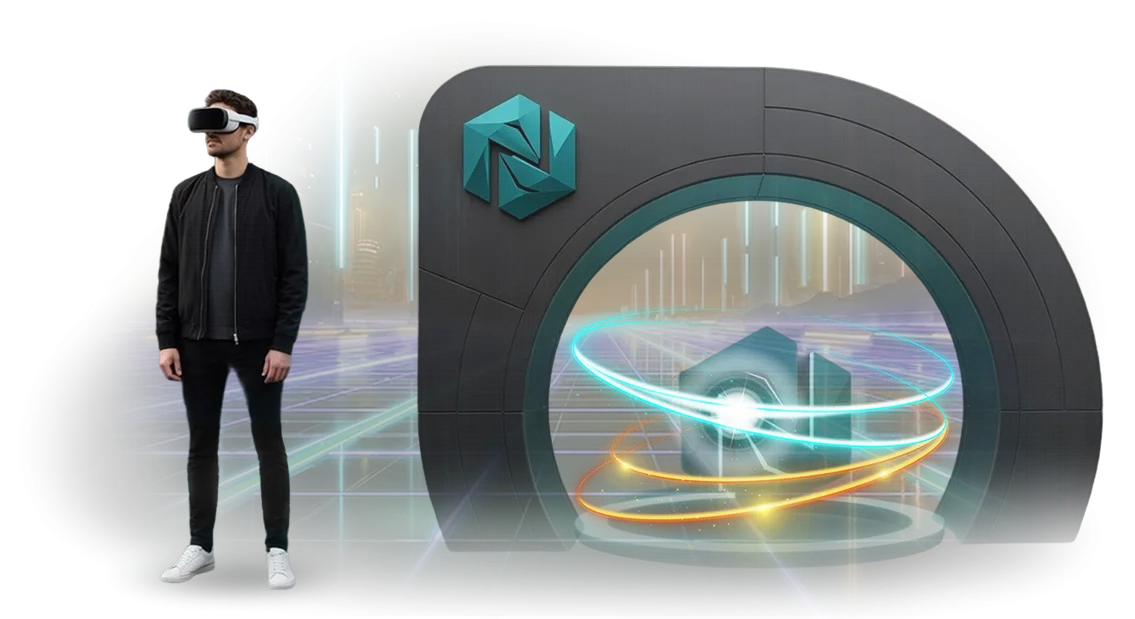
מתקן VR אינטראקטיבי הופך דוכן למרכז משיכה: אורחים עוצרים מתוך סקרנות, חוקרים את המוצר דרך פעולה, ועוזבים עם תגובה רגשית.
בדיוק גישה זו מגדילה את זמן השהייה בדוכן ויוצרת סיבה לשיחה עם נציגי המותג.
אנחנו עוזרים לתקן את זה: אנחנו מתכננים פתרונות VR ו-AR לתערוכות רפואיות שמערבים מבקרים, מגדילים את טווח ההגעה והופכים קשר חד-פעמי לעניין ולפנייה. אנחנו פותרים את בעיית הדוכן המשעמם — כך שהתערוכה שלך תיזכר ותניב תוצאה מדידה.
מה דוכן VR נותן למותג שלך: תשומת לב, זכירות ולידים
בתערוכות רפואיות, מבקר עובר על פני עשרות דוכנים ביום אחד וזוכר רק כמה. סרטונים, ברושורים ומודלים מתמזגים לזרם אחד, ותשומת הלב של האורח נשמרת רק בשניות הראשונות.
מתקן VR שובר את התרחיש הזה: האדם לא צופה מהצד אלא משתתף — הוא חווה תרחיש הקשור למוצר שלך.
עבור המותג, זה מייצר שלוש תוצאות מדידות. המבקר מבלה בדוכן פי כמה יותר זמן, יוזם דיאלוג בעצמו, ומשאיר ברצון פרטי קשר.
ואחרי התערוכה, הרגשות שלהם ממשיכים לעבוד בשבילך — דרך שיחות עם עמיתים ופוסטים ברשתות החברתיות.
מה מותג מקבל מדוכן VR:
- זמן שהייה מוגדל בדוכן — במקום 1–2 דקות סטנדרטיות, אורחים נשארים 5–10 דקות, מספיק כדי לחוש את המוצר ולשאול שאלות.
- זכירות מותג — תרחיש חי נשאר בזיכרון, וחודש לאחר מכן החברה שלך נזכרת כ"תערוכה החריגה ההיא".
- איסוף קשרים ללא לחץ — לאחר סיום החוויה, המבקר משאיר מרצונו את פרטיו כדי להמשיך את התרחיש או לקבל ייעוץ.
- מעורבות מבקרים — VR מעורר רגשות שמבקרים חולקים עם עמיתים וברשתות החברתיות, ומרחיב את טווח ההגעה בעוד מאות אנשים.
- חיזוק תדמית המותג — מצגת היי-טק יוצרת תדמית של שחקן מודרני ואמין, שחשוב במיוחד בתעשייה הרפואית.
- שיחות איכותיות — בזמן שהאורח מתקשר עם התרחיש, המנהל מקבל הקשר וזמן להפוך עניין לשיחה מהותית או לפנייה.
אנחנו יוצרים מתקנים אינטראקטיביים לאירועים, מוזיאונים ומותגים כבר 10 שנים.
אנחנו מפתחים תרחיש המותאם למטרות הדוכן שלך, מביאים ציוד VR מקצועי שעובד באופן אמין לאורך כל ימי התערוכה, ומטפלים בהשקה בעצמנו. כל מה שנשאר לך הוא לקבל אורחים ולקבל פניות. נדון בדוכן שלך בתערוכה הרפואית הבאה?
פורמטים של דוכן VR לתערוכה רפואית: בחר את שלך
בתערוכה רפואית, מבקרים עוברים על פני עשרות דוכנים תוך כמה שעות — אתה צריך לתפוס את תשומת לבם תוך שניות ספורות.
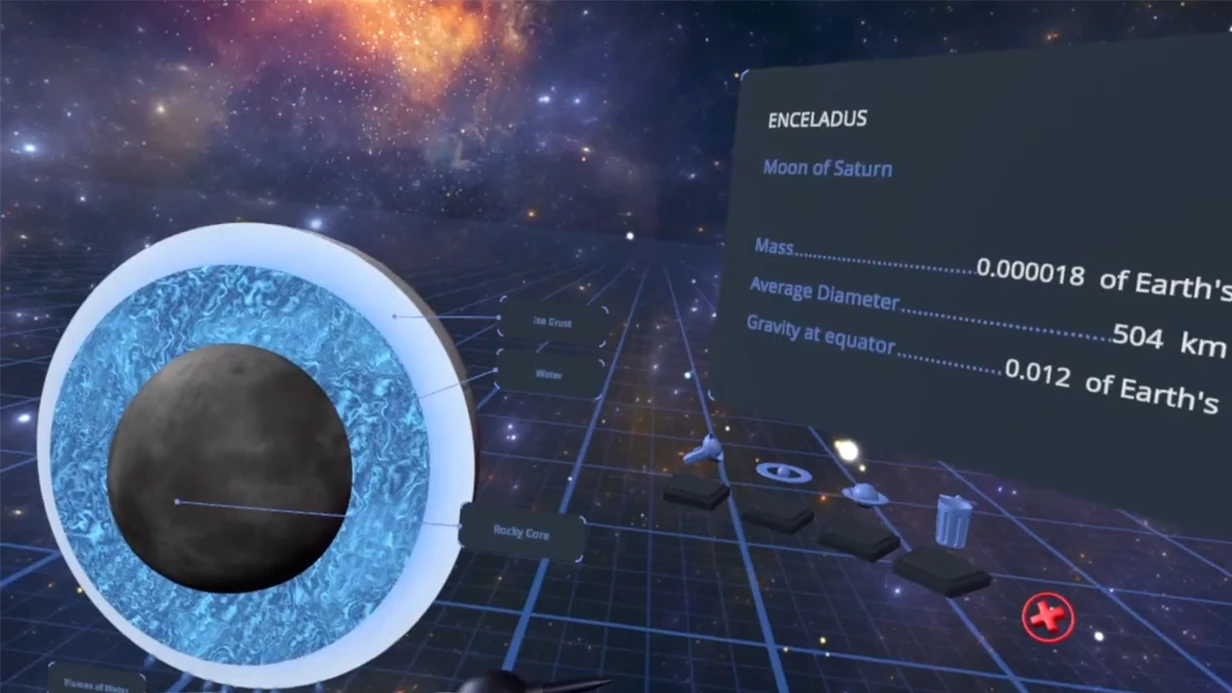
באנרים וסרטונים רגילים לא יוצרים תחושת נוכחות, בעוד מתקן VR מאפשר למבקרים ממש "להיכנס" לתוך המוצר: לראות איך ציוד עובד מבפנים, להתאמן על סימולטור, או ללמוד אנטומיה בתלת-ממד.
בחירת הפורמט תלויה במשימה: למשוך תנועה רגלית, להציג מוצר מורכב, או לאסוף פניות. להלן השוואה של סוגי דוכני VR שאנחנו מיישמים לאירועים רפואיים. כל האפשרויות רצות על ציוד מקצועי ומתאימות לשטח הרצפה והלוגיסטיקה של התערוכה.
| פורמט דוכן VR | לאיזו משימה הוא מתאים | מה הוא נותן לחברה שלך |
|---|---|---|
| אזור טבילה נייח | היכרות מעמיקה עם המוצר, הדרכת צוות | המבקר מבלה 5–10 דקות בהדגמה, זוכר פרטים, משאיר קשר |
| בליץ VR נייד | זרימה מהירה בדוכן, הדגמה של 30–60 שניות | משיכת תשומת לב אפקטיבית, תמונות וסרטונים של אורחים ברשתות החברתיות |
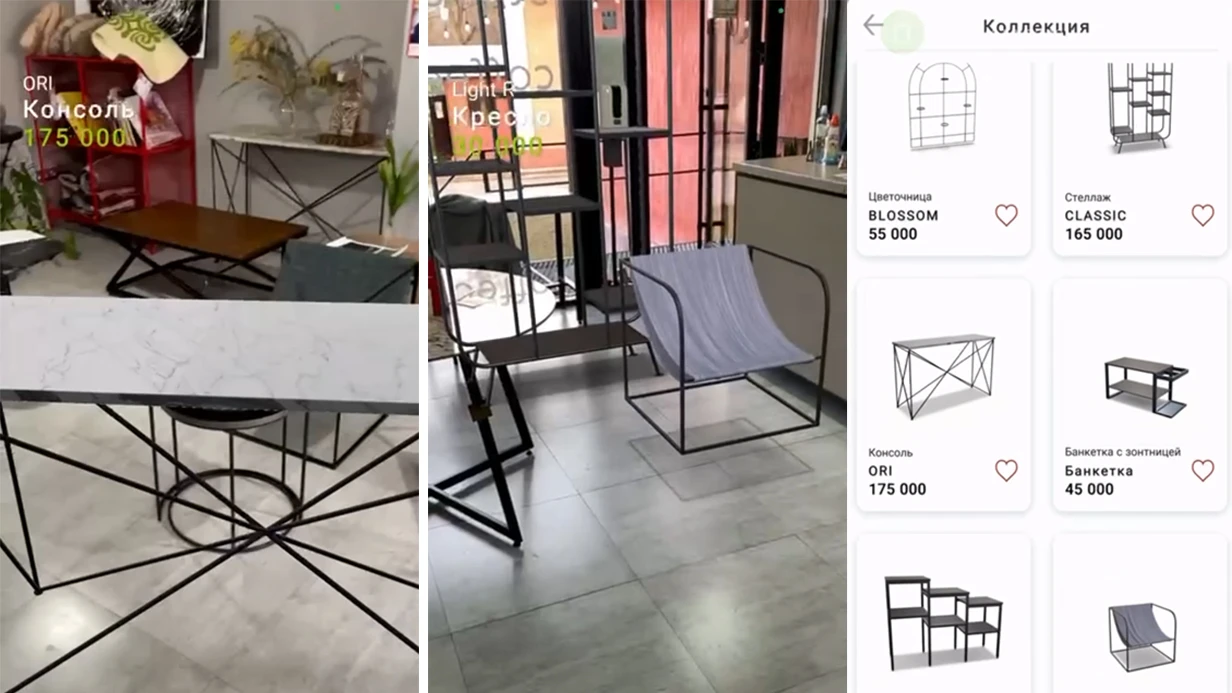
| שכבת AR על עצם אמיתי | הצגת המבנה הפנימי של מכשיר רפואי או תהליכים | מדגים ויזואלית מה שאי אפשר להראות פיזית |
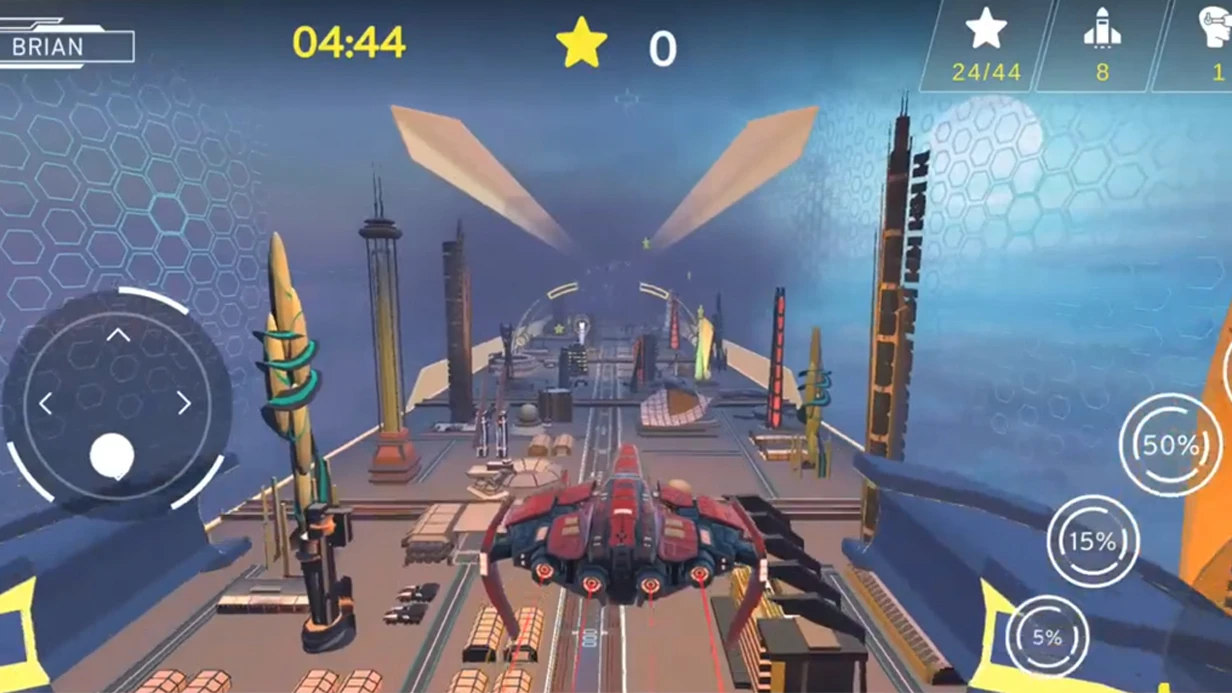
| סימולטור VR או קווסט | משיכת מבקרים בפורמט משחק, קידום מותג | מעורבות גבוהה, תור בדוכן, והאסוציאציה "מותג טכנולוגי" |
לא משנה איזה פורמט תבחר, אנחנו מטפלים בהכל: קונספט, התקנה ותמיכה טכנית במהלך ימי התערוכה. נעזור לך למצוא את האפשרות שמתאימה לשטח ולתקציב שלך — ונבנה את הדוכן כך שמבקרים לא יחלפו על פניו.
איך אנחנו יוצרים דוכן VR: שלבים מרעיון ועד תמיכה
פיתוח דוכן VR לתערוכה רפואית אינו קנייה של "קופסה" אלא פרויקט משותף עם שלבים ברורים. אנחנו מפרקים את העבודה לשלבים כך שתמיד תראה מה ומתי אתה מקבל, ותוכל להשפיע על התוצאה לפני שהעלויות הגדולות מתחילות. כל שלב מסתיים בתוצאה קונקרטית: תוכנית, תרחיש, דוכן מורכב.
-
טבילה במשימה. אנחנו דנים למה אתה צריך את הדוכן: למשוך תנועה, להכשיר רופאים, או להדגים יכולות ציוד. אנחנו מגדירים את קהל היעד, מיקום האירוע, ומסכימים על קריטריוני הצלחה כדי שלא יהיו אי-התאמות בהמשך.
-
קונספט ותרחיש. אנחנו מציעים 1-2 פורמטים של חלל וירטואלי — למשל, מאמן, סימולציה של עבודה עם מכשיר, או הדגמה של תהליך מחקר. אנחנו מציגים את התרחיש הכתוב על מסך כדי שתוכל לחוש את החוויה העתידית לפני שהפיתוח הטכני מתחיל.
-
אישור פרויקט. אנחנו מאשרים את הסגנון החזותי ואת הלוגיקה של הניווט ב-VR. אתה מבצע שינויים ברמת הרעיון, לא אחרי שהכל כבר תוכנת — זה חוסך זמן בשלב היקר ביותר.
-
פיתוח ובדיקת דוכן VR. אנחנו בונים את הסביבה הווירטואלית ומכוונים אותה לציוד ולגודל החדר שלך. אנחנו מבצעים בדיקות בתנאים קרובים לתערוכה: הדוכן חייב לעמוד בעומסי שיא ולפעול ללא תקלות.
-
הכנה לאירוע. אנחנו מתכננים את פריסת הציוד, ניתוב כבלים מסודר ואזור התור. אנחנו מכינים תוכנית התקנה שלב-אחר-שלב והוראות לצוות: איך לקבל מבקרים, לעזור להם להרכיב את המשקפת, ומה לעשות כשהתור ארוך.
-
תמיכה באירוע. במהלך ימי התערוכה, המהנדסים שלנו נמצאים בקרבת מקום: הם עוקבים אחר ביצועי המערכת, עוזרים לאורחים ופותרים כל תקלה תוך דקות. זה אומר שהדוכן שלך אף פעם לא עומד בטל וממשיך לאסוף קשרים כל היום.
-
תוצאות ופיתוח. אנחנו מספקים דוח: כמה מבקרים חוו את התרחיש, אורך ממוצע של סשן, ומספר הקשרים שנאספו. בהתבסס על המספרים האלה, אנחנו דנים איך לחזק את הדוכן לתערוכה הבאה או להתאים אותו לאירועים אחרים.
מה כלול במסירה של מתקן VR לתערוכה
כשאתה מזמין מתקן VR לתערוכה רפואית, אתה מקבל לא רק ציוד אלא פתרון שלם ומפתח. אנחנו מטפלים בכל השלבים: מתרחיש ועד תמיכה טכנית במהלך ימי העבודה של הדוכן.
אתה לא צריך להבין בפרטים — רק ספר לנו על המטרות שלך, ואנחנו נעשה את השאר.
מה כלול בחבילה הסטנדרטית:
- תרחיש מצגת VR המותאם לקהל שלך: הדגמת ציוד, הדרכה, סיור וירטואלי במרפאה, או הסבר ויזואלי של שיטה. התוכן נוצר כדי להתאים למטרות הדוכן שלך.
- סט מלא של ציוד מקצועי: משקפי מציאות מדומה, תחנות, בקרים וכל מה שצריך לפעולה יציבה לאורך היום. אנחנו משתמשים בחומרה אמינה שלא תאכזב אותך ברגע קריטי.
- משלוח, התקנה והגדרת הדוכן — אנחנו מביאים את הציוד מראש, מתקינים אותו ובודקים אותו לפני פתיחת התערוכה. לא תצטרך להתעסק בלוגיסטיקה וחיבורים.
- תמיכה טכנית במקום: המומחה שלנו נשאר ליד הדוכן ופותר במהירות כל תקלה — מהחלפת ציוד ועד הפעלה מחדש של המערכת. אורחים וצוות אף פעם לא שמים לב להפסקות טכניות.
- הדרכה לצוות שלך: לפני האירוע, אנחנו מראים איך להפעיל את המתקן ולסייע למבקרים, וגם משאירים מדריך קצר לפעולות המרכזיות.
- פירוק והוצאת ציוד לאחר סיום התערוכה — אתה פשוט סוגר את הדוכן וממשיך בענייניך.
- תמיכה לאחר האירוע: אנחנו חולקים דוח על מה עבד היטב ונותנים המלצות לפיתוח הפורמט לאירועים עתידיים.
גישה זו מאפשרת לעובדים שלך להתמקד באורחים ובמשא ומתן במקום בבעיות טכניות.
אתה מקבל תוצאה צפויה: המתקן פועל לאורך כל התערוכה, מבקרים מעורבים, והדוכן נזכר ובולט בין עשרות אחרים.
מקרה בוחן: איך דוכן VR משך מאות מבקרים בפורום תעשייתי
מארגני פורום רפואי פנו אלינו כדי לגרום לדוכן של יצרן ציוד אבחון חדש לבלוט בין עשרות מציגים.
חומרים ומסכים מסורתיים לא משכו את תשומת הלב של רופאים ומנהלי מרפאות: רק כמה אנשים עצרו בדוכן ביום, וכמעט לא היו קשרים למחלקת המכירות.
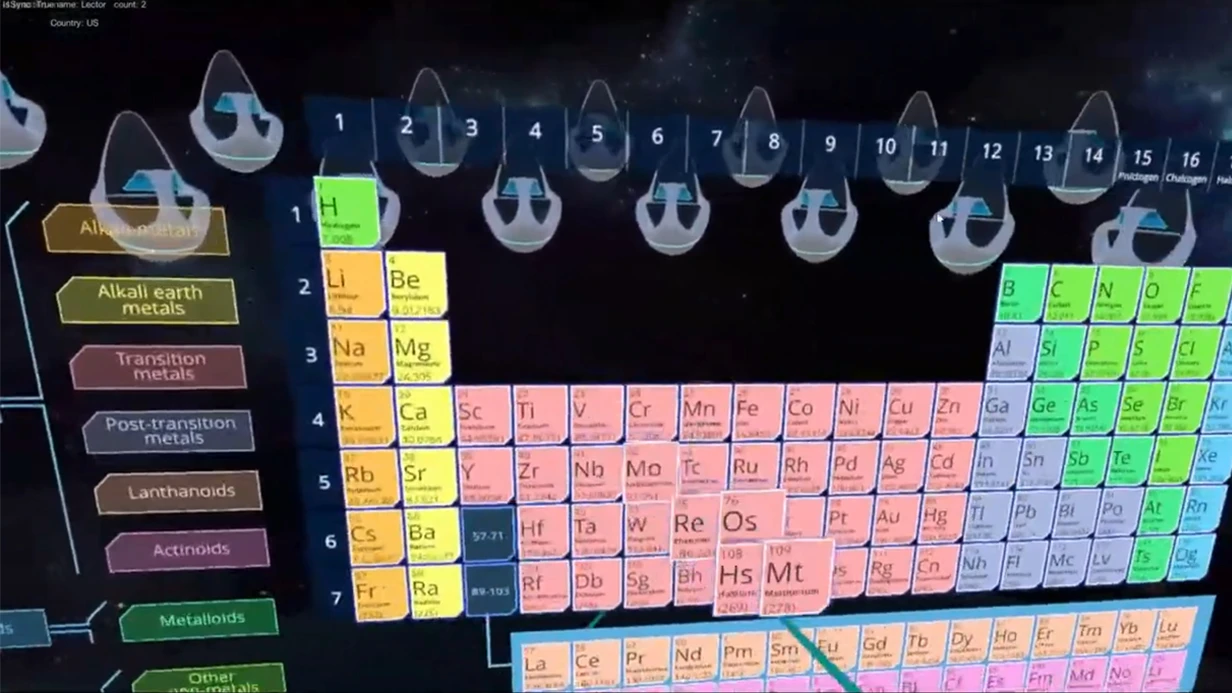
פיתחנו דוכן VR עבור MedTech — מתקן אינטראקטיבי שטבל מבקרים במרפאה וירטואלית תוך שלוש עד ארבע דקות. רופא יכול לבחור תרחיש בדיקה בעצמו, לראות את הציוד בפעולה, ואפילו "לשלוט" באבחון. הפורמט הזה עורר עניין אמיתי ורצון טבעי לשתף את הרושם עם עמיתים.
תוצאות התערוכה
במשך יומיים של הפורום, דוכן ה-VR משך יותר מ-500 משתתפים, כשהסשן הממוצע נמשך כמעט ארבע דקות. אספנו 214 קשרי מבקרים — פי שלושה יותר מדוכנים שכנים עם מצגות מסורתיות.
חודש לאחר מכן, הלקוח הזמין גרסה מעודכנת לסיבוב אזורי, מה שמאשר את היעילות הכלכלית של גישה זו.
עבורנו, המקרה הזה הוא הוכחה שדוכן VR עובד לא כקישוט אלא ככלי קידום מדיד. כל קשר שנשאר מאחור הוא קונה פוטנציאלי, ואלפי דקות של תשומת לב מבקרים משפיעות ישירות על הכרת המותג ועל ההחזר על ההשקעה בתערוכה.
שאלות נפוצות וספקות לפני הזמנת דוכן VR
הזמנת דוכן VR מעלה שאלות: איך זה עובד, האם זה יתקלקל באמצע האירוע, האם נספיק להתכונן, והאם המתקן יתאים למאפייני המקום? ספקות הם טבעיים — הרושם של המבקרים והמוניטין של הדוכן שלך על כף המאזניים.
אנחנו יוצרים מתקני VR לתערוכות רפואיות כבר שנים רבות ואנחנו יודעים: יכולת חיזוי חשובה יותר מהברקה. לכן כל פרויקט בנוי סביב שלושה עדיפויות — אמינות, עמידה בלוחות זמנים והתאמה למקום. אנחנו עונים על השאלות שנשאלות לרוב לפני ההתחלה.
האם הציוד יתקלקל ברגע העמוס ביותר של התערוכה?
החומרה יכולה לעמוד ב-8-10 שעות פעילות רצופות. אנחנו משתמשים בציוד מקצועי עם מרווח ביטחון ותמיד מביאים סט גיבוי של רכיבים מרכזיים. המהנדס שלנו נמצא במקום כל היום — במקרה של תקלה, ההחלפה אורכת לא יותר מ-10 דקות.
כמה זמן לוקח לפתח דוכן VR?
פרויקט טיפוסי אורך 2-4 שבועות — מהבריף ועד ההשקה. אם התאריך ידוע מראש, אנחנו יכולים להכין את המתקן אפילו ללוח זמנים צפוף של תערוכה. במקרים דחופים, אפשר מצב מואץ ללא פגיעה באיכות.
האם אתם מתאימים את עצמכם למאפייני תערוכה רפואית?
כן. אירועים רפואיים דורשים תשומת לב לבטיחות, היגיינה וזרימת קהל. אנחנו לומדים את תוכנית המקום מראש, בוחרים חומרים בטוחים ומגדירים את התרחיש כך שיעבדו גם להדגמות אישיות וגם לתור גדול.
האם מבקרים יצליחו עם VR אם מעולם לא השתמשו בו?
דוכני VR מתוכננים לאנשים ללא ניסיון: התרחיש מופעל בנגיעה אחת, וההדגמה אורכת 2-3 דקות. רוב האורחים קולטים במהירות, ולטבילה נוחה אנחנו תמיד מספקים סיוע של מנהל.
נחשב עבורך את עלות דוכן VR למשימת התערוכה שלך
כל דוכן רפואי פותר משימה משלו: מישהו אוסף קשרי רופאים, מישהו מיישם הדרכת צוות, ומישהו מציג למבקרים ציוד חדש.
אין פתרון VR סטנדרטי מוכן לכל המקרים, ולכן אנחנו מחשבים את העלות באופן אישי — בהתבסס על פורמט התערוכה שלך, מספר המבקרים ומטרות הדוכן.
השאר בקשה לדוכן VR — תוך יום עבודה אחד נכין הצעת מחיר ונציע אפשרות שמתאימה לתקציב וללוח הזמנים שלך. בלי "טווחים" מופשטים: תקבל הערכת עלות ברורה וההיגיון מאחורי כל סעיף כלול.
לאחר פנייתך, אתה מקבל:
- ייעוץ על פורמטים של VR ו-AR הרלוונטיים לתערוכות רפואיות: מסימולטורים וירטואליים ועד מודלים אנטומיים אינטראקטיביים.
- חישוב עלות המבוסס על שטח הרצפה שלך, זרימות תנועת מבקרים ומשך האירוע.
- הצעה אישית עם שתיים או שלוש אפשרויות יישום — מתקציב ועד אזור פרימיום.
- תוכנית הפקה והתקנה עם לוחות זמנים מדויקים לפני פתיחת התערוכה.
- דוגמאות לעבודות שלנו בתחום הרפואי ובתחומים קשורים, כדי שתוכל לראות את רמת הביצוע.
- תמיכה בכל השלבים: מהבריף ועד פירוק ומסירת סטטיסטיקות שימוש בדוכן.
ככל שתפנה אלינו מוקדם יותר, כך נשאר יותר זמן להתאמת תרחישים לקהל שלך ולתיאום עם המארגנים. עשה את הצעד הראשון — שלח בקשה, ונחזור עם חישוב ורעיונות קונקרטיים לדוכן שלך.
איך לבחור פורמט מתקן VR למשימה לא סטנדרטית?
כדי לבחור פורמט מתקן VR למשימה לא סטנדרטית, כדאי להתחיל לא בדיון על ציוד אלא במענה על השאלה: מה בדיוק המתקן אמור לעשות באירוע שלך.
בתערוכה רפואית, זה יכול להיות הכשרת רופאים על ציוד חדש, הדגמה ויזואלית של תהליך מורכב, או משיכת תשומת לב מבקרים לדוכן.
ככל שהמשימה פחות תבניתית, כך חשוב יותר פתרון אישי ולא תוכנית סטנדרטית מוכנה.
לאחר מכן, כדאי להגדיר את הפרמטרים שמשפיעים על הפורמט: קהל היעד — רופאים, מטופלים או שותפים; תנועת הדוכן הצפויה; שטח הרצפה הזמין; והתוצאה שאתה רוצה להשיג.
בהתבסס על תנאים אלה, אתה יכול לבחור אזור טבילת VR מלא, שכבת AR על מוצג אמיתי, או תרחיש היברידי שבו חלק מהמבקרים עובדים עם מודל וירטואלי בעוד אחרים צופים בתהליך על מסך.
אנחנו עוזרים לך לנווט בין האפשרויות ומציעים פתרון המותאם לדרישות הספציפיות שלך ללא עלויות מיותרות.
במהלך ייעוץ מקדים, אנחנו מבהירים כמה אנשים אמורים לעבור דרך המתקן ביום, כמה מפורט צריך להיות הוויזואליזציה עבור קהל מקצועי, ואילו חומרי מקור יש לצוות שלך כבר. זה מאפשר לנו לחתוך אפשרויות מיותרות ולהשאיר רק מה שבאמת משרת את המשימה שלך.
בסופו של דבר, אתה מקבל פורמט שמתאים להיגיון האירוע, לשטח הדוכן ולתקציב, בעוד הצוות מציג ללקוח ולמבקרים כלי מרשים ולא רק הדגמת טכנולוגיה.
גישה זו מסירה את הסיכון של תשלום יתר על תכונות מיותרות ועוזרת לך ליישר במהירות את הקונספט עם המחלקות הפנימיות שלך — משיווק ועד מומחים רפואיים.