



מאבדים לקוחות בתערוכות בינלאומיות?
תערוכה בינלאומית היא תמיד מאבק על תשומת הלב. המבקרים חולפים על פני מאות דוכנים תוך כמה שעות, מתעייפים מבאנרים זהים, ומאבדים ריכוז עד שעת הצהריים. המותג שלכם לא מורגש, לידים לא נאספים, והתקציב מתבזבז — נשמע מוכר?
הסיבה פשוטה: דוכן רגיל לא נותן לאנשים סיבה לעצור ולהיזכר בכם. המבקרים רואים עשרות מתקנים דומים, ושעה לאחר מכן הם לא זוכרים באיזה דוכן ביקרו או על מה דיברו. לקוחות אובדים בתערוכות דווקא במקומות שבהם אין רגשות ואין מעורבות.
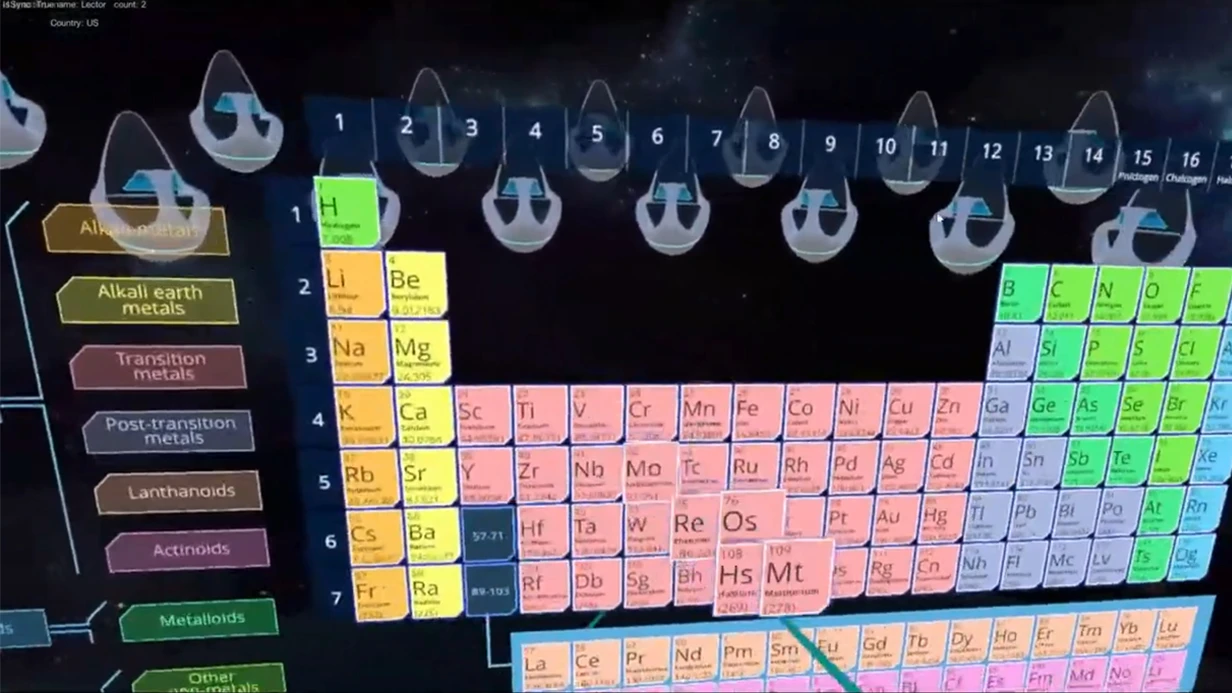
דוכן אינטראקטיבי עם VR ו-AR פותר את הבעיה הזו. במקום להסתכל סביב באופן פסיבי, המבקרים נכנסים לתוך המוצר שלכם: הם שולטים, חוקרים, ונדהמים.
זה כבר לא סיפור על המותג — זו חוויה אישית, וחוויות נזכרות לאורך זמן וגורמות לאנשים לרצות לשתף אותן.
דוכן מציאות מדומה בלתי נשכח מושך אנשים מעצמו — התור הופך לפרסום הטוב ביותר. המבקרים מצלמים תמונות וסרטונים, מפרסמים אותם ברשתות החברתיות, והטווח של ההשתתפות שלכם ממשיך לגדול גם אחרי שהתערוכה מסתיימת. במקביל, אתם אוספים אנשי קשר מאלה שבאמת מתעניינים.
אנחנו מפתחים מתקני VR ו-AR לאירועים ולמותגים ויודעים להפוך השתתפות בתערוכה מפריט עלות למקור של לידים ומודעות למותג. כך זה עובד בפועל.
מה מותג מקבל ממתקן אינטראקטיבי
בתערוכה גדולה, המבקרים חולפים על פני עשרות דוכנים תוך כמה שעות, ותשומת הלב שלהם מפוזרת. לדוכן שלכם יש רק כמה שניות לעניין ולהרשים אותם. ברושורים ומצגות רגילים הולכים לאיבוד בתוך הרעש הזה.
מתקן VR/AR אינטראקטיבי הוא דרך לעצור את זרם האורחים, להסיט את המיקוד שלהם, ולהשאיר רושם חי.
הנה מה זה נותן למותג:
- מעורבות אורחים. במקום להיות צופה פסיבי, המבקר הופך לחלק מהתרחיש. הוא שולט במה שקורה, כך שהעניין לא דועך והרגשות מרגישים אישיים.
- יותר זמן בדוכן. תוכן אינטראקטיבי מחזיק אורחים פי כמה יותר זמן מאשר דוכן סטטי. כל דקה נוספת היא הזדמנות למנהלים שלכם לדבר על ההצעה ולענות על שאלות.
- לכידת לידים. לאחר חוויה סוחפת, המבקרים מוכנים יותר לשתף את הפרטים שלהם. אתם מקבלים מאגר של אנשי קשר ממוקדים — אנשים שכבר חוו את המוצר בעצמם ומוכנים להמשיך את השיחה.
- אפקט ויראלי. האורחים מצלמים ומפרסמים את הרגעים המרהיבים ביותר ברשתות החברתיות. כל פוסט כזה הוא קידום אורגני וחינמי של המותג שממשיך לעבוד גם אחרי סגירת התערוכה.
- תדמית חברה חדשנית. שימוש בטכנולוגיה מודרנית בדוכן מראה שהמותג מתעדכן עם הזמן. זה מחזק את אמון השותפים, מושך עניין עיתונאי, ומבדל את החברה מהמתחרים.
לפי Event Marketing Institute, אלמנטים אינטראקטיביים מכפילים את זכירת המותג: שבוע לאחר האירוע, האורחים נוטים פי 2–3 יותר לזכור דוכן כזה.
זו לא רק בידור אלא כלי שיווקי עובד שמחזק כל שלב במשפך — ממגע ראשון ועד למעורבות חוזרת.
פורמטים של מתקני VR ו-AR למטרות שונות
הפורמט של מתקן VR או AR קובע כיצד המבקרים מתקשרים עם התוכן שלכם ואיזו תוצאה העסק מקבל.
ניתן להשתמש באותו ציוד למוזיאון וירטואלי, דוכן משחקים או מצגת אינטראקטיבית — אבל ההמרה לעניין ולזכירת מותג תלויה בתרחיש.
לפי Event Marketing Institute, פורמטים אינטראקטיביים מגדילים את מעורבות הקהל באירועים פי כמה בהשוואה לצפייה פסיבית.
| פורמט | למי | מה זה נותן ללקוח |
|---|---|---|
| סיור וירטואלי | מוזיאונים, תערוכות, גלריות | מציג את האוסף ללא מגבלות שטח או לוגיסטיקה, נגיש לאורחים בכל מקום בעולם |
| דוכן VR לתערוכות | מותגים ומציגים | מושך תנועת מבקרים לדוכן, יוצר תור והזדמנות צילום, מגביר הכרת המותג |
| מצגת אינטראקטיבית | הצגות מוצר, פיצ'ים | מדגים בבירור את יתרונות המוצר, מחזיק תשומת לב יותר זמן משקופיות וברושורים |
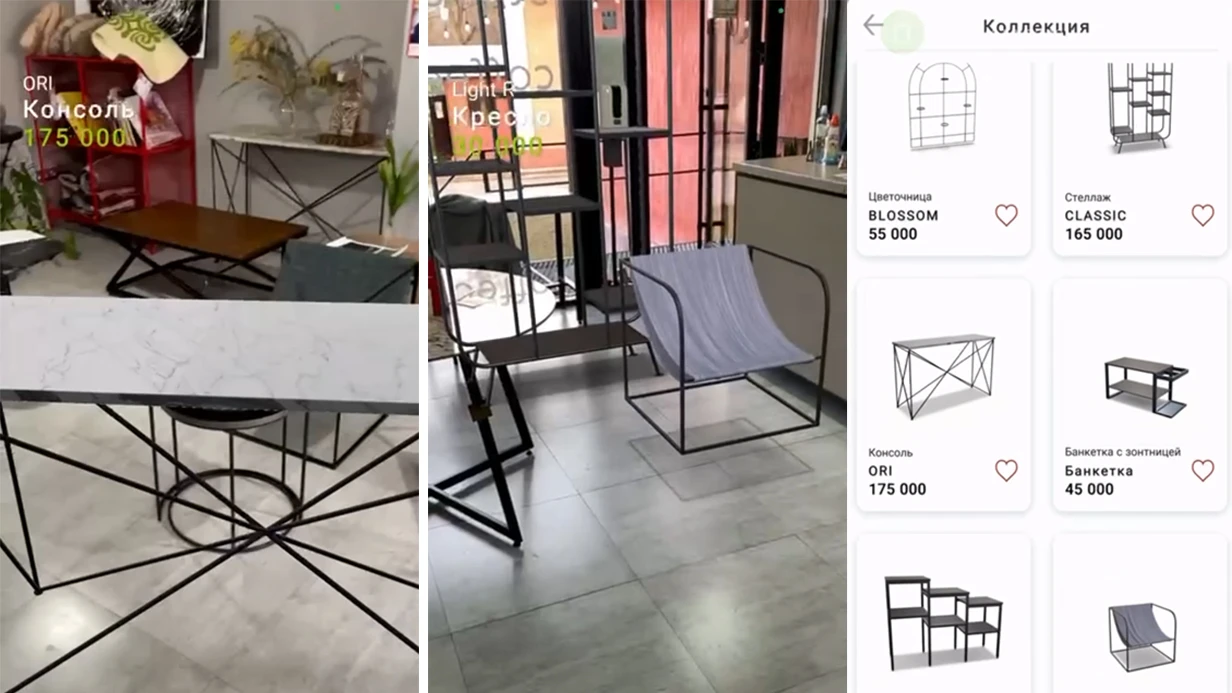
| אולם תצוגה וירטואלי | קטלוגים, חנויות מקוונות, נדל"ן | מאפשר ללקוחות "לגעת" במוצר או בנכס לפני הרכישה, מקצר את מחזור ההחלטה |
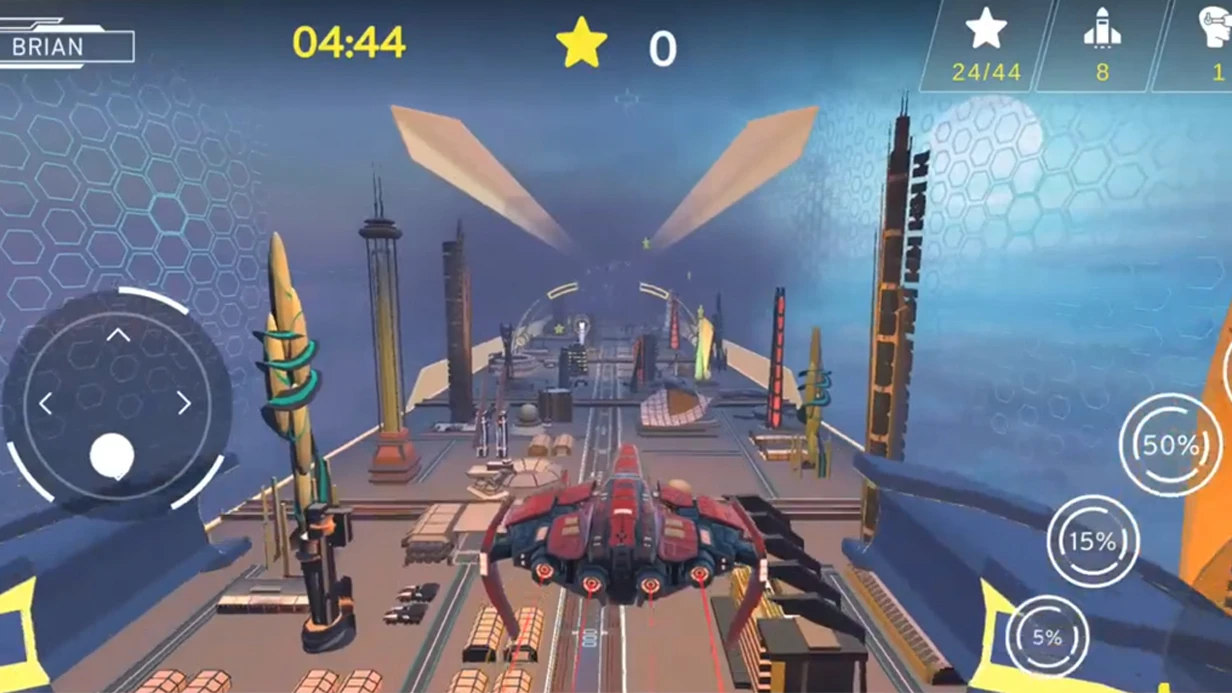
| משחק סוחף | אזורי בידור, אירועים | מספק רגשות ותוכן ויראלי — האורחים משתפים את ההתרשמות שלהם ברשתות החברתיות |
כל פורמט פותר משימה ספציפית: אחד נועד להפתיע ולבדר, אחר לחנך או למכור. לכן אנחנו לא מסתמכים על תבניות.
אנחנו בונים מתקן סביב המטרה שלכם — בין אם זה מוזיאון וירטואלי לפרויקט חינוכי או דוכן VR לתערוכה בינלאומית.
במהלך ייעוץ, נייעץ לכם איזה פורמט יניב תוצאה מקסימלית עבור הקהל שלכם ונכין מתקן סוהר — מהתרחיש ועד ההרכבה בשטח.
שלבי יצירת מתקן: מבריף ועד השקה
אנחנו עובדים לפי תהליך שקוף של שישה שלבים — מבריף ועד השקה ותמיכה. אתם תמיד יודעים מה שלב הפרויקט, מה קורה, ומתי התוצאה תהיה מוכנה. אין "קופסאות שחורות": כל שלב כולל אישור ולוחות זמנים ברורים.
-
בריף והתעמקות — אנו דנים במטרות, קהל, מקום וציפיות. אנו מבהירים כיצד דוכן ה-VR צריך לתמוך באירוע שלכם: למשוך, לחנך או לחזק את המותג. אנו מתעדים את הקלט ואת לוחות הזמנים.
-
קונספט ותרחיש — אנו מציעים את הרעיון והפורמט: מה האורח יראה ויעשה, וכיצד זה קשור למשימה שלכם. אנו מציגים סקיצות ותיאור תרחיש לפני תחילת ההפקה.
-
אישור והערכת עלות — אנו מסיימים את הקונספט, רשימת הציוד והעלות. אנו חותמים על החוזה, מאשרים את לוח הזמנים ומשיקים את ההפקה.
-
הפקה והרכבה — אנו יוצרים את התוכן, מגדירים ציוד מקצועי ובונים את המבנה. אנו מדווחים באופן שוטף ומספקים נקודות ביקורת לבדיקה.
-
בדיקות והכנה — אנו מבצעים בדיקות טכניות, מתאמנים על תרחישים בהתבסס על התנהגות מבקרים, ומבטלים תקלות. אנו מגיעים למקום מוקדם כדי להבטיח שהכל יעלה חלק.
-
השקה ותמיכה — ביום האירוע, המומחים שלנו נמצאים בקרבת מקום או זמינים בטלפון: הם עוקבים אחר הפעילות, מסייעים לאורחים ופותרים בעיות. לאחר האירוע — פירוק ומשוב.
זמן הפיתוח תלוי במורכבות המתקן: כמה שבועות מספיקים לדוכן סטנדרטי; פתרונות ייחודיים לוקחים יותר זמן — אבל אנחנו תמיד קובעים את לוחות הזמנים האלה בחוזה.
מה כלול בחבילת המתקן
לקוחות צריכים לדעת מראש בדיוק מה הם מקבלים תמורת כספם, במיוחד בתערוכה בינלאומית שבה החמצת מועדים או חבילה לא מלאה עלולים לפגוע במוניטין.
פיתחנו חבילת מתקן VR שקופה: היא מכסה הכל מאספקת הציוד ועד ליום האחרון של הדוכן.
החבילה הסטנדרטית כוללת:
- ציוד דוכן VR: משקפיים, בקרים, מחשבים ומסכים — בכמויות מספיקות למספר אורחים להשתתף בו זמנית ללא תורים ארוכים.
- תוכנה ותוכן מותאם אישית: תרחיש שתוכנן למטרות המותג שלכם, מותאם למקום ולקהל.
- הרכבת מתקן ולוגיסטיקה: אנו מספקים הכל למקום, מרכיבים, מגדירים ומבצעים השקת ניסיון לפני פתיחת התערוכה.
- הכשרת צוות: העובדים שלכם לומדים לנהל את המתקן, לקבל מבקרים ולטפל במצבים נפוצים תוך שעתיים.
- תמיכה טכנית לכל תקופת הפעילות: מהנדס זמין מרחוק ובשטח, עם זמן תגובה של 15 דקות — הדוכן אף פעם לא עומד בטל.
- עדכוני תוכן במהלך התערוכה: אם תחליטו לשנות את המיקוד או להוסיף חומר חדש, אנו מבצעים עריכות מרחוק מבלי להפסיק את החוויה.
זו רשימת הבדיקה המלאה של מה שאתם מקבלים. היא מקלה על התקצוב ומסירה את החשש שהמתקן יתברר כ"חומרה" לא עובדת.
בנוסף, לאחר האירוע אנו מספקים דוח עם סטטיסטיקות: כמה סשנים הושלמו, כמה זמן בילו האורחים בדוכן, ואילו תרחישים היו הפופולריים ביותר.
מקרה בוחן: דוכן VR לתערוכה בינלאומית
אחד הפרויקטים האחרונים שלנו היה דוכן VR עבור Sber בתערוכה בינלאומית. האתגר היה קשה: בביתן ענק שבו מאות דוכנים התחרו על תשומת הלב של המבקרים, היינו צריכים לבלוט ולהיזכר.
פשוט לחלק ברושורים זה לא הגישה שלנו, אז הצענו פורמט סוחף שמערב אנשים תוך שניות.
המבקרים הרכיבו את המשקפיים ונכנסו למרחב של המותג, שם יכלו לשלוט בתרחיש וממש "לגעת" במוצר. זה לא היה משחק לשם משחק — כל תרחיש נבנה סביב המסרים המרכזיים של החברה וחיזק את זכירותם.
לא היה צורך להסביר את המצגת בקול: אנשים ראו הכל בעיניים שלהם והפכו למשתתפים בסיפור במקום לצופים.
תוצאות פרויקט ה-VR בתערוכה
במשך ארבעה ימים, יותר מ-500 אורחים ביקרו בדוכן, וזמן האינטראקציה הממוצע היה 6–8 דקות — נתון גבוה מאוד לתערוכה שבה דוכן סטנדרטי מחזיק תשומת לב לכל היותר שתי דקות.
אספנו גם יותר מ-300 אנשי קשר מוסמכים: אנשים לא סתם חלפו על פני, הם השאירו במודע את הפרטים שלהם לאחר החוויה.
מקרה דוכן ה-VR הראה שמתקנים כאלה עובדים לא רק לטווח אלא גם לעומק. המבקרים לא צילמו סלפי מול לוגו; הם דנו בהתרשמות שלהם, וזה נתן למותג סוג של שמועה בתערוכה שקשה לקנות בכסף.
בסופו של דבר, הלקוח הזמין מאיתנו שני פרויקטי VR נוספים לאירועים עתידיים — ההוכחה הטובה ביותר לכך שהתוצאה הייתה מדידה.
הלקח העיקרי מדוגמת מתקן התערוכה הזה: פורמט סוחף משתלם כשהוא פותר משימה עסקית. אם אתם צריכים לא "וואו לשם וואו" אלא תוצאה ברורה — טווח, אנשי קשר, זכירת מותג — אנחנו יודעים לתכנן חוויה כזו.
שאלות נפוצות על מתקנים לאירועים
לקוחות שמזמינים מתקני VR ו-AR שואלים לרוב על לוחות זמנים, תקציב ואמינות. הנה תשובות קצרות ומעשיות לחמש השאלות הנפוצות ביותר.
כמה עולה דוכן VR?
העלות תלויה בפורמט, במספר העמדות, במשך הפעילות ובתרחיש. אנו מחשבים אותה עבור המשימה הספציפית שלכם ומספקים הערכת עלות שקופה — לפני חתימת החוזה, אתם יודעים על מה אתם משלמים.
מהם לוחות הזמנים של המתקן?
בממוצע, שבוע עד שלושה שבועות מאישור הקונספט. ההרכבה בשטח אורכת כמה שעות, ואם לוחות הזמנים צפופים, אנו מאיצים את ההפקה מבלי לוותר על איכות.
מה אם הציוד יתקלקל?
מהנדס נמצא בשטח, ואנו מביאים ערכת גיבוי. החלפת חלק או עמדה אורכת זמן מינימלי, כך שהשבתה באזור ה-VR כמעט מבוטלת.
האם צריך להכין את המקום בצורה מיוחדת?
עבור VR, כל מה שצריך הוא כ-2–3 מטרים של שטח פנוי לכל עמדה ואפשרות להחשיך את האזור. אנו מביאים את הציוד, הדוכנים והעיצוב איתנו — אנחנו מסתגלים לכל מקום.
האם יהיה קשה לאורחים להשתמש?
הבקרים אינטואיטיביים, והנחיות על המסך מדריכות את המשתמשים שלב אחר שלב. בתנועה עמוסה, אנו מוסיפים עוזר — המבקרים נכנסים לעניינים במהירות גם אם זו חווית ה-VR הראשונה שלהם.
הזמינו ייעוץ למתקן VR
כדי שמתקן VR יעבוד עבור המטרה שלכם — למשוך תשומת לב, ליצור תחושת פליאה ולהוביל מבקרים לפעולה הרצויה — חשוב להסתמך על מומחיות מההתחלה.
בתערוכה בינלאומית, התחרות על תשומת הלב גבוהה במיוחד: המבקרים חולפים על פני עשרות דוכנים, ויש לכם רק שניות לעצור אותם.
השאירו בקשה לייעוץ: נבחן את הפורמט, הקהל והמטרות שלכם, ונציע פתרון שמתאים לתקציב וללוח הזמנים שלכם. זה ללא התחייבות.
לאחר הבקשה שלכם, תקבלו:
- הערכת עלות למשימה שלכם — ללא חיובים נסתרים או הפתעות בשלב האישור;
- פורמט מתקן מומלץ — מדוכן VR קומפקטי ועד מרחב רב-אזורי;
- המלצות על לוגיסטיקה ומיקום — כך שהמבנה יתאים למקום ויורכב ללא בעיות;
- דוגמאות לפרויקטים שהושלמו בענף שלכם — כדי להעריך את הרמה שלנו ולעורר רעיונות;
- ייעוץ מהנדס בנושא הטכני — נעזור לכם להבין את הדרישות לשטח, חשמל וצוות;
- לוח זמנים של הפקה והרכבה — כדי שתבינו כל שלב לפני ההשקה;
- צוות שייקח את הפרויקט סוהר — מעיצוב ועד תמיכה בשטח.
השאירו את פרטי הקשר שלכם בטופס למטה — ובתוך יום עסקים אחד נדון כיצד להפוך את הדוכן שלכם לנראה ובלתי נשכח. נספר לכם אילו פתרונות כבר הוכיחו את עצמם באירועים דומים ונעזור לכם להימנע מטעויות נפוצות.
איך לבחור את פורמט המתקן הנכון?
בחירת פורמט מתקן VR/AR לתערוכה בינלאומית מתחילה לא בטכנולוגיה אלא במענה על שלוש שאלות: איזו משימה הדוכן צריך לפתור, כמה מבקרים יעברו דרכו, ואיזה תקציב אתם מוכנים להקצות.
זה קובע אם זה יהיה אזור מרהיב לצילומים ואפקט וואו, כלי עבודה למשא ומתן, או סימולטור חינוכי לשותפים.
אם המטרה העיקרית היא תדמית והכרה, בחרו מסעות VR בפורמט גדול או מסכות AR שיוצרות רגשות חיים והופכות לסיבה לפוסטים ברשתות החברתיות. מתקן כזה עובד לטווח ומעצב את תדמית החברה כמודרנית וטכנולוגית.
אם המטרה היא מכירות, קטלוגים אינטראקטיביים תלת-ממדיים, אולמות תצוגה וירטואליים או התאמת מוצר ב-AR ממש בדוכן יעילים יותר: המבקרים רואים מיד את המוצר שלכם בפעולה, והמשא ומתן הופך לקונקרטי יותר.
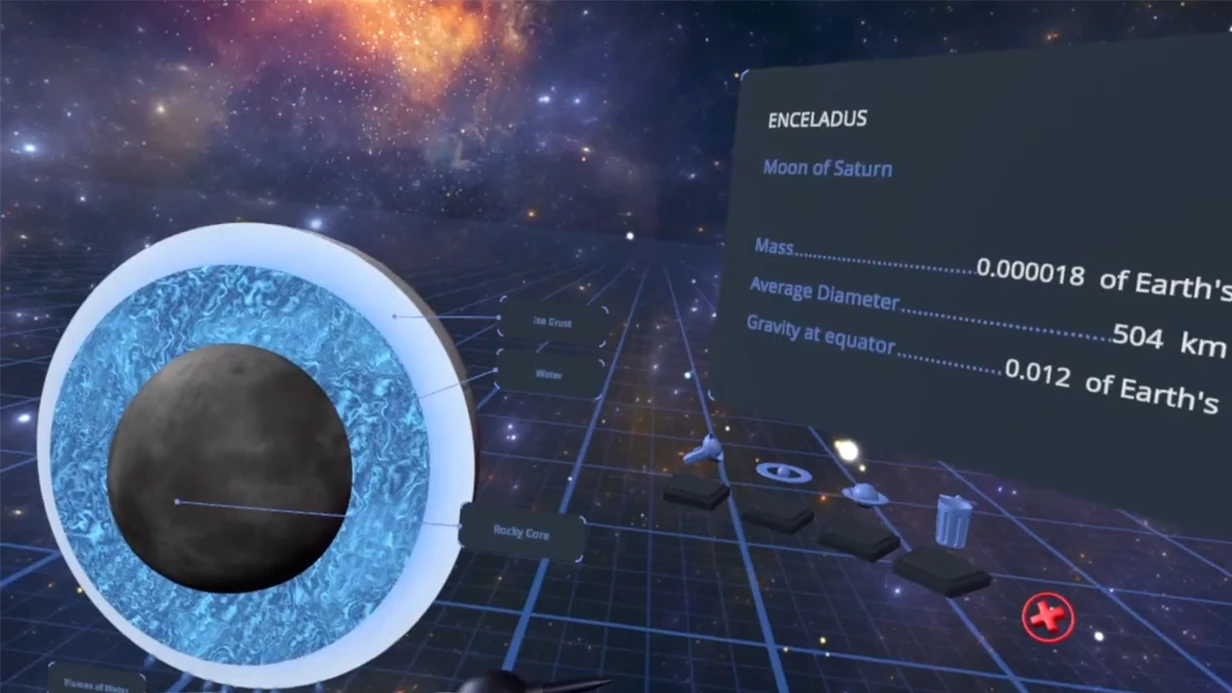
להדרכה, תרחישים סוחפים עובדים הכי טוב, שבהם עובד או לקוח יכולים לנסות בבטחה תהליך ולקבל משוב.
בתערוכות בינלאומיות, זרם המבקרים בדרך כלל צפוף, וזה גורם מפתח. אם הרבה אנשים עוברים בדוכן, הפורמט צריך להיות מתוכנן לסשנים קצרים — שתיים עד חמש דקות — עם עמדות מקבילות ובקרים פשוטים כדי שלא ייווצרו תורים.
אם הקהל מצומצם וממוקד, אתם יכולים להרשות לעצמכם תרחישים עמוקים יותר של 10–15 דקות עם תמיכת מפעיל ואנליטיקה מפורטת.
התקציב קובע לא רק את ההיקף אלא גם את הסבירות של הפתרון: לפעמים אזור VR אחד עם תוכן איכותי מספיק, ולפעמים עדיף כמה נקודות AR קלות סביב היקף הדוכן.
העיקר הוא לא לשלם יותר מדי עבור קיבולת מוגזמת ולא לחסוך במה שמשפיע על פעילות יציבה במהלך ימי התערוכה.
אנחנו בוחרים תצורה למשימה ולמקום שלכם: אנו מחשבים עומס ציוד, מתכננים הרכבה ולוגיסטיקה, ומספקים גיבוי במקרה של תקלות.
בסופו של דבר, אין פורמט "נכון" יחיד — יש שילוב אופטימלי של מטרה, זרם מבקרים ותקציב.
בואו אלינו לייעוץ מקדים: נספר לכם אילו אפשרויות באמת עובדות בתערוכות בינלאומיות, נעזור לכם לקבל החלטה, ונעצב מתקן שיפעל ללא תקלות.