



מדוע המבקרים מתעלמים מהדוכן שלכם בתערוכה חקלאית?
אתם מגיעים לתערוכה חקלאית כדי להציג את המוצר שלכם, לפגוש שותפים ולמצוא לקוחות חדשים. אבל המבקרים חולפים על פני הדוכן שלכם בחמש שניות: פוסטרים, וידאו בלולאה על מסך, ומנהל עייף שחוזר על אותה הצגה — אף אחד מהם לא גורם לאף אחד לרצות לעצור.
העין נמשכת למשהו שזז, מגיב ומזמין להשתתפות — תצוגה סטטית מפסידה לשכנים שמציעים חוויה.
הבעיה היא שבתערוכה חקלאית כל המוצרים נראים דומים: טרקטורים, קומביינים, זרעים, דשנים. כדי לבלוט, אתם צריכים להראות לא את המוצר עצמו, אלא את התוצאה של השימוש בו.
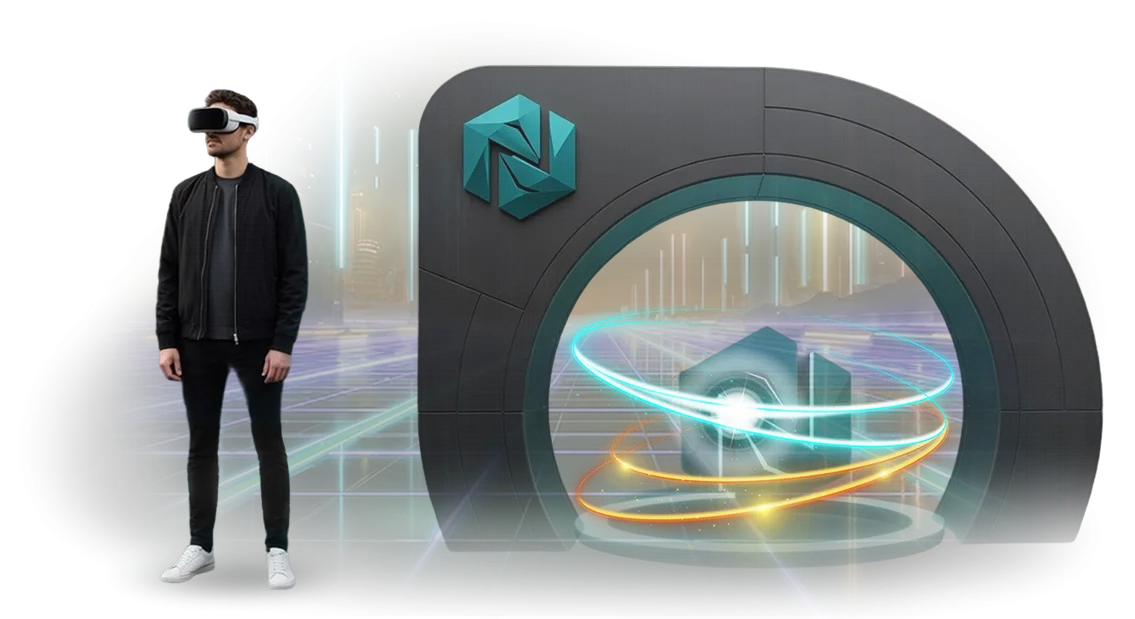
דוכן VR אינטראקטיבי לתערוכות מאפשר לכם ממש להושיב את המבקר מאחורי ההגה של מכונות או להראות איך יבולים גדלים עם הפתרון שלכם.
זו לא רק "מסך עם תמונה" — זה תרחיש מלא שבו האורח שולט בתהליך בעצמו וזוכר את המותג שלכם דרך פעולה.
VR לתערוכות פותר את האתגר המרכזי — משיכת מבקרים והחזקת תשומת הלב שלהם. אדם שמרכיב משקפיים מתנתק מרעש התערוכה ושוקע לגמרי בעולם שלכם לשתיים-שלוש דקות.
בזמן הזה, הוא מבין את יתרונות המוצר, חש רגשות חיוביים ומצלם תמונות לרשתות החברתיות. אחרי חוויה כזו, הוא לא פשוט ממשיך הלאה — הוא מספר לעמיתים עליכם וחוזר לדוכן לייעוץ.
לכן אנחנו בצוות שלנו יוצרים מתקני VR שהופכים דוכן רגיל למרכז משיכה.
אנחנו מטפלים במעורבות המבקרים לחלוטין: אנחנו מתכננים תרחיש שהגיוני לאיש מקצוע חקלאי, לחקלאי או למפיץ, ומוודאים שהדוכן שלכם הופך למקום שאנשים עושים אליו דטור בכוונה.
השאירו מאחור את הפוסטרים המשעממים — תנו לקהל שלכם משהו שהם יזכרו וידברו עליו אחרי התערוכה.
מה אזור VR אינטראקטיבי עושה למותג שלכם
בתערוכה חקלאית יש עשרות דוכנים דומים — ותשומת הלב של המבקר מתפזרת בתוך השניות הראשונות.
באנרים וחוברות רגילים כבר לא עוצרים את העין, אבל אזור VR אינטראקטיבי מבדל אתכם מהשורה וגורם לאנשים לגשת, לנסות ולזכור.
מושך תשומת לב ועוצר את הזרם
מתקן VR עובד כמו מגנט: אנשים רואים את המשקפיים ואת המסך עם השידור החי, לא יכולים לחלוף על פניו, ונוצר תור. בזמן ההמתנה, הם מסתכלים על המותג שלכם, מדברים עם הצוות שלכם ומתחילים להתעניין במוצר — עוד לפני שהם מרכיבים את המשקפיים.
הודות לחידוש שבפורמט, האורחים נשארים בדוכן הרבה יותר זמן מאשר בתצוגה מסורתית. זה אומר יותר אנשי קשר, יותר שיחות עסקיות וסיכוי גבוה יותר שהביקור יהפוך לפנייה.
מחזק את תדמית החברה וההכרה בה
ציוד מודרני וגרפיקת תלת-ממד איכותית יוצרים רושם של מותג טכנולוגי ובטוח בעצמו. המבקרים מקרינים את התחושה הזו על כל קו המוצרים שלכם — אתם נראים כמו מוביל שמסתכל קדימה ומשקיע בצמיחה.
בנוסף, אזור VR הוא סיבה טבעית לתמונות וסרטונים. האורחים משתפים תמונות ברשתות החברתיות, מתייגים את הדוכן שלכם ובכך מרחיבים את החשיפה שלכם בחינם. האזכורים האלה ממשיכים לעבוד גם אחרי שהתערוכה נגמרת ומגבירים את ההכרה בחברה בכל התעשייה.
הופך מבקרים ללידים
אפשר להגדיר את האזור האינטראקטיבי כך שכל משתתף ישאיר פרטי קשר לפני הסשן — למשל, כדי לקבל את תוצאות הסיור הווירטואלי.
כך אתם אוספים מאגר של אנשי מקצוע חקלאיים, מעבדים ומפיצים מתעניינים בלי "בבקשה מלאו את הטופס הזה" אגרסיבי.
אחרי האירוע, אתם מקבלים רשימה של אנשי קשר חמים עם הערות על מה בדיוק המבקר צפה וכמה זמן.
זהו בסיס מוכן לצוות המכירות: אתם יכולים להתקשר עם הצעה מותאמת אישית במקום "ביקרתם אצלנו בתערוכה" גנרי. כתוצאה מכך, אזור ה-VR מחזיר את ההשקעה לא רק דרך השפעה על המותג אלא גם דרך משאים ומתנים קונקרטיים.
פורמטים של מתקני VR/AR למטרות האירוע שלכם
בתערוכה חקלאית, מבקר חולף על פני עשרות דוכנים בכמה שעות — וזוכר רק כמה. כדי לעצור אותו בתצוגה שלכם, אתם צריכים פורמט שעובד מהר יותר ממצגת או הרצאה.
מתקני VR/AR מתמודדים עם זה: האורח לא מקשיב לסיפור, הוא מטפס לתא הנהג של קומביין או בוחן טרקטור חדש בעצמו.
אנחנו בוחרים את הפורמט לפי המטרות שלכם: מדוכן VR קומפקטי ועד חוברת AR שהמבקרים יכולים לקחת איתם. כל אפשרות משיגה מטרה משלה — למשוך תשומת לב, ליצור מעורבות עם המוצר, לאסוף אנשי קשר ולהישאר בזיכרון אחרי האירוע.
| פורמט | למי זה מתאים | מה זה נותן ללקוח |
|---|---|---|
| אטרקציית VR | יצרני מכונות, דוכנים גדולים | תור של מבקרים, רגשות חזקים, תמונות ואזכורים ברשתות החברתיות |
| דוכן VR (קומפקטי) | חברות עם שטח מוגבל | הדגמת מוצר בפעולה בלי דגם תצוגה, יותר שיחות ביום |
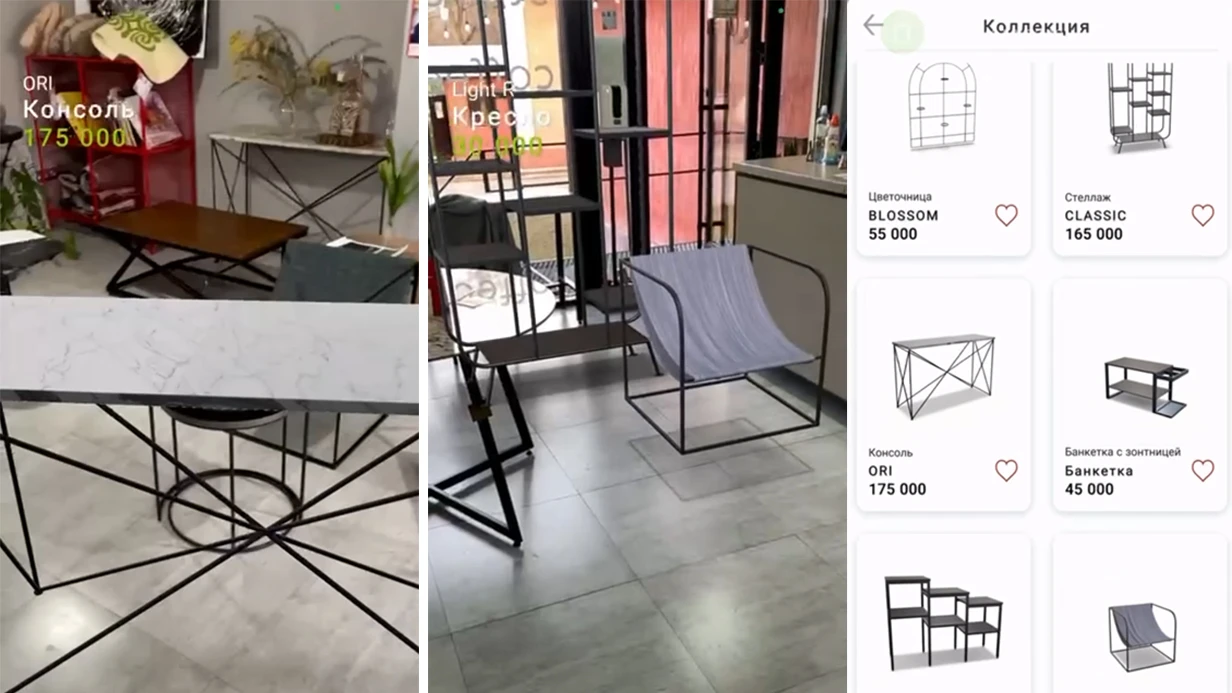
| חוברת AR | צוותי מכירות, שותפים, מפיצים | הדגמת מוצר בתלת-ממד ממש בידיים של הלקוח, ממשיך לעבוד אחרי התערוכה |
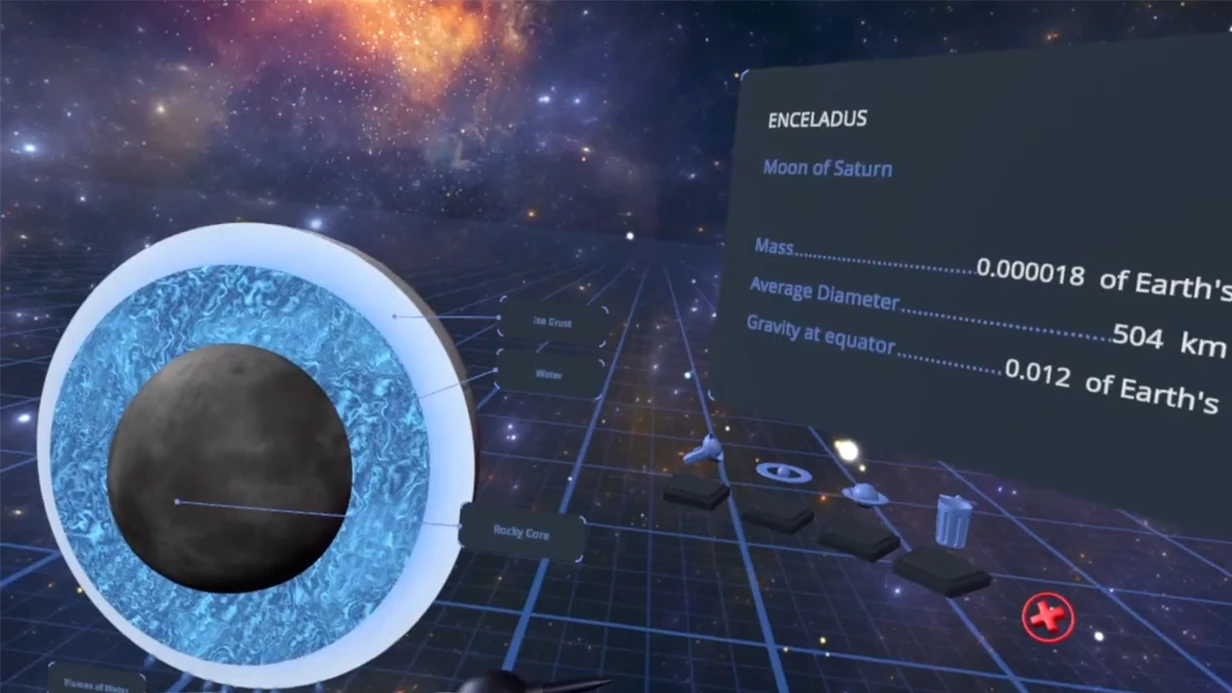
| מתקן אינטראקטיבי | מותגים, מוזיאונים, אזורי חינוך | שקיעה עמוקה בנושא, החזקת תשומת לב לאורך זמן, זכירות גבוהה |
אם אתם לא בטוחים איזה פורמט הכי מתאים לכם — שלחו לנו את מטרות הדוכן שלכם, ואנחנו נציע אפשרות שתתאים לתקציב ולשטח שלכם.
פיתוח דוכן VR לתערוכה חקלאית: 6 שלבים
תערוכה חקלאית היא עשרות דוכנים דומים, ומבקר יכול להקדיש לכל אחד לא יותר מדקה. דוכן VR מבדל אתכם מהמתחרים: במקום חוברת ופוסטר, המבקרים מקבלים הזדמנות להיכנס לתוך המכונות או הטכנולוגיה שלכם.
כדי להגיע לתוצאה עובדת בלוח זמנים צפוף, חשוב לבנות את תהליך הפיתוח שלב אחר שלב. כך אנחנו עושים את זה.
-
בריף ומטרות. אנחנו דנים במה שהכי חשוב לכם: הצגת מכונות חדשות, הכשרת משווקים או איסוף אנשי קשר מלקוחות פוטנציאליים. אנחנו גם מגדירים את הקהל, המיקום והפורמט כדי שדוכן ה-VR יפתור בדיוק את המשימה שלכם.
-
קונספט ותרחיש. אנחנו מעלים מה המבקר יראה: סיור וירטואלי סביב קומביין, נסיעת מבחן ברחפן או סיור אינטראקטיבי במתקן ייצור. אנחנו מכינים תיאור תרחיש מפורט וסקיצות של האזור בדוכן שלכם.
-
אישור תוכן. אנחנו מציגים מודלי תלת-ממד, טקסטים ויזואליזציות. אתם נותנים משוב ואנחנו מתקנים — לפני תחילת הייצור, לא אחריו. זה מבטל עבודה חוזרת.
-
ייצור והרכבה. אנחנו מפתחים את אפליקציית ה-VR, מגדירים ציוד מקצועי ובונים את האזור: דוכן, משקפיים, מיתוג. בשלב הזה כבר יש לכם תמונה ברורה של הדוכן העתידי.
-
השקה ניסיונית. אנחנו בודקים את המערכת בתנאים כמעט אמיתיים: אנחנו עומדים בנעלי המבקר, מעריכים את חוויית המשתמש ומכשירים את הצוות שלכם לסייע לאורחים. אנחנו מוודאים שהכל עובד מהיום הראשון.
-
השקה ותמיכה. במהלך ימי התערוכה המומחה שלנו נשאר ליד הדוכן: מפקח על הציוד, עוזר למבקרים ופותר במהירות כל מצב בלתי צפוי. אתם מנהלים משאים ומתנים בזמן שאזור ה-VR פועל ללא תקלות.
מה כלול בחבילת מסירת מתקן ה-VR
חבילת מסירה שקופה היא מה שאתם מקבלים אחרי העברת הפרויקט, בלי שלבים נסתרים או הבטחות מעורפלות. אנחנו בונים את המתקן במפתח מלא: מציוד VR ועד תמיכת תוכן למשך פעילות הדוכן.
אתם מקבלים פתרון מוכן שפשוט צריך להפעיל אותו ביום פתיחת התערוכה.
- ציוד VR — משקפיים מקצועיים ויחידות מחשוב, מוגדרים ונבדקים לתרחיש שלכם. בלי טרדות תאימות: מדליקים וזה עובד.
- ערכת מתקן VR — כבלים, חיישנים, חומרת הרכבה ואלמנטים מבניים משולבים בקפידה למערכת אחת. כל מה שצריך לפעולה יציבה לאורך כל האירוע.
- תוכן VR מותאם אישית — תרחיש, מודלי תלת-ממד ולוגיקת אינטראקציה הבנויים סביב מטרות התערוכה שלכם. לתערוכה חקלאית, זה יכול להיות סיור וירטואלי במתחם חקלאי, סימולטור ציוד או מעבדה אינטראקטיבית.
- התקנה — הצוות שלנו מגיע למקום, מתקין ומכייל את הציוד, מפעיל את המערכת ובודק אותה לפני הגעת המבקרים הראשונים.
- תמיכת תוכן — במהלך התערוכה אנחנו נשארים בקשר, מבצעים התאמות קטנות בזמן ומעדכנים חומרים אם האירוע דורש זאת.
- הכשרת צוות — בריף קצר לצוות הדוכן שלכם: איך לעזור לאורח, לאתחל סשן ולטפל במצבים נפוצים.
- תיעוד והוראות — מדריכים ברורים על תפעול, הגדרה ופתרון תקלות מהיר. תוכלו לעבוד בביטחון גם בלי הנוכחות שלנו.
- פירוק אחרי האירוע — אנחנו מפרקים ומסירים את הציוד בקפידה, בלי להשאיר עקבות במקום. דוח סופי ודוכן נקי — כבונוס.
מקרה בוחן: איך להגדיל את תנועת הדוכן ואת עניין המבקרים
בתערוכה חקלאית, עשרות דוכנים מתחרים על תשומת הלב של המבקרים, וחוברות רגילות עם דוגמיות מוצר כבר לא עובדות. אורח חולף על פניו אם הוא לא רואה שום דבר יוצא דופן.
קיבלנו משימה להניע תנועה לדוכן של המותג החקלאי AgroHolding «זריה» ולהשאיר אנשים שם יותר משלושים שניות. הצענו אזור VR אינטראקטיבי שבו המבקרים יכלו "לבקר" בשדה ובתוך מתקן הייצור.
מקרה הבוחן של דוכן ה-VR התחיל בבריף: המותג רצה להראות את המחזור המלא — מזריעה ועד אריזה. במציאות, פשוט אין מקום לזה על רצפת התערוכה. פיתחנו סיור וירטואלי במפעל בתרחיש קצר של 3–5 דקות.
אורח הרכיב משקפיים, הסתכל סביב, יצר אינטראקציה עם הציוד וראה במו עיניו איך היבול גדל ונקצר.
תוצאות מתקן ה-VR לדוכן
הפורמט הזה הפך את הדוכן לנקודת משיכה: בשעות השיא נוצר תור חי, שמשך בעצמו עוברי אורח. עד סוף התערוכה, תנועת הדוכן גדלה פי 2.5 בהשוואה להשתתפות הקודמת שלהם בלי אזור ה-VR.
הזמן הממוצע בדוכן גדל מ-30 שניות לארבע דקות — מספיק זמן ליועצים לא רק להציג מוצרים אלא גם לדון בפרטים של שותפות פוטנציאלית.
התוצאות של מתקן ה-VR נראות גם באיכות הלידים: אחרי הסיור הווירטואלי, האורחים היו מוכנים יותר להשאיר פרטי קשר. ההמרה לפניות הגיעה לכשליש מכל מי שעבר באזור.
המותג החקלאי קיבל לא רק נוכחות פורמלית בתערוכה אלא קהל מעורב שכבר מבין איך הייצור עובד.
למה הפורמט עבד
מותגים חקלאיים rarely מצליחים להפתיע מבקרים: מכונות, זרעים ודשנים נראים אותו דבר אצל כל המציגים.
אזור ה-VR העביר את השיחה לרגש — האורחים שיתפו התרשמויות ברשתות החברתיות, תייגו את הדוכן בתמונות, וזה יצר חשיפה נוספת במהלך האירוע עצמו.
האישור העיקרי להצלחה היה הזמנה חוזרת: הלקוח חזר אלינו לפרויקט חדש בתערוכה הבאה. עבורנו, זה הדירוג הטוב ביותר ומקרה בוחן מובהק של דוכן VR שאפשר לשכפל לכל מותג חקלאי.
איך לבחור את הפורמט האינטראקטיבי המתאים לאירוע שלכם?
בחירת פורמט אינטראקטיבי מתחילה לא בטכנולוגיה אלא במטרות האירוע שלכם.
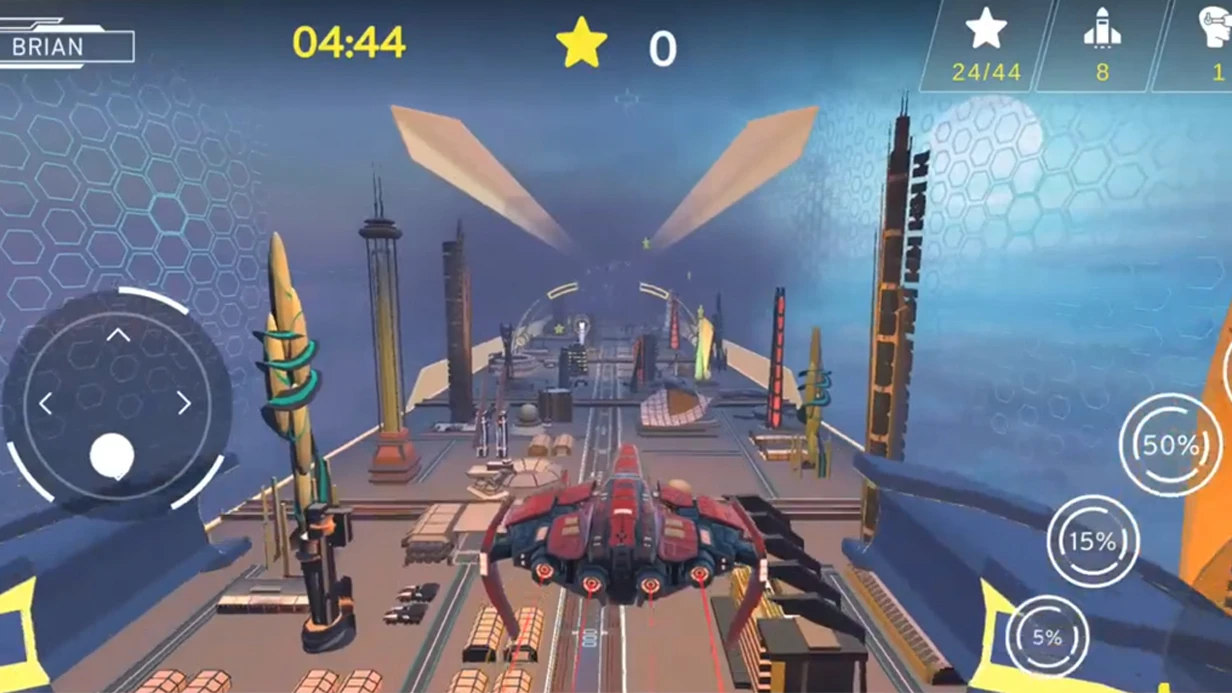
לתערוכה חקלאית, חשוב להבין מה אתם רוצים להשיג: להראות מכונות בפעולה, להדגים תהליכי גידול יבולים או לערב מבקרים במשחק שהם יזכרו.
זה קובע אם זה יהיה אזור VR נייח לכמה אורחים בו-זמנית, מתקן נייד שנע סביב הדוכן או מציאות רבודה שמציגה מידע דיגיטלי על גבי מוצגים אמיתיים.
העריכו את תנועת הרגליים ואת הלוגיקה של החלל. אם הדוכן שלכם צפוף כל הזמן, תרחישי VR קצרים יותר של 3–5 דקות הם הבחירה הטובה יותר — עשרות מבקרים יכולים לעבור בשעה, והתור לא יפחיד אנשים.
אם אתם מזמינים קבוצת יעד לחדר ישיבות או לאזור נפרד, שקיעה עמוקה יותר הגיונית — למשל, סיור וירטואלי בחווה עם בקרות ציוד. במקרה הזה, האורחים יבלו 10–15 דקות בתרחיש וייקחו ערך מקסימלי.
דרישות המקום והתקציב חשובות גם כן. אזור VR צריך רק 4–6 מטרים רבועים, שקע חשמל רגיל ותאורה עמומה. מציאות רבודה אפילו פשוטה יותר: היא עובדת עם טאבלט או מצלמה ישר בדוכן, בלי צורך באזור ייעודי.
התקציבים מחולקים אחרת: השכרת מתקן מוכן מתאימה לאירוע חד-פעמי, בעוד פיתוח תרחיש משלכם יוצר נכס שאפשר להשתמש בו בכמה תערוכות — מבחינת חשיפה, זה לרוב עסקה טובה יותר.
העצה העיקרית: אל תבחרו פורמט בעיוורון. בקשו ייעוץ מאיתנו: נשלח בריף קצר, ועל פיו נציע 2–3 אפשרויות מתקן לשטח, למטרות ולתקציב שלכם.
תקבלו השוואה ברורה של לוחות זמנים, חשיפה והשפעה על המותג — לא רשימת מפרטים טכניים. זה מאפשר לכם לקבל החלטה ביום אחד, בלי שום סיכון לטעות.
שאלות נפוצות על מתקני VR ו-AR באירועים
פיתוח מתקן VR ו-AR יכול להרגיש מאיים: נדמה שזה חייב להיות גוזל זמן, מסובך לניהול ומסוכן באירוע עצמו.
אנחנו נפיג את החששות האלה — נעבור איתכם על איך הכל עובד בפועל כדי שתוכלו לקבל החלטה רגועה ומושכלת.
כמה זמן לוקח פיתוח מתקן VR?
פרויקט סטנדרטי לוקח בין 2 ל-4 שבועות — מבריף ועד מתקן מוגמר. אם אתם צריכים את זה עד תאריך מסוים, אנחנו מתכננים זמן חיץ ומספקים את העבודה 1-2 ימים לפני האירוע כדי שנוכל לבדוק הכל כמו שצריך.
האם זה מסובך להפעיל דוכן VR במהלך האירוע?
לא. כל המערכת מופעלת עם כפתור אחד ופועלת לבד: המבקר מרכיב משקפיים, נכנס לסצנה ומשם פשוט בוחר את הפעולות שלו. חמש עשרה דקות של הדרכה מספיקות לצוות שלכם, ואנחנו גם מכשירים מנהלים מראש.
מה אם הציוד יתקלקל באמצע האירוע?
אנחנו מספקים אחריות על הציוד והתוכנה. במהלך התערוכה אנחנו מספקים ערכת חילוף ומחזיקים מהנדס זמין — אם מתרחשת תקלה, הם מתחברים מרחוק או מחליפים את הציוד תוך שעה. האורחים שלכם אפילו לא ישימו לב לבעיה.
מי מתחזק את דוכן ה-VR במהלך התערוכה?
אנחנו מטפלים בתמיכה הטכנית בעצמנו: מגדירים את הדוכן, עוקבים אחרי טעינת הציוד ומעדכנים תוכן לפי הצורך. אתם מנהלים את האירוע, לא את הטכנולוגיה. אחרי שזה נגמר, אנחנו אוספים הכל ומפרקים בלי שתצטרכו להרים אצבע.
אם עדיין יש לכם ספקות — שאלו אותנו ישירות, ונמליץ על פתרון למשימה ולתקציב שלכם.דונו איתנו בפרויקט אזור ה-VR שלכם
כל תערוכה היא תחרות על תשומת לב. אזור VR שמושך מבקרים דורש רעיון נכון, הערכת עלות שקופה וביצוע מאורגן היטב. לכן אנחנו מתחילים בשיחה: אתם מספרים לנו על המשימה שלכם, ואנחנו מציעים פורמט שפותר אותה בפועל.
השאירו בקשה לייעוץ VR — בשיחה קצרה נדון במטרות שלכם, בקהל ובפרטים הספציפיים של התצוגה שלכם. אחר כך נכין חישוב עלות לפרויקט VR עם לוחות זמנים ברורים והיקף עבודה.
וברגע שהפתרון מאושר, נבנה אזור VR במפתח מלא: עיצוב, תוכן, ציוד, התקנה ותפעול בתערוכה. אתם מקבלים פתרון מוכן, לא ערימת חלקים.
מה כלול בהזמנת דוכן VR:
- ייעוץ VR ללא התחייבות — נעזור לכם לבחור תרחיש שיהמם את האורחים שלכם.
- חישוב עלות פרויקט VR תוך 2-3 ימים — הערכה שקופה, בלי עבודה נסתרת.
- אזור VR במפתח מלא — מקונספט ועד פירוק, עם טכנאי במקום.
- תרחיש מותאם לתערוכה החקלאית שלכם — ממוקד במוצרים ובמותג שלכם.
- לוח זמנים הכנה ברור — אתם יודעים כל שלב מראש.
- תמיכה טכנית לכל משך התערוכה — האורחים מקבלים חוויה עקבית.
כדי להזמין דוכן VR, כתבו לנו דרך הטופס או במסנג'ר המועדף עליכם. נגיב תוך יום עסקים אחד, נבהיר את הפרטים ונשלח לכם פתרון עם הערכת עלות מותאמת למקרה שלכם.