



מתקני VR ו-AR: איך לבלוט בתערוכת טכנולוגיה
בתערוכת טכנולוגיה, תשומת הלב של המבקרים היא המשאב הנדיר ביותר. עשרות דוכנים עם חוברות ופריטי שיווק זהים מתמזגים לרעש חזותי, ומבקרים חולפים על פניהם כי הם לא רואים סיבה לעצור.
אפילו מוצר מעניין לא זוכה לתשומת לב אם הוא לא מועבר דרך חוויה ולא דרך מצגת.
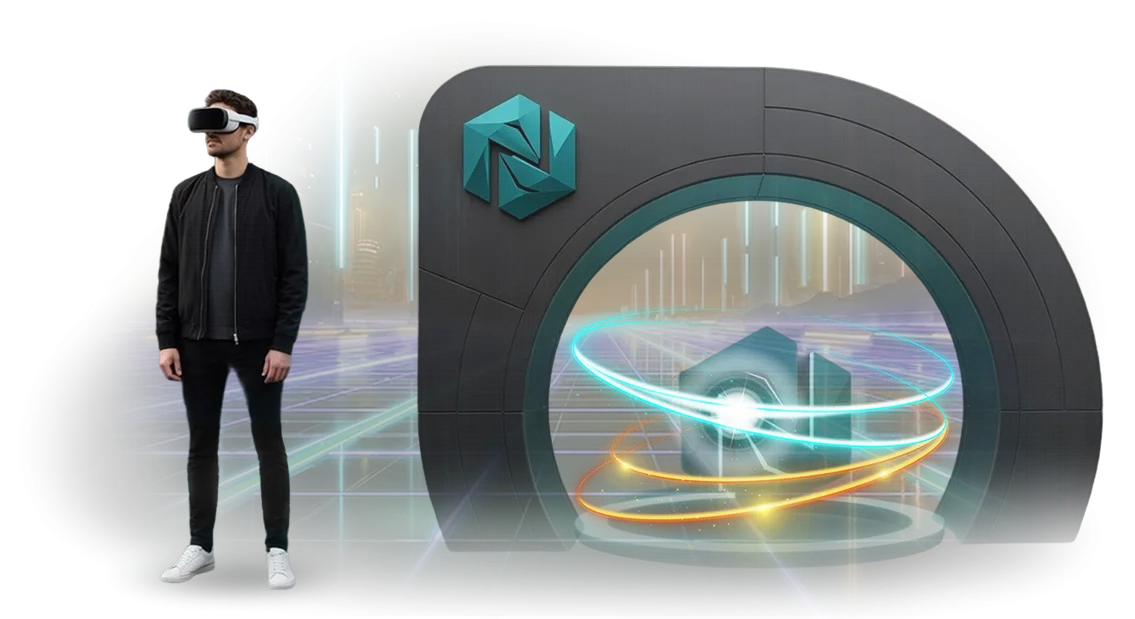
בדיוק בגלל זה מתקני VR ו-AR משנים את כללי המשחק. במקום צפייה פסיבית, אתם נותנים לאורחים את ההזדמנות לנסות, לחוות ולהיכנס לתוך הסיפור שלכם.
דוכן אינטראקטיבי הופך את התערוכה לאירוע חי: אדם לא רק צופה במסך אלא שולט בו, מתקשר עם המוצר, ויוצא עם רושם אישי. זה יוצר תור טבעי שכל שאר המבקרים שמים לב אליו.
מנקודת המבט של המארגן, דוכן כזה פותר כמה משימות בבת אחת. הוא מושך זרם מבקרים, שומר אותם אצלכם פי 3–5 יותר זמן משיחה רגילה, ונותן להם סיבה לצלם ולשתף את החוויה ברשתות החברתיות.
כל אזכור כזה הוא חשיפה נוספת בלי להוציא כסף על פרסום. מתקני VR ו-AR גם עוזרים לאסוף אנשי קשר ומשוב: האינטראקציה מתועדת, ואחרי האירוע אתם יודעים מה הדהד אצל הקהל.
אנחנו יוצרים דוכנים אינטראקטיביים למטרות של תערוכה ספציפית: מפורמט של "נסו את המוצר בסביבה וירטואלית" ועד למשימת AR עם פרסים לסיום.
אנחנו מטפלים ברעיון, בתכנון התרחיש, ביישום הטכני ובהשקה, כך שאתם מקבלים לא רק דוכן מרשים אלא כלי שמחזיר את ההשקעה בתשומת לב המבקרים ובזיכרון המותג.
בתערוכת טכנולוגיה, המנצח הוא זה שמאפשר לאנשים לגעת בעתיד — VR ו-AR עושים את זה בצורה משכנעת ובלי להתפשר על לוחות זמנים.
מה מתקן אינטראקטיבי נותן למותג ולאורחים
בתערוכת טכנולוגיה, אולם התצוגה עמוס: עשרות דוכנים, אזורי הדגמה ומצגות מתחרים על תשומת הלב. דוכן רגיל עם מסכים וחוברות הולך לאיבוד בזרם, והמבקרים חולפים על פניו.
מתקן אינטראקטיבי עוצר אותם, מושך אותם לתוך החוויה, ומשאיר רושם חי הקשור למותג שלכם.
היתרון הראשון הוא זיהוי המותג. כשאדם לא רק רואה לוגו אלא חי דרך סיפור בתוך מרחב וירטואלי, המותג נקשר לרגש ולחדשנות.
החוויות האלה נדונות במסדרונות, משותפות ברשתות החברתיות, ומועברות לאיך שאנשים תופסים את החברה.
השני הוא מעורבות רגשית. אינטראקטיביות מחזיקה תשומת לב הרבה יותר זמן מסרטון או נאום על הבמה. בתוך דקות ספורות של התעמקות, מבקר קולט את הערכים שלכם ותופס מסרים מרכזיים — עומק קשר שלא ניתן להשגה עם חומרים מודפסים.
השלישי הוא חשיפה מורחבת. המבקרים מצלמים את המתקן ומפרסמים סטוריז עם תיוג המותג. הפוסטים האלה נראים על ידי עשרות אלפי עוקבים, כך שהחשיפה ממשיכה לגדול אחרי התערוכה — בלי הוצאות פרסום.
כל אזכור מגובה בחוויה חיה, כך שהוא נראה כן ועובד טוב יותר מפרסום רגיל.
הרביעי הוא יצירת לידים. התרחיש מעוצב כך שהאורחים רוצים להשאיר פרטי קשר — בין אם לתוצאה, לתמונה או לפרס. כך חוויה חיה הופכת למאגר של משתתפים מתעניינים שמוכנים להמשך דיאלוג.
מתקן אינטראקטיבי הוא לא קישוט; הוא כלי עבודה למטרות המרכזיות: הוא מושך, מערב, מפיץ את הבשורה ואוסף אנשי קשר. לכן הפורמט הזה מחזיר את ההשקעה פי כמה וכמה ביעילות רבה יותר מדוכן קלאסי.
פורמטים של מתקני VR ו-AR למטרות אירועים
לכל אירוע יש מטרות משלו: צוות אחד צריך לאסוף אנשי קשר מלקוחות פוטנציאליים, אחר צריך להחזיק אורחים בדוכן יותר משלוש דקות, ושלישי צריך ליצור סיפור חדשותי לרשתות החברתיות.
פורמט המתקן משפיע ישירות על התוצאה, ולכן כדאי להבין קודם את התרחיש של היום ואז לבחור את הטכנולוגיה.
אין פתרון אחד שמתאים לכולם: מה שעובד מצוין להצגה אינטימית לא יתאים לפורום רחב היקף. לכן ריכזנו את האפשרויות המרכזיות ומראים מה כל אחת נותנת ללקוח — כדי שתוכלו לקבל החלטה תוך כמה דקות.
פורמטים מרכזיים של מתקנים
| פורמט | למי זה מתאים | מה זה נותן ללקוח |
|---|---|---|
| דוכן VR | תערוכות טכנולוגיה, פורומים, מצגות מוצר | מציג את המוצר או השירות בפעולה בלי דוגמית פיזית, יוצר באזז חי ומושך תור — אות שיווקי נוסף |
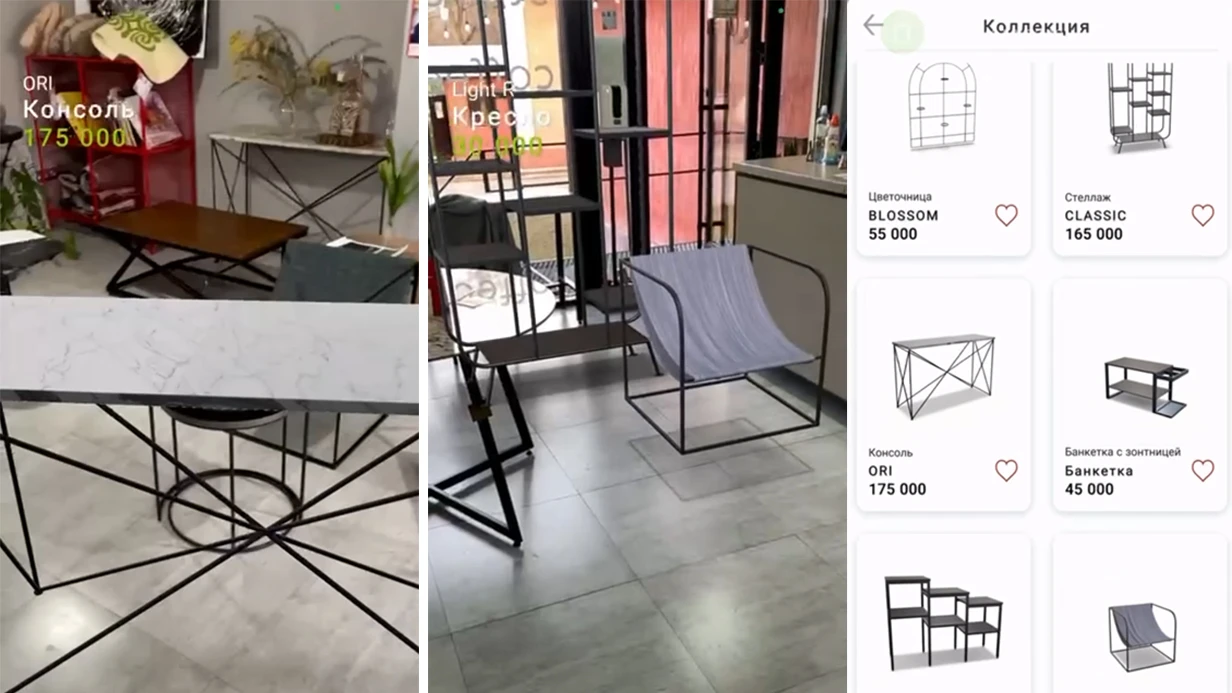
| אזור AR | תערוכות, חנויות תצוגה, פתיחות חנות | האורחים מתקשרים עם אובייקטים וירטואליים ממש בחלל, בלי צורך במשקפיים. האזור משתלב בקלות בחלון ראווה ומעודד צילום, ומרחיב את החשיפה ברשתות החברתיות |
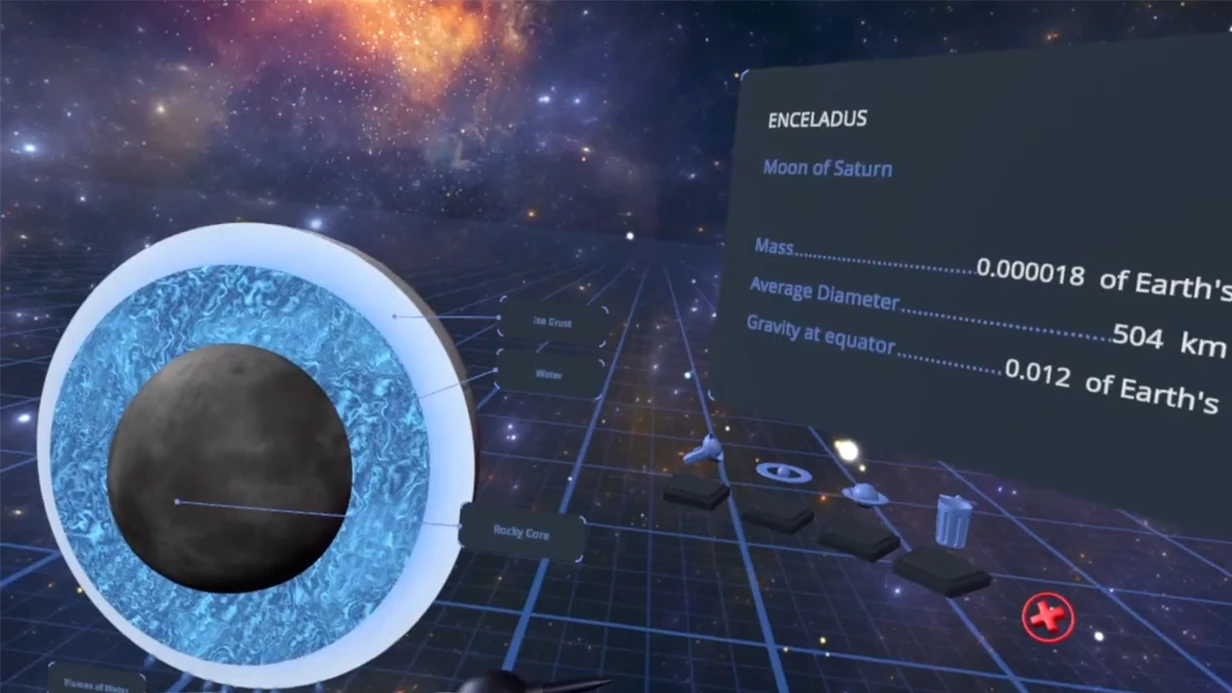
| סיור VR | מוזיאונים, אירועי חברה, ימי פתוח | מספק התעמקות עמוקה בסיפור או במוצר, מחזיק תשומת לב למשך 5–7 דקות, ועובד כתצוגה עצמאית |
| הקרנה אינטראקטיבית | אירועים עם זרם מבקרים גבוה | מגיבה לתנועה, לא דורשת תורים, ואמינה טכנית. מתאימה לאזורי מפגש, לוביז ואזורי כניסה |
נקודת המפתח היא תפוקה. אם תערוכת טכנולוגיה צפויה לאלף מבקרים, דוכן VR סטנדרטי עם תחנה אחת ייצור תור ארוך.
במקרה כזה, אנחנו או מגדילים את מספר התחנות או משלבים VR עם אזור AR ומסך אינטראקטיבי — כך שהזרם מתפזר באופן שווה וכל מבקר מקבל את החוויה שלו.
בחרו את הפורמט שפותר את המטרה המרכזית של האירוע; אנחנו נדאג לבחירת הציוד, לתרחיש ולתמיכה הטכנית בשטח ביום האירוע.
איך מתנהל פיתוח מתקן: שלב אחר שלב
פיתוח מתקן VR לתערוכת טכנולוגיה הוא פרויקט עם שלבים ברורים ונקודות בקרה. אנחנו מבנים את העבודה כך שתמיד תדעו מה קורה ותוכלו להשפיע על התוצאה לפני ההשקה.
להלן הדרך שכל מתקן עובר מהבריף הראשון ועד לרגע שבו האורחים מתחילים להתקשר.
-
בריף ומטרות. אנחנו קובעים את המטרות: מה האורחים צריכים להרגיש, מי הקהל, איזו תוצאה המותג צריך. זה הבסיס לכל הפיתוח.
-
קונספט ותרחיש. אנחנו מציעים 2–3 רעיונות ומתארים את התרחיש — מה האורח עושה, מה הוא רואה, איזו חוויה הוא מקבל. אנחנו בוחרים את הרעיון החזק ביותר למטרות התערוכה.
-
תוכנית יישום. אנחנו מסכמים על לוחות זמנים, היקף עבודה, רשימת ציוד, מיקום הדוכן ודרישות המקום. כאן אנחנו גם מאשרים נקודות בקרה.
-
ייצור והכנה. אנחנו בונים את המתקן, מגדירים את התוכנה ובודקים את כל התרחישים ומקרי הקצה.
-
השקת ניסיון. אנחנו בודקים את המתקן בשטח, תוך התחשבות בתאורה, בסאונד ובזרם המבקרים. אנחנו מבצעים התאמות אחרונות.
-
השקה ותמיכה. המומחים שלנו עובדים באירוע: הם מקבלים את האורחים, עוזרים עם הציוד ופותרים כל בעיה במקום.
-
אנליטיקה ותוצאות. אחרי האירוע, אנחנו מוסרים את הנתונים: כמה אורחים ניסו את המתקן, כמה זמן הם השקיעו, ואיזו תגובה הוא קיבל.
כל שלב מסתיים בתוצאה קונקרטית ובנקודת אישור ברורה. כך אתם נשארים בשליטה על התהליך ומקבלים מתקן שבאמת פותר את המטרה של התערוכה שלכם.
מה כלול במסירה ובתמיכה בפרויקט
קבלת דוכן VR במפתח פתוח פירושה לקחת את כל העומס הטכני מהכתפיים שלכם. אתם מקבלים חבילה אחת: ציוד, תוכן, הגדרה, ביטוח ותמיכה בשטח.
אתם לא צריכים לחפש קבלני משנה, לתאם עבודה או לדאוג שמשהו יתקלקל ברגע הקריטי ביותר.
אנחנו מרכיבים ובודקים כל פרט לפני האירוע, כך שבתערוכה אתם מתמקדים בתוכנית ובאורחים, לא בטכנולוגיה. החבילה הסטנדרטית כוללת:
- ציוד. מערכות VR מקצועיות, בקרים וערכות חילוף. אם משקף אחד נכשל — ההחלפה אורכת דקות, לא שעות.
- תוכן. תוכנית מוכנה המותאמת לנושא האירוע שלכם: מסיורים וירטואליים ועד מצגות אינטראקטיביות. אנחנו מתאימים את התרחיש לקהל שלכם אם צריך.
- התקנה והגדרה. אנחנו מביאים את הציוד, מרכיבים את הדוכן, מחברים ובודקים הכל לפני הגעת האורחים הראשונים. פריסה, חשמל ולוגיסטיקה הם העבודה שלנו.
- ביטוח. כל הציוד מבוטח, כך שנזק מקרי או כוח עליון לא יפגעו בתקציב שלכם.
- תמיכה שוטפת. טכנאי נשאר בשטח לכל משך פעילות הדוכן. הוא עוקב אחר מצב המערכות ופותר כל בעיה באופן מיידי.
- הדרכת צוות. אנחנו עורכים הכוונה קצרה לצוות שלכם: איך לסייע לאורחים, לנהל את התור ולאסוף משוב.
בסופו של דבר, אתם עובדים עם שותף אחראי אחד. אם משהו משתבש, אנחנו מתקנים אותו במקום, לא אחרי האירוע. אנחנו מבטיחים פעילות יציבה לאורך כל ימי התערוכה, ואחריה אנחנו מטפלים בפירוק מהיר ובאיסוף הציוד בלי טרחה נוספת.
מקרה בוחן: איך דוכן VR משך קהל בתערוכת טכנולוגיה
המטרה הייתה פשוטה: למשוך מבקרים בתערוכת הטכנולוגיה Digital Horizon לדוכן של מציג. חומרים סטנדרטיים הלכו לאיבוד בין עשרות משתתפים, ומוצר מורכב לא ניתן היה להציג בשידור חי.
המארגנים רצו שהמותג ייזכר ושהמבקרים יבינו את ערך הטכנולוגיה תוך כמה דקות.
פיתחנו דוכן VR שבו כל אורח נכנס למצגת מוצר וירטואלית. התרחיש היה אינטראקטיבי: המבקר ניהל את ההדגמה בעצמו, ראה איך המערכת עובדת, ויצא עם רושם חי. תור נוצר מההתחלה — זה הפך לאירוע בפני עצמו בתערוכה.
התוצאות
במשך יומיים, יותר מ-500 איש ביקרו בדוכן, עם זמן ממוצע של כ-6 דקות. זה היה אחד ממדדי המעורבות הגבוהים ביותר בקרב כל המציגים.
האורחים צילמו את החוויה באופן פעיל ופרסמו אותה ברשתות החברתיות — החברה קיבלה אלפי אזכורים נוספים בלי להוציא כסף על פרסום.
מעבר לחשיפה, הלקוח אסף אנשי קשר מיותר מ-200 לקוחות פוטנציאליים והזמין הזמנה חוזרת לעונה הבאה.
דוכן ה-VR פתר את האתגר המרכזי: הוא הפך טכנולוגיה מופשטת לחוויה מוחשית והניב תוצאות שדוכן רגיל עם חוברות פשוט לא יכול להשיג. עבורנו, זו עוד הוכחה — אינטראקטיביות משתלמת כשצריך לבלוט בין מתחרים.
מה אם אתם צריכים פורמט מתקן מותאם אישית?
פורמט מותאם אישית הוא לא בעיה — זו המשימה הרגילה שלנו. אנחנו לא מביאים תבנית מוכנה של "שימו משקפיים והפעילו הדגמה": לכל תערוכה, אנחנו מחפשים פתרון שפוגע במטרות המדויקות של המותג, הקהל והמקום.
זה יכול להיות מתקן VR, מציאות רבודה או משטח אינטראקטיבי — כל מה שעובד במקרה הספציפי שלכם.
קודם כל, אנחנו מבינים מה העסק צריך: למשוך מבקרים לדוכן, להציג מוצר מורכב בבירור, או לספק חוויה בלתי נשכחת תוך כמה דקות. התרחיש, שיטת האינטראקציה, הסגנון החזותי והפריסה הטכנית תלויים בזה.
לתערוכת טכנולוגיה, זה לעתים קרובות פורמט של "נסו את המוצר בעצמכם"; למותג, זו חוויה רגשית ותמונות נהדרות לרשתות החברתיות.
אם תרחיש סטנדרטי לא מתאים, אנחנו בונים פתרון מותאם אישית — מרעיון ועד לוגיקה מוגמרת, תוך התחשבות בשטח הרצפה, בתנועת המבקרים ובמטרות האירוע.
אנחנו עובדים מהר: אחרי הבריף, אנחנו מציעים קונספט, מקבלים אישור ומרכיבים אב טיפוס. אחר כך אנחנו משכללים אותו לגרסה הסופית עם כל פרט בחשבון — מזרימת התור ועד לאיך שהאורחים מגיבים לתרחיש. כל המחזור אורך כמה שבועות, כך שאנחנו מספקים אפילו בלוחות זמנים צפופים.
ביום האירוע, המומחים שלנו נמצאים ממש שם: הם עוקבים אחר הפעילות, עוזרים למבקרים ופותרים כל בעיה במהירות. אתם לא צריכים להתעסק בטכנולוגיה — רק לקבל את האורחים ולהרחיב את התוכנית שלכם.
בסופו של דבר, אתם מקבלים מתקן מותאם אישית שמתאים לקונספט התערוכה ומעורר תגובת "וואו". אלה הפורמטים שאנשים זוכרים, הם יוצרים תמונות מרשימות, והם ממשיכים לעבוד עבור ההכרה בכם הרבה אחרי האירוע. האורחים משתפים את ההתרשמות שלהם ברשתות החברתיות, והחשיפה גדלה בלי הוצאות פרסום נוספות.
שאלות נפוצות על מתקני VR ו-AR לאירועים
לפני הזמנת מתקן VR או AR לתערוכת טכנולוגיה, לרוב הלקוחות יש את אותן שאלות: האם נעמוד בלוחות הזמנים, האם הציוד ייכשל ברגע הקריטי ביותר, וכמה בקלות המתקן יתאים למקום ולקהל?
זה נורמלי — האחריות לתוצאה גבוהה, ולכן אנחנו עונים על החששות המרכזיים ישירות וקובעים את כל ההסכמות בבריפים ובהערכות עלות מראש.
אנחנו עובדים עם אירועים על בסיס קבוע — עם עשרות השקות מאחורינו, מהצגות סגורות קטנות ועד תערוכות עם כמה אלפי מבקרים.
להלן תשובות לשאלות הנפוצות ביותר של לקוחות על לוחות זמנים להכנה, אמינות והתאמת מתקן למשימה ספציפית.
כמה זמן צריך כדי להכין מתקן VR לתערוכה?
בממוצע, הפיתוח והאישור אורכים 3-4 שבועות. זהו חלון הזמן האופטימלי לבניית התרחיש, הכנת התוכן, בדיקת הציוד וביצוע חזרה בשטח.
אם התערוכה בעוד 10 ימים — זה גם בסדר: יש לנו פתרונות מוכנים שמתאימים למותג ולנושא שלכם ומשוגרים הרבה יותר מהר. העיקר הוא לדון במטרות שלכם מראש כדי שנוכל לבחור את האפשרות הנכונה.
מה קורה אם הציוד מתקלקל במהלך התערוכה?
כל פרויקט רץ עם ערכת חילוף של ציוד מפתח, וטכנאי נשאר בשטח לכל משך האירוע. זה אומר שהחלפות מתרחשות במהירות והאורחים לא שמים לב לבעיות.
תקלות הן נדירות ביותר בכל מקרה — הציוד מקצועי ונבדק לפני המשלוח — אבל גם אז, יש לנו שליטה מלאה על המצב.
האם אפשר להתאים את המתקן למקום ולקהל שלנו?
כן, התאמה היא חלק סטנדרטי מהעבודה. אנחנו מתחשבים בגודל החלל, במספר ובגיל המשתתפים, ביכולות הטכניות של המיקום ואפילו בלוח הזמנים של התערוכה.
לדוגמה, לתערוכה עם תנועה גבוהה אנחנו בונים מתקן עם מחזור סשנים מהיר, ולאירועים סגורים — עם תרחיש מורחב ומיתוג. כל זה מובנה בתכנון התרחיש בשלב הבריף.
האם הלקוח צריך לרכוש ציוד כלשהו?
לא, אנחנו מספקים את החבילה המלאה — ממשקפיים ועד שרתים וכבלים. אתם מקבלים אזור מוכן לחלוטין במפתח פתוח: אנחנו מביאים, מרכיבים, מגדירים ואוספים הכל אחרי סיום התערוכה. כל מה שאתם צריכים לעשות זה לשלב את המתקן בתוכנית האירוע שלכם ולקבל את האורחים.
קבלו הערכת עלות ולוחות זמנים לפרויקט שלכם
השאירו פנייה, ונחזור אליכם תוך יום עסקים אחד עם הערכת עלות ולוחות זמנים למשימה שלכם.
נספר לכם איך בנינו דוכני VR לתערוכות טכנולוגיה: איזו חשיפה קיבלו המארגנים, כמה אורחים עברו בתרחיש ביום, ואילו מנגנונים יצרו באזז ותורים. נדון בפורמט שמתאים למקום, לתקציב ולמטרות האירוע שלכם.
אחרי הפנייה שלכם, תקבלו:
- הערכת עלות לפורמט שלכם: השכרת ציוד, פיתוח תרחיש, התקנה ותמיכה טכנית בשטח
- לוחות זמנים ספציפיים: מבריף ועד השקה באירוע, עם מרווח לחזרות והפעלה
- ייעוץ על תרחיש האינטראקציה עם האורחים בדוכן ה-VR: איך לעצב את הלוגיקה כך שמבקרים לא ילכו לאיבוד וידברו על המותג שלכם
- המלצות על מיקום הדוכן, חלוקת אזורים, זרימת מבקרים ולוגיסטיקה בשטח
- דוגמאות לפרויקטים דומים עם מספרים: מספר סשנים, זמן לכל אורח, חשיפה ברשתות החברתיות
- תוכנית שלבים מאישור הקונספט ועד מסירת הפרויקט, עם אחראים ונקודות בקרה
- רשימה ברורה של מה אנחנו צריכים מכם בכל שלב — בלי הפתעות
שלחו לנו את הפרטים, ונכין הצעה מותאמת אישית תוך יום. בלי התחייבות: נגבש הערכת עלות מוקדמת ונייעץ. השוו אותנו לקבלנים אחרים ותראו שאיתנו קל יותר לתכנן, להכין ולהשיק.