



איך לבלוט בתערוכת אדריכלות ולמשוך מבקרים?
בתערוכת אדריכלות, תשומת הלב של המבקרים היא המשאב הנדיר ביותר. עשרות דוכנים עם מודלים בקנה מידה, פוסטרים וסרטונים מתחרים על שניות בודדות של תשומת לב, ורוב האורחים חולפים על פניהם מבלי לזכור אפילו מי הציג מה.
מעורבות מבקרים בתוך כל הרעש הזה היא קריטריון ההצלחה המרכזי — לא רק מספר העלונים שחולקו.
כשדוכן לא תופס את העין, תקציב האירוע עובד לשווא: אתם משלמים על שכירות, בנייה וצוות, אבל לא מקבלים את העיקר — עניין בפרויקט ופניות המשך.
המבקר רואה רק תמונה סטטית שלא מספרת דבר על החלל, הקנה מידה והאווירה של הבניין העתידי. ובכל זאת, זה בדיוק מה שמבדיל רעיון אדריכלי חזק — היכולת "לחוות" אותו.
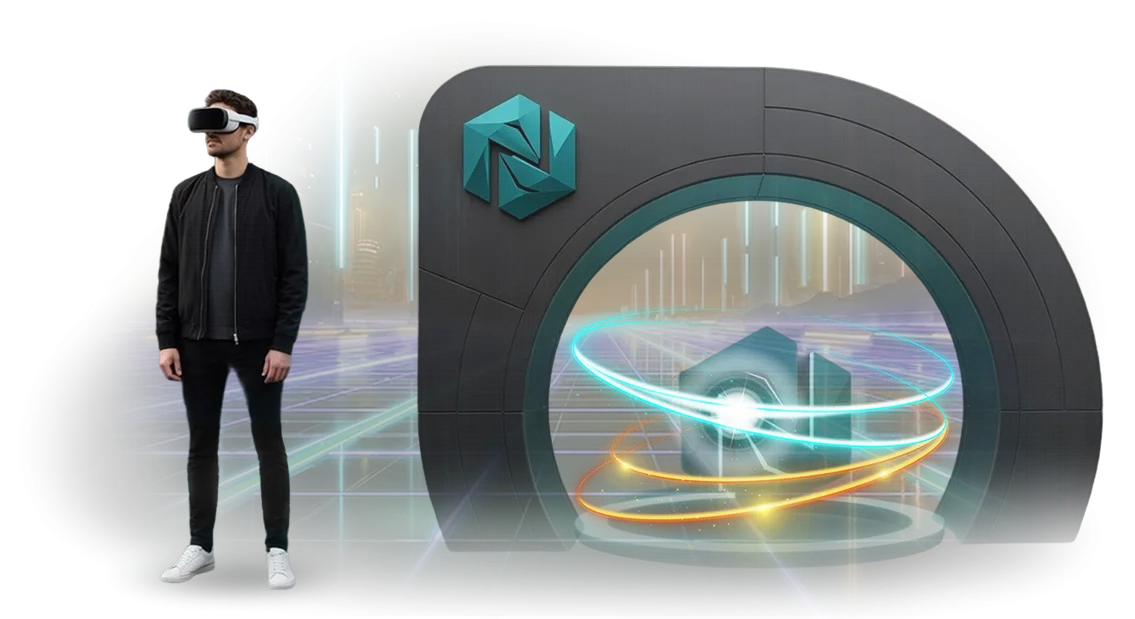
הפתרון הוא VR לאירועים. במקום תמונה שטוחה, אתם נותנים לאנשים את ההזדמנות להיכנס לתוך בניין שעדיין לא נבנה, ללכת דרך האולמות שלו, ולהעריך את הנופים והארגונומיה.
טבילה כזו מחזיקה תשומת לב להרבה יותר זמן ויוצרת חיבור רגשי עם הפרויקט. דוכן בלתי נשכח עם אזורי VR הופך למוקד משיכה — אנשים מתאספים סביבו, חולקים את התרשמויותיהם, וחוזרים עם עמיתים.
אנחנו מפתחים מתקני VR במפתח מלא: מהקונספט והוויזואליזציה האדריכלית ועד ההתקנה והתמיכה באתר באירוע עצמו.
התפקיד שלנו הוא לגרום לתערוכת האדריכלות להניב עבורכם תוצאות מדידות: יותר שיחות עם לקוחות פוטנציאליים, רושם מתמשך למבקרים, וסיבה להעביר את פרטי הקשר שלכם לעמיתים. אתם מתמקדים בעיצוב — אנחנו מטפלים במעורבות המבקרים.
מה דוכן VR ייתן למותג שלכם באירוע
היתרון של דוכן VR בתערוכת אדריכלות הוא שזה לא רק בידור אלא כלי מיתוג שמניע תנועה. אזור אינטראקטיבי מואר בולט בין מודלים בקנה מידה ובאנרים, כך שמבקרים עומדים בתור מעצמם, והדוכן הופך למוקד משיכה.
חוויה וירטואלית נזכרת לאורך זמן. אדם ישכח עשרות מצגות רגילות, אבל הוא ייזכר שוב ושוב בהליכה דרך בניין עתידי, ותדמית המותג — חדשנית וקשובה לפרטים — תידבק בזיכרונו.
האפקט במדיה החברתית מעצים את התוצאה: מבקרים מקליטים סרטונים ומשתפים אותם בחשבונותיהם, ומארגנים ועיתונאים נוטים יותר להזכיר מקום יוצא דופן בסקירות שלהם. כך, פרסום המותג ממשיך לעבוד גם אחרי שהתערוכה מסתיימת. ובזמן שאנשים ממתינים בתור, לצוות שלכם יש זמן לשוחח איתם ולאסוף פרטי קשר.
הפורמט גמיש: התוכן מותאם למטרות של אירוע ספציפי — הצגת פרויקט שלא נבנה מבפנים, העברת קנה המידה והאווירה שלו.
התוצאה מדידה: אתם רואים כמה אנשים טבלו בחוויה ויכולים להעריך את תרומת הדוכן למטרות האירוע.
השורה התחתונה פשוטה: דוכן VR מושך תנועה, מגביר את הזכירות, יוצר אפקט במדיה החברתית ומחזק את מעמד המותג שלכם.
לתערוכת אדריכלות, זו אחת הדרכים היעילות ביותר לבלוט מול מתחרים ולהפוך תשומת לב של מבקרים לפיונות אמיתיות.
פורמטים של מתקני VR ו-AR לתערוכת אדריכלות
מבקרים בתערוכות אדריכלות מתעייפים מהר מטאבלטים ומודלים סטטיים בקנה מידה — העיניים שלהם גולשות, ואפילו פרויקט חזק הולך לאיבוד בזרם.
דוכן VR משנה את זה: במקום לקרוא תיאור, אדם ממש נכנס לתוך הבניין העתידי, הולך דרך הלובי, ומעריך אור ונפח.
אינטראקטיביות כזו לתערוכה מחזיקה תשומת לב להרבה יותר זמן מדוכן עם עלונים ויוצרת את הרגע הזה של "וואו" שאנשים זוכרים ומדברים עליו.
פורמט מתקן ה-VR וה-AR נבחר לפי המשימה: עבור חלק, העדיפות היא פירוט הפרויקט; עבור אחרים, איסוף פרטי קשר; ועבור אחרים, יצירת סיבה להצטלם. להלן התרחישים האופייניים שאנחנו מיישמים בתערוכות אדריכלות.
| פורמט | מתי לבחור | מה זה נותן ללקוח |
|---|---|---|
| דוכן VR עם טבילה בפרויקט | כדי להציג בניין, פנים או שכונה שלא נבנו | המבקר "הולך דרך" המתקן, זוכר את הפריסה והאווירה |
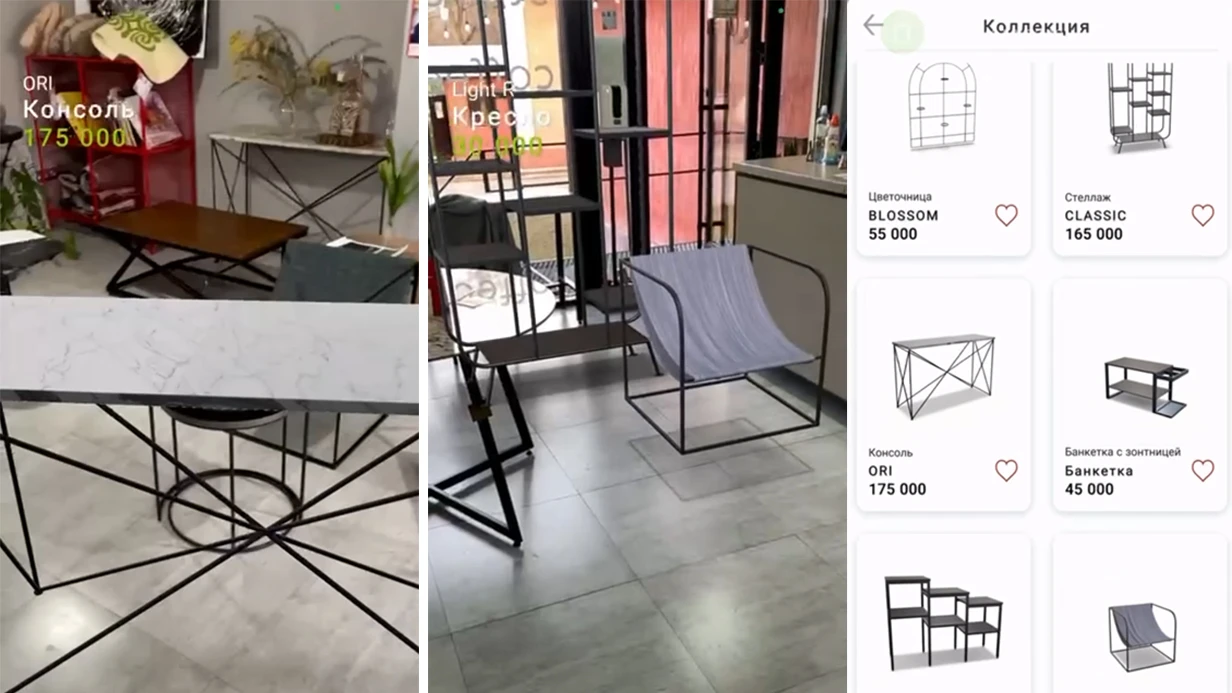
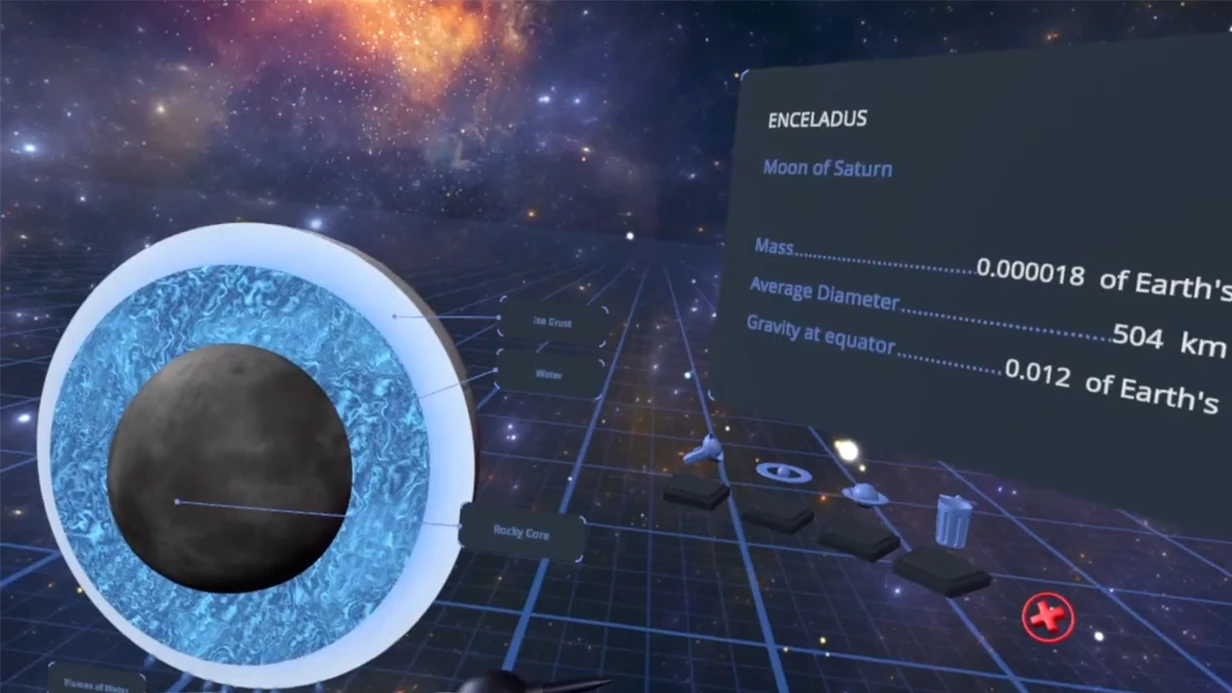
| מתקן AR על גבי מודל בקנה מידה | כדי להחיות מודל פיזי ולהוסיף שכבות מידע | מציג בבירור קומות, הנדסה וחומרים ללא עומס טקסט |
| AR בטאבלטים ובטלפונים | כדי לתת למבקרים תרחיש עצמאי | אורחים מכוונים את המצלמה ומקבלים מודל תלת-ממדי של הבניין בקנה מידה אמיתי |
| נקודת צילום רב-פורמטית | כדי ליצור תוכן ויראלי והגעה במדיה החברתית | אורחים מצטלמים בתוך הפרויקט הווירטואלי ומתייגים את המותג |
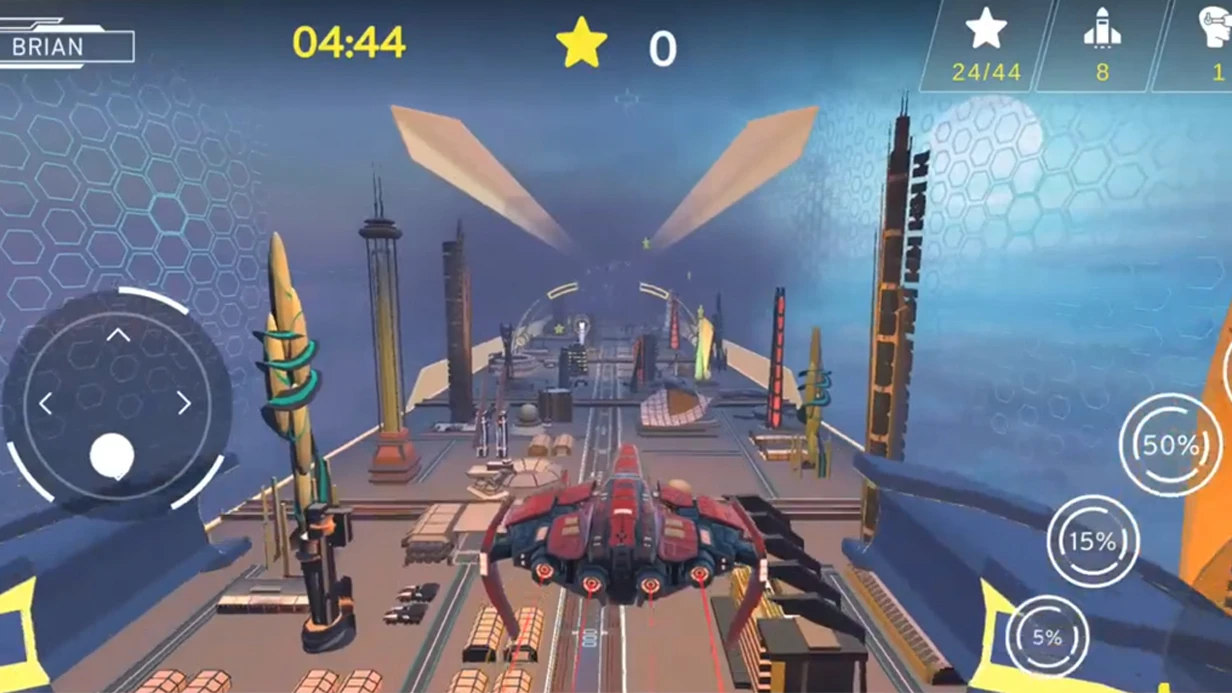
| משחק VR או משחק תערוכה | כדי למשוך תשומת לב לדוכן ולשמור על מעורבות מבקרים | מגדיל את זמן השהייה בדוכן ועוזר לאסוף לידים באמצעות תרחיש משחק |
המגוון הזה אומר שאנחנו לא כופים את המשימה על הטכנולוגיה — במקום זאת, אנחנו בוחרים את הפתרון הנכון לתקציב ולמטרות האירוע. אנחנו עובדים עם ציוד VR מקצועי, כך שהתמונה חלקה ונוחה גם למשתמשים בקסדה בפעם הראשונה.
אם אתם לא בטוחים איזה פורמט יהדהד עם הקהל שלכם, נייעץ לכם בשלב הבריף. נציע 2-3 קונספטים לדוכן שלכם ונעזור לכם לחשב את התקציב.
לדוגמה, קסדת VR אחת ושני אזורי תור מספיקים לדוכן תערוכה — זה מספיק לעד 200 מבקרים שיעברו במתקן ביום ללא לחץ או צפיפות.
איך עובד פיתוח דוכן VR: 6 שלבים
הבנת התהליך היא חצי מהקרב. כשפיתוח דוכן VR נראה כמו קופסה שחורה, קשה לתכנן את האירוע, התקציב והצוות.
אנחנו עובדים בשקיפות: אתם תמיד יודעים איפה עומד הפרויקט, מה אושר, ומתי המתקן יהיה מוכן לתאריך התערוכה.
6 שלבים מהבריף ועד ההשקה
-
בריף וטבילה במשימה. אנחנו דנים במטרות הדוכן, הקהל והמקום. אנחנו קובעים מועדים וקריטריוני הצלחה: הגעה, עומק מעורבות ופרטי קשר שנאספו.
-
קונספט ותוכנית פרויקט. אנחנו מציעים תרחיש למתקן VR, סגנון ויזואלי ותוכנית פריסה. אנחנו מסכמים על האב-טיפוס ושלבי העבודה — אתם רואים בדיוק על מה אתם משלמים.
-
אב-טיפוס ואישור מודל. אנחנו מראים אב-טיפוס אינטראקטיבי: לוגיקת האינטראקציה והאווירה של החלל. תיקונים נעשים לפני תחילת הייצור — זה חוסך זמן ותקציב.
-
ייצור תוכן והרכבה. אנחנו יוצרים מודלים תלת-ממדיים, גרפיקה וסאונד, ומרכיבים את המתקן על ציוד מקצועי. אנחנו שולחים תוצאות ביניים — אתם צופים בפרויקט מתפתח.
-
בדיקות והשקה באתר. אנחנו בודקים את הדוכן בתנאים אמיתיים: זרימת מבקרים, תאורה, עומס. אנחנו מאמנים את הצוות שלכם או מאיישים את התערוכה בעצמנו.
-
תמיכה במהלך האירוע. אנחנו נשארים בקשר לאורך ימי התערוכה, פותרים בעיות במהירות ומנטרים יציבות. לאחר האירוע, אתם מקבלים דוח סופי והמלצות.
התוצאה: אתם מקבלים דוכן VR עובד עד התאריך הנדרש — ללא עיכובים, ללא הפתעות. שלבים ברורים ונקודות אישור עוזרות לכם לשמור על הפרויקט בלוח הזמנים ולשלוט באיכות בכל שלב.
מה כלול בחבילת דוכן VR לתערוכה
כדי להבטיח שהדוכן יפעל ללא תקלות והמבקרים יישארו עם רושם חיובי, אתם צריכים יותר מסתם קסדה ומחשב — אתם צריכים חבילת VR מחושבת היטב. אנחנו מרכיבים אותה במפתח מלא: מציוד ועד תוכן, התקנה ותמיכה לאורך כל ימי התערוכה. כל מה שאתם צריכים לעשות זה לבחור את עיצוב הדוכן — אנחנו מטפלים בכל השאר.
ציוד VR ותוכן
ציוד VR מקצועי נבחר לפי דרישות התערוכה: מספר המבקרים, שטח הדוכן ופורמט האינטראקציה.
התוכן נוצר במיוחד עבור הפרויקט האדריכלי שלכם — מודל וירטואלי שניתן לבחון מכל זווית, "להיכנס" אליו ולחקור אותו בפירוט.
- קסדות מציאות מדומה עם תמונה באיכות גבוהה
- מחשבים חזקים לוויזואליה חלקה ללא פיגור
- מעמדים, כבלים וחיווט — הכל מוסתר בצורה מסודרת
- מודל תלת-ממדי של הפרויקט או המתקן שלכם
- תרחיש אינטראקטיבי עם הנחיות ואפשרויות פעולה
- מסך לשידור מה שהמבקר רואה
- ציוד גיבוי למצבים בלתי צפויים
התקנה ותמיכה טכנית
התקנת דוכן VR אורכת יום אחד — הכל יהיה מוכן ופעיל עד פתיחת התערוכה. מהנדס מגיע למקום מבעוד מועד, מגדיר את המערכת ומאמן את הצוות שלכם.
לאורך ימי התערוכה, מומחה נשאר באתר, מסייע לאורחים ומנטר את הציוד.
- ביקור מהנדס להתקנה והגדרה של החבילה
- הדרכת צוות על עבודה עם דוכן ה-VR
- ניטור מרחוק של מצב המערכת
- פתרון מהיר של בעיות בלתי צפויות
- פירוק והוצאת ציוד לאחר סגירת התערוכה
חבילה מלאה מבטיחה ביצועים יציבים של הדוכן ללא השקעות נוספות. אתם מקבלים מגנט מבקרים מוכן שיוצר אפקט "וואו" ועובד לבניית הכרת המותג.
מקרה בוחן: דוכן VR למשרד אדריכלות — התוצאה
אחד הפרויקטים האהובים עלינו הוא העבודה שלנו עם משרד האדריכלות Forma. החברה התכוננה לתערוכה תעשייתית גדולה: הם היו צריכים לא רק להציג פרויקטים בטאבלטים, אלא לתת למבקרים להרגיש את קנה המידה והאווירה של בניינים עתידיים.
מודלים רגילים בקנה מידה ומצגות הלכו לאיבוד בין עשרות דוכנים שכנים — היה צורך בפתרון שיגרום לאנשים לעצור ולזכור את המותג.
הצענו דוכן VR שבו כל אחד יכול "להיכנס" לבניין שלא נבנה, ללכת דרך הקומות ולהעריך את הפריסה.
מספרים שמדברים בעד עצמם
במשך שלושה ימי תערוכה, דוכן ה-VR משך יותר מ-1,200 מבקרים — כמעט כל תנועת האירוע. זמן האינטראקציה הממוצע היה כמעט ארבע דקות, לעומת 20-30 השניות שאורחים מבלים בדרך כלל בדוכן רגיל.
עומק המעורבות הזה אפשר לצוות המשרד לנהל שיחות משמעותיות עם קהל מתעניין במקום פשוט לחלק עלונים.
תוצאות התערוכה עלו על הציפיות: המשרד אסף 340 פרטי קשר ו-27 בקשות לייעוץ — צינור ישיר של לקוחות פוטנציאליים שמוכנים לדון בשיתוף פעולה. שבועיים לאחר האירוע, הלקוח חזר וביקש סיור VR לאולם התצוגה הקבוע שלהם. פרויקט ה-VR הפך לכלי מכירות ארוך טווח ולא לקידום חד-פעמי.
כשמדובר במדדי ביצועים, מה שחשוב לנו הוא לא מספר הקסדות שנלבשו, אלא התוצאה העסקית: פניות, פרטי קשר, הזמנות חוזרות.
אלה המדדים שאנחנו בונים בכל דוכן VR למשרדי אדריכלות, ואלה מה שאנחנו מתעדים בדוח שלאחר האירוע.
בהתבסס על הניסיון הזה, אנחנו יודעים איך לתכנן תרחיש שבו מבקר לא רק אומר "וואו" — הוא משאיר את פרטיו ורוצה לחזור למותג.
איך לבחור את פורמט מתקן ה-VR הנכון?
בחירת פורמט VR לתערוכת אדריכלות מתחילה לא במפרט טכני, אלא בשאלה: איזו משימה המתקן צריך לפתור?
אם המטרה היא להרשים מבקרים וליצור תחושת נוכחות בחלל שעדיין לא נבנה, סיור וירטואלי מלא הוא הבחירה הנכונה. אם אתם צריכים להציג במהירות פרויקטים רבים בתוך דוכן אחד, קטלוג אינטראקטיבי או פורמט פנורמה תלת-ממדית יעבדו טוב יותר.
הניסיון מראה שאין פתרון אחד שמתאים לכולם.
הבחירה תלויה בגודל המקום, בזרימת המבקרים הצפויה, במשך הסשן, בשאלה אם נדרשת מעורבות של מנהל, ובאופן שבו הפלט של המתקן ישמש לאחר התערוכה — למצגות, מכירות או תיק עבודות.
לכן אנחנו לא מוכרים "מוצר ארוז." במקום זאת, אנחנו עורכים ייעוץ מקדים: אנחנו בוחנים את הדרישות הספציפיות שלכם, מטרות הדוכן, פרופיל המבקרים והתקציב. בהתבסס על זה, אנחנו מציעים 2-3 פורמטים עם תחזית יעילות לכל אחד. אתם רואים את ההבדל בהגעה, במעורבות ובעלות לפני שפיתוח בכלל מתחיל.
הגישה הזו כבר הוכיחה את עצמה: לקוחות שבוחרים את הפורמט יחד איתנו חוזרים לפרויקטים חוזרים פי 1.5 יותר. הסיבה פשוטה — המתקן משרת מטרה עסקית קונקרטית במקום רק להיראות טכנולוגי.
השאירו בקשת ייעוץ, ותוך 30 דקות נעזור לכם לקבוע את פורמט מתקן ה-VR האופטימלי לתערוכה שלכם. זה ללא התחייבות — אבל זה חוסך שבועות של ניסוי וטעייה במהלך ההכנה.
שאלות נפוצות על דוכני VR בתערוכות
לקוחות רבים שואלים את אותן שאלות לפני הזמנת דוכן VR: איך הציוד יתפקד באמצע תערוכה עמוסה, מי אחראי אם משהו נכשל, האם יהיה לנו מספיק זמן להתכונן.
כדי לחסוך לכם זמן, ריכזנו תשובות לשאלות העיקריות שלפני ההזמנה — והראינו איך אנחנו מבטלים סיכונים כבר בשלב החוזה.
עד כמה אמין ציוד VR בתערוכה?
דוכן ה-VR פועל על ציוד מקצועי המיועד לשימוש אינטנסיבי — 8-10 שעות ביום לאורך כל התערוכה. רכיבים מרכזיים מגובים, ואנחנו עורכים בדיקות מלאות לפני הפתיחה.
המהנדס שלנו נמצא באתר, כך שבכל מצב בלתי צפוי הדוכן ממשיך לעבוד ללא השבתה ממושכת.
מה לגבי אחריות ותמיכה ביום האירוע?
הביצועים של דוכן ה-VR הם באחריותנו. אנחנו מגיעים יום לפני הפתיחה, מתקינים הכל ובודקים את כל התרחישים. במהלך ימי העבודה, המומחה שלנו נמצא באתר, ותמיכה טכנית זמינה בטלפון ובמסרים.
כל ההתחייבויות מתועדות בחוזה — אתם מקבלים דוכן מתפקד, לא "תקווה לטוב ביותר."
מהם לוחות הזמנים לייצור ומסירה?
מסגרת הזמן הסטנדרטית היא שבועיים עד ארבעה שבועות מרגע אישור התרחיש והמודלים. זה תלוי במורכבות התוכן ובמספר התחנות.
אם התערוכה מתקרבת, יש לנו מצב אקספרס: גרסה פשוטה של הדוכן יכולה להיות מוכנה תוך 7-10 ימים. התאריך המדויק נקבע בחוזה ומתואם עם לוח הזמנים של ההתקנה שלכם אם יש צורך.
האם אנחנו צריכים לאמן צוות להפעלת הדוכן?
הדוכן פועל באופן אוטומטי לחלוטין: המבקר לוחץ על כפתור ההתחלה, והמערכת מדריכה אותו דרך התרחיש. הצוות שלכם פשוט מקבל את פני האורחים ועונה על שאלות.
אנחנו מספקים בריף קצר לפני התערוכה, מוסרים מדריך עזר מהיר ומשאירים אנשי קשר לתמיכה טכנית — ההדרכה אורכת לא יותר מ-15-20 דקות.
אם יש לכם שאלה שלא מופיעה כאן, פשוט כתבו לנו. נשיב תוך יום עסקים אחד ונכין הערכת עלות ראשונית לפרויקט שלכם.הזמינו פיתוח דוכן VR וקבלו הערכת עלות תוך יום אחד
בתערוכת אדריכלות, לבלוט חשוב — אבל עמידה בלוחות זמנים של האירוע חשובה אפילו יותר. אתם כבר יודעים שדוכן VR יפתור את הבעיה, אבל אתם לא בטוחים לגבי לוחות זמנים ותקציב. אנחנו מסירים את אי הוודאות: אתם שולחים בקשה מקוונת, ולמחרת אתם מקבלים הערכת עלות.
הערכת עלות לא צריכה להיות "סוס כדורי בוואקום." אנחנו מנתחים את האירוע שלכם, מספר המבקרים והמטרות — ונותנים לכם מספרים שאתם באמת יכולים לתכנן סביבם. ללא סעיפים נסתרים: ההצעה מראה בבירור על מה אתם משלמים.
הנה מה שאתם מקבלים מיד לאחר הפנייה:
- בקשה מקוונת ללא טפסים ארוכים — רק כמה שאלות.
- חישוב עלות לפרויקט שלכם — תוך יום עסקים אחד.
- הערכה של לוחות זמנים לייצור והתקנת דוכן ה-VR.
- המלצות פורמט: מתחנה קומפקטית ועד מתקן בקנה מידה מלא.
- מבחר מפרויקטי ה-VR שהושלמו שלנו לתערוכות ומוזיאונים.
- ייעוץ עם מהנדס שיציע פתרון המותאם לתקציב שלכם.
משם זה פשוט: אנחנו קופצים לשיחה, מבהירים פרטים, נועלים את היקף העבודה ומשיקים ייצור. המסע המלא מבקשה ועד דוכן מוגמר אורך משבועיים — ואם אתם צריכים התחלה מהירה, נרכיב פתרון ממודולים מוכנים.
השאירו בקשה בעמוד זה — ועד מחר תדעו בדיוק כמה יעלה דוכן ה-VR האידיאלי שלכם. כדי להתחיל, כל מה שאנחנו צריכים זה פרטי הקשר שלכם ושתיים או שלוש עובדות מפתח על האירוע שלכם.