



האם דוכן התערוכה שלכם לאנרגיה מאבד מבקרים?
בתערוכות אנרגיה בתעשייה, תשומת הלב של המבקרים עמוסה: מאות דוכנים, זרמי מידע, תוכנית עסקית עמוסה. אנשים חולפים על פני דוכן תוך שניות ספורות, ואפילו מוצר מעניין לא זוכה לתשומת לב. כתוצאה מכך, הדוכן שלכם מאבד מבקרים—ותקציב ההשתתפות שלכם מנוצל בצורה לא יעילה.
הבעיה העיקרית היא לא מספר המבקרים אלא מידת המעורבות. רול-אפים סטנדרטיים, מודלים ופליירים לא מצליחים להחזיק תשומת לב ליותר מכמה שניות. משתתפי התערוכה מתעייפים מהר מהפורמט הישן והמוכר, כך שהיתרונות שלכם הולכים לאיבוד בתוך הרעש הכללי.
גם אם המוצר שלכם באמת פותר את המשימות של הלקוח, בלי פורמט הדגמה ברור לא תקבלו קשרים איכותיים.
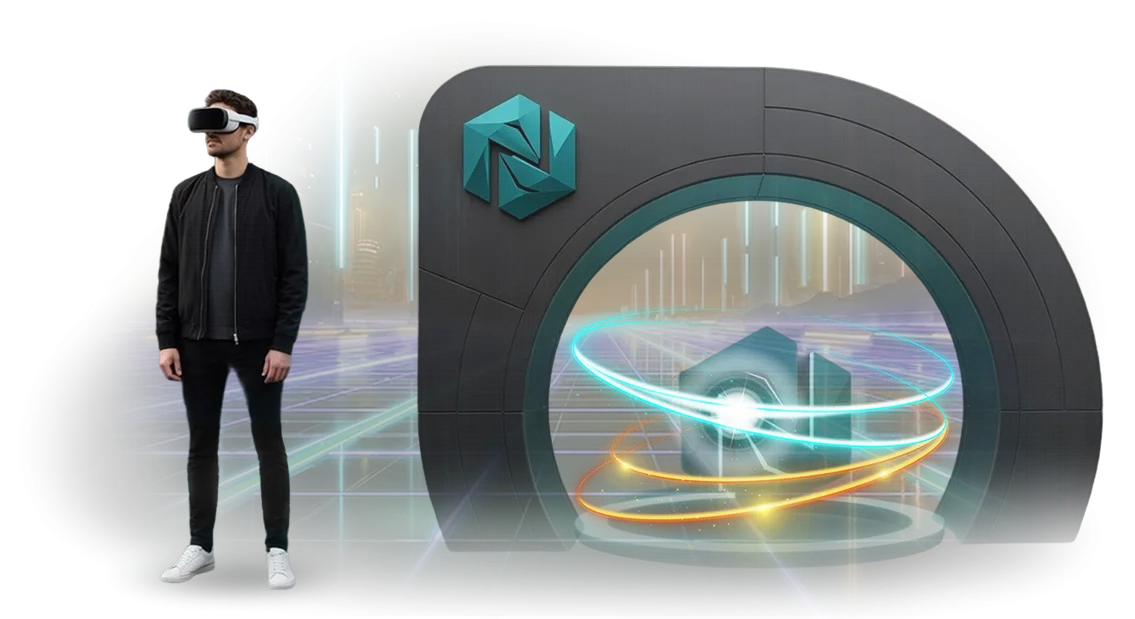
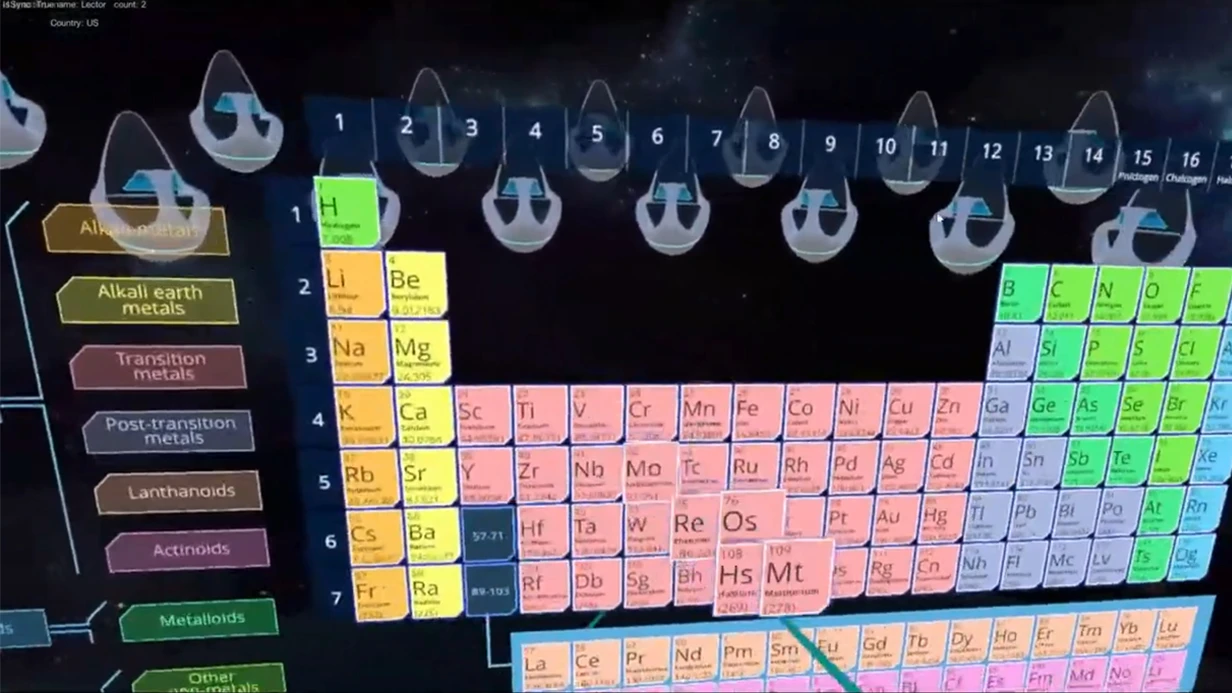
חוויות אינטראקטיביות מבוססות VR בתערוכה עוזרות להפוך את המצב. במקום מצגת סטטית, אתם נותנים למבקרים את ההזדמנות "להיכנס פנימה" למתקן אנרגיה, לראות ציוד עובד בפעולה, ללכת לאורך מסלול, או להעריך בטיחות תהליכית.
זהו מקרה שבו פתרונות הנדסיים מורכבים הופכים לברורים ומובנים לכולם—ממומחים טכניים ועד מנהלי חברות.
הפורמט הזה משנה את התנהגות המבקרים: הם מאטים, מתקרבים, ומתעמקים בחוויה למשך מספר דקות. זה נותן למותג שלכם יתרון תחרותי בתערוכה.
תשומת הלב מוגברת על ידי הפורמט החריג, וחוויות VR נשארות בזיכרון לאורך זמן—מדברים על הדוכן שלכם, ממליצים עליו וזוכרים אותו.
אנחנו מתכננים מתקני VR למטרות הספציפיות של תערוכת אנרגיה: אנחנו בונים את התרחיש כך שתוך כמה דקות של סשן VR, המבקרים יוצאים עם המסר המרכזי על המוצר שלכם.
אנחנו עוזרים למדוד את יעילות הדוכן: אנחנו אוספים קשרים ומנחים את המבקרים לשלב הבא—ייעוץ עם מומחה. כתוצאה מכך, הדוכן עובד לא כקישוט אלא ככלי למשיכת וקידום המעורבות של הקהל שלכם.
מה דוכן VR מספק: רגשות, מעורבות, לידים
דוכן תערוכה רגיל טובע בזרם המידע: תשומת הלב של המבקרים מפוזרת, ושעה אחרי התערוכה כמעט אף אחד לא זוכר את התצוגה שלכם. דוכן VR פותר את הבעיה הזו—הוא יוצר אירוע שאנשים לא חולפים על פניו.
בתערוכת אנרגיה זה בולט במיוחד: במקום פוסטרים, האורחים שוקעים בחוויה ורואים ציוד מבפנים.
שיווק רגשי הופך מותג למוכר. ב-VR, אנשים לא קוראים; הם חווים, כך שהרגש הופך למקושר לחברה שלכם.
אחרי ההתעמקות, האורחים דנים בהתרשמותם ומפרסמים תמונות—כך דוכן התערוכה מחזק את ההכרה במותג וממשיך לעבוד גם אחרי האירוע.
יצירת לידים הופכת לטבעית: לפני סשן, מבקרים משאירים את פרטי הקשר שלהם כדי לקבל גישה לחוויה חיה. זה לא רק רשימת קשרים, אלא מאגר של אנשים מתעניינים שכבר קיימו אינטראקציה עם המוצר שלכם. האיכות של לידים כאלה גבוהה יותר מאלה שפשוט הפילו כרטיס ביקור לקערה.
כתוצאה מכך, דוכן VR מגדיל את התנועה לדוכן, מאריך את זמן השהייה עם המבקרים, וממלא את המשפך בקשרים ממוקדים. עבור חברה בתערוכת אנרגיה, זו גם דרך להדגים טכנולוגיות מורכבות בלי הסברים ארוכים. ציוד מקצועי ותרחישים מלוטשים מבטיחים תוצאות עקביות בכל יום.
פורמטים של מתקני VR לאירוע שלכם
בחירת פורמט מתקן VR מתחילה לא בטכנולוגיה אלא במשימה שהוא צריך לפתור. חלק מהאורחים צריכים אטרקציה מרהיבה כדי פשוט להרשים; אחרים צריכים הדגמה ברורה של מוצר או חלל; ועוד אחרים צריכים מעורבות עם סיפור המותג.
התרחיש, אורך הסשן, וכמה מבקרים אפשר להכיל בשעה—הכל תלוי בזה.
השוו בין הפורמטים העיקריים שאנחנו משתמשים בהם בתערוכות, פורומים ואירועי חברה.
| פורמט | למי | מה הוא נותן ללקוח |
|---|---|---|
| אטרקציית VR | מקומות המוניים, תורים ארוכים | תחלופה מהירה של מבקרים, רגשות עזים ואזור צילום; תפוקה גבוהה לדוכן |
| מסע VR | פעילויות קבוצתיות, גיבוש צוות | 10–15 דקות של מעורבות, רגשות משותפים וסיבות טבעיות לשיתוף ברשתות החברתיות |
| מצגת VR | הדגמת מוצר, שירות או פרויקט | הדגמה ויזואלית של תכונות, בטוחה לצופים וללא דוגמיות פיזיות |
| סיור וירטואלי | מוזיאונים, תערוכות, נדל"ן | היכולת "להתהלך" במתקן לפני פתיחתו או בתנאי גישה מוגבלת |
אנחנו מתאימים כל פורמט למקום שלכם: מספר אורחים, גיל הקהל, תרחיש האירוע ומגבלות שטח. אם אתם לא בטוחים מה הכי מתאים, נשלח המלצה על סמך המטרות והתקציב שלכם—ואחרי ההשקה, נראה כיצד הפורמט השפיע על טווח ההגעה והעניין.
איך מפתחים דוכן VR ב-6 שלבים
פיתוח דוכן VR לתערוכת אנרגיה הוא לא "מסירה והתקנה", אלא פרויקט מלא עם לוחות זמנים ברורים ותחומי אחריות.
כדי שלעולם לא תצטרכו לנחש באיזה שלב העבודה נמצאת או מתי יגיעו התוצאות, פירקנו את יצירת דוכן VR לשישה שלבים, מהבריף הראשוני ועד לתמיכה בשטח במהלך התערוכה.
- בריף והתעמקות במשימה. אנחנו דנים במטרות הדוכן: משיכת מבקרים, הצגת ציוד מורכב או הכשרת צוות. אנחנו מתעדים ציפיות ומגבלות, ומסכימים על הקונספט.
- תרחיש וקונספט ויזואלי. אנחנו מציעים תרחיש אינטראקציה בנושא אנרגיה וסגנון שמחזק את ההכרה במותג. אתם מאשרים את המודל; אנחנו מבצעים תיקונים לפני תחילת ההרכבה.
- אב-טיפוס ואישור. אנחנו בונים במהירות גרסה עובדת כדי שתוכלו להעריך את ההיגיון וקלות השימוש. אנחנו בודקים אותה בעצמנו ועם קבוצת מיקוד, מבצעים שינויים בלי לשכתב את כל הפרויקט.
- פיתוח פרויקט VR מלא. אנחנו יוצרים את התוכן הסופי—גרפיקה, סאונד, תרחישים. אנחנו מגדירים את המתקן לדוכן ולציוד שלכם, ובודקים יציבות.
- השקה והדרכה. אנחנו מביאים את המערכת למקום, מתקינים ובודקים אותה. אנחנו מתדרכים את הצוות שלכם כך שיוכלו לקבל מבקרים בביטחון.
- תמיכה טכנית בתערוכה. המומחים שלנו זמינים בשעות התערוכה. הם פותרים במהירות כל תקלה, מחליפים רכיבים ומבטיחים פעולה רציפה.
כך, אתם מקבלים השקת פרויקט VR מבוקרת ללא הפתעות. כל שלב מסתיים בתוצאה קונקרטית: תרחיש מאושר, מודל חתום, פעולה יציבה במקום.
מה כלול בחבילת דוכן VR
ללקוח, חשוב שדוכן ה-VR יעבוד מהיום הראשון ולא ידרוש צוות נפרד. לכן חבילת דוכן ה-VR שלנו כוללת מגוון מלא של שירותים: מבחירת ציוד ועד להדרכת צוות ותמיכה בשטח. אתם מקבלים פתרון סוהר, לא אוסף של רכיבים מפוזרים.
החבילה כוללת:
- ציוד VR — משקפיים, בקרים, תחנות ומסכים שנבחרו למשימות התערוכה. החומרה נבדקת ומכוילת לפני המשלוח.
- תוכן VR — תרחיש מותאם אישית, מודלים תלת-ממדיים ומכניקות אינטראקטיביות שפותחו לתצוגה שלכם ומותאמות לקהל האירוע.
- התקנת ציוד VR — המומחים שלנו מגיעים למקום, מרכיבים את הדוכן, מגדירים רשת ותאורה, ומריצים סשנים לבדיקה. אתם לא צריכים לחפש קבלני משנה.
- בריף והדרכת צוות — הכנה קצרה לצוות שלכם: איך לקבל אורחים, לעזור עם המשקפיים ולטפל במצבים נפוצים. זה מפחית את העומס על הצוות שלכם.
- תמיכה וסיוע טכני — במהלך התערוכה, מומחה זמין מרחוק או בשטח. כל תקלה נפתרת במהירות, בלי לאבד זרם מבקרים.
בנוסף, אנחנו יכולים לכלול לוגיסטיקת דוכן, ביטוח ציוד וניתוח מבקרים לפי בקשה. הנקודה המרכזית היא שאתם מקבלים חוזה אחד, נקודת קשר אחראית אחת ותקשורת קבועה בכל השלבים, מהבריף ועד לפירוק.
מקרה בוחן: איך דוכן VR החזיר את ההשקעה בפורום תעשייתי
פורום אנרגיה תעשייתי ריכז יותר מחמשת אלפים משתתפים—מה שיצר תחרות עזה על תשומת הלב של המבקרים.
דוכנים רגילים עם באנרים ומודלים איבדו מבקרים תוך שניות, ולכן חברת הלקוח פנתה אלינו לפתרון שיבליט אותה בין עשרות מציגים.
הצענו דוכן VR שמטביע את המבקרים במודל וירטואלי של מתקן אנרגיה. במקום צפייה פסיבית, יש תרחיש אינטראקטיבי: האורחים מפעילים תהליכים בעצמם, משנים פרמטרים ורואים תוצאות מיד.
הפורמט הזה מעורר מעורבות מהשנייה הראשונה ובונה אמון: טכנולוגיות מורכבות הופכות לוויזואליות ומובנות.
תוצאות פרויקט ה-VR
- במשך שני ימי התערוכה, הרצנו 600 סשני VR, עם זמן אינטראקציה ממוצע של 4 דקות, לעומת 20 שניות בדוכנים שכנים.
- 85% מהמשתתפים השאירו את פרטי הקשר שלהם לייעוץ אחרי הסיור הווירטואלי—ההמרה לפניות שולשה בהשוואה לפורום הקודם.
- וידאו מדוכן ה-VR הופיע בתקשורת התעשייתית ומשך עשרות אלפי צפיות ברשתות החברתיות—טווח ההגעה נמשך שבועות אחרי האירוע.
משוב על דוכן ה-VR
"דוכן ה-VR הפך לאטרקציה המרכזית של הפורום. קיבלנו לא רק זרם של קשרים, אלא רמה חדשה מבחינה איכותית של שיחה עם לקוחות—הם הגיעו כבר כשהם מבינים את המוצר שלנו," אמר מנהל השיווק של EnergoProm.
מקרה בוחן זה של דוכן VR מוכיח ש-VR בתערוכה מחזיר את ההשקעה לא רק במהלך האירוע אלא גם אחריו—דרך פניות והזמנות חוזרות. הלקוח האמין בפורמט כל כך חזק עד שהזמין מתקן VR למרכז ההדגמה שלהם. אנחנו מוכנים לבנות את אותה תוצאה עבור החברה שלכם: מהקונספט ועד לתמיכה מלאה בשטח.
איך לבחור את פורמט דוכן ה-VR המתאים למשימה שלכם?
כל דוכן בתערוכת אנרגיה מתחרה על תשומת הלב של המבקרים, ולשמור עליה קשה יותר מאשר למשוך אותה.
לפני הזמנת מתקן VR, ענו על השאלה: מה הוא צריך לעשות—להציג את המותג במהירות, להסביר מוצר מורכב, או להעביר את הרגש של קנה המידה של מתקן? זה קובע איזה פורמט יהיה יעיל.
אם המטרה שלכם היא להגיע לכמה שיותר מבקרים ביום, בחרו תרחישים קצרים של 2–3 דקות שמונעים תורים ומאפשרים לכולם לנסות בעצמם.
אם אתם צריכים להדגים מתקן אנרגיה או תהליכים שאי אפשר להראות בשידור חי, התעמקות מלאה עם תמיכת מפעיל עדיפה—היא משאירה רושם חזק יותר ומספקת יותר זמן לשיחה עם לקוחות פוטנציאליים.
הקריטריון השני הוא הקהל. מומחים בתעשייה יעריכו פרטים ודיוק הנדסי, בעוד שהציבור הרחב מגיב טוב יותר לתרחישים פשוטים ותוססים.
אנחנו עוזרים למצוא איזון: פורמט שמרשים את האורחים תוך פתרון המשימה העסקית שלכם, בין אם זה איסוף קשרים, הגברת הכרה או הצגת מתקן בצורה ברורה.
הניסיון שלנו בן עשר השנים מראה: התוצאה הטובה ביותר מגיעה לא מהטכנולוגיה המורכבת ביותר, אלא מזו שמתאימה לתרחיש האירוע. בשלב הראשון, אנחנו לומדים את המטרה שלכם, מספר המבקרים, פריסת הדוכן וההיגיון של התערוכה—ורק אז מציעים פתרון. כך אתם מקבלים לא "VR לשם VR", אלא כלי שמביא קשרים ואזכורים ברשתות החברתיות.
הבחירה הסופית היא תמיד שלכם, אבל אנחנו ממסגרים אותה סביב קריטריונים ברורים—מהירות תפוקה, עומק מעורבות וטווח הגעה צפוי. זה מסיר את הסיכון לטעויות ומבטיח שהדוכן עובד כדי להשיג תוצאות, לא רק לקשט את התערוכה.
שאלות נפוצות על הטמעת דוכן VR
לפני השקת דוכן VR, ללקוחות יש בדרך כלל כמה חששות נפוצים: האם הפרויקט יתאים לתקציב, האם נעמוד בלוח הזמנים, והאם הציוד ייכשל ברגע הקריטי ביותר. אנחנו עונים על השאלות המרכזיות בכנות, תוך הסתמכות על ניסיון מעשרות תערוכות ואירועים.
כמה עולה דוכן VR לתערוכת אנרגיה?
העלות מחושבת לאחר בדיקת הפורמט: מספר אורחים, שטח דוכן, מורכבות תרחיש והצורך בתוכן מותג נוסף. אנחנו מכינים הערכה שקופה לפני תחילת העבודה, ולאחר האישור המחיר קבוע—הוא לא משתנה.
מהם לוחות הזמנים לייצור דוכן VR?
פרויקט טיפוסי אורך 3–4 שבועות, מהבריף ועד להתקנה מוגמרת במקום. אם אתם צריכים תרחיש מותאם אישית ומספר אזורים, אפשרו עד חודשיים. אנחנו ממליצים להתחיל 6–8 שבועות לפני האירוע כדי להשאיר זמן לבדיקות ותיקונים.
מה אם הציוד ייכשל ביום התערוכה?
אנחנו משתמשים במערכות VR מקצועיות שעוברות מבחני עומס לפני כל אירוע. מהנדס נוכח בשטח, עם ערכת גיבוי להחלפה מהירה. זה ממזער סיכון, ולכן במשך שנים רבות של עבודה מעולם לא פספסנו השקה אחת.
מה קורה לציוד אחרי האירוע?
הדוכן נשאר לרשותכם: אפשר להשתמש בו בתערוכות עתידיות, באולם תצוגה או לתרום אותו למוזיאון. אנחנו גם עוזרים עם הגדרה מחדש של תוכן ותמיכה טכנית לאורך כל חיי השירות—זה לא שירות חד-פעמי אלא שותפות ארוכת טווח.
הזמינו דוכן VR לתערוכת אנרגיה
הזמנת דוכן VR לתערוכת אנרגיה משמעותה קבלת פתרון מוכן שמשך מבקרים ומבדל את החברה שלכם מעשרות דוכנים.
אתם לא צריכים להיכנס לפרטים טכניים: אנחנו מתכננים את האזור האינטראקטיבי, מגדירים את הציוד ותומכים בהשקה במקום.
כדי להתחיל, פשוט השאירו בקשה לפרויקט VR. לאחר יצירת הקשר, תקבלו:
- ייעוץ ראשוני: אנחנו מנתחים את מטרות הדוכן, הקהל ואפשרויות תרחישי VR לתערוכת אנרגיה—מותאם ליעדים שלכם, לא תבנית מוכנה.
- לוח זמנים והערכת עלות: אתם מבינים את התקציב ולוח הזמנים לפני תחילת העבודה, ללא תוספות נסתרות.
- קונספט עיצובי לאזור: איך דוכן ה-VR משתלב בסגנון התערוכה הכללי ואילו נקודות מגע הוא מציע למבקרים.
- בחירת ציוד ותוכנה: הכל פועל בצורה אמינה לאורך כל היום, עם מרווח לעומסי שיא.
- מחזור ייצור מלא: מתרחיש ופיתוח תוכן ועד להרכבה, התקנה והשקת ניסיון במקום שלכם.
- תמיכה טכנית בימי התערוכה: מומחה נוכח בשטח ופותר במהירות כל תקלה כך שה-VR בתערוכה לעולם לא יושב בטל.
- דוח תוצאות לאחר האירוע: אנחנו אוספים נתוני סשנים ומעורבות כדי שתוכלו להעריך את ביצועי הדוכן ולהשתמש בהם לאירועים עתידיים.
השאירו בקשה לפרויקט VR—נחזור אליכם תוך יום עסקים אחד, נענה על שאלותיכם ונציע פתרון מותאם למשימה שלכם.