

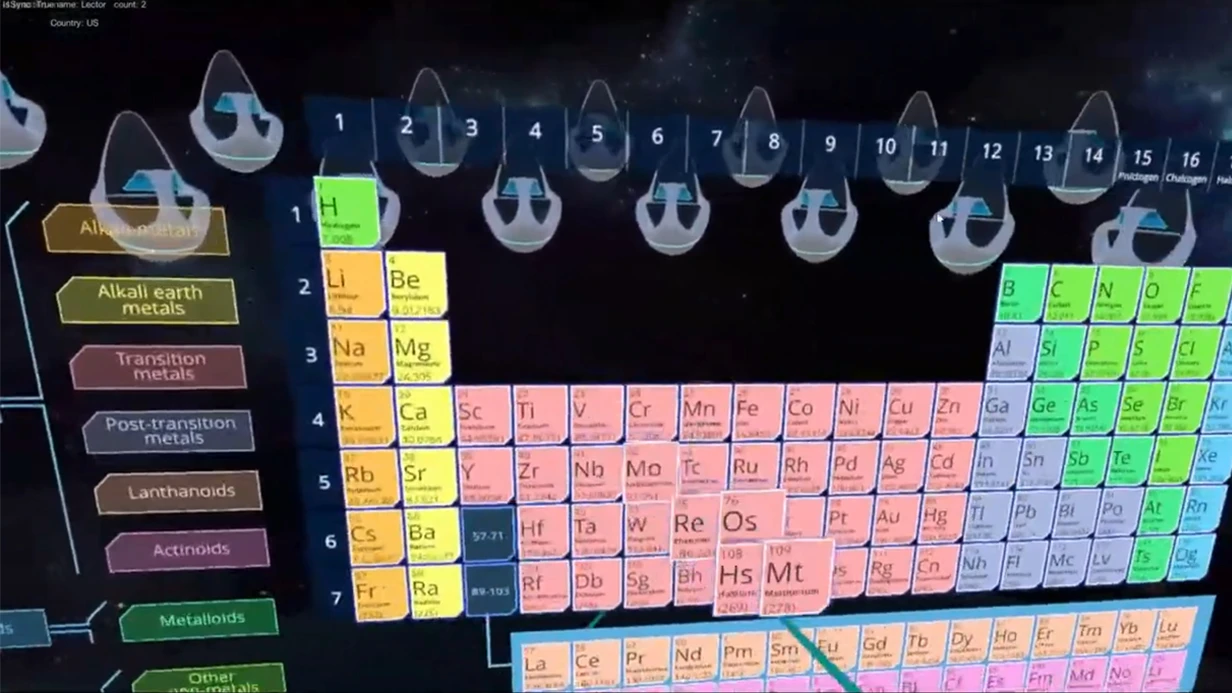


פיתוח עמדת VR לתערוכת עיצוב פנים
בתערוכת עיצוב פנים, המאבק על תשומת הלב של המבקרים הוא אינטנסיבי במיוחד: מאות חברות מציעות שירותים דומים, והעין מתעייפת מדוכנים וקטלוגים זהים.
רוב המציגים לא זוכים לתשומת לב, למרות שהשקיעו כסף רציני בהשתתפותם. התוצאה היא שיחות חולין והחמצת לידים במקום זרם קבוע של לקוחות מתעניינים.
כדי לבלוט, הצגת פורטפוליו או מודלים אינה מספיקה. המבקר צריך חוויה בלתי נשכחת: האפשרות להיכנס לתוך פנים עתידי, להעריך את התכנון, התאורה והחומרים, ו"להסתובב" בין החדרים.
חוויה כזו מעוררת רגש ורצון לדון בפרויקט — וזה הופך מבקר אקראי ללקוח אמיתי.
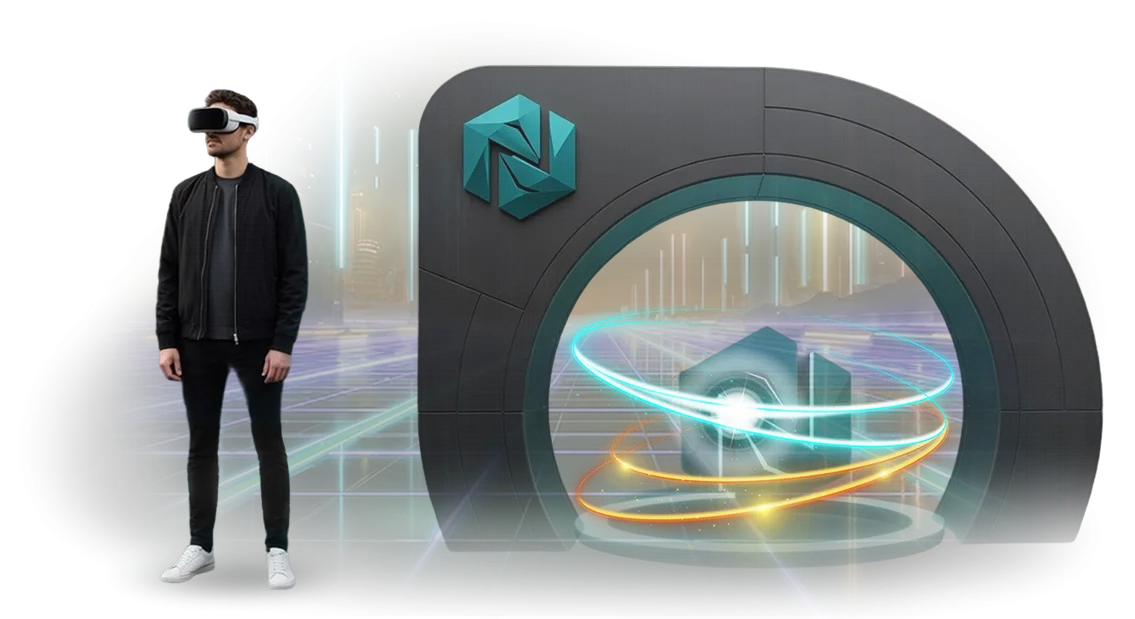
עמדת VR בתערוכת עיצוב פנים פועלת בדיוק כך: האורח מרכיב משקפיים ומוצא את עצמו בתוך חלל שיצר הסטודיו שלכם.
מציאות מדומה מערבת מהשנייה הראשונה: המבקר שולט בתרחיש, חוקר פרטים ובוחר אפשרויות גימור. הזמן שעובר בעמדה הופך למגע אישי עם המותג שלא נשכח לאחר התערוכה.
יתרה מכך, עמדת VR היא כלי לייצור לידים. לאחר הסיור הווירטואלי, המבקר מוכן יותר לשתף פרטי קשר: הוא כבר ראה את הערך של ההצעה שלכם, במקום פשוט לקחת כרטיס ביקור.
אנו מגדירים את התרחיש כך שכל אורח יוכל להשאיר את פרטיו או לבקש הצעת מחיר — ואתם עוזבים את התערוכה עם בסיס מוכן של לקוחות פוטנציאליים.
אנו יוצרים עמדות VR כאלה כדי להתאים למטרות של כל מציג ספציפי: אנו מפתחים את הקונספט, ממלאים אותו בפרויקטים אמיתיים ומשלבים לכידת לידים. התוצאה היא עמדה שמושכת מבקרים, שומרת על מעורבותם ומספקת החזר מדיד.
ספרו לנו על תערוכת עיצוב הפנים הקרובה שלכם — נראה לכם כיצד מציאות מדומה יכולה להביא לקוחות ולאסוף לידים.
מדוע עמדת VR נשארת בזיכרון האורחים ואוספת לידים
מבקר חולף על פני עשרות דוכנים במהלך היום, ושעה לאחר מכן אינו זוכר מה ראה היכן. עמדת VR שוברת את הדפוס הזה: במקום קטלוג ושיחה עם מנהל, היא מציעה חוויה מלאה.
למשך כמה דקות, האדם נכנס לתוך פנים שעדיין לא נבנו, רואה טקסטורות, אור ותכנון — וזה נתפס ברמה הרגשית, לא כטקסט.
עבור המותג, זה פועל כמו מגנט: אזור ה-VR מושך תור, והאזור סביבו תמיד חי. אנשים מצלמים את התהליך, מקליטים סרטונים ומפרסמים אותם ברשתות החברתיות — כל אורח מביא חשיפה נוספת ללא כל הוצאות פרסום.
העמדה הופכת מנקודת שיחה לנקודת מוקד שמייצרת הכרת מותג במשך שבועות לאחר התערוכה.
ציוד אינטראקטיבי מאפשר לא רק להציג פרויקט אלא לערב את המבקר: הוא בוחר גימורים, מזיז רהיטים ומשנה תרחישי תאורה בעצמו. זה הופך את ההצגה לאישית — האדם מתנסה במוצר על עצמו.
אז הם עוזבים את התערוכה לא עם "ראיתי משהו יפה" מופשט אלא עם רושם קונקרטי: "זה יכול להיות הבית שלי."
מנגנון לכידת הפרטים המובנה הופך רגשות ללידים. לאחר סשן VR, האורח משאיר בקשה לייעוץ או הצעת מחיר — ואתם מקבלים בסיס של אנשי קשר חמים עם עניין ברור.
כל ליד כזה כבר מכיר את המוצר שלכם מבפנים, כך שאיכות הפניות גבוהה משמעותית מזו של אנשים שפשוט לקחו כרטיס ביקור.
אנו בונים מתקני VR לתערוכות עיצוב פנים מזה למעלה מ-10 שנים ויודעים כיצד לגרום לעמדה להניב תוצאות. אנו דואגים להכל — מהקונספט והוויזואליזציה ועד לציוד ולתמיכה טכנית באתר.
אתם מקבלים פתרון מוכן שמושך תשומת לב, מערב ואוסף בקשות ללא טרחה נוספת לצוות שלכם.
פורמטים של עמדת VR למטרות התערוכה שלכם
הפורמט של אזורי VR בתערוכה משפיע ישירות על זרם המבקרים ועל עומק המגע עם המותג. בתערוכת עיצוב פנים, חשוב לאפשר לאורח "לחוות" את החלל: לשנות את הגימור, לראות את האור, להסתובב בדירה.
לכן המתקן האינטראקטיבי חייב להתאים למטרות העמדה — ממעורבות מהירה ועד מעורבות ממושכת.
אנו מרכיבים ארבעה פורמטים בסיסיים של אזורי VR לתערוכות. אותו תוכן ניתן להרחבה בקלות: עמדה אחת יכולה לגדול לאזור רב-תכליתי.
| פורמט | למי הוא מיועד | מה הוא נותן ללקוח |
|---|---|---|
| עמדת VR יחידה | דוכן קטן | שקיעה מלאה בפרויקט |
| אזור VR כפול | זרם של עד 40 איש בשעה | שני אורחים בו-זמנית, תור קצר יותר |
| אזור טרקלין VR | דוכן גדול עם אזור פגישות | מספר פרויקטים, תנועה חופשית |
| אזור רב-תכליתי VR + AR | אולם תערוכה | משלב VR ושכבה דיגיטלית |
גישה זו מונעת תשלום יתר על קיבולת שאינה מנוצלת.
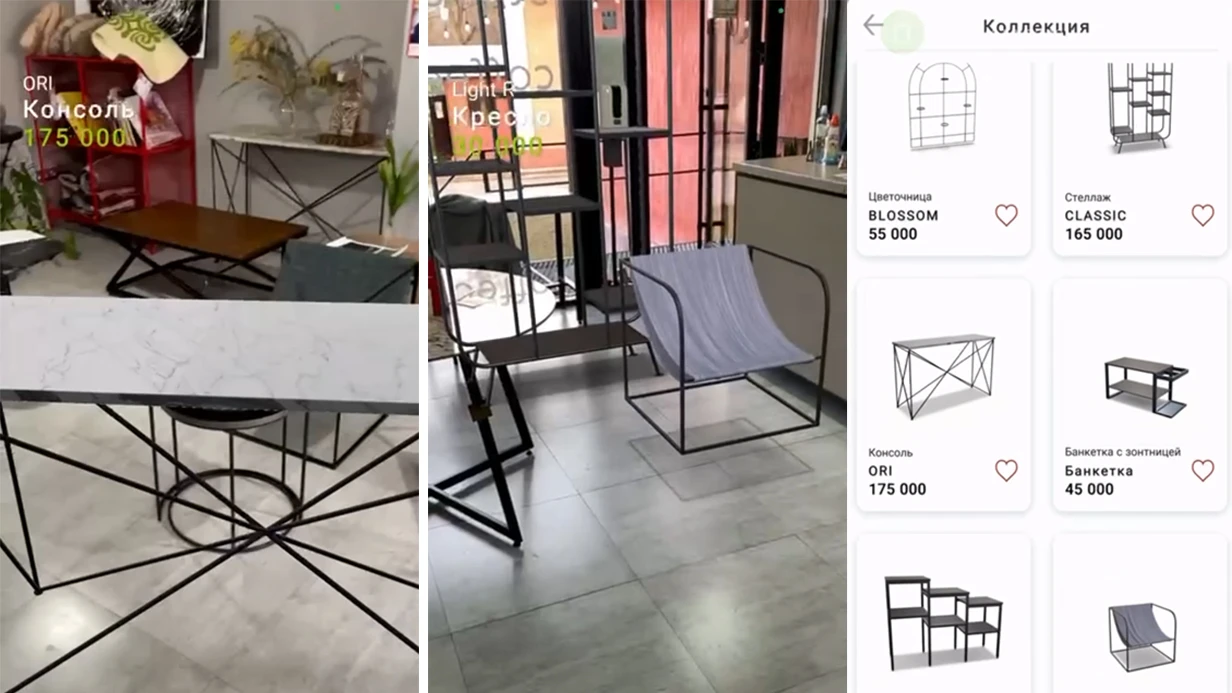
לתערוכת פנים, אנו מרבים לשלב אזור VR עם מתקן טאבלט אינטראקטיבי: בעוד אורח אחד "מסתובב" בדירה עם המשקפיים, אורח שני משנה תכנונים וחומרים על המסך.
הקריטריון המרכזי הוא התרחיש, לא כמות הציוד. אנו בוחרים את הפורמט על סמך שטח הדוכן, התנועה והמטרות של המציג: חלקם צריכים מגנט לצילומים, אחרים צריכים מצגות שקטות.
בכל מקרה, האורח עוזב עם תמונה חיה של המוצר, ואתם מקבלים את "אפקט הוואו" שאנשים זוכרים לאחר התערוכה.
כיצד מתנהלת העבודה על פרויקט ה-VR שלכם
עמדת VR לתערוכת עיצוב פנים היא דרך להציג קולקציה כך שתיזכר: האורח רואה את הפנים "בחיים" ומדבר על המותג.
לכן בנינו את תהליך העבודה כמסלול מנוהל: אתם שולטים באבני הדרך המרכזיות בעוד הפרטים הטכניים נשארים אצלנו. להלן שישה שלבים, ובכל אחד מהם אתם מקבלים תוצאה ברורה: תרחיש, מודל, אזור מוגמר או דוח. זה מבטל הפתעות שבוע לפני הפתיחה.
-
בריף ומטרה. אנו דנים במטרות העמדה — משיכת מבקרים, הצגת קולקציה חדשה, איסוף אנשי קשר. אנו קובעים את הפורמט, מידות האתר ולוח הזמנים של התערוכה.
-
קונספט ותרחיש. אנו מציעים רעיון לחלל הווירטואלי שמחבר את העמדה למותג. לתערוכת עיצוב פנים, זהו אולם תצוגה וירטואלי או "הליכה" בתכנון. אנו מראים מה האורח רואה ועושה.
-
אישור פרויקט. אתם מקבלים מודלים ותיאור תרחיש, ואז מבצעים עריכות. לאחר האישור, אנו קובעים את היקף העבודה כך ששום דבר לא ישתנה בדרך.
-
ייצור תוכן. אנו יוצרים מודלים תלת-ממדיים של פנים: תאורה, חומרים, פרטים. אנו עובדים עם ציוד מקצועי כך שהתמונה תיראה פרימיום ותתאים לרמת האירוע.
-
התקנה והשקה של עמדת ה-VR. אנו מספקים את הציוד, מרכיבים את האזור ומגדירים את התרחיש למקום. אנו בודקים את התפוקה: כמה אנשים יכולים לעבור בשעה ומהו אורך הסשן האופטימלי.
-
תמיכה באירוע. טכנאי נשאר בקרבת מקום במשך כל משך האירוע. הם מטפלים בבעיות במהירות, עוזרים לאורחים, ואתם מקבלים סטטיסטיקות: מספר סשנים ועניין בתוכן.
פרויקט טיפוסי אורך 3–4 שבועות. אם יש פחות זמן לפני התערוכה, נדון בפורמט מואץ.
מה כלול במסירת עמדת ה-VR
בהזמנת עמדת VR, קל לצפות שתקבלו פשוט משקפיים ותוכנה מותקנת. בפועל, פישוט כזה מוביל לעמדות שנראות "גולמיות", נשברות בתוך השעה הראשונה ומשאירות מבקרים מאוכזבים.
אנו מספקים את העמדה כמוצר מוגמר — עם ציוד, תוכן, עיצוב ותמיכה — כך שכל מה שנותר לכם הוא לקבל אורחים.
- ציוד — משקפי VR מקצועיים ובקרים, מוגדרים ונבדקים לפני האירוע. לא קופסאות חומרה, אלא מערכת מכווננת שפועלת מיד ועובדת באמינות כל היום.
- תוכן וירטואלי — סצנה תלת-ממדית של הנכס שלכם, שפותחה למטרות העמדה. המבקר מסתובב בחדרים וירטואליים, משנה חומרים וצבעים, ורואה את התכנון בקנה מידה אמיתי — בדיוק מה שפרויקט פנים צריך.
- עיצוב אזור העמדה — דלפק, תאורה, באנרים ואלמנטים לניהול תור כך שאורחים יבינו לאן ללכת והדוכן לא יהיה צפוף. האזור נקרא ויזואלית כחלק מהמותג שלכם.
- התקנה והגדרה באתר — אנו מספקים, מרכיבים, בודקים ומכווננים לפני הפתיחה. אתם לא צריכים מומחה טכני משלכם; אנו מטפלים בכל ענייני ההתקנה.
- הדרכה לצוות שלכם — סשן קצר לעובדים: כיצד לקבל מבקרים, לעזור להם להרכיב את המשקפיים, להדריך אותם בחלל הווירטואלי ולתפוס את השניות הראשונות של הסשן לרשתות החברתיות.
- תמיכה טכנית במהלך ימי האירוע — המהנדס שלנו נמצא באתר או זמין בטלפון, עוקב אחר הציוד ופותר במהירות כל תקלה כך שהעמדה לא תשב בטלה או תפריע לתוכנית שלכם.
- ריצת מבחן לפני האירוע — אנו מקיימים הדגמה לצוות שלכם, בודקים את התרחיש, הסאונד והתזמון כך שהכל יעבור חלק ביום התערוכה.
בסופו של דבר, אתם מקבלים מעגל סגור: מרעיון ועיצוב ועד עמדה עובדת שמושכת מבקרים ומספקת ערך מדיד — יותר מגע עם התערוכה שלכם, תשומת לב ארוכה יותר לנכס ותוכן חי לקידום המותג שלכם.
מקרה בוחן: עמדת VR עזרה למשוך 90% מהמבקרים
לתערוכת פנים, קריטי שמבקר לא רק יחלוף על פני אלא יזכור את התערוכה וידבר עם מנהל. בדיוק כאן רוב העמדות נתקלות בבעיה: העין קולטת תמונות ודוגמיות אך עוצרת רק לכמה שניות. הצענו ללקוח עמדת VR שהופכת צפייה לאינטראקציה חיה.
יחד עם צוות Design-Prostranstvo, יצרנו אולם תצוגה וירטואלי עם מספר אפשרויות פנים מוגמרות.
המבקר מרכיב את המשקפיים, מוצא את עצמו בתוך דירה, ויכול לחקור אותה, לשנות את הגימור ואפילו "להזיז" רהיטים — הכל על ציוד VR מקצועי.
פורמט זה מעורר סקרנות באופן טבעי, ובמקביל מציג בעדינות את המוצר בפעולה.
התוצאה עלתה על הציפיות. במהלך שלושת ימי התערוכה, כ-90% מכלל המבקרים ניגשו לעמדה, וזמן השהייה הממוצע בדוכן גדל פי 5 — במקום 30 שניות, אנשים בילו 2–3 דקות בחלל הווירטואלי.
זה אפשר למנהלים לשוחח עם כל אורח בלי למהר, לאסוף הרבה יותר אנשי קשר ולקיים ייעוצים מפורטים. לאחר התוצאה הזו, הלקוח ביקש להתאים את עמדת ה-VR לאירועים עתידיים.
מקרה זה הראה שהכלי הנכון לא רק מבדר — הוא פותר בעיה עסקית: מגביר מעורבות, מחזק הכרת מותג ומספק תוצאות מדידות.
כיצד לבחור פתרון VR לעיצוב פנים?
בחירת VR לעיצוב פנים מתחילה במטרה. מה האורח צריך לעשות בעמדה שלכם: לראות דירה עתידית בקנה מידה מלא, לשנות את הגימור או לחקור אפשרויות תכנון? הפורמט והתרחיש תלויים בכך.
הקריטריון השני הוא הקהל. תערוכות מושכות גם חדשים וגם מקצוענים. פתרון טוב עובד עבור שניהם: הוא נפתח בלחיצה אחת, אינו דורש הוראות, ובכל זאת מספק מספיק פרטים להערכת טקסטורות וקנה מידה.
הקריטריון השלישי הוא יציבות תחת זרם מבקרים. הסשנים בעמדה קצרים — משלוש עד שבע דקות — וכל אחד חייב להתחיל ללא תקלות. אמינות הציוד המקצועי חשובה, כמו גם מפעיל שעוזר לאורחים ומנהל את התור.
הקריטריון הרביעי הוא תוצאות מדידות. VR יכול לאסוף נתונים: אילו אפשרויות נבחרו הכי הרבה, כמה זמן מבקרים שהו בעמדה והאם הם השאירו פרטי קשר. מתקן כזה עובד למשפך, לא רק לבידור.
טיפ מעשי: בצעו מבחן לפני האירוע. ריצת ניסיון תראה את משך הסשן האמיתי ואת התנהגות האורחים. אנו נתמוך בהשקה ונבחר פתרון VR למשימה שלכם כך שהעמדה תעבוד בצורה צפויה.
חששות נפוצים: מה אם עמדת ה-VR לא תעבוד?
מבקרים בתערוכות עיצוב פנים מגיעים לחוויות, ואתם אחראים לגרום לכל מטר רבוע לעבוד למען תוצאות.
כשעולה נושא עמדת ה-VR, השאלות הראשונות הן: "מה אם הטכנולוגיה תיכשל?", "האם זה בטוח לאורחים?", "האם הצוות שלי יכול להתמודד עם זה?" אלה חששות נורמליים — במתקני VR, אמינות חשובה לא פחות מהוויזואליה.
אנו מבנים את העבודה כך שכל הסיכונים הללו מכוסים לפני פתיחת התערוכה. הציוד מגיע מוקדם, עובר בדיקה מלאה ומוגדר במקום שלכם.
ביום האירוע, טכנאי נמצא בקרבת מקום ופותר כל בעיה ללא דיחוי — אתם מתמקדים באורחים, לא בטכנולוגיה.
מה קורה אם ציוד ה-VR מתקלקל ברגע העמוס ביותר?
אנו מביאים ערכת גיבוי לכל מתקן ועוברים על כל התרחישים לפני תחילת האירוע. אם משהו נכשל, ההחלפה אורכת לא יותר מ-10 דקות — המבקרים אפילו לא שמים לב להפסקה, ואתם לא מאבדים אף אורח.
האם עמדת VR בטוחה למבקרים בגילאים שונים?
אנו משתמשים באזורים סגורים עם מחסומים רכים, איש צוות עוקב אחר כל סשן, ומסכות היגייניות אישיות הופכות את החוויה לנוחה לכולם. אנו מבטחים את האירוע ועוקבים בקפדנות אחר תקני תברואה — אתם נושאים באחריות, ואנו אחראים לבטיחות.
האם צוות התערוכה יכול להפעיל את העמדה ללא ידע מיוחד?
המתקן נפתח בלחיצה אחת, והעובדים שלכם מקבלים סשן הדרכה קצר באתר — הוא אורך לא יותר מ-15 דקות. לאחר מכן, הם עובדים לפי הוראה ברורה, ואם עולות שאלות, אנו זמינים מרחוק ומספקים במהירות את הפתרון הנכון.
תמיכה טכנית כלולה בכל פרויקט: אנו לא נעלמים לאחר ההתקנה; אנו נשארים איתכם עד סגירת התערוכה. זה מאפשר לכם להתמקד במשא ומתן ובמכירות בעוד עמדת ה-VR מושכת תשומת לב ובונה תור. בסופו של דבר, אתם מקבלים לא רק נקודת מוקד מרשימה, אלא כלי צפוי שעובד למען המוניטין וההכנסות שלכם.הזמינו עמדת VR וקבלו את התוצאה
לאחר ההזמנה שלכם, אתם מקבלים לא רק ציוד, אלא אזור אינטראקטיבי מוכן שעובד למען תוצאות התערוכה שלכם. אנו לוקחים על עצמנו את כל המחזור: מרעיון ועד התקנה ותמיכה טכנית — כל מה שנותר לכם הוא לקבל אורחים ולאסוף אנשי קשר.
מה כלול בתוצאה:
- עמדת VR שפותחה למשימה הספציפית שלכם: תרחיש, עיצוב, תוכנה וציוד.
- חבילת התקנה והגדרה מלאה במקום — ללא מעורבותכם.
- הדרכת צוות ותמיכה מהמומחים שלנו במשך כל ימי האירוע.
- חלקי חילוף וציוד גיבוי למצבים בלתי צפויים.
- דוח תמונות ווידאו להצגה להנהלה או לשותפים.
- אחריות על פעולת המתקן והחלפת רכיבים מהירה בעת הצורך.
לוחות הזמנים תלויים במורכבות התרחיש, אך בדרך כלל נעים בין שבועיים לארבעה שבועות — מבריף ועד השקה. נאשר את התאריך המדויק לאחר שיחה קצרה ונקבע אותו בחוזה.
להזמנת עמדת VR לתערוכת עיצוב פנים, השאירו בקשה — זה לוקח רק כמה דקות. ניצור איתכם קשר, נבהיר את הפרטים, נחשב את העלות ונציע פתרון שמתאים לתקציב וללוחות הזמנים שלכם.
תראו את התוצאה עוד לפני תחילת האירוע: נאשר את הקונספט, נראה לכם את המודל והמפרט — ורק אז נתחיל בייצור.