



תערוכת ציוד תעשייתי: כיצד VR שומר על מעורבות המבקרים
תערוכה תעשייתית היא מרוץ על תשומת הלב. מאות מבקרים עם עיניים עייפות חולפים על פני הדוכן שלך מדי יום: תצוגות זהות, ערימות של ברושורים, מנהלים מותשים.
לאחר כמה שעות, הכל מתערבב למסה אפורה, ולקוח פוטנציאלי עוזב בלי לזכור את החברה שלך. ללא אינטראקטיביות, האורחים פשוט חולפים על פניך — ואיתם הולכים הלידים שתקציב ההשתתפות שלך נועד לייצר.
VR לתערוכות פותר את הבעיה הזו באופן קיצוני. כשאדם מרכיב משקפיים, הוא מפסיק להיות צופה והופך למשתתף: הוא בוחן את הציוד בפירוט, רואה אותו בפעולה, ומקיים איתו אינטראקציה.
זה לא צעצוע — זה כלי למשיכת מבקרים לדוכן שלך. זה עוצר אפילו את אלה שהיו בדרכם למתחרה. זה המוצג האינטראקטיבי שגורם לאדם להוריד את האוזניות, להתקרב, ולשאול שאלה.
ההשפעה נראית מיד: תמיד יש תור בדוכן ה-VR, זמן ההמתנה מרגיש כמו חלק מהבידור, ואחרי הסשן המבקר מספר לעמיתיו על המותג מיוזמתו.
אתה מקבל לא רק חשיפה אלא קשר איכותי — אותו מקרה שבו לקוח פוטנציאלי לא לוקח עלון אלא משאיר לך את פרטי הקשר שלו. תערוכה תעשייתית מפסיקה להיות הוצאה תקציבית והופכת למקור של שיחות מעורבות.
אנחנו בונים מתקני VR למטרות הספציפיות של הדוכן שלך: אנחנו מציגים את המוצר בחתך, מדמים תרחישי שימוש, ומספקים תחושת נוכחות על רצפת הייצור. אין הדגמות מופשטות — רק מה שמוכר את הציוד שלך.
האורחים עוזבים כשהם זוכרים את הדוכן שלך, והמנהלים שלך יוצאים עם רשימה של קשרים חמים — אנשים שיש כבר על מה לדבר איתם.
מה העסק מקבל מאזור VR: לידים, חשיפה ומותג בלתי נשכח
בתערוכת ציוד תעשייתי, תשומת הלב היא המשאב היקר ביותר. המבקרים חולפים על פני עשרות דוכנים, וברושורים רגילים הולכים לאיבוד בזרם המידע.
אזור VR עוצר את התנועה: אדם מרכיב משקפיים, מוצא את עצמו בתוך המוצר שלך, וכבר לא פשוט חולף על פניו. דוכן שבו המבקרים יכולים ליצור אינטראקציה עם המוצר מושך תור ויוצר באזז חי סביב המותג.
החוויה האינטראקטיבית היא לא בידור — היא כלי לייצור לידים. בזמן שמבקר מתעסק במודל הווירטואלי, העניין שלו כבר נוצר: הוא ניגש מיוזמתו, שואל שאלות, ומשאיר את פרטי הקשר שלו.
בניגוד לחלוקה פסיבית של חומרים, כאן הקשר נוצר אחרי מעורבות, מה שאומר שהלידים חמים ומחושבים. דווקא הקשרים האלה הופכים להזמנות גדולות אחרי האירוע.
הדגמה וירטואלית מניעה את המודעות למותג בעוצמה. פתרון שאפשר לחקור ויזואלית ולבדוק בפעולה נזכר טוב יותר מכל סרטון.
אחרי חוויה כזו, המבקרים קוראים לדוכן שלך גולת הכותרת של התערוכה — ומספרים על כך לעמיתיהם ולשותפיהם.
זה עובד גם עבור לקוחות ארגוניים וגם עבור שותפים פוטנציאליים: קל להם יותר לקבל החלטה כשהם כבר ראו את המוצר בפעולה.
בונוס נוסף הוא החשיפה ברשתות החברתיות. המשתתפים מצלמים את החוויה בטלפונים שלהם, משתפים תמונות וסרטונים, ומתייגים את החברה. כל פוסט כזה הוא חשיפה ללא תקציב פרסום — והוא ממשיך לעבוד הרבה אחרי סגירת התערוכה.
אנחנו בונים אזור שבו אנשים רוצים לשהות, וזה הופך לזרם של קשרים איכותיים וטביעת רגל דיגיטלית רחבה.
פורמטים של מתקני VR למטרות שלך
תערוכה היא מרוץ על תשומת לב המבקרים: יש לך כמה שניות לעורר עניין, להחזיק אותו, ולהיזכר.
אין פתרון אחד שמתאים לכולם: חלק צריכים להציג מוצר בפירוט, אחרים צריכים לבדר וליצור באזז בדוכן, ואחרים צריכים לבנות מאגר קשרים.
לכן אנחנו מציעים פורמטים שונים של VR ו-AR ובוחרים אותם לפי מטרה ספציפית — לא רק "בשביל הכיף".
אנחנו בוחרים את הפורמט יחד איתך בשלב הבריף: אנחנו מראים לך את האפשרויות, מסבירים איזה תרחיש יעבוד הכי טוב עבור הקהל שלך, ולוקחים על עצמנו את כל הפרויקט — מהקונספט ועד ההתקנה בשטח. דוכן VR במפתח מלא הוא הפתרון הסטנדרטי שלנו: ציוד, תוכן, תמיכה והדרכת צוות.
| פורמט | למי זה מיועד | מה זה מספק |
|---|---|---|
| דוכן VR עם בדיקה מפורטת של המוצר | חברות תעשייתיות, יצרני ציוד | מציג את המכשיר בחתך, בפעולה ובקנה מידה — ללא דגם פיזי בדוכן. המבקר "נוגע" במוצר בעצמו, שואל שאלות, וזוכר אותו. |
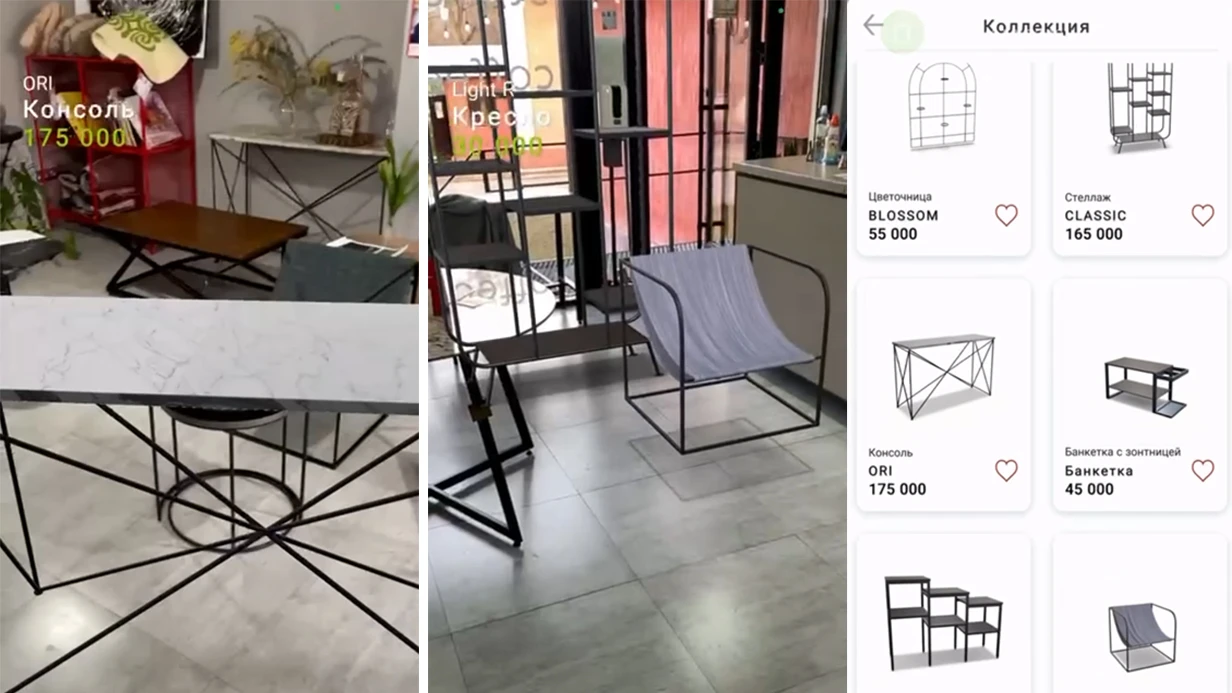
| אזור AR עם שכבת מידע דיגיטלית | מותגים שרוצים להפתיע ולערב | המבקר מכוון את המצלמה ורואה איך המוצר עובד בסביבה אמיתית: פרמטרים טכניים, מצבים, אפשרויות. מעורבות גבוהה ותמונה למזכרת. |
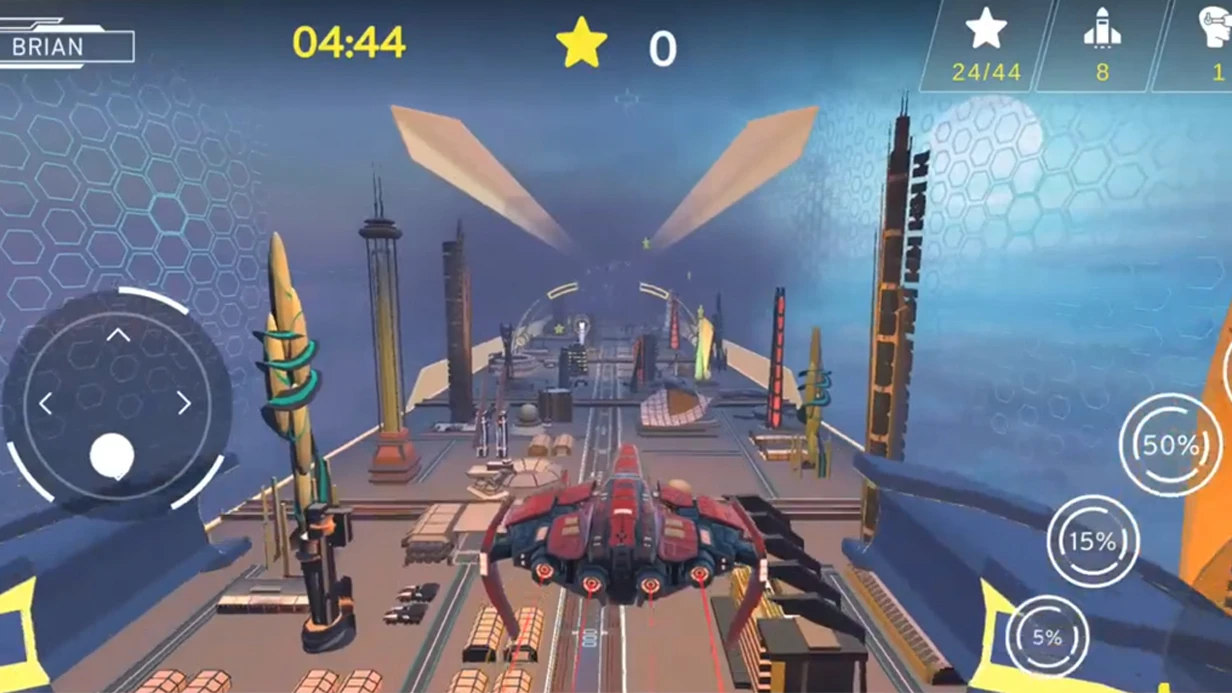
| משחק VR או סימולציה | תערוכות עם תנועה גבוהה | יוצר תור ובאזז סביב הדוכן — ככל שיותר אנשים באזור, כך יותר אחרים באים "לראות את הדבר הזה". עובד מצוין לאיסוף קשרים דרך השתתפות חינמית. |
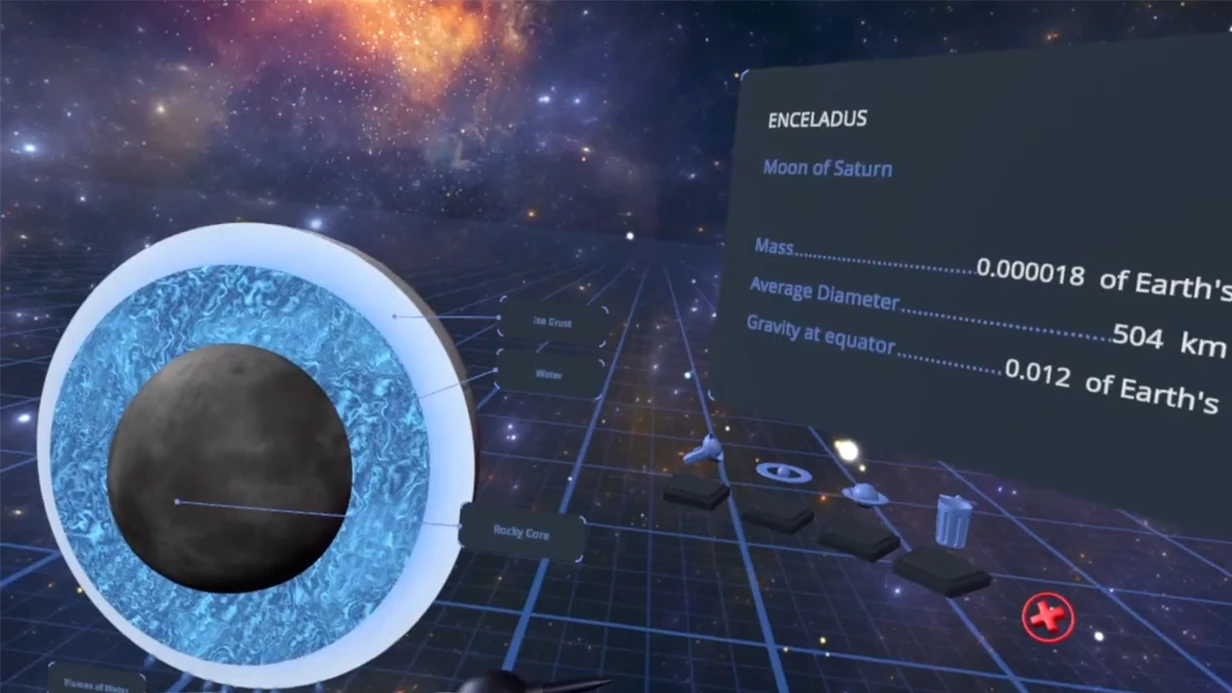
| סיור וירטואלי במתקן | מוזיאונים, פרויקטי תערוכה, חברות עם מתקנים גדולים | לוקח את המבקר למקום שבו הוא פיזית לא יכול להגיע: סדנה, מכרה, שחזור היסטורי. הפורמט הזה נשאר בזיכרון לאורך זמן ומחזק את המודעות למותג. |
כל פורמט פותר מטרה משלו, אבל הם מאוחדים בדבר אחד: במקום דוכן סטטי, אתה מקבל אזור אינטראקטיבי שעובד למען התוצאה שלך — עניין, דיאלוג וקשרים חוזרים.
כבר סיפקנו עשרות פרויקטים כאלה ונעזור לך לבחור את הפורמט שמתאים לתערוכה ולתקציב הספציפיים שלך.
איך עובד פיתוח דוכן VR: מהבריף ועד ההשקה
פיתוח דוכן VR לתערוכת ציוד תעשייתי הוא לא רק השכרת משקפיים — זה פרויקט לכל דבר שנועד למשוך תשומת לב לדוכן שלך.
כדי שתישאר בשליטה על התהליך, אנחנו משתמשים במסגרת עבודה ברורה עם שלבי אישור — אתה רואה את התוצאה לפני שההפקה בכלל מתחילה.
שלבי יצירת דוכן VR
- בריף והגדרת מטרות. אתה מספר לנו על הציוד שלך ועל המטרה: למשוך מבקרים, להדגים טכנולוגיה, או לאסוף קשרים. אנחנו מתעדים את פרופיל הקהל ואת קריטריוני ההצלחה.
- אישור קונספט ואב-טיפוס. אנחנו מציעים את תרחיש האינטראקציה, הסגנון החזותי ופריסת האזור. אתה מבצע תיקונים ומאשר את האב-טיפוס לפני תחילת הפיתוח.
- פיתוח VR לתערוכה. אנחנו יוצרים מודל וירטואלי של הציוד שלך ותרחיש שמובן ללא הוראות. אנחנו מראים גרסאות ביניים בכל שלב.
- ייצור והרכבה. אנחנו מייצרים את אלמנטי העיצוב ובוחרים ציוד ותוכנה מקצועיים. הכל נבדק במשרד שלנו לפני המשלוח.
- התקנה והשקת אזור ה-VR. אנחנו מביאים את הציוד לתערוכה, מתקינים אותו ומגדירים אותו לפי הדוכן וזרימת המבקרים שלך. עד הפתיחה, הכל עובד ללא תקלות.
- תמיכה במהלך התערוכה. המומחה שלנו נשאר בקרבת מקום: עוזר למבקרים, פותר מצבים בלתי צפויים, ואוסף סטטיסטיקות. אחרי האירוע, אתה מקבל דוח ונתונים לעבודה עתידית.
הודות למסגרת העבודה הזו, השקת אזור ה-VR עוברת ללא הפתעות. אתה מטפל במשא ומתן ובמצגות; אנחנו דואגים לכל השאר.
מה כלול במתקן VR לדוכן שלך
כשאתה מזמין מתקן VR לתערוכת ציוד תעשייתי, אתה מקבל חבילה מלאה במפתח אחד לאזור VR — בלי צורך להבין בטכנולוגיה.
אנחנו לוקחים על עצמנו את התרחיש, התוכן, הצד הטכני והתמיכה כדי שהדוכן יעבוד מהשעה הראשונה ועד סגירת האירוע.
- תרחיש VR המותאם למטרות הדוכן שלך — אנחנו מפתחים את זרימת ההדגמה: מהמגע הראשון ועד הרושם הסופי. תוך 3–5 דקות, אורח מבין את היתרונות של הציוד שלך במקום רק להסתכל על תמונה.
- תוכן בסגנון המותג שלך — אנחנו יוצרים מודלים תלת-ממדיים, ממשק ומסכי פתיחה בצבעי החברה ומשלבים את הלוגו. אין פתרונות תבניתיים — הכל תומך במודעות למותג.
- ציוד לאזור ה-VR — משקפיים מקצועיים, מחשבים חזקים, חיישנים וכיול. אנחנו מספקים את כל הדרוש, מגדירים אותו ובודקים אותו לפני פתיחת התערוכה.
- התקנה ובדיקות בשטח — אנחנו מגיעים מוקדם, מרכיבים את האזור ומריצים סשנים לבדיקה. כל הבעיות נפתרות לפני הגעת המבקרים הראשונים.
- הוראות והדרכת צוות — העובדים שלך מקבלים מדריכים פשוטים והכשרה קצרה: איך להתחיל סשן, לעזור לאורחים ולטפל במהירות במצבים נפוצים.
- תמיכה במהלך האירוע — המומחים שלנו נשארים זמינים בכל ימי התערוכה. במידת הצורך, נגיע במהירות לאתר ונשקם את האזור ללא השבתה ממושכת.
- אנליטיקה ודוח סופי — אחרי האירוע, אנחנו מראים כמה אנשים השלימו את התרחיש, זמן הסשן הממוצע וחלקם של ביקורים חוזרים. המספרים האלה עוזרים להעריך את יעילות הדוכן ולתכנן אירועים עתידיים.
מקרה בוחן: דוכן VR בתערוכה תעשייתית
הלקוח — StankoProm, יצרן ציוד תעשייתי — השתתף בתערוכה תעשייתית מרכזית. המשימה הייתה פשוטה: לבלוט בין עשרות דוכנים דומים ולהפוך סיור שגרתי בתערוכה לסיבה ברורה לדיאלוג.
ברושורים ודגמים עובדים כאן בצורה חלשה, ולכן הוחלט לבנות מתקן VR עם שקיעה מלאה בפעולת סדנה.
מה קרה בדוכן
המבקרים הרכיבו משקפיים וקיבלו הזדמנות להפעיל את המכונה "בשידור חי" — להתחיל מחזור עיבוד, לבדוק את הרכיבים ולראות את החלק המוגמר.
כל סשן נמשך כמה דקות, וכניסה לסדנה הווירטואלית דרשה כלל פשוט: להשאיר פרטי קשר כדי לדון באספקה.
התור בדוכן לא נגמר כל היום — ההמתנה הגיעה ל-30 דקות והפכה לחלק מהבאזז.
במהלך ימי התערוכה, האורחים השלימו יותר מ-400 סשני VR, וצוות המכירות אסף פי שלושה קשרים מתעניינים מאשר באירוע הקודם ללא אינטראקטיביות.
מה זה אומר עבור המותג
התקשורת הענפית התחילה לדבר על הדוכן: עיתונאים צילמו סרטונים משלהם וכתבו על הקונספט, כך שהמתקן הביא עשרות אזכורים ללא תקציב יחסי ציבור נוסף. גל תקשורתי כזה ממשיך להניע את המודעות הרבה אחרי סגירת התערוכה.
אחרי האירוע, הלקוח חזר אלינו עם משימה חדשה — להתאים את אותה חוויה למוזיאון החברה ולהשתמש בסיור הווירטואלי ככלי מצגת קבוע למשלחות. מקרה מוצלח אחד הפך להזמנה חוזרת ולשיתוף פעולה ארוך טווח.
חששות נפוצים: עלות, לוחות זמנים ויציבות אזור ה-VR
להתלבט לפני השקת אזור VR זה נורמלי: אתה אחראי על תוצאות התערוכה ורוצה שהכל יעבור חלק. אנחנו עובדים עם אירועים כבר יותר מ-10 שנים ויודעים אילו שאלות מעסיקות את הלקוחות ביותר. להלן תשובות כנות לשאלות המרכזיות.
כמה עולה דוכן VR לתערוכה?
העלות תלויה בהיקף: מספר האזורים, סוג התוכן ורמת השקיעה. היא כוללת לא רק את החומרה אלא גם פיתוח תרחיש, התקנה, תמיכה טכנית בשטח והדגמות לאורחים. אתה מקבל את הערכת העלות הסופית לפני תחילת העבודה — ללא חיובים נסתרים.
במקביל, אזור ה-VR מחזיר את עצמו דרך זרימת המבקרים לדוכן שלך.
הוא מבדל אותך מעשרות מציגים שכנים, שומר על האורחים פי 3–5 יותר זמן מאשר מצגת וידאו רגילה, ונותן להם סיבה לחזור אליך אחרי התערוכה — למשל, כדי להשאיר פרטי קשר או להגיש פנייה.
מהם לוחות הזמנים לפיתוח והשקה?
דוכן VR סטנדרטי לוקח לנו 2–4 שבועות: מהבריף ועד השקת ניסיון. אם התערוכה קרובה והזמן קצר, אנחנו לוקחים פרויקטים דחופים — במקרה כזה, אנחנו מסכימים על לוח זמנים מקוצר מראש ומתעדפים את המשימות.
העיקר הוא להתחיל את הדיון מוקדם ככל האפשר כדי שיהיה זמן לבדוק את התרחיש ולבצע שינויים לפני פתיחת התערוכה. בכל שבוע, אתה מקבל תוצאת ביניים ויודע בדיוק באיזה שלב נמצא הפרויקט.
מה אם הציוד יתקלקל ביום התערוכה?
אנחנו שוללים את התרחיש הזה. הציוד עובר מבחני עמידה לפני האירוע, המהנדס שלנו נמצא בשטח, וכל הרכיבים המרכזיים מגובים. אם בכל זאת קורה משהו — תקלת חשמל נדירה או כיבוי מקרי — האזור משוקם תוך דקות, לא שעות.
בנוסף, יש לנו ניסיון בפורומים תעשייתיים גדולים שבהם הפסקה בפעולת הדוכן אינה מקובלת. לכן אנחנו מבנים את התהליכים שלנו כך שתוכל להתמקד במשא ומתן ולא בבעיות טכניות.
האם קשה לשלב אזור VR בתערוכה?
לא — כל מה שצריך הוא שטח של כ-4–6 מ"ר ואספקת חשמל סטנדרטית. אנחנו מטפלים בהתקנה, בהגדרה, בחיבור ובעיצוב הדקורטיבי של האזור כך שישתלב באופן טבעי בדוכן שלך.
יתרה מכך, אנחנו תומכים בפרויקט עד לרגע הפתיחה: יום לפני התערוכה, אנחנו מריצים בדיקות אחרונות ומכשירים את הצוות שלך ביסודות ההדגמה. כתוצאה מכך, אתה מקבל מגנט מבקרים מוכן בלי שהצוות שלך יתערב בפרטים טכניים.
קבל הצעה מותאמת אישית לדוכן ה-VR שלך
אתה כבר יודע איך דוכן VR מבדל אותך משכניך בתערוכה: המבקרים זוכרים את המותג, נשארים יותר זמן ומשתפים את התרשמותם ברצון רב יותר. נשאלת שאלה אחת — איך להשיג את כל זה בלי סיכונים ובזמן. התשובה שלנו פשוטה: אנחנו מספקים את זה במפתח מלא ומטפלים בכל הפרטים הטכניים.
הזמנת דוכן VR מאיתנו פירושה קבלת:
- ייעוץ VR מקדים — נדון במטרותיך, בפורמט התערוכה ובקהל היעד ונמליץ איזה תרחיש יניב חשיפה מקסימלית.
- חישוב לתקציב שלך — נחשב את עלות ה-VR עבור המתחם ומספרי המבקרים הספציפיים שלך ונציע 2–3 אפשרויות יישום ללא עמלות נסתרות.
- VR במפתח מלא לתערוכה — מהקונספט והסצנה התלת-ממדית ועד ההתקנה וההגדרה בשטח; אין צורך לחפש קבלנים או לשלוט בכל שלב.
- תמיכה טכנית ביום האירוע — מהנדס יהיה זמין ובמידת הצורך נוכח בדוכן כדי שהציוד יעבוד מהדקה הראשונה ועד הסגירה.
- תוכן מותאם לקהל שלך — ניצור תרחיש שיהיה מובן למהנדסים, למנהלים ולמבקרים מזדמנים כאחד.
אנחנו עובדים עם חברות תעשייתיות ויודעים: בתערוכה, כל דקת השבתה היא לידים אבודים. לכן אנחנו מכינים רכיבים חלופיים, בודקים הכל מראש ומשאירים זמן לבדיקות הרצה.
שלח פנייה — מומחה VR יחזור אליך תוך יום עסקים אחד, יענה על שאלותיך ויכין הצעה מותאמת אישית לדוכן הספציפי שלך. ניתן להעריך את עלות ה-VR לאחר שיחה קצרה: תקבל הערכה שקופה ולוחות זמנים ברורים.
איך לבחור פורמט VR למטרה שלך?
הבחירה בין VR ל-AR מתחילה לא בטכנולוגיה אלא במטרה שהדוכן צריך להשיג בתערוכת ציוד תעשייתי.
אם אתה צריך להציג מכונות גדולות שלא ניתן להעביר, או לאפשר למבקר למצוא את עצמו בתוך תהליך ייצור — בחר ב-VR.
אם הציוד כבר נמצא בדוכן ואתה צריך רמזים אינטראקטיביים, מפרטים או סכמה של איך היחידות עובדות — AR מספיק.
בחירת הפורמט לתערוכה תלויה במסע המבקר. VR מבודד מהרעש: אדם עוצר לכמה דקות, שוקע לגמרי בתרחיש, וזוכר את המותג.
AR עובד בשטח פתוח, לא דורש אזורים סגורים, ויוצר קשר מהר יותר — האורח מכוון את המצלמה ומיד מקבל את מה שהוא צריך. שקול אם יש בדוכן מקום לסשנים אישיים וכמה זמן אדם מוכן להקדיש לך. זה מיד מצמצם את הבחירה.
התקציב למתקן VR בדרך כלל גבוה יותר: הוא דורש תוכן מלא וציוד שיכול לעמוד בעשרות סשנים רצופים. אבל ההחזר חזק יותר: אינטראקציה עמוקה, רגשות עזים וצילומים לרשתות חברתיות שממשיכים לעבוד אחרי התערוכה.
פתרון AR קל יותר להתאים לתקציב מוגבל: הוא משתמש במסכים או בטאבלטים, עולה מהר יותר, ויעיל באותה מידה בכל שעת פעילות. כשמשווים פורמטים, שקול לא רק את המחיר אלא גם את העלות לכל קשר עם לקוח יעד.
אנחנו לא מוכרים "טכנולוגיה לשם טכנולוגיה": במהלך הייעוץ, אנחנו מפרקים את המטרות שלך, את הקהל ואת התוצאה הצפויה, ואז עוזרים לך לבחור VR או AR עם מקום להתרחבות בעתיד.
אם אתה מתלבט בין שני פורמטים, נציע מערך שבו שניהם עובדים בדוכן אחד ללא הכפלת עלויות. הבא לנו את המטרה שלך, ונמצא פתרון שמניב תוצאות כבר מהתערוכה הראשונה שלך.