



איך לבלוט בתערוכה קמעונאית עם VR
בתערוכה קמעונאית, התחרות היא על תשומת הלב של המבקרים: מאות דוכנים, גרפיקה בוהקת, יחצנים ופרסים — כל זה מתערבב לרעש כללי. האורחים זוכרים לא את החברות שצועקות הכי חזק, אלא את אלה שמאפשרות להם לנסות משהו חדש.
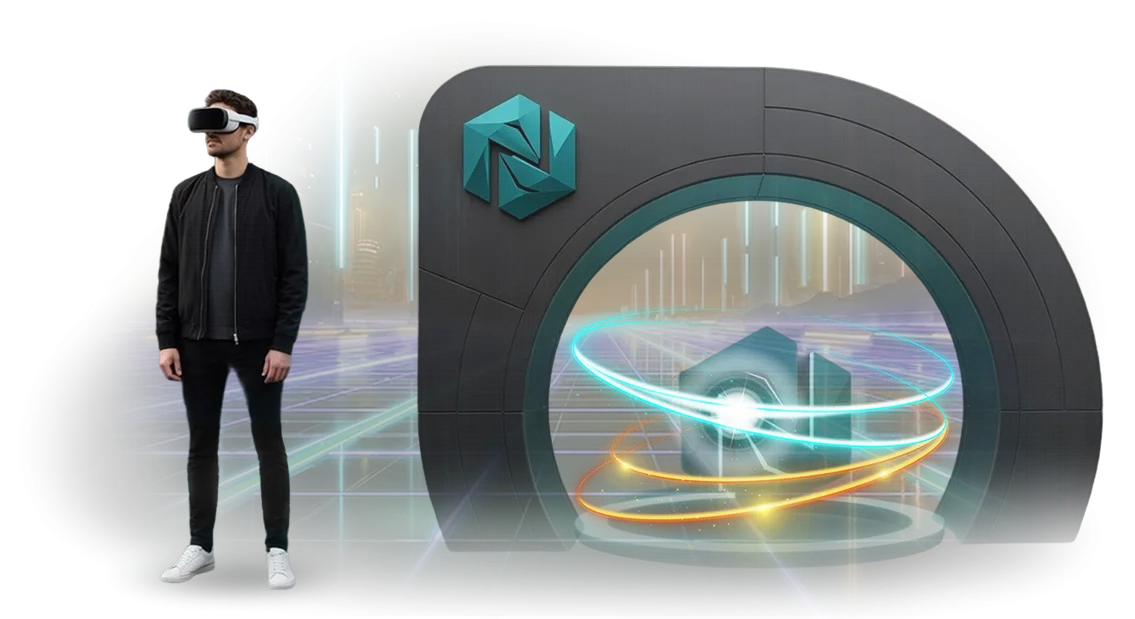
מתקני VR לתערוכות הופכים דוכן למקום משיכה: אדם מפסיק להיות צופה והופך למשתתף בתרחיש.
עבור מותג קמעונאי, זה עובד בשני כיוונים בו-זמנית. ראשית, משיכת מבקרים ישר לדוכן: אנשים עומדים בתור כדי לנסות קולקציה וירטואלית, לעבור דרך חנות עתידית, או להרכיב מוצר משלהם בפורמט אינטראקטיבי.
שנית, האפקט שלאחר התערוכה: אנשים רוצים להראות חוויה יוצאת דופן לחברים, כך שהאורחים מקליטים סרטונים ומדברים על המותג, ומרחיבים את הטווח מעבר למקום האירוע.
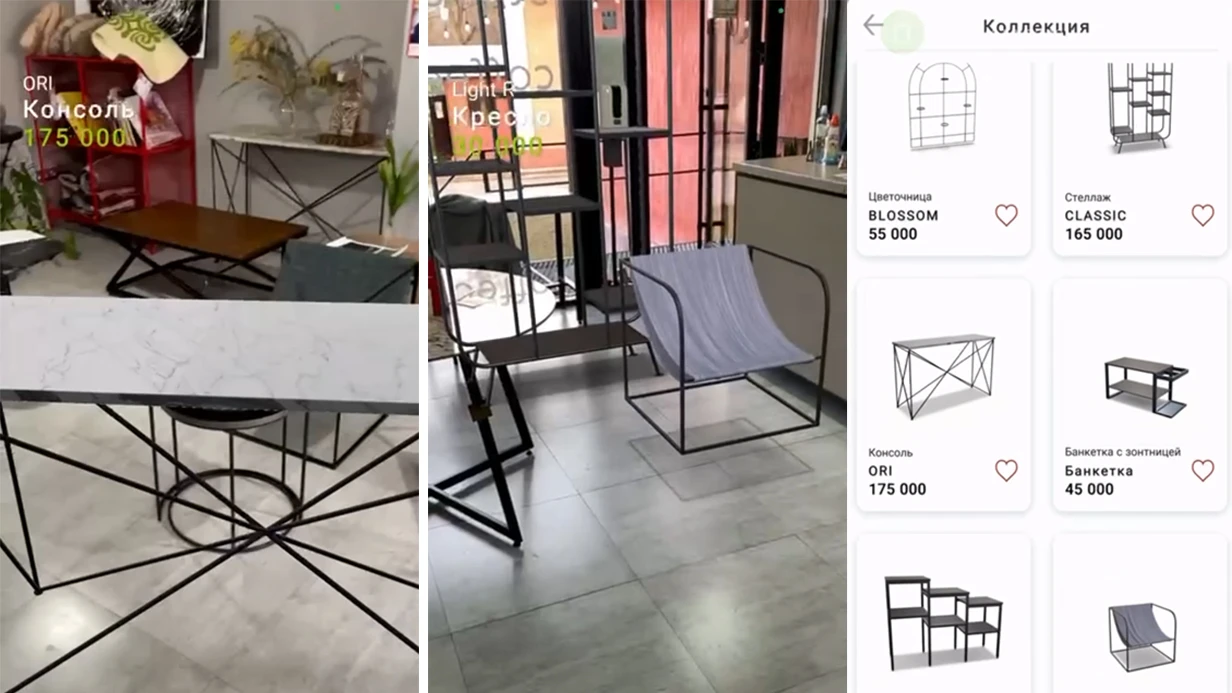
VR עבור מותג בתערוכה הוא גם דרך לא פולשנית להציג מגוון מוצרים או קונספט חנות חדש ללא דוגמיות פיזיות. המבקר מקבל רגש, והחברה מקבלת תדמית בלתי נשכחת ומאגר אנשי קשר מאלה שהיו מעוניינים באמת.
כבר עזרנו לרשתות קמעונאיות לבלוט בתערוכות בדיוק בדרך זו: בנינו חוויות VR שעובדות לתדמית המותג ואוספות קהל מתעניין במקום אחד.
העיקר הוא לא רק לשים משקפי VR ואוזניות, אלא לבנות תרחיש.
כשהמציאות המדומה פותרת בעיה עסקית — למשל, הצגת פורמט חנות חדש או שירות — היא הופכת לכלי עבודה ולא רק ל"אטרקציה". כך הדוכן הופך לנקודה שלא חולפים על פניה, וממשיכים לדבר עליה הרבה אחרי שהתערוכה מסתיימת.
מה מתקן VR ייתן למותג שלך
בכל תערוכה קמעונאית, עשרות דוכנים מתחרים על תשומת הלב של המבקרים. במהלך יום, אורח עובר כמה מאות מטרים של תערוכה, וכדי לגרום לו לעצור בדוכן שלך, אתה צריך רגש חזק.
מתקן VR מספק את זה מיד: אדם שוקע באווירת המותג, מנסה משהו, מרגיש התלהבות — ונשאר בדוכן יותר זמן מאשר בדוכנים השכנים. מעורבות כזו של אורחים היא היתרון הראשון והברור ביותר של מציאות מדומה.
החוויה בלתי נשכחת ומעוררת פעילות. אחרי הורדת המשקפיים, המשתתפים בדרך כלל מצלמים תמונות או מקליטים סרטונים כדי לשתף את מה שראו. הפוסטים האלה במדיה החברתית הופכים לתוכן ויראלי שמספר לאלפי אנשים על המותג שלך ללא תקציב פרסום. ככל שהאורח חווה יותר רגש, כך הוא משתף את הסיפור שלך ברצון רב יותר.
אבל מתקן VR בתערוכה עובד לא רק על רגשות. אפשר לבנות רגע של איסוף אנשי קשר בתוך התרחיש: למשל, אחרי הסשן, להזמין את המשתתף להשאיר מספר טלפון כדי לקבל הנחה בלעדית או סיכוי לזכות בפרס הראשי.
זה הופך חוויית בידור למקור של לידים בתערוכה — אתה עוזב את האירוע עם מאגר של אנשים מתעניינים, לא רק עם רשמים.
לבסוף, כל זה יחד מחזק את ההכרה במותג. דוכן עם VR הופך למרכז משיכה, אנשים מדברים עליו וחוזרים שוב. הלקוחות יוצרים תדמית של חברה שלא מפחדת מטכנולוגיה ויודעת להפתיע.
דרך רגשות, ויראליות ואנשי קשר שנאספו, מתקן VR מחזיר את ההשקעה פי כמה, ומספק תוצאות מדידות לא רק בימי התערוכה אלא גם במכירות שלאחר מכן.
פורמטים של מתקני VR לתערוכה קמעונאית
מבקר בתערוכה קמעונאית חולף על פני עשרות דוכנים.
כדי לגרום לו לעצור אצלך, אתה צריך חוויה שאי אפשר להתעלם ממנה — דוכן VR לתערוכה, אזור AR, או פאנלים אינטראקטיביים שמערבים את האורח במשחק, מציגים את המוצר בפעולה, ונזכרים טוב יותר מאשר יחצן.
אנחנו בוחרים את הפורמט לפי המשימה: אם צריך להציג את מגוון המוצרים, זה סיפור אחד; אם צריך לאסוף אנשי קשר, זה סיפור אחר. להלן טבלה של שלושה פורמטים מוכחים של מתקני VR לקמעונאות.
| פורמט | למי זה מיועד | מה זה נותן ללקוח |
|---|---|---|
| דוכן VR לתערוכות | מותגים עם מוצרים גדולים או פריטים חדשים | מטביע את המבקר במגוון המוצרים תוך 3–5 דקות, מציג את המוצר בפירוט, ומספק אנשי קשר חמים |
| אזור AR לאירועים | רשתות קמעונאיות לפעילות ויראלית | אורחים מצלמים תמונות עם מוצרים וירטואליים ומפיצים את המותג במדיה החברתית |
| פאנלים אינטראקטיביים | חברות עם קטלוג גדול או בחירות מורכבות | האורח מוצא במהירות את המוצר המתאים דרך משחק, ואתה מקבל את ההעדפות שלו |
כל אפשרות פותרת את המשימה שלה: דוכן VR מספק היכרות מעמיקה עם המוצר, אזור AR מספק טווח הגעה דרך פוסטים במדיה החברתית, ופאנלים אינטראקטיביים חוסכים זמן בייעוץ.
אנחנו יכולים לשלב פורמטים למסלול אחד: האורח נמשך, בוחן את המוצר, ומשאיר את פרטי הקשר שלו — עם אנליטיקה אחידה למחלקת המכירות.
אחרי התערוכה, אתה מקבל מספרים: כמה אנשים השלימו את התרחיש, איזה מוצר עורר עניין, וכמה אנשי קשר נאספו. זה עוזר לתכנן את הקמפיין הבא ולדווח להנהלה.
איך עובד פיתוח דוכן VR
פיתוח דוכן VR הוא לא קסם אלא תהליך מובנה שבו אנחנו לוקחים אחריות על התוצאה. כדי לתת לך כלי עבודה לתערוכה ולא רק תמונה מרשימה, אנחנו עוברים כמה שלבים — מהבריף ועד ההשקה. להלן איך זה עובד.
-
בריף לפיתוח VR — אנחנו נפגשים או עורכים שיחה כדי לברר את המטרות שלך להשתתפות בתערוכה, קהל היעד והמסר המרכזי. התוצאה היא מפרט טכני שמתעד את היעדים והתוצאות הצפויות.
-
קונספט תרחיש — אנחנו חושבים מה האורח יעשה ב-VR: לבחון מוצר, להשתתף במשחק, או לצאת לסיור אינטראקטיבי. אנחנו מגדירים את לוגיקת האינטראקציה כך שכל מבקר יקבל רושם חי בתוך 2–3 דקות ויזכור את המותג שלך.
-
עיצוב ואישור — אנחנו יוצרים את הסגנון החזותי של החלל הווירטואלי: אווירה, צבעים ואלמנטים של המותג. אנחנו מציגים לך מודלים וסקיצות תלת-ממדיות ומבצעים תיקונים לפני תחילת הפיתוח הראשי. כך אתה שולט בתוצאה בכל שלב.
-
יצירת דוכן VR — אנחנו מפתחים את האפליקציה באמצעות ציוד מקצועי ומרכיבים גרפיקה, סאונד ואלמנטים אינטראקטיביים לסביבה אחת. אנחנו בודקים על מכשירים אמיתיים כדי למנוע תקלות ברגע הקריטי ביותר.
-
הכנה לתערוכה — אנחנו מספקים ומתקינים את הציוד מראש, בודקים את התאורה ופריסת הדוכן, ומדריכים את הצוות שלך. אתה מקבל פתרון "מפתח ביד" מוכן לחלוטין — בלי טרחות טכניות ביום הפתיחה.
-
השקה ותמיכה — אנחנו מלווים אותך לאורך כל התערוכה, פותרים במהירות כל בעיה ומתאימים את התרחיש במידת הצורך. אחרי האירוע, אנחנו מספקים אנליטיקה: כמה אורחים ניסו את ה-VR, כמה זמן הם השקיעו, ואיך הם interacted.
מה כלול בפרויקט מתקן VR
כשאתה מזמין מתקן VR, חשוב להבין שזה לא השכרה של כמה משקפיים. זה פתרון מלא לתערוכה שלך: מרעיון ותוכן ועד תפעול בשטח.
אנחנו מרכיבים פרויקט VR "מפתח ביד" ולוקחים אחריות על התוצאה כדי שתוכל להתמקד באורחים ולא בטכנולוגיה.
- ציוד למתקן ה-VR. אנחנו בוחרים משקפי מציאות מדומה מקצועיים, תחנות חזקות וציוד היקפי שיתאימו לתרחיש ולכמות המבקרים שלך. הכל נבדק לפני היציאה, ובשטח אנחנו עובדים רק עם ציוד מאומת.
- פיתוח תוכן. אנחנו יוצרים את התרחיש, סצנות תלת-ממד ומכניקות אינטראקטיביות למשימה שלך — להציג מוצר, להכשיר צוות או להפתיע אורחים. התוכן מופק באנגלית, תוך התחשבות במאפייני הקמעונאות והמותג שלך. (אנחנו מתאימים מרוסית לאנגלית היכן שמתאים לתרגום, אבל שומרים על המשמעות המקורית: התוכן נעשה בשפה המקומית.)
- התקנת דוכן VR. ביום האירוע, אנחנו מספקים את הציוד, מרכיבים את המבנה ומגדירים תאורה, סאונד ואזור בטיחות. אנחנו מבצעים בדיקת השקה מלאה לפני פתיחת התערוכה כך שהאורחים הראשונים כבר נכנסים למתקן מוגמר.
- תמיכה טכנית לאורך כל האירוע. מהנדס נוכח במקום בכל שעות פעילות הדוכן. הוא פותר בעיות במהירות, מחליף ציוד בעת הצורך ומפקח על פעילות יציבה.
- הכשרת צוות האירוע. תוך 15 דקות, אנחנו מלמדים את העובדים שלך איך לקבל אורחים, לעזור בהרכבת המשקפיים, לפקח על הסשן ולהפעיל מחדש את התרחיש. הם יכולים לעבוד באופן עצמאי בזמן שהמהנדס נשאר בכוננות.
בסופו של דבר, אתה מקבל דוכן VR מוכן לחלוטין: כל הציוד, התוכן, ההתקנה, התמיכה הטכנית והכשרת הצוות בפרויקט אחד. אנחנו לוקחים על עצמנו את כל הסיכונים הטכניים, ואתה מקבל מתקן יציב שפועל ללא תקלות ואוסף טווח הגעה ורגשות מבקרים.
מקרה בוחן: דוכן VR שהחזיר את ההשקעה
בתערוכה של רשת הקמעונאות «TechnoMir», יישמנו מתקן VR שפתר בעיה עסקית ספציפית: הבאת המספר המרבי של מבקרים לדוכן והפיכתם ללידים.
אזורי קידום רגילים מאבדים את תשומת הלב של המבקרים תוך 30 שניות — אולם התצוגה הווירטואלית שלנו החזיקה אנשים במשך 5–7 דקות, ובמהלכן לכולם היה זמן להכיר את פורמט החנות החדש.
תוצאות דוכן ה-VR עלו על ציפיות הלקוח. תנועת הדוכן גדלה ב-67% בהשוואה להשתתפות בשנה שעברה ללא VR. במשך שלושה ימי תערוכה, אספנו 248 טפסי יצירת קשר — פי שלושה יותר ממה שדוכן רגיל היה מספק.
והכי חשוב, 34% מהלידים האלה ביצעו רכישה או הזמנה מראש תוך חודש, כך שההשקעה בפיתוח החזירה את עצמה כבר במחזור המכירות הראשון.
משוב על פרויקט ה-VR ממנהל השיווק של TechnoMir: "שמענו בעבר ש-VR מעניין אורחים, אבל לא ציפינו שהוא יהפוך לנקודת המשיכה המרכזית.
נוצר תור כבר מהפתיחה, ומחלקת המכירות עזבה עם מאגר של כמעט 250 אנשי קשר חמים. זה הביצועים הטובים ביותר של מתקן VR בכל שנות ההשתתפות שלנו בתערוכות — אנחנו ממליצים על זה לכל מי שרוצה תוצאה מדידה."
מקרה בוחן זה של מתקן VR מאשר שמציאות מדומה עובדת לא כ"אפקט וואו" אלא ככלי להשגת KPIs — משיכת תנועה, איסוף לידים והגדלת הכנסות.
אם אתה מתכנן דוכן לתערוכה, אנחנו נעזור לך לתכנן בדיוק את המתקן שפותר את המשימות שלך ולחזות את ההחזר על ההשקעה.
איך לבחור את הפורמט המתאים למשימה שלך?
בחירת פורמט מתקן היא לא שאלה של "מה יותר טרנדי" אלא של "מה יעבוד עם הקהל שלך במקום שלך". התשובה תמיד תלויה בשלושה דברים: מטרת הדוכן, מגבלות החלל ודפוסי ההתנהגות של האורחים.
אם המטרה היא טבילה מלאה במוצר או בתרחיש עתידי, VR נותן תחושה של "להיות בפנים": אדם לא מסתכל על מסך אלא חי את הסיטואציה.
זה עובד כשצריך להחזיק תשומת לב למספר דקות וליצור אסוציאציה חזקה עם המותג. לקמעונאות, פורמט זה מתאים להצגת חנות העתיד, פורמט שירות חדש, או מסע לקוח עם תחושת נוכחות.
AR הוא מקרה אחר. הוא מרבד אובייקטים דיגיטליים על העולם האמיתי בלי לנתק את האדם מהסביבה שלו. זה אידיאלי לפעילויות קצרות: להחיות אריזה, להציג מוצר בתוך חלל פנים, או להוסיף משחק או ניווט בדוכן.
AR דורש פחות מקום ולעתים קרובות רץ על הסמארטפון של המבקר עצמו — אין צורך לחכות בתור למשקפיים, וקל יותר למדוד את טווח ההגעה.
הצד הטכני הוא העניין שלנו, אבל הוא משפיע על בחירת הפורמט דרך המגבלות שלך. VR צריך אזור עם תאורה מבוקרת ומרחב בטוח, רצוי עם מנחה.
AR חי בתאורה רגילה ועל מכשירים ניידים, כך שהוא מתקנה בקלות רבה יותר לזרימה גדולה של מבקרים.
הקריטריון המרכזי הוא לא "מה יותר מגניב" אלא מה פותר את המשימה שלך: עומק הרושם או טווח הגעה רחב. אם אתה לא בטוח, שלח לנו בריף — נייעץ לך איזה פורמט יביא את התוצאה הרצויה מהר יותר ונציע תרחיש לקהל שלך.
אנחנו מסתמכים על עשרות פרויקטים תערוכתיים שיושמו, כך שהייעוץ שלנו מבוסס על ניסיון, לא על תיאוריה.
שאלות נפוצות על מתקני VR
פיתוח מתקן VR הוא צעד אחראי, ולקוחות שואלים לעתים קרובות שאלות דומות לפני ההתחלה. אספנו תשובות לאלה שאנחנו שומעים הכי הרבה: על תקלות, לוחות זמנים, קושי למבקרים והבטחות. אם השאלה שלך לא כאן, כתוב לנו ונמצא פתרון למשימה שלך.
מה קורה אם ציוד VR מתקלקל באירוע?
אנחנו מביאים ערכות גיבוי ומשכפלים אלמנטים מרכזיים של המערכת. מהנדס נוכח במקום כל הזמן — במקרה של תקלה, הוא יחליף את המכשיר תוך כמה דקות.
האורחים אפילו לא ישימו לב: המתקן ימשיך לפעול ללא הפסקות, ואתה לא תאבד את זרימת המבקרים.
כמה זמן לוקח לפתח מתקן VR?
פרויקט סטנדרטי לוקח 2–4 שבועות. הכל תלוי בתרחיש: תצוגה פשוטה עם בחירת מוצר היא מהירה יותר, חנות וירטואלית עם כמה אזורים לוקחת יותר זמן. אנחנו קובעים מועדים מדויקים בחוזה ועומדים בהם. אם אתה צריך לעמוד בתאריך ספציפי, אנחנו יכולים להציע לוח זמנים עדיפות.
האם קשה למבקרים להשתמש ב-VR אם אין להם ניסיון?
התרחישים שלנו מתוכננים למתחילים. השליטה מצומצמת לפעולה אחת או שתיים: להסתכל, ללחוץ, לבחור. הנחיות קוליות מסבירות את השלבים, והמערכת מנחה את תשומת הלב של האורח.
ילד או אדם מבוגר יכולים להשלים את התרחיש ללא עזרה — אתה מקבל רגשות חיוביים ולא תור של אנשים מבולבלים.
אילו הבטחות אתם נותנים לביצועי המתקן?
אנחנו אחראים על הצד הטכני בכל השלבים: מההכנה ועד סוף התערוכה. אנחנו מבצעים ריצות בדיקה, בודקים כל מכשיר ומגבים רכיבים קריטיים.
החוזה כולל התחייבויות לפעילות רציפה וזמן תגובה לאירוע של לא יותר מ-15 דקות. כל מה שנשאר לך זה להתמקד במשימות שלך.
קבל ייעוץ על VR לתערוכה שלך
כל דוכן בתערוכה קמעונאית פותר משימה: למשוך מבקר, להחזיק את תשומת הלב שלו ולהעביר את מסר המותג. אבל בלי תכנון מדויק, קל לאבד את ההשקעה בדוכן.
אנחנו עוזרים להפוך השתתפות בתערוכה לתוצאה מדידה — עם מתקן VR שמושך תורים ונשאר בזיכרון.
התחל בייעוץ VR — השאר פנייה, ואנחנו נכין הצעה מסחרית עם תקציב שקוף ולוחות זמנים. ננתח את המשימה שלך, נציע גישה ונראה איך דוכן VR יועיל למותג הספציפי שלך. זה לגמרי לא מחייב.
מה אתה מקבל מהייעוץ:
- ניתוח של מטרות הדוכן שלך ופרופיל מבקרי התערוכה שלך.
- רעיון לחוויית VR אינטראקטיבית שעובדת להכרת המותג ואיסוף אנשי קשר.
- חישוב עלות לדוכן VR "מפתח ביד": קונספט, תוכן, ציוד, התקנה ותמיכה.
- הערכה של לוחות זמנים ליישום — מהדיון הראשון ועד מוכנות מלאה ליום הפתיחה.
- דוגמאות לפרויקטים דומים למותגים קמעונאיים והמלצות לטווח הגעה לקהל.
- תוכנית פעולה ברורה: מי אחראי על מה ואילו חומרים נדרשים ממך.
הזמנת מתקן VR איתנו משמעותה קבלת VR "מפתח ביד" לתערוכה שלך: קבלן אחד, תקציב קבוע ופתרון מוכח. צור קשר — נחזור אליך תוך יום עסקים, נענה על השאלות שלך ונכין הצעה.